For coffee brands, Poly Mailer Bags Unit Cost for coffee is rarely the full story. A mailer that saves a few cents can still cost more in the end if it splits at the seam, invites moisture, or arrives with a crushed, tired look that makes a premium roast feel less premium. Packaging buyers usually get the best result by treating the mailer as part of the shipping system, not as a throwaway outer layer.
Coffee is a different package category from apparel or general merchandise. The product often travels inside a sealed retail pouch, but that pouch still needs protection from humidity, rough handling, and a poor unboxing experience. For subscription shipments, roasted-to-order orders, sample kits, and small wholesale packs, the question is not only what the mailer costs at the factory. It is what it costs after freight, fulfillment time, rework, and damage are included. That is the real comparison.
Why coffee brands overpay for shipping bags they barely notice
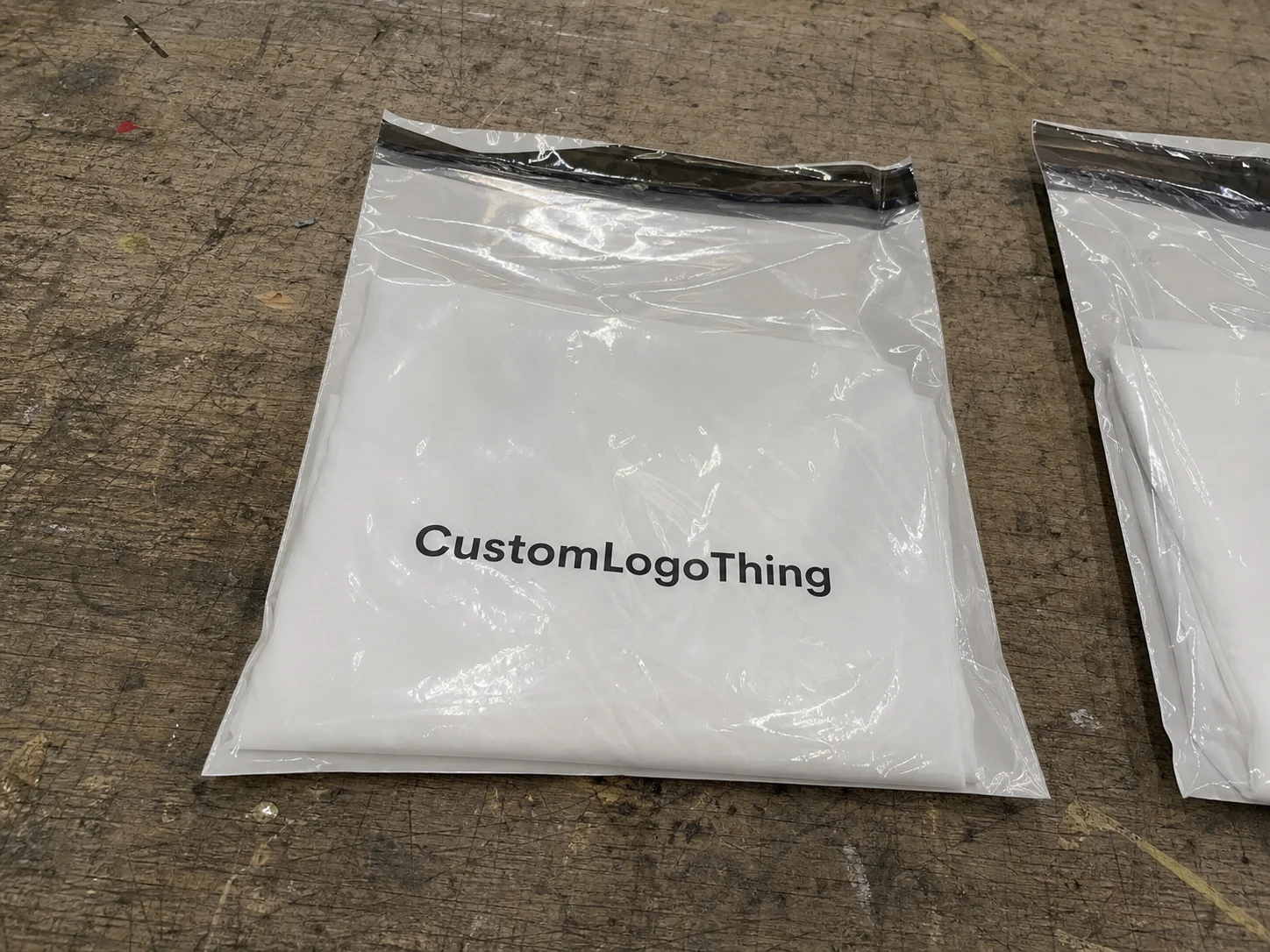
Overpaying usually starts with a quote that looks clean and simple. The buyer approves a lower number, then learns later that the mailer is slightly too small for a 12 oz pouch, too thin for a busy packing line, or too generic for a brand that sells on presentation as much as taste. The bag seems fine on paper. Once shipping begins, the weak points show up quickly: adhesive failure, punctures, extra tape, slower pack-out, and more replacement orders than expected.
Coffee packaging adds a few pressures that buyers in other categories do not always face. Aroma matters. Moisture protection matters. Presentation matters more than many teams expect, especially when a shopper is receiving a first-time order or a gift box. If the outer bag looks cheap or sloppy, the customer often assumes the product inside was handled the same way. That perception can be expensive, even if the inner pouch itself is perfectly intact.
There is also an operations side to this decision. Subscription programs tend to run on fixed fulfillment windows, while roasted-to-order brands often work with tight roast and dispatch schedules. Sample packs may be small, but they often carry the most branding pressure because they are the first physical touchpoint. A good mailer supports the packing line, protects the product, and keeps the order moving without requiring extra labor.
Practical packaging math: a mailer that costs less per unit can still become the more expensive choice if it increases damage, slows packing, or creates more customer service replacements.
Poly mailer bag options built for coffee packaging
Not every poly mailer is a good fit for coffee. Standard poly mailers can work well for lightweight, sealed retail pouches. Co-extruded mailers are stronger because they use multiple film layers, which improves puncture resistance and handling performance. Opaque black or white mailers are common when the brand wants a cleaner appearance and less visibility into the contents. Custom printed versions are often chosen when the outer package has to carry part of the brand story.
For most coffee brands, the outer mailer is not the food-contact package. It is the shipping layer around the retail pouch. That means the target is straightforward: keep the inner coffee pouch dry, intact, and presentable from warehouse to doorstep. The adhesive should close without lifting. The film should resist tearing. Water resistance matters because parcels can sit on wet porches, move through damp sorting hubs, or get handled more roughly than the buyer expects.
Custom Printed Mailers make the most sense when volume is steady enough to justify setup and when brand consistency matters at the door. A plain stock mailer can do the job, but a printed bag reduces label clutter and gives recurring shipments a more deliberate feel. For subscriptions and gift orders, that can improve the impression the customer carries forward. For sample kits, print can do some of the selling before the box is even opened.
| Mailer type | Best use for coffee | Typical strengths | Cost impact |
|---|---|---|---|
| Standard poly mailer | Single pouch shipments, light sample packs | Low cost, light weight, decent moisture resistance | Lowest unit cost |
| Co-extruded mailer | Heavier pouches, higher puncture risk | Better film strength, stronger handling performance | Moderate increase |
| Opaque black mailer | Privacy-focused DTC shipments | Discreet appearance, good coverage | Usually similar to standard, depending on thickness |
| Custom printed mailer | Subscription coffee, branded sample kits | Brand impact, cleaner presentation, less label clutter | Higher due to print and setup charges |
From a buyer’s perspective, the right format is the one that fits the parcel profile. A single 8 oz pouch may not need the same film weight as a multi-pouch subscription shipment. A larger retail pack may need more clearance so the closure does not sit under stress. Once the order grows, the cost difference between a light mailer and a stronger one becomes easier to see, but so does the cost of getting the spec wrong.
Specifications that change coffee shipping performance
Three specs usually decide whether a coffee mailer performs well: film thickness, size, and seal strength. Thickness is often given in microns or mils depending on the supplier. For many coffee shipping applications, a practical starting range is around 2.5 to 3.0 mil for lightweight single-pouch orders, with thicker constructions used for heavier parcels or shipments that face more puncture risk. That is a starting point, not a rule.
Size matters just as much. A mailer that is too tight can stress the closure and slow down packing. A bag that is too large wastes material and creates a loose, careless look at the end of the line. For an 8 oz sample pack, compact dimensions usually make the most sense. For a 12 oz pouch, leave enough room so the corners do not get crushed. For two or three pouches in one shipment, consider a larger format or a gusseted style so the stack sits flat.
Odor neutrality is another detail that gets ignored until a customer complains. Coffee should not pick up a chemical smell from the outer layer. The mailer should feel clean and dry, with no tacky finish or dust inside the bag. Moisture protection is the obvious function, but odor and surface cleanliness shape how premium the package feels the moment it is handled.
Fulfillment speed is part of the spec too. If your team applies barcode labels, the surface needs to accept adhesion without peeling. If the bags are hand-packed, the opening strip should work consistently and not fight the packer. A mailer that saves a few seconds per order can justify a higher unit price once the order count rises enough.
- Lock in the dimensions first so the pouch fits without excess slack.
- Confirm opacity if privacy or presentation is part of the brief.
- Match the closure to the packing process: hand seal, pressure-sensitive adhesive, or tamper-evident style.
- Test with the actual coffee pouch, not a generic insert or sample card.
For teams that want a more disciplined check, package testing should be tied to real transit conditions rather than assumed performance. ISTA-style testing or a comparable internal drop-and-compression check gives a better read on how the mailer and inner pouch behave in the actual lane. If sustainability review is part of the packaging brief, the EPA’s recycling resources are useful for understanding broader waste-reduction context, while documentation for any material claim should be kept on file before anything is printed on the bag. See ISTA and EPA recycling resources.
Poly mailer bags unit cost for coffee: what drives pricing and MOQ
Poly Mailer Bags unit cost for coffee comes down to a few variables, and size is usually the biggest one. Larger bags use more film, more adhesive, and more freight space. Thickness comes next because moving from a standard film to a heavier gauge raises raw material use. Print coverage also matters. A simple logo is cheaper than full-coverage artwork, and special finishes can push the price higher without improving shipping performance.
MOQ changes the calculation quickly. At low quantities, setup costs get divided across fewer bags, so the unit price climbs. That is why a test order often looks expensive compared with a replenishment run. Higher-volume orders usually bring the unit price down because tooling, print setup, and production time are spread across more pieces. If a launch is uncertain, a smaller order may still be the right call. If demand is predictable, ordering in tiers usually produces a better landed cost.
For buyers, the most useful comparison is not just the factory price. It is the price after freight, packaging efficiency, and failure risk are included. A slightly more expensive mailer that packs faster and damages less can beat a cheaper one by a wide margin once the operation is running at full speed.
| Order style | Typical pricing behavior | Best fit | Buyer tradeoff |
|---|---|---|---|
| Unprinted stock mailers | Lowest unit cost, minimal setup charges | Fast replenishment, internal testing | Less brand impact |
| 1–2 color custom print | Moderate increase in cost per piece | Most DTC coffee brands | Needs artwork approval and print prep |
| Full-coverage custom print | Higher unit cost due to ink coverage and press time | Premium brand presentation | More expensive at lower MOQ |
| Custom size with print | Highest setup and tooling fees | Specialty pack formats | Best only when volumes justify it |
For a typical quote, buyers should prepare four core inputs: dimensions, quantity, artwork, and delivery destination. A fifth input helps even more: the required ship date. If the supplier understands the bag is tied to a subscription launch or seasonal promotion, they can build the schedule around proofing and freight instead of guessing later. That is often what avoids rush charges and missed in-stock dates.
As a rough expectation, custom Printed Poly Mailers for coffee can range widely depending on order size, film weight, and print complexity. Small trial runs usually look high on a unit basis. Larger programs often move the number down sharply. The useful comparison is the one between a plain mailer and a branded mailer, plus the labor saved by cleaner labeling and faster pack-out. That is where Poly Mailer Bags unit cost for coffee becomes a buying metric instead of just a quote number.
Process and lead time for custom coffee mailer orders
The ordering process is simple on paper, but the details decide whether the job runs smoothly. It starts with spec confirmation. The supplier needs exact size, film thickness, closure style, print colors, and carton pack counts. After that comes artwork review. Fine type, edge-to-edge coverage, and tight registration should all be checked carefully because the smallest shift can affect how a printed bag looks on shelf or in a customer’s hands.
Brand color drift is one of the most common issues in custom packaging, and it usually comes from skipping a careful proof stage. A digital proof is not just a formality; it is the chance to catch placement errors, spelling mistakes, and anything that would be expensive to fix after production has started. For premium coffee packaging, a pre-production sample is often worth the extra step because it lets the buyer verify size against the actual pouch and check how the mailer handles on the pack line.
Lead time depends on complexity. A stock mailer can move quickly. A custom printed bag takes longer because proofing, scheduling, production, and freight all add time. A custom size can extend the schedule further. Buyers should work backward from the launch date, subscription cycle, or wholesale replenishment window rather than assuming the shortest possible timeline will hold.
- Submit exact dimensions and quantity.
- Share artwork in print-ready format.
- Review the digital proof carefully.
- Approve a sample if the order is custom.
- Confirm production start, packing details, and freight method.
If sustainability claims are part of the brief, they should be backed by documentation rather than general sales language. FSC certification applies to paper components elsewhere in the packaging system, and any environmental claim printed on the bag should be checked before it goes to press. Keeping documentation on file is the safer approach than relying on a verbal assurance. The FSC standard is available at fsc.org.
What to check before you approve a coffee mailer quote
Before a quote is approved, the line items need to be checked one by one. Exact dimensions come first. Then film thickness. Then closure type. If the supplier has quoted a generic size, ask whether it actually fits an 8 oz sample pack, a 12 oz retail pouch, or a multi-pouch subscription order. A price that looks good but misses the fit is not a usable quote.
It also helps to ask about the costs that do not always show up in the first number. Plate charges may apply on some print methods. Setup charges can be listed separately or folded into the unit rate. Proofing fees sometimes appear only after artwork is submitted. Freight can change landed cost more than buyers expect, especially for bulky mailers that ship in cartons with a lot of dead space.
Packaging density deserves a quick look as well. A mailer that packs more efficiently can lower freight cost even if the factory price is slightly higher. That is why the lowest Poly Mailer Bags Unit Cost for coffee is not always the right answer. The best number is the one that includes production, freight, pack speed, and damage risk in the same calculation.
- Ask for carton pack counts and master carton dimensions.
- Confirm print area and whether bleed is included.
- Request sample photos or a physical swatch.
- Compare landed cost, not just factory price.
- Verify any extra charges for rush work or special finishing.
Buyer rule of thumb: if a supplier cannot explain what is included in the quote, the quote is not complete enough for approval.
Next steps for ordering the right coffee mailers in bulk
Start with the facts you already know. Gather the current package dimensions, monthly order volume, and artwork files. Then request two quotes: one for stock mailers and one for Custom Printed Mailers. That comparison usually shows whether branding earns its keep or whether a clean stock solution protects margin better for now. For many coffee brands, the answer changes by channel.
Subscription, retail sample, and wholesale programs often need different packaging logic. A sample mailer may be chosen for visual impact. A recurring DTC shipment may be chosen for speed and consistency. Wholesale may be driven by carton pack efficiency. The best result comes from matching the mailer to the job it performs, not to the prettiest sample on the table.
Before the order is placed, confirm MOQ, lead time, shipping method, and the policy for damaged stock. If the bag is custom, leave room for proof review and a sample if the design is complicated. That small amount of schedule discipline usually protects the margin more than squeezing a few cents out of the quote.
At Custom Logo Things, the practical path stays simple: submit the specs, review the sample or quote carefully, and compare options using the same discipline you would apply to coffee itself—quality, consistency, and cost per piece. That is the most dependable way to control poly mailer bags unit cost for coffee without sacrificing the shipping performance your customers will notice.
What affects poly mailer bags unit cost for coffee the most?
Size, thickness, print coverage, and order volume usually have the biggest effect on unit price. Custom sizing and lower MOQ raise cost because setup gets spread across fewer bags. Freight and packaging format can change landed cost even when the factory price looks competitive.
Are poly mailer bags good for shipping coffee pouches?
Yes, when the coffee is already sealed in a retail pouch and the mailer is used as the outer shipping layer. Choose enough thickness and seal strength to resist punctures and moisture during transit. For direct product contact, verify food-adjacent suitability and use the correct inner packaging first.
What MOQ should I expect for custom coffee mailers?
MOQ depends on size, print method, and whether the design is stock-based or fully custom. Lower MOQs are possible, but the unit cost usually rises as order volume drops. Ask for tiered pricing so you can compare a small test order with bulk replenishment.
How long does custom coffee mailer production usually take?
Lead time includes proof approval, sample confirmation if needed, production, and freight transit. Artwork revisions can extend the schedule, especially when print placement or colors need correction. Buyers should plan well before a product launch or subscription cycle to avoid stockouts.
How can I lower my unit cost without hurting coffee packaging quality?
Standardize dimensions, simplify print colors, and increase order volume where storage allows. Compare stock mailers with custom printed options to see which delivers better margin. Request a landed-cost quote so hidden savings in shipping and pack efficiency show up clearly.


