Buyer Fit Snapshot
| Best fit | Poly Mailers Practices for Shipping Work projects where brand print, material claims, artwork control, MOQ, and repeat-order consistency need to be specified before quoting. |
|---|---|
| Quote inputs | Share finished size, material target, print colors, finish, packing count, annual reorder estimate, ship-to region, and any compliance wording. |
| Proofing check | Approve dieline scale, logo placement, barcode or warning zones, color tolerance, closure strength, and carton packing before bulk production. |
| Main risk | Vague material claims, crowded artwork, missing packing details, or unclear freight terms can make a low unit price expensive after revisions. |
Fast answer: Poly Mailers Practices for Shipping Work: Film, Print, MOQ, and Carton Packing should be specified like a repeatable production item. The safest quote records material, print method, finish, artwork proof, packing count, and reorder notes in one written spec.
Production checks before approval
Compare the actual filled-product size with the drawing, then confirm tolerance on folds, seals, hang holes, label areas, and retail display edges. Reserve space for logos, QR codes, warning copy, and material claims before decorative graphics fill the panel.
Quote comparison points
Review material grade, print process, finish, sampling route, tooling charges, carton quantity, and freight assumptions side by side. A quote is only useful when the supplier can repeat the same color, closure quality, and packing count on the next order.
Poly Mailers Best Practices sound simple until a bargain bag splits on a conveyor and the savings show up later as a return, a refund, and a customer who now sees your brand as careless. I have watched enough shipments fall apart to know the real rule: poly mailers best practices come down to the smallest safe size, the right film thickness, and a seal that stays shut. Everything else is window dressing, nice to have, but not what keeps the order moving.
For apparel, soft goods, and other non-fragile products, poly mailers often beat boxes on cost, weight, and storage. That part is easy. The hard part is that plenty of suppliers sell polished spec sheets and hope nobody tests the mailer after a sorting hub, a truck ride, and a porch drop. Poly mailers best practices matter because shipping is rougher than the sales pitch, and the route does not care how pretty the product sheet looked.
Quick Answer: Poly Mailers Best Practices
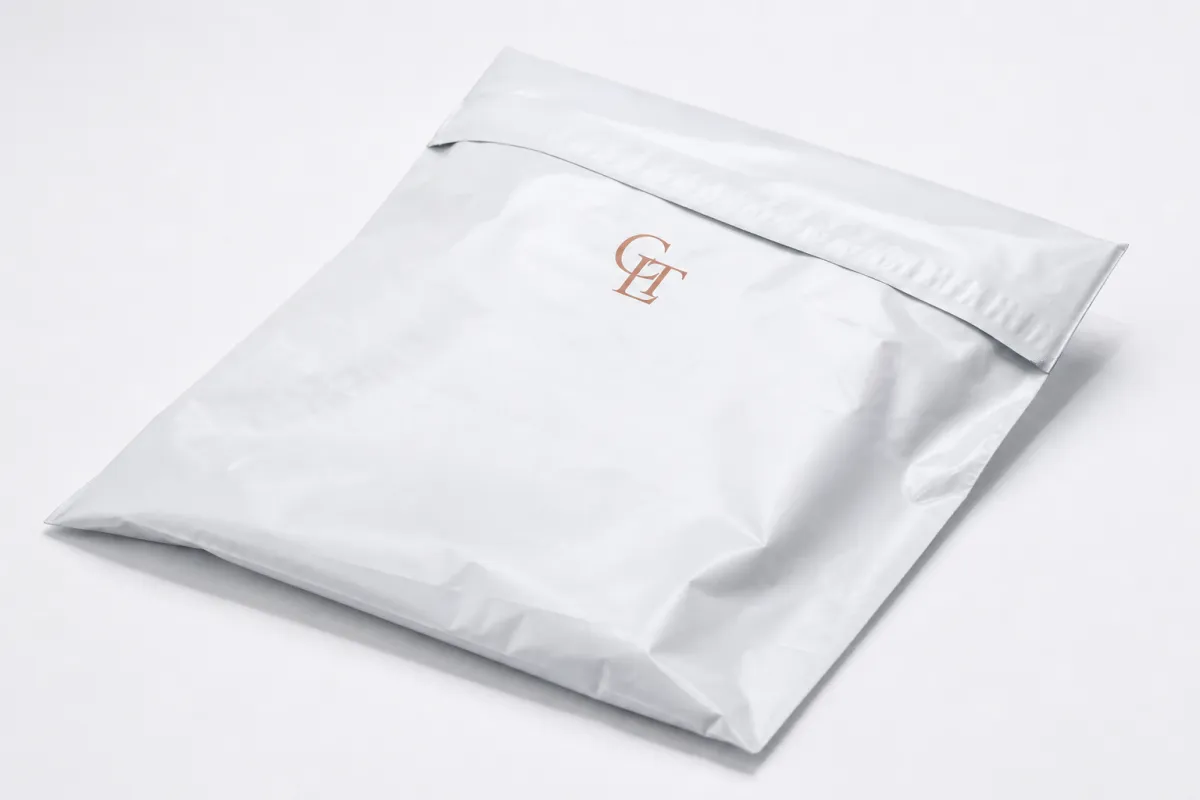
Poly mailers best practices start with a blunt truth: the lowest-priced mailer is often the most expensive one once you count damage, replacements, and the time spent cleaning up the mess. A mailer that saves three cents but opens in transit is not efficient. It is a small failure with a friendly unit price.
The core rule is straightforward. Pick the smallest size that fits the packed product without stretching the seams. Choose a film thickness that matches the product weight and the handling risk. Choose a seal that holds under heat, cold, vibration, and the occasional rough sorter. That is poly mailers best practices in one sentence, even if people keep trying to make it more complicated than that.
Shipping apparel, socks, swimwear, lightweight accessories, and soft home goods is where poly mailers usually win. These products do not need cardboard armor. They need enough film strength to survive transit without punctures, enough closure strength to stay shut, and enough presentation quality that the package does not look like it was packed by someone racing the clock and losing.
I review mailers by ignoring glossy marketing and looking at actual shipping performance. Does the seam split when the mailer is overfilled? Does the adhesive fail in a cold warehouse? Does the film scuff badly in transit? If those questions are not part of the purchase, poly mailers best practices are not really being used. The decision is just being made on price, which is a fine way to lose money slowly.
The best mailer is the one that disappears into the shipment without creating a problem later. If it draws attention, something probably went wrong.
One practical point deserves attention. Poly mailers best practices are not identical for every product line. A 6-ounce tee, a fleece hoodie, and a subscription kit each carry different risk. If your catalog includes more than one ship size, base the choice on real packed orders instead of product dimensions pulled from a spreadsheet. Spreadsheets do not wrinkle, bulge, or snag on a pallet edge, and they sure do not show you where the corner rubs through.
Top Options Compared: Basic, Padded, Recycled, Custom
Poly mailers best practices also mean Choosing the Right style of mailer for the job instead of assuming every product deserves the same bag. That is how people end up buying heavy-duty packaging for lightweight tees or underpacking a product that clearly needed more protection. Neither outcome is smart, and both are easy to avoid with a little discipline.
The four common options are basic white or gray poly mailers, padded poly mailers, recycled-content mailers, and custom-printed mailers. All four can work. None of them are magic. The right choice depends on product type, order volume, brand presentation, and how much damage you are willing to tolerate before the cheap option stops looking cheap.
| Option | Best For | Typical Thickness / Build | Typical Unit Price at 5,000 Pieces | What Usually Wins | Common Tradeoff |
|---|---|---|---|---|---|
| Basic white or gray poly mailers | Apparel, soft goods, repeat shipments | 2.5-3 mil film, peel-and-seal closure | $0.09-$0.18 | Lowest cost, light weight, easy storage | Less presentation value, lower puncture margin |
| Padded poly mailers | Small accessories, jewelry pouches, cords, light fragile items | Outer film plus bubble or paper padding | $0.18-$0.38 | Better crush protection without a box | Higher cost and more bulk |
| Recycled-content poly mailers | Brands with sustainability claims and standard apparel shipping | Usually 2.5-3 mil recycled blend | $0.12-$0.26 | Cleaner story, lighter waste profile | Quality varies more by supplier |
| Custom-printed poly mailers | Branded ecommerce, subscription kits, retail fulfillment | 2.5-3 mil, printed exterior, peel-and-seal | $0.18-$0.45 | Brand lift, better unboxing, stronger recall | Setup time, MOQ, artwork approvals |
Basic white and gray mailers are the default for a reason. They are cheap, light, and easy to store. For high-volume apparel shipping, they often make the most sense because the product itself is the presentation. If the order is a folded tee, a pair of socks, or a simple soft good, plain mailers can do the job without pushing cost upward.
Padded poly mailers make sense when the item needs a little crush protection but not enough to justify a corrugated box. Think small accessories, cable kits, light cosmetics, and non-brittle products that still benefit from cushion. They are not a substitute for real protective packaging, but they are useful when the product needs a little insurance and you want to avoid the cubic weight penalty of a box.
Recycled-content mailers can be a good move, but only if the supplier can show you consistent seam quality and decent closure performance. “Recycled” is not a performance spec by itself. Poly mailers best practices require proof, not slogans. I have seen recycled film that performed fine and recycled film that felt like it was one bad temperature swing away from trouble. Test the real sample, not the brochure, because that is the sample that tells the truth.
Custom-Printed Poly Mailers are where the brand value shows up. If you ship enough volume, the visual lift is real. A clean logo, a consistent color, and a mailer that arrives intact can make a plain shipment feel more intentional. For brands that want a broader packaging system, Custom Packaging Products can help you build the full set without mixing five different suppliers and hoping they all tell the same story.
If your team is ready for a branded shipping layer, Custom Poly Mailers are often the most direct move. Just do not let the print distract you from the basics. A bad seal with a nice logo is still a bad seal. Pretty failure is still failure.
For buyers comparing options, the real question is not which one looks best on a mockup. It is which one keeps damage low, freight light, and fulfillment simple. That is the plain version of poly mailers best practices, and it usually beats whatever trend a supplier is pushing this week.
Detailed Reviews: What Actually Performs in Shipping
Poly mailers best practices are easier to understand once the talk shifts from slogans to performance. Tear resistance, puncture resistance, closure strength, and moisture handling are the quiet details that decide whether a shipment arrives clean or lands in customer service with a problem.
Basic poly mailers usually perform well on everyday apparel if the seams are clean and the film thickness is honest. A 2.5 mil mailer can be fine for light garments, but that does not mean every 2.5 mil mailer is fine. The film blend, the weld strength at the seams, and the adhesive strip matter just as much as the printed spec. In practice, a mediocre 3 mil mailer can perform worse than a good 2.5 mil one, which is one reason the spec sheet by itself can be kind of misleading.
Padded poly mailers solve a different problem. They help with light crush resistance and reduce the chance of a small item being dented or scuffed. They are not armor. They are a sensible middle path when a product needs a little protection and you do not want to pay for a box and void fill. For subscription kits, compact accessories, and fragile-looking items that are not truly fragile, padded mailers can be a solid fit.
Recycled Poly Mailers are worth serious consideration if the quality is there. Poly mailers best practices do not say never use recycled film. They say test recycled film the same way you would test any other film. Check whether the seal grabs well, whether the film stretches instead of tearing too easily, and whether the surface stays stable under normal warehouse conditions. A recycled option that fails in sorting is not sustainable. It is just waste with better copy.
Custom-printed mailers add a branding layer, but they also add pressure to get the base structure right. If the adhesive strip is weak, the print will not save it. If the seam splits, the logo becomes a label on a problem. That is why poly mailers best practices always put structure first and decoration second.
What tends to fail first
In real shipping, the weak point is usually not the center film. It is the seam, the corner, or the seal strip. Overstuffing is another classic mistake. If the mailer looks like a sausage casing, the size is already wrong. People keep doing this because they want to save on per-unit cost, then they act surprised when the package bursts open after a hard corner hit.
Cold conditions can make closure failures worse. Adhesive that works fine in a warm packing room may lose grip in an unheated warehouse or on a winter route. Heat can cause other problems, especially if the adhesive becomes too soft and the flap shifts during handling. Poly mailers best practices mean checking closure performance in the temperature range your operation actually sees, not just at a comfortable desk-side sample test.
Common use cases that make sense
Apparel is the obvious winner. T-shirts, leggings, loungewear, swimsuits, and socks are made for mailers because they compress nicely and do not need rigid protection. Soft home goods like pillow covers, towels, and lightweight linens also fit well. Subscription kits can work too, as long as the contents are not brittle and the insert layout keeps movement under control.
For anything with edges, corners, or hard inserts, test carefully. A hair accessory in a soft pouch is one thing. A small metal item with sharp edges is another. Poly mailers best practices are about matching risk to packaging, not forcing every product into the same shipping bag because it is cheaper on paper.
Shipping environments are messy. Packages slide, drop, rub, compress, and sit in trailers that are hotter or colder than anyone admits. For a useful reference on transport testing, look at the packaging and transit guidance at ISTA. For waste and materials context, the EPA recycling guidance is a solid baseline. Standards will not solve every problem, but they beat guesswork dressed up as expertise.
That is the difference between decent packaging and smart packaging. Poly mailers best practices are not glamorous. They are simply what survives the route.
Production Steps and Lead Time
Poly mailers best practices also include understanding how these things are actually made, because lead time surprises usually come from the same predictable places. A packaging buyer who knows the process can plan inventory without guessing, and guessing is how launch dates get wrecked.
The order flow usually starts with size selection. That sounds obvious, yet people still guess based on product dimensions alone and forget the extra thickness from folding, inserts, tissue, and labels. Once the size is set, artwork approval comes next for custom runs. Stock mailers move faster because there is no print stage, no color match, and no back-and-forth over whether the logo should sit 3 millimeters higher or lower. I wish that was a joke, but anyone who has sat through proof rounds knows better.
For custom orders, sample approval is where the timeline often slows down. If the sample looks wrong, everything stops. If the color is off, the file gets revised. If the closure test fails, the material spec changes. Poly mailers best practices say to build those revisions into the schedule instead of pretending they will never happen. A buyer who promises a launch before approvals are locked is basically setting up a warehouse excuse tour.
- Select the spec: size, thickness, seal type, and whether you need plain, padded, recycled, or printed.
- Approve artwork: confirm logo placement, color targets, and any required copy.
- Request a sample: test with your real product, not a dummy bag with no weight.
- Confirm production: lock the order only after the sample performs properly.
- Plan freight and receiving: leave room for inbound transit, customs if applicable, and warehouse intake.
Stock poly mailers can often ship in a few business days if inventory is on hand. Custom-printed runs usually take longer, often around 10-18 business days after proof approval, depending on print complexity, film availability, and factory queue. Special colors, heavier film, or recycled blends can stretch that further. That is normal. It is not a conspiracy. It is just the real timeline showing up whether anyone likes it or not.
The best planning rule is simple: do not announce a shipping launch until the mailers are physically on site and inspected. Poly mailers best practices are not just about choosing the right material. They are about protecting your schedule from the kind of delay that happens when a fast project quietly grows teeth.
Cost, Pricing, and MOQ: What the Real Numbers Mean
Poly mailers best practices should always include a sober look at pricing, because sticker price alone lies. A lower unit quote can still cost more once you add freight, storage, damage, and the price of shipping a replacement order. That is the part people ignore when they are busy chasing the lowest number in the spreadsheet.
At a practical level, basic stock mailers are usually the cheapest option. Recycled-content mailers often sit a bit higher. Padded mailers cost more because the build is more complex and heavier. Custom printed mailers add setup, print, and often a higher MOQ. The trick is not to ask which is cheapest. The trick is to ask which one produces the lowest landed cost per successful shipment. That is a very different question, and it is the one that matters.
| Cost Factor | How It Moves Price | What to Watch |
|---|---|---|
| Film thickness | Thicker film usually raises unit cost | Do not buy extra thickness unless the product needs it |
| Print coverage | More color and coverage increase setup and ink cost | Simple one-color branding can keep costs sane |
| MOQ | Higher quantities usually drop unit cost | Only buy volume you can store and actually use |
| Freight | Heavier or bulkier packaging costs more to move | Low unit price can get eaten by shipping charges |
| Defect rate | Failures create hidden replacement and labor costs | A cheap run with bad seals is not cheap at all |
MOQ is where small brands get trapped. A quote may look excellent until you notice it requires 10,000 units and you only ship 400 orders a month. Now you are paying to store packaging for a year and tying up cash in a color you might stop using. Poly mailers best practices say the MOQ should fit your demand curve, not your ego, and that advice saves more money than a lot of fancy sourcing tricks.
On custom orders, the best pricing usually appears at higher volume, but only up to the point where storage and design flexibility start getting painful. If your brand refreshes graphics often, a smaller run can be smarter even if the unit price is a little higher. Dead inventory is expensive. It does not get cheaper just because it is sitting quietly in a corner.
Freight matters more than people think. A small difference in film weight, bag size, or carton count can change your landed cost enough to erase the savings you thought you had. Poly mailers best practices mean comparing not only the quote, but also the carton pack, pallet count, and inbound freight estimate before you say yes.
For brands selling into sustainability-minded markets, recycled content can support the story, but only if the packaging still performs. FSC certification matters more for paper inserts, hang tags, and secondary components than for the poly film itself. If you need a paper-facing presentation layer, ask for FSC-certified components. If you need lower waste, reduce oversizing first. That usually beats buying a more expensive bag and calling it progress.
How to Choose the Right Poly Mailer
Poly mailers best practices become easy once you stop trying to choose from a catalog and start choosing from your actual shipment profile. Product weight, breakability, retail value, and brand presentation all matter. A 7-ounce garment in a plain mailer is a different problem from a bundled kit with inserts, a thank-you card, and a product that scratches if you look at it wrong.
My basic decision tree is simple. If the product is soft, non-fragile, and low risk, choose a plain mailer. If the item needs light protection or has a little more bulk, step up to padded. If sustainability messaging matters and the supplier can prove the film performs, consider recycled-content. If the package is part of the brand experience and you ship enough volume to justify it, custom-printed is the move. That is poly mailers best practices without the fluff.
Size testing matters more than dimension math. Measure the real packed order, not just the product. Add folding allowance, inserts, tags, and any seasonal variation in garment bulk. Then pack a sample and close the mailer. If the flap needs to be forced down, the bag is too small. If the item sloshes around like a loose tooth, it is too big. Neither case is smart.
Thickness should follow abuse risk, not just weight. A heavier item can still be soft and safe in a standard film, while a lighter item with sharp edges may need a stronger build. Seal type also matters. A peel-and-seal adhesive strip is common, but not all adhesives are equal. Some grab well and stay put. Others act like they are doing you a favor for the first 30 seconds, then lose interest.
Poly mailers best practices also call for a real shipment test. Do not just drop one bag onto a carpet and call it verified. Run a few packed samples through the same kind of handling your orders will see. If possible, include a short vibration and drop test based on the kind of transit abuse that common packaging protocols like ISTA are designed to simulate. You do not need a lab coat to understand whether a package can survive a truck route, but you do need to resist the temptation to wing it.
- Use plain mailers for lightweight apparel and repeat orders where speed and cost matter most.
- Use padded mailers for small items that need some cushion without the weight of a box.
- Use recycled-content mailers when the supplier can document film quality and closure performance.
- Use custom-printed mailers when brand presentation is part of the customer experience and the volume supports it.
- Test with real orders before committing to bulk so you are measuring actual fit, not theory.
That checklist is not fancy, but it works. Poly mailers best practices are mostly about removing the easy mistakes before they become expensive habits. The boring part is usually the profitable part.
Our Recommendation for Poly Mailers Best Practices
Here is the blunt recommendation I would give any buyer. For basics and high-volume apparel, start with a clean stock mailer in the narrowest size that fits your packed product, with a dependable peel-and-seal closure and enough thickness to resist normal handling. For light protection, step up to padded mailers only when the product truly needs it. For brands that ship enough volume to care about presentation, custom-printed mailers are worth the extra spend if the print does not weaken the base structure.
Poly mailers best practices are not about buying the fanciest option. They are about buying the right option for the shipment you actually have. Spend money where damage reduction is real. Save money where the customer will never notice. That usually means putting budget into closure quality and adequate film before chasing special finishes or oversized logos.
A sample test is non-negotiable. I would not order a bulk run without checking the seam, the seal, and the fit with a real packed order. One bad adhesive batch or weak weld can erase the savings from a lower quote. I have watched buyers try to rescue a poor choice with better packing tape. That is not a strategy. That is a confession, and it usually means the spec was wrong from the start.
If you are comparing suppliers, ask for three things before you commit: a sample, a lead time you can actually plan around, and a freight estimate that includes the cartons or pallets you will receive. Poly mailers best practices also mean asking what happens if the first run is defective. If the supplier cannot answer that cleanly, the quote is not as attractive as it looks.
For most brands, I would narrow the choice this way:
- Lean stock mailer: best for core apparel, repetitive SKUs, and low unit cost.
- Padded mailer: best for accessories, boxed inserts, and items that need light cushioning.
- Custom mailer: best for branded shipments, subscription fulfillment, and higher order value.
If you want to build a packaging lineup that goes beyond mailers, the broader Custom Packaging Products catalog is the place to compare mailers, inserts, and related shipping materials without overbuying random extras. If your team is set on a branded outer layer, Custom Poly Mailers are usually the smartest single purchase to improve presentation fast.
That is my honest take on poly mailers best practices: keep the shipment tight, keep the seal honest, keep the film strong enough for the route, and do not pay for features that do not reduce damage or improve the customer experience. Simple. Not fancy. Effective.
Next Steps: Put Poly Mailers Best Practices Into Play
Poly mailers best practices only matter once they are written into a buying process. Start with a sample order and test it on your real products. That means the actual garments, inserts, and packing flow your team uses every day. Do not test a dream version of the product. Test the messier version that shows up at packing stations in the afternoon when the line is moving and nobody wants surprises.
Build a simple spec sheet before you request quotes. Include size, thickness, seal type, print needs, target MOQ, and whether you need plain, padded, recycled, or custom. If you send five suppliers five different versions of the same request, you will get five quotes that are hard to compare. That is how people accidentally buy the wrong thing and then blame the market.
Ask for lead time, freight estimate, and replacement policy up front. Then compare the full landed cost, not the headline number. Poly mailers best practices are not just about the bag itself. They are about how that bag fits into the business: cash flow, storage, damage rate, and launch timing. The cheapest quote that arrives late is not cheap. It is annoying with a spreadsheet attached.
Once you lock the right version, document it. Keep the pack-out photo, the spec sheet, and the approved sample with the product record so future reorder decisions stay consistent. Brands waste more money than they admit by re-litigating the same packaging decision every six months. A good spec should not need a fresh debate every time somebody new joins the team.
The practical takeaway is simple: choose the smallest mailer that fits the real packed order, verify the seal on a sample that has gone through your own handling path, and only then place the bulk order. That is the cleanest way to make poly mailers best practices pay off without overcomplicating the job.
What are the best poly mailer best practices for apparel shipping?
Use the smallest mailer that fits the folded garment without stretching the seams, choose a seal that stays closed after sorting and vibration, and test one packed order for each main apparel category Before You Order in bulk. For apparel, poly mailers best practices usually favor a 2.5-3 mil film with a dependable peel-and-seal strip.
How thick should a poly mailer be for everyday shipping?
For light apparel, a mid-range film is usually enough if the seams and adhesive are solid. For heavier or bulkier items, step up the thickness before you jump to a box. Poly mailers best practices say thickness should follow the route and the product, not just the quote sheet. Always test puncture and tear resistance with the actual packed item.
Are recycled poly mailers strong enough for real shipping?
Yes, if the film blend and seal quality are decent. Do not assume every recycled option performs the same. Check seam strength, stretch, and closure performance before switching at scale. Poly mailers best practices for recycled materials are simple: test samples, verify the closure, and ship a small batch before you reorder.
What is a practical MOQ for custom poly mailers?
A practical MOQ depends on print method, size, color coverage, and how much storage you can handle. Smaller brands should compare the MOQ against cash flow and warehouse space, not just unit price. Poly mailers best practices say an MOQ that creates dead inventory is not a good deal, no matter how nice the quote looks.
How do I reduce returns with poly mailer best practices?
Match the mailer size and strength to the product, avoid overstuffing, and avoid weak adhesive or thin film on items that snag easily. Then run a small shipping test and track damage rate before scaling up. Poly mailers best practices work best when the fit, seal, and thickness all match the shipment instead of fighting it.
Poly mailers best practices are not glamorous, but they are profitable when you actually use them. Pick the right size, specify the right thickness, test the seal, and buy with landed cost in mind. Do that, and the packaging supports the business instead of quietly draining it.


