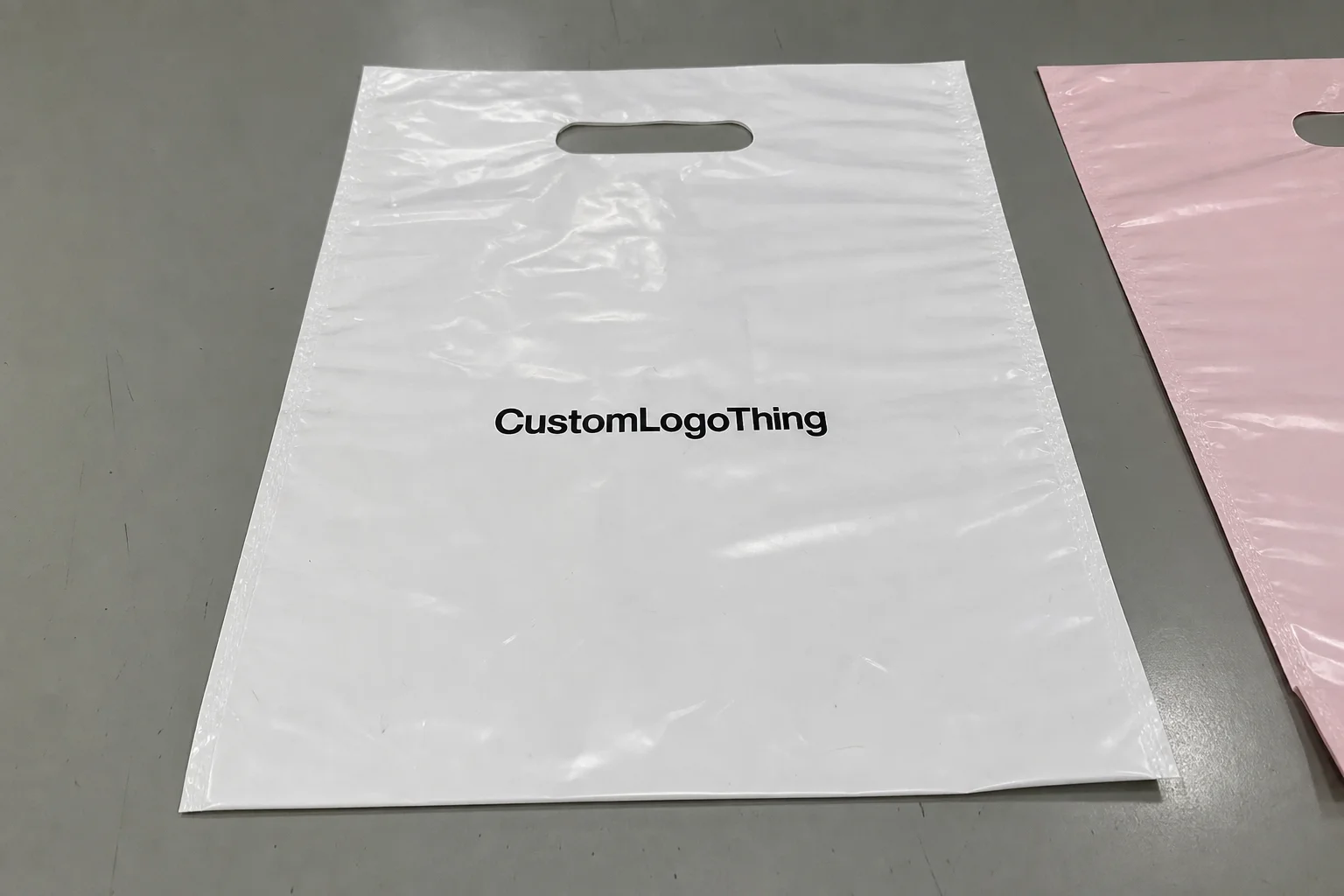
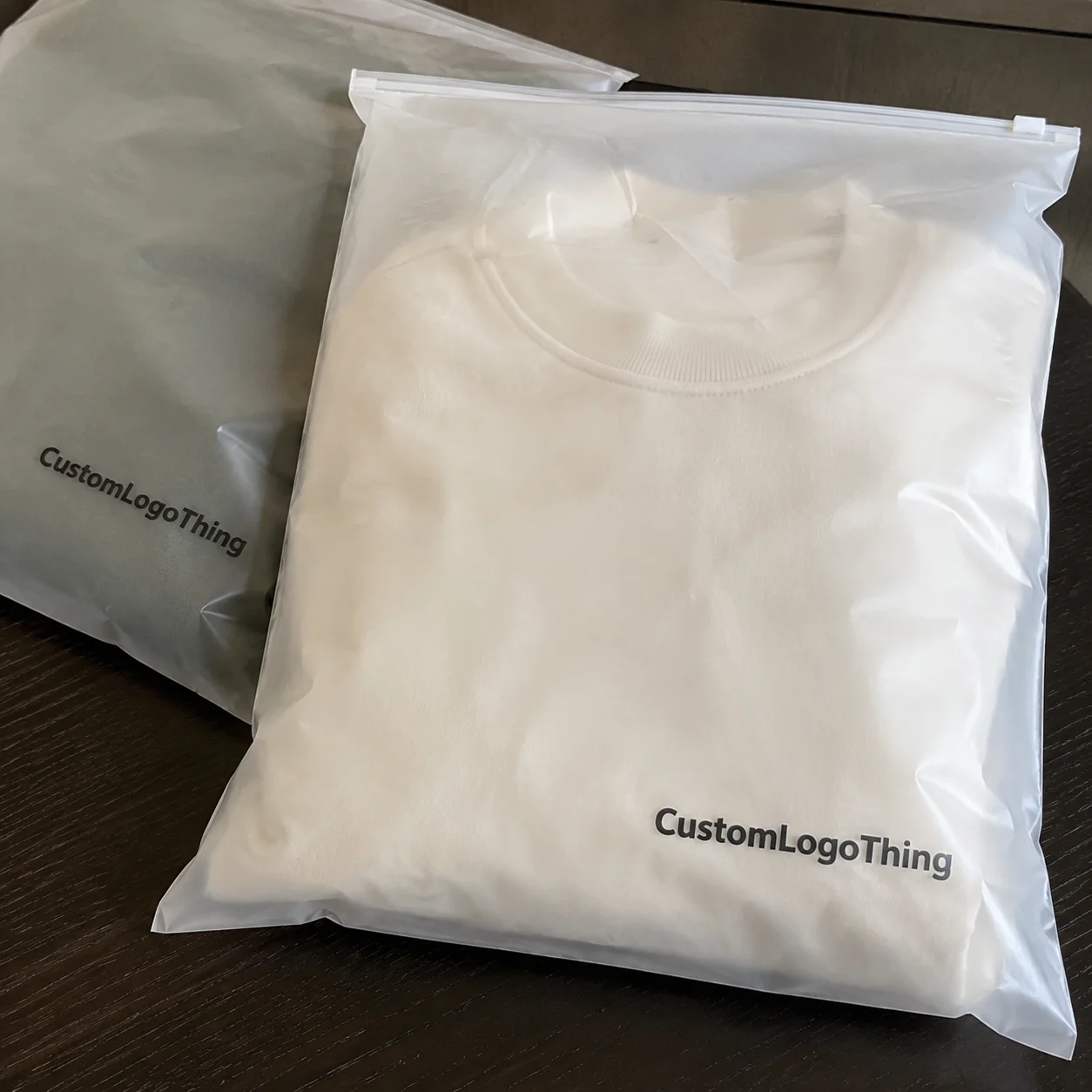
Pom Pom Beanies packing requirements for resort retail fulfillment are mostly about protecting shape, keeping receiving simple, and avoiding rework. A knit hat can handle normal handling, but the pom adds height and a pressure point that can crush easily in tight bags or overfilled cartons. Once the top is flattened, the item may still be functional, but it is no longer retail-ready.
Resort stores also have a practical standard: inventory should move from carton to backstock or floor without repacking. They want predictable case counts, clear labels, and units that still look sellable after transit. That means the pack spec matters as much as the hat construction.
The best packing programs protect the product, reduce labor at receiving, and keep freight from creeping up because of poor carton decisions. Miss one of those, and the cost shifts somewhere else.
Why Pom Pom Beanies Create a Packaging Problem
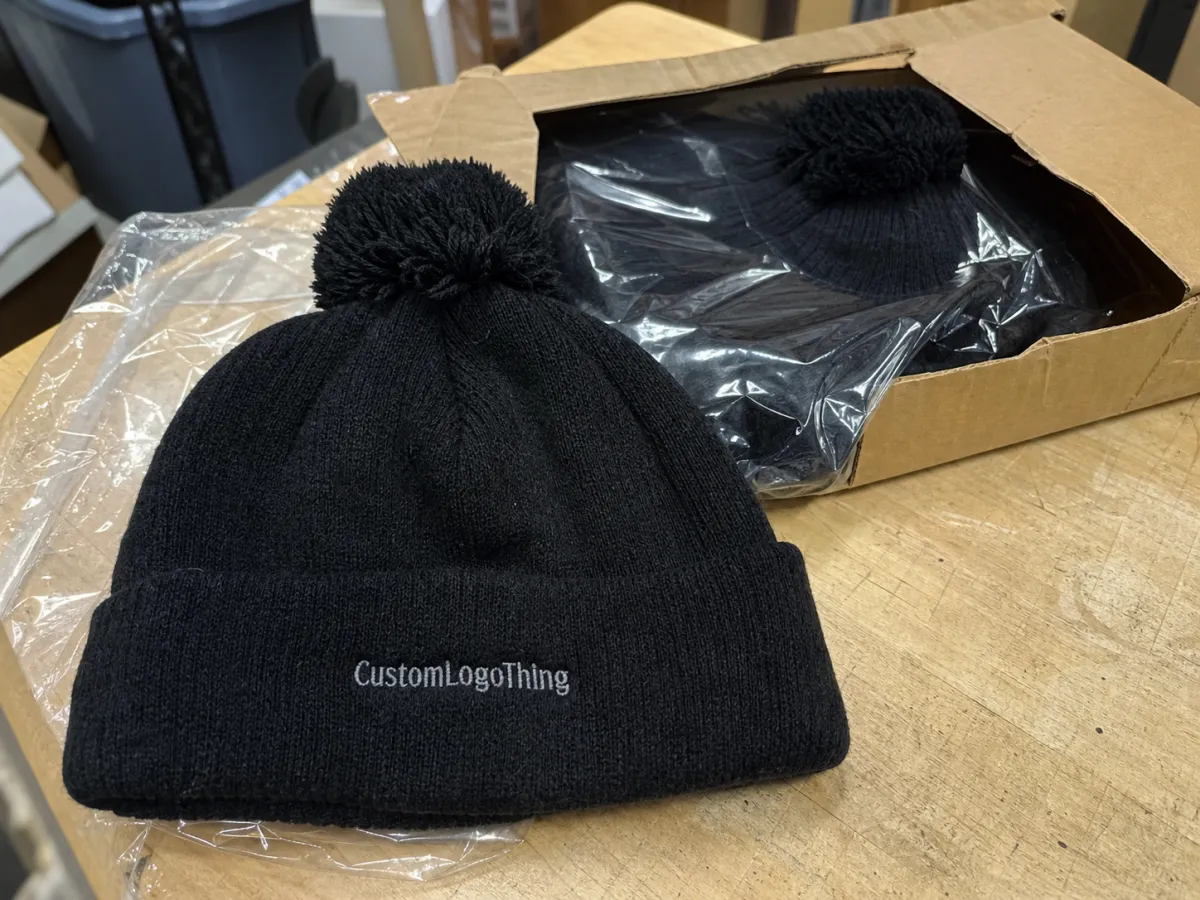
A plain beanie is forgiving. A pom pom beanie is not. The pom creates extra volume at the exact point that cartons and polybags tend to press hardest. Yarn poms may rebound after compression, but not always cleanly. Faux-fur poms are more sensitive because the fibers can mat, lean, or hold a dent.
That shows up quickly in receiving. Resort staff do not want to open a carton and find units in different stages of collapse. They want a consistent pack that opens cleanly, counts correctly, and does not force them to fix the vendor's decisions one unit at a time.
The main issues buyers evaluate are straightforward:
- Shape retention: the hat should still look sellable after shipping.
- Carton efficiency: units should fit without being pressed flat.
- Receiving speed: counts, sizes, and SKU data should be obvious.
- Damage control: crushing, abrasion, and moisture need to be addressed before shipment.
A resort buyer may accept a simple shipper. A flattened pom usually triggers a different conversation.
That is the basic challenge behind pom pom beanie packing: the product has to survive handling and still arrive as retail inventory, not as a recovery project.
Pom Pom Beanies Packing Requirements for Resort Retail Fulfillment
The fold is the first decision that matters. A loose fold usually works better than a tight compression fold because it gives the pom some air and keeps the crown from taking all the pressure. For most styles, the goal is controlled packing, not a hard squeeze. If the pom is oversized, the bag may need more headspace than a standard knit item would.
Clear polybags are the usual baseline. In apparel packing, 1.5 to 2 mil LDPE bags are common, although the final choice depends on buyer rules and how many times the carton will be handled. Thinner film can work for short, controlled movement. Heavier film is safer when cartons are routed through multiple touches or divided across several resort locations. If the retailer requires a suffocation warning or a specific bag style, that requirement takes priority.
The most useful pack specs are the ones that remove ambiguity:
- Fold method: loose crown fold that protects the pom instead of compressing it.
- Bag choice: clear poly that allows inspection without reopening the unit.
- Bag size: enough room for the pom to keep its shape, but not so much that the hat shifts around.
- Label placement: visible size sticker or barcode in a fixed position.
- Internal support: tissue or inserts only when the style needs help holding shape.
Material matters more than many buyers expect. Dense acrylic knits recover better than loose, lofty yarns. Faux-fur poms show compression faster than compact yarn poms. A rib-knit beanie with a small pom can tolerate tighter packing than an oversized style with a fluffy top, so the same carton count may not work across every design.
Carton design matters just as much. If the carton is too tall, units shift and rub. If it is too short, the top layer presses into the pom and creates the exact damage the spec was meant to prevent. For that reason, carton height and inner bundle count should be set together. A smaller carton that arrives clean is better than a larger one that arrives crushed and needs labor to sort out.
For larger resort programs, inner packs can help keep inventory organized. A 12-pack or 24-pack inner bundle can make replenishment faster and keep units from wandering inside the master carton. The tradeoff is simple: too much compression inside the bundle defeats the purpose. Controlled movement is fine; pressure is not.
Another practical rule: if receiving has to re-fold, re-label, or re-sort more than a few units, the pack spec is doing work on the wrong side of the transaction. The best Pom Pom Beanies packing requirements for resort retail fulfillment are the ones the warehouse can execute cleanly and the store can receive without drama.
For rough carrier networks, testing helps more than assumptions. ISTA-style distribution testing gives a better picture of what compression, drop, and vibration do to soft goods than a desk-side guess. If sustainability standards apply, FSC-certified carton components or paper inserts may also matter, but they should be added because they fit the program, not because they sound better in the quote.
Process and Lead Time for Resort Retail Fulfillment
A stable process usually follows the same sequence: spec sheet, sample approval, production packing, carton marking, pallet build, shipment. Problems usually start when the spec changes after the line is already running. Soft goods are especially sensitive because repacking takes time and attention.
Standard timing depends on how much retail prep the order needs. A straightforward run with standard bagging and carton labeling may finish in 10 to 15 business days after final approval. Add hangtags, barcode application, destination labeling, or multi-store kitting, and the timeline often moves to 15 to 25 business days. Late packing changes extend lead time because they force manual adjustments.
The delays that show up most often are:
- Sample churn: the buyer wants a different fold, looser bag, or clearer label after seeing the packed sample.
- Data gaps: UPCs, SKUs, carton counts, or routing details arrive late or need correction.
- Compliance mismatch: the purchase order and routing guide do not match, so the line has to stop.
Seasonality matters too. Resort programs often peak before holidays, spring break, and summer travel. At those times, labor, cartons, and freight space can all tighten at once. A quote prepared during a slower week may not hold the same way during peak volume, especially if the order needs manual retail prep.
Complete documents make the process more predictable. The factory should have the PO, routing guide, destination labels, SKU list, and retailer compliance notes before packing starts. Sending those in separate emails almost always creates confusion, and confusion adds cost.
Cost, Pricing, and MOQ Factors That Move the Quote
Pricing for this kind of soft-goods packing usually comes from material, labor, retail prep, cartonization, and freight impact. Freight is the piece buyers often underestimate. If a safer pack method requires a larger carton, dimensional weight can raise shipping cost even when the unit count stays the same.
Here is a practical range for common packing levels tied to resort retail orders:
| Packing option | Typical add-on per unit | Best fit | Main tradeoff |
|---|---|---|---|
| Bulk bagging in master cartons | $0.08-$0.18 | Simple wholesale orders, limited retail handling | Lowest cost, least shelf-ready presentation |
| Retail-ready bagged units with size labels | $0.18-$0.35 | Resort stores, backstock, and replenishment programs | More labor, better receiving and merchandising |
| Kitted with hangtags, barcodes, and destination marks | $0.35-$0.70 | Multi-store or compliance-heavy retail programs | Highest setup effort, most precise result |
MOQ behavior usually follows complexity. A basic bulk pack may work at 500 to 1,000 units, depending on style, color mix, and material availability. Once custom labels, inserts, or retailer-specific kitting are added, minimums often rise because setup time gets spread across fewer units. More colors, more size splits, and more destination requirements push the number higher again.
Other cost drivers show up quickly in review:
- QC labor: extra checks for pom shape, bag clarity, and count accuracy.
- Barcode work: application and verification before the carton is sealed.
- Inserts or tissue: useful for presentation, but they add material and handling time.
- Freight dimensions: looser packing can protect the product while increasing carton volume.
If one quote comes in far below the others, the first question should be what was left out. Sometimes the answer is harmless. Sometimes it means the vendor priced only the easiest part of the job and plans to discover the rest later. That is where orders get expensive.
Step-by-Step Packing Workflow for Wholesale Orders
A good packing workflow is repeatable. That matters because resort replenishment orders are usually judged by consistency more than novelty. If one shipment arrives clean and the next looks different, the buyer spends time verifying the process instead of trusting it.
Start with the spec sheet
The spec sheet should define the fold method, bag type, label size, carton count, carton dimensions, and destination labeling. If the style has a tall pom, a soft yarn, or a wide crown, that needs to be written down. Verbal notes disappear; spec sheets do not.
Approve a packed sample before full production
A pre-production sample should show the actual packed result, not just the hat laying flat. Check whether the pom keeps its roundness, whether the bag presses the top, whether the size mark reads clearly, and whether the unit still looks retail-ready after bagging. If the sample fails, it is cheaper to fix it before the run starts.
Run the pack-out in order
A clean sequence looks like this: inspect, fold, bag, label, count, carton, seal, verify. Each step should have a checkpoint. That sounds strict until a receiving team opens a carton and finds a mixed count or a label that fell off because the adhesive was wrong for the film.
"If the carton cannot be received in one glance, the packing spec is not finished yet."
Finish with routing and pallet checks
Carton marks, destination labels, and pallet build should match the retailer's routing guide exactly. For multi-location resort shipments, a single mislabeled carton can send inventory to the wrong receiving team and create avoidable delays. It is not a dramatic failure. It is an expensive administrative one.
One final check is worth the time: open a random carton, confirm counts, scan the barcodes, and inspect the units after they have been boxed and unboxed once. If the pom springs back and the carton still closes cleanly, the spec is probably right. If not, the problem is usually the fold, bag size, or carton depth.
Common Mistakes That Trigger Damaged Goods or Rework
The biggest mistake is over-compression. Vacuum packing may sound efficient, but it is a poor fit for puffy knits and faux-fur poms unless the buyer has tested and approved the method. The product can recover badly, and the carton often arrives looking better than the goods inside.
- Vacuum packing without approval: risky for soft yarn poms and oversized shapes.
- Stacking cartons too high: compression builds over the pallet and damages the top layers first.
- Loose barcode placement: if label position is not fixed, the line will drift.
- Mixed sizes or colorways: receiving slows down and counts become harder to verify.
- Ignoring routing rules: carton marks and destination labels are part of the order, not decoration.
Humidity is a quieter problem, but it matters. Knit goods stored in a damp warehouse or shipped through wet conditions can lose freshness before the buyer opens the box. Carton tape quality, warehouse ventilation, and dry storage do more to protect the product than a long care note ever will.
Rework also starts when teams assume one label strategy fits every size run. If the style ships in multiple colors or size variants, the SKU map, carton count, and label placement should be locked before production. Otherwise, someone ends up hand-sorting inventory that should have been counted by the carton.
Most failures in Pom Pom Beanies packing requirements for resort retail fulfillment are not mystery defects. They are simple execution problems: too much pressure, too little clarity, or a packing method that was never matched to the product shape.
What To Lock Before You Request a Quote
If you want a useful quote, send the retailer spec, PO details, barcode data, carton count, and target ship date together. A quote built on partial information is usually a polished guess. It may look clean, but it will not hold up once production starts asking questions.
Before pricing, confirm these items:
- Retail spec: fold method, bag type, label placement, carton marks.
- Pack count: units per inner pack and units per master carton.
- Label format: UPC, SKU, destination, and any retailer code rules.
- Sample status: whether you need a pre-production sample or a packed mockup.
- Ship plan: domestic, export, or split destinations.
A packed mockup is especially useful here because the pom is what changes the carton behavior. A flat product photo cannot show whether the top will crush or whether the bag will hold shape properly. A mockup can. It also reveals whether the carton is oversized, which affects freight and warehouse handling just as much as presentation does.
Once the packing standard is approved, keep it on file. Replenishment should not require a fresh debate every time the buyer reorders. The cleanest programs are the ones where the factory, the buyer, and the receiving team all work from the same packing language.
How should pom pom beanies be packed for resort retail fulfillment?
Use a loose fold that protects the pom, clear polybags that do not squeeze the top, and labels that are easy to read without opening the unit. Avoid vacuum packing unless the buyer explicitly approves it. Cartons should be filled tightly enough to reduce movement, but not so tightly that the pom is flattened during transit.
What is the usual MOQ for pom pom beanie packing orders?
MOQ depends more on packing complexity than on the hat itself. Simple bulk packing can support lower minimums, while custom labels, inserts, and retailer-specific kitting usually push the quantity higher. Multiple colors and multiple pack configurations also raise setup time, so the minimum often moves with the complexity of the order.
How much does custom packing change the unit price?
Expect added cost for folding, bagging, barcode application, carton checks, and any retail-ready presentation work. Basic bulk packing may only add a small amount per unit, while custom retail prep can add much more. Freight can rise too if the carton size increases and dimensional weight becomes a factor.
What lead time should I expect for resort retail pom pom beanies?
A simple order with standard packing often moves in about 10 to 15 business days after approval. Orders with custom labels, kitting, or multiple destination marks usually need 15 to 25 business days or more. Late changes slow everything down because they force repacking or a fresh quote.
What documents do buyers usually want with these shipments?
Most buyers want SKU or UPC data, carton pack counts, and clear destination labels. Many also require a routing guide, country of origin details, and retailer-specific carton marks. If the order is a replenishment run, keep the final packing standard documented so the next shipment matches exactly.