A Pom Pom Beanies factory quote request should do one thing well: give the factory enough information to price the knit, the pom, the trim, and the pack-out without guessing. Quotes slow down when the brief is vague, but they also drift when the brief is incomplete in small ways. Missing cuff height, pom style, lining choice, or packaging method can change the number as much as a new logo file.
The fastest requests tend to read like a production sheet, not a mood board. Quantity, size, yarn preference, decoration method, target delivery date, and destination are usually enough to start a serious conversation. If those details are clear, a supplier can usually tell you what is straightforward, what needs a sample, and where the cost will move if the design becomes more complex.
A quote is only useful when it reflects the product the factory will actually build, not a simplified version of it.
Pom Pom Beanies Factory Quote Request: What to Send First
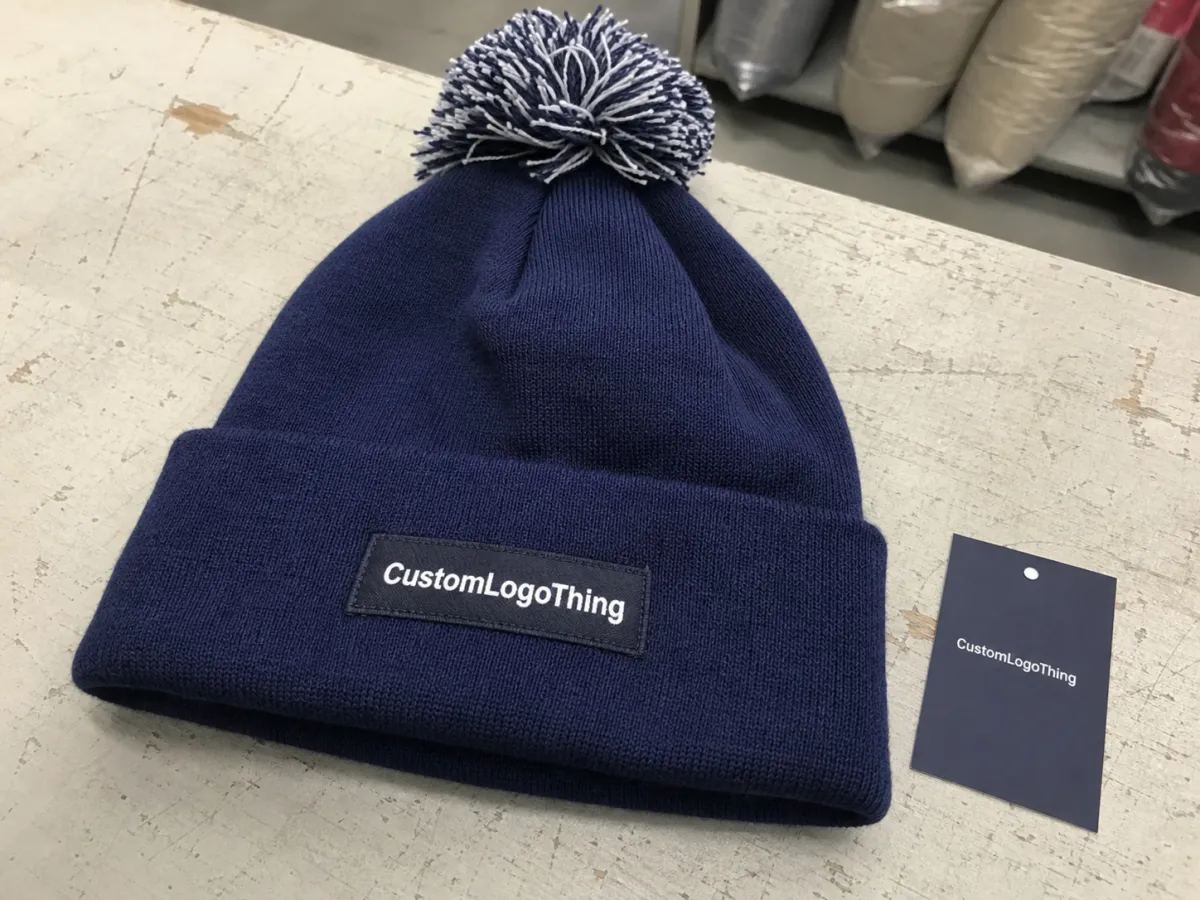
The cleanest pom pom beanies Factory Quote Request starts with a few practical facts. How many pieces are needed? Is the fit adult, youth, or oversized? Does the buyer want a single color or multiple colorways? Is the pom yarn, faux fur, or detachable? Those answers shape the build before anyone opens pricing software.
Buyers sometimes think they need a polished spec sheet before contacting a factory. Usually they do not. A fact-based brief is enough if it answers the questions that will come up anyway. Size range, cuff depth, body height, logo placement, lining preference, and packing method are the core fields. Anything else can follow once the supplier has the first pass of pricing in hand.
That matters because a vague request pushes the factory into assumptions. A basic acrylic beanie with a yarn pom is one cost structure. A lined beanie with a woven patch, faux-fur pom, and retail hangtag is another. If the factory prices the wrong structure, the first quote looks attractive for the wrong reasons and the revision lands later, usually after time has already been spent.
There is another benefit to a complete brief: it makes supplier quotes comparable. Two factories can look similar on paper while pricing very different products. One may include a woven label, carton marking, and individual polybagging. The other may leave those out and quote only the knit body. The buyer does not need a perfect brief on day one, but the quote needs enough detail to keep the comparisons honest.
For a buyer managing several seasons at once, the most useful habit is to standardize the first inquiry. Use the same fields every time, even if the design changes. That makes it easier to spot whether a new quote is genuinely lower or simply lighter on detail.
Materials and Knit Construction That Change the Quote
Material choice is one of the biggest cost drivers in custom knit headwear. Acrylic is the common baseline because it is predictable, easy to source, and usually gives a good balance of softness, warmth, and price. Wool blends raise the perceived value and often improve hand feel, but they also bring cost pressure and can require more careful finishing. Recycled yarns are increasingly requested for brand reasons, though color matching and texture can vary more than buyers expect.
Knit construction changes the quote just as much. A dense stitch uses more yarn and more machine time. A tall cuff adds material and creates more space for branding, but it also changes folding and packaging. Crown shaping, rib depth, and gauge all affect the amount of yarn consumed, which is why two beanies that look similar from a distance can price very differently once the machine settings are fixed.
Pom style is its own line item in practice. A standard yarn pom is usually the most economical option. Faux-fur poms bring a more premium look and can lift shelf appeal, but they add trimming, attachment, and inspection time. Detachable poms are useful for washing or styling, yet they introduce hardware and another failure point. If a pom is oversized or heavily layered, it can increase shipping volume as well, which matters more than many buyers expect.
| Build Type | Typical Use | Approx. Unit Cost Range | Usual MOQ Pressure |
|---|---|---|---|
| Basic acrylic body, yarn pom | Promo, team wear, entry retail | $2.10-$3.40 | Lower |
| Acrylic or wool blend, embroidered logo, lined | Retail programs, seasonal launches | $3.60-$5.80 | Medium |
| Premium yarn, faux-fur pom, woven patch, custom pack | Higher-end retail or gift sets | $5.90-$8.90 | Higher |
Those are planning ranges, not promises. Final pricing depends on yarn source, labor market, decoration coverage, carton size, and whether the order is shipping as a simple bulk pack or a retail-ready unit. The table is still useful because it shows how quickly one upgrade can move the quote outside the original budget.
Packaging should be priced with the same care as the knit itself. A beanie folded flat in a polybag is simpler than one packed with a hangtag, barcode sticker, and insert card. Even the fold direction can matter if the buyer wants the pom to keep its shape in transit. For distributors who care about carton performance, testing shipper packs against recognized procedures from ISTA is a practical step before launch.
Branding Specs Buyers Should Lock In Before Pricing
Branding is where quote requests often become less precise than they need to be. Buyers know they want a strong retail look, but the path to that look is not always fixed. One logo can be knitted into the fabric, embroidered onto the cuff, stitched as a patch, or attached as a badge. Each method uses different labor and creates a different visual result.
Jacquard knit is the most integrated option. It works well for bold graphics, repeated motifs, and colorwork that should feel part of the beanie itself. Embroidery gives a recognizable retail finish, especially for simple logos with clean outlines. Woven patches are better when the artwork includes fine text or small details that would get lost in stitching. Leather or PU badges create contrast and can signal a more premium line, though they may not suit every brand aesthetic.
Size and placement need to be fixed early too. Adult, youth, and oversized fits change the pattern and the stretch behavior. Cuff height determines how much decoration space exists on the front panel. Logo placement can also affect production speed; a centered embroidered mark is easier to control than a patch placed at an angle or close to the edge of a fold.
Color control is another area where buyers need realistic expectations. Yarn is not print stock. A Pantone reference helps, but the result can vary because yarn absorbs and reflects light differently from coated paper or screen ink. Good factories usually work from approved yarn cards, lab dips, or physical swatches rather than pretending a digital color chip will translate perfectly. That is a sign of discipline, not a weakness.
Packaging choices belong in the same conversation. Woven labels, hangtags, barcode stickers, and retail inserts all add steps. If the beanie needs to sit on a shelf, packaging can affect the buyer’s perception nearly as much as the knit itself. FSC-certified paper hangtags are a sensible option where paper sourcing matters; the standard is explained at fsc.org.
A useful way to organize the request is to separate must-have specs from optional extras. Must-haves are the pieces that define the product: yarn, fit, logo method, and basic packaging. Optional extras are the upgrades that can be priced later: special insert cards, premium hangtags, extra colorways, or a second label position. That structure keeps the quote focused and makes the cost impact easier to read.
Pricing, MOQ, and Unit Cost Factors to Compare
When comparing quotes, the unit price alone is a poor guide. A lower number often hides a lighter spec. The real cost drivers are yarn content, stitch density, decoration method, pom construction, labeling, packaging, and shipment terms. If one supplier quotes the body only and another quotes the full retail build, the difference is not a discount. It is a mismatch.
MOQ, or minimum order quantity, usually rises as the build becomes more customized. Stock yarn colors and one decoration method can keep minimums relatively low. Custom-dyed yarns, multiple poms, or premium packaging usually push the minimum upward because the factory has to reserve machine time, source more components, and lock labor into a narrower run. A very low MOQ on a highly customized beanie is possible in some cases, but buyers should ask what was simplified to make that number work.
Tiered pricing is worth requesting every time. A useful sheet shows how the unit cost changes at 300, 1,000, 3,000, and 5,000 pieces. That pattern tells the buyer whether the price drops sharply once setup is absorbed or whether the structure stays flat. It also helps teams deciding between a small launch order and a larger seasonal buy.
Hidden charges can matter as much as the base unit cost. Sample fees, embroidery digitizing, artwork setup, rush production, private labeling, and special packing instructions all belong in the conversation before approval. Freight assumptions matter too. A quote that looks attractive may be based on standard export cartons while the buyer actually needs retail master cartons, which changes pack-out density and can affect shipping costs.
For an apples-to-apples comparison, a simple quote matrix is hard to beat:
- Yarn composition and weight
- Decoration method and placement
- Pom type and attachment style
- Packaging and label count
- Sample policy and revision cost
- Lead time and shipment terms
That format exposes the assumptions quickly. It also shows whether a supplier is quoting a complete package or leaving pieces out to keep the number low.
Production Steps, Lead Time, and Approval Milestones
A normal production flow starts with quote review, then artwork confirmation, sample development, sample approval, bulk knitting, finishing, inspection, packing, and shipment. The sequence is familiar because it is usually the same from one order to the next. The delays happen when the buyer and factory disagree on where one step ends and the next begins.
Lead time is not a single fixed number. It changes with yarn availability, order size, number of colorways, and the amount of customization in the build. A straightforward acrylic beanie with a stock yarn and one logo can move faster than a style with a faux-fur pom, a woven patch, and retail boxing. If a delivery date matters, it should be stated early and in plain language.
Approval milestones are there to prevent rework. Color approval protects the yarn selection. Logo approval protects placement and scale. Pom approval protects shape and attachment. Label approval protects spelling and position. Missing one of those checkpoints is how small issues become avoidable costs.
For urgent programs, simplification is usually more effective than asking the factory to hurry a complicated build. Using stock yarn colors instead of custom dyeing, limiting the design to one decoration method, and trimming packaging down to the essentials can save days. That does not mean the beanie has to look plain. It means the production path stays manageable.
One detail buyers should always confirm is whether the quoted lead time starts after sample approval or from the date of inquiry. Those are not the same, and the difference can be several working days or more. A factory that states the trigger clearly is usually easier to work with than one that hides it in the fine print.
Sampling, Quality Checks, and Repeat-Order Consistency
A sample should prove more than the look of the beanie. It should show stretch recovery, cuff shape, pom security, logo clarity, and how the yarn feels against the skin. A beanie can look fine on a table and still feel too tight, too loose, or scratchy once worn. Sampling is where those problems show up before they are multiplied across a bulk run.
Factory quality checks need to stay practical. Loose threads, uneven stitching, pilling, label placement, and size variation all deserve attention. Pom attachment is especially important because the pom is both visual and mechanical. If it twists, leans, or loosens after handling, the product feels cheap even if the knitting itself is clean.
Good inspection also looks at finish consistency across the carton, not just one approved piece on the bench. Buyers should ask how many units are checked, what defects are considered critical, and whether the factory compares the run against the approved sample or just against a measurement sheet. Those are different controls. A measurement sheet alone will not catch a small shade shift or a pom that looks uneven under real lighting.
Repeat orders are where process discipline becomes visible. The best suppliers keep approved swatches, production notes, color references, and label specs tied to the original approval set. If the buyer reorders the same beanie six months later in a new colorway, those records save time and reduce variation. Without them, the factory has to reconstruct the style from memory, and that is where errors creep in.
Buyers also need to accept that not every material can be repeated with absolute precision. Yarn lots vary. Faux-fur poms can differ slightly in density or sheen. Embroidery thread may shift between dye lots. None of that is unusual, but it should be acknowledged before bulk production begins rather than discovered after cartons are packed.
For shipping-sensitive programs, carton stability matters too. Retail beanies often move through several hands before they reach a shelf, and a poor fold or weak outer carton can undo good product work. A clean quote should tell the buyer whether the pack-out is designed for storage, display, or both.
What a Factory-Ready Quoting Workflow Should Deliver
A factory-ready quoting workflow should produce a quote with assumptions spelled out, not a bare number that changes later. The supplier should say what is included, what is excluded, and which choices could shift the price. If the quote is too thin to explain those points, the buyer ends up doing the supplier’s fact-finding, which is a weak sign for the rest of the project.
Fast replies matter, but only if they are precise. Written confirmation of key details protects both sides. Clear timelines help planning. Plain language about limits is better than optimism. A reliable factory will say what is feasible, what needs a sample, and where the spec needs adjustment instead of filling the gaps with guesswork.
For a buyer, the right quote usually contains a few essentials:
- Clear assumptions about yarn, trim, and packaging
- Line items for sample, setup, or label charges if they apply
- Lead time tied to approval milestones
- MOQ explanation instead of a bare number
- Revision notes if a spec change affects the build
That kind of structure protects margin and cuts down on revision cycles. It also helps procurement teams compare suppliers on the same basis rather than comparing a complete quote with a partial one. A higher number can be the better deal if it includes the actual build, the actual pack-out, and the actual lead time.
The most useful quoting habit is to price the core product first, then ask about upgrades. That keeps the conversation moving even if a hangtag design or secondary colorway is still under review. It is easier to add a second step than to repair a quote that was built on assumptions from the start.
Next Steps for a Faster, More Accurate Quote
If the goal is a cleaner response to a Pom Pom Beanies factory quote request, send a complete packet the first time. Include order quantity by color and size, logo file, preferred materials, packaging needs, target delivery date, and shipping destination. Reference photos help too, especially if the finish is inspired by an existing style and the factory needs to understand the level of polish expected.
It also helps to split the request into two parts: the non-negotiables and the optional extras. Non-negotiables might be yarn content, logo placement, and the basic retail label. Optional extras might be a hangtag upgrade, a second colorway, or premium packaging. That makes the quote easier to read and avoids forcing the factory to guess which details are fixed.
When reviewing several suppliers, use the same comparison points for every quote. Check yarn composition, decoration method, packaging spec, sample policy, and lead time against the same list. A lower quote only matters if the build is the same, the approvals are the same, and the shipment assumptions are the same.
For brands and buyers alike, the first quote should be the start of a controlled production conversation, not a quick price hunt. The more disciplined the brief, the cleaner the sample, and the fewer the surprises when bulk knitting begins. That is the real value of a strong Pom Pom Beanies factory quote request: it turns a loose idea into a build that can actually be priced, sampled, and repeated.
What details should I include in a pom pom beanies factory quote request?
Include order quantity, size range, yarn preference, logo method, pom style, packaging, and target delivery date. Add artwork files or reference photos so the factory can price the actual build instead of guessing at the finish.
Can I get a sample before placing a bulk order?
Yes. Sampling is the best way to confirm fit, color, pom attachment, and logo placement before production starts. Sample timing and fees usually vary with the amount of customization.
What MOQ is normal for custom pom pom beanies?
MOQ depends on yarn color, decoration method, and packaging requirements, so simpler builds usually allow smaller runs. Custom colors, premium finishing, and multiple branding steps often increase the minimum order quantity.
How do factories keep pom pom beanie colors consistent?
They use approved color references, retained samples, and production notes to match future orders. Buyers should approve the first swatch or lab dip before bulk knitting begins, especially when the order includes multiple colorways.
What should I compare between two factory quotes?
Compare yarn composition, decoration method, packaging spec, sample policy, lead time, and shipment terms. A lower price is only useful if the quote covers the same build and the same approval steps.

