The pom pom Beanies Unit Cost Breakdown is rarely about the knit body alone. The pom changes the labor mix, the inspection load, and sometimes even the packing method, so two beanies that look nearly identical in a photo can land in very different price bands once the spec sheet is real. A buyer who only compares the base hat price usually misses the part of the quote that actually moves the number.
That matters because these hats are often bought for seasonal retail, school programs, outdoor promotions, and gift bundles where the visual payoff has to be immediate. A Pom Pom Beanie feels more finished than a plain cuffed beanie, but that added presence comes from extra steps: yarn selection, knit structure, pom construction, trim sourcing, and a fair amount of finishing. Cheap quotes tend to flatten those pieces into one line. Production never does.
For bulk buyers, the useful question is not whether a pom pom beanie can be made cheaply. It can. The better question is what has to be simplified to get there, and what trade-offs show up later in fit, appearance, or consistency. That is the real value of a clear pom pom Beanies Unit Cost Breakdown: it shows where the money goes before the order becomes a problem.
Why the Pom Does More Than Change the Look
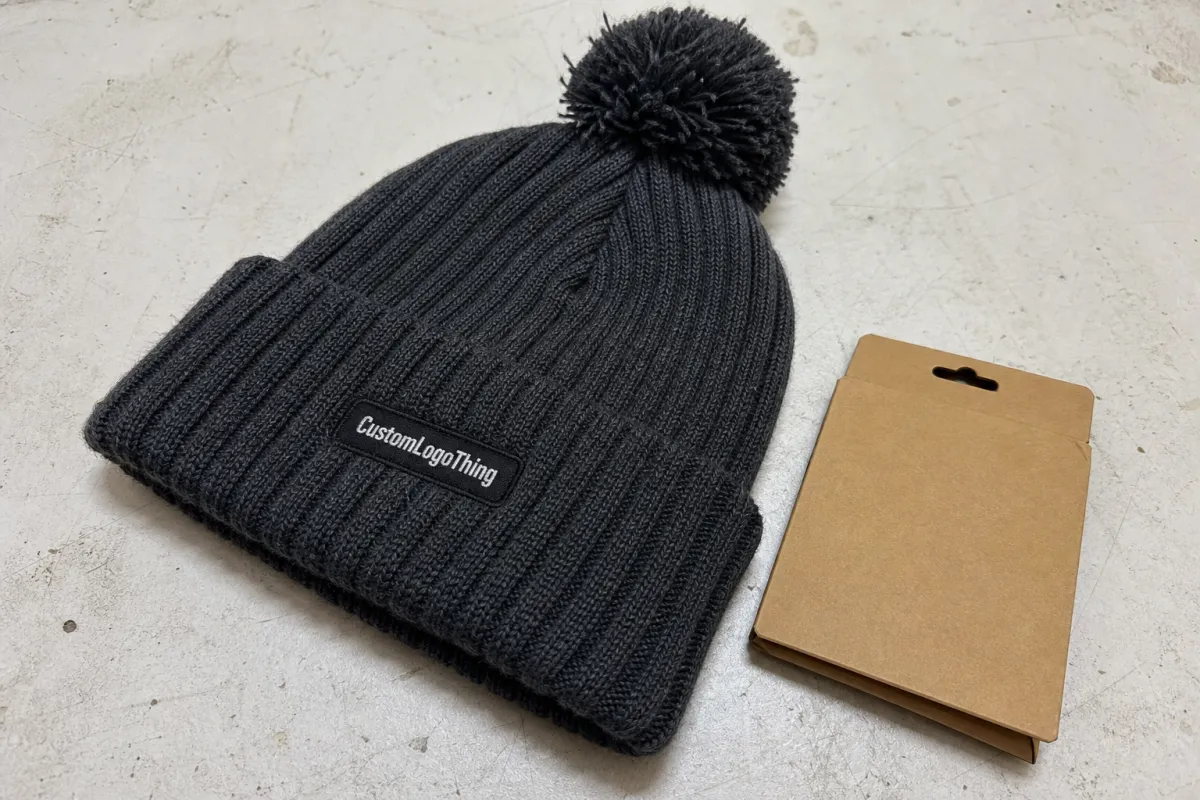
A pom is not just decoration. It adds a separate assembly point, and once a product has a separate assembly point, labor starts to matter in a new way. A machine-knit crown can move quickly. A pom has to be formed, secured, checked for symmetry, and attached in a way that does not make the hat look lopsided after folding and packing. If the pom sits off-center, the whole piece looks less refined, even if the knit itself is clean.
The pom also changes material planning. A larger pom uses more yarn and creates more trim waste. A multicolor pom may need tighter color matching than the body of the hat, which means the sourcing team has more to manage and the factory has less room to substitute. If the buyer wants a soft, full pom rather than a tight one, that affects both appearance and handling. Full poms can look better on shelf, but they are easier to crush during packing and more likely to need reshaping before shipment.
There is a simple reason these hats remain popular: they read as winter-ready and giftable without needing a complex design system. The pom gives motion and personality. It helps on retail hooks, in holiday drops, and on team-merch tables because it stands out from a distance. That visual upside is real. So is the work needed to keep the hat from looking cheap.
"If the pom is off-center or limp, the whole beanie feels discounted."
That is why the best suppliers spend time on placement and finishing rather than treating the pom as an afterthought. The final hat usually looks easy only because a lot of small decisions went right before it reached packing.
Base Build Choices That Set the Starting Price
The base build sets the tone for the entire quote. Fiber choice, knit gauge, cuff depth, lining, and pom size all shape the starting cost before decoration is even discussed. Acrylic remains the most common option because it is affordable, stable in production, and forgiving across large quantities. Recycled acrylic usually adds a small premium, but not enough to derail a serious bulk program. Wool blends feel warmer and more premium, though they also raise cost and can make color matching a little less forgiving.
Fleece lining changes the math in a different way. It improves warmth and comfort, but it adds another layer to cut, stitch, inspect, and pack. That makes the hat bulkier, which can affect carton density and freight efficiency. A buyer may like the feel of a fleece-lined beanie immediately, then discover that the shipping cube grows faster than expected. That is not a defect. It is just what happens when comfort is built into the garment.
Shape matters too. A deep cuff gives more decoration space and usually more yarn consumption. A tall crown can change the fit and affect knit time. An oversized pom looks good in photos, but it raises material use and can slow the finishing line. These are small changes in isolation. In bulk, they become real money.
| Build option | Typical feel | Cost effect | Best use |
|---|---|---|---|
| 100% acrylic | Soft, standard warmth | Lowest starting point | Promo, campus, team merch |
| Recycled acrylic | Comparable hand feel | Small premium | Sustainability-led programs |
| Wool blend | Warmer, more premium | Moderate premium | Retail and winter gifting |
| Fleece-lined | Warm and bulkier | Higher unit cost | Cold-weather retail and outdoor use |
Single-color knitting is usually the cleanest and easiest to control. Multi-color work increases setup time, can raise yarn waste, and often requires more careful machine changes. Even when the design is simple, adding a contrast cuff, stripe detail, or color-blocked crown will usually move the number. That does not make the quote inflated. It just means the spec is doing more work.
Specs to Lock Before Sampling
A clean quote starts with a clean spec sheet. The buyer should lock size, color references, logo placement, pom attachment style, packaging method, and target ship date before sampling begins. If those details are vague, the supplier has to make assumptions, and assumptions lead to revisions. Revisions are not just annoying; they add time, and time in production has a cost.
Color is the most common source of confusion. “Dark green” or “navy” may sound clear in a meeting, but they are not precise enough for production. A Pantone reference is better, and a physical reference is even better when the color matters to brand identity. The same applies to trim. If the buyer wants a woven label, care label, and hangtag, those elements should appear in the first spec, not after the sample has already been approved.
Packing deserves the same attention. A hat packed loose in a carton is not the same as a hat polybagged with a branded insert or folded with a belly band. Each option changes labor and carton density. A more polished pack-out can improve presentation, but it also raises unit cost and sometimes freight. There is no mystery there, just arithmetic.
I usually advise buyers to decide in this order: use case, warmth level, decoration method, then packaging. That sequence keeps the product tied to its purpose. It also prevents the pom pom Beanies Unit Cost breakdown from getting distorted by features that sound appealing but do not help the program.
Before approving a sample, compare it on the same terms every time:
- Fit - check crown depth and cuff stretch on actual heads, not just on a table.
- Pom placement - centerline, balance, and height should hold up at arm's length.
- Hand feel - scratchy yarn can sink the appeal of an otherwise good hat.
- Decoration clarity - logos and patches should sit cleanly on the knit surface.
- Trim consistency - labels, seams, and fold lines should repeat across the sample set.
For programs using recycled fibers or certified paper packaging, request documentation early rather than after approval. Cartons and hangtags can be aligned with FSC standards, and if the product will move through rough freight or long transit chains, ISTA testing logic is useful for pressure-testing the pack plan instead of assuming the box will survive on optimism alone.
Pom Pom Beanies Unit Cost Breakdown: What Drives the Quote
The pom pom beanies unit cost breakdown usually falls into seven buckets: yarn, knitting, pom construction, decoration, finishing, quality control, and packing. Suppliers may present those lines differently, but the underlying cost drivers are the same. Once you know where the money lives, you can tell whether a quote is efficient or simply incomplete.
Yarn is the starting point. Standard acrylic is the most budget-friendly, while wool blends and specialty recycled fibers carry a premium. Knitting depends on gauge and complexity. A tighter gauge or more color changes will take longer and may yield a cleaner look, but it does not come for free. Pom construction varies by method: machine-made poms are usually faster, while hand-fluffed or sewn poms add labor. Decoration can mean embroidery, woven patches, labels, or appliques, and each has its own setup cost. Finishing covers trimming, folding, steaming, and label attachment. QC is where the bad pieces get removed before they turn into a customer complaint. Packing includes polybags, inserts, cartons, and any outer wrap needed for retail presentation.
MOQ changes the shape of the quote because setup charges do not disappear just because the order is small. At 100 pieces, setup can dominate the unit price. At 300 pieces, the math starts to settle. Around 1,000 pieces and above, the unit price usually becomes more predictable because the same labor and inspection steps are spread across more hats. The total spend is still real, but the per-piece number stops feeling inflated by preparation.
For planning purposes, these are rough bulk ranges for a standard logo beanie with a pom. They are not promises, because yarn choice, packaging, and freight terms move the total quickly, but they are useful for spotting quotes that do not make sense:
| Quantity | Typical cost per piece | Common quote shape | Notes |
|---|---|---|---|
| 100 pieces | $7.50 - $15.00 | High setup share | Small-run economics work against you |
| 300 pieces | $5.50 - $10.50 | Better balance | Often the first tier that feels usable for campaigns |
| 1,000 pieces | $3.80 - $8.50 | Cleaner bulk pricing | Setup charges soften, but consistency matters more |
| 5,000 pieces | $3.10 - $6.80 | Lowest efficient tier | Best for retail or chain programs with stable forecasting |
Those ranges shift with fiber choice, logo method, and shipment terms. A low quote that excludes labels, bagging, sampling, or destination freight is not a better deal. It is just unfinished math. The same warning applies if the supplier quietly assumes a different pom size or a lighter knit weight than the one the buyer actually asked for.
One more detail buyers often miss: custom hardware or special trim can introduce its own setup. A molded badge, silicone patch, or unusual closure may not sound dramatic, but it can create tooling fees or separate minimums. Ask for those charges to be listed separately. If they are buried inside the unit cost, recurring cost and one-time cost get mixed together, and that makes it harder to compare suppliers honestly.
Comparing pom pom beanies unit cost breakdown numbers only works if the products are truly the same. Same yarn, same cuff depth, same pom size, same trim, same carton count, same freight term. Anything less and the comparison is fiction with a price tag.
Process, Timeline, and Production Steps
The production path is straightforward, but only if the buyer keeps decisions tight. First comes tech pack review. Then the supplier confirms yarn availability, color matching, decoration method, and packing plan. Sampling follows. After the sample is approved, the order moves into knitting, pom attachment, finishing, inspection, and packing. Carton finalization happens at the end, not at the beginning, because the finished goods should determine the box plan, not the other way around.
Lead time depends on complexity. A stock-like build with a standard acrylic body, simple label, and common pom structure may move in roughly 12-15 business days after approval, sometimes a little longer if the line is busy. A more customized order with multiple colors, special packaging, or premium trims often runs 18-25 business days. If artwork changes after sample approval, the schedule usually shifts, and it shifts in a way that is very hard to recover from later.
There are a few common delays, and none of them are glamorous:
- Late artwork - the line cannot start if the decoration files are still changing.
- Color revisions - yarn or trim changes slow matching and approval.
- Unapproved details - one missing sign-off can stop the batch.
- Spec drift - changing pom size or knit density after approval creates avoidable rework.
That is why one approved sample matters more than three half-approved options. Every extra round of “almost right” pushes the calendar and makes the quote less trustworthy. Buyers who lock the spec early usually get the best combination of timing, consistency, and unit cost.
Quote Mistakes That Inflate the Final Cost
The easiest way to misread a quote is to focus on one number and ignore the rest of the sheet. A low unit price that excludes labels, bagging, freight, or destination fees is not actually low. It simply pushes cost into a different line. That same issue appears when the supplier assumes a higher MOQ than the buyer planned or a simpler finish than the product really needs.
Overcomplicated colorways are another common cost trap. Every extra color can increase yarn handling and machine setup. Oversized poms do the same thing from a different direction. They can slow output, create more yield loss, and make finishing more tedious. That does not make them bad choices. It means they cost more because they ask the factory to do more work.
Changing the quantity after the quote is issued also changes the economics. A run that looked reasonable at 500 pieces may not hold together at 220, and a quote for 1,000 pieces is not directly useful if the buyer later cuts the order in half. Setup charges have to land somewhere. The math is not emotional about it.
- Ask for a line-by-line quote so fixed and variable costs stay visible.
- Confirm packaging before comparing bids, including polybags, inserts, and carton count.
- Lock the logo method because embroidery, patch, and label pricing are not interchangeable.
- Verify shipping term so freight is not hiding outside the unit cost.
- Hold quantity steady while comparing quotes; otherwise the comparison is not real.
Once those mistakes are removed, the pom pom beanies unit cost breakdown becomes much easier to read. Not magically cheaper, just clearer. Clarity matters because it keeps budget discussions grounded in the actual product rather than in a price that only looked good on first glance.
Why a Strong Factory Partner Matters
A strong factory partner does the boring work well: measures, corrects, documents, repeats. That is exactly what protects the order. A supplier that catches fit issues during sampling, explains a defect before it reaches packing, and separates one-time charges from recurring ones is usually more valuable than a bidder that simply says yes to everything.
Communication quality matters because pom pom beanies may look simple, but the process is not forgiving. A small change in cuff depth or pom size can alter the silhouette. A small change in yarn lot can shift the hand feel. A small change in folding or bagging can create an inconsistent retail presentation. The more repeatable the process, the safer the reorders.
Consistency matters even more for seasonal programs and retail runs. If the first order uses one yarn lot and the second order uses another without control, the hats may look slightly different. That is acceptable for a one-off giveaway. It is a headache for anything that has to match across multiple shipments or store drops.
The cheapest bid often becomes the most expensive order once rework starts. Sorting crooked poms, fixing packing mistakes, or rebagging inconsistent units eats time fast. None of that improves margin. It only creates labor that should have been avoided at the source.
What to Send for an Accurate Quote
If the goal is a useful quote, send the specifics that actually move price: quantity by color, artwork files, target size, target ship date, delivery country, and packaging preference. A reference photo helps too, especially if the product is meant to match an existing style. The more concrete the reference, the less likely the quote will drift toward a generic version of the hat.
Ask for a line-by-line unit cost sheet. The sheet should show how price changes with MOQ, decoration type, trim, packaging, and freight. That is the easiest way to tell whether the supplier understands the order or is just recycling a template. A clean pom pom beanies unit cost breakdown should show what is fixed, what scales, and what gets adjusted if the order changes.
The best next step is usually to approve the spec, confirm the sample method, and request a production calendar. If the supplier cannot explain the order flow after approval, the quote is incomplete no matter how sharp the number looks. Price matters, but process decides whether that price survives contact with production.
For bulk buyers comparing suppliers, the smartest move is still to compare the spec first and the number second. That keeps hidden setup charges from slipping into the order and prevents false comparisons between products that only look alike on paper. If the program depends on accuracy, consistency, and a clean seasonal presentation, start with the pom pom beanies unit cost breakdown and compare the same build across every quote. That is the only comparison that tells the truth.
FAQs
How do I estimate pom pom beanies unit cost at 100 vs 1,000 pieces?
Expect a much higher setup share at 100 pieces, then a more reasonable unit number at 300, 500, and 1,000 pieces. Use the same spec for each tier so the comparison stays honest.
What MOQ gives the best value on pom pom beanies?
There is no universal number, but 300-500 pieces often balances setup cost and budget better than a very small run. Larger quantities usually improve unit price if the spec stays stable.
Which specification changes raise costs the fastest?
Multi-color knitting, oversized poms, premium yarns, and special packaging tend to move the price fastest. Frequent artwork changes also add cost because they slow the approval cycle.
How much should I budget for sampling and shipping?
Sampling can be included or charged separately depending on the customization level. Freight depends on carton count, destination, and the shipping term, so it should be quoted separately whenever possible.
How long does production usually take after approval?
Simple builds can move in roughly 12-15 business days after approval, while more customized orders often take 18-25 business days. Late revisions will extend that schedule.

