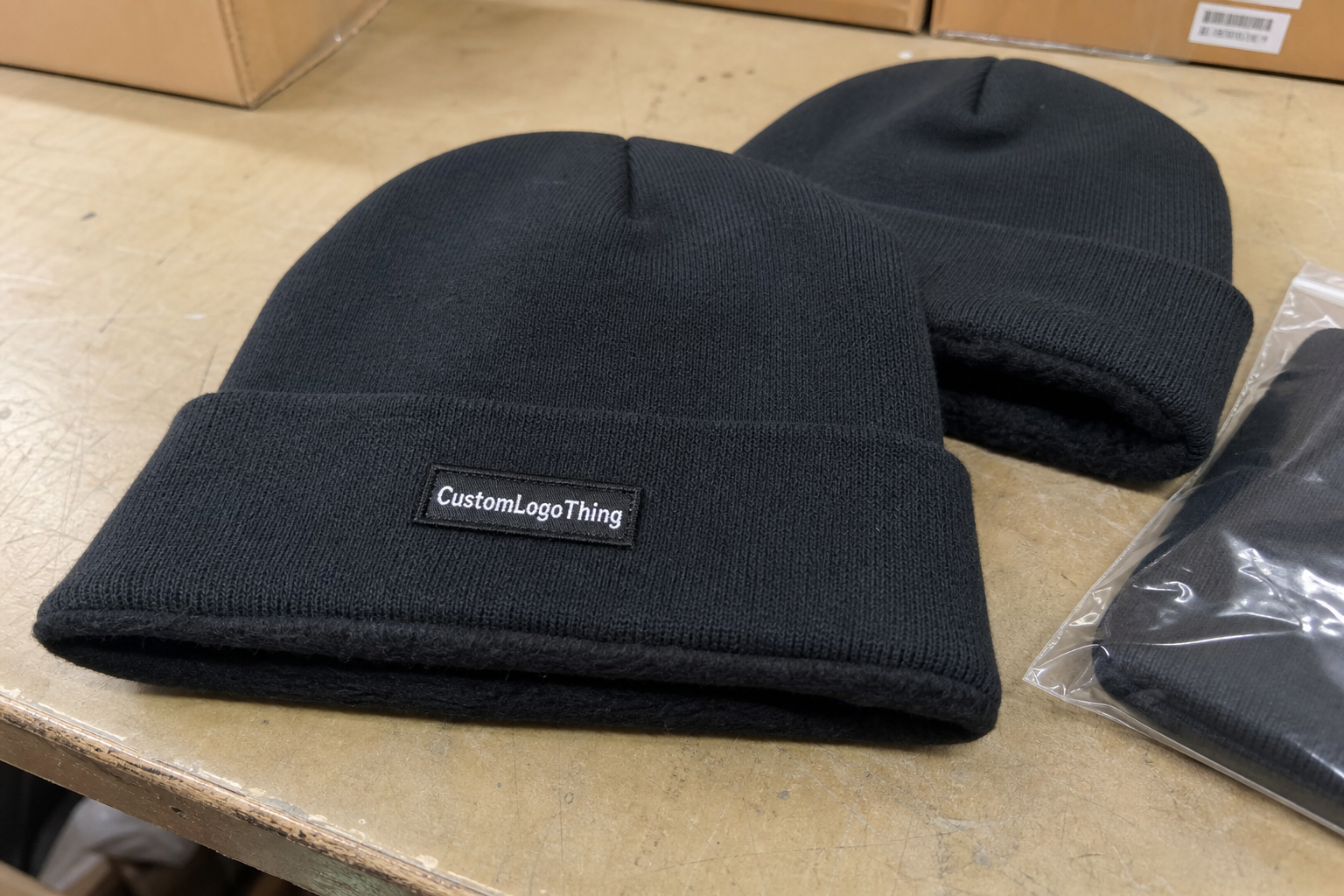
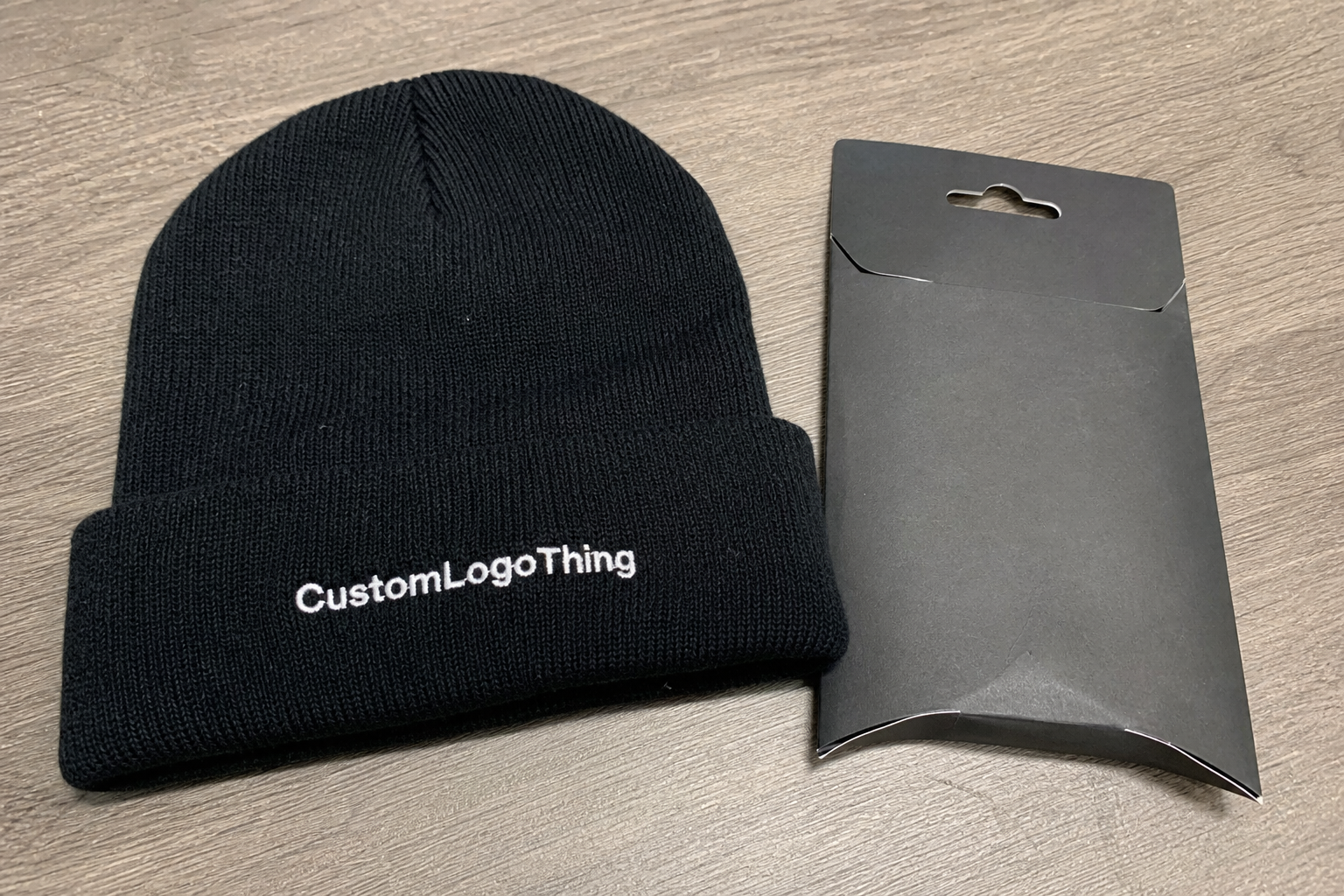
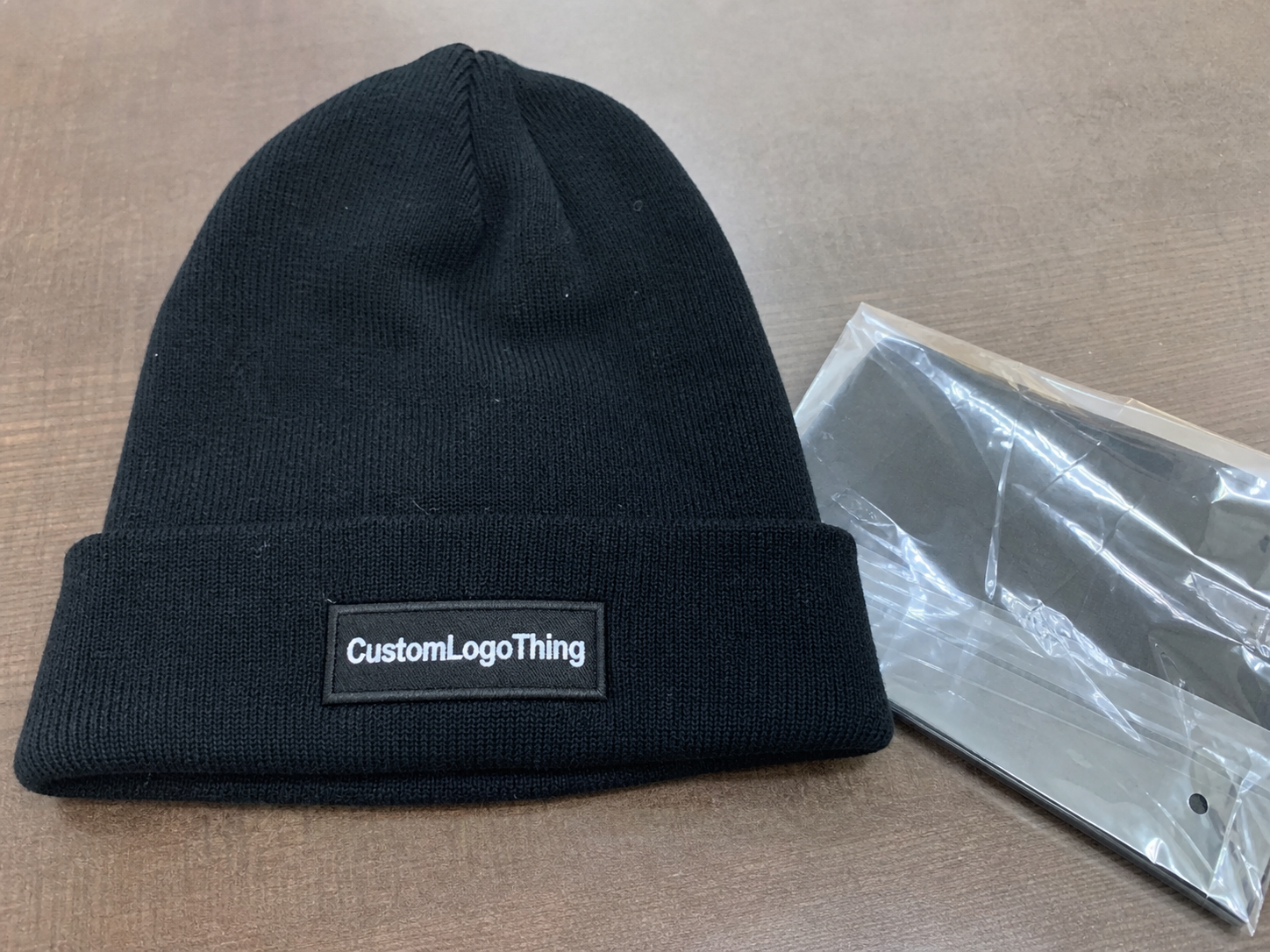
The fastest way to misread custom headwear pricing is to focus only on the embroidery line and ignore the rest of the order. In an embroidered beanies Unit Cost Breakdown, the blank knit, setup work, proofing, packaging, and freight usually move the final number more than the stitches themselves.
That is why two quotes with the same logo can land in very different places. A low stitch price on a thin, loose-knit cap is not the same value as that same stitch price on a denser cuffed beanie that holds its shape, reads clearly on camera, and stays presentable after a winter of regular wear.
A useful beanie quote does more than name a unit price. It shows what is included, how the order will be built, and where the risk sits if the same item is reordered later.
Why embroidered beanies earn their place in budget plans
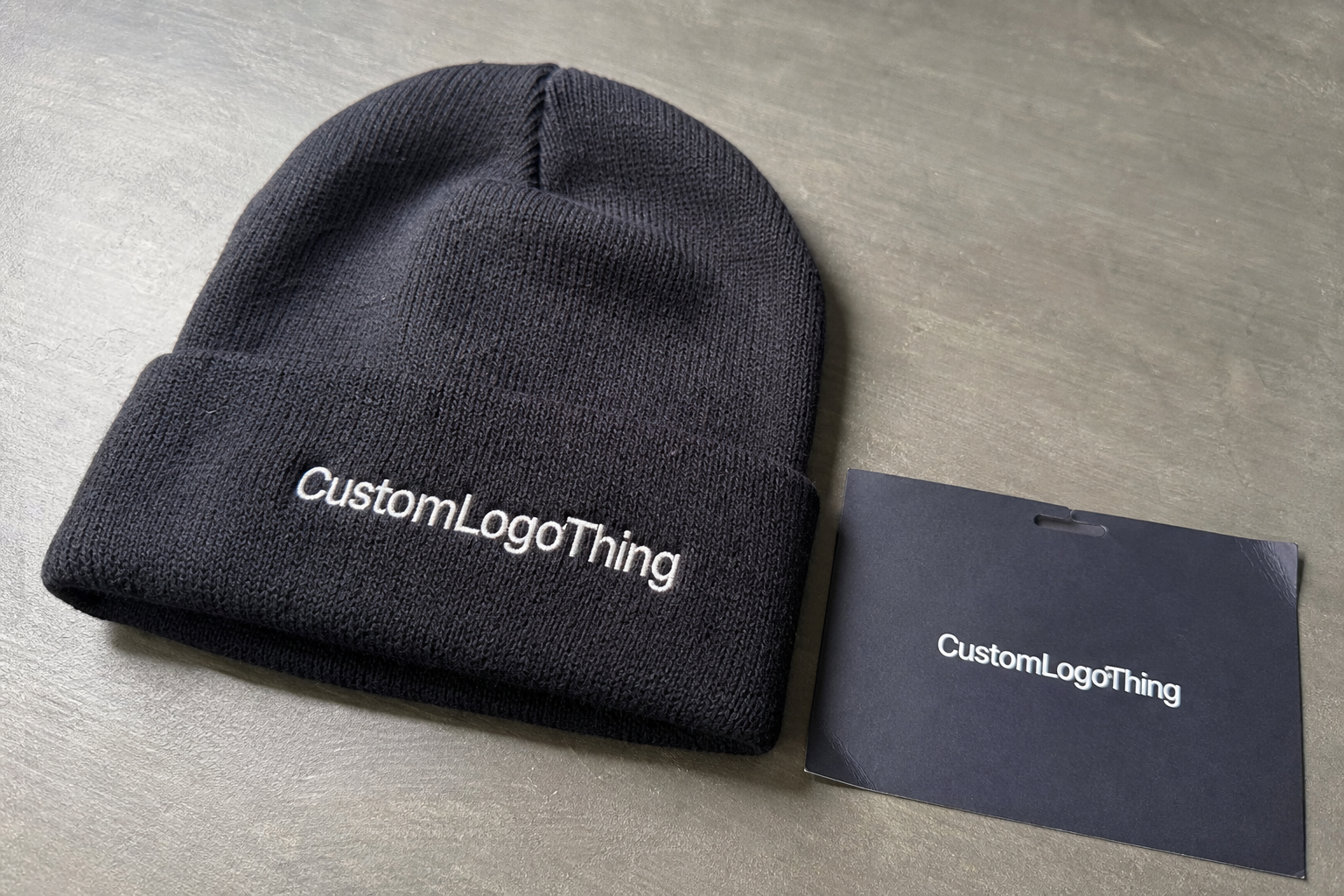
Buyers often compare beanies against cheaper winter giveaways and miss the real tradeoff. A basic knit cap may shave a few cents off the factory cost, but a clean embroidered cuff logo usually adds more perceived value than that difference. The logo sits where people actually see it: in hand, in photos, on staff uniforms, and on retail shelves.
That matters because the landed cost has to match the job. Schools need a dependable spirit item that survives repeated use. Merch teams need something polished enough to sell without apology. Event buyers need stock that can be replenished without changing the art every time. If the quote hides setup, packaging, or freight, the budget gets distorted before the order even starts.
One practical observation from the buying side: embroidery is often smaller in the invoice than people expect. For a simple cuff logo, the decoration labor may be a modest slice of the total. The blank, minimum order quantity, digitizing, and transit often carry more weight. That is why a real cost comparison has to include the full order, not just the sew time.
Two orders with the same art can perform very differently. A 100-piece run on a lightweight acrylic blank can look fine on a screen, but the logo may twist more in packing and feel less substantial in use. A slightly heavier rib-knit blank may add less than a dollar per piece and still deliver a cleaner, more retail-ready result. For many programs, that is better value than chasing the lowest possible factory price.
| Beanie style | Typical blank cost | Decoration fit | Best use case | Common risk |
|---|---|---|---|---|
| Cuffed acrylic | $1.10-$2.10 | Very good | School spirit, promos, volume merch | Loose knit can distort small logos |
| Rib-knit midweight | $1.80-$3.25 | Excellent | Retail merch, staff kits, premium giveaways | Higher unit cost |
| Fleece-lined | $2.50-$4.50 | Good | Cold-weather programs, outdoor crews | More seam bulk under the cuff |
| Cuffless | $1.00-$2.00 | Depends on placement | Streetwear, simple branded drops | Less logo space and weaker visibility |
The spread is not arbitrary. Knit density, yarn weight, finishing, and cuff structure all affect how embroidery sits on the garment. Buyers who care about repeatability should pay attention to those details as closely as they do to the logo itself.
Product details that change fit, feel, and order value
The beanie style sets the tone before the first stitch lands. A cuffed acrylic beanie is the practical workhorse: predictable, budget-friendly, and easy to decorate. A fleece-lined version adds warmth and softness, but it also increases bulk in the seam area and can make embroidery feel less flexible. A cuffless knit gives a cleaner silhouette, though the logo placement options are narrower and visibility can drop.
Cuff height matters more than many first-time buyers expect. A taller cuff gives the artwork more usable space, which usually improves readability and lowers the chance of rework. A short cuff can look sharper or more fashion-forward, but it compresses the design field and makes logo balance harder. When the art is already small, that space disappears fast.
Stretch recovery is another quiet cost driver. A beanie that rebounds well after packing and wear keeps the logo flatter and cleaner. Softer, looser knits can feel comfortable on first touch, yet they may distort under the hoop or lose definition after repeated use. That affects not only comfort, but also how the mark holds up across a full distribution run.
Placement changes speed, visibility, and value
Front cuff placement is standard because it runs efficiently and reads quickly. Side-panel placement can look more fashion-driven, but it often asks the machine to work on a less stable surface. Low-profile patch zones can also work, though they add prep and may slow production if the patch format is not standardized.
That is why the placement should be named in the quote. A 3-inch front cuff logo and a side-panel logo are not the same order, even if the artwork file is identical. Machine time, inspection time, and visibility all shift. Buyers who need brand consistency across multiple drops usually get better results by fixing one placement and keeping it unchanged from run to run.
Color choice affects schedule as much as style does. Black, navy, gray, and red usually move quickly because stock is more likely to be on hand. Brand-matched colors can take longer, especially when the blank must be sourced to a tighter shade target. The quote should say whether the beanie is stock-dyed, yarn-dyed, or built as a special color run. If that is missing, the lead time is only a guess.
Packaging also changes the economics. Individual polybags add labor and material, but they may be necessary for retail, fulfillment, or internal distribution. Bulk-packed cartons are usually cheaper and faster, though they are not always the right answer for shelf-ready programs. The packing method should be stated clearly so the buyer can compare one quote against another without hidden differences.
For programs that have shipping or materials requirements, carton strength and source documentation can matter too. Standards such as ISTA testing guidance and FSC sourcing standards can help frame those conversations. They do not lower stitch cost, but they can reduce damage risk and clarify packaging expectations before goods leave the factory.
Specifications that make embroidery clean and repeatable
The best quotes start with clean inputs. A useful spec set includes logo width, logo height, stitch count estimate, thread colors, placement, backing choice, fold method, and pack method. Leave out one of those details and the supplier has to make an assumption. Assumptions often return later as proof corrections, extra charges, or a delay before production begins.
Artwork quality matters, but so does artwork suitability. Dense copy and very fine linework are the first things to simplify. Type that is too small can blur on knit fabric, and thin strokes may need to be thickened so the embroidery has enough structure to survive wear. That is not a creative compromise; it is the practical translation of a logo into a stitched surface.
Vector files are the cleanest starting point. AI, EPS, and well-prepared PDF files allow digitizing to move faster and with fewer interpretation errors. If brand colors are sensitive, provide PMS targets, but understand that thread is not paint. It can be matched closely, not perfectly. A good supplier will say that plainly instead of promising an exact match that the material cannot deliver.
What should be locked before proofing
The proof should confirm more than artwork shape. It should lock final size, stitch direction, backing type, and any special finishing notes. If the logo needs to stay clear after folding, that should be written into the approval. If a woven label or patch is part of the build, it needs to be included before sew-out, not after.
Proof tolerances should also be clear. Small thread-lot differences can happen, and knit texture naturally affects edge sharpness. That is normal. What is not normal is unapproved changes in logo size, a shifted placement, or a different backing than the one quoted. Buyers should ask which details are fixed and which fall within normal manufacturing tolerance.
A simple rule helps here: if the logo is hard to read at 18 inches on screen, it may be too fine for a knit beanie. That is not a hard law, but it is a useful filter. Cleaner artwork also reduces the chance of extra setup charges and keeps the approval cycle shorter because the digitizing file needs less revision.
For buyers comparing vendors, ask for the stitch estimate instead of only the final price. A 5,000-stitch logo and an 8,500-stitch logo can create different labor profiles even when the garment price is identical. That is one reason an embroidered beanies Unit Cost Breakdown should always include production logic, not just a single total.
Embroidered beanies unit cost breakdown: pricing and MOQ
This is where the buying decision gets real. A proper embroidered Beanies Unit Cost Breakdown usually includes six parts: blank beanie, digitizing or setup, embroidery labor, thread changes, packaging, and freight. A rush charge may appear. A special handling fee for folding or individual polybags may appear too. If the supplier does not separate those lines, the quote is incomplete.
At lower quantities, fixed costs dominate. A 25-piece order may carry nearly the same digitizing and proofing effort as a 100-piece order, so the cost per piece rises quickly. At 100 pieces, those setup charges spread farther, and the rate usually begins to look more workable. By 250 pieces, blank pricing and machine time matter more than one-time fees.
That is the logic behind MOQ. Minimum order quantity is not just a supplier rule. It is the point where setup, digitizing, and inspection can be absorbed without making the unit cost unattractive. Buyers often ask why a 50-piece quote is only slightly better than a 25-piece quote. The answer is simple: the fixed work has not been divided enough yet.
| Quantity | Typical unit cost range | What usually drives it | Buying takeaway |
|---|---|---|---|
| 25 pieces | $7.50-$12.00 | Setup charges, proofing, small-run labor | Best for testing demand or one-off events |
| 50 pieces | $5.25-$8.50 | Fixed costs spread a little wider | Often the first workable tier for internal use |
| 100 pieces | $3.90-$6.50 | Better blank pricing and steadier machine time | Common sweet spot for merch and schools |
| 250 pieces | $3.10-$5.20 | Volume pricing, lower cost per piece | Best when replenishment is likely |
These ranges are directional, not fixed. A dense knit with a large logo sits higher. A simple one-color cuff mark on a standard blank can sit lower. Add metallic thread, a second placement, or individual polybags, and the number moves quickly.
Watch the places where suppliers bury cost. Tooling fees may be folded into digitizing. Freight may be listed as an estimate only. Packaging may be omitted entirely. If the quote sounds too tidy, it may be incomplete. A true landed cost should tell you what it takes to receive finished goods at your door or warehouse, not just what they cost at the factory gate.
There is also a difference between a quote that looks low and one that is actually efficient. The bare-bones number often appears $0.70-$1.50 cheaper per unit until the invoice adds packing, freight, rush handling, or an extra thread-change fee. Buyers who ask for landed cost first avoid false winners and save time on comparison.
For larger distribution programs, shipping details matter almost as much as the garment. Carton size, case count, and handling standards can affect damage rates and receiving speed. If the beanies are traveling with other promo goods, packaging discipline becomes part of the quality conversation rather than an afterthought.
Production steps, turnaround, and lead time checkpoints
The order flow is usually straightforward, but delays happen at predictable points. It starts with quote intake, then artwork review, digitizing, sew-out proof, approval, production, inspection, and shipment. Each step can move fast when the buyer responds quickly. Each step can also stall if the logo file is incomplete or the proof sits untouched for several days.
Sample lead time and bulk turnaround are not the same thing. A sew-out sample may be ready in a few days if the art is clean and stock is on hand. Bulk production adds queue time, machine time, inspection, and packing. A supplier promising a fast sample is not automatically promising the same pace for the full order.
Most approval delays are ordinary, which is exactly why they are expensive. Missing vector art. A size change after proofing. A revised color target. Late feedback from several stakeholders who all want one more option. Each one can add days without improving the product.
Plan around the calendar, not the wish list
Event-driven buying should start earlier than most teams expect. Holiday promotions, campus rollouts, sports seasons, and distributor programs all compress the timeline. If goods must arrive by a fixed date, buffer time for proofing and freight needs to be built in from the start. A clean order can still miss the event if it is placed too close to the deadline.
Turnaround is also tied to finish complexity. A simple one-color front cuff logo on stock beanies may move in 10-15 business days after proof approval, depending on stock and queue. Add custom colors, individual packaging, or a second placement, and the schedule stretches. That is not a failure in production. It is the normal cost of more work.
If a buyer is comparing suppliers, one question usually clears up the fog: "What is the earliest ship date after approval, and what assumptions does that date depend on?" That line exposes whether the supplier is quoting from real stock or from an optimistic estimate. It also shows how much margin exists if the artwork needs one last correction.
What reliable suppliers control that price-only quotes miss
Price is easy to compare. Quality control is harder, but it is where the real value sits. Reliable suppliers monitor thread tension, backing choice, stitch density, and placement consistency. Those details decide whether the logo looks crisp after one wear or after months of use. They also decide how many pieces need rework before the order ships.
A low quote can hide thinner blanks, weak coverage, or a loose inspection standard. That is not theoretical. It happens when the base garment is downgraded or when the acceptable quality range is too wide. The result is a lower invoice upfront and a weaker product later. For the buyer, that is not savings; it is deferred expense.
Communication during proofing is part of quality control. When the buyer explains color sensitivity, edge clarity, or logo size priorities, the supplier can make better calls before production starts. That becomes even more important on repeat runs. Saved stitch files, consistent sizing, and clear approval history reduce risk when the order turns into a program rather than a one-off.
Repeat-order behavior is often more revealing than the first run. Can the supplier reproduce the same cuff size? Do they store the same digitized file? Are they clear about what changed if a blank substitution is needed? Those are the questions that matter once the product has a place in the schedule and needs to be replenished without surprises.
Packaging can also change the economics. Retail-ready presentation needs individual polybags, which adds labor and material. Bulk-packed cartons are usually more efficient if the beanies are going directly to a distribution center. A careful quote should state the pack method clearly so the comparison stays honest.
Freight volatility can distort the final invoice too. A quote that looks excellent on unit cost may land as average once transit is included. A supplier who separates product, packaging, and freight is usually easier to work with because the numbers are visible. That transparency matters more than a polished starting price.
There is a reason experienced buyers ask for production photos, spec sheets, and inspection notes. They are not being difficult. They are reducing uncertainty. In a category where the logo is small but highly visible, that discipline pays off quickly.
FAQ
What changes embroidered beanies unit cost the most?
The biggest drivers are blank beanie quality, stitch count, logo size, and total quantity. Setup and digitizing matter more on smaller runs because those fixed costs are spread across fewer hats. Extra thread colors, second placements, and rush production can move the price more than buyers expect.
How does MOQ affect embroidered beanie pricing?
A lower MOQ usually means a higher unit price because setup costs are divided across fewer hats. Once quantities move into higher tiers, the per-piece cost typically drops in clear steps. Buyers should compare 25, 50, and 100-piece quotes to see where the best break lands.
Can I reduce beanie cost without hurting quality?
Yes. Keep the logo clean, limit thread changes, and choose a standard blank that fits the use case. Avoid tiny details that force slower machine time or create failed sew-outs. Reducing packaging extras can also lower cost if retail-ready presentation is not required.
How long does embroidered beanie production usually take?
Turnaround depends on artwork approval, stock availability, and order size. Proofing and digitizing are the steps most likely to add time before sewing begins. Rush orders are possible, but they usually come with added cost and fewer options.
What should be included in a beanie quote before I approve it?
The quote should list the blank style, decoration method, placement, setup, and unit price by quantity. It should also show packaging, freight, and any rush or special handling charges. If those line items are missing, the final invoice may not match the original quote.
The practical lesson is simple: the embroidered Beanies Unit Cost Breakdown is not just about thread. It is about the blank, the setup, the MOQ, the freight, and the production decisions that determine whether the finished piece feels intentional or forgettable. Get those inputs right, and the quote becomes a useful buying tool instead of a guessing game.