Premium Cuffed Beanies Reorder Plan for Bulk Buyers
A repeat beanie order works best when the second run is treated as a controlled replication of the first. The goal is not to re-open design decisions; it is to preserve the approved fit, handfeel, logo placement, and pack-out while demand is still active.
Small changes create the biggest problems: a cuff that folds higher, a knit that relaxes differently, embroidery that shifts a few millimeters, or yarn that reads warmer under retail lighting. Those are minor on paper and obvious in hand.
For bulk buyers, the best reorder process starts with the approved sample, the final PO, and the actual spec sheet used on the first run. Memory, screenshots, and casual notes are not enough.
"The second run only works if the first run is treated like a spec, not a memory."
Why a repeat beanie order needs a different plan
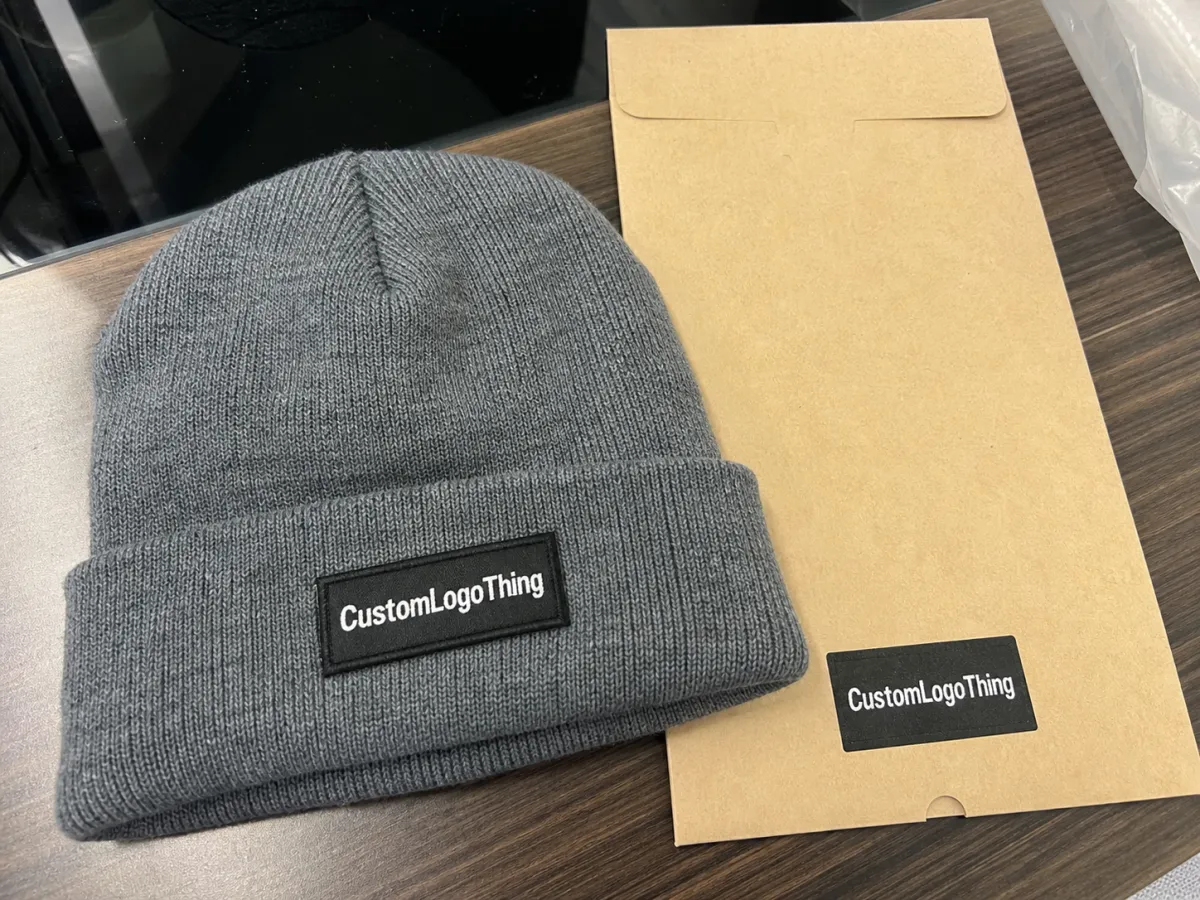
A repeat order looks simple because the product already exists, but the production risk is different from a first-time launch. The buyer is usually asking for the same style, same decoration, and same presentation, not a redesign. That means the file set has to be more exact, not less.
The usual drift points are predictable. Cuff height changes when the fold instruction is not written down. Knit tension shifts when a different yarn lot or line is used. Logo placement moves when a proof is approved flat instead of folded. Even color variation can stand out on a dark marl or saturated corporate shade.
Repeat orders are worth protecting because the first run already proved the style, the audience, and the demand. That matters for retailers refilling stock, HR teams repeating winter gifts, and event buyers who need the next delivery to match the first without another approval cycle.
The cleanest repeat orders start with the last approved sample, the final purchase order, and the signed spec. If a detail was never written down, it should be treated as unconfirmed until it is checked again.
Premium Cuffed Beanies Reorder Plan: lock the exact build before production
The fastest way to protect a reorder is to freeze the build before anyone starts discussing price. Body color, cuff depth, crown shape, and fold style all need to match the original run, not approximate it. A small change becomes visible quickly once the beanie is worn, stacked, or merchandised in multiples.
Anchor the order to one approved reference. That can be a physical sample, tech pack, production photo, or all three, but it should not rely on a text note alone. If the first run used a 2x2 rib knit in a charcoal marl body with a 3-inch cuff and front-center embroidery, record it exactly. If the label was sewn into the seam or heat-applied inside, capture that too.
Every must-match detail belongs in the reorder file:
- Body color: keep the shade reference, not just the color name.
- Cuff depth: define the folded height in inches or millimeters.
- Crown shape: note whether it sat shallow, standard, or oversized.
- Logo build: capture stitch count, patch material, or transfer type.
- Thread shade: reference Pantone, thread chart, or prior approval photo.
- Packaging: confirm polybag, hang tag, insert card, or bulk pack format.
It helps to define acceptable variation before production starts. Knitwear is flexible by nature, and yarn-lot movement is normal. The question is not whether there will be variation, but how much variation is acceptable before the order needs to be paused.
Who signs off matters as much as what is signed off. Artwork, sizing, packing, and ship-to instructions should each have a named approver. When one person approves the proof and another approves carton counts, delays are common.
Materials, knit structure, and cuff details that affect fit
Material choice sets the tone for the reorder and the landed cost. A 100% acrylic beanie remains common because it balances warmth, soft handfeel, and price control. Recycled acrylic or recycled polyester blends can improve the sustainability story. Wool and wool-blend knits usually add warmth and resilience, but they also raise the unit price.
Gauge and yarn weight change the result more than many buyers expect. Two cuffed beanies can look similar in a catalog photo and feel different on the head. A tighter gauge with better recovery tends to hold shape after wear, while a looser knit can feel softer but may bag out sooner. A 1x1 rib usually hugs the head more closely; a 2x2 rib usually feels more substantial.
Cuff depth is one of the most practical variables in a reorder because it controls logo visibility. If the cuff folds too high, the logo can sit lower than expected. If it folds too shallow, the mark may look crowded. For most adult programs, a cuff depth around 2.5 to 3.5 inches is common, but the correct number is the one that matches the approved sample.
Fit targets should be written by user group, not just by style name. A standard adult fit may work for retail and staff programs, while youth sizes or oversized fits may be needed for schools, promotions, or fashion-driven resale. If the order supports multiple channels, spell out the size split so the factory knows which profile takes priority.
Durability details matter too. Ask about pilling resistance, wash performance, and handfeel after storage, because a beanie that looks premium on arrival still has to survive distribution and daily wear. If the program includes FSC-certified paper inserts or swing tags, ask for the paper spec separately so the finishing materials do not clash with the beanie itself. The certification basics at fsc.org are a useful reference point for those conversations.
For buyers comparing options, the useful question is not which yarn is best in the abstract. It is which yarn supports the retail, uniform, or giveaway outcome at the right cost.
Decoration methods, artwork placement, and proofing checks
Decoration choice changes the order more than almost anything else. Embroidery, woven patches, heat-applied labels, and debossed patches each create a different look, a different production sequence, and a different risk profile. Embroidery is still the most familiar option for cuffed beanies because it reads cleanly and handles small logos well, but dense stitching can make the cuff feel firmer. A woven or PVC patch can sharpen fine detail, though it adds another sourcing step.
Placement should be measured from the exact fold, not guessed from a flat mockup. On a cuffed beanie, the same artwork can appear centered when folded, then look off-center once worn if the proof was approved from the wrong perspective. State the distance from the cuff edge, the logo width, and the vertical position of the design. If the beanie is displayed folded in retail packaging, that display state should be the proof reference.
For artwork, ask for clean vector files, Pantone references, and a proof that shows stitch direction or patch border. Thread shades can shift slightly from monitor to sample, so a good proof package should make the details visible enough to judge whether the logo will read well from a few feet away. If the mark is small, stitch count matters. In many beanie orders, a logo in the 4,000 to 8,000 stitch range is normal, but the exact count depends on fill density and line detail.
Proofing should catch the issues repeat orders are most likely to miss:
- Logo size on folded versus unfolded beanies.
- Thread color against the actual yarn shade.
- Patch border width and edge finish.
- Label size and seam placement.
- Any change in the way the cuff sits after decoration.
For larger programs, a physical pre-production sample is worth the time. If a small correction would become expensive after 1,000 pieces are in motion, spend the extra day on sample approval. That is far cheaper than sorting a bulk run later.
Pricing, MOQ, and quote factors for repeat runs
Repeat pricing should be broken into the real drivers: yarn selection, decoration method, quantity, packaging, and any added sorting or fulfillment labor. If the first run was a simple embroidered beanie packed in bulk, the reorder may price lower because the setup already exists. If the second run adds custom labels, individual polybags, or a new thread color, those savings shrink quickly.
MOQ can be lower on a true reorder, but only if the spec stays stable. Change the body color, size mix, decoration method, or pack-out format, and the minimum can move back up. Reuse of artwork may save setup time, yet new thread shades, new labels, or a different custom bag can bring the quote back to a higher bracket.
For budget planning, tiered pricing helps more than a single number. Ask for quotes at 100, 250, 500, and 1,000 pieces so the break points are visible. Typical bulk ranges for cuffed beanies might look like this, though heavier yarns, wool content, and specialty finishing can push the top end higher.
| Order tier | Typical unit range | Main cost drivers | Best use case |
|---|---|---|---|
| 100 pieces | $6.50-$11.00 | Heavy embroidery, patch work, individual polybags | Launch samples, internal gifting, pilot sell-through |
| 250 pieces | $4.80-$8.50 | Yarn blend, stitch count, custom labels | Teams, small retail replenishment, event resale |
| 500 pieces | $3.70-$6.80 | Packing format, color changes, thread count | Seasonal stock and program refill |
| 1,000 pieces | $3.10-$5.90 | Packaging labor, split delivery, premium yarn | Retail chains, larger events, wholesale replenishment |
Freight can matter as much as the item price, especially if the order needs to arrive retail-ready or in staged deliveries. Ask whether split shipments, carton labeling, or individual polybagging are included, because those services affect landed cost and receiving workload. A clean quote is better than a low quote with missing assumptions.
Process, timeline, and lead time from approval to shipment
A good reorder process follows the same sequence every time: spec confirmation, artwork check, sample or proof approval, production, packing, and final dispatch. The lead time depends on how complete the file set is. A quote can move quickly while a shipment stalls if one detail is missing.
Some tasks can happen in parallel. Artwork cleanup can run while yarn is being reserved. Shipping instructions can be drafted while the proof is being checked. Packaging decisions can be locked before the production schedule is released. That overlap shortens the calendar without skipping the signoff step that keeps the order controlled.
The common delay points are familiar to anyone who has managed apparel or promotional product sourcing: missing approvals, incomplete address details, last-minute changes to carton counts, and size ratio changes after the PO is issued. A factory can only build what has been confirmed, so every late change carries a timing cost.
For a repeat beanie order with no artwork change, a typical timeline is often 12 to 15 business days from proof approval to shipment. That can stretch if the order needs custom yarn, special packaging, or a peak-season production slot. Add more time if the freight lane is congested or if the delivery window is tied to a launch date. Ship date and in-hand date should never be treated as the same thing.
If the order must survive parcel or carton handling, use packing assumptions that respect transit stress. The resources at ista.org are useful for thinking about drop, vibration, and box integrity before cartons leave the dock. That kind of planning protects the margin that was earned by getting the product right in the first place.
Seasonality matters too. Late summer and early fall can get busy fast, and holiday replenishment can compress lead times without warning. Build a buffer if the order supports a launch, a uniform issue date, or a retail reset.
Next steps to issue a clean reorder and avoid delays
The cleanest reorder starts with a tight reference packet. Gather the last PO, the final proof, an approved sample photo, the ship-to address, and the required in-hand date before asking for the next quote. If the production record is strong, the next quote should move quickly because the supplier is not rebuilding the spec from scratch.
Then confirm whether anything changed from the previous run. That includes logo size, cuff height, carton count, size mix, label type, packing format, and whether the beanies need to ship bulk, polybagged, or retail-ready. Even one small change can alter the MOQ, price, and timeline, so the goal is to spot it before the quote is accepted.
Review the proof line by line against the prior order. Check color, placement, finishing, and the way the beanie looks when folded. If the previous run had a specific look that your buyers already approved, protect it. That is the practical value of a reorder plan: it keeps the next order aligned with the first one instead of drifting into a new version by accident.
Before issuing the PO, make sure the team agrees on the receiving plan. If inventory needs to be split across locations, say so early. If the order is part of a broader replenishment cycle, keep the paper trail in one place so future reorders are easy to compare.
Bulk buyers do not need more guesswork. They need a clear file set, a defined approval path, and a repeat order that behaves like the first one. That is the point of a Premium Cuffed Beanies reorder plan: the second shipment should feel like a continuation of a proven product, not a fresh surprise.
How early should I start a premium cuffed beanies reorder?
Start as soon as the first run begins selling through, because repeat knitwear orders are easiest while the previous spec, proof, and color reference are still easy to access. If the next order needs updated artwork, a different size mix, or a new packaging format, give yourself extra time for proof review and packing confirmation.
What details do I need for a cuffed beanie reorder quote?
Send the last PO, approved sample photo, decoration method, quantity, desired ship date, and any changes to color, cuff depth, or label style. The cleaner the reference packet, the faster the quote can reflect actual unit cost and production requirements.
Can you match the same color and fit from my last beanie order?
Yes, as long as the original reference is available and the spec stays stable, but yarn-lot and knitwear tolerances still need to be reviewed before production. If exact matching is critical, ask for the previous sample to be used as the production benchmark instead of relying on a photo alone.
Does MOQ change on a repeat cuffed beanie order?
A true reorder can sometimes keep the MOQ lower because the spec, artwork, and setup already exist. Any change to materials, decoration, or packaging can raise the minimum again, so confirm that before approving the quote.
What should I do if I need split shipments or staggered delivery?
Tell the supplier early so carton counts, packing plans, and freight options can be built into the quote instead of added later. Split shipments work best when the timeline and receiving locations are confirmed before production starts.


