Print Custom Tote Bags: Buyer Specs, Pricing, and Production Reality
Print Custom Tote Bags is a simple phrase. The buying process is not simple at all. The tote itself, the fabric weight, the print method, the artwork file, and the shipping plan all affect the final result. If you start with price alone, you usually end up paying for it later in reprints, late delivery, or a bag that looks cheaper than the quote suggested.
The right way to spec a tote is to start with use case. A giveaway bag, a retail merch bag, and a reusable grocery tote are different products, even when they carry the same logo. The more clearly you define the job, the easier it is to Choose the Right material, decoration method, and order quantity.
What You Are Actually Buying When You Order Totes
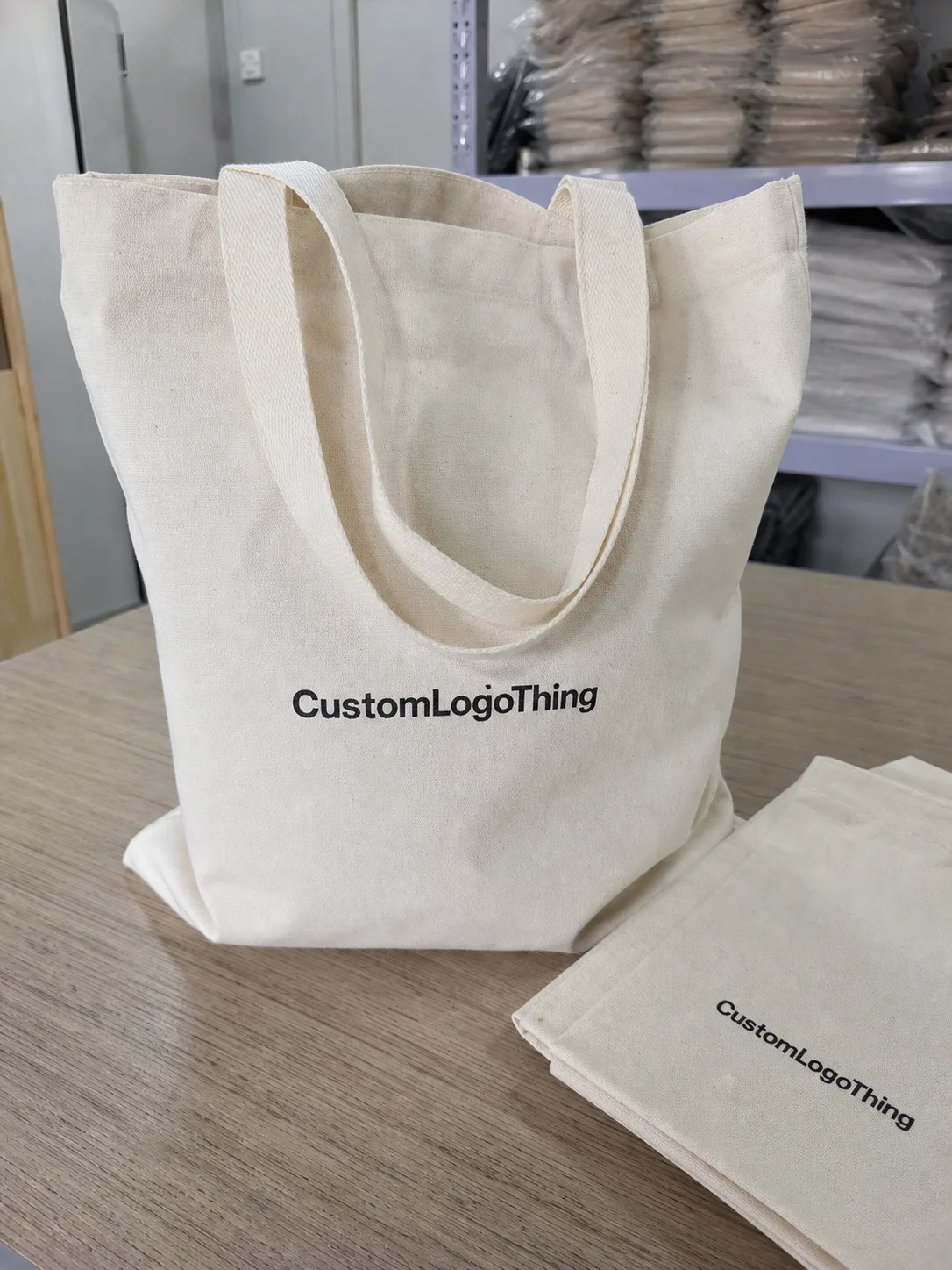
A tote is not just a carrier. It is a moving brand surface, a packaging extension, and sometimes the first physical item a customer touches after a purchase. That means you are buying more than fabric and ink. You are buying structure, print durability, and a bag that still looks acceptable after it has been folded, shipped, carried, and stuffed into a car seat or office chair.
There are three common buying modes. First, low-cost event distribution: light materials, simple print, and high quantity. Second, retail or repeated-use bags: better stitching, better hand feel, and a print that will not crack after a few uses. Third, premium merch or gift-with-purchase bags: heavier fabric, sharper construction, and tighter control over placement and color consistency.
The mistake is assuming one tote spec works for everything. It does not. A thin polypropylene bag can be perfect for a trade show and useless for a boutique that wants the bag to feel like part of the product. A heavy canvas tote may look expensive, but it can be overkill if the bag is only meant to survive one event day. The point is to match durability to actual use, not to chase the strongest-sounding material.
A tote that looks fine in a mockup can still fail in production if the handles twist, the ink spreads into the weave, or the logo sits too close to a seam.
That is why tote buying should be treated like a packaging decision, not a merch afterthought. If the bag is carrying samples, boxed products, or inserts, it has to work as part of the whole unboxing or handoff sequence. The best orders are the ones where the bag, box, and inserts feel like one system instead of three separate purchases.
How the Printing Process Works
The process usually starts with the file. Vector artwork is the cleanest option because it scales without soft edges and separates cleanly for screen printing. Raster files can work, but only if the resolution is high enough at the final print size. A logo that looks sharp in a web mockup can turn fuzzy once it is blown up onto a tote panel.
Then comes print method selection. Screen printing is still the standard for simple logos, spot colors, and larger runs. It is predictable and cost-efficient when the artwork does not need photographic detail. Digital printing is better for smaller orders, multicolor graphics, and designs that would require too many screens to be practical. Heat transfer and direct-to-film methods sit between those two options and can be useful when the print needs detail but the run is too small to justify full screen setup.
There is no universal best method. A one-color logo on natural cotton may look excellent with screen printing. The same art on a dark canvas bag may need an underbase or a different print route to stay readable. A detailed illustration may look great in digital form but lose sharpness on a rough weave. The fabric decides more than most buyers expect.
Proofing is where bad assumptions get caught. A real proof checks placement, size, color direction, and whether the design fits the printable area without crowding the seam or handle stitch. It also catches practical issues like text that is too small to survive on textured fabric or artwork that looks centered on screen but lands too high on the actual bag. That step is boring. It also saves money.
For buyers comparing decoration methods across packaging and merchandise, industry references from packaging.org are useful because they show how material choice and print behavior affect the finished item, not just the art file. That same logic applies when a tote is part of a larger branded packaging program.
What Drives Cost, Pricing, and MOQ
Material is the first cost driver. Nonwoven polypropylene is usually the lowest-cost option and works well for short-term promotions. Cotton and canvas cost more because the substrate is heavier and the bag generally feels more substantial. Recycled blends can land somewhere in the middle, but the price depends on whether the recycled content is certified, how the fabric is woven, and whether the supplier stocks it locally.
Print coverage is the second major lever. One small logo on one side is easy. A full-front graphic on a dark bag is not. More ink means more setup and more drying or curing time. More colors mean more screens or more complex print handling. Large prints also increase the risk of alignment issues, especially when the bag body shifts slightly during the press cycle.
MOQ is tied to the same realities. Screen printing becomes cheaper at scale because setup costs are spread across more units. Digital printing can support smaller orders, but the unit price stays higher. If a vendor offers an unusually low MOQ, ask what changed. It may mean the price is higher, the print area is smaller, or the bag material is limited to stock on hand.
| Bag Type | Typical Spec | Best Print Method | Rough Unit Cost at 1,000 | Rough Unit Cost at 5,000 |
|---|---|---|---|---|
| Nonwoven polypropylene | Lightweight event tote, single-side print | Screen printing | $0.80 - $1.35 | $0.52 - $0.90 |
| 6 oz cotton tote | Basic reusable bag, simple logo | Screen printing or transfer | $1.85 - $3.10 | $1.15 - $2.00 |
| 8 oz canvas tote | Midweight retail bag, better structure | Screen printing | $2.65 - $4.60 | $1.70 - $3.05 |
| 12 oz canvas tote | Premium merch, heavier seams, cleaner drape | Screen printing or transfer | $4.35 - $7.25 | $3.10 - $5.65 |
Those are rough print-and-bag ranges before freight and any special packing. Real quotes shift based on blank inventory, color count, print area, and whether the bag is stocked domestically or sourced on a longer lead time. Setup fees matter too. A screen charge of $35 to $125 per color can be a small line item on a large order and a real problem on a smaller one.
Freight changes the math faster than people expect. Tote bags are light, but they are bulky. That means carton size can matter as much as weight. Shipping ten thousand bags is often a cube problem, not a weight problem. Split shipments, carton labeling, polybagging, and re-boxing for multiple destinations can all raise the landed cost without changing the print itself.
Compare total landed cost, not just the unit price. Ask whether the quote includes art cleanup, proofing, packing, carton charges, and freight. A quote that looks cheap on paper but leaves out those pieces is not really cheaper. It is incomplete.
If the tote is part of a broader order that includes Custom Packaging Products, compare the full basket. A low tote price with expensive shipping and a messy proof cycle is a poor trade. The same applies if the order also includes inserts, cartons, or branded mailers.
Production Steps and Turnaround: From File to Delivery
Good production starts with a usable file and a clear approval path. Quote, art review, proof sign-off, and production scheduling all depend on decisions being made in the right order. If the file needs cleanup or the proof comes back with revisions, the schedule moves. That is normal. What is not normal is pretending those revisions do not add time.
After approval, the order moves through blank inventory confirmation, decoration setup, printing, drying or curing, inspection, and packing. Each of those steps takes time, even on a straightforward tote order. If the bags are being used for a launch, event, or retail drop, build in buffer for one proof revision and one shipping delay. That is basic risk management, not pessimism.
Typical turnaround depends on method and stock. If blanks are available and the artwork is locked, many orders can ship in about 7 to 15 business days after proof approval. Custom sourcing, specialty fabric, and higher-volume freight can push that to several weeks. Rush production exists, but it narrows the margin for error. It leaves less room for file cleanup, sample checks, and cartoning mistakes.
Shipping should be planned like part of the product. If the handles arrive bent, the fabric creases badly, or the bags get packed too tightly, the customer sees that before they see the print. For bulk freight planning, standards from the International Safe Transit Association at ista.org are a useful reference point. You do not need a lab-level test for every order, but the carton and handling logic should still make sense.
One more practical point: the closer the delivery date, the more expensive every mistake becomes. A late proof on a large tote order can trigger rush fees, split shipments, or a simplified print method just to keep the timeline alive. That is how a quote that looked manageable turns into an expensive scramble.
Choosing Material, Size, and Print Method
Fabric choice affects everything. Cotton feels familiar and works well for basic branding. Canvas feels sturdier and usually reads as more premium. Nonwoven polypropylene is light, inexpensive, and practical for distribution-heavy events. Recycled blends are worth using when sustainability is part of the message, but the buyer still needs to check the actual weave, seam quality, and print opacity instead of trusting the label alone.
Size and structure matter just as much. Handle length changes how the bag carries on the shoulder. A gusset changes capacity. Stitching changes whether the bag holds books, groceries, or sample kits without distorting. Fabric weight changes perceived value. Two totes can look similar in a product photo and feel completely different in the hand.
Screen printing works best when the design is bold and the run is large enough to absorb the setup cost. It gives strong color and dependable repeatability. Digital printing is better for smaller runs or artwork with more color transitions. Direct-to-film and transfer options are useful when the design is detailed but the order is too small to justify multiple screens. If the design includes fine type or hairline rules, test it on the actual fabric first. The weave may eat the detail even when the file is technically correct.
That is where packaging thinking helps. If the tote is part of a broader branded kit, keep the artwork aligned with the box, insert, and label system. A bag paired with custom printed boxes should feel like one visual family, not three disconnected items that happened to leave the same factory week.
There is a simple rule that prevents bad choices. The rougher the fabric, the simpler the mark should be. Busy artwork can look impressive in a digital proof and muddy in production. A clean logo with good spacing often looks more expensive than a crowded layout. The fabric always wins. Better to work with it than fight it.
Common Mistakes That Reduce Print Quality
The most common failure is file quality. People send a screenshot and call it a logo file. That is not enough. Low-resolution art usually creates soft edges, jagged type, and inconsistent fills. If vector art exists, use it. If it does not, make sure the raster artwork is large enough at the final print size, not just large enough to look fine in a browser window.
Another problem is ignoring the bag color. Dark fabric changes everything. White underbases, ink opacity, and line thickness all matter more on dark totes. A pale mark that looks elegant on screen can vanish once it hits black or navy canvas. Ask how the print will hold up after folding, packing, and normal handling.
Too many colors can weaken the result. Buyers often ask for extra effects because the art feels flat, but the tote usually benefits from a simpler treatment. A one-color print with strong placement can look more premium than a busy three-color build with soft edges or registration drift. Less is often the smarter choice.
- Do not submit a screenshot when a vector file is available.
- Do not assume the same placement works across every tote size.
- Do not ignore seams, handle stitches, and gusset folds.
- Do not skip final proof review because the mockup looked right.
- Do not forget weave texture, shrinkage, or ink spread on natural fibers.
Proof review deserves more attention than it usually gets. The logo may look centered on a screen and still land too high or too close to the edge in production. A few minutes spent checking the proof can prevent a full reprint. That is a better use of time than arguing with a pallet of bad bags later.
Expert Tips Before You Request a Quote
Start with the job, not the decoration. Giveaway, retail, and event totes all have different requirements. Once the use case is clear, the right fabric weight, handle style, and print method become much easier to identify. A clear brief usually produces a cleaner quote.
Have four things ready before requesting pricing: vector art, target quantity, a close color reference, and the final imprint area. Those four inputs make the quote more accurate and much easier to compare across vendors. If the design lives inside a bigger packaging program, keep the tote specs aligned with the rest of the order so the visual system stays coherent.
Ask for a sample bag or swatch if the order needs to feel premium. A sample can reveal a weak weave, a twist in the handle, or a size that looked larger in a spec sheet than it does in reality. If sustainability claims are part of the brief, ask for documentation and verify it carefully for any paper-based components through fsc.org where relevant. Vague claims are not evidence.
Check the timeline against the actual production path. If the quote depends on final art that has not been approved, the schedule is not fixed. If blank inventory is not confirmed, the schedule is not fixed. If freight is being routed to multiple destinations, the schedule is definitely not fixed. The more honest the quote is about those limits, the more useful it is.
The shortest buying rule is this: define the tote's job, lock the artwork, confirm the print method, and verify the delivery window before the order is placed. If you do that, you are much more likely to print Custom Tote Bags that arrive on spec, on time, and without the usual pile of avoidable surprises. That is the difference between a cheap bag and a useful brand touchpoint.
How many colors can I use when I print custom tote bags?
The answer depends on the print method. Screen printing works best with fewer spot colors, while digital and transfer methods handle more detailed artwork better. If the design uses gradients or photo-level detail, ask for a proof on the actual fabric before approving the run.
What material works best for custom tote bags?
There is no single best material. Cotton and canvas work well for a more premium feel and repeated use. Nonwoven polypropylene is usually the better choice when cost and volume matter more than long-term durability.
How fast can tote printing ship?
Common turnaround is about 7 to 15 business days after proof approval when blanks are in stock. Custom sourcing, complex artwork, or freight-heavy orders take longer. Rush orders are possible, but they usually raise cost and reduce room for revision.
Do I need a minimum order quantity?
Usually yes. Setup costs, material sourcing, and production efficiency all affect MOQ. Screen printing generally has higher practical minimums than digital or transfer methods, especially when multiple colors are involved.
Can I print a photo on custom tote bags?
Yes, but the print method has to support fine detail and smooth color transitions. Even then, the fabric texture can soften the image. A sample print is the safest way to check whether the art still looks sharp on the chosen tote.