Printed Box Sleeves Factory Lead Time: How to Plan Orders
The carton may already be approved, the product may already be packed, and the launch calendar may still look tidy on paper. Then the sleeve steps in and changes the pace of the whole job. That is why Printed Box Sleeves factory lead time deserves more attention than most buyers give it at the start. The clock does not begin only when ink hits the sheet, and it definitely does not stop when the press operator signs off.
I have seen plenty of sleeve orders that looked simple on paper and still ran long because one barcode was missing, one coating line was booked, or one proof sat in somebody’s inbox for two extra days. The trouble is that the delay rarely happens in one dramatic block. It usually gets built out of little pauses, and those pauses add up fast.
Printed box sleeves factory lead time covers the full path from the first usable brief or purchase order to sleeves that are printed, finished, counted, packed, and ready to move. Late artwork can push back proofing. A coated stock may already be booked. Freight can miss its sailing window. A sleeve that looks straightforward can end up taking longer than a more complicated folding carton if the approval chain is messy. Planning has to start before the quote is accepted, not after.
Buyer reality: sleeves are rarely delayed by printing alone. Most of the time, printed box sleeves factory lead time gets stretched by approvals, material sourcing, finishing, or transit, with the press acting as only one part of the schedule.
Printed Box Sleeves Factory Lead Time: Why Buyers Get Surprised
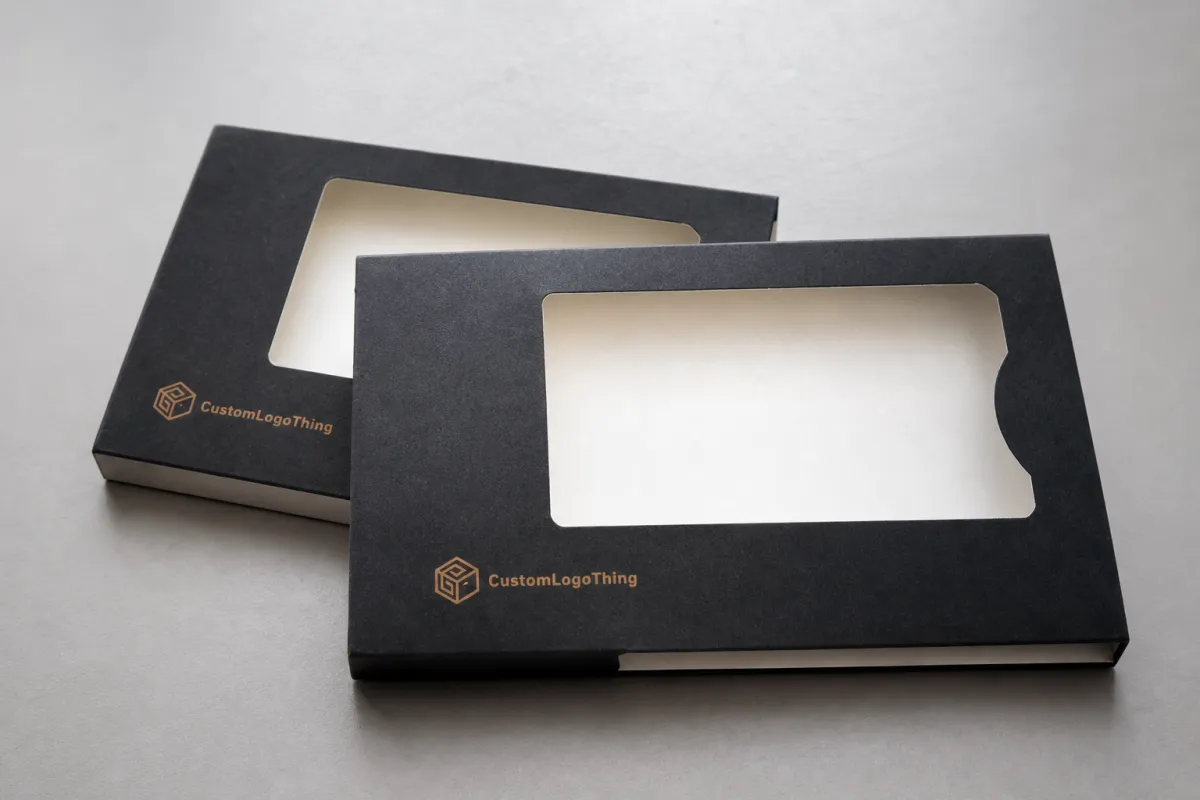
Buyers often expect sleeves to move quickly because the format appears straightforward. A flat wrap, a few folds, a clean dieline, and the job should be done. The schedule tells a different story. Printed box sleeves factory lead time can run longer than expected because the work moves through several handoffs, and each handoff can pause for a small but costly reason. One person waits on dimensions. Another waits on artwork. The plant waits on approval. Freight waits for a booking slot. Each delay looks minor by itself, yet the stack of them can add days or weeks.
The other surprise is that the sleeve often sits inside a bigger packaging system. The carton may already be approved. The product may already be packed. Once the sleeve becomes the final branding layer, it turns into the pacing item that controls the launch. That situation shows up often in cosmetics, supplements, confectionery, electronics accessories, and promotional kits. For packaging teams, printed box sleeves factory lead time matters because it sits right at the edge of launch readiness.
A useful definition keeps the conversation honest: printed box sleeves factory lead time is the full calendar from the first usable brief or PO to the point where sleeves are completed, checked, packed, and ready to ship. Not just press time. Not just the time a factory says the job is in production. All of it. Two quotes can look close on price and still hide very different timing assumptions.
A sleeve can move slower than a larger box when the finishing stack gets involved. Soft-touch lamination, foil, spot UV, or tight brand color matching can trigger extra proof rounds. Add a specialty stock or export freight, and printed box sleeves factory lead time starts acting less like a print run and more like a small project with several moving parts. It is kinda easy to underestimate that until you see the schedule laid out stage by stage.
Teams that need the package to survive distribution testing often check whether the design is being validated against protocols from the ISTA community or aligned with methods such as ASTM D4169. That step does not make the sleeve prettier, but it can keep a launch from failing in the channel after the packaging lands. If the shelf life of the product matters, the shipping tests matter too.
The safest way to think about printed box sleeves factory lead time is in stages rather than one lump of time. Break the timeline apart and the bottleneck usually becomes visible. The real work starts well before the press does.
How Printed Box Sleeves Factory Lead Time Works: From Quote to Truck
Factories handle the details a little differently, but the path is usually familiar. Printed box sleeves factory lead time starts with the inquiry and ends with transport. Between those points sit several checkpoints that can stay on track or drift quietly if nobody is watching them closely.
A realistic timeline often looks like this:
- Inquiry and quoting: the factory confirms quantity, size, stock, finish, and destination.
- Proofing: artwork is checked for bleed, dieline fit, color build, and barcode placement.
- Prepress: the file is trapped, imposed, and prepared for plates, digital setup, or finishing tools.
- Production: printing runs through the selected press method.
- Finishing: coating, laminating, foil, embossing, or die cutting is applied.
- Inspection and packing: counts are checked, samples are pulled, and sleeves are bundled.
- Transit: domestic trucking or export freight moves the order to the buyer.
Each stage depends on the one before it. A late dieline pushes back proofing. A missing barcode forces a revised proof. A revised proof pushes prepress. Once the schedule slips upstream, printed box sleeves factory lead time usually expands downstream too.
That is why buyers should ask for a full production window, not only a production date. A factory may say the sleeves can print in five days, which sounds reasonable. If proof approval takes four days, the coating line is booked for two more, and export freight adds another week, the true printed box sleeves factory lead time is much longer than the press estimate.
A simple example helps:
- Fast order: standard SBS stock, one-color print, no special finish, final art already approved. Some jobs can move in about 5-8 business days before shipping.
- Standard order: custom graphics, two proofs, die cutting, and common lamination. Many teams see 10-15 business days before shipping.
- Rush order: limited proofing, higher labor priority, and expedited freight. This can shorten the front end, but the total printed box sleeves factory lead time still depends on whether the factory has open capacity.
Rush rarely means magic. It usually means fewer choices, higher cost, and tighter control over every approval. A buyer can compress printed box sleeves factory lead time, but only when the specs stay stable and the plant has room to move. You are not gonna make up for a late artwork change with a faster press run if the die has already been locked.
Factory work and logistics need separate planning. Printing and finishing can be controlled once the order is released. Transit cannot. Overseas shipping brings port congestion, documentation errors, and missed bookings into the picture, which can add days after production is finished. Experienced buyers separate printed box sleeves factory lead time from freight lead time in their planning documents so the schedule stays readable.
Printed Box Sleeves Factory Lead Time and Cost: What Changes the Price
Price and timing are tied together more tightly than many buyers expect. The cheapest quote is often not the fastest one, and the fastest quote is rarely the cheapest. Printed box sleeves factory lead time affects cost because every added step creates pressure on labor, scheduling, and materials. A buyer who compares only the unit price can miss the hidden cost of delay.
The main pricing drivers are clear enough, but the way they interact is not:
- Quantity: higher runs usually lower unit price, but they may require more press time and longer packing cycles.
- Stock: 300gsm C1S, SBS, kraft, and specialty boards all price differently, and sourcing can change printed box sleeves factory lead time.
- Print method: offset, flexo, and digital each carry different setup costs and speed profiles.
- Color count: more spot colors or tighter brand matching can increase prepress and proof work.
- Finishing: matte lamination, soft-touch, foil stamping, embossing, and spot UV all add labor or machine steps.
- Die complexity: unusual cut lines, perforations, and locking features often mean more setup risk.
MOQ matters too. A low MOQ can help with launch testing, yet it may raise the unit price because the factory still has to prepare plates, setup files, and finishing tools. A larger order can take longer on the line even if the per-piece cost drops. That is why printed box sleeves factory lead time and MOQ should be discussed together instead of treated as separate topics.
Here is a comparison buyers can use as a starting point. These are typical market-style ranges, not universal quotes, because stock, region, and art complexity move the numbers. Lead times also shift with seasonality, so treat them as planning ranges, not promises.
| Order Type | Typical Unit Range | Setup Fees | Usual Lead Window | Best Fit |
|---|---|---|---|---|
| Standard run, simple print | $0.14-$0.24 | $45-$180 | 5-10 business days before shipping | Core SKUs, repeat orders, stable artwork |
| Custom finish, mid-volume | $0.22-$0.42 | $120-$350 | 10-15 business days before shipping | Retail-ready launches, brand-sensitive items |
| Rush job, priority handling | $0.30-$0.60 | $150-$500 | 3-7 business days before shipping | Launches with fixed dates and limited margin for error |
| Specialty stock or heavy finish | $0.28-$0.70 | $180-$650 | 12-20 business days before shipping | Premium packs, export programs, display-driven retail |
The table shows why a buyer should compare the full package, not just the headline number. A quote with a low unit price but weak timing may cost more in launch risk than a slightly higher quote with clearer printed box sleeves factory lead time. If a sales launch misses its window, the cost is not only the packaging invoice. It can include rebooking freight, warehouse storage, labor rescheduling, and lost display placement.
Hidden charges deserve a close look too. Rush fees are easy to see. Reproof fees are less obvious. Plate or die changes can appear after artwork updates. Split shipments can add handling and export paperwork. If freight is not included, the quote may look attractive until the shipment lands in the destination port. A clean comparison should list unit price, setup fees, finishing, shipping, and the expected printed box sleeves factory lead time side by side.
For buyers who need sustainability documentation, FSC-certified paper can matter as much as price. If you are comparing supplier claims, it helps to check the certification language against fsc.org rather than relying on a logo alone. That takes a little extra admin work, but it also reduces surprises during retailer onboarding.
The most expensive quote is not always the fastest one because some plants price rush capacity aggressively. If the launch date is fixed, the real question is whether the quoted printed box sleeves factory lead time leaves enough buffer to absorb a small delay.
Key Factors That Stretch or Shrink Printed Box Sleeves Lead Time
Several variables control printed box sleeves factory lead time, and most of them are visible before production starts. The real skill lies in knowing which ones the buyer can actually control.
Artwork readiness usually has the biggest effect. Files that arrive with missing bleed, low-resolution logos, or incorrect overprint settings force prepress to stop and repair the problem. That can add one or two review rounds. Barcodes, ingredient panels, warning text, and regulatory copy need the same attention. A sleeve may be small, but the artwork workflow can be larger than people expect.
Material availability is the next major factor. Common SBS or C1S stock is easier to source, which helps keep printed box sleeves factory lead time tighter. A textured board, metallic paper, or heavier recycled stock may need extra sourcing time before production even starts. In a busy plant, one uncommon substrate can slide behind several standard orders.
Finishing complexity can change the schedule faster than the print method itself. Lamination is common. Soft-touch lamination takes more care. Foil stamping needs tool setup and extra inspection. Spot UV adds another pass through the line. Embossing and debossing increase setup precision. None of these are bad choices. They simply need more time. If a brand wants a premium look, printed box sleeves factory lead time should reflect that from the beginning.
Factory capacity is easy to miss because buyers do not see the queue. A plant can be fast and still be full. Holiday peaks, retailer reset periods, and promotional season rushes all squeeze capacity. A job that looks simple may sit behind several larger ones. That is one reason the same spec can ship in six days one month and fourteen days the next.
Approval speed is the last outside variable, and it may be the most frustrating. A factory cannot move forward without sign-off. Internal brand review, legal review, and retailer compliance review all slow the order down if they sit too long. The sleeve does not care why the decision is late. It only sees the calendar. In many cases, printed box sleeves factory lead time is really approval lead time dressed up as a print job.
Put those variables together and a working model appears:
- Clear files, common stock, simple finish, open capacity: shorter lead time.
- Late artwork, special stock, multiple finishes, full queue: longer lead time.
- Fast approval but complex export shipping: production may finish first, freight may not.
The smartest buyers build timing around the most fragile part of the chain, not the easiest part. If the launch cannot slip, printed box sleeves factory lead time needs a buffer that covers art, production, and freight, not just the print date.
Step-by-Step Process for Planning Around Lead Time
The most reliable way to manage printed box sleeves factory lead time is to work backward from the in-hands date. Not the quote date. Not the day the factory says it can start. Start with the shelf date, the kit assembly date, or the warehouse receiving deadline, then build the rest in reverse.
That sounds basic, but basic is what keeps a launch from turning into a last-minute scramble. A clean plan makes room for the reality that something always slips by a day or two somewhere.
Here is a planning sequence that works well for first orders and reorders alike:
- Set the due date: define the date sleeves must be on site, packed, and checked.
- Lock the specs: finalize dimensions, stock, print coverage, coating, and quantity.
- Send final artwork: include dieline, fonts outlined, barcodes, and exact copy.
- Request a production map: ask for proof date, press date, finishing date, pack-out date, and ship date.
- Approve quickly: keep one decision-maker available so the proof does not sit.
- Track freight separately: domestic truck, air, or ocean should be treated as its own timing layer.
Buyers often ask for a quote without sending enough detail, then the factory has to guess at the missing pieces and the estimate becomes less useful. A dependable printed box sleeves factory lead time depends on the factory receiving the same level of detail the buyer expects in return. If you want a meaningful schedule, give the supplier enough information to stop guessing.
Three inputs make the biggest difference:
- Dimensions: the exact sleeve size, insertion depth, and any overlap or tuck detail.
- Artwork files: editable source file, print-ready PDF, and the dieline in a clearly labeled layer.
- Launch plan: the customer-facing date, warehouse receiving date, and any retailer booking rules.
Ask for a written schedule, not a casual estimate. A clear response should include the proof approval deadline, the production window, and the ship date. If the answer only gives a lead time without separating those parts, the risk is harder to manage. The more specific the plan, the easier it is to see where printed box sleeves factory lead time may expand.
A buffer is not waste. It is insurance against the small problems that happen on almost every print program. First runs need more buffer than reorders because setup takes longer and approvals are less predictable. Specialty finishes need more buffer than plain print. Export freight needs more buffer than domestic truck. That is just how packaging moves through production.
One useful habit is to create two timing scenarios:
- Base case: the order moves according to the clean plan.
- Slip case: one approval, one finishing step, or one freight booking takes longer.
If the launch still works in the slip case, the plan is safer. If it fails, the order needs either a faster spec or an earlier start. That is the kind of thinking that keeps printed box sleeves factory lead time from turning into a fire drill.
Common Mistakes That Add Days to Printed Box Sleeves Factory Lead Time
Most delays are not dramatic. They are ordinary and irritating. A missing measurement. A barcode that will not scan. A color note that nobody noticed until the proof came back. Small issues like those can stretch printed box sleeves factory lead time more than any machine breakdown.
Vague dimensions are the classic mistake. A buyer says “it fits the carton,” which is not enough. The factory needs exact width, height, depth, and any overlap or lock detail. If the dieline is wrong, the sleeve may fit physically but fail visually or structurally. That turns a straightforward job into a revision cycle.
Late artwork changes are the next problem. If the logo shifts, the color changes, or the compliance copy is updated after proof approval, the file may have to go back through prepress. In some cases, a revised plate or die is needed. That is how printed box sleeves factory lead time grows even when production already looks halfway done.
Assuming stock availability means speed is another common trap. A buyer may hear that the board is standard and assume the job is safe. The board is only one piece. The press may be booked. The finishing line may be full. The freight lane may be constrained. Availability at one point in the chain does not guarantee a short printed box sleeves factory lead time.
Ignoring insertion or labeling requirements can also cause a hold. If the sleeves need to be bundled a certain way, labeled for a specific warehouse, or packed in a particular carton count, the job may finish printing and still sit in packing. That is frustrating because the sleeves are technically done but not yet usable.
Skipping a reorder file archive creates a slower second run than the first. Reorders should be faster, but only if the factory has the final approved artwork, the exact stock spec, and the last production notes. If those files are scattered, the team wastes time reconstructing the job. Good document control shortens printed box sleeves factory lead time more reliably than most rush requests.
Buyers who avoid these mistakes tend to ask a different set of questions:
- What is the exact approved dieline?
- Which stock was used last time?
- Did the last proof include the final barcode and compliance copy?
- Is this a straight reorder or a revised spec?
- What step is most likely to delay printed box sleeves factory lead time if the schedule tightens?
Those questions are small, but they save days.
Next Steps: Lock in Printed Box Sleeves Factory Lead Time Early
If you are planning a launch, treat printed box sleeves factory lead time as a project variable, not a supplier promise. Confirm the specs, request two timing scenarios, and compare standard versus rush before you commit. That habit makes the schedule more honest and the quote easier to judge.
Ask for a clear production calendar. It should show proof approval, press date, finishing date, packing date, and freight method. If the supplier cannot separate those steps, you are looking at a rough estimate rather than a working plan. A clean calendar gives you a better sense of where the real risk sits inside printed box sleeves factory lead time.
For reorders, store the approved artwork, dieline, stock name, finish spec, and carton count in one place. That record speeds up the next order and reduces back-and-forth. Reorders are where packaging teams can save the most time because the approval history already exists. A well-kept archive often shortens printed box sleeves factory lead time more than a discount ever will.
Build a short internal checklist before launch:
- Budget confirmed
- Artwork approved
- Quantity locked
- Finish selected
- Ship date verified
- Backup plan ready if printed box sleeves factory lead time slips
That list looks simple, but it catches the most common failure points. Once those points are cleared, the order has a much better chance of arriving on time, packed correctly, and ready for use instead of sitting in a warehouse because one detail was overlooked. If you remember only one thing, remember this: printed box sleeves factory lead time is easiest to control before the PO is placed, not after the factory has already started moving.
The practical takeaway is simple: work backward from the in-hands date, lock the dieline and artwork before you request pricing, and get the ship date in writing. Do that, and printed box sleeves factory lead time becomes a schedule you can manage instead of a surprise you have to explain later.
FAQ
How long is printed box sleeves factory lead time for a first order?
Most first orders take longer than reorders because artwork, proofs, and setup need more back-and-forth. For a simple sleeve, printed box sleeves factory lead time may sit around 5-10 business days before shipping, while a custom-finished job can run 12-20 business days or more, depending on stock, finish, and freight distance. The final timeline depends on how clean the files are and how quickly approvals move, so treat any estimate as a planning range rather than a guarantee.
What is the fastest way to reduce printed box sleeves factory lead time?
Send final artwork, exact dimensions, and quantity in the first request so the factory can quote accurately. Choose standard materials and finishes if speed matters more than premium effects. Approve proofs quickly, and ask for the ship date rather than only the production date. Those three steps usually do more for printed box sleeves factory lead time than any urgent note in the email subject line.
Does MOQ change printed box sleeves factory lead time?
Yes. Low-MOQ jobs may need different production methods and more setup attention, which can influence printed box sleeves factory lead time. Larger runs can take longer on the press, but they may be more efficient once the line is running. The best comparison is to ask how MOQ changes both unit cost and the planned production window.
Why does the quote change after I approve the artwork?
New changes can trigger extra prepress work, revised plates or dies, or another proof round. If the final file needs a different stock or finish, both the price and the schedule can move. Ask for a locked spec sheet before approval so printed box sleeves factory lead time and pricing are tied to the exact job you want.
Should I build buffer time into printed box sleeves factory lead time?
Yes. Launch dates are usually tighter than suppliers want to admit, and a buffer protects you from proof delays, freight issues, and last-minute artwork corrections. For important launches, keep a fallback plan that assumes printed box sleeves factory lead time will run later than the ideal date. That is not pessimism. It is smart packaging planning.


