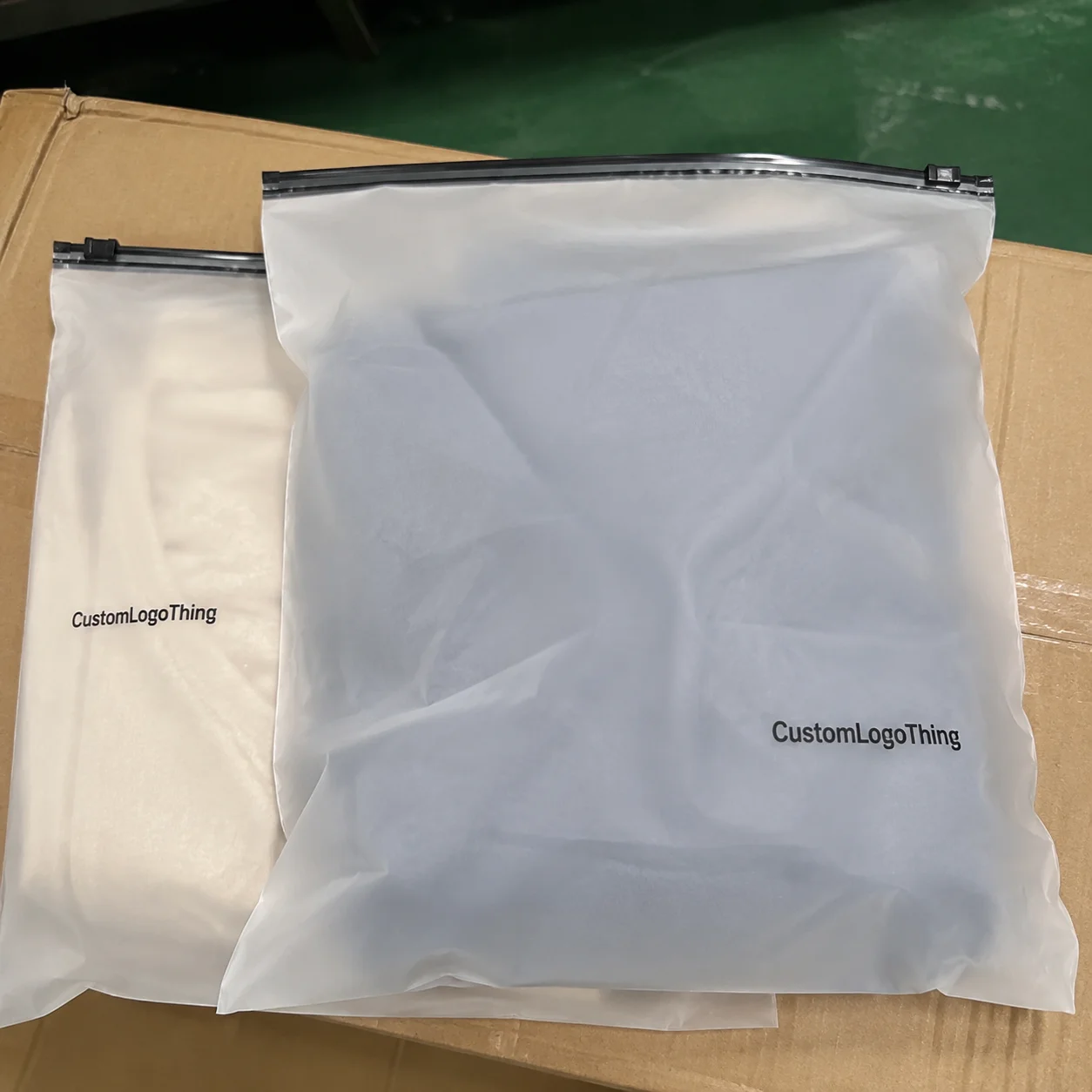
A spa robe packed in a thin, anonymous sleeve says something before anyone reads the care label. If you need a printed Custom Plastic Garment Bags quote for beauty, the useful question is not only “what is the unit price?” It is “which specification protects the garment, presents the brand cleanly, and survives the route from packing bench to stockroom, salon suite, treatment room, or retail display?”
That distinction matters because garment bags look simple until the order is already in motion. Size, film gauge, closure, print coverage, carton pack, and freight can each change cost and performance. A quote that leaves those details vague may look attractive on paper, but it often creates problems later: sleeves that tear at the hanger opening, logos printed too close to the seal, cartons packed in counts that do not match store allocation, or film that feels too cloudy for a premium beauty launch.
Why beauty brands specify printed garment bags instead of generic poly covers
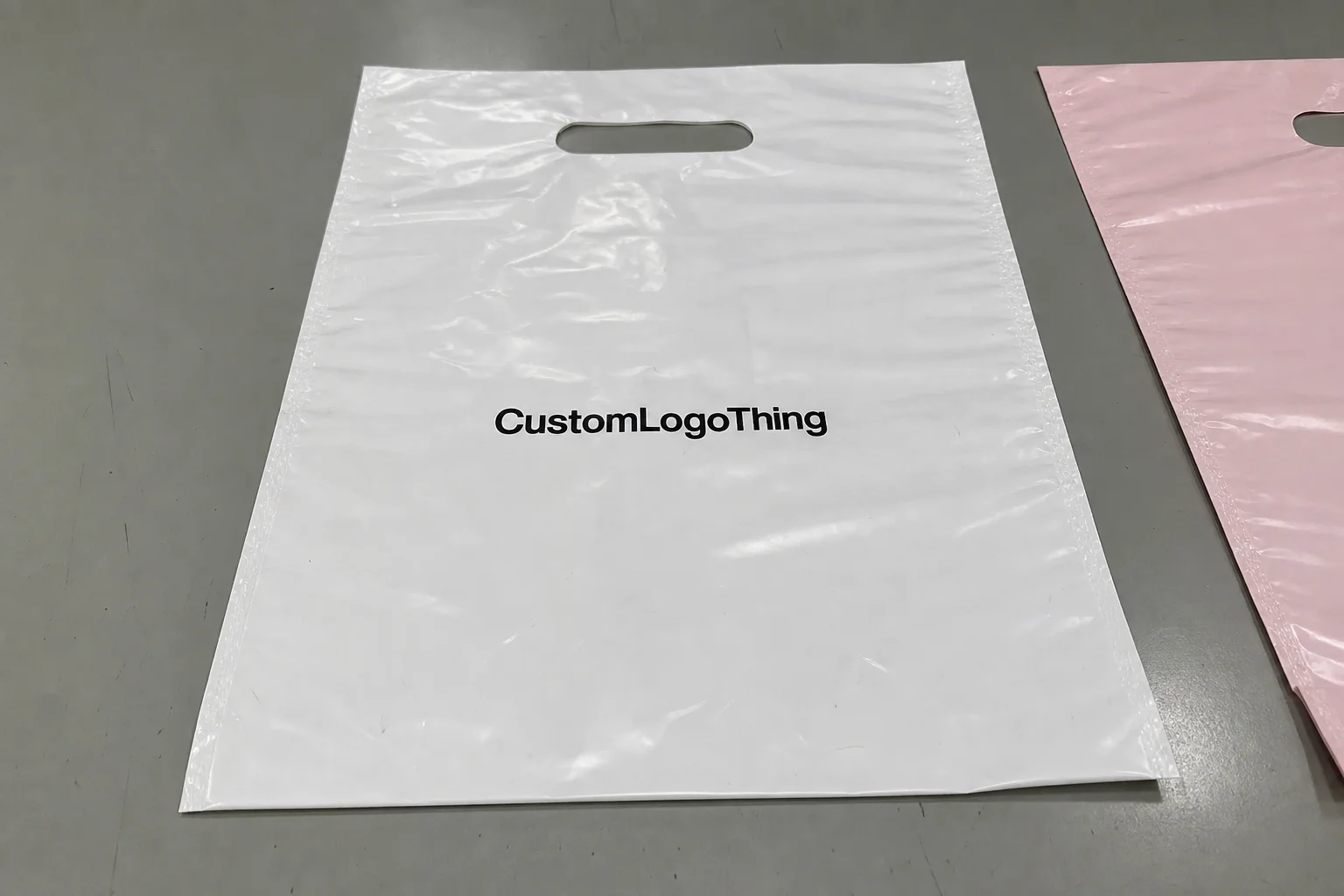
Beauty buyers usually begin with a practical need. Salon uniforms, esthetician smocks, spa robes, branded towels, event apparel, and retail-ready garments must stay clean during storage and handling. Dust protection matters. So does presentation. A loose stock poly cover may prevent surface marks, but it rarely supports the same impression as a printed bag with correct sizing, clear artwork, and consistent packing.
The bag is not always the first thing a customer sees, but it often appears at a sensitive handoff point: store receiving, salon onboarding, influencer kit assembly, warehouse picking, or retail display prep. A premium robe in a flimsy sleeve can feel unfinished. The garment may be excellent, yet the packaging asks the recipient to overlook the first impression. A well-specified printed sleeve makes the same textile feel controlled, intentional, and ready for use.
For beauty brands, salon groups, cosmetic merch sellers, private label apparel lines, and promotional kit teams, printed garment bags do three jobs at once. They protect fabric from dust and light handling. They reduce sorting errors in fulfillment areas. They add package branding in a category where consistency is often read as quality.
Organization has real value here. If a chain ships 3,000 uniforms across 40 locations, even a small mis-sort rate creates avoidable emails, replacements, staff frustration, and rush shipments. Printed size codes, color marks, product identifiers, or location information on the bag can reduce that friction. Not every operation needs a complex coding system, but most benefit from more visible packaging information than a blank sleeve provides.
A useful printed custom plastic garment Bags Quote for Beauty should let you compare size, film, closure, print method, pack count, and delivery terms before artwork is approved. Without that detail, two quotes that appear close may describe very different products.
Print formats, film types, and finish options that change the look
Construction determines the use case. A flat poly garment bag works for folded uniforms, small apparel pieces, or simple stockroom protection. A gusseted bag adds depth for robes, bulkier spa wraps, or multi-piece sets. Top-open sleeves are fast to pack and economical. Adhesive flap closures add a cleaner finish for folded garments, though they require attention during packing so fabric does not catch on the adhesive. Zipper-style covers cost more but can support repeated use, especially for premium salon coats or presentation kits. Hanging garment formats need a hanger hole or reinforced top area, usually with more attention paid to tear resistance.
Film choice is the second major decision. LDPE is common for beauty applications because it feels softer, has better clarity, and presents better than crinkly light-duty film. HDPE can work for lighter garment covers where cost, stiffness, and efficient storage matter more than hand feel. Some buyers ask about recycled content or recyclable film; those options depend on supplier capability, local recovery systems, and the appearance requirements of the project. Recycled-content film may have slight color or clarity variation, which can be acceptable for back-of-house use but less ideal for a premium retail set.
For durability, buyers often move from roughly 1.5 mil to 2.5 mil or 3 mil film, depending on bag size, garment weight, and shipping method. A robe bag that only moves from packing table to stock shelf may not need the same gauge as a printed cover traveling through parcel networks. Thicker film can improve puncture resistance and hand feel, but it also increases material cost, carton weight, and storage volume.
Print method affects both appearance and price. One-color flexographic printing is often the efficient option for logos, care marks, simple brand panels, or size codes. Multi-color printing improves shelf presence, but registration tolerance becomes more relevant, especially on larger bags where a logo must align with a handle, hanger opening, or clear window. Heavy ink coverage can also change cost because it increases ink consumption and may slow production.
Finish details carry more visual weight than buyers sometimes expect. Glossy clear film shows the garment clearly and feels familiar for retail packaging. Frosted film can look cleaner for spa or clinical beauty brands, especially with a black, white, or soft neutral imprint. Matte effects may be available depending on film and supplier setup. Die-cut handles help with handoff. Hanger holes help retail teams. Clear windows can balance protection with product visibility.
Beauty packaging has little tolerance for a “close enough” look. A wrinkle, cloudy film, uneven seal, or off-center logo can read as a product issue, even when the garment inside is perfect. That is the commercial reason to specify the bag carefully rather than treating it as a disposable commodity.
Specifications buyers should confirm before approving artwork
Fit drives function. Start with finished bag width and length, then decide whether a side gusset or bottom gusset is needed. For folded apparel, packed thickness matters as much as flat garment dimensions. A folded robe that measures 14 inches wide on a table may need a 16-inch or 17-inch bag width once fabric loft, packing speed, and seal clearance are considered.
Usable space is not always the same as the outside dimension. Seals, zipper tracks, adhesive flaps, hanger cutouts, and gussets all affect how the garment sits inside the bag. If the bag will be packed quickly by warehouse staff, leave a practical tolerance. A sleeve that fits only when the garment is folded perfectly will slow the line and increase damage.
Film thickness should be specified in mils or microns. Common garment bag gauges may sit around 1.5 mil, 2 mil, 2.5 mil, or 3 mil, although exact availability depends on film type and bag size. Thicker is not automatically better. It may increase cost and make cartons bulkier. Still, under-specifying film is one of the easiest ways to create tears around hanger openings, corners, and closure points.
- Bag size: finished width, finished length, and usable internal space after seals.
- Gusset: side or bottom depth for robes, coats, or bundled apparel.
- Film gauge: thickness matched to presentation, storage, or shipping use.
- Closure style: open top, adhesive flap, zipper-style closure, or hanger format.
- Print area: logo size, artwork position, ink colors, and coverage percentage.
- Packing format: bulk packed, bundled by count, inner cartons, or ready for kitting.
Artwork is another common source of rework. Vector files are usually preferred for clean logo reproduction, often AI, EPS, or production-ready PDF. Buyers should confirm imprint colors, Pantone references if used, minimum line thickness, print area, and registration tolerance. If the logo must sit exactly below a die-cut handle, say so before proofing. If it should avoid a side seal, mark that too.
Odor sensitivity is real in beauty packaging. Some buyers need lower-odor film, careful ink selection, or extra airing time before packing, especially for products that will sit near cosmetics, towels, candles, or scented retail goods. Clarity may matter if the garment color must be visible. Handling may matter if bags need to arrive ready for store allocation or promotional kitting.
A one-page spec sheet is often enough to prevent confusion: size, gauge, material, closure, print colors, artwork position, quantity, carton count, delivery address, and target use. That sheet makes samples easier to evaluate and makes a formal printed Custom Plastic Garment Bags quote for beauty far more accurate.
What a printed custom plastic garment bags quote for beauty covers
A quote should show more than a unit price. Film thickness, bag size, number of print colors, setup charges, tooling, packing configuration, and freight can all change the total. Freight is easy to underestimate because garment bags are light but bulky. A carton count change can affect landed cost even when the per-bag price looks stable.
Volume shifts the economics. Small runs carry more setup overhead because artwork prep, plate costs, machine setup, and material scheduling are spread across fewer bags. Larger runs usually reduce the per-bag cost, although storage space and cash flow still matter. A beauty brand testing a robe program may accept a higher unit cost for 2,500 pieces. A salon chain with recurring uniform replenishment may save by standardizing a 10,000 or 25,000 piece run.
| Typical specification | Common use | Indicative unit range | Pricing sensitivity |
|---|---|---|---|
| Flat LDPE bag, 1-color print, 1.5-2 mil | Folded salon uniforms or light retail apparel | $0.12-$0.22 at moderate volumes | Size, quantity, and logo coverage |
| Gusseted LDPE bag, 1-2 color print, 2-2.5 mil | Spa robes, thicker smocks, apparel bundles | $0.18-$0.35 for many custom runs | Gusset depth, gauge, and carton pack |
| Hanging garment cover, printed, 2.5-3 mil | Premium coats, stylist jackets, event apparel | $0.32-$0.70 depending on size and finish | Hanger cutout, length, and tear resistance |
| Zipper-style or reusable cover | High-value presentation or repeated handling | Often above $0.80 depending on construction | Closure, material, and finishing steps |
These ranges are directional, not guaranteed pricing. Resin markets move. Freight changes. Artwork can add complexity. The point is comparison discipline: same size, same thickness, same print coverage, same packing method, same delivery terms. Otherwise, a low quote may simply mean a thinner bag, smaller usable size, looser carton pack, or excluded freight.
Minimum order quantities vary by film, print method, and bag dimensions. Many Custom Printed Poly garment bag projects begin around a few thousand pieces, while more efficient pricing may appear at 5,000, 10,000, or higher. Special film, uncommon dimensions, and multi-color printing can push the practical minimum upward because the supplier must schedule material and press time.
Quote discipline: the more complete the spec sheet, the fewer pricing revisions. Missing gauge, vague artwork, or an unclear delivery destination can add days to the quoting stage.
Packaging buyers should also ask whether setup fees, printing plates, proofing, packing, and freight are included. Total landed cost is more useful than a low unit price that excludes key charges. For broader product planning, compare garment bags alongside Custom Packaging Products such as mailers, retail bags, and custom printed boxes so the wider product packaging system feels consistent.
Process and timeline from artwork review to shipment
Most projects follow a predictable sequence: quote review, spec confirmation, artwork prep, proof approval, material scheduling, printing, finishing, packing, and dispatch. The order sounds simple. The delays usually hide in the handoffs.
Artwork can stall a job for several days if the file is low resolution, the logo needs conversion, or colors are not defined. Size changes after proofing can trigger a fresh review because artwork position may shift on the new bag dimensions. A late move from one-color print to two-color print can affect plate cost, press availability, and production timing.
Typical sample development may take several business days to a couple of weeks depending on whether the sample is a stock construction with a print mockup or a true custom production sample. Full production often runs longer, commonly measured in weeks rather than days after proof approval, especially for multi-color printing, thicker film, or unusual sizes. Rush options may exist, but speed usually creates a tradeoff: higher cost, simpler print, or limited material choice.
Buyers should use a timeline checklist before releasing the order. Confirm who approves artwork. Confirm who checks physical fit. Confirm the receiving address and carton labeling. Confirm whether the order ships to one warehouse, multiple salon locations, or a kitting partner. Split shipments can change packing instructions and freight costs, so that detail belongs in the quote stage, not the final week.
Quality control should be practical and specific. Check finished dimensions against tolerance. Pull a few bags from different bundles and inspect seals, print position, ink rub, odor, and clarity. Test the actual garment inside the bag. If the sleeve has a hanger opening, hang a packed sample long enough to see whether the top area stretches or tears. If the bag has an adhesive flap, confirm it closes cleanly and does not touch fabric during normal packing.
Standards can help frame expectations. For transport testing, the International Safe Transit Association publishes widely used package testing protocols. For sustainability claims and packaging recovery discussions, the EPA sustainable materials management hierarchy is a useful reference. A garment bag may not need formal lab testing, but the thinking is relevant: define the distribution environment before choosing the material.
If the bag will move inside master cartons only, testing can be basic: fit, tear resistance, print rub, odor, and pack count. If it will ship as part of a direct-to-store or direct-to-consumer program, evaluate abrasion, puncture points, carton compression, and how the print looks after handling. Practical checks reveal more than a perfect-looking proof on a screen.
Why beauty buyers choose custom plastic garment bags over generic packaging
Generic bags protect. They do not position. That distinction matters in beauty because packaging flaws often get interpreted as product flaws. A premium spa robe in a cloudy sleeve with no logo may still be a premium robe, but the first impression asks the buyer to do extra work. Good branded packaging removes that doubt.
Custom printing supports premium positioning without turning the bag into expensive retail theater. A one-color logo, a clean frosted film, and a consistent pack count can be enough. In many cases, restraint looks better than full-coverage artwork that increases cost and creates registration risk. Beauty packaging often benefits from precision more than decoration.
Operations teams see a different benefit: sorting. Printed garment bags can carry product names, size codes, color marks, location IDs, or campaign branding. That makes retail handoff cleaner and helps fulfillment teams catch errors before goods leave the building. For private label apparel lines, standardized bag sizes can reduce confusion across replenishment orders.
Inventory planning deserves attention. If every robe, smock, and uniform style uses a different bag, purchasing becomes fragmented. If a brand can standardize two or three sizes, replenishment becomes easier and unit cost may improve. The tradeoff is fit. A bag that is too large can look sloppy; a bag that is too tight slows packing and risks tearing.
Packaging design should also match the rest of the retail packaging system. If a beauty brand uses soft-touch custom printed boxes, minimal labels, and tightly controlled color, a thin generic garment sleeve can feel disconnected. If the brand is more clinical, a clear LDPE bag with a crisp one-color imprint may be the right move. The supplier’s job is not to oversell decoration. It is to produce repeatable bags that match the approved spec.
Here is what many buyers get wrong: they compare bag quotes as though the plastic alone is the product. It is not. The product is controlled presentation at scale. A 4-cent saving can disappear quickly if staff must repack wrinkled garments, relabel cartons, replace torn sleeves, or explain inconsistent packaging to retail partners.
Next steps for requesting the right quote and avoiding rework
Before requesting pricing, gather the essentials. Finished bag size. Film thickness. Material preference. Quantity. Print colors. Artwork file. Closure style. Delivery destination. Target use. Those details let a supplier price the real job instead of building a quote around assumptions.
If the order is for a visible beauty launch, ask for a sample or proof. Fit should be checked with the actual garment, not only the garment’s flat measurement. Print placement should be reviewed at full scale. Film feel should be handled by the people responsible for brand presentation, not only by procurement. Small checks prevent large annoyances.
Procurement teams should confirm whether the quote includes freight, packing, setup charges, plate fees, and proofing costs. If one quote includes cartons packed 500 pieces per case and another uses 1,000 pieces per case, warehouse handling may differ. If one quote excludes freight, the apparent savings may not survive landed cost comparison.
- If the bag is mainly for presentation, prioritize print quality, film clarity, and logo placement.
- If the bag is mainly for storage, prioritize gauge, pack count, and carton labeling.
- If the bag is mainly for shipping, prioritize tear resistance, closure security, and realistic handling tests.
- If the bag supports a premium kit, review it with the surrounding retail packaging before approval.
Custom Logo Things can help translate those choices into a practical quote. Share the bag dimensions, film gauge, quantity, print requirements, and delivery destination through Contact Us, and ask for a printed custom plastic garment bags quote for beauty that reflects the real use case rather than a generic poly bag estimate.
FAQ
What information do I need for a printed custom plastic garment bags quote for beauty products?
Provide finished bag dimensions, film thickness, print colors, order quantity, artwork files, closure style, and shipping destination. If the bag must fit robes, uniforms, smocks, or folded retail apparel, include garment measurements and packed thickness too. A complete spec makes a Printed Custom Plastic Garment Bags quote for beauty faster and more accurate.
What is the usual MOQ for custom printed garment bags?
MOQ depends on size, material, print method, and production setup. Many projects begin at a few thousand pieces, while stronger unit pricing often appears at 5,000 pieces or more. Unusual dimensions, thicker film, special finishes, or multi-color artwork can increase the practical minimum.
Which material is best for beauty brand garment bags?
LDPE is common when buyers want a softer, clearer, more premium look. HDPE can suit lighter-duty uses where stiffness and cost control matter. For robes, coats, or apparel that will be handled repeatedly, thicker LDPE film is often the better starting point.
How long does production usually take after artwork approval?
Lead time depends on order size, print complexity, material availability, and finishing requirements. The process usually moves from proof approval to material scheduling, printing, finishing, packing, and shipment. Buyers should allow extra time for samples, artwork changes, and freight planning.
Can I order samples before placing a full custom run?
Yes. Samples are usually the safest move for beauty applications where appearance, fit, film feel, and print placement matter. For premium retail launches or salon rollouts, sample review can prevent rework before the full order enters production.