Printed Slider Lock Clothing Bags Quote for Beauty Buyers
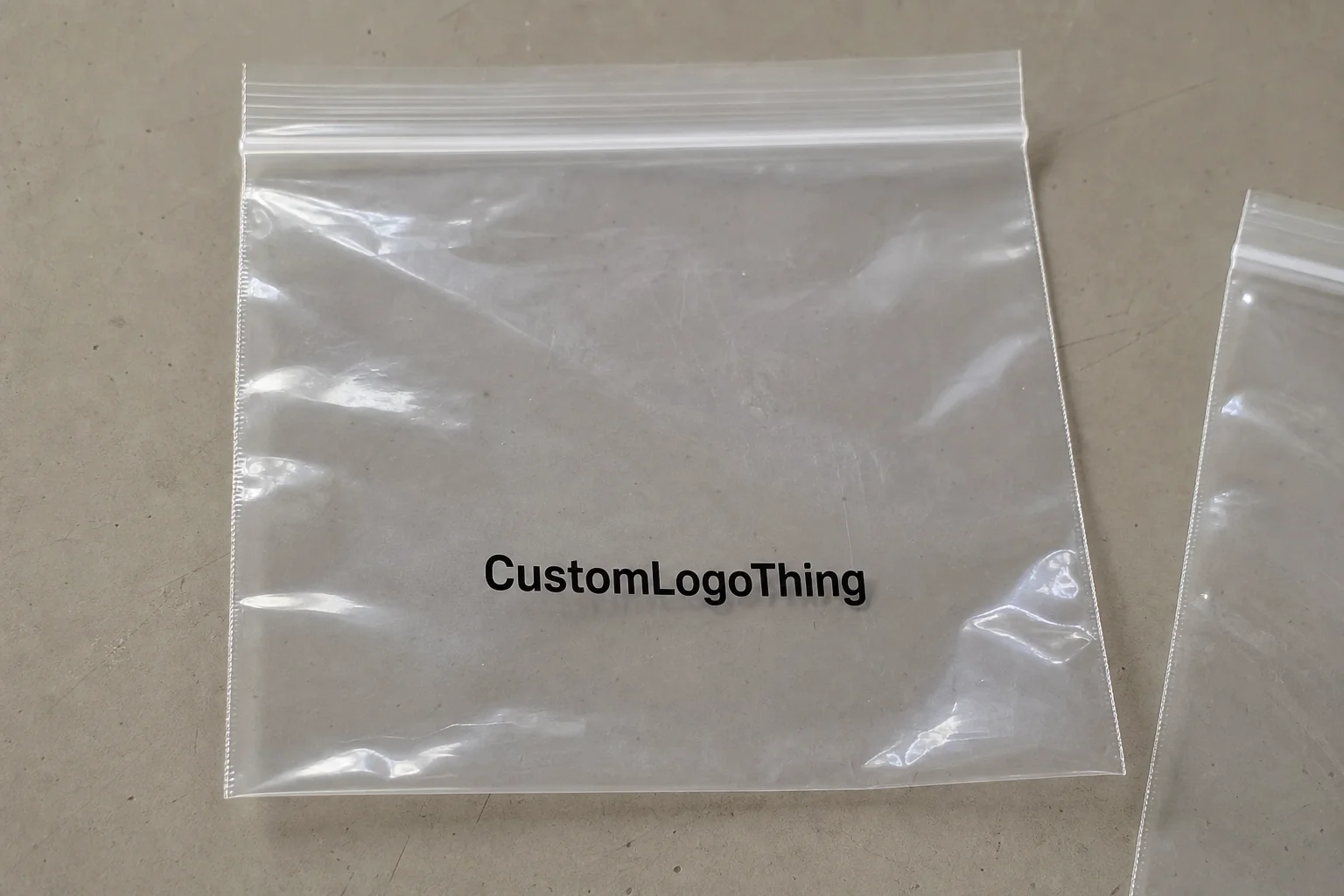
A satin robe can look premium on a beauty shelf, while a spa headband or towel wrap can make a gift set feel complete. Packaging changes that impression fast. If the closure is awkward, the film looks hazy, or the item slumps inside the bag, the whole presentation drops before anyone feels the fabric.
A Printed Slider Lock Clothing Bags quote for beauty should do more than list a size and unit price. It should define the film, closure style, slider color, print coverage, thickness, packing method, carton requirements, and the way the finished bag will protect and present soft goods such as robes, towels, wraps, hair accessories, PR kit apparel, and gift-with-purchase textile items.
Slider lock bags fit beauty packaging well because they combine resealability with a neat retail appearance. The slider gives the customer a controlled open-and-close motion, which helps when the product is thicker than a flat packet but still soft enough to compress. A standard press-to-close zipper can work for smaller accessories, but on bulkier fabric items the slider usually feels easier to handle and more deliberate.
From a buyer's perspective, the value is in comparison. A useful quote lets you compare durability, clarity, branding area, unit cost, and lead time before you commit to a production run. Two bags can look similar on paper and perform very differently in hand: one may use thinner PE film, one may have a weaker side seal, one may include a white ink backer under the logo, and one may not.
Custom Logo Things helps turn brand intent into manufacturable bag details, so the quote is built around the actual item rather than a rough stock-bag estimate. For beauty apparel packaging, that usually means confirming the folded product size, film feel, closure strength, logo placement, and display method before pricing is finalized. If you already know your product dimensions and target quantity, you can start that conversation through Contact Us.
Bag Construction Details That Matter for Beauty Apparel
The slider is the main functional difference. A slider lock bag uses a small plastic tab that rides along the zipper track, giving the customer a more controlled closure than a finger-press zipper. That added component raises cost a bit, but it also improves usability, especially for robes, towel wraps, salon capes, sleep masks, cosmetic headbands, and branded apparel add-ons that may be opened and closed more than once.
Bag format matters just as much as the closure. Flat slider bags are efficient for thinner folded goods such as microfiber hair towels, headbands, or lightweight sleep masks. Bottom-gusset bags add volume for thicker folds, multi-piece beauty kits, or a terry robe that needs room at the base. Hang-hole and euro-slot options can support peg display programs, though the film thickness and top seal area need to hold the packed weight without distortion.
Film selection changes both appearance and price. Clear PE is flexible, familiar, and practical for everyday custom apparel bags where product visibility is useful. Frosted PE gives a softer cosmetic look and reduces glare under retail lighting. Recycled-content options or specialty films may be available depending on the project, but availability, color consistency, and minimum order quantity can vary by material source.
Clarity, stiffness, and hand feel all influence perceived value. Cotton and blended textiles often look fine through clear film, while satin, plush terry, or microfiber can benefit from a slightly softer finish. A very thin film may save money on a small headband bag, but it can feel underbuilt around a folded robe. A heavier gauge costs more, yet it helps the package hold its shape during fulfillment and customer handling.
Several technical details need attention before quoting. The zipper track, slider, side seals, bottom seal, and any optional venting should be matched to the item thickness and packing method. Trapped air can slow packing and make bags look puffy. A closure that is too tight frustrates the customer. Side seals that are under-specified for the packed weight can split during carton loading or retail handling.
Practical quoting rule: if the item needs to be compressed by hand to fit the bag, review size allowance, film thickness, venting, and closure strength before production is approved.
Print Options, Artwork Placement, and Brand Finish
Most custom plastic clothing bags are printed using methods selected around quantity, artwork, and film type. Flexographic printing is common for efficient production runs because it handles repeat graphics and simple spot-color branding well. Screen or digital-style options may be considered for shorter runs or special project conditions, depending on the bag specification and print area.
Logo size affects both cost and appearance. A small one-color logo centered on the front panel can be economical and sharp, while full-panel artwork with multiple colors may require more setup, tighter registration control, and more careful proofing. Ink opacity matters on clear and frosted film because pale colors can lose contrast against the product inside the bag. Beauty brands often use soft pink, cream, silver, or pale gray branding, so the print plan has to protect readability.
White ink backers are often useful. On clear or frosted PE, a white underprint can help a pastel logo, metallic-inspired mark, or fine-line brand pattern stand out. It may add a print station or setup step, so it should be included in the quote rather than assumed later. One of the most common misses is a logo that looks strong on a PDF proof but loses contrast once the garment sits behind the film.
Artwork files should be clean. Vector logo files are preferred because they scale without soft edges, and PMS or brand color references help guide color matching. A dieline or layout proof helps confirm print scale, panel orientation, slider position, and clearances from seals. If the bag needs warning copy, a barcode panel, a write-on field, or care information, those items should be placed before proof approval rather than squeezed in later.
The purpose of the bag should guide print coverage. A shipping-protection bag can use a simpler logo and care note. A shelf presentation bag may need stronger front-panel balance, better negative space, and a defined barcode location. A customer reuse bag benefits from durable print placement, a comfortable closure, and film that still looks clean after several openings.
| Print Choice | Best Fit | Quote Impact | Buyer Note |
|---|---|---|---|
| One-color logo | Clean beauty branding, bulk apparel add-ons | Lower setup and easier registration | Often strong on frosted or clear film with proper contrast |
| Two-color logo | Brand marks with accent color or product line coding | Higher setup than one color | Registration tolerance should be reviewed on fine details |
| White ink backer | Pastel, pale, or metallic-inspired logos | May add print setup or station cost | Improves visibility through clear or frosted film |
| Fuller coverage artwork | Retail display, launch kits, premium PR packaging | Higher ink use and more proofing attention | Leave enough clear area to see the product if visibility matters |
Size, Thickness, and Specification Checklist Before Quoting
Accurate quoting starts with accurate measurements. For a printed Slider Lock Clothing Bags quote for beauty, the core specifications include bag width, bag height, usable interior space, film thickness, closure type, slider color, gusset requirements, print colors, print sides, quantity, and packing style. If the product is going into a master carton, carton count and pack direction can also matter.
Measure the folded product, not just the garment size. A robe listed as one size can fold very differently depending on fabric loft, belt placement, sleeve fold, and whether tissue or an insert card is used. Towels and wraps compress differently from satin, and headbands may spring back if they have padding or an elastic core. One extra half inch can make packing faster, while two extra inches can make the package look loose and underfilled.
Thickness should match the item and the user experience. Lighter gauges may work for small accessories, samples, or single headbands. Heavier gauges are often better for robes, towel wraps, multi-piece kits, or reusable customer packaging. In many custom poly bag programs, buyers compare films in the general range of about 2 mil to 4 mil, but the right choice depends on size, packed weight, closure stress, and presentation goals.
Allowances are not wasted space when they are planned properly. The bag needs enough room for fast packing and clean closure, especially if staff are packing hundreds or thousands of units. Too little room creates stress on the side seals and zipper track. Too much room makes a premium textile item look wrinkled, flat, or poorly fitted. The best size usually comes from measuring the folded item, then testing practical clearance around the sides and closure.
Add-on specifications should be listed early. Common options include hang holes, euro slots, suffocation warning print, barcode panels, write-on areas, vents, tear notches where relevant, carton labels, and master carton packing requirements. Warning copy should be checked against applicable regulations for your selling channel and destination market. For general packaging and environmental guidance, the EPA sustainable materials management hierarchy is a useful reference when brands are comparing reduction, reuse, and recycling goals.
- Product dimensions: folded width, folded height, thickness at the thickest point, and packed weight.
- Bag dimensions: outside size, usable inside space, gusset depth if needed, and closure clearance.
- Material target: clear PE, frosted PE, recycled-content option, or another specified film.
- Print details: logo file, number of colors, PMS references, print side, and approximate print area.
- Operations details: packing method, carton quantity, retail display needs, and target in-hands date.
Pricing, MOQ, and Unit Cost Factors for Slider Lock Bags
Pricing depends on linked variables, not one isolated line item. Material, bag size, film thickness, slider lock component, print method, ink colors, print coverage, quantity, special finishing, and compliance details all affect the final number. Freight can also change the landed cost, especially for bulky cartons with a lot of air space around soft goods.
Custom printed slider lock bags usually need a production run large enough to justify setup, printing plates or screens where applicable, material preparation, machine time, inspection, and packing. MOQ varies by construction and print method. A simple one-color logo on a common film may have a more flexible path than a special film, unusual slider color, gusseted format, and multi-color print program.
Quantity breaks matter because fixed costs are spread across more bags. A short run may carry a higher per-bag price because of artwork handling, setup, and scheduling. Larger quantities usually lower unit cost, although the total order value, storage space, and inventory risk still need to make sense. For many beauty brands, the real question is not only what the lowest unit price is, but which quantity gives the best balance of unit cost, cash flow, and launch timing.
As a planning example, a simple custom printed slider bag for a small beauty accessory may price very differently from a larger gusseted robe bag. A one-color printed clear PE bag in a moderate production quantity might fall into a broad range such as $0.18-$0.45 per unit depending on size and thickness, while a larger, heavier, multi-color bag can move higher. These are planning ranges, not a firm quote, because the real number depends on the approved specification.
Buyers sometimes ask whether one design can be split across sizes. Sometimes it can, but separate sizes may require separate setup, layout checks, carton planning, and production handling. Multiple logo colors can also change the quote, particularly if registration is tight or a white ink backer is needed. A clean one-color or two-color design is often the most efficient path for beauty apparel packaging.
Compare quotes using the same specifications. A lower number may reflect thinner film, smaller usable space, fewer print colors, a standard zipper instead of a slider lock, no white ink backer, or different packing assumptions. A useful printed Slider Lock Clothing Bags quote for beauty should show quantity breaks, setup or plate charges when applicable, estimated freight, proof or sample costs if needed, and any assumptions that could affect final pricing.
| Cost Factor | Lower-Cost Direction | Premium Direction | What to Confirm |
|---|---|---|---|
| Film thickness | Lighter gauge for small accessories | Heavier gauge for robes or reuse | Packed weight and closure stress |
| Print colors | One-color logo | Multi-color artwork with backer | PMS references and opacity needs |
| Bag format | Flat slider bag | Bottom-gusset or display-ready format | Folded product thickness |
| Quantity | Higher unit cost at small runs | Lower unit cost at larger runs | Storage, launch timing, and reorder plan |
Production Steps, Lead Time, and Proof Approval Flow
The usual process starts with specification review. The supplier checks bag size, film, thickness, closure, print colors, quantity, and any add-ons. Then artwork is reviewed for file quality, printability, and placement. After quote confirmation, a proof is prepared, approved, and moved into scheduling for material, slider components, printing, converting, inspection, packing, and freight handoff.
Lead time is cleanest after all production details are approved. That includes final artwork, dimensions, print colors, quantity, shipping address, and any carton or label requirements. If one of those details is still open, the schedule can shift. Not always by much, but enough to matter for a launch kit, retailer deadline, or influencer mailing.
Proofing deserves close attention. Review the logo position, print size, spelling, color references, warning copy, barcode placement, and bag orientation. Check whether the slider is at the top in the intended retail view. Confirm that the artwork is not too close to the side seals or zipper track. A proof is not just an art approval; it is the last low-cost chance to catch manufacturing details before production starts.
Physical sampling may be useful when the item is unusually thick, the brand needs a specific film feel, or the package will sit in a high-visibility retail display. Sampling can add time and cost, but it can prevent expensive production surprises. If the launch schedule is tight, ask whether a pre-production sample, stock-size fit sample, or material swatch is the most realistic option.
Estimated production time and total delivery time are different numbers. Production may take a defined number of business days after proof approval, but freight method, destination, customs where applicable, final carton count, and receiving appointments can affect arrival. Buyers should build in internal approval time as well. Delayed proof feedback is one of the most common reasons packaging schedules move.
For transit performance, especially on retail or e-commerce programs, packaging teams may also review distribution testing concepts from ISTA. Slider lock bags are not shipping cartons, but the bag still has to survive packing, carton loading, handling, and the first customer impression after the carton is opened.
Quote-Ready Next Steps for Your Beauty Packaging Order
Gather the practical details before you request pricing. Start with folded product dimensions, photos of the packed item, estimated quantity, desired bag finish, logo file, print color references, target in-hands date, and shipping destination. If the product is part of a gift set, include the full set configuration, not just the main textile item.
Send current packaging if it is too small, too thin, hard to close, or visually off-brand. Even a quick comparison can reveal what needs to change: more width, a deeper gusset, heavier film, clearer film, a different slider color, better logo contrast, or a cleaner barcode location. A bag that works for a flat T-shirt may not work for a plush robe or towel wrap.
Decide what matters most before quoting. Lowest unit cost, premium film feel, fast turnaround, retail presentation, product protection, and customer reuse can all point to slightly different specifications. A buyer focused on cost may choose a clear PE flat bag with one-color print. A brand preparing a launch kit may prefer frosted film, a stronger gauge, a white ink backer, and more refined artwork placement.
Custom Logo Things can review your specification set and help identify practical adjustments before production. Sometimes the fix is simple: reduce print colors, resize the bag by half an inch, add venting for faster packing, or move from a flat bag to a gusseted construction. Sometimes the smarter choice is a different film feel or slider color. The goal is a quote that matches the actual use case.
If you are ready to price custom slider lock apparel bags for robes, headbands, towels, uniforms, or beauty gift sets, send the details through Contact Us. A clear request helps the quoting team respond with better assumptions, cleaner options, and fewer revisions.
When requesting a printed Slider Lock Clothing Bags quote for beauty, include enough product and artwork detail for the quote to reflect the bag you actually want to place in customers' hands.
FAQ
What details do I need for a printed slider lock clothing bags quote for beauty products?
Send bag dimensions or folded product dimensions, quantity, film preference, thickness target, print colors, logo file, closure requirements, shipping destination, and target delivery date. Photos of the folded robe, towel, headband, or apparel item help confirm whether a flat bag or gusseted bag is the better fit.
Can slider lock clothing bags be printed with a beauty brand logo in multiple colors?
Yes, multi-color printing is possible, but each color can affect setup, registration, and cost depending on the print method and artwork coverage. For many beauty brands, a clean one-color or two-color logo on clear or frosted film gives a polished result at a more efficient unit cost.
What MOQ should I expect for custom printed slider lock apparel bags?
MOQ depends on bag size, material, print method, number of colors, and whether special components or film are required. Higher quantities usually reduce unit cost because setup, material preparation, and machine time are spread across more bags.
How long does production take for printed slider lock bags for beauty apparel?
The timeline depends on proof approval, material availability, print complexity, quantity, and freight method. The cleanest schedule starts after final artwork, dimensions, quantity, and shipping details are approved, so artwork review and buyer feedback should be built into the timeline.
Are slider lock plastic bags suitable for robes, towels, and beauty gift sets?
Yes, they work well for many soft goods when the film thickness, bag size, closure strength, and gusset style are matched to the item. Bulky robes or towel sets may need a heavier gauge or gusseted construction to reduce stress on the seams and zipper track, and a printed Slider Lock Clothing bags quote for beauty should spell out those details before production begins.


