Why Skincare Brands Use Garment Bags Beyond Apparel
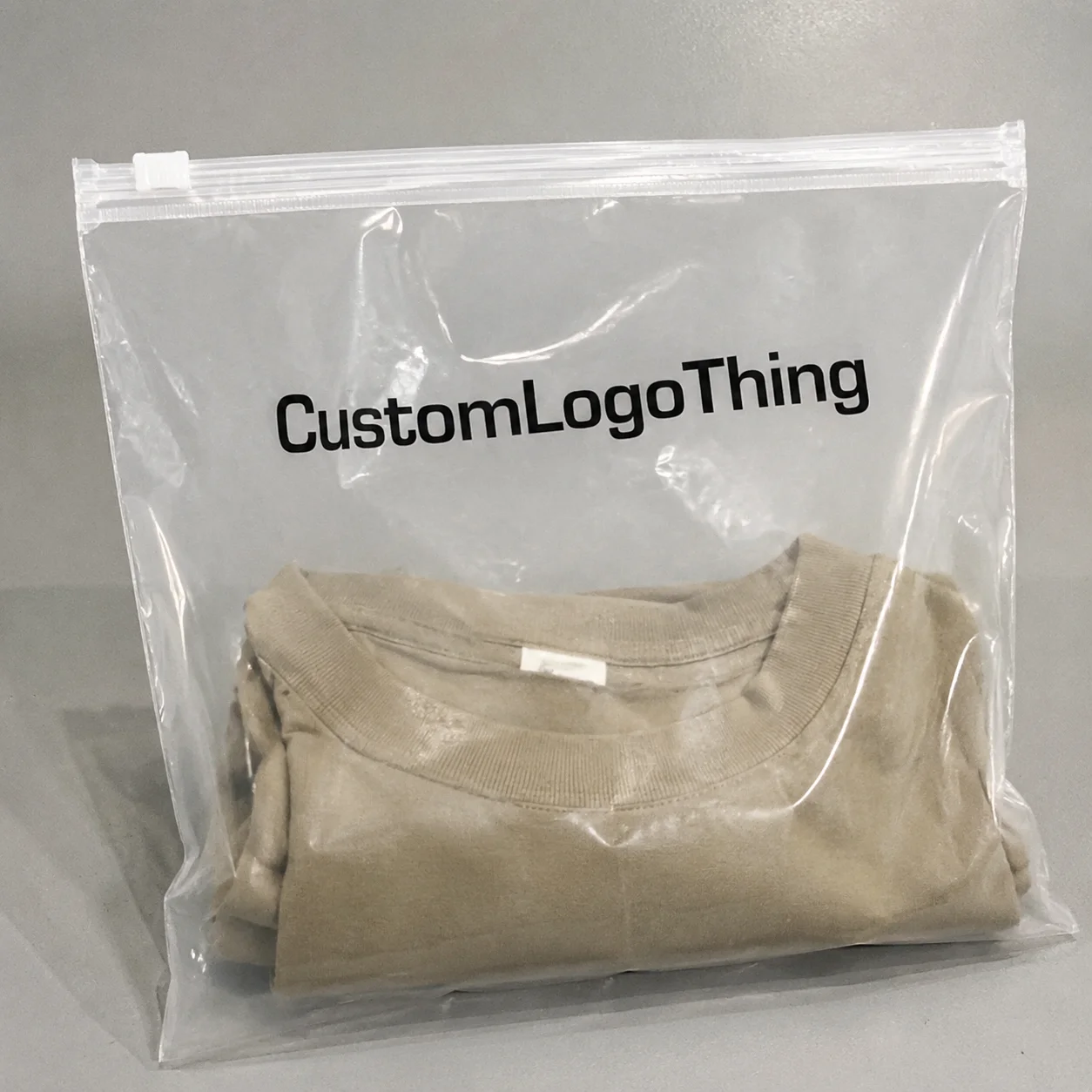
A garment bag is easy to file under apparel, which is why some buyers overlook it when they are planning skincare packaging. That misses the real use case. A printed Custom Plastic Garment Bags quote for skincare usually starts with a practical problem: how to keep soft goods clean, presentable, and easy to pack while still carrying the brand well.
Skincare companies use these bags for spa robes, terry headbands, facial towels, esthetician uniforms, launch kits, retail gift sets, and mixed bundles that include fabric with jars, tubes, sachets, and insert cards. A robe shipped with a serum set needs different handling than a box of rigid product. The bag protects the textile from dust and scuffing, keeps pieces together during packing, and gives the kit a cleaner first impression when the outer shipper is opened.
There is also a warehouse reason. Compared with a carton insert or a paper sleeve, a plastic garment bag is light, flat, and easy to store in bulk. It takes less space, folds down better, and does not add much weight to the shipper. For programs moving thousands of units through co-packers or fulfillment centers, that can matter as much as appearance.
The real cost, though, is broader than the bag price. A bag that slows packing by a few seconds per unit can add labor cost across a full run. A closure that peels open during transit can create repacks or returns. A weak or poorly placed logo can make the package look cheaper than the product inside. The quote should reflect all of that, not just the plastic itself.
That is why these bags now function more like branded packaging than commodity poly bags. They sit at the intersection of protection, speed, and shelf or shipment presentation, which is exactly where skincare brands feel pressure most sharply.
Bag Styles That Fit Skincare Kits, Spa Robes, and Retail Sets
Format changes everything. A folded robe, a headband, and a staff uniform may all be “fabric goods,” but they do not behave the same in packaging. The bag style determines how fast the line moves, how the logo presents, and whether the finished kit feels polished or improvised.
Flat garment bags are the simplest choice for folded robes, towels, spa wraps, and other soft goods. They are efficient to store and easy to spec. Resealable adhesive bags fit smaller items like headbands and compact fabric kits, especially when the bag needs to be opened for inspection and closed again without damage. Permanent flap-seal bags are better when the item should stay sealed after packing. Wicketed bags can improve speed on high-volume lines because operators can pull from a mounted stack instead of handling individual loose bags.
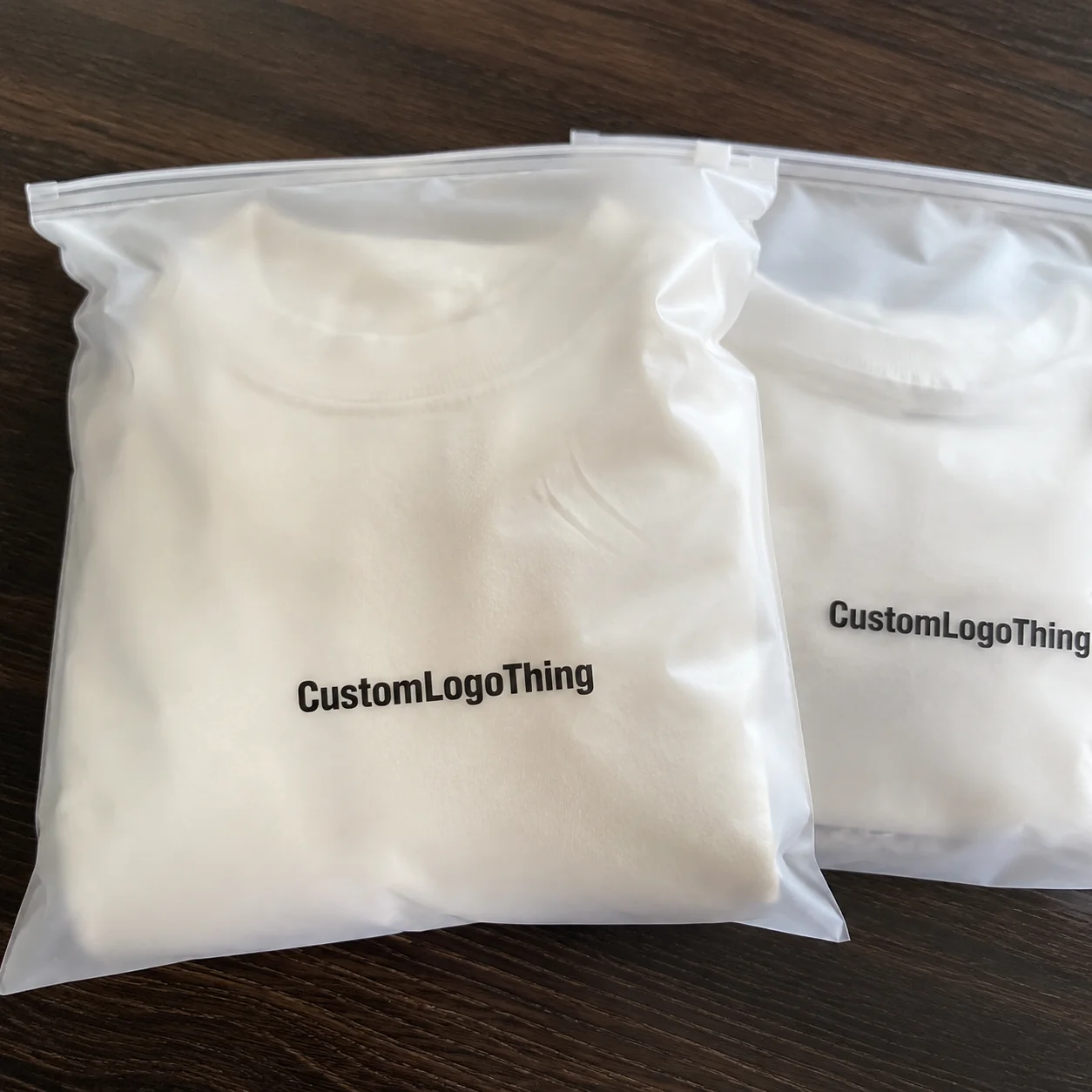
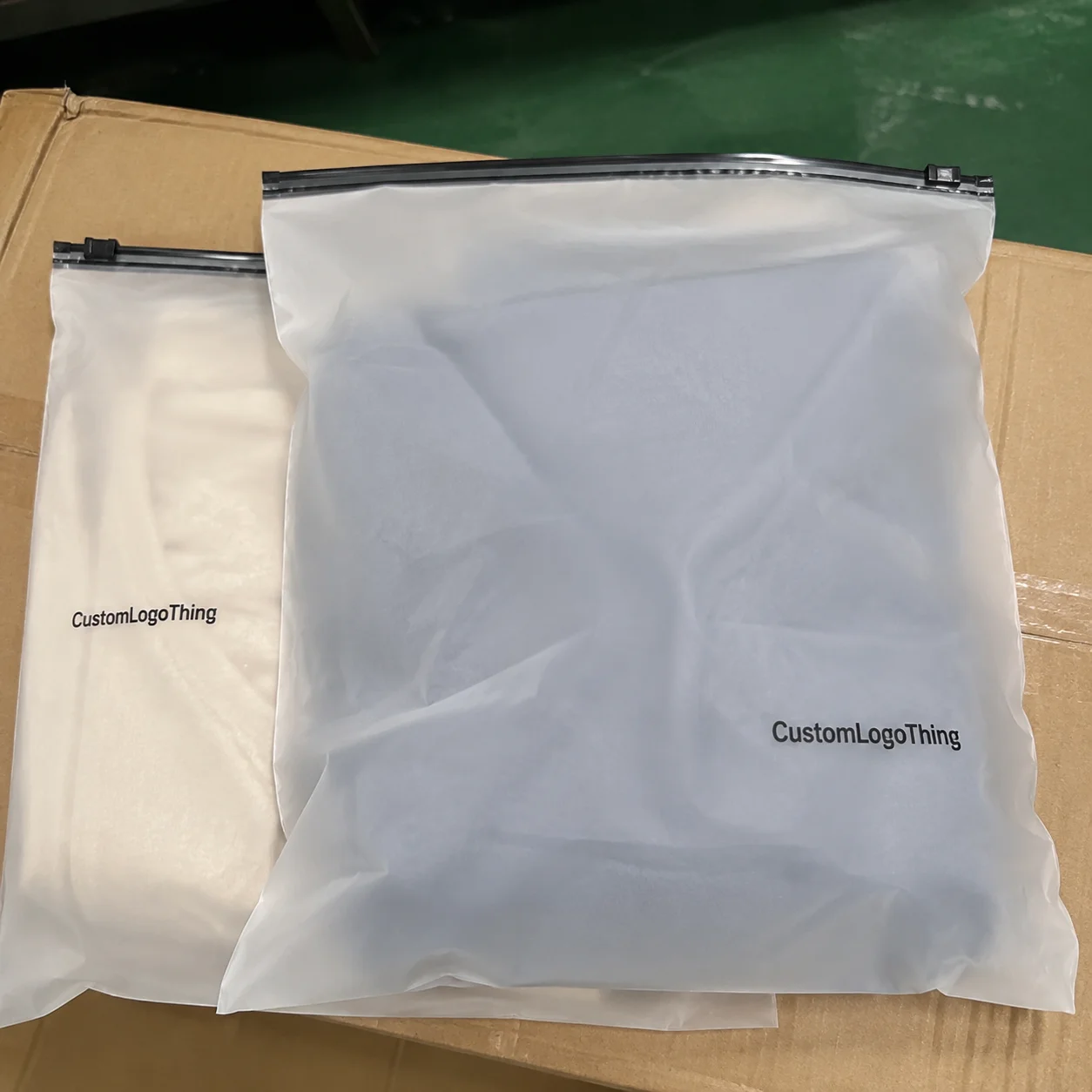
Some skincare brands prefer suffocation-warning bags for larger openings or ecommerce distribution. Others use hanger-opening covers for uniforms, robes on display, or retail presentation. Frosted film gives a softer and more elevated feel, while clear film lets teams see size labels, fabric color, and contents without opening the package.
| Bag Style | Best Fit | Typical Specification Range | Buyer Tradeoff |
|---|---|---|---|
| Flat LDPE bag | Folded robes, towels, spa wraps | 1.5 to 3 mil, custom width and length | Efficient and protective, less premium than frosted film |
| Resealable flap bag | Headbands, small fabric kits, retail sets | 1.5 to 2.5 mil with adhesive strip | Good for inspection, adhesive placement must avoid print zones |
| Frosted CPE or LDPE bag | Gift sets, spa retail, wellness bundles | 2 to 4 mil, muted ink colors | Higher perceived value, usually higher material cost |
| Hanger-opening cover | Uniforms, robes, retail display | Longer lengths, hanger slit, optional gusset | Strong presentation, less compact for ecommerce packing |
Material choice affects the feel as much as the function. LDPE is flexible and familiar. HDPE is crisper and can be thinner for similar strength, but it often feels more utilitarian. CPE has a soft frosted look that works well for spa and wellness positioning. Recycled-content and biodegradable options may be available, but claims should be checked carefully before they appear on the bag. A sustainability claim that is too broad can cause more problems than it solves.
Clinical skincare lines often choose clear film, controlled logo placement, and minimal color. Spa and wellness brands tend to prefer frosted film, muted inks, and a softer finish. Neither is automatically better. The right choice depends on the kit, the channel, and how the brand wants the package to feel in the hand.
Specifications That Decide Fit, Strength, and Print Quality
A quote becomes useful only when the specifications are real. Width, length, lip or flap depth, side gusset, bottom gusset, material, thickness, closure type, print colors, print coverage, quantity, packing format, and ship-to location all affect the result. If a request is missing several of those details, the quote will be broad at best and misleading at worst.
Start with the folded item, not the open garment. Measure the widest and longest point after it is folded the way it will actually be packed. Then add room for fabric loft and packing speed. A robe that measures 12 inches wide by 15 inches long when pressed flat may need a bag closer to 13 by 17 inches if the fabric rebounds or the packing team is working quickly. A tight theoretical fit can create wrinkling, split seams, and slower pack-out.
Thickness should follow use, not habit. A 1.25 to 1.5 mil film can work for light headbands or small wraps. A 2 mil bag is a common middle ground for folded robes and moderate bundles. A 3 mil or heavier film makes sense for plush robes, towel sets, or retail handling where the bag will be touched more than once. Heavier film increases resin weight and freight cube, so thicker is not always better.
Print method also matters. Flexographic printing is common for higher-volume repeat orders because it works efficiently on roll-fed plastic after the plates are made. Screen printing can suit bold graphics and certain shorter runs, depending on the supplier’s setup. Digital or other short-run methods may be available for sampling or pilot launches, but buyers should verify ink durability, color limits, and unit economics before assuming they scale.
Artwork behaves differently on film than on paperboard. Fine type can fill in, gradients can band, and heavy solids can increase drying and scuff risk. A logo that looks clean on a carton may need to be simplified for plastic. If the artwork uses thin lines or very small legal copy, it should be checked early rather than after proofing begins.
Quote discipline: settle compliance marks before proofs are made. Suffocation warnings, recycling symbols, country-of-origin text, barcode placement, SKU zones, and retailer labeling rules should be part of the artwork brief, not a late revision.
Brands That Ship finished kits through parcel networks may also review transport testing guidance from ISTA. A garment bag will not replace an outer shipper, but it can reduce scuffs, moisture exposure, and fabric contamination inside the box.
Printed Custom Plastic Garment Bags Quote for Skincare: Cost, MOQ, and Unit Cost
Price is driven less by the word custom than by a set of measurable choices. Film type, bag size, thickness, print colors, print coverage, closure, tooling, packing, and freight all move the final number. A good Printed Custom Plastic Garment Bags quote for skincare should show those variables clearly enough to compare one option against another.
Size is one of the largest cost drivers because larger bags use more resin. Thickness adds material weight. More ink colors usually mean more setup and press time. Full-coverage artwork can cost more than a centered logo because it changes ink consumption, drying load, and scrap risk. Smaller quantities tend to push the unit price up because setup costs are spread across fewer pieces.
Real pricing depends on the exact spec, but buyers often see rough ranges such as $0.18 to $0.42 per unit for simpler printed bags at several thousand pieces, and $0.45 to $0.95 or more for larger, thicker, frosted, multi-color, or specialty-closure bags. Freight, samples, and plate charges may sit outside those numbers. The pattern is stable even when the exact quote varies: the cleaner and more standardized the spec, the easier it is to hold price down.
Minimum order quantity changes with the format. Stock-size bags with simple printing may allow lower volumes. Custom dimensions, special film, gussets, or multiple ink colors usually increase MOQ. It helps to ask for tiered quantities such as 2,500, 5,000, and 10,000 pieces so the unit cost curve is visible before the buyer commits to inventory.
Setup charges can include artwork prep, plates, proofing, and sample freight. Sometimes those charges are broken out. Sometimes they are built into the unit price at larger runs. Ask for the line item structure. A quote that looks cheaper because it hides setup is not easier to manage; it is just harder to compare.
For a practical quote, send dimensions, target quantity, artwork files, print color count, delivery ZIP code, and any retailer compliance rules. If the bag is part of a broader product packaging system, include that too. A robe bag used inside a subscription box may need different sizing and print placement than a bag used as shelf packaging in a spa retail section.
For buyers comparing multiple formats, coordinating the bag with boxes, inserts, labels, or tissue can be useful. Consistent materials and print tone matter more than most teams expect, especially when the kit is opened by a customer who notices the package as a whole rather than one component at a time.
Production Steps and Timeline From Artwork to Delivery
Production follows a sequence, and every skipped step usually returns later as a delay. The work starts with size and material confirmation, then moves into artwork review, proofing, sample approval if needed, manufacturing, quality control, packing, and shipment. The order matters because each decision affects the next one.
Final dimensions should be approved before artwork placement. The flap, seal area, gusset, hanger slit, and barcode zone all affect the layout. Material should also be confirmed early. Clear LDPE, frosted CPE, recycled-content film, and heavier-gauge options do not print or fold the same way. Once those choices are set, the ship method should follow so packing and carton labeling are built around the correct route, whether that is parcel, LTL, air, or ocean.
Digital proofs are useful for layout, logo placement, warning text, and color callouts. Physical samples do a different job. They show the feel of the film, the opacity, the closure performance, and how the real robe or kit sits inside the bag. A proof can show that a logo is centered. It cannot show whether the bag fights the adhesive strip during packing.
Lead time depends on how standard or custom the project is. Stock-based printed bags are usually faster than a fully custom size or closure. A straightforward run may be completed in a few weeks after approval, while new tooling, sampling, specialty film, or overseas freight can add meaningful time. Artwork readiness and approval speed matter just as much as factory capacity.
Incomplete files, missing vector artwork, unclear dimensions, late suffocation warnings, new retailer barcode rules, and late material changes all slow the schedule. None of those items is dramatic on its own. Put together, they can move a launch date enough to create a problem for a marketing calendar or retail ship window.
For skincare launches, the packaging schedule should run ahead of final assembly dates. Garment bags often sit between multiple teams: the textile supplier, the co-packer, the fulfillment center, the retail compliance group, and the brand team checking presentation. If one group waits on the bag, the whole build can stall.
Common Quote Mistakes That Raise Price or Delay Approval
The most common mistake is sending only a product photo. Photos help, but they do not replace measurements. A robe in a picture can need a 12 inch bag or a 17 inch bag depending on how it is folded, how thick the fabric is, and whether inserts are packed inside.
The second mistake is choosing the thinnest film for a bulky kit. Thin film can lower the unit price, but it may wrinkle, tear, or look weak after packing. If a premium spa robe sells at a high retail price, saving a small amount on film while weakening the presentation is usually false economy.
Artwork problems are common and preventable. Low-resolution logos, missing vector files, unconverted fonts, tiny legal copy, and designs that ignore seams or adhesive zones all create extra proof rounds. Flexible film does not behave like a paper poster, so the design has to respect the shape of the bag.
Over-specification causes waste too. Full-coverage ink, oversized bags, premium frosted film, and unnecessary gussets can raise cost without improving the customer experience. A clean one-color logo on a properly sized clear bag can outperform a crowded design if the packing team needs to identify color, size, or SKU quickly.
Compliance gaps create late friction. Suffocation warnings, recycling language, barcode placement, and country-of-origin text should be resolved before plates or final proofs are made. Retailers may have quiet-zone rules for barcodes. Ecommerce channels may require warning text above a certain opening size. Recycled-content claims should be checked carefully, especially when they sit near ingredient or sustainability messaging.
A corrected proof costs time. A corrected production run costs money. That is the difference between a quote that looks fine and a quote That Actually Works.
A pre-quote checklist helps avoid most of these issues. Include finished bag size, garment dimensions, quantity tiers, material preference, thickness target, closure type, print colors, artwork format, compliance text, delivery address, and required arrival date. With that information in hand, a supplier can usually return a practical estimate on the first pass instead of a rough placeholder.
Next Steps: Build a Quote Packet That Gets a Real Number
A useful quote packet is short, factual, and complete. Start with the bag dimensions, or measure the folded garment at its widest and longest points. Add quantity tiers such as 2,500, 5,000, and 10,000 units. Choose a direction for material, even if it is only a preference between clear LDPE, frosted CPE, HDPE, recycled-content film, or open to recommendation. Identify the closure style. Prepare vector artwork. Note the required delivery date.
Ask for two or three scenarios rather than one fixed version. Economy, balanced, and premium is usually enough to show how thickness, print coverage, quantity, and closure choice affect unit cost. An economy option might use a stock-size 2 mil clear LDPE bag with one-color print. A balanced option might improve the fit and add a resealable strip. A premium option could use frosted film, heavier gauge, and a softer two-color brand treatment.
Photos help most when they show a problem. If the current bag wrinkles, tears, scuffs, or slows the packing table, send images that show that clearly. Photos of a hard-to-scan label or a pack-out station that moves too slowly can be more useful than a polished mockup because they reveal the operational issue behind the quote.
State the sales channel plainly. Ecommerce shipping, retail display, spa backbar storage, influencer mailers, and wholesale distribution all push the spec in different directions. Ecommerce needs durability inside the shipper. Retail display needs presentation and barcode logic. Spa storage may care most about moisture resistance and quick identification. Influencer kits often need a stronger visual connection to the rest of the packaging design.
If the bag needs to match boxes, sleeves, insert cards, or labels, share those files too. Consistent package branding is easier when logo size, ink color, finish, and material tone are reviewed together instead of quoted as separate pieces. That usually produces a cleaner final package and fewer surprises in proofing.
To get a printed Custom Plastic Garment Bags quote for skincare, send your specs, artwork, quantity, deadline, and delivery location through Contact Us. Clear inputs lead to cleaner pricing and a faster decision between cost control, speed, and a more premium finish.
FAQ
What information do I need for a printed custom plastic garment bag quote for skincare kits?
Send the bag width and length, garment or kit dimensions, quantity, material preference, film thickness target, closure style, print colors, artwork file, delivery ZIP code, and any retail compliance requirements. If size or gauge is uncertain, product photos and measurements help the supplier recommend a workable option instead of guessing.
What is the usual MOQ for custom printed plastic garment bags?
MOQ depends on bag size, material, print method, and whether the order uses a stock format or a fully custom run. Lower quantities may be possible with stock-size bags or simpler printing, while custom dimensions and multi-color artwork usually require higher minimums.
How much do printed plastic garment bags cost for skincare brands?
Cost is shaped by film weight, bag dimensions, closure type, print colors, print coverage, setup charges, quantity, packing method, and freight. The best way to compare pricing is to request quantity tiers so you can see where the unit cost drops enough to justify a larger run.
Can skincare brands print logos, ingredients, or warnings on garment bags?
Logos, brand patterns, suffocation warnings, recycling marks, SKU labels, and simple product text can usually be printed if the artwork is suitable for the chosen method. Fine text, dense gradients, and full-bleed coverage should be reviewed before quoting because they may affect print quality, cost, or production feasibility.
How long does production take for custom plastic garment bags?
Timeline depends on artwork readiness, proof approval, material availability, order size, customization level, and shipping method. Stock-based printed orders typically move faster than fully custom bag size, material, or closure projects, so launch deadlines should be shared at the quote stage.