Bakery Packaging That Looks Premium Without Acting Precious
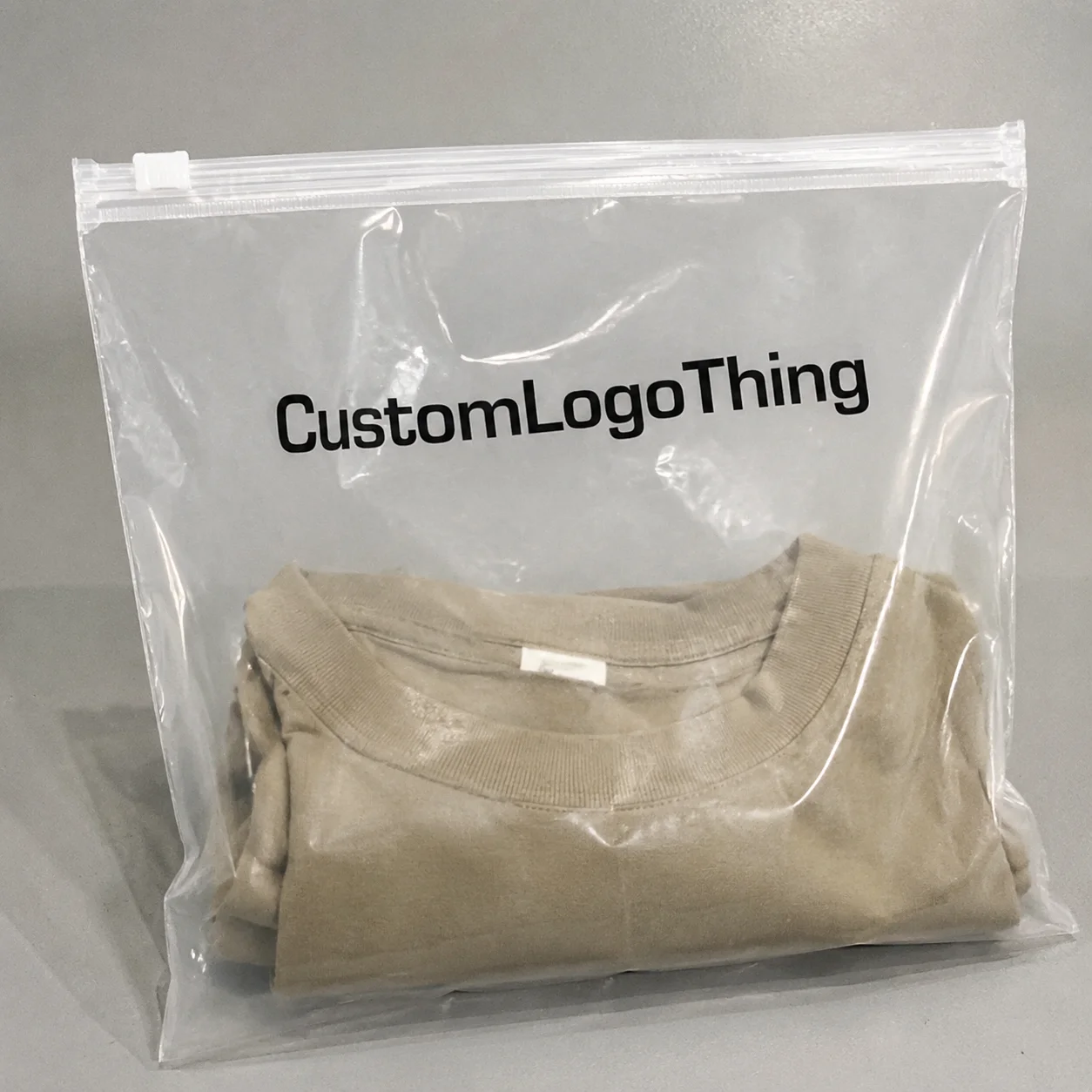
A customer buys the cookie they can see. They reorder the cookie whose bag still looks clean after being tossed into a purse, delivery tote, café display bin, or the passenger seat of a car. A printed Frosted Zipper Bags quote for bakery packaging should begin with what the bag needs to survive, not just how charming the logo looks on a mockup.
Frosted zipper bags sit in a useful middle lane. They look more intentional than basic clear poly bags, but they do not demand the cost, storage space, or handling fuss of rigid gift boxes. Nobody needs museum-grade packaging for a $6 cookie pack unless the cookie comes with a velvet rope.
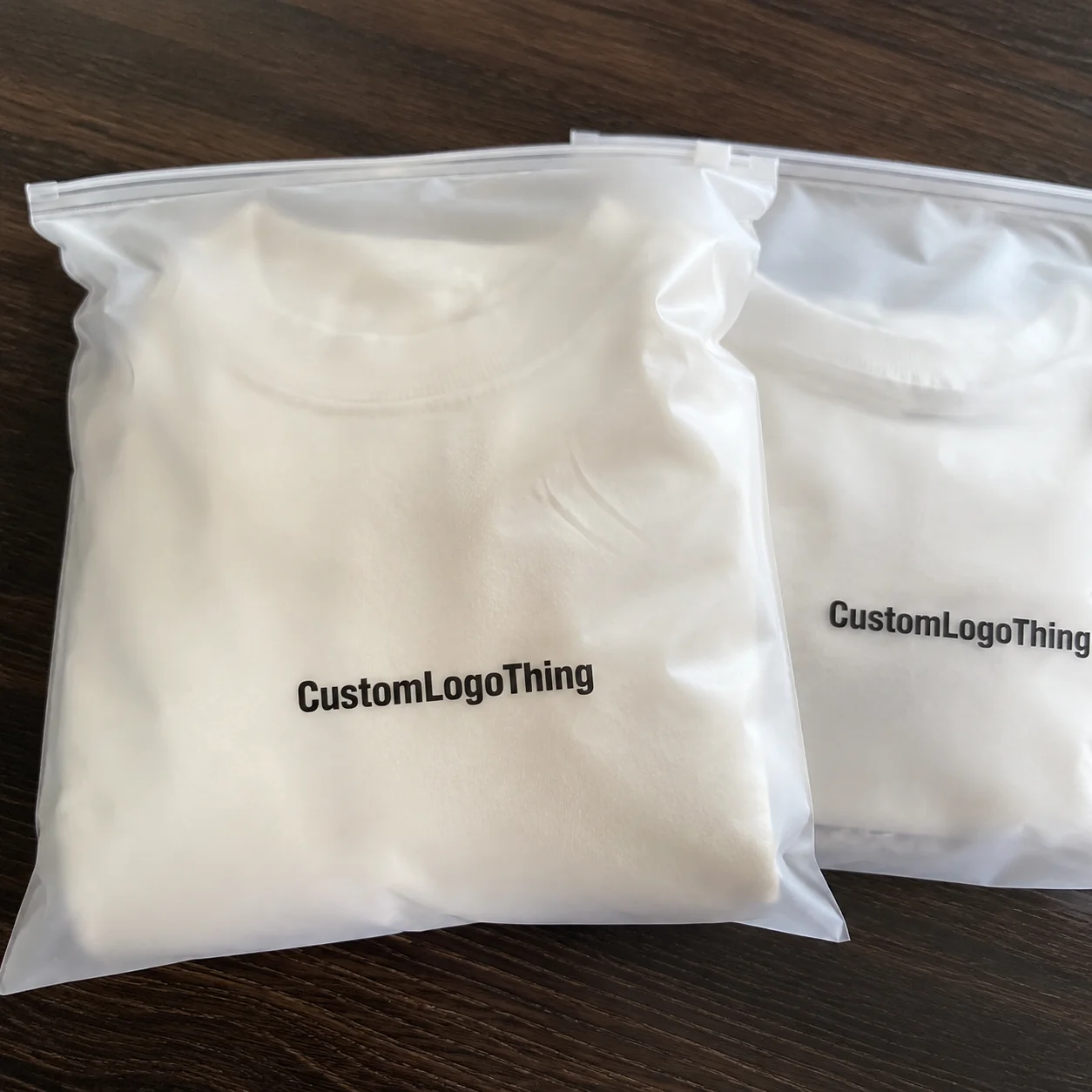
For bakeries, the appeal is practical: semi-premium shelf presence, resealability, controlled product visibility, and cleaner branding. The frosted finish softens crumbs, sugar dust, small scuffs, and minor color variation that can make clear bags look tired quickly. That matters for cookies, granola bites, biscotti, candy-coated treats, mini pastries, dried fruit mixes, and bakery gift items that customers open more than once.
Clear bags still have their place. If the product is heavily decorated, colorful, or visually detailed, full frost can hide too much. In that case, a clear window, partial frost, or clear front panel with a frosted back may sell the product better while keeping the pack from looking like a bargain-bin snack sleeve.
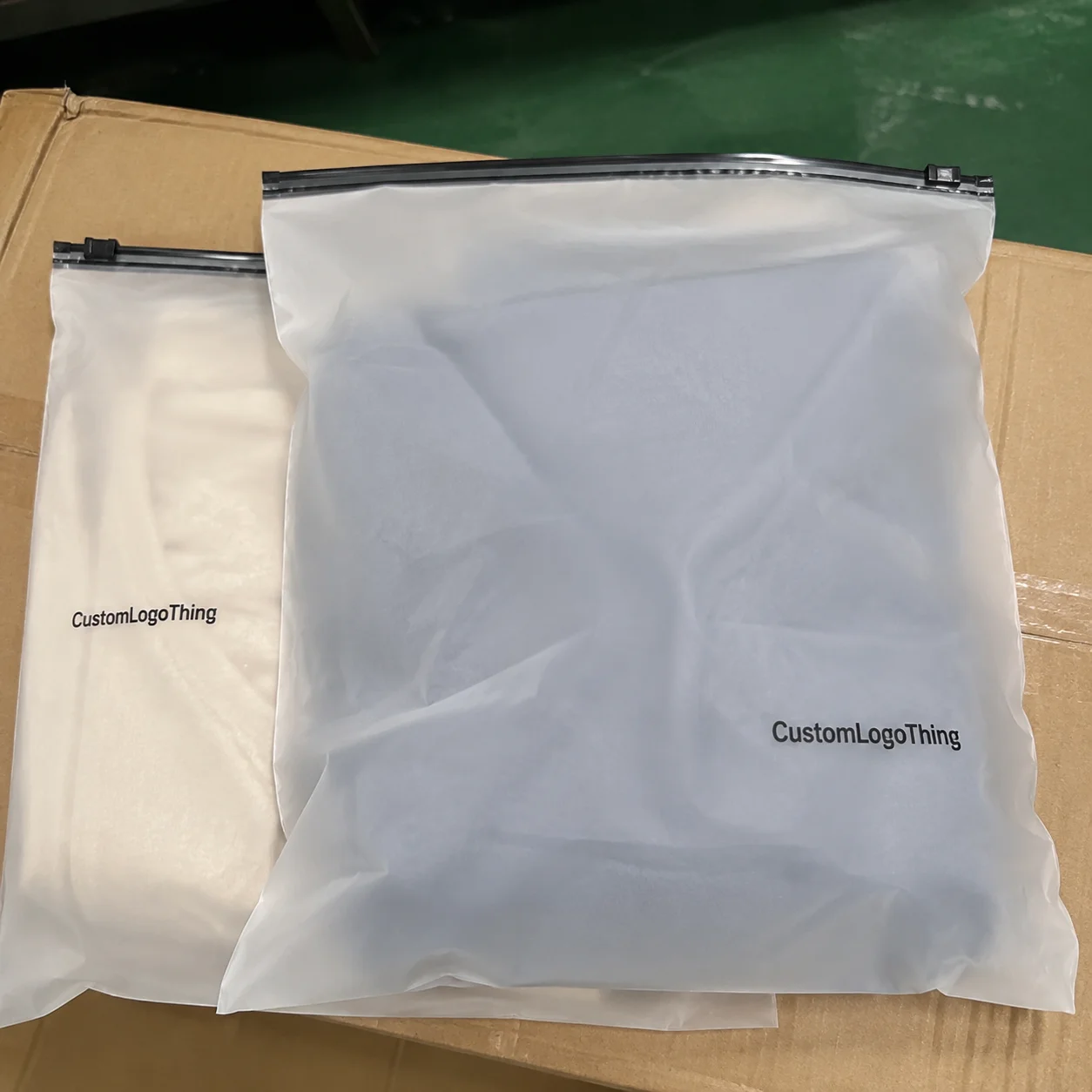
Frosted film also gives white, black, gold, and pastel printing a softer, more controlled appearance than plain glossy clear film. The bag feels quieter in the hand. The brand looks calmer. The whole package says, “We planned this,” which is often the difference between a farmers market table and a retail-ready bakery line.
Printed Frosted Zipper Bags Quote for Bakery Specs
A printed frosted zipper bag is usually a flexible plastic pouch or flat bag made with translucent matte film and custom printed branding. For bakery use, it may be used for retail shelves, subscription boxes, gift packs, wholesale drops, café counters, event favors, or seasonal product runs.
Before asking for a Printed Frosted Zipper Bags Quote for bakery products, decide what kind of bag you actually need. “A cute pouch” is not a spec. It is a mood. Machines do not quote moods.
| Bag Style | Best For | Typical Tradeoff |
|---|---|---|
| Stand-up zipper pouch | Retail shelves, gift packs, 4–12 cookie packs, granola clusters | Better display, higher cost than flat bags |
| Flat zipper bag | Samples, 1–3 cookies, lightweight treats, event packs | Lower cost, less shelf structure |
| Three-side seal zipper bag | Clean rectangular presentation, compact packs, candy bark | Neat look, less volume flexibility |
| Gusseted zipper pouch | Bulkier biscotti, family packs, larger bakery gift items | More capacity, more film, higher unit cost |
Zipper choice matters more than many buyers expect. A standard press-to-close zipper works for light cookie packs and dry snacks. A higher-tack zipper makes sense for heavier contents or packages customers will open repeatedly. A tear notch above the zipper can support a cleaner first opening and a more retail-ready, tamper-evident feel, depending on the final structure.
The finish is the whole point here. Frosted film has a matte, soft translucent appearance. It gives the bag a boutique look without fully hiding the product. It also photographs better than shiny clear plastic under many shop lights, which helps if your bakery sells through product pages, social posts, or delivery apps where glare makes packaging look cheaper than it is.
Printing options usually include screen printing for simple logos and lower color counts, flexographic or gravure printing for larger production runs, and digital printing where available for short runs or multi-SKU artwork. Each method has a different minimum, cost curve, and color tolerance. For broader packaging terminology and industry context, the Packaging Association is a useful reference point.
Common branding placements include a centered front logo, bottom ingredient block, back nutrition panel, QR code, batch sticker area, flavor name, reorder website, and barcode. Keep the front simple. Put the legal and retail details on the back. Nobody should need reading glasses to know whether the bag contains lemon shortbread or spicy ginger cookies.
To quote accurately, provide bag size, quantity, print colors, film thickness, zipper type, gusset details, artwork complexity, and whether the bag touches food directly. Vague quote requests get vague numbers. The more exact the specs, the less room there is for surprise fees.
Size, Film Thickness, and Food-Safe Details That Matter
Start sizing from the product backward. Measure the baked item, stack height, expected crumb movement, needed air space, and the speed of hand filling. Copying a competitor’s bag size is lazy and often expensive. Their cookie may be thinner, lighter, wrapped differently, or packed by someone with more patience than your Saturday staff.
Small zipper bags may work for 1–2 cookies, mini samples, tea biscuits, or event favors. Mid-size pouches often fit 4–8 cookies, granola clusters, candy-coated pretzels, or small biscotti bundles. Larger gusseted bags are better for family packs, wholesale bakery items, bulky meringues, or gift assortments.
Fill weight and visual bulk are not the same thing. A meringue pack may need volume but not much strength. Dense shortbread, candy bark, or chocolate-dipped biscotti needs tougher film and a stronger seal because the bag carries more weight and edge pressure. That is one reason two bakery pouches can look similar in photos while quoting very differently.
Film thickness should be discussed in plain buyer language. Thinner film saves money and lowers shipping weight, but it can feel flimsy. Thicker film improves structure and perceived value, but it raises unit cost, carton volume, and sometimes freight cost. For light retail packs, thinner gauges may be fine. For premium bakery pouches, mid-to-heavy gauges are often evaluated based on product weight, zipper stress, shelf display, and how the bag will be handled after purchase.
Many bakery buyers review structures around the 2.5–5 mil range for flexible retail bags, depending on material type and lamination. That is not a universal rule. A laminated pouch can perform differently from a single-layer poly bag at the same apparent thickness, so ask for material details rather than relying on a number that merely sounds sturdy.
Food-contact requirements are non-negotiable. Confirm whether the baked goods touch the bag directly or whether you use an inner wrap, tray, parchment, or liner. Direct food contact requires appropriate food-safe materials and documentation. If your product contains oils, butter, chocolate, fillings, or strong aromas, ask about upgraded barrier structures instead of assuming basic frosted film will handle the job.
Dry cookies are forgiving. Greasy pastries are not. Moisture, oil migration, aroma loss, and shelf life all affect the film structure. If you are building a retail or shipping program, review packaging compatibility and transit handling together. For distribution testing, standards from ISTA can help frame how packaged goods are evaluated for shipping stress.
Practical warning: do not order bags too tight because the sample looked neat on a desk. Real staff fill fast. Tight bags slow them down, crush corners, and wrinkle like a bad decision.
Cost, MOQ, and Unit Cost Drivers for Frosted Bakery Bags
Pricing depends on quantity, size, film structure, film thickness, print method, print coverage, number of colors, zipper type, gusset, and any tooling or plate costs. A one-color logo on a standard flat bag is a different job from a full-coverage stand-up pouch with multiple flavors and a metallic accent.
Short custom runs cost more per piece. Larger runs lower unit cost but increase upfront spend and storage needs. That tradeoff is real. If a bakery orders 500 fully custom pouches, the unit price may feel rude. If it orders 10,000, the cost per bag improves, but now someone needs space to store cartons and enough sales volume to use them before branding, ingredients, or compliance details change.
Custom printed frosted zipper bags usually require a production minimum because film setup, printing plates, color matching, and machine time are not free. Shocking, apparently machines dislike doing charity work.
| Packaging Route | Typical Fit | Cost Pattern | Best Buyer Use |
|---|---|---|---|
| Stock frosted bag + label | Very small tests, pop-ups, rotating flavors | Lowest setup, higher labor per pack | 50–1,000 units or early product testing |
| Simple one-color imprint | Growing bakery lines with stable branding | Moderate setup, cleaner look | 1,000–5,000+ units depending on supplier |
| Fully custom printed pouch | Retail, wholesale, subscription, gift lines | Higher setup, better unit economics at volume | 5,000–25,000+ units for stronger pricing |
Actual unit costs vary by spec, but the pricing logic is consistent. Smaller bags use less film. One-color art costs less than full-coverage designs. Matte frosted laminate may cost more than basic clear poly. Rush production can add fees. Multiple SKUs can increase setup cost because each artwork version may require separate proofing, plates, or production handling.
For very small bakery tests, stock frosted zipper bags with labels may be smarter than full custom manufacturing. If you sell fifty bags at a weekend pop-up, spend the money on ingredients and a sharp label. Once a product repeats weekly, moves through retail shelves, lands wholesale accounts, or joins a subscription program, custom printing starts to make more financial sense.
Cost-saving tactics are not complicated. Standardize one bag size across several flavors. Print a generic brand bag and use flavor stickers. Avoid unnecessary full bleed coverage. Order enough to reduce per-unit cost without burying cash in packaging inventory. Choose a zipper and gusset only if the product actually needs them.
To get a clean printed frosted Zipper Bags Quote for bakery use, send the target quantity, bag dimensions, product weight, artwork, number of SKUs, food-contact needs, and deadline. Add delivery location too. Freight is not imaginary, even though people love pretending it is until the invoice shows up.
Artwork, Print Colors, and Bakery Branding Choices
Frosted film changes how artwork behaves. Colors can appear softer than they do on white paper or glossy plastic. High-contrast logos usually perform better. Pale beige ink on frosted film may look elegant on screen and nearly invisible on the actual bag, especially once cookies and crumb shadows sit behind it.
Strong print choices include white ink for clean contrast, black for premium minimal branding, metallic tones for gift items, and spot color logos for controlled brand identity. Full-color printing may be possible for higher-volume jobs, but bakery buyers should confirm color expectations, proofing method, and whether product photos will reproduce well on a translucent matte surface.
Simple artwork often wins. Bakery packaging lives around crumbs, oils, warm hands, crowded counters, stacked cartons, and retail shelves with bad lighting. A clean logo, readable flavor name, and clear product information usually beat tiny decorative flourishes nobody can read from three feet away.
Required information areas may include ingredients, allergens, net weight, nutrition panel if applicable, barcode, batch code space, best-by date, storage instructions, and business contact. Requirements depend on market, product, and sales channel, so confirm what applies before printing 20,000 bags. Compliance mistakes are expensive and deeply unfun.
If your bakery rotates flavors weekly, leave flexible label zones. Print the brand, core graphic system, website, and general compliance area. Then use stickers for flavor names, best-by dates, seasonal notes, batch codes, or limited-edition products. That keeps the base bag useful across more SKUs and helps avoid dead inventory when the peppermint brownie bite sells only in December.
Front and back hierarchy matters. The front should sell the product quickly: brand, product name, maybe flavor, maybe a small claim like “small batch” if it is true and allowed. The back should carry details. Do not bury the brand under a wall of copy unless the goal is to package cookies like a tax form.
Before production, request digital proofs and review them carefully. Confirm PMS or brand color references if you have them. Check logo position, zipper location, tear notch, seal width, barcode space, nutrition panel size, and text distance from edges. Low-resolution screenshots are not artwork. They are evidence of future print problems.
Process and Timeline From Quote Request to Delivery
The buying process is not mysterious, but it does punish disorganization. A normal flow looks like this:
- Submit product and bag specs.
- Confirm food-contact requirements.
- Review pricing, MOQ, and production options.
- Send artwork files and compliance copy.
- Receive and approve a digital proof.
- Approve a sample or pre-production detail if required.
- Production begins.
- Bags are inspected, packed, and shipped.
During quoting, the manufacturer checks dimensions, material, print method, MOQ, artwork complexity, and delivery location. If any of those details are missing, the quote gets looser. That does not help anyone. A realistic estimate needs real specifications.
Vector logo files are preferred, typically AI, EPS, or high-resolution PDF. If the file was pulled from an Instagram profile image, it is not ready. If the logo turns blurry when enlarged, it will not magically become crisp on frosted film. Print production is not a forgiveness-based system.
A digital proof confirms layout, bag size, print position, and basic color references. Physical samples may be available depending on order size, timeline, and production method. For some custom printed frosted zipper bag jobs, a pre-production sample is useful. For others, it can add cost and time without much benefit, especially if the artwork is simple and the structure is already known.
Timelines vary. Simple repeat orders move faster because the artwork, material, and bag structure are already approved. New custom jobs take longer because materials, print setup, proof approval, and production scheduling must line up. Many custom flexible packaging projects can take several weeks from final proof approval, and more complex jobs or international freight can stretch longer. Anyone promising the same timeline for every spec is selling optimism, not production planning.
Timeline killers are painfully predictable: missing dielines, unclear bag dimensions, late artwork changes, undecided quantities, multiple SKUs without final copy, and food compliance questions raised after production starts. Shipping can also affect final delivery. Freight method, carton volume, delivery address type, and customs clearance for international shipments can all shift timing.
To speed up a printed frosted zipper bags quote for bakery packaging, provide complete specs, approve proofs quickly, consolidate feedback from your team, and decide whether price or deadline matters more. Asking for the lowest cost and fastest delivery on a complicated custom bag is possible. It is also usually expensive.
What Makes Custom Logo Things a Practical Bakery Bag Supplier
Custom Logo Things helps bakeries choose bag size, film structure, print method, and order quantity based on actual product use. Not vague “premium packaging magic.” Real specs. Real tradeoffs. Real numbers once the project details are clear.
Printed frosted zipper bags can be tailored by size, finish, zipper, gusset, print color, branding layout, and quantity tier. A bakery selling two cookie flavors at a café counter does not need the same setup as a regional cookie brand shipping wholesale cartons into retail stores. Treating both buyers the same would be lazy.
The practical value is in choosing the right route. Some bakeries should start with stock frosted bags and labels. Others are ready for one-color custom printing. Larger retail, subscription, or gift programs may justify full custom production with multiple panels, barcodes, nutrition blocks, and stronger brand control.
Bakery-specific details matter during specification. Crumbs. Grease. Freshness. Hand filling. Shelf display. Allergen copy. Flavor rotation. Barcode placement. Best-by date areas. These are not decorative issues; they affect labor, compliance, product presentation, and customer trust.
Quality control should cover artwork position, print legibility, sealing structure, zipper function, and carton packing. A beautiful logo does not matter if the zipper fights the customer or the back panel text lands too close to the seal. Basic failures make packaging feel amateur fast.
Growing bakeries, café groups, cookie brands, confectionery makers, farmers market sellers moving into retail, and wholesale bakery programs benefit most from a structured quote process. If you only need fifty bags for a weekend pop-up, full custom manufacturing may be overkill. Good packaging advice includes saying that out loud.
If you already know your product details, artwork direction, and quantity target, send the specs through Contact Us. If you are still comparing pouch styles, that is fine too. Be clear about the product, budget range, and deadline so the recommendation fits the job instead of forcing your bakery into a bag that only looks good on paper.
Next Steps Before You Request Your Bakery Bag Quote
Before requesting pricing, gather the basics. Choose the product going into the bag. Measure filled dimensions, not just flat product size. Decide the target quantity. Confirm whether the bag touches food directly. Pull together artwork files, ingredient copy, and any barcode or label requirements.
- Product details: cookie, biscotti, granola, candy bark, pastry, dried fruit mix, or gift assortment.
- Approximate weight: per filled bag, plus expected product shape and bulk.
- Food behavior: dry, greasy, moist, aromatic, fragile, or dense.
- Display method: shelf, basket, café counter, subscription box, delivery tote, or wholesale carton.
- Visibility need: fully frosted, frosted with clear window, clear front with frosted back, or mostly clear.
- Ordering details: size, quantity, print colors, SKU count, deadline, and delivery location.
Pick a packaging direction before you ask for final pricing. A stand-up pouch gives stronger shelf presence. A flat zipper bag saves space and cost. A clear window helps decorated products sell visually. A generic branded bag with flavor stickers gives flexibility for rotating menus.
Decide what matters most: lowest unit cost, fastest turnaround, most premium appearance, multi-flavor flexibility, or retail compliance. You rarely get all five at once without paying for it. Packaging is full of tradeoffs. Pretending otherwise wastes time.
A smart first order often uses one versatile bag size and flexible artwork. That works well for bakeries still testing demand, adjusting flavors, or building retail accounts. Once sales stabilize, you can refine sizes, add printed flavor versions, or move into larger production runs.
Ready to price the job? Send your size, quantity, artwork file, print color count, product weight, SKU count, deadline, delivery location, and food-contact requirements through Contact Us. Complete specs let pricing, MOQ, lead time, and print options be confirmed without guesswork.
FAQ
What affects a printed frosted zipper bags quote for bakery products the most?
The biggest pricing drivers are order quantity, bag size, film thickness, print colors, print coverage, zipper style, gusset, and whether the bag requires food-contact materials. Artwork complexity and the number of SKUs also matter because each version may need separate setup, plates, or proofing. For the cleanest quote, send dimensions, quantity, product weight, artwork, deadline, and delivery location.
What MOQ should I expect for custom printed frosted bakery zipper bags?
MOQ depends on the printing method, bag structure, and customization level. Simple imprinting may support lower quantities, while fully custom printed laminated zipper bags usually require higher production runs. If your bakery is testing a new product, stock frosted bags with labels may be the smarter first step before committing to custom manufacturing.
Are frosted zipper bags food safe for cookies and baked goods?
They can be food safe when made with appropriate food-contact materials and the correct film structure. Confirm whether your baked goods touch the bag directly or use an inner wrap, because that changes the material requirements. For greasy, moist, or aroma-sensitive products, ask about upgraded barrier films instead of assuming a basic frosted bag will handle everything.
How long does production take for printed frosted zipper bags for a bakery?
Timeline depends on order quantity, print method, material availability, proof approval speed, and shipping method. Repeat orders are typically faster than first-time custom orders because specs and artwork are already approved. To avoid delays, submit final artwork, bag dimensions, quantity, food-contact requirements, and delivery deadline at the start.
Can I print multiple bakery flavors on the same frosted zipper bag order?
Yes, but multiple printed versions may increase setup cost, proofing time, and MOQ requirements per design. A cost-efficient option is printing one branded base bag and using labels for flavor names, best-by dates, and seasonal variations. This works especially well for bakeries with rotating menus, holiday flavors, or small-batch product lines.