Get Your Printed Clear Zipper Bags Quote for Beauty
When Clear Packaging Helps Beauty Buyers Say Yes
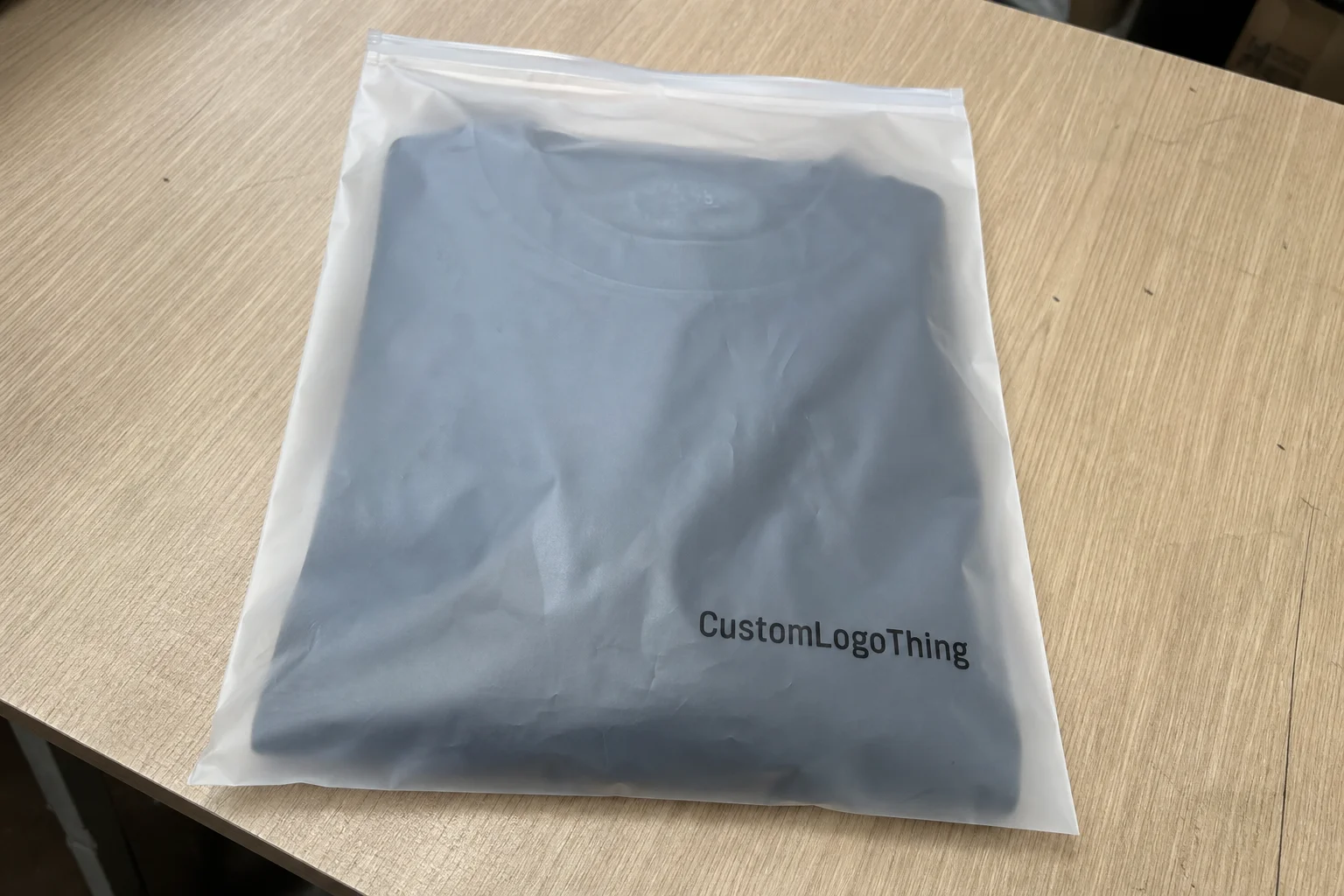
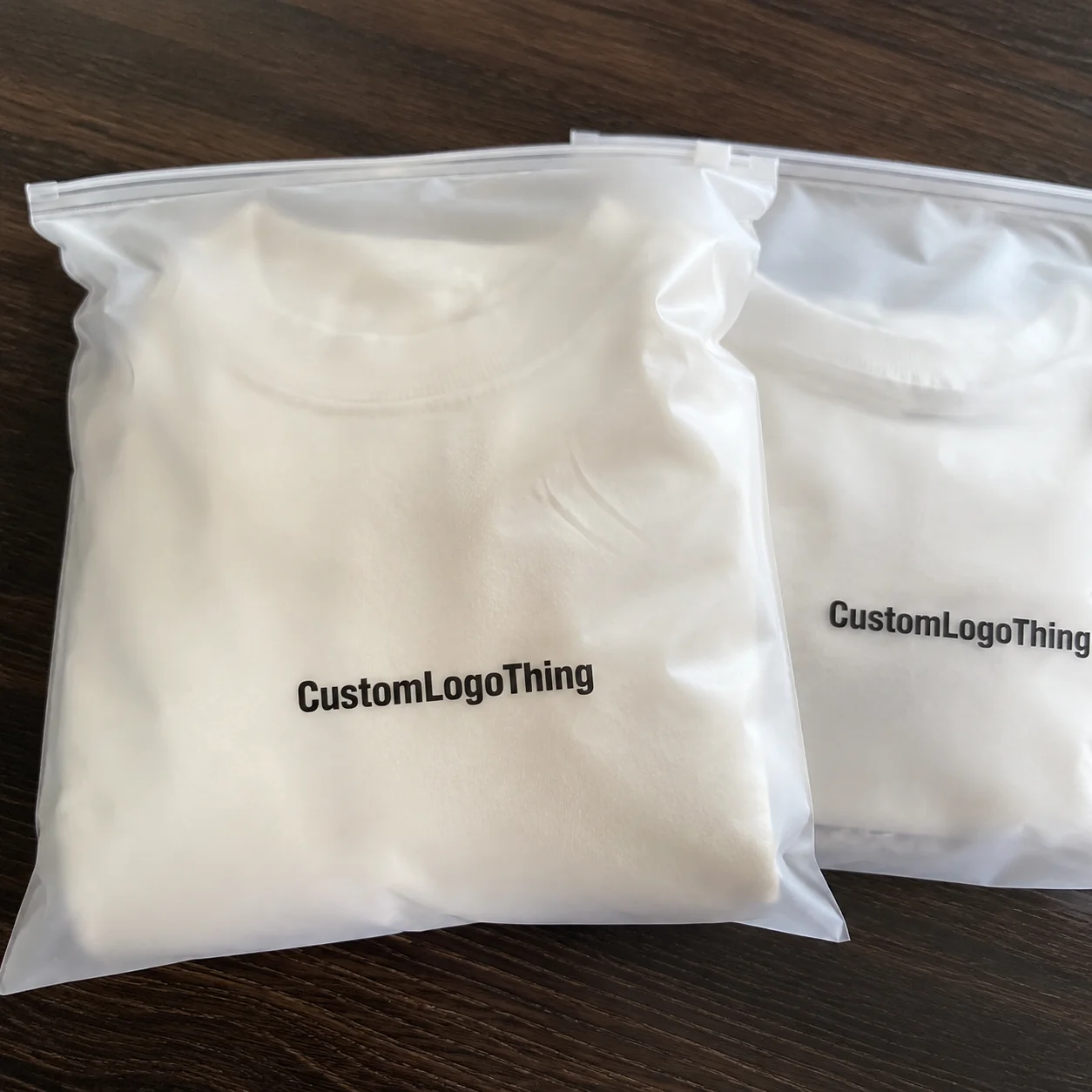
A shopper can see the lip mask, facial sponge, brow tool, lash accessory, sample set, or travel-size kit before reading a line of copy. That small moment matters. Buyers looking for a printed clear Zipper Bags Quote for beauty are not just asking for a fast number; they need the bag size, film style, zipper type, print method, and packing requirements lined up before pricing becomes useful.
Clear Zipper Bags do several practical jobs at once. They protect small beauty items from handling, keep kits organized for retail or ecommerce fulfillment, and leave the product visible while still giving the brand space for a logo, shade name, barcode, warning copy, or hang-hole display. For many cosmetic and personal care items, visibility lowers hesitation because the customer can confirm texture, color, quantity, and kit contents immediately.
The best applications are usually straightforward: sheet mask bundles, cosmetic applicator refills, nail art supplies, brow tools, travel amenity sets, lash accessories, salon retail packs, and secondary Packaging for Small jars, tubes, sachets, or pouches. A 4-inch by 6-inch bag may work for a flat sample kit. A 6-inch by 9-inch bag with a bottom gusset may be better for mixed tools or a small skincare set. The product shape should drive the bag design, not the reverse.
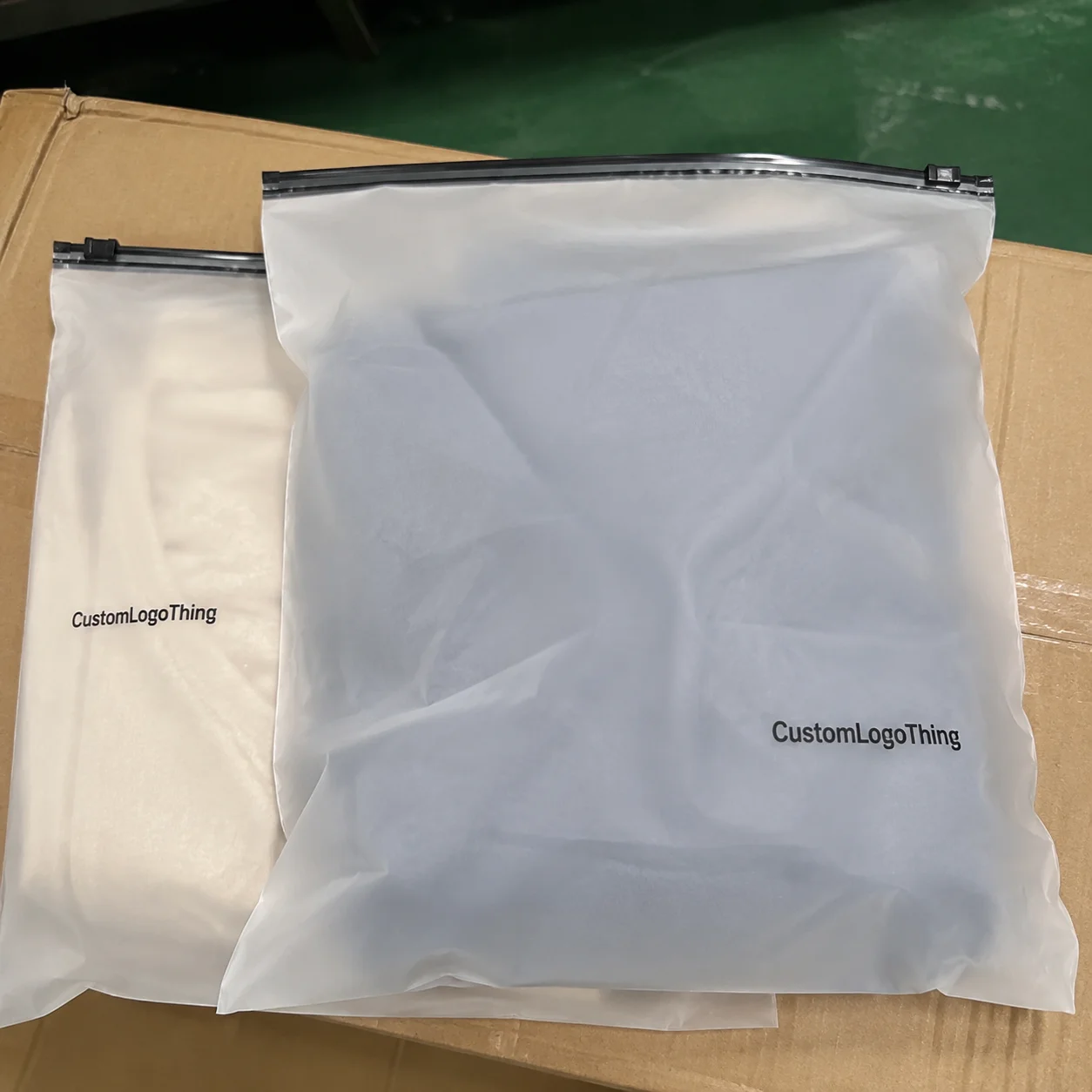
Clear does not have to mean plain. A heavier gauge can feel more substantial in the hand. A glossy polypropylene film can look crisp on a peg hook. A quiet one-color print can feel clean and clinical. Add white ink behind a logo and the branding reads sharply on transparent film. Move the zipper down slightly and the bag may display better with a hang hole above it.
Practical quoting rule: if the product is bulky, oily, fragranced, sharp-edged, or sold as a kit with multiple pieces, send photos and measurements before asking for final pricing. Those details affect film choice, seals, opening width, zipper placement, and unit cost.
The sections below cover material choices, specifications, pricing factors, MOQ realities, artwork checks, lead time, and the project details Custom Logo Things needs to prepare a quote that reflects real production requirements rather than a rough product name.
Printed Clear Zipper Bag Materials for Beauty Packaging
Most custom clear zipper bags for cosmetics are made from clear polyethylene, polypropylene, or a laminated structure. Each material has a different feel and performance profile. Polyethylene, often listed as PE or LDPE, is flexible, economical, and forgiving for everyday cosmetic samples, sponges, refill packs, and lightweight kits. Polypropylene, often PP or OPP-based, usually gives a crisper, glossier look that works well in retail displays. Laminated films are used when the bag needs more stiffness, improved barrier performance, or a more polished shelf presentation.
Beauty packaging has a narrow balance to hit. The film should be clear enough to show the product cleanly, but durable enough that it does not scuff, stretch, cloud, or puncture during filling, shipping, and retail handling. A flat sheet mask bundle may only need a lighter structure. A brow tool with pointed ends, a jar-and-spatula kit, or nail accessories with rigid corners may need a heavier gauge and stronger side seals.
Film thickness is often discussed in mils, with one mil equal to one-thousandth of an inch. The right range depends on the product, but buyers should think beyond the number. Two bags can share a similar thickness and still feel different because of resin type, film clarity, stiffness, surface finish, and how the zipper is attached. If perceived quality matters, physical samples are usually more useful than a spec sheet alone.
Zipper selection changes both the customer experience and the cost. A press-to-close zipper is common, cost-effective, and reusable for products the customer may open more than once. A slider zipper improves convenience, especially on larger amenity kits or travel packs, but it adds material and assembly cost. A heat seal above the zipper, tear notch, or tamper-evident feature can help control the first opening, which some retailers and sampling programs prefer.
Print options range from minimal to highly branded. One-color logo printing works well for lean launch budgets or clean cosmetic packaging. Two or three spot colors can increase shelf presence without covering the bag. Larger ink areas, full graphics, or white ink backing improve opacity, especially where small type, pale logos, or regulatory copy must stay readable on clear film.
- Hang holes: Common for peg display; round and sombrero-style holes are typical depending on fixture requirements.
- Bottom gussets: Useful for thicker kits, jars, or multi-piece sets that need the bag to hold volume or sit more evenly.
- Rounded corners: A cleaner hand feel with less snagging, especially for promotional beauty kits and mailer inserts.
- Write-on panels: Helpful for batch numbers, shade IDs, salon use, back-bar organization, or sample tracking.
- Recycle marks and warning copy: Used where appropriate based on material, bag size, and selling channel.
Material recommendations depend on product weight, fragrance exposure, possible oil contact, sharp applicators, filling method, shipping conditions, and whether the bag is primary packaging, secondary packaging, or part of a larger kit. If distribution testing is required, standards from organizations such as ISTA can help frame transit performance expectations, although many small beauty bags are specified through product fit review, handling checks, and pack-out testing rather than full lab testing.
Specifications We Need Before Building Your Quote
A useful quote starts with specifications, not guesswork. The basic inputs are finished bag width, finished bag height, bottom gusset size if needed, zipper location, hang hole preference, film thickness or target feel, order quantity, print colors, artwork coverage, and packing method. Miss one or two of those details and the first estimate may change after proofing.
Measure around the actual product. That sounds simple, but it is one of the most common quoting problems. A jar, mini tube, sponge, or tool bundle creates thickness inside the bag, and that thickness changes the opening width, zipper stress, and final fit. A 5-inch by 7-inch flat measurement may be fine for a sheet mask set and too tight for a travel-size cleanser with a cap, even if both products look similar in a photo.
Finished size also affects filling speed. If the opening is barely large enough, hand packing slows down and a co-packer may reject the specification or charge more labor. Leave enough clearance for the product to load cleanly without forcing the zipper, bending the bag, or scraping printed areas during insertion.
Film thickness usually lands in a practical range based on the item. Lighter films may be suitable for flat samples, mask packs, or lightweight applicator refills. Heavier films are usually better for dense accessories, reusable kits, salon retail packs, or products handled often at checkout displays. Buyers often compare samples by hand because a small difference in stiffness can change the perceived quality more than expected.
Artwork placement deserves early attention. Keep critical copy away from the zipper seal area. Avoid placing small text where the product blocks it. If the product is dark, patterned, or irregular, a white ink layer behind the logo or type can improve legibility. Barcodes need enough quiet zone and contrast to scan correctly, so they should never be treated as decoration.
Compliance copy should be identified before layout. Ingredient labels, country of origin, suffocation warnings, retailer-required statements, batch codes, recycle marks, and barcode placement can all affect bag size and print area. Custom Logo Things can help flag layout concerns, but regulatory responsibility depends on the product category, selling market, and retailer requirements.
| Specification | Why It Matters | Typical Buyer Detail to Send |
|---|---|---|
| Finished size | Controls material use, fit, seal stress, and carton packing | Width x height, plus gusset if needed |
| Film thickness | Affects durability, hand feel, clarity, and unit cost | Target feel, sample reference, or product weight |
| Zipper style | Changes opening experience, converting steps, and price | Press-to-close, slider, or heat-sealed above zipper |
| Print colors | Drives setup, proofing, registration checks, and ink coverage cost | One-color logo, spot colors, white ink, or full graphics |
| Display feature | Impacts top area layout and converting steps | Hang hole type, header space, or no display hole |
Send product photos, existing packaging samples, previous dielines, or even a simple sketch with measurements. It does not need to look polished. A clear photo beside a ruler can save two or three revision loops, especially for beauty kits with uneven pieces.
Printed Clear Zipper Bags Quote for Beauty: Cost, MOQ, and Unit Pricing
The main cost drivers are material type, film thickness, bag dimensions, zipper style, number of print colors, total ink coverage, plate or setup requirements, order quantity, specialty finishing, packing counts, and freight. A small clear zipper bag with one-color print and a press-to-close zipper is a very different job from a larger gusseted bag with slider zipper, hang hole, white ink, and multi-color graphics.
Quantity matters because setup, proofing, production preparation, and press time are spread across the run. A larger order usually brings down unit cost. A very small custom run may look expensive per piece because the setup work is still there, even if the order uses only a modest amount of film.
MOQ depends on material, print method, bag size, and production setup. Custom-printed zipper bags generally need enough volume to justify setup and maintain consistent print quality. For a launch, ask for two or three quantity breaks: a startup quantity, a likely reorder quantity, and a higher-volume program quantity. That gives you a clearer view of where the unit cost starts to improve.
Custom Logo Things may also ask whether the first order is a market test, a confirmed retail rollout, or a recurring reorder. That context affects how the quote should be structured. A test program may prioritize lower opening cost and a simpler print. A retail program may justify a stronger film, tighter color control, better carton labeling, and more formal approval steps.
The examples below are not final prices. Artwork, film, freight, packing requirements, and production details will change the quote. The ranges show how buyers should think about cost movement.
| Example Bag Type | Possible Quantity Range | Typical Cost Factors | Pricing Behavior |
|---|---|---|---|
| Small flat clear zipper bag with one-color logo | 5,000-10,000 pieces | Light to medium film, simple print, press zipper | Lower setup complexity; unit cost improves with reorder volume |
| Medium beauty kit bag with hang hole | 10,000-25,000 pieces | Heavier film, larger size, retail display feature | Material use increases, but quantity can reduce per-piece cost |
| Gusseted clear bag with white ink and multi-color branding | 15,000-50,000 pieces | More ink, more converting steps, tighter proof review | Higher setup and material cost; better suited to committed programs |
| Slider zipper travel amenity bag | Higher custom MOQ often applies | Slider component, larger structure, packing labor | Convenience feature raises cost and may extend lead time |
A quote can change after the first estimate if the dimensions are revised, print colors are added, film gets heavier, the zipper switches from press-to-close to slider, a bottom gusset is added, carton packing changes, or expedited production is requested. That is not a sales trick. It is how custom converting works.
An accurate Printed Clear Zipper Bags Quote for beauty should include bag specifications, artwork assumptions, production quantity, estimated lead time, freight approach, and any one-time setup, plate, or tooling charges when applicable. If you are comparing vendors, compare the same structure and the same quantity. A lower unit price on a thinner film or unconfirmed print method is not the same offer.
For material and sustainability questions, the EPA recycling resources are a useful starting point, but claims printed on packaging should match the actual material and collection reality for the selling market. Recycle symbols and environmental statements need care, especially for laminated films or multi-material closures.
Artwork, Proofing, and Production Steps That Prevent Delays
A smooth custom bag order follows a clear sequence: confirm specifications, review artwork, prepare the proof or dieline, approve print placement, schedule production, print and convert the bags, inspect quality, pack cartons, and ship. Each step has a purpose. Skipping details early usually creates delays later.
Vector artwork is best for logos, small text, icons, and clean edges. Files such as AI, EPS, or properly built PDF artwork are usually easier to prepare for production than low-resolution PNG or JPG files. High-resolution raster images may be acceptable for certain graphics, but they need review before production because fuzzy edges on a computer screen can become very obvious on clear film.
Clear-film proofing has its own behavior. Artwork viewed on a white monitor background does not always translate to transparent material. A pale pink logo may disappear over a beige sponge. Black type may be readable until the product sits behind it. White ink can be printed as a standalone design color or used as a backing layer under other colors so the graphic holds its shape and contrast.
Barcodes deserve a separate check. They need adequate size, contrast, and quiet zone, and they should sit on a flat area rather than crossing a zipper ridge, gusset fold, or heavy product curve. If a retailer requires a specific barcode grade or placement, share that requirement before proofing.
Most delays come from ordinary details: missing finished dimensions, low-resolution logos, unapproved barcodes, late copy changes, unclear zipper orientation, or uncertainty about how the product loads. Top load or bottom load matters. Zipper above or below the hang hole matters. Even carton quantity matters if the bags are being sent to a co-packer with a strict receiving process.
- Print registration: Confirms colors land where they should, especially with white backing layers.
- Zipper function: Checks that the closure opens and reseals without excessive force.
- Seal strength: Reviews side seals, bottom seals, and any heat-sealed header areas.
- Cut consistency: Keeps finished size, corners, and hang holes aligned through the run.
- Ink adhesion: Helps confirm the print can withstand normal handling and packing.
- Carton counts: Verifies bags are packed in the requested bundles or case quantities.
Approve proofs slowly enough to catch mistakes. Check spelling, shade names, barcode placement, country of origin, warning copy, logo scale, color callouts, and how the product will sit inside the bag. A five-minute proof review can prevent a full production run with the logo hidden behind a cap or the barcode sitting across a zipper ridge.
If you already have files ready, send them through Contact Us with the finished bag size and quantity. If the artwork is not final, that is fine too; just say which elements are still changing so the quote can separate firm specs from open items.
Lead Time and Turnaround Expectations for Custom Orders
Lead time starts after final specifications, artwork, proof approval, and deposit or purchase order requirements are completed. It does not start from the first inquiry email. That distinction matters for beauty launches, because one missing barcode, undecided zipper location, or unapproved warning statement can hold the job before it reaches the production schedule.
A typical custom order moves through several stages: quote and spec confirmation, artwork review, proofing, material preparation, printing, bag converting, quality inspection, packing, and transit. Simple repeat orders often move faster because the bag size, artwork, print notes, and carton counts are already established. Material availability and production capacity can still affect timing.
First-time orders often need more review. A new printed clear zipper Bags Quote for Beauty may involve checking product fit, confirming whether white ink is needed, testing barcode placement, and verifying that the bag can be filled efficiently by hand or at a co-packer. If a sample or pre-production proof is required, build that into the schedule instead of treating it as extra time that can be squeezed in later.
Factors that can extend turnaround include multi-color artwork, custom laminated structures, high-volume runs, specialty zippers, bottom gussets, retailer compliance review, added testing, or freight constraints. A slider zipper bag with a custom header and full print coverage should not be planned like a basic one-color flat zipper bag.
For launches, allow extra room for product fill checks, retailer photography, influencer kits, shelf resets, and seasonal promotions. Missing a ship date can cost more than choosing a slightly better production plan at the start. If the arrival date is firm, provide the required in-hand date, destination, quantity, and your approval availability up front. That lets production and freight options be evaluated honestly.
Schedule advice: if three teams need to approve the proof, name the final decision-maker before proofing starts. Packaging delays often come from approval routing, not the press or converting line.
Next Steps to Request an Accurate Beauty Bag Quote
Requesting a clear zipper bag quote is easier when the information is organized. You do not need every answer before reaching out, but the closer the specs are, the more accurate the pricing will be.
- Product type: Lip mask, facial sponge, brow tool, nail accessory, sample set, jar kit, tube kit, or salon retail item.
- Finished bag dimensions: Width, height, and gusset if needed, preferably measured around the real product.
- Estimated quantity: Launch quantity, expected reorder quantity, and any higher-volume target.
- Film preference: Flexible PE, crisper PP, heavier gauge, laminated structure, glossy feel, or sample reference.
- Zipper style: Press-to-close, slider, heat-sealed above zipper, tear notch, or tamper-evident feature.
- Print details: One-color logo, spot colors, white ink, barcode, warning copy, shade names, or full artwork.
- Special features: Hang hole, rounded corners, bottom gusset, write-on panel, header area, or recycle mark.
- Packing requirements: Bundle counts, carton quantities, co-packer instructions, or retailer routing needs.
- Shipping details: Destination, delivery deadline, and whether freight speed is flexible.
Photos are especially helpful if the product is bulky, sharp, oily, fragranced, or sold as a kit with multiple pieces. A brow tool may need protection at the tip. A fragranced sample may need a structure that handles scent exposure better. A jar kit may need more room at the zipper than the flat dimensions suggest.
Decide what the bag is supposed to do. Is it only protective secondary packaging? Does it need to be retail-ready and hangable? Should the customer reuse it? Does the pack need a premium cosmetic feel, or is it meant for efficient sample distribution? Purpose affects material, finishing, print coverage, and cost.
Custom Logo Things can review your specifications, flag sizing or artwork issues, and prepare a practical quote based on intended use rather than guessing from a product name alone. If you are ready to price a launch or reorder, send the details through Contact Us and include any artwork, product photos, and deadline notes you already have.
To move forward with a printed clear zipper bags quote for beauty, send the artwork, quantity, dimensions, product details, shipping destination, and target in-hand date so the quote can be built around real production requirements. No hype needed. Just the right specs to quote, sample, approve, produce, and reorder with fewer surprises.
FAQ
What information do I need for a printed clear zipper bags quote for beauty products?
Provide the finished bag size, product type, order quantity, film preference, zipper style, print colors, artwork files, hang hole or gusset needs, shipping destination, and required delivery date. Photos or samples help confirm whether the bag needs extra thickness, a wider opening, stronger seals, or a different zipper position.
What affects the cost of custom clear zipper bags for cosmetics?
Cost is mainly affected by bag size, material structure, film thickness, print colors, ink coverage, zipper type, order quantity, setup requirements, specialty features, packing method, and freight. Higher quantities often reduce unit cost because production setup is spread across more bags.
Can clear zipper bags be printed with white ink for beauty branding?
Yes. White ink is commonly used on clear cosmetic packaging to make logos, small type, barcodes, and color graphics more readable. It can be printed as a standalone color or used as a backing layer under other colors, depending on the artwork and opacity target.
What MOQ should I expect for printed zipper bags for beauty kits?
MOQ depends on the material, print method, bag size, zipper style, and production setup, so it should be confirmed during quoting. If you are testing a new launch, ask for pricing at more than one quantity so you can compare startup cost against lower unit cost at higher volume.
How long does production take after approving a custom clear zipper bag proof?
Turnaround depends on the bag structure, print complexity, quantity, material availability, and production schedule. Lead time generally begins after final specs, artwork approval, and order requirements are complete, so early proof review and fast approvals help prevent delays.
For quote support, artwork review, or sizing guidance, send your project details through Contact Us.