Printed Hang Tags for Bakery Packaging Factory Audit Questions
Most buyers notice the box first and the hang tag later, which is exactly how small errors survive until a factory audit turns them into a problem. Printed Hang Tags for bakery Packaging Factory Audit questions usually expose the awkward parts of a job: traceability, legibility, lot control, and whether the copy on the tag actually matches the approved pack.
That matters on a seasonal cookie line, a private-label pastry tray, or a retail bakery pouch with a strap tag attached. The pack may look clean on shelf, but if the barcode will not scan, the lot code is missing, or the stock spec is vague, the audit team can still stop the release. Print is rarely the hardest part. The paperwork, proof trail, and version control are what usually break.
For buyers, the useful question is practical: what will the factory ask, what should you ask back, and which answers actually move the job toward approval? That is the real value of Printed Hang Tags for Bakery packaging factory audit questions. A clear brief reduces rework and keeps the tag aligned with the rest of the branded packaging system, whether the job also includes product packaging, retail packaging, or custom printed boxes.
A tag that looks good but cannot be traced back to the approved spec is not an asset. It is a delay with a hole punched in it.
If you are building a broader order, the matching pieces often sit beside Custom Packaging Products and Custom Labels & Tags. The point is not to buy more components. The point is to keep the system consistent across every pack format.
What Factory Audits Actually Check on Hang Tags
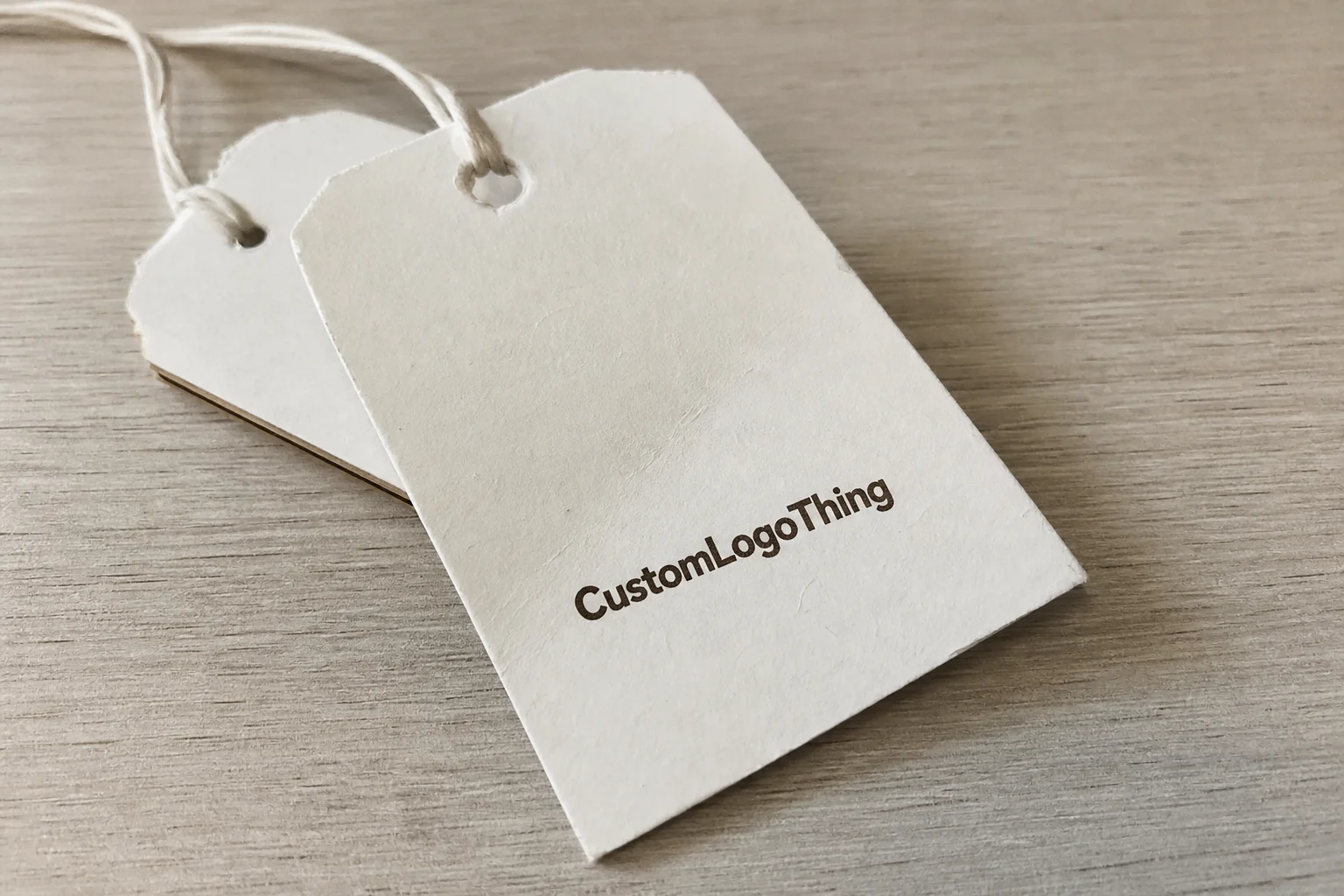
Factory audits usually begin with documents, not visuals. The team checks whether the tag matches the approved artwork, whether the printer can trace the batch, and whether the content supports the claims on the pack. That includes product name, flavor, ingredients, allergen notes, origin statements, barcode quality, and any seasonal or promotional language that marketing approved. In other words, the tag is part of the compliance record, not just decoration.
Buyers often confuse marketing approval with production approval. Those are different gates. Marketing may approve copy because it reads well. The factory wants to know whether the copy is printable, readable at the final size, and linked to the correct SKU. A bakery line with six flavors and three language versions can become messy fast if the naming convention is loose. One misread proof, and someone spends half a day separating which cookie gets which tag.
For a seasonal cookie line, the audit focus is usually traceability. Which lot did this tag belong to? Was the approved proof used? Did the barcode scan at the sample stage? For a private-label pastry pack, the concern shifts toward consistency. Does the tag match the retailer-approved package branding across cartons, inserts, and shelf units? If the answer is no, the buyer is the one explaining why the pallet is on hold.
Attachment method and tag size matter more than many spec sheets admit. A 90 x 50 mm tag with a small punched hole behaves differently from a 120 x 70 mm tag with a reinforced eyelet. If the tag swings into sealing jaws, catches on a flow-wrap edge, or slows down packing, it fails operationally even when the artwork is perfect. Practical packaging design matters as much as visual design.
Audit teams also look for evidence that the supplier understands the line environment. Bakery packs often see grease, chilled storage, stacked cartons, and repeated handling. A tag that survives a desktop proof but curls in a humid packing room is not production-ready. If the tag is part of a ship-ready set, testing against an ISTA-style transit profile is sensible, not extravagant. Distribution stress is where weak stock choices and weak finishes show up.
For teams that need a standards reference, groups such as Packaging & Processing Professionals and ISTA are useful starting points. They do not replace a buyer’s spec, but they do help frame handling, transport, and shelf-stress questions in a way a factory can answer.
Materials, Ink, and Finish Specs That Hold Up
Stock choice is where many bakery buyers stay too vague. “Nice paper” is not a spec. Use the wrong board, and the tag curls, scuffs, or looks dull next to the rest of the package branding. The right choice depends on handling, shelf life, and whether the tag sits beside grease-prone bakery packaging or chilled product packaging.
There is a practical baseline. Coated board in the 300-400 gsm range gives sharper print and stronger color density for retail packaging. Uncoated paper in the 250-350 gsm range works better if the tag needs to be written on by hand or stamped with variable data. Recycled paper can support a cleaner sustainability story, but the fiber mix and finish need confirmation before the buyer promises anything. If an FSC claim matters, use material that can support it and verify the paperwork through FSC.
Ink and finish matter just as much. Standard offset or digital ink can be fine for dry storage, but bakery environments are not always dry. Moisture, chilled displays, and repeated handling expose weak finishes quickly. Aqueous coating helps against light scuffing. Soft-touch lamination looks premium, but it adds cost and can show wear marks if the tag rubs against a carton stack. Spot varnish can highlight a logo or flavor name, though it will not rescue a poor layout. If the tag will brush against corrugated boxes, ask for abrasion testing aligned to ASTM-style rub checks instead of relying on assumptions.
Food-safety-adjacent questions come up often. The tag is usually not direct food-contact material, but it still sits close to the product and gets handled on the line. That means the buyer should ask about ink migration risk, dusting, shedding, and whether the string or eyelet could contaminate outer packaging. If the bakery line is high speed, simple attachment often performs better than decorative extras. A paper string or cotton loop usually works better than a heavy metal eyelet unless the tag must survive rough handling.
The brief should spell out the details that factories need to quote and audit against:
- Board weight: 250-400 gsm, depending on stiffness and finish.
- Print method: digital for short runs, offset for larger volumes and tighter color control.
- Bleed: 3 mm minimum, or 1/8 inch if the supplier works in imperial units.
- Barcode standard: confirm symbol size and quiet zone before print.
- Attachment: hole punch, reinforced eyelet, string, or adhesive, depending on pack format.
- Finish: matte, gloss, aqueous, or lamination based on scuff risk and handling.
If the order involves transport testing, pallet movement, or warehouse stacking, the sample should be checked against the real pack, not just on a flat proof sheet. That is one of the places where Printed Hang Tags for bakery packaging factory audit questions stop being theoretical and start affecting production.
Cost, Pricing, and MOQ Factors Buyers Should Expect
Pricing for bakery hang tags is not mysterious. It is a stack of predictable cost drivers dressed up as a quote. The main levers are stock grade, print coverage, color count, finishing, variable data, and whether the tag needs custom tooling. Add one extra ink color or a special cut, and the price moves. Add three SKUs for three flavors, and the admin cost moves too.
The part buyers dislike hearing is also the part that matters most: small runs are expensive per unit because setup costs have nowhere to hide. Once the order size grows, the unit price usually falls because fixed work gets spread out. That does not mean over-ordering is smart. It means asking for pricing at multiple quantities so the breakpoints are visible instead of guessed.
| Order Profile | Typical Spec | Estimated Unit Price | What Drives the Cost |
|---|---|---|---|
| Short run | 1-2 colors, 300 gsm coated board, simple hole punch | $0.22-$0.48 | Setup, proofing, and low quantity spread |
| Mid run | Full-color print, matte aqueous, standard die cut | $0.08-$0.18 | Print coverage, finishing, and batch size |
| Higher volume | Consistent artwork, no variable data, simple packaging | $0.05-$0.12 | Economy of scale and faster press efficiency |
| Premium spec | Soft-touch lamination, foil, eyelet, or multi-SKU versioning | $0.18-$0.40 | Extra finishing steps and tighter QC |
MOQ pressure is real. One SKU is manageable. Three flavor variants with different allergen statements are not. If the order also needs different languages, retailer codes, or seasonal graphics, the project gets harder to quote because the factory has more versions and more proof checks to manage. That is why a clean spec sheet helps more than a long email thread.
Ask for a quote breakdown. You want to see setup, plate or file preparation, proofing, printing, finishing, packing, and freight if it is included. If the supplier hides everything in one number, you cannot tell whether the cheaper quote is actually efficient or just missing painful line items. For a buyer comparing package branding across tags, labels, and custom printed boxes, the comparison only works if every vendor prices the same way.
A sensible range for a standard bakery hang tag order is often 8,000 to 15,000 pieces with a proof and one finishing step. Smaller artisan runs climb quickly because the setup still has to happen. That is not a trick. It is print math.
Production Steps and Turnaround: From Proof to Ship
The cleanest projects follow the same sequence every time: brief, artwork check, proofing, material selection, sampling if needed, production, finishing, quality control, packing, and shipment. Skip one step, and the risk tends to show up later, usually after the line is already waiting. People call that a surprise. It usually means discipline was skipped earlier.
The biggest delay is almost always artwork. Final copy is not final if legal is still reviewing allergen text or origin claims. A proof is not approved if the size changed after the barcode was checked. If the buyer changes from matte to soft-touch after approval, the schedule shifts because the factory has to reset production. That is not a factory problem. That is a change-order problem.
For standard jobs, many suppliers can turn around approved hang tags in 8-12 business days. Custom die cuts, metallic foil, variable data, or unusual packaging can push that to 12-18 business days. If the run needs a sample or pre-production proof, add time for that too. Talk in business days, not vague promises. “Soon” is not a schedule.
Fast-track work is possible, but only within limits. Simple printing can be compressed if the stock is available and the artwork is clean. Legal review, test scans, and extra finishing cannot be rushed without taking on quality risk. Responsible suppliers push back a little for a reason. They are keeping the job out of reprint territory.
Shipment testing should not be an afterthought. If the tag is part of a packed set, the order should be checked in a shipping context that resembles the real route. ISTA-style thinking helps because vibration, stacking, abrasion, and handling are not theoretical once the goods leave the plant. A tag that survives a desk review but fails in a carton does not help anyone.
Milestone communication keeps the buyer in control. A useful schedule sounds like this: proof in 48 hours, sample in 3-5 business days if required, production start after approval, and ship date after QC. That gives the buyer something concrete to manage and exposes drift early, before the bakery line is staring at an empty pallet and a stack of excuses.
Common Mistakes That Blow Up Audit Approval
Most audit failures are boring. Not dramatic. Just boring and expensive. Missing bleed. Low-resolution artwork. Barcode contrast too weak. Claims that were never verified. Die lines that changed between versions. None of these are subtle, and yet they keep showing up because someone rushed or assumed the factory would fix the file. They will not fix your copy.
Another common problem is failing to define pass/fail criteria before ordering. Buyers sometimes approve a proof based on appearance, then reject the finished tags because the gloss feels different or the hole position is off by a small amount that was never specified. If a tolerance matters, define it. If it is not defined, the supplier will work to their standard process, which is exactly what they should do.
Testing on the real bakery pack matters. A tag that behaves fine on a flat table may fail on a cold pouch, a greasy wrapper, or a flexible tray stack. Packaging design is not only about artwork. It is also about how the tag hangs, rubs, bends, and reads in the actual packing environment. That matters especially for product packaging that uses sleeves, wraps, or mixed-material retail packaging.
If the approved proof is the only thing you checked, the plant will eventually teach you the rest.
Last-minute content changes are another budget killer. Even a tiny edit can trigger another proof, another signoff, and another shift in lead time. If the tag also needs variable data, the change can create a mismatch between the version in the file and the version on the line. That is how a cheap fix turns into a messy hold.
Finally, do not order hang tags in isolation if they must sit inside a broader brand system. The tag should match the carton, pouch, label, and any insert card. If the tone, color, or finish is off, the whole package branding system feels patched together. Buyers notice. Retailers notice faster.
Next Steps for an Audit-Ready Hang Tag Brief
Before you request quotes, lock down the basics: final size, board grade, finish, attachment method, print count, claim copy, barcode artwork, and any compliance documents that apply. If the bakery line has strict retailer, distributor, or internal audit requirements, ask for a sample or pre-production proof instead of relying on a screen image. Screen images are cheap. Reprints are not.
Then compare at least two supplier quotes on the same specification sheet. Same stock. Same finish. Same quantity. Same version count. That is the only fair way to compare pricing and lead time. Otherwise you are not comparing suppliers. You are comparing paperwork styles.
It also helps to decide early whether the tag is just a functional identifier or part of the marketing story. A simple utility tag can stay plain and cost-effective. A premium tag that supports shelf presence, brand color, and texture should be designed with the rest of the system in mind, especially if the line also uses branded packaging, stickers, inserts, or custom printed boxes.
If you need a reference point for proofing or lead-time questions, the broader FAQ page can handle some of the standard issues. The real work still belongs in the brief: make the spec clear, verify the claims, and match the tag to the actual pack flow.
That is why Printed Hang Tags for bakery packaging factory audit questions are easiest to answer when the buyer arrives with a clean brief, a real sample, and no loose assumptions. Do that, and the factory audit becomes a production step. Skip it, and you get a delay with a hole punched in it.
What should I ask about printed hang tags for bakery packaging factory audits?
Ask what stock, ink, finishing, and attachment options are available for your specific bakery pack. Confirm what proofing steps the supplier uses before production starts. Request clear lead time, MOQ, and quote breakdown details before approving anything.
How do printed hang tags for bakery packaging factory audit questions affect pricing?
They expose the real cost drivers, including setup, tooling, finishing, and variable data. They help you compare quotes on the same specs instead of comparing apples to a mystery box. They reduce rework, which is usually where the budget gets quietly damaged.
What proof should a bakery supplier provide before printing hang tags?
A print proof that shows size, layout, copy, and barcode placement. Material and finish confirmation if the tag needs to survive humidity or handling. A sample or pre-production reference when the order has strict audit requirements.
How fast can bakery hang tags move through production?
Standard turnaround depends on proof approval, stock availability, and finishing complexity. Simple jobs move faster; custom stocks, special inks, or variable data add time. Any artwork changes after approval usually push the schedule back.
What details help a bakery hang tag pass a retailer audit?
Legible text, readable barcodes, and claims that are supported by approved copy. A consistent print spec that matches the rest of the packaging system. A tag size and attachment method that do not interfere with packing or shelf display.