A skincare bottle can look complete and still underperform if the tag feels flimsy, vague, or hard to read. Buyers comparing Printed Hang Tags for skincare launches wholesale pricing factors are usually weighing more than unit cost. They are deciding whether the tag improves shelf presence, clarifies the product story, and speeds assembly without creating problems later in the launch cycle.
Hang tags are small, but they do several jobs at once. They can frame ingredient claims, signal scent or texture, carry usage notes, and give a launch a more deliberate retail appearance without changing the primary pack. In beauty packaging, that kind of compact information density is valuable because the first glance often decides whether a product feels premium or rushed.
For Custom Logo Things, the most practical way to evaluate tags is to define the job first, then price the spec. That keeps the discussion tied to stock, finishing, quantity, and turnaround instead of getting stuck on a single headline number that does not reflect the full order.
Why hang tags affect skincare launch sell-through
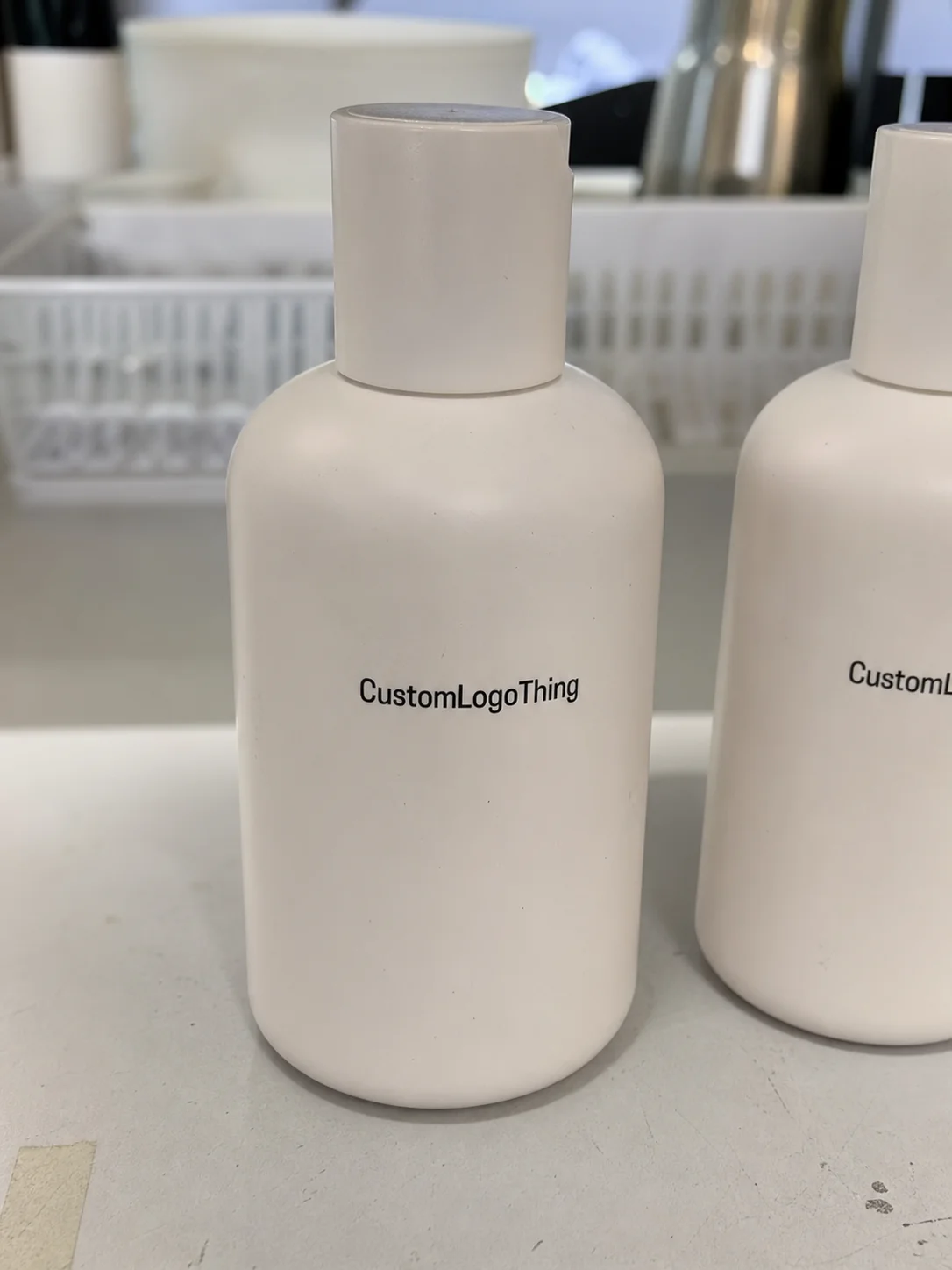
On crowded shelves and in unboxing videos, a hang tag often acts like a mini sales sheet, a compliance note, and a brand cue at the same time. That is a lot for one piece of printed stock, which is why a clear, well-built tag can change perception faster than a dense carton panel or a buried insert.
Skincare launches use tags for practical reasons. A brand may want to explain a hero ingredient, flag the product type, add scent notes, or give a simple routine cue. In launch kits, influencer mailers, gift sets, and retail SKUs, the tag is often the first readable surface after the outer pack. If it feels considered, the product feels more finished.
There is also a budget argument that gets overlooked. A better tag spec can reduce waste, reprints, and emergency ordering later in the launch cycle. That matters because last-minute corrections are expensive, especially if artwork changes after proof approval or if material and finishing capacity have already been reserved.
Most skincare buyers underestimate how quickly small print details affect conversion. A tag with one clear message, one proof point, and one clean callout usually reads better than a crowded tag trying to say everything at once. The goal is not decoration alone. It is to make the product easier to understand in three seconds.
- Retail SKUs: need quick legibility, brand recall, and clean merchandising.
- Launch kits: usually need a more premium feel and a stronger narrative.
- Influencer mailers: benefit from concise messaging and easy assembly.
- Gift sets: usually need a tag that ties multiple pieces into one story.
Printed hang tag formats, materials, and finish options
Tag format changes both perception and cost. A single-sided card is the simplest path. Double-sided cards give more room for claims, directions, or QR codes. Folded tags and booklet-style tags make sense when the product needs more than one message layer, though they add folding and assembly time. Die-cut shapes can help a serum, mask, or facial oil stand out, but they usually require custom tooling.
Common structures buyers request
For most beauty launches, the practical options are straightforward: flat cards, folded cards, reinforced hang tags with a punched hole, and multi-panel formats. A reinforced hole is worth asking for if the tag will hang on ribbon, cord, or a narrow loop. It reduces tear risk, especially when the pack is handled repeatedly during fulfillment.
Material choice matters just as much. Coated art paper gives sharper image reproduction and a more polished finish. Uncoated kraft or textured stocks feel warmer and more natural. Heavier SBS or cardstock often works well for prestige skincare because it holds structure and feels substantial in the hand. If a brand uses Custom Labels & Tags across multiple SKUs, keeping stock families consistent can make the line look more intentional and reduce the chance of color drift between products.
Finish tradeoffs that affect budget
Matte and gloss are the baseline. Soft-touch lamination adds a velvety feel that buyers often associate with premium skincare, but it adds cost and can slow production. Foil stamping, spot UV, embossing, debossing, and edge painting all elevate the presentation, yet each one adds setup, handling, and quality-control steps. More finish layers usually mean more opportunities for variation, so the supplier needs tighter press management.
Sustainability choices can be built into the spec rather than treated as an afterthought. FSC-certified paper is widely requested for beauty packaging, and it should be backed by proper chain-of-custody documentation from the supplier. For brands that track recycled or recyclable claims, it helps to confirm the exact material structure before artwork is approved. A solid reference point is the FSC standard itself at fsc.org.
There is no universal best combination. A clean uncoated card may be the right answer for an ingredient-led brand. A foil-accented soft-touch tag may be the better fit for a prestige serum launch. The right decision depends on price point, channel, and how much visual competition the product faces.
Specifications that change performance and print quality
Size is one of the first decisions that affects both readability and cost. Common tag sizes include compact cards for small bottles, longer cards for body care, and custom die-cuts for limited editions. A tag should fit the bottle or carton footprint without blocking the primary label. If it is too small, the message gets cramped. If it is too large, the tag starts competing with the package instead of supporting it.
Artwork prep needs to be precise. Most print vendors want CMYK files, Pantone references where color matching matters, 0.125-inch bleed, and a safe zone that keeps text away from trim edges. If the tag includes a barcode or QR code, the code should be placed far enough from folds, holes, or heavy graphics to avoid scanning issues. A QR code that scans poorly is not a design detail; it is a production miss.
Attachment and assembly details
The hole style affects production speed and final durability. Round holes are common. Slot holes can work better for ribbon or elastic. If tags are being tied by hand, string choice becomes part of the spec because thicker cords can slow assembly and increase labor. For larger launches, that labor adds up quickly. Buyers sometimes focus on the print quote and forget the packing line cost, which is a mistake.
Regulatory copy needs discipline. If the tag carries usage instructions, warning language, distributor details, or region-specific claims, those lines should be reviewed before print release. For skincare, ingredient declarations often follow INCI naming conventions, and any claim language should be checked against the market in which the product will sell. If the tag is meant to carry compliance content, treat it like packaging copy, not advertising copy.
Proofing should happen in layers. Start with a digital proof for layout and copy. Then request a material sample so you can judge feel, reflectivity, and print absorption. If color is critical, ask for a press check or a hard proof. That extra step can prevent a batch from looking too warm, too dull, or too saturated once it lands.
Lowest unit price and lowest landed cost are rarely the same thing. A quote that excludes setup, finishing, freight, or hand assembly can look good on paper and still miss the budget once the full launch run is scheduled.
Printed hang tags for skincare launches wholesale pricing factors
Printed Hang Tags for skincare launches wholesale pricing factors are usually easy to trace once the spec is clear. Quantity is the biggest driver because setup cost gets spread across more pieces. Material thickness comes next. Then come print sides, color count, finish complexity, custom die-cuts, and any assembly or packing work the supplier has to do before shipment.
That is why wholesale pricing improves in steps rather than linearly. A 1,000-piece run may carry a much higher unit price than a 5,000-piece run because the press setup, cutting, and finishing work do not change much with volume. Once you pass a certain threshold, the per-unit math starts to make more sense. Buyers who only ask for one quantity often miss the best pricing band.
| Option | Typical MOQ | Typical wholesale price range | Best use | Main tradeoff |
|---|---|---|---|---|
| Standard 16pt matte card | 1,000 to 2,500 | $0.18 to $0.32 per unit at 5,000 | Retail basics, launch inserts, simple SKU tags | Less premium feel |
| Soft-touch with one foil accent | 2,500 to 5,000 | $0.42 to $0.85 per unit at 5,000 | Prestige skincare, gift sets, elevated launch kits | Longer turnaround, higher setup cost |
| Custom die-cut with spot UV | 3,000 to 5,000 | $0.55 to $1.10 per unit at 5,000 | Hero products, limited editions, campaign drops | More tooling and tighter proof control |
MOQ is not one fixed number. It depends on the print method, the stock, the finish, and whether custom tooling is required. A plain cardstock tag may have a lower minimum than a foil-stamped, custom-shaped piece. If a supplier can quote several volume breaks, you can see where the real wholesale savings begin. That is the more useful way to compare Printed Hang Tags for skincare launches wholesale pricing factors across vendors.
Ask whether the quote includes prepress, sampling, freight, hang-string assembly, and any plate or die charges. Those line items matter. A quote that looks 12 percent cheaper can end up more expensive once setup and shipping are added. The cleanest comparison is a landed-cost comparison, not a headline unit-price comparison.
Hidden costs usually come from four places: rush schedules, art revisions after proof approval, split shipments, and color changes between batches. Any one of those can erase the savings from choosing the cheapest supplier. A buyer who watches the full cost stack protects the launch budget much better than one who only chases the lowest unit rate.
Production steps and lead time from artwork to delivery
The workflow is usually predictable: inquiry, spec review, artwork setup, proof approval, production, finishing, packing, and shipping. The problem is not the sequence. The problem is when one step is missing. Missing dielines, low-resolution files, and late copy changes are the most common causes of delay.
Lead time depends on the complexity of the order. A standard printed card usually moves faster than a tag with foil, embossing, or a custom shape. Once specialty finishing is involved, add time for setup and inspection. In practical terms, a simple job may move in about 7 to 10 business days after proof approval, while a more embellished order often needs 12 to 18 business days or more, depending on stock and queue.
Locked specifications are worth more than people think. Once the size, stock, finish, and hole style are approved, production is easier to forecast and less likely to drift into rework. That is useful for any launch, but especially for retail debuts and influencer shipments that have fixed receiving windows.
If the tags are part of a direct-to-consumer mailer, the outer pack may also need to survive shipping stress. The full package, not the tag alone, may warrant transit validation under ISTA methods. That matters because a tag that looks fine in a proof can still arrive bent, scuffed, or detached if the assembly spec was too loose.
How to request a quote that avoids rework and surprises
Good quoting starts with good inputs. Send the quantity, finished size, stock preference, finish, hole style, artwork status, delivery destination, and target date. If any of those are unknown, say so. A supplier can usually help refine the spec, but only if the starting point is honest.
For printed Hang Tags for Skincare launches wholesale pricing factors, request tiered pricing at more than one quantity. A quote at 2,500 units, 5,000 units, and 10,000 units often reveals where the pricing break actually sits. That can change the buying decision quickly, especially if the product launch is rolling out in phases or across multiple retail doors.
It also helps to ask for a sample pack or a digital mockup before you approve a larger run. A sample shows more than the art file does. You can judge paper stiffness, coating feel, color warmth, and how clean the punch or fold looks. If a supplier cannot explain those differences clearly, that is a warning sign.
Evaluation should be straightforward. Look for clear prepress communication, consistent samples, and early technical feedback. A supplier worth using will flag a barcode too close to the fold, a finish that may crack on a tight radius, or a color blend that may shift after lamination. That kind of input saves time and keeps the launch on track.
Quotes should separate production, finishing, packing, and freight. If they do not, the budget gets fuzzy fast. That level of line-item clarity is exactly why buyers often compare offers inside a Wholesale Programs framework before they approve a large beauty order.
Next steps for launch-ready hang tags and order approval
Before you approve anything, confirm the tag's purpose. Is it selling, informing, decorating, or carrying compliance content? Once that is clear, the rest of the spec gets easier to control. Then finalize dimensions, choose stock and finish, verify the required copy, and review the quote line by line.
- Gather logo files, product copy, bottle dimensions, and brand colors.
- Decide whether the tag needs a premium finish, sustainable stock, or simple production speed.
- Confirm the approval owner for artwork and the approval owner for budget.
- Request a sample or proof cycle if the order is tied to a launch date or retail receiving window.
If the tag includes FSC claims, make sure the paperwork matches the supplier's certificate status. If the launch kit must survive shipping, align the tag spec with the broader pack test plan. That is the point where procurement, design, and operations should stop working in separate lanes and make one decision together.
Once the spec is locked, printed Hang Tags for Skincare launches wholesale pricing factors become much easier to compare accurately. That is the difference between a quote that looks cheap and an order that actually performs. Buyers who control the spec early usually get better pricing, fewer corrections, and a cleaner launch.
What affects printed hang tags for skincare launches wholesale pricing the most?
Quantity is usually the biggest driver because setup costs spread across more units. Material choice, finishing complexity, and custom die-cuts also raise the unit price. Rush production, special packing, and assembly services can add to the final quote.
What MOQ is typical for custom skincare hang tags?
MOQ depends on the print method, stock, and finish rather than one universal number. Standard cardstock tags often have lower minimums than specialty foil or custom-shape tags. Ask for pricing at several quantities so you can see where the best wholesale break starts.
How long does production usually take after artwork approval?
Simple tag orders can move faster than embellished or custom-die-cut projects. Lead time depends on proof approval speed, stock availability, and finishing steps. Build extra time for sampling, shipping, and internal launch approvals.
What information should be on a skincare hang tag?
Include the brand name, product name, key benefits, and any required usage or warning copy. Add QR codes, batch references, or barcodes only if they support the launch plan or compliance needs. Keep the layout readable so the tag supports the product instead of crowding it.
Can hang tags be made from sustainable materials for beauty launches?
Yes, many buyers choose FSC-certified paper, soy-based inks, and simplified recyclable constructions. Sustainable options may affect pricing slightly, but they can support brand positioning and retailer expectations. Ask for material samples so you can compare texture, print clarity, and finish before ordering.