If you are comparing Printed Hang Tags on recycled paper, the real question is not whether they can look good. They can. The harder question is whether they can look good, survive handling, and stay inside budget without adding avoidable complexity to the quote. That depends less on the “eco” label and more on stock, print method, finish, and how disciplined the artwork is.
From a packaging buyer’s perspective, a hang tag often gets touched before the product does. That small piece of paper is quietly carrying a lot of brand weight. Recycled paper can feel earthy, clean, premium, or intentionally minimal. It can also feel underpowered if the spec is wrong. The difference is usually not the sustainability claim itself. It is the production decision behind it.
Why recycled paper hang tags change the whole first impression
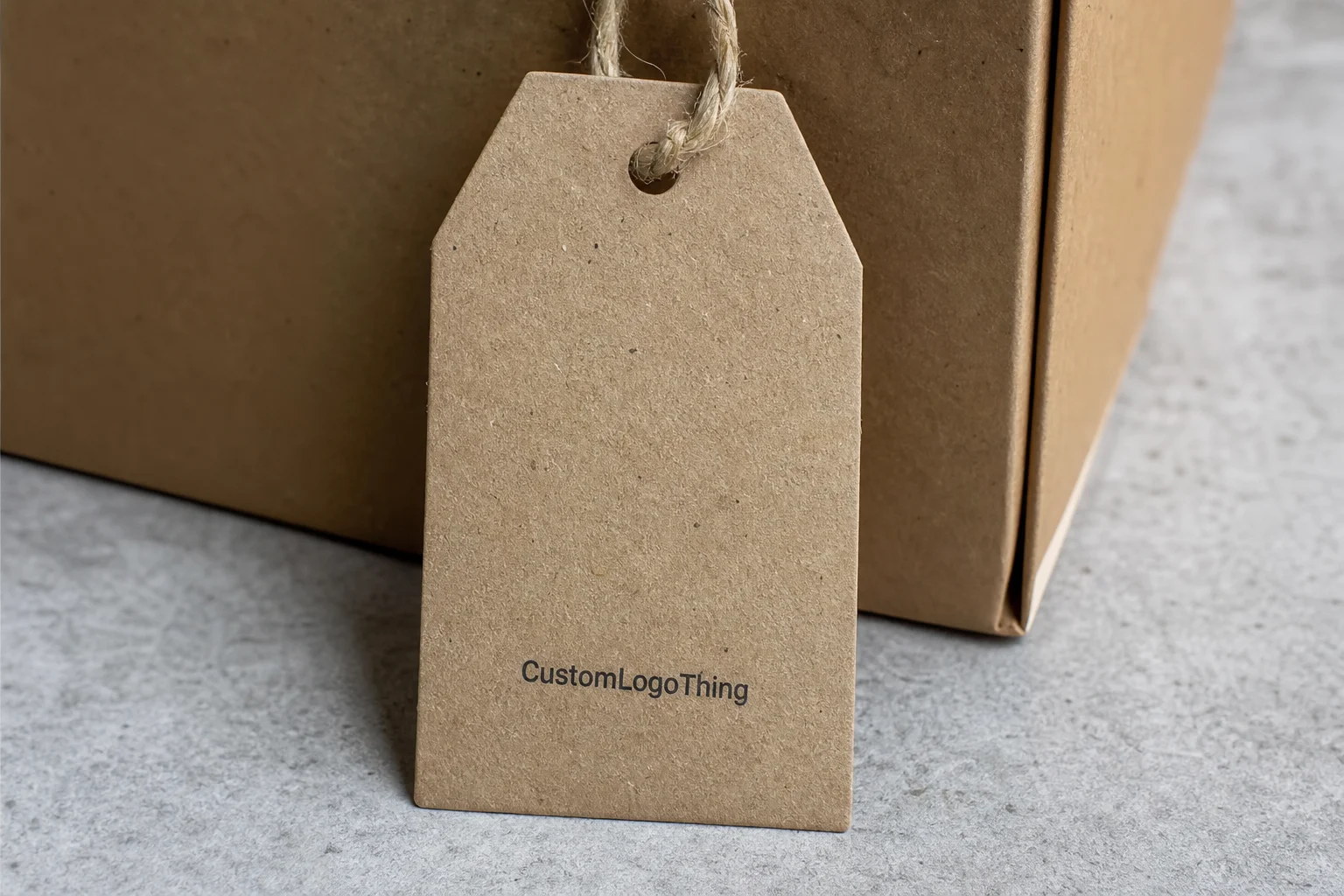
A tag usually lands in hand before the garment, gift, or accessory does. That means the stock sets an expectation immediately. If the tag feels stiff, intentional, and clean-cut, the product gets a better first read. If it feels flimsy, warped, or overdesigned, that impression follows the whole purchase.
Recycled paper does not automatically mean rough or dull. In practice, Printed Hang Tags on recycled paper can look premium when the design works with the material instead of fighting it. Neutral color palettes, restrained typography, and matte surfaces usually suit recycled stock better than glossy graphics and dense full-bleed imagery. The material wants to look natural; trying to disguise that often makes the tag weaker, not stronger.
There is also a difference between “eco-looking” and actually recycled. Buyers should ask for the paper spec, not just the phrasing on a quote sheet. Ask for recycled content percentage, whether the fibers are post-consumer waste, and whether the paper carries a relevant certification such as FSC if the project requires it. If a supplier cannot say whether the stock is 30% PCW, 100% recycled, or simply marketed as sustainable, that is a warning sign.
A lot of brands are really trying to solve a practical problem: how do you get a polished tag without paying for paper features that do nothing for the end customer? The answer is usually to spend where the eye and hand notice, not on extras that only look impressive on a quote.
“The best recycled tag is the one that looks deliberate, prints cleanly, and holds up after several touches. The worst one is the one that tries too hard to hide the fact that it’s recycled.”
For broader material and sustainability references, the EPA’s sustainable materials management resources can help teams sanity-check packaging claims and waste-related language before artwork is approved.
How recycled paper hang tags are printed and finished
The production path is simple on paper and less simple in practice. A typical job starts with file review and dielines, then paper selection, printing, cutting, hole punching, stringing or other attachment, and final packing. Each step is ordinary; the problems usually appear when a file arrives without bleed, with type too close to the edge, or with a finish that no one asked the printer to confirm.
For Printed Hang Tags on recycled paper, the print method affects both appearance and cost. Digital printing works well for smaller runs, faster turnarounds, and frequent artwork changes. Offset printing tends to be the better answer when volume is higher and the unit price needs to come down. It usually produces more stable pricing across larger batches and can handle consistency well, provided the file is built properly.
Recycled fibers change how ink behaves on the sheet. Very fine lines can soften slightly, especially on uncoated stock. Heavy color coverage can also make the tag appear darker than it does on screen. Pale gray text, thin rules, and subtle gradients are all possible, but they deserve a physical proof instead of blind confidence. That is especially true if the brand depends on a clean, restrained look.
Finishing still matters, but recycled stock changes the equation. A few common options behave well in the right context:
- Matte coating: helps reduce scuffing and keeps the surface cleaner.
- Soft-touch-style finishes: can feel premium, though they reduce the raw paper texture some buyers want.
- Embossing: works well for logos and simple marks if the sheet is thick enough.
- Foil: can add contrast, but too much of it starts to work against the recycled look.
- Spot UV: possible on some stocks, though it often feels more commercial than natural.
Batch variation is another real-world factor. Recycled paper can vary more from run to run than virgin stock, especially in shade and fiber appearance. That does not make it unreliable. It does mean consistency checks matter. If the brand needs strict color control, ask about lot variation, brightness, and whether stock can be held for the full production run.
For packaging performance and testing language, industry references such as ISTA can be helpful when tags are part of a larger retail or fulfillment system rather than a standalone print job.
Key specs that affect look, durability, and cost
Most of the difference between a polished tag and a disappointing one comes from a handful of specifications. Paper weight is first. For apparel and gift tags, 250–350 gsm is usually the practical range. Around 250–300 gsm works for lighter boutique-style tags, while 300–350 gsm gives more stiffness, better hang behavior, and less curl around the hole. Once the stock gets too light, the tag starts to feel temporary.
Surface finish is next. Uncoated recycled stock shows the fiber structure more clearly and gives the most natural feel. Smooth recycled coated papers print sharper, especially for photography or fine logos, but they can reduce the tactile quality many brands want from a recycled tag. The choice should follow the brand story, not habit or a supplier’s default recommendation.
Size and shape influence both presentation and price. Standard rectangles are usually the cheapest because they nest efficiently on press sheets and need less tooling. Custom die-cuts can look distinctive, but they add setup cost and often extend lead time. A custom shape only earns its keep if the silhouette genuinely supports the brand. If it is just decorative noise, it becomes an expensive distraction.
Ink coverage matters more than many buyers expect. Heavy backgrounds, full-bleed artwork, and layered special effects increase cost and can flatten the paper’s recycled character. In many cases, a simpler palette does better. Fewer ink passes, less waste, and more reliable color are not just cost benefits; they also improve consistency across the run.
Attachment details are easy to overlook and hard to forgive later. Hole diameter, corner radius, and the type of string or fastener all affect how the tag hangs and how it feels in hand. A 3 mm hole is common, but not universal. A bulky fastener can overwhelm a small tag, while a flimsy one makes even excellent print work look cheap. Buyers often focus on artwork and forget that hanging hardware changes the entire read of the piece.
| Spec choice | Typical effect | Best for |
|---|---|---|
| 250 gsm uncoated recycled | Lighter feel, visible texture, lower cost | Simple apparel tags, short-run launches |
| 300–350 gsm recycled coated | Sharper print, stronger rigidity, cleaner edge | Retail tags, premium presentation |
| Custom die-cut shape | Distinctive look, higher setup cost | Brand-led launches, seasonal collections |
| Minimal one- or two-color print | Lower ink coverage, cleaner recycled feel | Earthy, modern, lower-waste design goals |
Printed hang tags on recycled paper: cost, MOQ, and quote drivers
If you want a quote that actually helps, the spec needs to be exact. Paper grade, size, quantity, color count, finish, hole type, stringing, and whether the shape is standard or custom all affect the price. If those details are vague, the quote will be vague too, and that makes comparison nearly impossible.
For Printed Hang Tags on recycled paper, quantity is usually the biggest price driver. Unit cost drops quickly as setup charges get spread across a larger run. A simple rectangular tag at 5,000 pieces will often price very differently from the same design at 500 pieces. That is not a markup trick. It is how printing economics work. Comparing those two jobs as if they were interchangeable leads to bad decisions.
MOQ can be flexible, especially with digital printing and standard sizes. However, specialty paper, custom dies, foil, embossing, and extra finishing steps can push the minimum higher because the setup time rises. If a new product line is being tested, ask for both a lower-MOQ option and a scaled pricing break. That reveals where the real savings begin.
These are the main drivers that shape the number on the quote:
- Paper grade: recycled content, brightness, coating, and stiffness all affect cost.
- Size: larger tags use more material and reduce sheet efficiency.
- Color count: one- or two-color jobs usually cost less than full CMYK coverage.
- Finish: foil, embossing, soft-touch, and spot UV increase cost quickly.
- Setup: custom die lines and special tooling can add one-time fees.
- Attachment: stringing, elastic loops, and knotted cords change labor cost.
There are also quieter costs that show up after the initial price is quoted. Artwork cleanup. Proofing. Sample production. Rush charges. Setup for special processes. A cheap-looking quote can become much less attractive once those are added. That is why every comparison has to be spec-for-spec, not “looks similar enough.”
For FSC-related paper sourcing language and certification basics, the FSC website remains the cleanest reference for teams that need to document compliance or verify recycled-paper claims.
Production steps, timeline, and lead time expectations
A realistic project flow begins with briefing and artwork review, then moves through stock selection, proofing, production, finishing, and packing. Simple jobs can move quickly. Jobs with custom cutting, specialty paper, or layered finishing need more back-and-forth. That extra time is not inefficiency; it is usually the price of avoiding a mistake later.
For standard Printed Hang Tags on recycled paper, a typical timeline after proof approval is often around 12–15 business days, depending on quantity and finishing. Digital runs may finish faster. Offset jobs, custom dies, and unusual stocks can take longer. If the tags must arrive with a seasonal launch, build in cushion rather than hoping the schedule will forgive a late proof. It will not.
The most common delay points are predictable:
- Missing bleed or improper dielines.
- Artwork with low resolution.
- Color adjustments after proof review.
- Special finishes needing extra setup time.
- Waiting on recycled stock availability.
Digital proofs are useful for layout, hierarchy, spelling, and general alignment. They are not a substitute for a physical sample. If the design depends on the feel of recycled fibers, the warmth of the ink, or how a finish sits on a textured sheet, a sample or press proof is worth the cost. That small expense often prevents a much more expensive reprint.
If the tags need to coordinate with retail display, fulfillment timing, or product photography, leave time for in-hand review. A one-week buffer is modest insurance. Two weeks is better when the launch schedule is fixed and there is no room for recovery.
Common mistakes that make recycled tags look cheap
Most poor recycled tags are not ruined by the paper itself. They are ruined by the decisions around it. Thin stock is the obvious problem. If a tag curls, tears, or bends too easily, the whole package looks underbuilt. Saving a few cents per unit is not much of a bargain if the tag weakens the product’s first impression.
Another common mistake is using a dark full-bleed background and expecting the recycled texture to remain visible. It rarely does. Heavy coverage tends to flatten the stock’s character and make small inconsistencies stand out more. If the goal is a natural look, the paper needs room to show through.
Legibility fails more often than people admit. Tiny type, low contrast, cramped layouts, and too much information in too little space turn the tag into clutter. A hang tag is not a brochure. It needs to work quickly. Brand name, product name, size or price if relevant, and perhaps a short material note are often enough.
Skipping sample review is another expensive habit. Recycled paper can print warmer, duller, or rougher than expected. Sometimes that is exactly the effect a brand wants. Sometimes it clashes with the rest of the packaging. Discovering that after a full run is a costly way to learn what the stock actually does.
Then there are the details people tend to leave for later:
- Barcode placement too close to a fold or edge.
- Price space that disappears once the layout is finalized.
- Hole placement that makes the tag hang crooked.
- An attachment that looks polished in a mockup but awkward in real use.
Expert tips for a better recycled-paper tag without overspending
Use the paper texture instead of fighting it. That is the simplest rule and the one most often ignored. Recycled stock already has visual character. It does not need to be buried under multiple gradients, metallic frames, and dense blocks of copy to prove the design team made an effort.
Keep the color palette tight. One or two strong colors usually print more cleanly, cost less, and stay more consistent from run to run. They also let the recycled texture read as intentional rather than accidental. If a design needs more colors, every added color should justify its presence.
Choose one finish. Not three. A single strong effect, such as embossing on a heavier sheet or a restrained foil logo on matte stock, usually looks better than stacking finish on finish until the tag starts to feel overworked. The most expensive-looking tag is not always the one with the most effects.
Test a short run if the tags need to coordinate with different SKUs or colorways. A tag that works on one garment color may look too cool, too warm, or too busy on another. Real-world lighting, shelf placement, and fabric tone change the perception far more than a design file does.
Ask for production-minded feedback early. A designer may like a hairline rule or a tiny cutout. A printer may tell you it will break, smear, or disappear after cutting. That feedback is not resistance. It is how a project stays printable. It is also the difference between packaging that feels designed and packaging that feels repaired. The same thinking applies whether the order is a small run or part of a larger Custom Labels & Tags package.
Next steps for ordering recycled paper hang tags
Before requesting quotes, write down the exact spec list: size, stock type, thickness, print sides, finish, quantity, and attachment style. Precision speeds up the quoting process and makes supplier comparisons honest. Two jobs that look similar on a screen can behave very differently in production.
Prepare clean artwork with proper bleed, safe margins, and a clear information hierarchy. A hang tag usually needs the brand mark, product details, and any required pricing or sustainability language. Keep the layout readable at arm’s length. That is a better test than zooming in on the file and admiring the vector work.
Request one quote at the ideal spec and another at a simplified version. That shows where the money is actually going. Sometimes the custom shape is worth it. Sometimes the only finish anyone notices is the logo. Sometimes the simpler version is functionally identical and saves enough to matter.
Ask for a proof or sample if the recycled texture, color, or finish needs approval before a full run. That matters even more when packaging has to coordinate across product lines, retail channels, or a launch calendar with no spare time. A tag should support the rollout, not become the part that delays it.
If you are planning printed hang tags on recycled paper for a launch, build the schedule around approval, production, and shipping together. Packaging, tags, and fulfillment should land in the same window. Otherwise the product arrives ready while the tags are still sitting in production.
Are printed hang tags on recycled paper durable enough for apparel?
Yes, if the paper weight is chosen correctly. For most apparel use, 250–350 gsm is the practical range. Uncoated recycled stock can hold up well, but if the paper is too light it may curl or tear around the hole. Heavier stock or a smoother recycled option usually improves stiffness and hanging behavior.
Do recycled paper hang tags print as sharply as standard paper tags?
They can, but the recycled texture and fiber content may soften very fine detail. Bold type, strong contrast, and simple layouts usually print best. If the design depends on ultra-fine lines, tiny text, or heavy background coverage, a physical proof is the safer choice.
What affects the price of printed hang tags on recycled paper the most?
Quantity, paper weight, size, print coverage, and finishing are the biggest drivers. Custom shapes, specialty inks, and extra setup steps can raise the price quickly. Simple rectangular tags on standard recycled stock are usually the most budget-friendly option.
How long does production usually take for recycled paper hang tags?
Standard production often takes around two weeks after artwork approval, depending on quantity and complexity. Special finishes, custom dies, or stock sourcing can add time. Rush orders may be possible, but they usually cost more and leave less room for proof changes.
Can I get a low MOQ for recycled paper hang tags?
Often yes, especially with digital printing and standard sizes. Specialty papers, custom dies, or complex finishes may require a higher minimum order quantity. If you are testing a new product, ask for a lower-MOQ quote and a scaled-up price break so you can compare both paths properly.