Custom Hang Tags for Skincare Launches: Sample Approval
For Custom Hang Tags for skincare launches prototype sample approval, the real test is not the artwork file. It is the physical piece: how the tag hangs on a curved bottle, whether the hole placement survives a narrow neck, how the coating reacts under retail lighting, and whether the print still feels consistent with the rest of the packaging. A mockup on screen can hide a lot. A prototype sample usually does not.
That matters because a hang tag is doing more than identifying a SKU. It often carries brand hierarchy, product claims, ingredient cues, or a price tier signal. If the stock feels too light, the tag reads cheaper than the rest of the line. If the finish is too reflective, copy becomes harder to read. If the die-cut is off by a few millimeters, the tag twists, and the whole presentation looks less controlled than the brand intended.
Sample approval is the point where the team stops talking about the design and starts evaluating the object. Dimensions, board weight, color, coating, attachment method, print quality, and legibility all need to line up before bulk production begins. For skincare launches, that step protects shelf presentation, launch timing, and margin. Skipping it is usually expensive in ways that show up later.
What Sample Approval Really Means
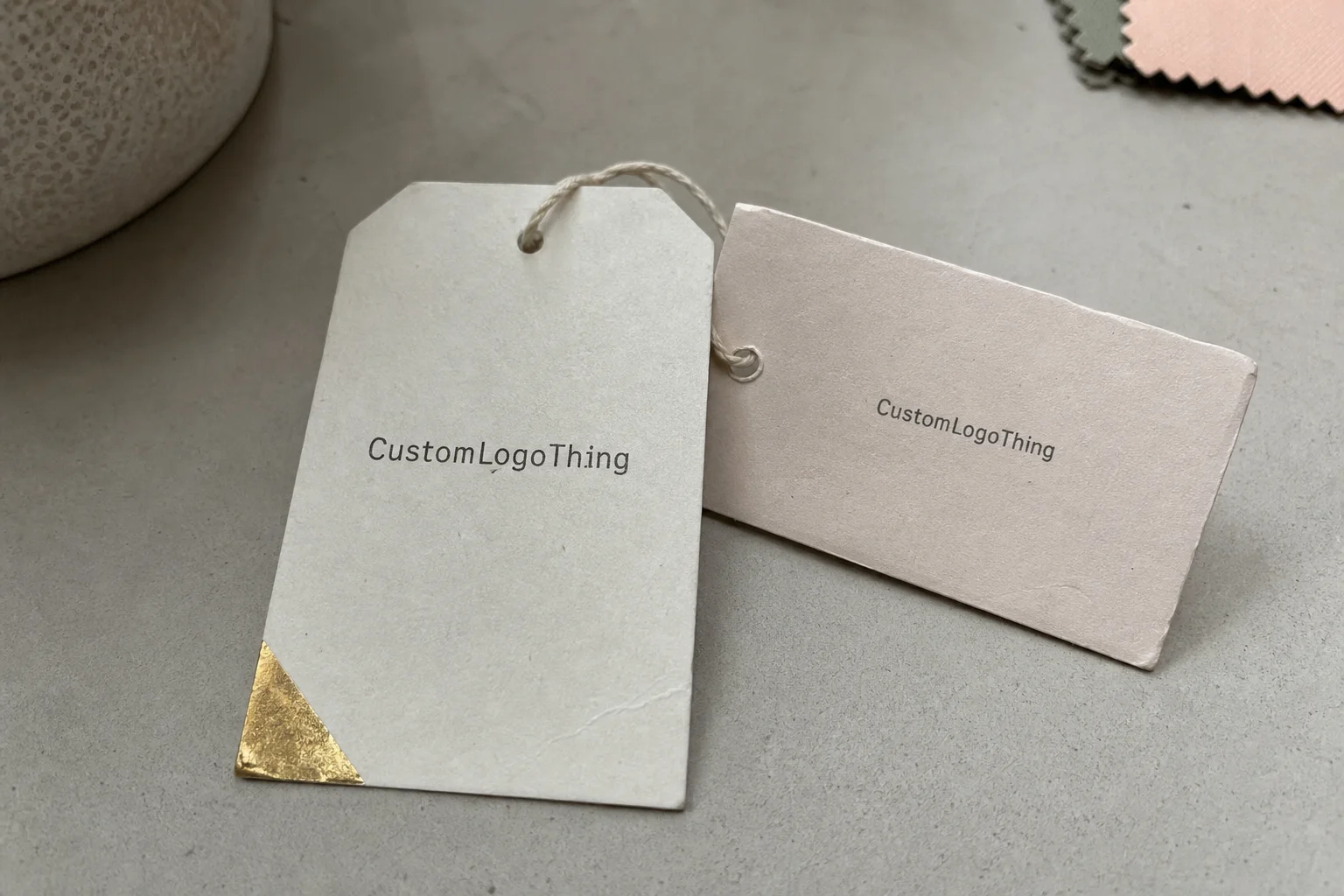
Sample approval is the buyer’s final check on the actual tag before the run is released. It confirms whether the prototype matches the brief in the ways that matter: size, hole location, fold behavior, ink density, finish, string or fastener choice, and how the tag reads beside the product itself. For custom Hang Tags for Skincare launches prototype sample approval, this is the gate that keeps a small spec error from becoming a full production problem.
The gap between design intent and physical output is easy to underestimate. A tag can look premium in a PDF and still feel wrong once it is attached to a bottle. Sometimes the issue is weight. Sometimes it is proportion. A simple square tag can look too broad on a slim serum tube, while a narrow tag can disappear on a larger jar. Skincare buyers usually care about three things at once: visual polish, readable information, and line consistency. Those priorities can clash fast.
That is why the sample has to be judged as a retail object, not as a design file. Check it on the actual container. Use the actual closure. View it in ordinary light. Hold it at the distance a shopper would. If it is a seasonal launch, test it against the other products in the set. If the tag carries claims, the hierarchy needs to work for compliance review as well as marketing review.
Practical rule: approve the sample the way a retailer sees it, not the way a designer sees it on a monitor.
That sounds basic, but it is where many launches lose time. A team may approve a lovely looking tag that proves awkward once attached. A better sample often exposes those issues early, when changing the die line or adjusting the stock still costs far less than reprinting a full run.
Prototype to Approval
The workflow is usually straightforward, though the handoffs matter more than the labels suggest. A buyer sends the artwork and spec. The supplier confirms or builds the dieline. Prepress checks bleed, trim, safe area, image resolution, and any finishing notes. Then comes either a digital proof or a physical prototype sample. After review, the team sends comments, confirms revisions, and signs off on the final version.
Simple jobs can move quickly. A standard rectangular tag on coated board can often be reviewed in a short cycle if the artwork is locked and the specs are clean. Custom shapes, foil, embossing, soft-touch coating, and multi-SKU color variants add time. Each one increases the number of variables the team has to verify. If the tag must align with a narrow neck band or an unusual closure, the approval window usually needs to be longer than the marketing calendar expects.
Digital proof and physical sample solve different problems. A proof confirms content and layout. A prototype sample confirms stiffness, curl, opacity, coating behavior, and how the attachment behaves once it is actually on the pack. Screens do not reveal whether a tag swings too much, catches on a pump, or blocks a product claim panel. Physical samples do.
Backward planning is safer than forward guessing. Start from the retail launch date, then subtract production time, transit time, internal review, and a buffer for revisions. A delay of a few days in proofing can turn into a longer delay if it collides with a press queue, a rework cycle, or a compliance review that needs another pass. For launches with fixed retailer windows, that margin matters.
A useful benchmark is to treat the sample round as part of the schedule, not as a favor from the supplier. Many teams also align the tag with other packaging elements, such as cartons and labels, so the line looks coordinated instead of assembled from separate decisions. When that coordination is missing, the shelf set usually feels less deliberate than the brand strategy promised.
If the launch includes broader packaging work, coordinate the calendar as one system. A late tag approval can delay cartons, and a carton delay can cascade into label and fulfillment timing. That is common on launches where several SKUs share one campaign and each variant has its own copy changes.
For testing shipping and handling stress, many packaging teams refer to ISTA methods. For sourcing claims tied to responsible fiber, FSC is the usual reference point. Neither replaces the sample, but both help anchor the conversation in recognized standards.
Cost, Pricing, and MOQ Tradeoffs
Pricing for Custom Hang Tags for skincare launches depends on a short list of variables, and most of them are predictable. Size matters. Stock choice matters. Print coverage matters. So do die-cut complexity, finish, attachment method, and whether the tag needs front-and-back variable copy. A small, rectangular tag on coated stock prices very differently from a shaped tag with foil, embossing, and a matched cord or string.
MOQ changes the unit cost quickly. A lower run usually carries a higher price per piece because setup, tooling, proofing, and make-ready are spread across fewer tags. That is normal. It becomes more noticeable when a launch includes several SKUs with separate scent names, shades, or skin-type variants. Each version may need its own file setup or a color adjustment, and those changes show up in the quote.
There are also costs that sit outside the headline number. Custom die tooling can be a separate line item. Sample shipping is another. Rush fees appear when the approval window gets squeezed. Color correction may be needed if the artwork was built without solid Pantone references. None of these are surprising to an experienced supplier, but they often surprise the buyer who only compared the base unit price.
| Option | Typical Use | Approximate Unit Cost | Approval Impact |
|---|---|---|---|
| Standard coated stock, 1-color or 4-color print | Entry skincare line, simple claims, fast launch | $0.08-$0.16 at 5,000 pieces | Lower risk, fewer variables, faster signoff |
| Premium board with matte or gloss finish | Mid-tier retail packaging with stronger shelf presence | $0.14-$0.24 at 5,000 pieces | Moderate review complexity, usually one extra check |
| Soft-touch, foil, emboss, custom die-cut | Luxury or prestige skincare | $0.22-$0.45 at 5,000 pieces | More sample rounds, tighter tolerance, slower approval |
Those numbers are directional, not a quote. Supplier location, run size, finishing stack, and packaging structure all shift the price. The point is that premium-looking tags cost more not only because the materials are richer, but because they take more time to verify. A board with three finishes and a custom shape is more demanding to approve than a plain tag with standard print.
A good budget check is to ask for three versions: the exact spec, a simplified spec, and a higher-quantity version. That gives a clearer picture of where the cost bends. It also reveals whether the quote is being driven by setup, materials, or finish complexity. For custom printed packaging, the lowest initial quote is not always the lowest total cost.
Material and Finish Choices
Substrate choice changes how the tag feels in hand and how it reads on shelf. Coated paper gives sharper print and denser color. Uncoated stock feels more tactile and can suit clinical, natural, or ingredient-led positioning. Recycled board supports a lower-impact story, although it may shift color slightly and can require a different ink approach. Heavier premium board adds stiffness and usually feels more controlled when the tag hangs from the pack.
Finish matters just as much. Matte reduces glare and often reads better under bright store lighting. Gloss deepens color and can make imagery stand out more strongly. Soft-touch gives a velvety surface that many prestige skincare brands prefer, but it also changes how the eye reads the color in person. Foil can elevate a tag quickly, though it raises the tolerance bar on alignment and print accuracy.
The finish has to match the positioning. A retinol serum, a clean-beauty moisturizer, and a luxury cream should not use the same visual language unless the line strategy is very broad. A clinical range usually works best with restraint: clear typography, generous spacing, and a cleaner board choice. A premium line can support richer contrast and more finish, but too much embellishment can make the tag feel disconnected from the product itself.
Readability is part of shelf appeal. If the tag carries ingredient callouts, usage notes, a barcode, or a QR code, the hierarchy needs discipline. Leave enough quiet space around machine-readable areas. Keep small type legible. Avoid putting critical copy over busy art. Retail buyers notice that immediately, and shoppers notice it without naming why the pack feels crowded.
Attachment decisions deserve the same attention. A string can twist. An elastic loop can mark soft packaging. A plastic fastener can clash with an eco-focused brand story. Hole placement matters more than many teams expect. Too close to the edge, and the stock can tear. Too far inboard, and the tag hangs awkwardly. That is why prototype review should always happen on the actual pack, not just on a flat table sample.
Step-by-Step Sample Approval
A clean approval process saves time later and makes the final decision easier to defend. For Custom Hang Tags for Skincare launches prototype sample approval, these five checkpoints cover the points that usually cause avoidable rework.
- Verify the dieline on the actual pack. Check trim, fold, hole placement, and footprint on the real bottle, jar, tube, or carton. A file can be technically correct and still awkward in hand.
- Review print, copy, and compliance together. Separate hard errors from preference edits. If the INCI list, barcode area, or claim text is wrong, fix that first. If someone wants a stronger gold or a larger logo, record that separately.
- Compare the sample against a brand checklist. Include tone, tactility, color, legibility, and retail fit. If the line is meant to feel minimal, the tag should not suddenly look ornate.
- Document the signoff. Name the approver, note the version, and write down any conditions if the sample is approved with exceptions. That matters later if a replenishment needs to match the launch run.
- Lock the sample as the reference. The production team should work from the same benchmark the buyer approved. If that reference is unclear, the next lot may drift.
Digital proofing is enough only when the work is simple and the risk is low. Once the tag has a specialty finish, a custom shape, or a tight fit around the packaging, a physical prototype sample is worth the extra step. That is especially true for branded packaging where the hang tag has to align with labels, cartons, and any other elements on the shelf set.
Inspect the sample under at least two lighting conditions. Daylight-style light and warm retail light can reveal very different issues. Color shifts, glare, and gloss level often become visible only once the piece is attached and viewed from a shopper’s distance. The same sample can feel balanced on a desk and slightly off on a shelf mockup.
Common Approval Mistakes
The costliest mistake is approving before the artwork is final. If the copy is still moving, the sample signoff is temporary at best. The result is familiar: the team approves one version, then changes a shade, then adjusts a claim, then edits the finish, and the schedule resets. That churn can be avoided with one locked brief.
Color drift is another recurring problem. A monitor can make almost anything look clean and accurate, especially if it is uncalibrated. The printed sample tells the truth. If color is critical, use Pantone references instead of vague descriptions like “warm beige” or “deep green.” Those labels help people talk, but they do not control output.
Small structural issues are easy to overlook. A tag that curls at the edge, swings sideways, blocks part of a claim, or sits too close to a closure can still fail in market even if the print quality is strong. The same is true for tags that feel oversized on narrow packaging. “Close enough” is a poor standard for shelf work.
Responsibility gaps also create delays. If marketing thinks procurement is approving the sample, procurement thinks compliance has it, and compliance is waiting for final artwork, the project can sit untouched. One owner, one backup, one written path. That is usually enough.
Changing materials after approval causes more trouble than many teams expect. A different stock weight or coating changes stiffness, opacity, gloss, and sometimes color appearance. Once that happens, the previous approval no longer describes the production item. For custom Hang Tags for Skincare launches prototype sample approval, the approved sample should match the final spec exactly. Anything else weakens the value of the signoff.
Expert Tips for Faster Signoff
If the team is deciding between two papers or two finishes, ask for side-by-side samples. Paper specs help, but touch and light response settle the argument faster than a spreadsheet. Stiffness, sheen, edge quality, and surface feel become obvious in seconds. That often saves a second round of comments.
Build a launch checklist before the sample arrives. Include color target, legibility, attachment method, regulatory copy, barcode placement, and how the tag reads in a product photo. Skincare launches are judged in retail and online, so the tag has to work in both settings. Something that looks elegant in person but cluttered in photography still creates a problem.
Keep one master approval file with dated notes, version numbers, and the final physical spec. Basic, yes. Common, no. Without that record, a replenishment can drift slowly from the approved version, and the packaging inconsistency tends to show up only after the launch is already in market.
Test the tag against the actual product under store-like lighting. Office lighting is not a substitute. Contrast, gloss, and attachment behavior all change once the tag is on the pack and viewed from a normal shopping distance. That simple check catches more issues than most teams expect.
For procurement teams, the smartest final move is to treat custom hang tags for skincare launches prototype sample approval as the last hard gate before the print run. Once the sample is approved, lock the spec, confirm the supplier has the same version, and tie that reference to the purchase order. That discipline protects the launch better than a long email thread after the fact.
FAQ
How many prototype rounds are normal for skincare hang tag approval?
One digital proof plus one physical prototype is common when the artwork is locked and the structure is simple. A second physical round is more likely if the tag uses foil, embossing, a custom die, or an unusual attachment method. Approvals move fastest when all stakeholders comment at the same time instead of one by one.
What file details speed up sample approval?
Send vector artwork, outlined fonts, correct bleed, and a clear safe area around all critical copy. Include Pantone references, image links, and notes for specialty finishes so the sample matches the intended look. Barcode placement, regulatory copy, and final dimensions should all be part of the brief, not added later in email.
How does MOQ affect pricing on custom hang tags for skincare launches?
Lower quantities usually raise unit cost because setup and tooling are spread across fewer pieces. Multiple SKU versions can push pricing up if each version needs its own setup or color adjustment. Simplifying the finish stack or consolidating artwork can lower the quote without weakening shelf presence.
What timeline should I expect from prototype to approved sample?
A simple proof cycle can move quickly, while physical samples take longer because they require setup, production, and shipping. Specialty finishes, custom shapes, and revision rounds add time fast. For a launch with a fixed retail date, build buffer time for compliance review and last-minute artwork corrections.
Which materials and finishes are easiest to approve first?
Standard coated or uncoated stocks with matte or gloss finishes are usually easier to approve than heavily embellished options. Soft-touch, foil, and embossing can look strong, but they often need more testing to confirm color and texture. The easiest first approval is usually the option that fits the packaging goal with the fewest variables.
For most skincare brands, the better decision is not the flashiest finish. It is the spec that fits the product, the shelf, and the schedule, then proves itself through a sample the whole team can trust. That is the practical value of custom hang tags for skincare launches prototype sample approval: fewer surprises, cleaner handoffs, and a production run that matches the brand promise instead of revising it.


