Buyer Fit Snapshot
| Best fit | Printed Jar Sleeves with Logo projects where brand print, material claims, artwork control, MOQ, and repeat-order consistency need to be specified before quoting. |
|---|---|
| Quote inputs | Share finished size, material target, print colors, finish, packing count, annual reorder estimate, ship-to region, and any compliance wording. |
| Proofing check | Approve dieline scale, logo placement, barcode or warning zones, color tolerance, closure strength, and carton packing before bulk production. |
| Main risk | Vague material claims, crowded artwork, missing packing details, or unclear freight terms can make a low unit price expensive after revisions. |
Fast answer: Printed Jar Sleeves with Logo: Branding That Fits should be specified like a repeatable production item. The safest quote records material, print method, finish, artwork proof, packing count, and reorder notes in one written spec.
Production checks before approval
Compare the actual filled-product size with the drawing, then confirm tolerance on folds, seals, hang holes, label areas, and retail display edges. Reserve space for logos, QR codes, warning copy, and material claims before decorative graphics fill the panel.
Quote comparison points
Review material grade, print process, finish, sampling route, tooling charges, carton quantity, and freight assumptions side by side. A quote is only useful when the supplier can repeat the same color, closure quality, and packing count on the next order.
Printed jar Sleeves with Logo do more than sit on a container. They give a plain jar a face, and on shelf that face has about three seconds to do its job. If the pack reads fast, looks intentional, and survives real handling, it earns attention. If it does not, it gets ignored. Retail is brutally unromantic like that.
What printed jar sleeves with logo do on the shelf
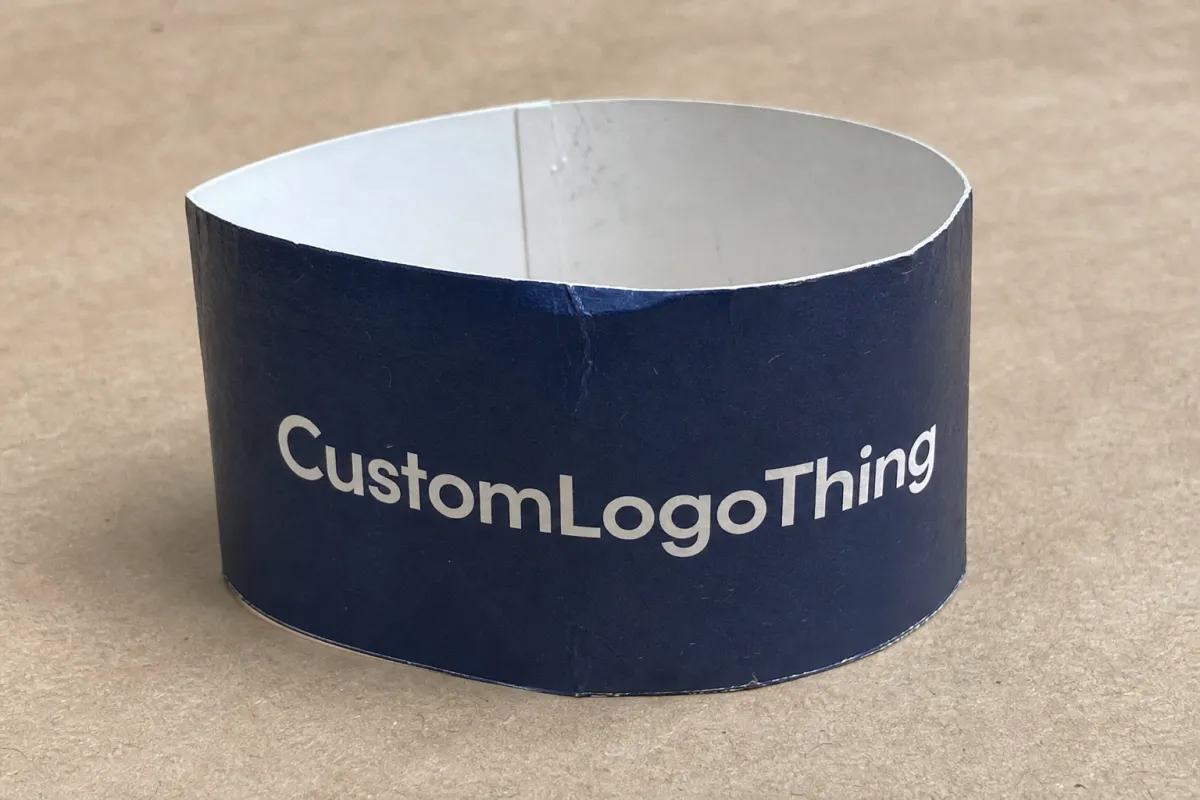
A plain jar can be perfectly functional and still feel unfinished. Add printed jar sleeves with logo, and the same container starts to look more deliberate, more giftable, and easier to recognize in a crowded aisle. That matters because shoppers scan fast. If the package does not signal what it is, they move on. They rarely stop to admire your restraint.
This is not only decoration. A sleeve can carry the brand mark, flavor cues, ingredient notes, usage details, and a cleaner premium look on a jar that may not offer much flat space. A front label only covers part of the job. A wraparound sleeve gives the design room to breathe, which means the copy stops fighting for space and starts working as a system.
From a buyer’s standpoint, that extra surface area solves several problems at once. It supports visibility and organizes information without turning the jar into a wall of text. Curved containers always make layout a little awkward. The body bends, the shoulder interrupts, the cap steals room, and suddenly the label area on the drawing is not the label area on the actual jar. Funny how geometry keeps winning.
That is why sleeve planning should begin with the container, not the artwork file. A jar with a steep shoulder, a tapered wall, or a short body needs a sleeve built around those limits. Artwork that looks balanced on a screen can turn cramped once it wraps glass or plastic and runs into a closure, seam, or molded ridge. The best-looking mockup in the room is still wrong if it ignores the jar.
The strongest sleeve designs usually do three things well:
- They identify the product quickly on shelf.
- They support the brand story with color, type, and finish.
- They hold up during handling, shipping, and display.
A sleeve earns its space only if it reads fast, fits the jar cleanly, and still looks good after someone has picked it up twice.
If your team is still sorting out the visual direction, a few general packaging references such as Packaging.org can keep the conversation grounded. The useful part is not glossy mockups. It is the basics: structure, graphics, and how a shopper actually sees the package in the wild.
How printed jar sleeves with logo are made and applied
The workflow looks simple on paper. The sleeve is designed around the jar body, printed on the right stock, cut to shape, and finished so it fits the container cleanly. The details change based on material. Paper wrap sleeves, laminated paperboard, synthetic film, and other constructions all behave differently once they hit a real jar. That is where the neat diagram stops being helpful.
Application also changes with volume. Small runs are often placed by hand. That makes sense when the quantity is modest or when the jar shape is still being tested. Larger runs usually move through semi-automated or automated equipment so placement stays consistent and labor does not get ugly. No one enjoys discovering that “quick launch” means two people standing at a table all afternoon trying to line up seams by eye.
Straight-sided jars are the easiest case. The sleeve can sit cleanly with little adjustment. Lightly tapered jars need more care because the top and bottom edges wrap at different diameters. That difference can skew graphics or make the design look pinched. Jars with shoulders, ridges, or a pronounced neck are even trickier, because those features change both the visible area and the way the sleeve settles on the body.
The production path usually follows a familiar sequence:
- Measure the jar body and confirm the usable wrap area.
- Review the dieline and artwork layout.
- Approve a digital proof or physical sample.
- Print the sleeves on the chosen substrate.
- Add finishing such as lamination, spot UV, foil, or die cutting if specified.
- Inspect the batch for registration, color, cut accuracy, and fit.
- Pack for shipment with application instructions if needed.
That final inspection step is where a lot of projects save themselves. A sleeve can look great on press and still fail once it lands on the jar. The seam might sit slightly off. The die line might be too tight. The jar might have more taper than the sample suggested. Half a millimeter on paper becomes visible fast once it wraps glass under store lights.
Some sleeves are mostly decorative. Others do a real job in the field. They add surface durability, a bit of moisture resistance, or a better feel in the hand. The right call depends on the product. A dry pantry item has different needs from a chilled sauce, a cosmetic balm, or a candle that will get handled repeatedly before it sells.
If the jar is going into food, personal care, or any product with regulated labeling, the sleeve should not be treated like a decorative afterthought. Confirm where the legally required text will live before the design is final. It is much easier to build in barcode space and panel hierarchy on the first round than to explain why a reprint is suddenly needed because the copy block was too ambitious.
Key factors that affect fit, durability, and design
Start with the jar body. Not the mockup. Not the label area on a sketch. Measure the diameter, height, taper, shoulder shape, and the distance from the top edge to the cap. Those numbers control how much usable space the sleeve actually has. If the product line includes more than one jar size, put every dimension in one sheet before design starts. A sleeve that works on a 120 ml jar may look wrong on a 240 ml version.
Fit is where sleeve projects either behave or become a long-term annoyance. A sleeve that is too tight can buckle at the seam or pucker around the curve. One that is too loose can shift during packing, shipping, or retail handling. On smooth glass, even a small shift can make the logo look off-center under the cap. Shoppers may not explain what looks wrong, but they notice it anyway.
Material choice comes next. Paper-based sleeves suit brands that want a natural, artisanal, or pantry-friendly look. Film or synthetic options make more sense when moisture resistance, scuff resistance, or cold-chain handling matters. If the brand wants a more elevated feel, a laminated paper stock with matte or soft-touch finishing can add weight without changing the jar itself.
Finish changes the read faster than most teams expect. Matte calms reflections and makes type easier to read under retail lighting. Gloss pushes color harder, though it can also pick up glare. Soft-touch lamination adds a velvety feel, but it is not a magic answer for wet or high-abrasion settings. Foil and spot UV can bring attention to a logo or a flavor marker, but they need restraint or the jar starts looking busy. Nobody needs a jar that yells from three aisles away.
Readability matters as much as style. Curved surfaces distort small text. A sleeve that looks elegant on a render can become hard to read once ingredients, directions, claims, and barcodes compete for space. Leave room for the copy that has to be there. Keep quiet zones around the barcode. A crowded sleeve is not a better sleeve just because it feels full.
For brands that want a more structured view of packaging behavior, the broader testing guidance at ISTA becomes useful once distribution enters the picture. If the jar will move through a distributor, ride in mixed cartons, or travel through a warehouse before retail display, test the filled package under transport stress. A lot of sleeve failures start long before the product reaches the shelf.
A practical way to compare sleeve materials is to look at what each one handles well, and where it tends to fall apart.
| Material or finish | Best use | Typical strengths | Watch-outs |
|---|---|---|---|
| Paper-based sleeve | Natural foods, spices, candles, gift jars | Warm look, good print quality, often economical | Less tolerant of moisture and repeated scuffing |
| Laminated paper sleeve | Retail jars that need a cleaner premium finish | Better surface protection, stronger color depth | Higher cost, needs tighter proofing around glare |
| Film or synthetic sleeve | Chilled products, humid environments, high handling | Moisture resistance, good durability | Can feel less natural, may cost more per unit |
| Soft-touch or specialty finish | Premium retail jars and gift sets | Tactile feel, stronger shelf presence | Adds cost, can show wear if handling is heavy |
If sustainability claims matter, ask whether the paper stock is FSC-certified and whether the supplier can document the chain of custody. That does not answer every environmental question, but it gives the buyer clearer traceability and a stronger basis for the claim set. If the supplier cannot explain the source of the material, that is a useful warning sign all by itself.
Printed jar sleeves with logo: cost, pricing, and MOQ basics
Cost usually comes down to a short list: sleeve size, print coverage, number of colors, material type, finish, and whether the job needs custom converting or unusual cut geometry. A small sleeve with one color on paper stock sits in a very different pricing bucket from a large wrap with foil, heavy ink coverage, and a soft-touch laminate.
Minimum order quantity, or MOQ, is where first-time buyers often get surprised. It is not random. It reflects setup time, waste allowance, and the reality of producing enough units to keep the per-piece cost reasonable. Very low quantities are sometimes possible, but the unit price usually climbs because the setup work gets spread across fewer sleeves.
For budgeting, ranges help more than wishful thinking. Exact pricing will move with the jar dimensions and visual complexity, but these bands are a reasonable starting point for planning.
| Run size | Typical per-unit range | What it usually means | Best for |
|---|---|---|---|
| 500-1,000 pieces | $0.30-$0.80 | Higher setup cost per sleeve | Testing, launches, small gift runs |
| 2,500-5,000 pieces | $0.14-$0.35 | Balanced pricing for many brands | Seasonal retail, e-commerce, regional rollout |
| 10,000+ pieces | $0.08-$0.22 | Setup is spread across more units | High-volume retail programs |
Those numbers are only a guide. A small sleeve with light ink coverage can price very differently from a large wrap with metallic accents, complex die cutting, or multiple artwork versions. Ask whether the quote includes artwork support, proofing, sample production, packaging, and freight. A low unit price can stop looking attractive once all the extras show up.
Ask how many jar sizes the quote covers too. A common mistake is getting a decent price for one container and then discovering the product family needs three dielines, three proofs, and three approval rounds. If the brand plans to scale, it is usually cheaper to plan the family structure early and keep the visual system consistent across sizes.
Some suppliers price by coverage and finishing rather than by the sleeve alone, so the cleanest comparison comes from asking for like-for-like quotes. Use the same substrate, the same print process, the same finish, the same quantity, and the same number of SKUs. Without that discipline, the cheapest quote on paper can turn into the most expensive one after revisions and add-ons appear.
One more practical point: low MOQs can be useful for pilot programs, but they can also hide a false sense of security. If a small batch works only because the press team baby-sat the run, that does not mean the same result will hold at scale. Ask whether the quote was built for a real production run or a sample-level order. Those are not the same thing, even if the invoice tries to pretend otherwise.
Process and timeline for printed jar sleeves with logo
A clean process saves time later. The best projects start with discovery: What is the jar? What is the product? How many units are needed? Will the sleeve sit on a filled jar, an empty jar, or a package that might face refrigeration, shipping vibration, or heavy hand contact? Those answers shape everything that follows.
Once the jar is measured, the design team can build around the actual body dimensions instead of around a guess. That is where a physical sample jar matters more than a screenshot. A jar with a slightly taller shoulder or a subtle taper can change the whole read, especially around the seam and top line. Screens are useful. Reality still wins.
The typical timeline for a simple project looks something like this:
- 1-3 business days for measuring, discovery, and spec confirmation.
- 2-5 business days for artwork layout and internal review.
- 1-3 business days for proofing or sample approval.
- 5-10 business days for production on straightforward paper sleeves.
- Additional time for finishing, packing, and freight.
That adds up quickly, which is why rush orders are rarely just about the press date. They depend on whether the artwork is ready, the measurements are final, the material is in stock, and the approval cycle is short. If one of those pieces slips, the schedule usually slips with it.
For more complex jobs, especially those with specialty finishes, multiple flavors, or several jar sizes, a more realistic window is often 15-25 business days after proof approval. That can shrink if the supplier has capacity and the files are ready on the first pass. It can also stretch if the project needs a fit test or a revised dieline. If the product moves through distribution, leave time for transit checks and packed-case testing instead of assuming the first sample is the final answer.
If the sleeve has to survive the supply chain, ask how the supplier tests for abrasion, adhesion, and carton movement. A carton can pass basic handling and still mark up a decorated jar if the surface rubs against dividers, shrink film, or the shipper wall. A transport-minded approach, including basic ISTA-style testing, usually pays for itself in fewer reprints and fewer launch headaches.
Small artwork edits are easiest to absorb early. Copy changes, barcode placement, legal text updates, and color balance tweaks are manageable before the final proof. After the sleeves are printed, the same changes can mean waste, delay, or an awkward label-over-label fix that nobody wants to explain later.
For teams working with a launch calendar, the safest move is boring and effective: lock measurements first, lock copy second, and leave the finish decision until the material and handling environment are clear. It is tempting to start with foil and special effects. That usually means the prettier option gets chosen before anyone checks whether condensation, friction, or shipping will wreck it.
Common mistakes that weaken jar sleeve branding
The most common mistake is designing before the jar is confirmed. A beautiful layout can still fail if the body diameter is off by a few millimeters or if the shoulder starts higher than expected. The logo shifts off center. The cap gets crowded. The copy feels squeezed. The whole thing starts to look rushed, which is not a great brand message.
Crowding too many messages into too little space is another familiar problem. Brand name, product name, flavor, benefits, ingredient claims, certification marks, usage notes, and a decorative pattern can all deserve a place, but they do not all deserve equal weight. When every element shouts, nothing leads. Good sleeve design depends on hierarchy, not on filling every square inch.
Material mismatch causes its own mess. A sleeve that looks rich in a deck may turn brittle in a cold room, rub badly during packing, or curl slightly when moisture gets involved. Gloss can make color pop, but strong store lighting or condensation can turn that choice into glare. The best finish is the one that fits the product environment, not the one that photographs best in a mockup.
Sloppy file setup is another easy way to waste time. Missing dieline references, weak bleed settings, and unverified dimensions are easy to ignore on a monitor and expensive to ignore on press. A solid file package should include the correct vector art, clear seam placement, barcode safety space, and a final check against the jar drawing. That kind of boring discipline saves real money.
Here are the errors that create the most rework:
- Starting artwork before the final jar measurements are locked.
- Using a sleeve size that ignores taper or shoulder geometry.
- Choosing a finish without testing it under handling or moisture.
- Putting too much text on one panel and shrinking readability.
- Forgetting the cap, closure, or secondary pack in the visual system.
The cap matters more than a lot of teams think. A metallic closure changes the read. So does a matte cap, a black cap, or a bright one. If the sleeve ignores the closure, the package can feel split in two. A sleeve that acknowledges the cap and body together feels deliberate. From shelf level, the whole jar is the product, not just the printed band in the middle.
Another easy miss is assuming the shelf is the only environment that matters. It is not. The product still has to survive fulfillment tables, packing lines, store back rooms, and customers who open the jar with damp hands or stack it under other goods. Sleeves need to be judged where they live, not only where the render looks nice.
Expert tips and next steps for a smoother launch
Start with the jar in hand. A sample jar, a ruler, and a measurement sheet are more useful than a stack of screenshots because they keep the design tied to the actual container. Measure the body height, the largest diameter, the narrowest point if there is taper, the shoulder start, and the cap diameter. If there are multiple jar sizes, capture all of them in one place and label them clearly.
Build a short brand checklist before the artwork session begins. Cover color targets, finish preferences, required copy, barcode needs, regulatory notes, quantity expectations, and any product conditions that matter, like refrigeration, cleaning, or repeated handling. A simple checklist keeps the conversation focused and cuts down on revisions caused by assumptions.
A small fit test goes a long way. If a supplier can provide a sample sleeve or a digital mockup checked against the real jar, use it. Put the jar under the same conditions it will face in market. Hold it under bright light. Put it in the refrigerator if it will be chilled. Wipe it down if customers will handle it with damp hands. That sort of test reveals problems that never show up in a clean studio image.
Ask direct questions before placing a full order:
- What is the exact dieline size and seam allowance?
- What material is recommended for this product environment?
- Is the quote based on one jar size or a family of sizes?
- What are the proofing steps before production starts?
- What kind of transit or handling test has been done, if any?
Those questions are not about being difficult. They reduce the gap between what the package looks like on screen and how it behaves in the warehouse, the store, and the customer’s hands. A supplier who answers clearly is usually easier to work with than one who only talks about price.
For teams planning a launch through Custom Logo Things, the cleanest next step is simple: measure the jar, gather the artwork, compare a few material and finish options, and request a production-ready quote. That gives the supplier enough detail to recommend a sensible path instead of guessing at the fit.
Done well, printed jar sleeves with logo can give a jar stronger shelf presence, better product storytelling, and a more polished first impression without a total package redesign. For a lot of brands, that is the sweet spot: a smart visual upgrade that fits the container, the budget, and the way the product actually lives in the real world. If you are short on time, start with the jar measurements and the exact copy that must appear on the sleeve. Everything else gets easier after that.
Are printed jar sleeves with logo better than a standard label?
A sleeve gives you more wraparound space for branding, product details, and visual storytelling than a simple front label. It can also make a jar look more premium and more cohesive, especially when the container shape leaves limited flat space. The better choice depends on the jar shape, the amount of information that must fit, and how much room you want for graphic design.
What information should be included on printed jar sleeves with logo?
At minimum, include the brand name, product name, and the visual cues that help shoppers identify the item quickly. If the sleeve needs to support retail use, leave room for ingredients, net weight, a barcode, and any required compliance text. Keep the layout readable on a curved surface, because type that looks fine on a flat proof can become hard to read once it wraps a jar.
How do I know the right size for custom jar sleeves with logo?
Measure the jar body carefully, including height, diameter, taper, and shoulder shape. A sample fit test is the safest way to confirm that the sleeve sits cleanly without puckering or shifting. If the jar comes in multiple sizes, plan the artwork and dimensions around the full container family from the start so the visual system stays consistent.
What affects the price of printed jar sleeves with logo?
The biggest pricing factors are quantity, material choice, sleeve dimensions, print coverage, and any special finishing. Smaller runs usually cost more per unit because setup work is spread across fewer sleeves. Pricing can also change if you need samples, revisions, extra protection, or special application requirements, so it helps to compare quotes line by line.
How long does it take to produce printed jar sleeves with logo?
Lead time depends on artwork readiness, proof approval, material selection, and current production capacity. Projects move faster when jar measurements are confirmed early and files are provided in a clean, print-ready format. Allow extra time if the sleeve needs testing on the actual jar or if the design requires multiple revision rounds. For brands comparing suppliers, printed jar sleeves with logo usually go smoothly once the fit, the finish, and the artwork are all locked before production starts.
Related packaging resources
Use these related guides to compare specs, costs, quality checks, and buyer decisions before making the final call.


