Get Printed Matte Zipper Bags Low MOQ Quote Guide
Get Printed Matte Zipper Bags Low MOQ Quote Guide
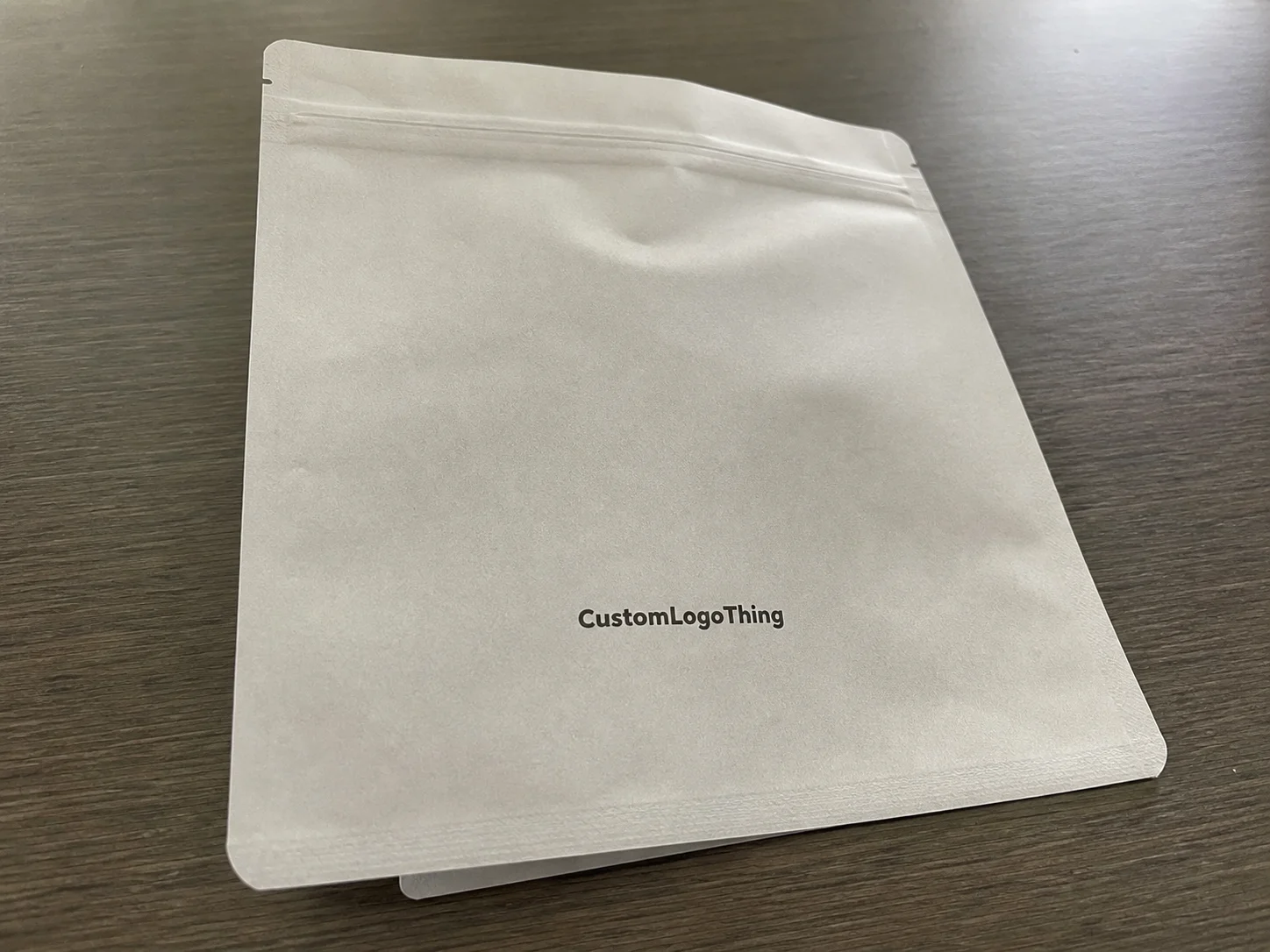
A buyer needs 1,000 matte resealable bags for a launch in three weeks. One supplier replies with pricing built for 50,000 units. Another asks for six missing specs before quoting. Both responses may be reasonable, but neither helps if the buyer does not know what information controls the price.
That is the point of a Get Printed Matte Zipper Bags Low MOQ Quote guide. Low MOQ packaging is not just “small order packaging.” It is a way to control risk while a brand tests demand, protects cash, and avoids pallets of obsolete bags after a flavor change, formula change, compliance update, or retail redesign. Nobody enjoys explaining why a storage room is full of packaging for a SKU that no longer exists. Fun meeting, that one.
Matte zipper bags sit in a useful middle lane. They offer retail shelf presence, resealability, and enough printable surface for branding without forcing an early-stage or seasonal buyer into a warehouse-sized run. Food, supplements, coffee, cannabis accessories, cosmetics, pet treats, sample kits, and subscription products all use them for the same reason: the format looks finished without requiring a massive commitment.
The finish matters. Matte film reduces glare under store lighting, photographs cleaner for ecommerce listings, and usually reads more premium than glossy film at similar material weights. A 4 oz matte white stand-up pouch can look sharper than a heavier glossy pouch if the design, zipper position, and panel layout are handled properly.
Quotes are not built from one variable. Dimensions, material structure, print method, zipper type, quantity breaks, finish, carton count, freight, and delivery location all affect the final number. Asking for “custom matte bags” produces a rough estimate. Asking for a 5 in x 8 in x 3 in matte stand-up pouch, printed front and back, standard press-to-close zipper, quoted at 1,000 and 2,500 units, shipped to a specific zip code, produces something a buyer can actually compare.
Packaging buyer reality: the cheapest bag on paper can become expensive if it scuffs badly, fails to stand when filled, scans poorly at checkout, increases damage, or arrives after the launch date.
Custom Logo Things builds custom packaging quotes around those buying variables. The useful quote is not the one with the fewest words. It is the one that makes MOQ, unit cost, lead time, material choice, and brand presentation clear before production starts.
What Matte Zipper Bags Actually Include
Matte zipper bags are flexible pouches with a resealable zipper closure, a matte exterior finish, and Custom Printed Branding. Simple description. Messier in production, because the product inside starts making demands quickly. Coffee needs aroma control. Powder needs seal integrity. Oily snacks may need stronger barrier layers. Bath salts often care more about moisture resistance than oxygen protection.
Common formats include stand-up pouches, flat zipper bags, three-side seal zipper bags, and bottom-gusset pouches. Stand-up pouches are popular for retail because the bottom expands and helps the bag sit upright when filled. Flat zipper bags work well for samples, hardware, small accessories, inserts, and lightweight items that ship inside mailers. Three-side seal zipper bags can be efficient for smaller fill weights. Bottom-gusset formats often suit larger volumes or products that need a broader base.
The matte effect can be created several ways. Matte laminated film usually gives a durable, consistent finish. Matte varnish can create a similar visual surface on selected structures. Soft-touch matte feels more tactile and premium, but it can add cost and may show rub marks or fingerprints in rough shipping environments. Many first-run buyers overpay for soft-touch before they know whether the product will reorder. Standard matte laminate often does the job without the drama.
Zipper options vary, too. A standard press-to-close zipper is common for snacks, powders, cosmetics, supplements, and accessories. Child-resistant zipper systems may be required for regulated categories, depending on product type and jurisdiction. Slider zippers can help on larger bags, although they add parts, cost, and another quality-control point. Tear notches are usually added above the zipper so the customer gets a clean first opening before resealing.
Optional upgrades include hang holes, euro slots, clear windows, rounded corners, degassing valves for coffee, spot gloss, metallic effects, and higher-barrier material layers. Each feature should earn its place. A window may help shoppers see granola texture, but it can complicate barrier needs. A valve helps fresh-roasted coffee release gas, but it is wasted money for many dry goods. Metallic effects can look sharp, or they can make a nutrition panel harder to read. Not every feature belongs on a launch run.
Material structure is where buyers often need the most guidance. A pouch may use PET, PE, CPP, metalized layers, foil layers, or other laminated combinations depending on barrier needs and production route. Food-contact products need appropriate materials. Products sensitive to moisture, oxygen, aroma loss, oils, or UV exposure need more careful matching. “Matte” describes the surface finish. It does not automatically describe the barrier performance.
A focused Printed Matte Zipper bag quote should narrow those options before pricing. Custom Logo Things helps buyers avoid overbuilt packaging by matching pouch structure to fill weight, product texture, oxygen sensitivity, oil content, shelf presentation, and shipping conditions.
Specifications Buyers Should Confirm Before a Quote
An accurate quote starts with specs. Not perfect specs. Enough detail to prevent guessing. The core list is straightforward: bag style, width, height, gusset depth, material thickness or preferred structure, print sides, finish, zipper type, quantity, and delivery location. If food contact, child resistance, compostability, recyclability, or high barrier performance is part of the brief, say it early.
Dimensions should come from product fit, not only visual preference. Oversizing a pouch increases film usage, carton volume, freight cost, shelf footprint, and sometimes cost per piece. A pouch that is 1 inch too wide across 2,500 units does not sound dramatic until it changes carton count, storage space, and retail display fit.
Fill testing matters more than the flat dieline. Powders settle. Granola traps air. Coffee changes volume by roast and grind. Pet treats are irregular. Bath and cosmetic products may create dust, residue, or weight distribution issues. A pouch can look perfect on screen and still lean forward, bulge at the side seals, or refuse to close cleanly after filling. Annoying, yes. Also preventable.
Thickness is another common overspend. Flexible pouch films are often discussed in mils or microns, and heavier does not automatically mean better. Lightweight dry samples may work with a thinner structure. Sharp-edged treats, oily products, or heavier fills may need more puncture resistance and seal strength. The correct range depends on fill weight, packing method, carton handling, shipping abuse, and retail handling.
Barrier requirements deserve a serious look. Moisture, oxygen, aroma, oils, powders, and UV exposure behave differently. Coffee may need aroma retention and sometimes a degassing valve. Supplements may need moisture protection and enough panel space for regulatory copy. Pet treats can be oily and uneven. Cosmetics may need clean print quality plus resistance to handling scuffs. Hardware may need puncture resistance more than oxygen barrier. Same pouch format, different job.
Artwork needs the same discipline. Vector logos are preferred. Pantone or CMYK references should be supplied. Bleed, safe zones, barcode placement, zipper clearance, gusset folds, and required text space must be accounted for before proof approval. The International Safe Transit Association is a useful reference for brands thinking beyond the pouch itself and into shipping performance.
Matte finishes are forgiving in some ways and not at all forgiving in others. They reduce reflection, which helps product photography. Dark backgrounds can look rich. Fine typography, low-contrast gray text, dense nutrition panels, and small QR codes need testing because matte surfaces do not rely on shine to create separation. If barcode scanning matters, leave proper quiet zones and avoid placing codes across curves, gusset transitions, or seal areas.
Practical pre-quote checklist
- Sample product weight and target fill volume
- Expected shelf life and storage conditions
- Whether the pouch must stand upright when filled
- Oil, aroma, moisture, oxygen, or UV sensitivity
- Artwork status: final, draft, logo-only, or reference image
- Required warning text, nutrition facts, ingredients, or compliance panels
If those details are not ready, a preliminary quote is still possible. Treat it as directional. A final low MOQ quote request should include enough technical information to compare suppliers fairly, not just enough to start an email thread.
Low MOQ, Pricing, and Unit Cost Factors
Low MOQ pricing is shaped by setup labor, digital setup or plate preparation, material minimums, finishing steps, packing, and freight. Film is only one part of the economics. Setup and tooling can dominate a short run, which is why a 500-piece order may feel expensive per bag even when the total invoice looks manageable.
Digital printing often supports smaller runs better because it reduces some plate-related setup burden and allows flexible artwork handling. Traditional plate-based printing can become more attractive at higher quantities because setup costs spread across more units. Neither method is automatically superior. The right route depends on quantity, artwork complexity, color expectations, substrate, finish, and reorder plan.
The biggest price levers are predictable: quantity, pouch size, material structure, number of printed sides, matte finish type, zipper choice, special features, and destination shipping. A two-sided printed matte pouch with a window, valve, rounded corners, and high-barrier laminate will not price like a one-sided printed flat zipper bag. That is not supplier mystery math. It is just manufacturing.
| Quote Variable | Typical Buyer Choice | Cost Impact | Practical Comment |
|---|---|---|---|
| Quantity tier | 500, 1,000, 2,500, 5,000 units | High | Bulk pricing improves as setup is spread across more bags. |
| Print method | Digital or plate-based printing | Medium to high | Digital often suits low MOQ; traditional may reduce cost per piece at scale. |
| Bag size | Flat, stand-up, gusseted | High | Larger pouches use more film and increase freight volume. |
| Finish | Matte laminate, matte varnish, soft-touch matte | Low to medium | Soft-touch effects can add cost and may require careful handling. |
| Closure | Standard zipper, slider, child-resistant zipper | Medium | Regulated or larger formats may need specialty closures. |
| Features | Window, valve, hang hole, spot gloss | Low to high | Useful only if they support function or sales conversion. |
The lowest unit cost is not always the cheapest business decision. If a 10,000-piece run gives a lower cost per piece but the brand is still testing flavor, dosage, packaging copy, or product-market fit, excess inventory can become dead stock. Low MOQ exists because speed, learning, and cash flow have value.
Quantity-break thinking helps. A 500-unit quote can validate a launch. A 1,000-unit tier may reduce the unit cost enough to justify a small step up. A 2,500-unit tier often starts showing better production efficiency. A 5,000-unit tier may reveal whether bulk pricing is worth the inventory risk. These are comparison points, not universal price promises.
Ask for two or three quantity tiers in the same quote. Also ask what changes at the next tier: print method, material minimum, setup allocation, carton count, or freight class. If the next tier saves very little, staying lean may be smarter. If the next tier cuts unit cost sharply and the product is already validated, ordering more may make sense.
Custom Logo Things can structure the quote around launch budget, reorder plan, and presentation requirements instead of forcing every buyer into the same MOQ conversation.
Process and Lead Time From Artwork to Delivery
The production path usually follows a clear sequence: consultation, specification confirmation, artwork review, dieline setup, proof approval, material preparation, printing, lamination or finishing, pouch conversion, quality check, packing, and shipping. Every step has a job. Skipping one may feel faster until the zipper lands over the logo or the barcode sits too close to a gusset fold.
Delays tend to come from predictable places. Unclear dimensions. Low-resolution logos. Missing regulatory copy. Late proof approvals. A buyer changing the bag size after artwork starts. Small changes can trigger new dielines, new proofs, revised pricing, and a new production slot.
Simple digitally printed low MOQ jobs can move faster than complex laminated pouches with specialty zippers, valves, windows, or soft-touch effects. A plain matte stand-up pouch with final artwork and a standard zipper is usually more efficient. A high-barrier pouch with a valve, spot gloss, and child-resistant closure needs more coordination and more quality checks.
Proofing is not paperwork. It confirms layout, bleed, safe zones, panel orientation, zipper clearance, gusset position, barcode placement, and copy placement. A physical sample can be useful for launches with strict color, tactile, or fill-fit concerns, although it may add time. Final approval tells production the buyer accepts the layout and specifications. Read it like money depends on it, because it does.
Matte finishes make certain defects easier to see. Scuffs, inconsistent coating, poor lamination, uneven zipper alignment, or registration issues can stand out because the surface is designed to look clean and controlled. Quality checks should include print clarity, seal integrity, zipper function, pouch count, carton labeling, and visible finish consistency.
Rush orders need discipline. Confirm the must-have date, launch date, delivery zip code, final artwork status, and acceptable substitute materials. Simplify specs where possible. Approve proofs quickly. Choose shipping based on reality, not optimism. For broader packaging waste and material considerations, the EPA’s Sustainable Management of Materials resources can help buyers compare material decisions beyond price.
Timeline-ready request format
- Target in-hand date and reason for the date
- Delivery zip code or shipping destination
- Final artwork status and file type available
- Required quantity and optional quantity tiers
- Acceptable alternatives if speed matters, such as standard matte instead of soft-touch matte
A clean quote request can reduce back-and-forth by days. For launch packaging, those days matter.
Avoid These Quote Mistakes Before Ordering
The first mistake is asking for a price without bag size, material preference, or quantity. “How much for custom matte zipper bags?” produces a vague estimate. It does not produce a purchasing quote. Even a rough size, such as 6 in x 9 in stand-up pouch for 8 oz of dry product, is better than no technical anchor.
The second mistake is choosing matte finish while submitting artwork designed for glossy reflection. Gloss can make colors appear brighter because light bounces differently. Matte can make dark colors look richer, but low-contrast type may soften. If the design uses charcoal text on black, tiny serif type, or subtle tone-on-tone graphics, test readability before production.
The third mistake is ignoring freight, carton size, and storage space. A supplier with a slightly lower bag price may not be cheaper after shipping. Larger pouches reduce the number of units per carton. Finished bags also need clean, dry storage, especially if food, supplements, or personal care products are involved.
The fourth mistake is over-customizing the first production run. Windows, valves, specialty zippers, metallic effects, spot gloss, and multiple finishes can all be valid. Adding all of them before proving reorder volume is risky. A first run should protect the product, present the brand clearly, and stay within the launch budget.
The fifth mistake is skipping fill and closure checks. Test whether the pouch stands, seals, reseals, fits the product volume, and survives normal handling. If the bag will be heat sealed after filling, confirm the seal area stays clean enough for a reliable seal. Powders and oily products can contaminate seal zones if the filling process is messy.
The sixth mistake is treating sustainability claims as decoration. Compostable, recyclable, and post-consumer recycled structures have different performance limits, availability, cost, and labeling considerations. Some options may not deliver the same barrier performance as conventional laminates. Make the claim only if the material structure and disposal path support it. Greenwashing is not a packaging strategy. It is a liability with nicer colors.
Ask for production tolerances, zipper placement details, and print proof confirmation before approving. Flexible packaging is manufactured within tolerances, not magic. Minor variation in cut, seal, and registration is normal, but buyers should know what is acceptable before cartons arrive.
Custom Logo Things asks specification questions early because accurate quoting prevents expensive surprises later. If a buyer is unsure, the Custom Logo Things FAQ is a practical starting point before requesting a formal estimate.
Next Steps to Request a Quote That Comes Back Accurate
A strong quote request does not need to be complicated. It needs to be specific. Start with product type, fill weight, target bag dimensions, desired finish, quantity tiers, print sides, zipper type, artwork files, delivery location, and target date. If you have a sample bag you like, measure it flat and send photos from the front, back, bottom, and side.
Reference images help, but they do not replace technical specs. A photo can communicate style: matte black, rounded corners, wide front panel, minimalist copy. It cannot confirm barrier structure, film thickness, zipper type, gusset depth, or whether the pouch will stand with your actual product inside.
Budget-sensitive buyers should ask for at least two options. One can be a launch-ready low MOQ version with practical materials and standard features. The second can be a scale-up version for the next reorder, where higher quantity, alternate print method, or improved material structure may reduce the cost per piece.
Decide what cannot change. Maybe the launch date is fixed because of a trade show. Maybe bag dimensions are fixed because retail displays are already ordered. Maybe the product needs a specific barrier level. Then decide what can flex: soft-touch versus standard matte, 1,000 versus 2,500 units, one-sided versus two-sided print, or a standard zipper versus an upgrade.
Custom Logo Things can return a quote with packaging recommendations, MOQ options, an estimated production path, artwork requirements, and visible cost drivers. That gives buyers a cleaner basis for decision-making than one number with no explanation.
If you are ready to price a project, send the details through Contact Us. Buyers who want to get printed matte zipper bags low moq quote guide support should prepare specs first, then request a structured quote that compares options instead of guessing at one generic pouch.
FAQ
How do I get a printed matte zipper bags low MOQ quote without exact artwork?
You can request a preliminary quote using bag size, quantity, number of print colors, finish preference, zipper type, and delivery location. Final pricing may change after artwork review if the design requires different print coverage, file cleanup, spot effects, or layout adjustments. Send a logo file, rough label layout, or reference image so the supplier can estimate a realistic production path.
What is considered low MOQ for custom matte zipper bags?
Low MOQ depends on bag size, print method, material, finish, and production route, so there is no single number for every order. Digital printing often supports smaller runs better than traditional plate-based printing. Ask for multiple quantity tiers so you can compare launch quantity against the next economical reorder level.
Do matte printed zipper bags cost more than glossy bags?
Matte bags can cost slightly more depending on the film, coating, lamination, or soft-touch effect selected. The price difference may be small compared with larger cost drivers such as bag size, material thickness, barrier layers, and quantity. A quote should separate must-have functional specs from optional finish upgrades so buyers can control budget.
How long does production take for low MOQ matte zipper bags?
Lead time depends on artwork readiness, proof approval speed, material availability, print method, finishing requirements, and shipping distance. Simple low MOQ orders usually move faster than complex pouches with windows, valves, specialty zippers, or high-barrier laminated structures. Share your required in-hand date before quoting so production and shipping can be planned realistically.
What files are needed to print custom matte zipper bags?
Vector artwork files are preferred for logos, text, icons, and layout elements. Include brand colors, barcode files, regulatory copy, nutrition or ingredient panels if needed, and any required warning statements. A dieline or bag template helps confirm bleed, safe zones, zipper clearance, gusset placement, and readable text areas.


