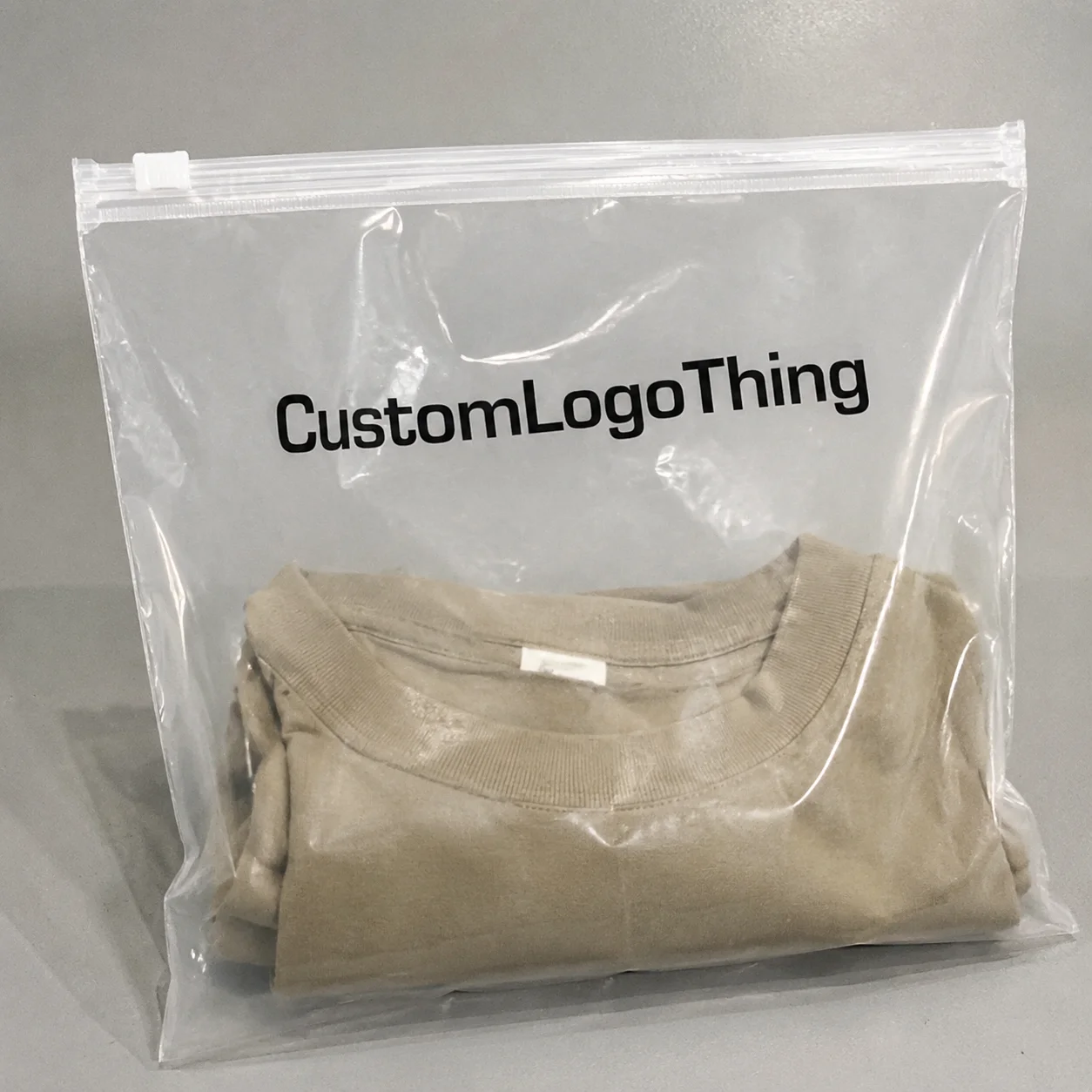
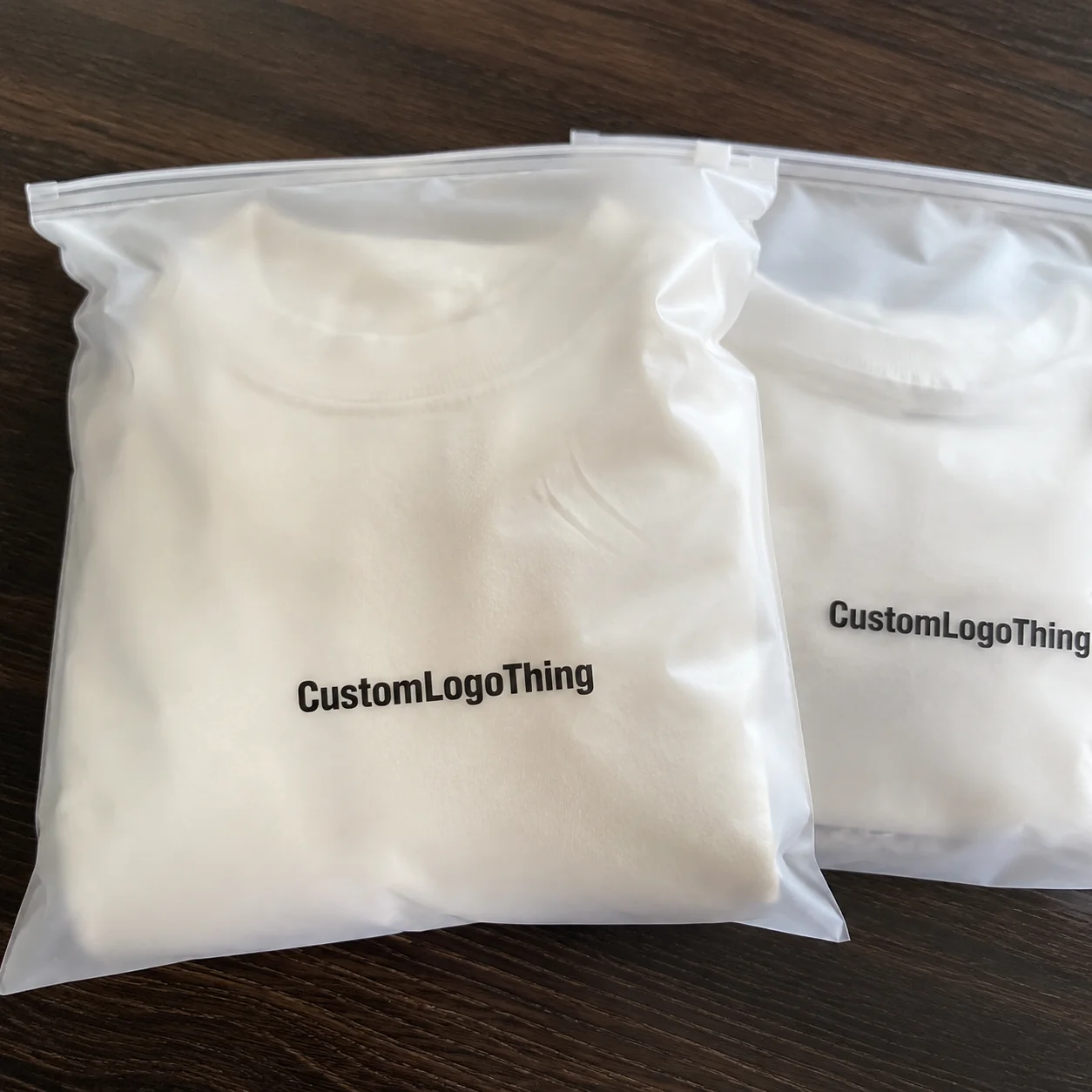
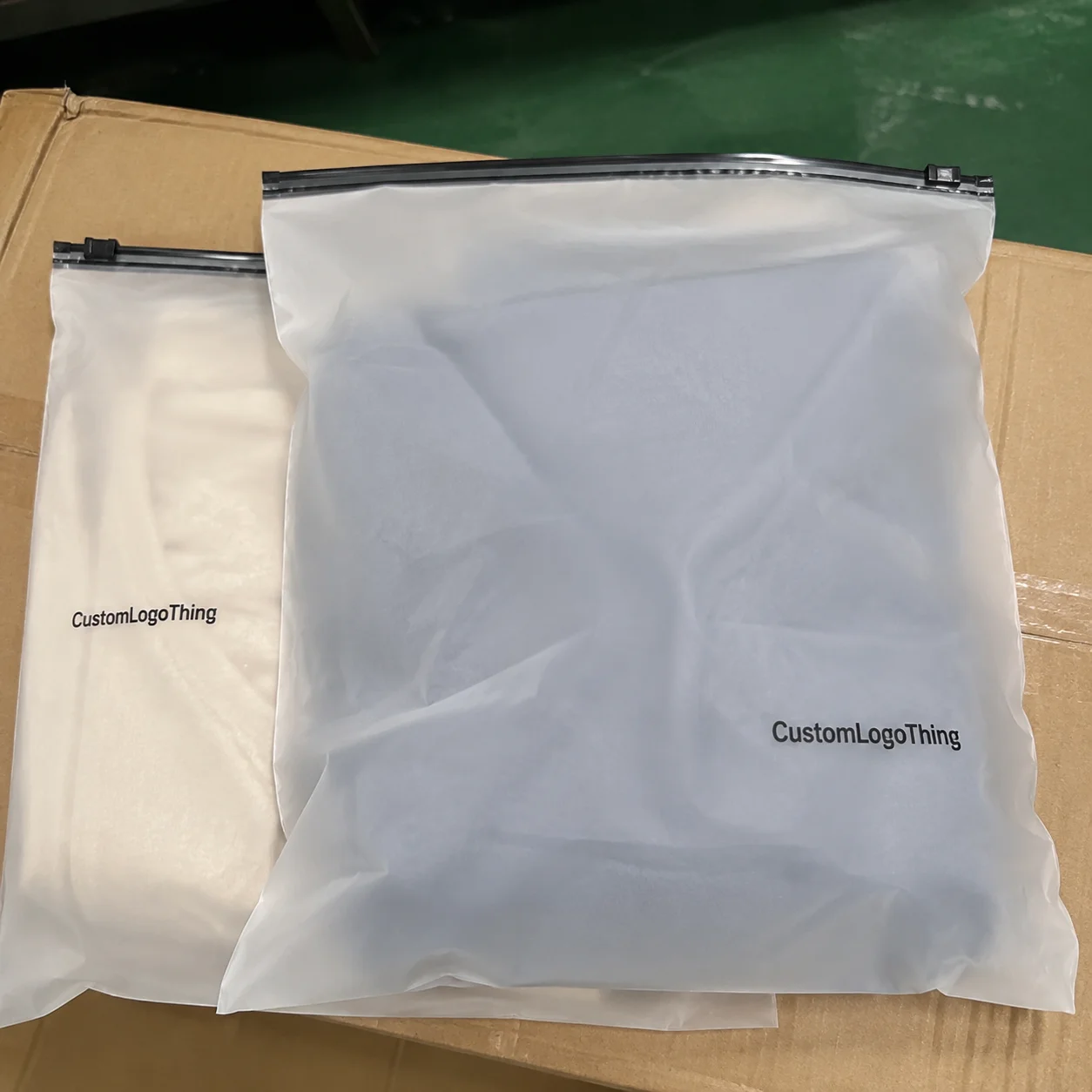
The artwork looks sharp. The matte finish feels premium. The launch date is already circled on the calendar.
Then someone asks how long it will take to source film, print the roll stock, cure inks or adhesive, convert the web into zipper bags, inspect the cartons, and move freight. That is the moment Get Printed Matte Zipper Bags Lead Time Planning stops being a boring purchasing detail and starts deciding whether the product ships on time.
Printed Matte Zipper Bags are flexible plastic pouches with custom graphics, a non-gloss finish, and a reclosable zipper. Most are supplied open at the top so the brand or co-packer can fill and heat seal them. They show up in coffee, snacks, supplements, pet treats, personal care refills, cannabis-adjacent accessories where legal, small hardware, and ecommerce products that need better presentation than a plain poly bag.
Get Printed Matte Zipper Bags Lead Time Planning Basics
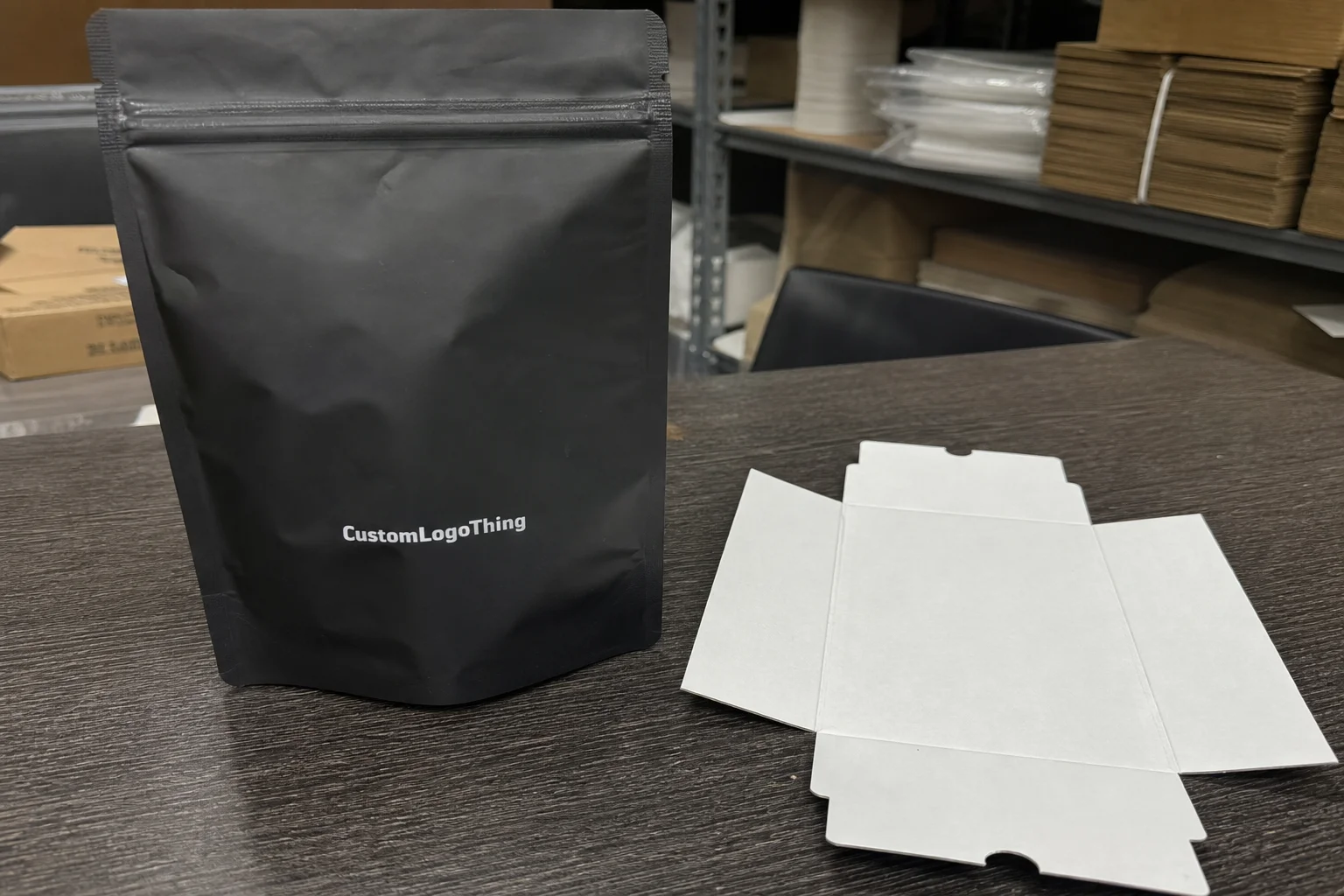
Good planning starts with the date filled goods must be ready, not the date someone wants to place a purchase order. If packed inventory needs to be on a retailer dock, warehouse shelf, or fulfillment line by a specific Monday, the bags need to arrive earlier. Receiving, inspection, internal sampling, line setup, filling, heat sealing, case packing, labeling, and ecommerce prep all take time. Packaging is not magically ready for production because a tracking number exists. Annoying, but true.
Lead time also means more than factory production time. A buyer may hear “12 to 18 business days” and assume the job is covered. That number may not include quote revisions, dieline setup, artwork preflight, proof approval, material ordering, plate making, lamination cure, final quality checks, export paperwork, or freight. Those side steps can add one to three weeks when specs keep changing.
A reorder with approved artwork and stocked film can move quickly. A first run is different, especially with a new matte finish, high-barrier laminate, recyclable structure, compostable film, or several SKU designs. That does not make the job complicated for the sake of being complicated. It means the calendar has to match the way flexible packaging is actually made.
Practical rule: the fastest packaging order is usually the one with the clearest spec, not the loudest rush request.
A realistic plan protects four things buyers care about: launch dates, print quality, unit cost, and inventory flow. Rush work often narrows film choices, increases freight cost, compresses review time, and leaves less room to catch barcode, seal, zipper, or color problems before the bags hit the filling line.
How Matte Zipper Bag Production Actually Moves
The production sequence is not mysterious, but every step has a job. First, the physical bag spec is confirmed: width, height, bottom gusset if needed, zipper location, seal widths, hang hole, tear notch, rounded corners, and fill opening. A stand-up pouch with a bottom gusset behaves differently from a flat pouch, even at the same face dimensions.
Then the material is selected. A dry snack may run in a simple white or clear polyethylene-based structure. Coffee, powders, oily products, strong aromas, or shelf-life-sensitive goods may need better oxygen, moisture, grease, aroma, or light barrier. Common structures include PET/PE, MOPP/PE, PET/VMPET/PE, and PET/AL/PE. Recyclable polyethylene structures are also available in some programs, but they may require different seal settings, different stiffness expectations, and more careful claim language.
Artwork comes next. The file has to match the dieline, include bleed, keep type away from seals and folds, show white ink layers when printing on clear or metallic films, and leave clean space for barcodes, nutrition panels, ingredient statements, lot codes, and regulatory copy. A PDF proof is usually reviewed first. Some buyers also need a physical sample, drawdown, or press proof, especially for a new brand system or a finish where color shift matters.
Printing can follow several routes. Digital printing is common for short-run custom pouches because it avoids plates and handles multiple SKUs more easily. It can be faster, but unit cost is usually higher and material options may be narrower. Flexographic printing works well for mid-volume and repeat runs. Plates add setup cost, but production speed improves once the press is running. Rotogravure can deliver excellent consistency and detail at high volume, though cylinders and setup make it a bigger commitment.
The matte effect can come from matte varnish, matte film, or matte lamination. These are not identical. Matte varnish may need controlled cure and scuff checks. Matte lamination often needs adhesive cure time before converting. Matte film can look clean and consistent, but availability depends on gauge, barrier layer, sealant layer, and supplier stock. If the exact film is not available, the schedule moves. No amount of inspirational launch energy changes that.
After printing and finishing, roll stock goes to pouch converting. The converter forms the bag, applies or aligns the zipper, creates side seals and bottom gussets, punches tear notches or hang holes, trims the pouch, and counts finished bags. Zipper alignment matters. A crooked or poorly seated zipper can make the package feel cheap, create closing problems, or interfere with the heat seal area.
Quality checks should happen before cartons leave the plant. Typical checks include dimensions, print registration, color, surface scuffing, zipper function, seal appearance, count accuracy, carton labeling, and packing condition. For more demanding products, teams may also review seal strength, coefficient of friction, oxygen transmission rate, water vapor transmission rate, and drop or vibration exposure. Resources from the Packaging Machinery Manufacturers Institute and ISTA are useful when distribution performance matters. A pretty pouch still has to survive filling, cartons, pallets, parcel networks, and shelf handling.
Key Lead Time Factors Buyers Should Lock Early
The schedule firms up once the physical specification is locked. Bag dimensions, gusset style, film thickness, barrier requirements, matte finish type, zipper style, print coverage, number of colors, number of SKUs, and order quantity all affect time. A 5 inch by 8 inch flat pouch and an 8 inch by 12 inch stand-up pouch with a 3.5 inch bottom gusset are not the same job because the front panel looks similar on a screen.
Material choice is often the biggest hidden timing issue. Standard PET/PE or MOPP/PE laminates may be easier to source than specialty recyclable polyethylene, foil laminate, compostable film, or soft-touch tactile structures. High-barrier pouches may use aluminum foil or metallized PET. Recyclable mono-material options may need a different film family and a different machine setup. Those choices can be worth it, but they are not always interchangeable on the calendar.
Artwork readiness matters just as much. Missing bleed, RGB images, low-resolution logos, unconverted fonts, unclear white ink layers, wrong dielines, and barcodes placed across folds all burn time. A UPC or QR code should sit on a reasonably flat panel, with the proper quiet zone, at a final size that has actually been tested. Not guessed. Tested.
Approval speed is another real factor. If a proof waits in an inbox for three days, those three days are part of the lead time. A factory cannot responsibly print thousands of bags while legal copy, nutrition facts, claims, color notes, or net weight statements are still being debated.
Freight choices change the plan too. Domestic ground may take a few days depending on distance. Air freight can protect a launch, but bulky cartons can add hundreds or thousands of dollars. Ocean freight can lower landed cost on larger programs, but it needs wider buffers for sailing schedules, port delays, customs, drayage, and delivery appointments. Split shipments sometimes make sense: send enough bags by air to start filling, then move the balance by slower freight.
Seasonality deserves a mention because buyers forget it until it hurts. Holiday retail sets, harvest seasons, trade shows, and year-end freight congestion can tighten both factory capacity and carrier availability. If a product launch depends on a fixed event, the packaging timeline needs more cushion than an ordinary reorder.
Pricing, MOQ, and Unit Cost Tradeoffs
Pricing for Printed Matte Zipper Bags is built from material, size, film thickness, print method, ink coverage, finish, zipper type, setup time, expected waste, carton packing, and freight. If flexographic plates or gravure cylinders are needed, those charges may appear as one-time tooling or be built into the unit price. Neither approach is automatically better. It depends on reorder expectations and cash flow.
As a planning range, short-run digitally printed matte stand-up pouches may land around $0.45 to $1.20 per pouch for 1,000 to 3,000 pieces, depending on size and structure. Mid-volume custom runs may fall closer to $0.18 to $0.45 per pouch at 5,000 to 20,000 pieces. Larger runs can go lower when the film, print setup, and SKU mix allow efficient production. These are not quote guarantees. They are useful guardrails before anyone builds a margin model on wishful thinking.
MOQ is not only a supplier preference. It comes from press setup, film minimums, zipper roll usage, adhesive and ink handling, machine waste, prepress labor, and quality-control time. Digital print can make lower quantities possible, especially for test launches or multiple flavors, but the unit cost is higher because fixed handling time is spread across fewer bags.
| Order Path | Typical Fit | Planning Strength | Common Tradeoff |
|---|---|---|---|
| Digital short run | 500 to 5,000 bags, several SKUs | Faster setup and easier design changes | Higher unit cost and fewer material options |
| Flexographic run | 5,000 to 50,000+ bags | Efficient repeat production | Plate cost and longer setup approval |
| High-volume laminate run | Large stable programs | Lower unit cost at scale | More planning for film, curing, and freight |
| Rush or split shipment | Launch rescue or inventory gap | Can protect an urgent date | Higher freight and fewer change options |
SKU count can push price up fast. Four flavors with four separate designs may require separate proofs, separate file handling, plate changes, or digital batching. If volume is low, ask whether a shared base design with variable flavor callouts will reduce cost without weakening shelf impact.
For quote prep, request quantity breaks at two or three levels, such as 2,500, 5,000, and 10,000 pieces. Confirm whether freight is included. Ask whether tooling is one-time or recurring. Then ask a practical question: “What spec change would reduce cost while keeping the package safe for the product?” A competent packaging contact can often suggest a standard size, adjusted thickness, alternate finish method, or simpler SKU plan that saves both time and money.
A Step-by-Step Planning Timeline Before You Order
A reliable planning method starts with the in-hands date, then works backward through receiving, filling, packaging production, artwork, and sampling. If filled goods must ship to a retailer on the 30th, and filling takes five business days, packaging should arrive at least one week before filling begins. Add more buffer if the bags cross a border, move by ocean, or support a seasonal promotion.
- Finalize product needs. Confirm net weight, product sensitivity, shelf-life target, fill temperature, and whether the bag needs oxygen, moisture, aroma, grease, or light barrier. Powders, oily snacks, coffee, and scented products behave very differently inside flexible packaging.
- Choose the bag format. Decide between stand-up pouch, flat pouch, three-side seal bag, bottom gusset bag, or another format. Lock zipper type, tear notch, hang hole, rounded corners, and heat-seal area before final artwork begins.
- Prepare artwork on the correct dieline. Include requested bleed, safety margins, barcode size, nutrition or ingredient panels, lot code areas, and clear matte finish notes. If white ink is needed under colors on clear film, label it properly.
- Approve proof or sample in writing. Written approval should include quantity, SKU names, revision number, shipping address, freight preference, and required delivery window. Verbal approval is how avoidable messes happen.
- Track production milestones. Keep a simple list for proof approval, production start, print completion, lamination or curing, converting, QC, shipment release, and expected arrival.
For a new custom matte zipper pouch, many buyers should plan roughly four to eight weeks from early specification work to delivered bags. Material availability, print method, sampling, production load, and freight can push that range up or down. Reorders can be faster, sometimes two to four weeks, if film is available and artwork has not changed. Treat those ranges as planning guidance, not a promise from the packaging gods.
The strongest planning habits are simple: lock the structure early, keep artwork clean, approve proofs quickly, and build a buffer that matches the risk of the launch. A trade show, retailer reset, paid advertising campaign, or co-packer reservation deserves more cushion than a normal replenishment order.
Common Mistakes That Delay Printed Matte Pouches
The first mistake is asking for a quote before knowing the real bag size. Even a half-inch change can affect material yield, zipper placement, gusset geometry, carton count, and the dieline. If the product has not been test-filled, measure the filled volume, not just the net weight. A fluffy 8-ounce product and a dense 8-ounce product may need very different pouch dimensions.
Another common mistake is reusing glossy packaging artwork without adjusting for matte production. Matte surfaces can soften contrast. Dark colors may look richer but less sharp. Fine type, subtle gradients, and low-contrast color combinations can lose punch. If shelf readability matters from six feet away, review the design with the finish in mind, not only on a bright monitor.
Barcode and compliance placement need respect. Codes placed over gussets, zipper tracks, folds, heavy texture, or crimped seal areas may scan poorly. Regulatory copy also needs safe space away from trim and seals. For food, supplements, cosmetics, or pet products, internal review may involve brand, legal, quality, regulatory, and operations teams. Pretending one person can approve everything in an afternoon is cute. It is also how schedules slip.
Skipping samples can be risky for unfamiliar structures, high-value launches, strong aromas, oils, powders, or products with sharp edges. A sample can reveal whether the zipper feels right, whether the pouch stands, whether the product scuffs the matte surface, and whether the top seal works on the filling equipment. ASTM test methods can help guide seal strength, coefficient of friction, and film performance checks when formal validation is needed.
Do not schedule filling labor, advertising drops, or retailer delivery appointments based on the day bags leave production. Shipment release is not arrival. Cartons still need carrier pickup, transit, possible customs clearance, delivery appointment scheduling, receiving, and inspection.
Expert Tips for Cleaner Approvals and Faster Turnaround
Build a short packaging brief before requesting a quote. Include target launch date, product type, fill weight, estimated annual volume, desired bag style, shelf-life concerns, finish preference, number of designs, shipping destination, and any hard delivery constraints. That brief cuts down the back-and-forth because the supplier can quickly see whether the request fits a standard digital pouch, a mid-volume laminate run, or a structure that needs engineering review.
Approve the physical bag structure before perfecting every graphic detail. Bag shape, seal width, zipper height, hang hole location, and gusset panels control where artwork can safely live. Designers do better work once they know the true printable area, and buyers avoid paying for revisions caused by a late size change.
If speed matters, choose standard sizes and proven film structures. Custom dimensions, unusual film combinations, child-resistant closures, specialty tactile coatings, and very heavy barriers can be excellent choices, but they usually add planning time. Many launches are better served by a proven structure first, then a more specialized package after sales data confirms demand.
Use sampling with a purpose. Test zipper feel, shelf presence, filling fit, heat sealing, carton pack-out, surface scuffing, and barcode scanning. If bags will ship through parcel networks, consider drop and vibration exposure and review distribution guidance from groups such as ISTA. If sustainability claims are involved, check applicable rules and guidance from sources such as the U.S. Environmental Protection Agency. Claims like recyclable, compostable, and sustainable are not decoration. They need backup.
Keep one approved master spec sheet. It should list dimensions, material structure, thickness, finish, zipper type, print method, color targets, artwork revision, case pack, pallet pattern if relevant, and reorder notes. Reorders move faster when purchasing, design, operations, and the packaging supplier are all using the same spec instead of digging through old emails.
Action Plan for Your Next Matte Zipper Bag Order
Before the next order, make a practical checklist: confirm product needs, select the bag format, gather artwork, define the matte finish, choose target quantity, request quantity-break pricing, and identify the real in-hands date. “Real” means the date packaging must be available for receiving and filling, not the date it would be nice to see a tracking number.
Separate must-have specs from nice-to-have upgrades. A must-have might be oxygen barrier for coffee, grease resistance for snacks, a reliable press-to-close zipper, or a heat-seal layer that works on existing equipment. A nice-to-have might be rounded corners, a hang hole, a specialty tactile finish, or an extra-heavy gauge. Both categories matter, but separating them helps the supplier suggest the fastest workable path without stripping away product protection or brand value.
Ask three direct timeline questions during quoting:
- What date must artwork be approved to meet the delivery window?
- What date can production start after proof approval and purchase order release?
- Which shipping method supports the delivery date with a sensible buffer?
Share launch constraints early. If a filler is booked for a specific week, a retailer has a compliance deadline, an event is fixed, or current inventory will run out in 18 days, say so before the quote is finalized. Those details affect whether a split shipment, alternate material, adjusted order quantity, or simplified SKU plan makes sense.
A practical planning conversation also includes cost. If the target budget is tight, say whether you can flex on size, finish method, film thickness, quantity, or shipping speed. If the delivery date is fixed, say that too. Packaging decisions always involve tradeoffs, and clear priorities make better tradeoffs possible.
The cleanest path is to treat Matte Zipper Bags as part of the product launch calendar, not a last-minute purchasing task. Lock the pouch structure, prepare print-ready artwork, approve quickly, and give freight the time it needs. The bags will look better, cost more predictably, and arrive with fewer ugly surprises.
Frequently Asked Questions
How early should I start planning to get printed matte zipper bags?
Start as soon as bag size, product weight, and launch timing are known. Earlier planning leaves room for artwork fixes, proof approval, material sourcing, production, freight, and receiving checks. For a new custom structure or first-time matte finish, add time for sampling and internal testing before approving the full run.
What affects printed matte zipper bag lead time the most?
The biggest drivers are artwork readiness, material availability, print method, order quantity, number of SKUs, matte finish type, zipper or gusset complexity, proof approval speed, and shipping method. Buyer delays during proof review can be just as damaging as factory delays.
Can I reduce lead time on custom matte zipper bags without hurting quality?
Yes. Use standard bag sizes, approved film structures, clean print-ready artwork, fewer SKU variations, fast proof approvals, and realistic freight planning. Do not cut corners on barrier needs, zipper function, or seal testing because those protect the product after the bags arrive.
Do printed matte zipper bags cost more than glossy bags?
They can, depending on whether the matte effect comes from matte film, matte varnish, or matte lamination. The finish may change material cost, curing time, scuff resistance, and handling requirements. Ask for quote options comparing finish methods, order quantities, and print approaches so unit cost can be judged against shelf impact.
What files and specs help get a faster quote for matte zipper bags?
Provide bag dimensions, style, material preference, thickness if known, product type, fill weight, quantity, number of designs, matte finish expectations, artwork files, shipping destination, and desired delivery date. If the exact film structure is unknown, explain the product’s shelf-life and handling needs so the supplier can recommend a suitable option.