Buyer Fit Snapshot
| Best fit | Printed Padded Mailers Bakery Packaging Quote Checklist projects where brand print, material claims, artwork control, MOQ, and repeat-order consistency need to be specified before quoting. |
|---|---|
| Quote inputs | Share finished size, material target, print colors, finish, packing count, annual reorder estimate, ship-to region, and any compliance wording. |
| Proofing check | Approve dieline scale, logo placement, barcode or warning zones, color tolerance, closure strength, and carton packing before bulk production. |
| Main risk | Vague material claims, crowded artwork, missing packing details, or unclear freight terms can make a low unit price expensive after revisions. |
Fast answer: Printed Padded Mailers Bakery Packaging Quote Checklist should be specified like a repeatable production item. The safest quote records material, print method, finish, artwork proof, packing count, and reorder notes in one written spec.
Production checks before approval
Compare the actual filled-product size with the drawing, then confirm tolerance on folds, seals, hang holes, label areas, and retail display edges. Reserve space for logos, QR codes, warning copy, and material claims before decorative graphics fill the panel.
Quote comparison points
Review material grade, print process, finish, sampling route, tooling charges, carton quantity, and freight assumptions side by side. A quote is only useful when the supplier can repeat the same color, closure quality, and packing count on the next order.
Printed Padded Mailers for Bakery Packaging supplier quote checklist requests move faster when the buyer arrives with exact sizes, print details, and quantity targets. The outer mailer is often the first place a bakery order loses its polish. A cookie club, brownie sampler, dry mix kit, or tea cake shipment can be baked perfectly and still arrive looking sloppy if the mailer is too thin, the print rubs off, or the closure fails in transit.
Clear specs prevent that. Define the structure, size, artwork, and order quantity before pricing starts, and suppliers can quote the same target instead of guessing. That matters for bakery brands that care about branded packaging, retail packaging, and the unboxing moment. It saves time. It cuts down on revisions that never should have happened.
What follows is practical: where these mailers make sense, what to ask for, how to compare prices, and which details belong in a quote request so the path from concept to production does not turn into a slow argument. If you need broader packaging options too, our Custom Packaging Products page covers related formats, and Custom Poly Mailers is useful for comparing shipping styles.
Printed Padded Mailers for Bakery Packaging: When They Fit
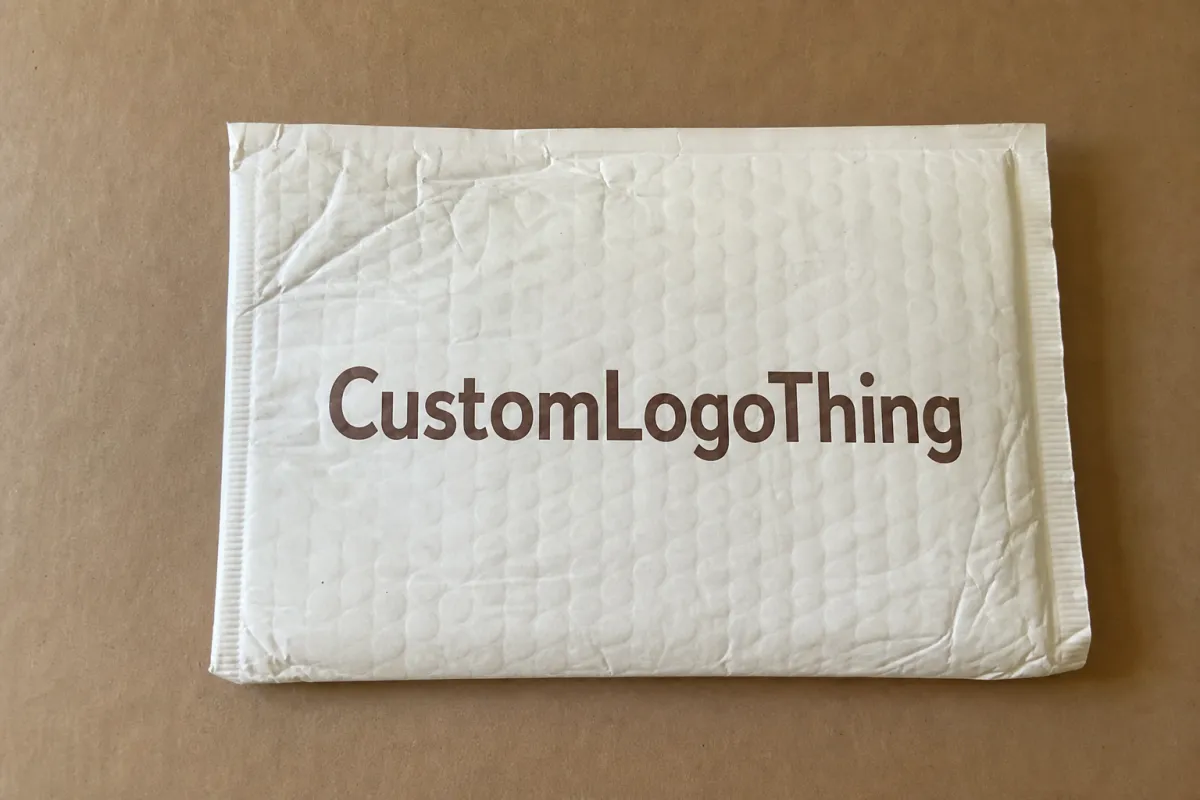
The strongest use case for Printed Padded Mailers is a bakery item that already has primary or secondary protection but still needs a branded outer layer with light cushioning. Treat them like a shipping shell, not a substitute for sensible inner packaging. A sturdy cookie box inside a padded mailer feels intentional. A plain carton tossed into a generic bag does not. Customers notice the difference quickly.
These mailers fit a wide range of bakery items, especially dry or semi-dry goods that are less fragile than frosted cakes or delicate pastries. Common examples include:
- Cookie assortments packed in a rigid tray or folding carton
- Brownie packs wrapped and boxed for shipping
- Dry mixes such as scone mix, muffin mix, or bread mix
- Tea cakes and loaf slices sealed inside an inner carton
- Sampler kits for subscriptions, gifts, and seasonal promotions
The appeal is simple. You get light protection, brand visibility, and lower packing complexity in one piece. A bakery can move from a plain outer shipper to a printed padded mailer without building a more expensive multi-part pack-out. That matters when volume is moderate, the ship date is fixed, and the package needs to feel like part of the product story instead of a random transport container.
The first place a premium impression can fail is usually the outer mailer, not the dessert inside. A scuffed, poorly sealed, or wrong-size shipper makes the whole order feel rushed. A mailer with the right dimensions, a stable seal, and a clean logo print supports the brand before the customer ever sees the inner box. That is especially useful for bakery sellers working in gift packaging, subscription retail packaging, and seasonal promotions where the package helps close the sale.
A clean quote starts with a clear use case. If the mailer carries a boxed bakery item, say so. If it only protects a wrapped dry good, say that too. Those two answers change the structure, the print recommendation, and the price.
For buyers comparing options, the quote checklist is the fastest way to avoid back-and-forth over size, print coverage, protective performance, and order quantity. It gives the supplier the information needed to price accurately instead of padding the offer with assumptions.
Product Details: Materials, Print Area, and Bakery-Safe Construction
A printed padded mailer is a layered product, and every layer affects protection and presentation. The outer face controls print quality and rub resistance. The inner padding controls cushioning. The seal style and closure decide whether the mailer stays intact through handling, parcel sorting, and final-mile delivery. That sounds basic because it is basic. Ignore one layer and the whole package gets sloppy.
For bakery packaging, those layers need to work together with the product inside. If the bakery item sits in a grease-resistant carton, the outer mailer still needs enough durability to resist tearing and abrasion. If the product is chilled before packing, condensation can affect the exterior, so the print ink and surface finish need enough resistance to protect the graphics. Buyers miss this all the time because they focus on artwork first. The package does not care about your mood board.
Many buyers start by choosing between a standard white mailer and a natural or kraft-look face. White faces usually give sharper logo contrast and cleaner brand graphics. Kraft finishes can feel more artisanal and fit bakery brands that want a natural, made-from-scratch look. The right choice depends on shelf positioning, website photography, and whether the package should read premium, rustic, or utility-focused.
For related bakery packaging pieces, a common rigid-board spec is 350gsm C1S artboard for printed sleeves, folding cartons, or inserts that sit inside the mailer. That weight gives a solid print surface without feeling flimsy. A supplier should be able to explain whether the outer mailer, the inner carton, or both need that kind of board strength. The answer depends on the load, the shipping lane, and how much presentation the brand wants to carry on the outside.
Print area matters just as much as finish. A small one-color logo in the corner often makes sense for first orders, smaller runs, or tighter production windows. Full-coverage artwork can work well, especially for holiday drops or subscription boxes, but it usually asks for more proofing, tighter color control, and higher unit cost. If a brand is still shaping its packaging identity, a smaller print footprint is often a smarter test before committing to a larger system.
The most common bakery-specific concerns are not always obvious during quoting:
- Grease resistance if the secondary package is not fully sealed
- Condensation control for products packed warm or stored cold
- Outside ink rub during warehouse stacking and parcel transit
- Protection of secondary packaging such as folding cartons, sleeves, or gift trays
- Tamper-evident needs for subscription or direct-to-customer deliveries
For sustainability-sensitive brands, ask what the face stock, padding layer, and inks are made from. If paper-based options or responsibly sourced fibers matter to your brand story, the Forest Stewardship Council has helpful information on responsible forest sourcing at fsc.org. For broader material and waste considerations, the EPA packaging guidance is a solid reference at epa.gov.
Supplier conversations improve when the build is described in exact terms instead of vague labels. Ask for the outer face type, padding composition, seal method, finish color, and whether the adhesive closure is permanent or pressure-sensitive. If the bakery ships fragile gift sets, the supplier should also know whether the mailer must handle corner impact, light drop exposure, or simple scuffing in a retail fulfillment lane.
Good packaging design is not just visual. It is structure, print, and handling logic working together so the package arrives in a condition the customer trusts.
Specifications to Confirm Before You Request Samples
Samples help only when the request matches the job. Ask for a sample without defining the core dimensions or the intended bakery load, and you may get something that looks close but behaves wrong. That wastes time and muddies the evaluation.
Start with physical dimensions. The supplier needs the flat width, the usable depth created by the padding, the opening size, and the allowance needed for the finished seal. Those numbers determine whether the bakery carton fits with enough clearance for easy packing but not so much slack that the product shifts in transit. For a box-in-mailer format, even a few millimeters can flip the feel from snug to loose.
Dimensions buyers should confirm
- Flat width of the padded mailer
- Usable depth from the internal padding structure
- Opening size before sealing
- Finished seal allowance after closure
- Target fit around the primary or secondary bakery package
After that, move to strength details. For shipping packaging, the supplier should be able to discuss face thickness, seal integrity, and the kind of abuse the mailer can tolerate before failure. A bakery order does not need industrial-hardware specs, but it does need enough strength to survive stacking, parcel compression, and handling through distribution centers. In some cases, suppliers will reference burst resistance or edge seal performance, and that language helps both sides speak the same technical language.
The target shipping weight matters too. A mailer that performs well for a 6-ounce cookie box may not fit a heavier sampler kit with multiple cartons inside. Be clear about the typical loaded weight and any worst-case load. A supplier can often adjust the material gauge or the padding construction if the numbers are specific.
Artwork specifications deserve the same attention. Before requesting a sample, confirm:
- Logo file format such as vector AI, EPS, or PDF
- Color system expectation, whether PMS or CMYK
- Bleed requirement for edge-to-edge graphics
- Proof approval process and who signs off internally
- Any restricted areas for seal zones, barcodes, or shipping labels
Those points prevent most artwork delays. If the design team expects a color-managed proof and the buyer submits a low-resolution PNG, the project stalls. If the supplier assumes CMYK while the brand expects a specific Pantone match, the first proof can be technically fine and visually wrong. Good quoting starts by killing that mismatch early.
Operating specs matter just as much for the bakery team. Ask how the cartons are packed in the case, how many per case, how many cases per pallet, and what storage conditions are recommended before shipment. If the finished mailers will be staged near warm ovens, a humid prep area, or a chilled fulfillment room, the packaging should be evaluated under real conditions, not office conditions with perfect lighting and zero mess.
For transit validation, many packaging teams look at ISTA test methods or at least a simplified version of drop, vibration, and compression checks. The International Safe Transit Association publishes widely used transit testing frameworks at ista.org. A bakery brand does not need to over-engineer every order, but it does need confidence that the package will behave the way actual shipments behave.
Before requesting samples, define the acceptance criteria. Is the sample approved if the print matches within a close tolerance, or does the brand require tight color matching? Does the box fit need a little play for hand packing, or must it be exact? A sample request with those answers is faster to evaluate and far easier to sign off.
Printed Padded Mailers for Bakery Packaging Supplier Quote Checklist
When suppliers price printed padded mailers, they are pricing a bundle of variables: size, materials, decoration, quantity, setup, and timing. If one of those inputs is vague, the quote gets fuzzy. That is why a printed Padded Mailers for Bakery Packaging supplier quote checklist should be built around the exact details the plant needs to run the job cleanly.
The biggest price drivers are usually the size of the mailer, the face material, the padding structure, the number of print colors, and whether the order is packed loose in bulk or in retail-style bundles. A larger mailer uses more material, and full-coverage artwork usually adds setup effort and production complexity. Specialty finishes can also raise cost because they may require extra handling or slower line speeds.
MOQ, or minimum order quantity, is another point where bakery buyers need clear language. A lower MOQ helps when testing a seasonal design or launching a new product line, but lower quantities often carry a higher unit cost because setup is spread over fewer pieces. A larger commitment usually improves unit price, yet it also increases inventory risk if the bakery changes box size or artwork later.
For planning purposes, a standard custom run at 5,000 pieces often lands around $0.15-$0.24 per unit for simple one- to two-color print and ordinary coverage, depending on size, closure style, and whether the mailer is a standard or custom dimension. Moderate coverage usually moves into the $0.24-$0.42 range, while full-coverage artwork or specialty finishes can rise above that. The exact number is never magic. It is mostly material, print coverage, and labor pretending to be art.
Below is a practical comparison that buyers can use to frame the conversation. The numbers are planning ranges, not fixed offers, because exact pricing depends on size, print coverage, closure style, and freight destination.
| Mailer Style | Best Fit | Typical MOQ | Typical Unit Range | Notes |
|---|---|---|---|---|
| Stock-look padded mailer with one-color logo | Small bakery runs, simpler branding, faster approvals | 1,000-3,000 | $0.15-$0.24 | Often the quickest path if the artwork is simple and the size is standard |
| Custom printed mailer with moderate coverage | Subscription orders, holiday kits, branded packaging | 3,000-5,000 | $0.24-$0.42 | Balanced choice for product packaging that needs stronger shelf and shipping presence |
| Full-coverage printed mailer with specialty finish | Premium gifting, high-visibility retail packaging, seasonal launches | 5,000+ | $0.42-$0.78 | Best for brands that want the outer shipper to carry more of the visual identity |
| Heavy-duty padded mailer for larger bakery boxes | Heavier sampler kits, multi-item gift sets | 3,000+ | $0.36-$0.90 | Material gauge and seal strength matter more here than pure print coverage |
The table keeps the conversation honest. A buyer can see where the entry-level choice ends and where a more premium structure begins. It also makes comparison easier instead of chasing the lowest headline price and finding out later that the quote excluded setup, proofing, or freight. That kind of surprise is expensive, and it usually lands on the buyer's desk.
A usable supplier quote should show at least five things clearly:
- Unit cost at the exact quantity you requested
- Setup or tooling charges if any apply
- Freight cost or a statement that freight is extra
- Sample charge and whether it is refundable
- Lead time from artwork approval or deposit to shipment
If the supplier cannot present those items in one quote, ask for a revised version before comparing numbers. One vendor can look cheaper at first glance while another quote actually includes testing, packaging, and delivery. A purchasing team that compares only unit price can miss landed cost by a wide margin. Finance notices. Eventually.
It also helps to ask for a quote comparison format that separates decoration, packaging, and logistics. The supplier should show a clean unit price for the printed mailer itself, then the freight estimate to your facility, then any special packing or labeling charges. That structure is easier to review internally and easier to explain when someone asks why one option costs more than another.
For bakery brands, this is where a disciplined quote request protects margin. A custom package is part of the product, not just a shipping expense. That means the buyer should think about brand presentation, breakage control, and order frequency together rather than treating them like separate problems.
Process, Timeline, and Production Steps for Bakery Orders
The production path is usually straightforward, but the handoffs matter. A clean project moves from inquiry to specification review, then to artwork proof, sample approval, production, and shipment. If everyone understands those steps at the start, the bakery team can plan a launch or reorder date with much better confidence.
The first decision point is the spec review. This is where the supplier confirms size, material, print method, and quantity. If the dimensions need to change to fit a specific cookie box or sampler tray, that decision should happen here, not after the proof already exists. Once the structure is set, the artwork proof can be built around the final dieline or print layout.
Color matching is one of the most common reasons a job slows down. A brand may want a logo red to match the website, a pastry box, and an email campaign, but those references do not always translate the same way in print. If the supplier can do PMS matching, ask early. If the job will run in CMYK, confirm the expected variance before approving the proof. A bakery brand with consistent package branding should decide what level of tolerance is acceptable before anyone starts celebrating over a nice-looking screen mockup.
Dieline adjustments can add time too. If the print layout needs to avoid a seal zone or keep a clear area for shipping labels, the art may need to shift. That is normal. What slows a project is not the adjustment itself but discovering it after the proof has already gone to marketing, operations, and purchasing. One internal approver with full authority usually keeps the job moving better than five partial reviewers and a Slack thread nobody wants to own.
For typical timing, simple custom runs often move through production in roughly 12-15 business days after proof approval, while more complex jobs with multiple colors, custom sizing, or specialty finishes often need 18-25 business days. If the order has to move by ocean freight, add more time for transit and customs. Air freight is faster, but the landed cost rises quickly and can change the economics for lower-margin bakery products.
What affects turnaround most?
- Print complexity and number of color passes
- Material availability for the chosen face stock and padding
- Order size and whether the job fills a standard run
- Proof speed from the bakery side
- Shipping method and destination distance
Seasonal planning deserves special attention. Bakery volume climbs around holidays, gifting periods, subscription launches, and event-driven promotions. If your packaging has to support a winter gift box or a spring sampler release, place the reorder before the calendar gets crowded. A modest buffer of extra lead time can prevent rush freight, hurried artwork review, or emergency substitutions in the outer packaging.
From a buyer's point of view, the safest approach is to treat printed mailers as part of the launch calendar. Lock the artwork early, and it becomes easier to coordinate with product development, fulfillment, and sales. That is especially true for brands that combine custom printed boxes, outer mailers, and inserts into one coordinated shipment.
Before final approval, ask whether the supplier can supply a pre-production proof, a digital mockup, or a short production sample. Even when a full prototype is not practical, a visual proof reduces the chance of later disagreement over logo placement, color balance, or barcode space. If the bakery team expects the package to represent a premium gift item, that extra review is usually time well spent.
Why Choose Us for Printed Padded Mailers for Bakery Packaging
Custom Logo Things fits bakery buyers who want quotes that are specific, readable, and grounded in the actual use case rather than in generic packaging language. We focus on repeatable specs, direct communication, and realistic production timing, because packaging programs work better when the numbers are clear from the start.
Bakery packaging is not just about getting something from point A to point B. It has to protect the product, support the brand, and still make financial sense once the landed cost is laid out across a full run. A printed padded mailer that looks good but ships badly is not a win. A mailer that protects well but hides the brand is not much better for a company trying to build loyalty through package branding and presentation.
That is why clear quoting matters. We help buyers compare structure options, decoration choices, and quantity tiers so they can match the mailer to the product instead of forcing the product into the wrong mailer. If you are building a new packaging line or refreshing an existing one, our Custom Packaging Products page is a practical place to review adjacent options, and our Contact Us page makes it easy to send a spec sheet for review.
For teams that already know the outer shipper should be a mailer, the next questions are usually technical: What thickness is appropriate? Should the closure be permanent? Is the finish better in white or kraft? Can the logo sit inside a safe print zone without interfering with seals or labels? Those are the questions that shape dependable product packaging, and they are the questions we are set up to answer.
We also know bakery teams often have to balance speed with brand consistency. A seasonal cookie kit may need to go live quickly, while a core line of gift assortments may need a more refined visual system. That is why it helps to think in terms of the full shipping format rather than the logo alone. The mailer, the insert, the inner carton, and the shipping label all affect the customer experience.
If you are comparing suppliers, ask whether the quote reflects the same assumptions across every vendor. The right number is the one based on the right spec, not the one that looks lowest on a spreadsheet because something important was left out.
Our goal is simple: help you choose packaging that protects the bakery product, supports the retail experience, and arrives on time. If the current project grows into a larger branded packaging program, we can also help you think through related formats such as mailers, cartons, and coordinated promotional packaging.
Next Steps: Build a Quote-Ready Checklist
The quickest path to an accurate quote is a short internal checklist that captures the facts before you email the supplier. Keep it simple. If the bakery team can answer the five or six core questions in one pass, the sourcing process gets easier to manage and easier to compare.
Use this action list before you request pricing:
- Dimensions of the inner bakery pack and target mailer size
- Artwork files in vector format, plus color expectations
- Monthly volume and expected reorder frequency
- Target MOQ and acceptable unit cost range
- Required ship date and any seasonal launch deadline
- Special requirements such as tamper evidence, rub resistance, or FSC-related sourcing goals
Then ask for samples or pre-production proofs before approving a larger bakery run. A small sample set can tell you a lot about fit, closure feel, print clarity, and how the mailer behaves once packed. If the order is going into direct-to-consumer shipping, it is worth doing a short internal transit test with your actual product load and labels before committing to a full production quantity.
A simple internal review keeps the decision clean. Operations checks fit and handling. Marketing checks branding and color. Purchasing checks landed cost and lead time. When those three groups sign off on the same spec, the order is much less likely to drift later.
If you are ready to move forward, send the finished size, artwork files, quantity target, and requested ship date first. That is usually enough to start a useful conversation and turn a vague inquiry into a reliable printed Padded Mailers for Bakery Packaging supplier quote checklist that gives you comparable numbers and fewer revisions.
Actionable takeaway: before you ask suppliers for pricing, lock the inner pack size, mailer dimensions, print coverage, quantity, and required ship date. Those five inputs do most of the work. Everything else gets easier once those numbers are real.
Frequently Asked Questions
What should I include in a printed padded mailers for bakery packaging quote?
Share the exact finished size, artwork file type, and print coverage so the supplier can price the right structure. Include your target quantity, expected reorder frequency, and whether you need sample approval before production. Ask the supplier to show unit cost, setup charges, freight, and lead time in the same quote so the comparison stays complete.
Are printed padded mailers suitable for greasy bakery items?
They work best as outer shipping packaging for boxed or wrapped bakery goods, not as the only barrier for oily products. If grease transfer is a concern, test the inside wrap and choose a mailer structure with better rub resistance. Ask for samples and do a short transit test before placing a full order, especially if the product travels through warm or humid conditions.
What MOQ is typical for custom printed padded mailers?
MOQ depends on size, print method, number of colors, and how the supplier runs the line. Lower MOQs are possible, but the unit cost often rises because setup is spread over fewer pieces. Request tiered pricing so you can see where the best value starts and how the numbers change at higher volumes.
How long does production usually take for bakery mailers?
Timing depends on proof approval speed, material availability, and the complexity of the print job. Simple runs often move through production in about 12-15 business days after proof approval. More complex jobs with multiple colors, custom sizing, or special finishes usually need longer. Build in extra time before holiday or gift-order peaks so you are not forced into rush freight or rushed artwork approval.
Can I compare suppliers using only the lowest unit price?
No, because a low unit price can hide setup fees, sample costs, freight, or a higher MOQ. Compare exact specs, case pack, print coverage, and lead time before judging offers. A complete quote is more reliable than a headline number alone, especially for a bakery program where shipping performance and presentation affect customer satisfaction.


