Buyer Fit Snapshot
| Best fit | Custom Padded Mailers for Coffee Roasters Supplier Quote projects where brand print, material claims, artwork control, MOQ, and repeat-order consistency need to be specified before quoting. |
|---|---|
| Quote inputs | Share finished size, material target, print colors, finish, packing count, annual reorder estimate, ship-to region, and any compliance wording. |
| Proofing check | Approve dieline scale, logo placement, barcode or warning zones, color tolerance, closure strength, and carton packing before bulk production. |
| Main risk | Vague material claims, crowded artwork, missing packing details, or unclear freight terms can make a low unit price expensive after revisions. |
Fast answer: Custom Padded Mailers for Coffee Roasters Supplier Quote should be specified like a repeatable production item. The safest quote records material, print method, finish, artwork proof, packing count, and reorder notes in one written spec.
Production checks before approval
Compare the actual filled-product size with the drawing, then confirm tolerance on folds, seals, hang holes, label areas, and retail display edges. Reserve space for logos, QR codes, warning copy, and material claims before decorative graphics fill the panel.
Quote comparison points
Review material grade, print process, finish, sampling route, tooling charges, carton quantity, and freight assumptions side by side. A quote is only useful when the supplier can repeat the same color, closure quality, and packing count on the next order.
A custom Padded Mailers for Coffee roasters supplier quote checklist keeps buyers from comparing loose estimates instead of real specs. That matters because coffee bags rarely fail on a shelf. They fail in transit, where corners crush, seams rub, and weak closures give up the moment a carrier stack gets ugly.
From a packaging buyer's point of view, a mailer has two jobs. It has to protect the roast, sampler, or merch bundle, and it has to look like part of the brand instead of an afterthought taped together in a hurry. If the package arrives dented, scuffed, or half-open, the customer sees a shipping problem and a branding problem at the same time. That is how a repeat order turns into a complaint.
Coffee roasters usually need more than a plain envelope and less than a full carton. Padded mailers fit that middle ground well for light-to-medium shipments, subscription add-ons, sample packs, and direct-to-consumer orders that do not justify custom printed boxes. The trick is buying the right construction, not just the cheapest one with a logo slapped on it.
"A mailer that looks premium but fails in transit is still a bad purchase. Pretty does not refund damage claims."
That is why the quote request matters. A supplier quote should show whether the mailer will protect the product, carry the brand, and ship at a predictable landed cost. If it does not show those three things, it is not a quote. It is a number with a smile attached.
Why Coffee Roasters Need Padded Mailers That Survive the Worst Part of Shipping
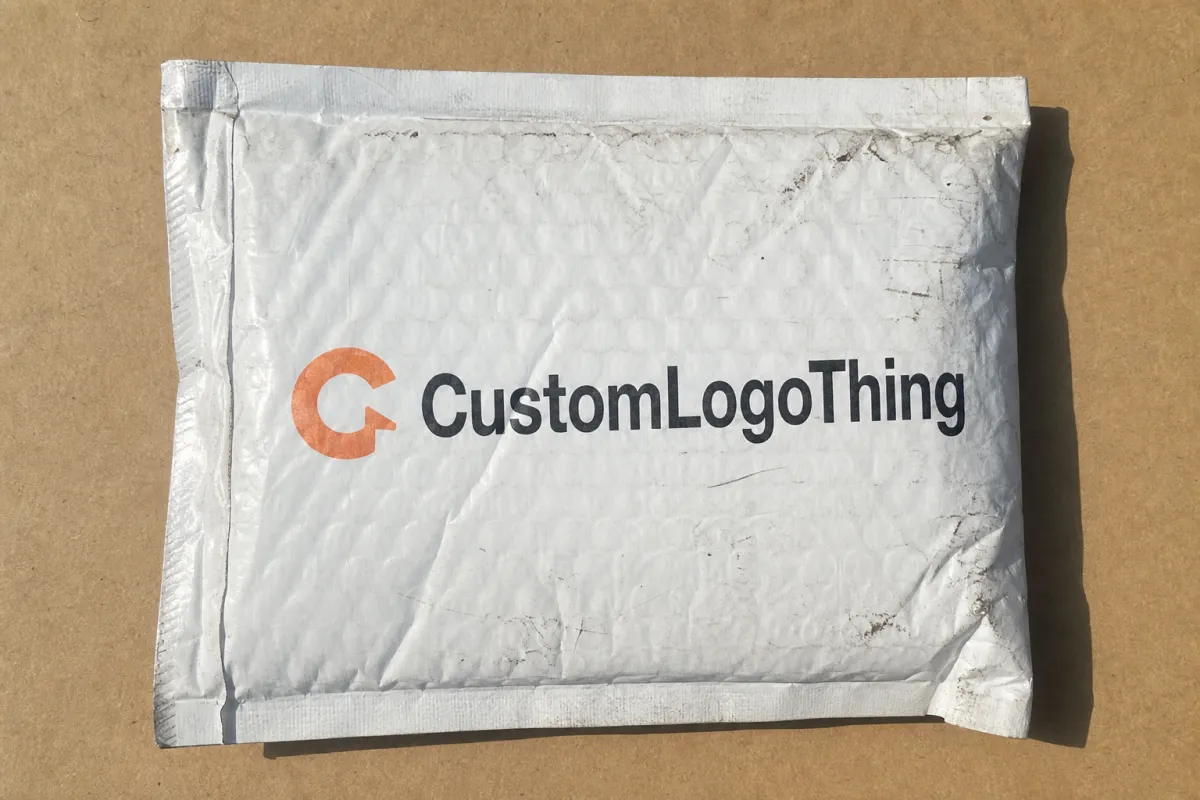
Coffee packaging gets judged in layers. The bag must hold freshness. The outer package must survive handling. The final piece has to keep the customer from feeling like they ordered from a warehouse instead of a roaster with taste. That is a lot to ask from a simple mailer, which is why the spec sheet matters so much.
Most shipping damage does not come from dramatic abuse. It comes from repeated friction, pressure at the corners, and handling that turns one weak point into a failed shipment. A 12 oz coffee bag can fit neatly into a mailer and still arrive looking tired if the outside is undersized or the padding is too thin. A sampler kit can look small enough to just fit, then shift enough to crush the seal or rub off the label in transit. Small mistake. Expensive headache.
The sweet spot for padded mailers is clear: direct-to-consumer orders, sampler sets, small accessory bundles, mugs with extra padding, filters, and lightweight merchandise where a carton would add unnecessary weight and cost. For those orders, the right mailer gives enough cushioning without turning every parcel into a brick. That balance matters because postage, dimensional weight, and damage rates all show up in the margin.
Good branded packaging does not need to be loud. It needs to be consistent. Clean print, correct size, strong closure, and a surface that does not make the logo look smeared or cheap. Coffee buyers notice the difference. So do fulfillment teams. So does your returns rate.
If your lineup includes both mailers and cartons, the right answer is usually a mix of formats, not one packaging type trying to do everything. Some products belong in retail packaging. Some belong in padded mailers. Some need custom printed boxes because the item is too fragile or too premium for a soft outer. That decision is cheaper to make on paper than after a bad delivery run.
Product Details: What to Specify Before You Request a Quote
Vague requests create vague quotes. Vague quotes usually hide extra charges, awkward assumptions, or an eventual "we need to adjust the spec" conversation after you already budgeted the order. If you want clean pricing, start with a clear use case.
Before a supplier quotes Custom Padded Mailers, define exactly what will go inside. A single 12 oz bag has different size and cushioning needs than two bags, a coffee sample set, or a bundle that includes a mug or dripper. The more the contents move around, the more the mailer has to do. And if the product includes hard edges, glass, tins, or metal accessories, the padding needs to be stronger than the average paper envelope pretending to be protective.
Ask yourself these questions before you send artwork or ask for a price:
- Is this for one coffee bag, two bags, or a mixed bundle?
- What are the exact outer dimensions of the product or bundle?
- Does the package need to fit a degassing valve pouch, a rigid tin, or fragile add-ons?
- Will the mailer be used for subscription shipments, one-time retail orders, or wholesale samples?
- Do you need a one-color logo, full-color branding, or inside print?
- Will the package ship alone, or inside another box for larger orders?
On the construction side, buyers usually choose from a few common formats: kraft padded mailers, poly padded mailers, bubble-lined mailers, and paper-based padded options. Each one has a different feel, a different protection level, and a different brand message. Kraft reads earthy and natural. Poly tends to be lighter and often cheaper. Paper-based options help when sustainability claims matter and the supplier can back them up. Bubble-lined mailers are fine for cushioning, but the surface and feel may not match the premium look some roasters want.
Branding details matter more than many buyers expect. A simple one-color logo can print cleanly on a kraft surface and keep setup costs in check. Full-color artwork, inside print, or multiple print zones raise the price and can change the production method. QR codes are useful if they lead to brew guides, subscription signups, or reorder pages, but they need enough contrast to scan cleanly after printing and sealing. Nothing says planned badly like a QR code that looks clever in proof and useless on the parcel.
Ask whether the mailer must be retail-ready. Some roasters want the outer to look polished enough for direct presentation, especially for subscription programs or gifting. Others only care that the package ships safely and does not blow up labor at fulfillment. Those are different goals. A supplier should quote both clearly if you ask for both.
If you need a broader range of packaging formats to compare against mailers, our Custom Packaging Products page is a practical place to sort through the options without bouncing between five vendors and a spreadsheet that starts lying to you by row 18.
Specifications That Change Protection, Weight, and Brand Impact
The spec sheet is where the real decision happens. Material thickness, padding type, closure strength, and finish all affect protection and shipping cost. Miss one of them and the quote looks fine until the first damaged parcel lands on your desk.
Material thickness determines how much abuse the mailer can take before it flexes, tears, or collapses. A thicker build usually improves protection, but there is no free lunch. More material means more weight, and more weight pushes postage up. In direct shipping, those little increases add up fast. Underbuild the mailer, though, and the damage claims will eat the savings. That is the sort of math people ignore until customer support starts sending replacement boxes every Monday morning.
Padding type also matters. A 3/16-inch bubble liner behaves differently from paper-fill padding or molded fiber-style cushioning. Bubble gives a familiar cushion and often a lower price. Paper-based padding can fit better with sustainability goals and some branding styles, but the protection profile depends on the structure and how well the contents are packed. If the supplier cannot explain the construction in plain language, that is a warning sign.
Closure adhesive deserves more attention than it gets. Weak adhesive strips fail in hot transit lanes, during cold storage swings, or when the package is packed too tight. Ask for the closure spec and the recommended seal performance. You want a clean seal that stays shut after handling, not a tape line that lifts because the parcel sat in a warehouse for six hours under bad conditions.
Tear resistance is another practical issue. Coffee shipments are often small, so carriers stack them with heavier parcels. Corners get crushed. Labels get scraped. Seams get stressed. A stronger outer surface can keep a mailer from splitting where the flap meets the body. That one detail saves more headaches than most branding upgrades.
Moisture resistance should be stated clearly. Water-resistant is not the same as moisture-blocking, and neither one means waterproof. If your shipping lanes involve rain, humidity, or long freight legs, ask what the outer can handle and what it cannot. Do not assume a pretty surface means the package will shrug off weather. It will not.
Size tolerance matters too. If a coffee pouch rattles inside the mailer, it can look cheap and arrive scuffed. If the fit is too tight, the seal can stress, the corners can bow, or the product can feel crushed. A good supplier should give a usable internal dimension, not just the outer size on paper. That difference is usually where the real fit decision gets made.
For sustainability, do not take product photos at face value. Ask for recycled content percentages, FSC chain-of-custody status if relevant, and whether the material is actually recyclable in common curbside systems or only in a specialty stream. You can verify paper-sourcing expectations through the Forest Stewardship Council when the project needs documented paper sourcing. If the supplier cannot back the claim, leave it out of your pitch deck and your spec sheet.
For transit testing, ask whether the mailer has been checked against common parcel handling standards. The International Safe Transit Association publishes procedures used across packaging testing, and a supplier who understands those expectations usually gives more useful answers about drop risk, vibration, and compression. You do not need a textbook. You do need a vendor who knows what breaks in real shipping.
Here is a simple way to think about spec choices:
- Light, low-risk orders: thinner padded mailers, simple print, standard closure.
- Premium subscription shipments: stronger outer, cleaner finish, better print control, tighter fit.
- Bundles with accessories: more padding, stricter size control, and a stronger seal.
- Sustainability-led brands: verified paper-based or recycled-content constructions with proof, not just a green color on the mockup.
A good spec sheet does not make the order fancy. It makes the order repeatable. That is the difference between package branding that works once and product packaging that stays consistent across multiple runs.
Custom Padded Mailers for Coffee Roasters Supplier Quote Checklist
This is the part most buyers wish they had before they got three quotes that all looked different and none of them matched the same assumptions. A proper custom Padded Mailers for Coffee roasters supplier quote checklist gives every supplier the same brief, which makes the quotes comparable instead of decorative.
Send the supplier this information up front:
- Product details: coffee bag size, bag weight, and whether the order includes samples, merch, or fragile add-ons.
- Package dimensions: outer size target, usable interior space, and any required clearance around the product.
- Material choice: kraft padded, poly padded, bubble-lined, or paper-based construction.
- Print requirements: logo size, number of colors, inside print, QR code, and any finish preference.
- Quantity tiers: the exact order quantity plus alternative breaks such as 1,000, 5,000, and 10,000 units.
- Shipping destination: where the mailers are going, because freight can move the real cost more than the unit price.
- Protection needs: tear resistance, moisture resistance, and any special handling for fragile items.
- Timing: expected launch date, reorder window, and whether you need a sample before full production.
Then ask the supplier to answer the same questions in writing:
- What is the exact MOQ?
- What setup or plate charges apply?
- How are proofs and samples billed?
- What is the production lead time after approval?
- What freight method is included in the quote?
- What tolerances are allowed for size and print placement?
- What happens if the artwork changes after proof approval?
That last one matters more than people think. Artwork changes after approval often trigger a new setup fee, a revised timeline, or both. If you do not ask before signing off, you are basically inviting a surprise charge later. Suppliers are not charitable organizations. They bill for rework because rework is real work.
Use a sample before you commit to a full run if the packaging will represent a premium roast line or a subscription program. One approved sample can save a run of expensive mistakes. It is cheap insurance. The same logic applies to any project involving branded packaging that has to do more than move product from point A to point B.
Here is a simple way to compare supplier responses:
| Mailer Type | Best For | Typical MOQ | Typical Unit Range at 5,000 | Protection Level | Brand Feel |
|---|---|---|---|---|---|
| Kraft padded mailer | Earthy brand look, standard coffee bag shipments, lightweight add-ons | 1,000-5,000 | $0.24-$0.42 | Good for light-to-medium parcels | Natural, clean, premium without shouting |
| Poly padded mailer | Lower-cost shipments, moisture-prone lanes, higher volume fulfillment | 1,000-3,000 | $0.18-$0.33 | Strong for scuff and moisture resistance | Sleeker, more utilitarian |
| Paper-based padded mailer | Eco-led brands, paper-forward package branding, retail presentation | 2,000-5,000 | $0.30-$0.58 | Good if the structure is well designed | High brand fit for natural or artisanal roasters |
| Bubble-lined mailer | More cushioning around small hard items and sample kits | 1,000-5,000 | $0.22-$0.40 | Very good for bounce and impact protection | Depends on the outer print and finish |
The price bands above are planning ranges, not live market quotes. They move with artwork coverage, material thickness, order size, and freight lane. A full-color print on both sides can add $0.05-$0.15 per unit. A tighter spec with custom sizing can add more. Lower MOQs can raise unit pricing by 25% to 60% compared with a larger run. That is normal, not a vendor scam. Small runs simply do not spread setup costs very far.
Ask for hidden cost line items too. That means sample charges, setup fees, freight to one site or multiple sites, and rush production charges if your launch date is not negotiable. If the quote only shows unit cost, it is incomplete. A landed-cost view is the only view that matters for coffee roasters running real margins, not fantasy margins.
Cost, Pricing, MOQ, and Quote Variables That Move the Number
Price is usually the first question and the last thing buyers should trust on its own. Cheap unit pricing can hide a weak spec, oversized packaging, or freight terms that make the deal disappear. A useful quote shows where the cost comes from, not just the final figure.
The main price drivers are straightforward:
- Material choice: kraft, poly, bubble, or paper-based construction.
- Size: bigger mailers cost more in material and freight.
- Print coverage: one-color logo is cheaper than full wrap artwork.
- Quantity: larger runs usually lower the unit price.
- Closure style: stronger adhesive or specialty seals can raise cost.
- Custom structure: unusual sizing or inserts add setup and production time.
For coffee roasters, the cheapest quote is not always the best value. If a mailer saves two cents but increases damage by even a small amount, the math turns against you quickly. Replacements, re-shipments, support time, and customer frustration all cost more than those two cents looked harmless on the quote sheet.
A cleaner way to compare is to ask for three quantity tiers. For example:
- 1,000 units: useful for first runs, test launches, or seasonal packaging.
- 5,000 units: often the price sweet spot for many roasters.
- 10,000 units: useful when the design is locked and demand is steady.
That tiering shows where scale actually pays off. Sometimes the jump from 1,000 to 5,000 cuts the unit cost enough to justify holding inventory. Sometimes it does not. You want that answer before you commit to a warehouse full of padded mailers in a print you will hate in three months.
There is also a difference between stock-based customization and fully custom production. A stock mailer with logo print usually costs less and moves faster. A fully custom build with exact dimensions, special padding, or print on multiple surfaces costs more and takes longer. Neither is wrong. The question is which one matches the order volume and the brand promise.
Here is a practical comparison buyers can use:
- Best for budget control: stock-based mailer with simple branding.
- Best for higher impact: custom-sized mailer with controlled print zones.
- Best for sustainability claims: verified paper-based construction with documentation.
- Best for fast launches: pre-existing structure with light customization.
For roasters selling premium blends or gift sets, package branding can justify a higher unit cost if it reduces returns and improves repeat orders. That is the tradeoff. You are not just buying an envelope. You are buying fewer damaged orders, cleaner fulfillment, and a better first impression.
If your project is not just mailers and includes inserts, cartons, or shelf-ready kits, compare them with other Custom Poly Mailers and broader packaging formats. Sometimes the right answer is to separate light e-commerce shipments from premium retail packaging instead of forcing one structure to do two jobs badly.
Process and Timeline: From Sample Approval to Production Steps
A quote is not the same as a production schedule. This is where buyers get burned by assuming the date on the first email is locked. It usually is not. The real timeline starts after artwork, sample approval, and material confirmation.
A sane production workflow looks like this:
- Inquiry: supplier reviews your brief and requests missing specs.
- Quote: pricing is issued based on quantity, print, and material.
- Artwork review: logo files, bleed, colors, and placement are checked.
- Proof or sample: you approve the look and fit before full production.
- Production: printing, assembly, sealing, and finishing take place.
- Quality check: the supplier confirms color, size, and seal consistency.
- Shipment: freight is booked and delivery dates are confirmed.
Typical timing ranges can vary, but these are reasonable planning numbers for many custom runs:
- Initial quote: 1-3 business days if the brief is complete.
- Artwork proof: 1-4 business days, depending on revisions.
- Sample or prototype: 5-10 business days for many stock-based builds.
- Production: often 12-20 business days after approval.
- Freight: a few days domestically, longer for import lanes.
If your supplier gives one number without separating proofing, manufacturing, inspection, and shipping, treat it as a rough estimate. Maybe useful. Not dependable. A better supplier will say what is confirmed, what is estimated, and what depends on your approval timing.
One reason samples matter is simple: they reveal fit problems that digital proofs cannot show. A digital mockup cannot tell you whether a coffee bag slides too freely, whether the flap sticks cleanly, or whether the closure feels weak after a few handling cycles. Physical samples solve that. They also keep the first production run from becoming an expensive design review.
Ask about contingency time too. If you need a launch tied to a subscription cycle or a retail promotion, build in a buffer. Three extra days can save a frantic reorder. Two weeks of missing inventory can cost far more than a slightly earlier approval deadline ever would.
Why Choose a Supplier That Knows Coffee Roaster Packaging
Not every packaging vendor understands coffee. Some know mailers. Some know print. Some know price sheets. Fewer know how coffee behaves as a product and as a brand.
A supplier with coffee packaging experience will ask better questions. They will want to know if the bag has a valve, how much headspace the product uses, whether the order is subscription-driven, and how often you reorder. That sounds basic, but it changes the whole spec. A vendor who understands fresh coffee behavior is less likely to overbuild the mailer, under-size the pouch, or miss the handling requirements that create damage claims later.
That experience also saves money. Better sizing reduces void space, which lowers scuffing and can reduce postage. Better material choices reduce returns. Better print advice prevents a mailer from looking muddy or off-brand. Those are practical gains, not marketing adjectives. They show up in your fulfillment costs and in the customer's first impression.
A strong supplier quote should include more than a unit number. Look for these items:
- Exact material and construction description
- Print method and color count
- Size or fit assumptions
- MOQ and any tier pricing
- Sample terms and proof terms
- Production lead time
- Freight assumptions
- Inspection or QC notes
Generic packaging vendors often treat every project like a generic shipping item. Coffee roasters need more nuance. The outer package is part of the brand, not just the vessel. That matters whether you are selling direct, running subscriptions, or building a line that has to sit comfortably beside custom printed boxes and other branded packaging.
There is also a point where a mailer is not the right answer. If the product is fragile, heavy, or meant for shelf display, a rigid carton or custom insert system may make more sense. A supplier who tells you that honestly is usually worth more than a vendor who says yes to everything and hopes the damage rate stays someone else's problem.
For roasters comparing formats, think in terms of fit and function, not just category names. Mailers are great for lean shipments. Cartons work better for premium presentation, stacked retail packaging, or bundles with more structure. Both can support package branding. The right choice depends on the product, the lane, and the customer expectation.
Next Steps for a Cleaner Supplier Quote Checklist
If you want cleaner supplier responses, collect the right inputs before you ask for pricing. Do not wait for the vendor to guess. You already know the bag size, the order volume, the ship-to location, and the look you want. Put that in one brief and send the same version to every supplier.
Use this order of operations:
- Confirm the product size and shipping format.
- Choose the mailer construction you actually want to compare.
- Set the target quantity and ask for at least three price tiers.
- Ask for sample terms, proof timing, and production lead times in writing.
- Compare landed cost, not just unit cost.
- Approve the sample before releasing the full run.
Then compare the quotes line by line. Put size, material, print method, MOQ, sample cost, freight, and delivery window in a single sheet. If one supplier hides setup charges and another gives them cleanly, the second quote is usually more useful even if the headline price is a little higher. Clarity beats surprise savings every time.
Ask each supplier these five questions and do not accept hand-wavy answers:
- What exactly is included in the quoted price?
- What causes the price to change after proof approval?
- What is the realistic lead time after sample approval?
- What documentation supports the material and any sustainability claim?
- What happens if the first batch does not match the approved sample?
If you already have artwork and a target spec, the next move is simple. Send the brief, ask for a sample, and request timed quotes so every vendor is responding to the same information. If you need help tightening the spec or matching the mailer to the product, Contact Us and we can help you sort the structure before you spend money on the wrong version.
What should I include in a custom padded mailers for coffee roasters supplier quote request?
Include the coffee bag size, bag weight, quantity, print needs, ship-to destination, and whether the mailer has to handle samples, merch, or full retail bags. Add any protection requirements such as moisture resistance, tear resistance, or extra padding for fragile add-ons. The cleaner the brief, the cleaner the quote.
How do I compare pricing for custom padded mailers for coffee roasters?
Compare unit cost, setup fees, sample charges, freight, and MOQ instead of looking at the headline price alone. Ask for several quantity tiers so you can see where the best break point lands for your order volume. That is the only way to judge whether the quote is actually competitive or just short on detail.
What MOQ is normal for custom padded mailers for coffee roasters suppliers?
MOQ depends on material, print complexity, and construction, but lower quantities usually cost more per unit. A supplier should state whether the MOQ is strict or flexible and whether mixed artwork or repeat runs are allowed. If they dodge the question, assume the answer is not friendly to small orders.
How long does the process usually take after I approve the sample?
Most timelines move from approval to production based on artwork readiness, material availability, and order size. Ask the supplier for a written production schedule that separates proofing, manufacturing, inspection, and shipping. If they cannot give that breakdown, you are probably looking at a soft date, not a promise.
Can custom padded mailers protect coffee bags without a box?
Yes, if the mailer size, padding, and seal strength match the product weight and shipping conditions. They work best for smaller coffee orders, sampler packs, and bundled items that do not need rigid carton protection. For heavy or fragile sets, a box may still be the smarter buy.
Use the brief, compare the numbers, and do not let the lowest sticker price win by default. A reliable quote should show protection, print quality, MOQ, and freight together. If you keep the process disciplined, the custom Padded Mailers for Coffee Roasters supplier quote checklist does its job: fewer surprises, cleaner branding, and a package that reaches the customer looking like it was supposed to arrive that way. The practical takeaway is simple: define the product, demand the same spec from every supplier, and approve a physical sample before you place the full order.

