Buyer Fit Snapshot
| Best fit | Printed Padded Mailers for Coffee Roasters Thickness projects where brand print, material claims, artwork control, MOQ, and repeat-order consistency need to be specified before quoting. |
|---|---|
| Quote inputs | Share finished size, material target, print colors, finish, packing count, annual reorder estimate, ship-to region, and any compliance wording. |
| Proofing check | Approve dieline scale, logo placement, barcode or warning zones, color tolerance, closure strength, and carton packing before bulk production. |
| Main risk | Vague material claims, crowded artwork, missing packing details, or unclear freight terms can make a low unit price expensive after revisions. |
Fast answer: Printed Padded Mailers for Coffee Roasters Thickness: Film, Print, MOQ, and Carton Packing should be specified like a repeatable production item. The safest quote records material, print method, finish, artwork proof, packing count, and reorder notes in one written spec.
Production checks before approval
Compare the actual filled-product size with the drawing, then confirm tolerance on folds, seals, hang holes, label areas, and retail display edges. Reserve space for logos, QR codes, warning copy, and material claims before decorative graphics fill the panel.
Quote comparison points
Review material grade, print process, finish, sampling route, tooling charges, carton quantity, and freight assumptions side by side. A quote is only useful when the supplier can repeat the same color, closure quality, and packing count on the next order.
Printed Padded Mailers for Coffee Roasters Thickness Guide
This printed Padded Mailers for Coffee Roasters material thickness guide starts with the part people usually skip: a mailer can look premium in a mockup and still perform badly in transit. Thin padding, weak seams, sloppy fit, and a package that arrives scuffed or half-collapsed are not minor flaws. They make the brand look careless. Coffee already has enough competition without shipping damage doing the sales pitch for someone else.
Thickness is not about making packaging feel heavy for the sake of it. Coffee roasters need enough cushioning to protect a sealed bag, enough structure to handle sorting and stacking, and enough restraint to keep shipping costs in check. Too little material and the outer pack bruises or splits. Too much and you pay for bulk you never needed, then wonder why postage climbed. The right spec changes with bag size, fill weight, valve placement, climate, route length, and whether the mailer holds one item or a full subscription bundle.
Used correctly, Printed Padded Mailers give coffee brands a retail-ready presentation without forcing every order into a box. The useful part is knowing what the thickness number actually tells you, how the build behaves under real handling, and where a heavier construction earns its keep.
Why Printed Padded Mailers Matter for Coffee Roasters
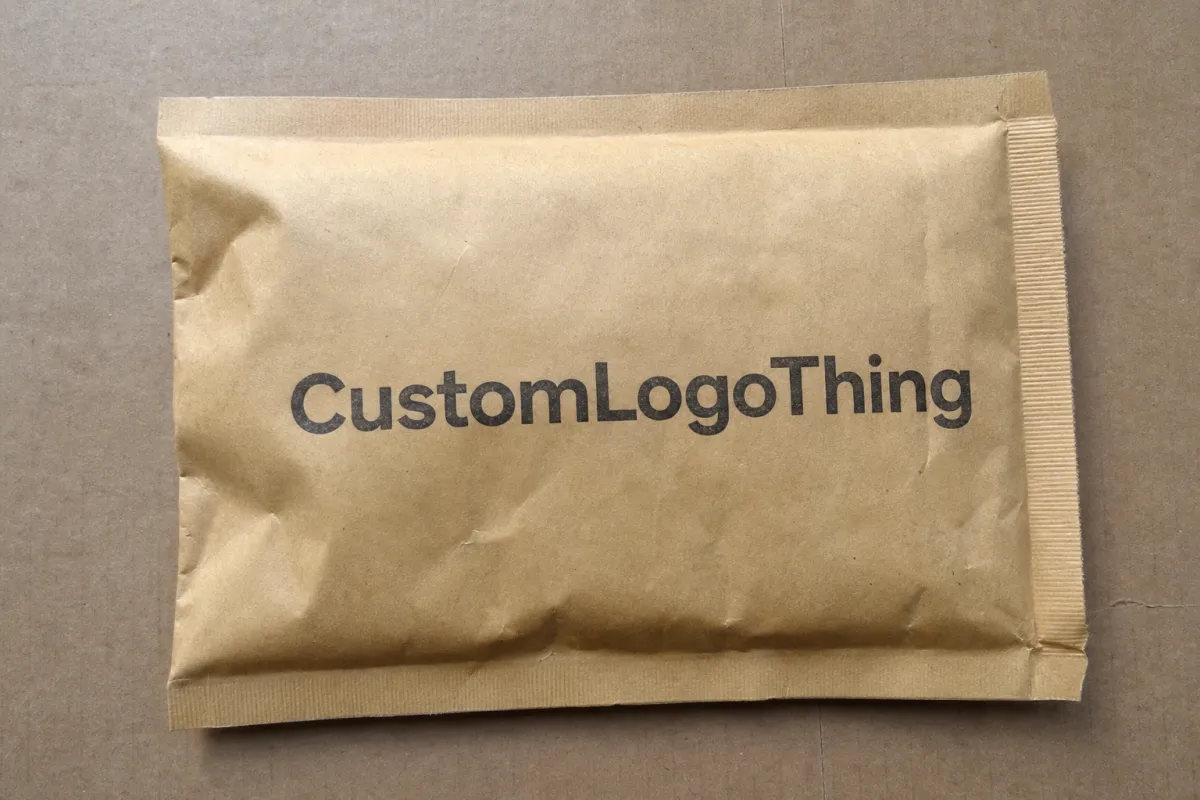
Roasted coffee is a touchy product to ship. The sealed valve bag handles freshness, but the outer mailer still has to survive parcel belts, truck movement, stack pressure, and the occasional drop that nobody wants to claim. A printed padded mailer does more than carry a coffee bag. It protects the print, keeps the bag from looking battered, and shapes the first physical impression the customer gets before they even open the parcel.
That is why thickness matters beyond appearance. A thin mailer may technically hold the product, but once the cushioning compresses, the coffee bag starts rubbing against the outer wall. Corners poke through. The valve can become a pressure point. Seams split when the pack is overfilled. A premium coffee brand can lose trust over a package that feels underbuilt, and that is a very avoidable problem.
Coffee roasters also need to think about the actual shipping route, not the ideal version on a spec sheet. A 5 oz sample shipped locally is a different challenge than a 12 oz retail bag crossing the country in summer heat. Add a note card, a sticker, or a second bag, and the mailer needs more room and a better buffer. There is no single thickness that fits every roaster. The right choice depends on the product, the lane, and the way the packing table really works.
Practical rule: the best mailer is not the thickest one in the sample kit. It is the one that stays flat, seals cleanly, and protects the coffee bag without forcing the packer to fight the material on every order.
For brands narrowing the options, it helps to compare packaging families side by side. Custom Packaging Products is a useful place to sort through structures, and if you are comparing flexible mailer formats, Custom Poly Mailers can help you benchmark specs without guessing.
There is one more coffee-specific issue. Customers often judge freshness by presentation before they judge the roast itself. The mailer does not preserve aroma the way the sealed coffee bag does, but it does protect the outer bag from abrasion, moisture exposure, and that unpleasant arrived-beat-up look. That protects the brand story. It also keeps people from assuming the coffee was handled carelessly just because the packaging was.
How Printed Padded Mailers Work in Coffee Shipping
A printed padded mailer has a simple job on paper. In practice, every part of the structure matters. The outer face carries the branding, the cushioning layer absorbs shock, the side seams hold shape, and the closure keeps the pack together after repeated handling. In a coffee shipment, one weak point usually exposes the rest. A sharp printed surface means little if the mailer wrinkles badly during packing. Cushioning helps, but only if the coffee bag fits closely enough that it does not slide around and scrape the print.
Most coffee roasters ship a valve bag that is already sealed and often gusseted. That means the mailer is not dealing with a flat object. It is dealing with thickness changes, air near the valve, and corners that can behave badly in a tight packout. A 5 oz sample bag may sit fairly flat. A 12 oz bag with a bulky label, a thick roast-date sticker, or a little extra air inside will ask for more clearance. Too tight and the closure strains. Too loose and the product shifts around like it has somewhere better to be.
Print quality also depends on the substrate. A glossy outer film can make dense ink coverage look crisp, but scuffing shows up fast if the material is too thin. A paper face, especially a kraft finish, gives the package a warmer, more tactile feel, but the build still needs enough strength to handle edge wear. Recycled content can support a sustainability story, but that story should not outrun the construction. Pretty claims do not fix weak seams.
For brands choosing paper-based structures, an FSC certified kraft paper face can strengthen the environmental message without turning the copy into vague green filler. If the package is mixed-material, the disposal story needs to stay honest. FSC certification is clear and familiar to many buyers. The phrase biodegradable packaging gets used loosely, and mixed laminations, adhesives, and inks make that claim messy fast. Use that language only if the full structure and intended disposal path actually support it.
Visual thickness and functional thickness are not the same thing. Two mailers can look nearly identical on a sample sheet and perform very differently in transit. One may use a lighter outer film with fluffy cushioning that looks thick at first glance but compresses quickly. Another may use a denser build that seems only a little heavier yet resists crush and edge damage far better. That difference shows up in parcel sortation, stack pressure, and the wear you see after a few shipping cycles.
If you want a real benchmark, ask whether the structure has been tested under parcel-style conditions instead of judged by appearance alone. The International Safe Transit Association outlines shipment test methods at ISTA, and coffee brands that ship nationally usually benefit from an ISTA 3A-style mindset even if they are not chasing formal certification.
Printed Padded Mailers for Coffee Roasters Material Thickness Guide
The simplest way to think about thickness is this: match the mailer to the actual packed product, not to the marketing image. For coffee roasters, that means looking at the final bag shape, how much air remains inside after sealing, whether the valve creates a hard point, and whether the mailer is carrying one item or several. A printed Padded Mailers for Coffee roasters material thickness guide should always start with the finished packed unit, because the bag, insert, and closure space together decide how the pack behaves.
Thickness gets described a few different ways depending on the structure. Poly mailers usually use film thickness in mils or microns. Paper-padded mailers may be described by paper basis weight, outer layer construction, or the density of the cushioning layer. Bubble-style mailers may reference bubble size, liner weight, or total wall thickness. The number on the spec sheet only matters if it is tied to real behavior under pressure, abrasion, and moisture exposure.
For most coffee shipments, medium-duty is the safest place to start. That usually means enough wall strength to survive parcel handling and enough cushion to keep the coffee bag centered, without making the mailer bulky or expensive to ship. Light-duty builds can work for sample packs, local delivery, or very flat items. Heavy-duty builds make more sense for long routes, subscription bundles, or any packout that includes more than a single bag. If the parcel is likely to be tossed into a crowded bin or squeezed between other parcels, stronger material pays for itself quickly.
The table below gives a practical comparison. These are planning ranges, not promises from every supplier, but they are useful when you are building a quote or asking for samples.
| Build Type | Best Fit for Coffee | Typical Protection Level | Common Unit Price at 5,000 Pieces |
|---|---|---|---|
| Light-duty padded mailer | 5 oz samples, short local routes, flat insert cards | Basic scuff and minor bump protection | $0.18-$0.28 |
| Medium-duty padded mailer | Most 12 oz retail bags and single-item subscription orders | Good all-around crush and abrasion resistance | $0.22-$0.38 |
| Heavy-duty padded mailer | Long-distance shipping, bundles, heavier inserts | Better seam strength and puncture resistance | $0.30-$0.55 |
| FSC-certified kraft paper padded mailer | Retail-forward brands, recycled-content messaging, premium unboxing | Good protection if tested carefully; moisture resistance depends on build | $0.24-$0.48 |
The numbers move with quantity, print coverage, and custom sizing. A larger order usually drops the unit price, but only if the size and print spec are already locked. If the artwork covers most of the face, or if the design uses multiple print colors, the price can climb faster than people expect. The same happens when the mailer needs a special closure, a custom gusset, or a wider body to handle a bulkier coffee bag.
Strength and ship cost also pull against each other. A heavier mailer may protect the bag better, but it can add material cost and increase dimensional weight. A brand shipping hundreds of small orders every week needs to balance that against labor. If the packer has to force every bag into a tight pouch, extra strength is not helping. If the package rattles around inside a loose shell, the mailer needs a better fit or more protection. That is the point of thickness selection: not maximum material, but appropriate material.
Material note: if you are comparing recycled materials, ask whether the content is post-consumer waste, pre-consumer waste, or just recycled blend language. Those details matter for sustainability claims and for print consistency.
Paper, Poly, or Hybrid?
For coffee, the material family matters as much as the thickness number. Poly-based padded mailers usually give better moisture resistance and stronger edge durability. Kraft paper mailers feel more natural and can fit a brand already using paper labels, recycled cartons, and minimal inks. Hybrid builds, which combine a paper outer with a cushioned inner, often strike the best balance for brands that want a warmer look without giving up too much performance.
If the product has to survive humid regions, wet loading docks, or a rough shipping lane, poly or hybrid structures often win. If the package is light and the brand story depends on paper texture and FSC certified sourcing, kraft paper becomes more appealing. Keep one thing straight: a sustainable-looking package is not automatically durable. Test it with the actual coffee bag and the actual route before ordering at scale.
For some roasters, a corrugated cardboard shipper still makes sense, especially when the order includes multiple bags, mugs, or fragile add-ons. Padded mailers are strongest when the packout stays compact. Once the item gets heavier or needs rigid crush protection, a cardboard mailer box may beat a padded envelope even if the envelope looks nicer in a mockup.
Production Process and Lead Time for Custom Mailers
Custom printed mailers move through a pretty predictable production path, and knowing that path helps a roaster plan around roast schedules and product launches. The first step is size selection. That is where the team checks the final packed dimensions of the coffee bag, the closure clearance, and whether any inserts need to fit beside the product. The second step is artwork setup. Trim, bleed, logo placement, barcodes, and legal copy need to be arranged so the final mailer still looks clean once it is folded and sealed.
Proofing and sample approval come next. Delays often hide here, not because the job is difficult, but because the practical details get sorted late. A logo may need to move so it does not run across a seam. A color may need adjustment so it matches the rest of the coffee line. A recycled-content note may need to be edited to fit the available print area. If the roaster is lining up the mailer with a seasonal blend or subscription launch, those revisions can shift the whole schedule.
Realistic lead times depend on the structure, but a standard custom run often lands in the 12-20 business day range after proof approval. Sampling adds time, especially if the first sample needs changes. Stock construction can move faster. Fully custom sizes, heavier print coverage, or special material sourcing can add a week or more. Freight is its own planning item, especially if the order is shipping across the country or needs to land before a launch date with little room to spare.
The smartest production habit is to work backward from the shipping window, not forward from the artwork deadline. If the bags need to be in the packing room by the first week of next month, the artwork should already be stable. Any revision can ripple through the schedule. If the brand expects a sales spike around a limited roast, a holiday set, or a wholesale account opening, build extra time into the plan so the mailer order does not become the bottleneck.
Here is a clean planning sequence that keeps the process grounded:
- Confirm the packed size of the coffee bag and any inserts.
- Choose two or three thickness options for sampling.
- Review print layout, seam placement, and closure style.
- Approve a physical or digital proof.
- Allow for production, inspection, and freight transit.
If you are comparing structures across product lines, a supplier can often help pair mailers with related formats from Custom Packaging Products. That matters because the same visual identity may need to work on coffee bags, mailers, and secondary shipping cartons without making each item feel like it came from a different brand family.
Cost, Pricing, and MOQ Factors That Change the Quote
The quote for custom printed padded mailers is shaped by more than size. Quantity is the biggest driver, but it is not the whole story. Thickness, print colors, finish, custom dimensions, and whether the build is stock or fully custom all affect the final number. A clean one-color design on a standard size is usually easier to price than a full-bleed, multi-color design with a special matte finish and a custom fit for a tall coffee bag.
MOQ has a direct effect on unit cost because setup work gets spread across fewer or more pieces. A smaller roaster may accept a higher per-piece price if it avoids excess inventory and gets the right look on the first run. That is often smarter than overbuying a thousand extra mailers that sit in storage while the brand changes. Once the packaging is stable and the sales pattern is predictable, moving to a larger MOQ can cut the unit price enough to matter across an entire shipping season.
Ask about the hidden costs before comparing suppliers. Setup fees, plate or tooling charges, freight, storage, and sample costs can change the real budget. Some quotes look cheap until freight gets added, or until a rush charge appears because the launch date is close. The lowest unit price is not always the best deal if the order arrives late, the material is too flimsy, or the artwork needs to be reworked after the first proof.
A better comparison uses total landed cost. That means the cost of the mailers themselves plus freight, setup, and the cost of any excess inventory you may have to store. If one supplier offers a thicker build that protects the coffee bag more reliably, the higher piece price may save money by reducing damage, returns, or the need to re-ship orders that arrived looking rough.
Pricing also depends on print coverage and finish. A small logo with lots of open space usually costs less than a full-face branded mailer with heavy ink coverage. A glossy finish may be cheaper in some structures, while a soft-touch or matte paper feel can raise the price because of the material and finishing steps. If the brand identity depends on tactile quality, the premium may be worth it. If the mailer is mostly functional, a simpler spec usually works fine.
For smaller roasters, one practical approach is to order a middle-ground quantity and leave room in the budget for testing. That lets the team run a real shipping cycle, learn what thickness feels right, and avoid locking into a high MOQ before the packaging has proven itself. It is a useful guardrail, especially for a product line that may still be changing bag sizes, roast labels, or subscription cadence.
Step-by-Step Guide to Spec the Right Mailer
The cleanest way to spec printed padded mailers is to treat the process like a small engineering project instead of a graphic order. Start by measuring the finished packed product, not just the coffee bag on its own. Measure the height, width, and thickness after sealing. Add room for the closure zone and any insert card or promo piece. If the package needs to sit flat in the mailer without forcing the seams, write that clearance down before anyone asks for a quote.
Next, request samples in two or three likely thicknesses. Pack the actual coffee, not a random substitute. A real valve bag shows where the corners sit, how much air remains in the package, and whether the outer mailer drags across the print. A test with the real product also shows whether the closure lands neatly or has to fight the contents. If there is a label, apply it first. If the mailer will carry an insert, include that too. The point is to test the final use case, not some idealized version of it.
Then run a short shipping test. It does not need to be fancy to be useful. A few parcels through a normal route, plus a manual drop and compression check, will reveal more than a pretty mockup. Watch for seam stress, rubbing on the edges, wrinkling at the closure, and scuffing where the coffee bag presses against the outer wall. If the mailer fails a light drop or comes back with obvious wear, the thickness, fit, or closure style needs adjustment.
Useful test criteria include:
- Does the package seal cleanly without forcing the closure strip?
- Does the coffee bag shift inside the mailer during handling?
- Do corners or valve areas create pressure points?
- Does the print stay readable after folding and packing?
- Does the mailer still feel premium after a rough transit cycle?
If the test shows weakness, change the spec in a controlled way. Sometimes the answer is thicker material. Sometimes it is a better fit. In other cases, the print surface needs to change so the package can tolerate a little wrinkling without making the artwork look tired. For larger or more fragile packouts, it may even make sense to switch from a padded mailer to a corrugated cardboard mailer box. That is not a failure of the mailer concept. It is just the better packaging choice for the shipment profile.
Once the design passes, document the approval in a repeatable spec sheet. Record dimensions, material structure, print details, closure style, and acceptable tolerance for future reorders. That way, the next run is not a fresh guess. It becomes a repeat order with a known result, which is exactly what a busy roasting and fulfillment operation needs.
Common Mistakes, Expert Tips, and Next Steps
One of the easiest mistakes is choosing thickness based on appearance alone. A mailer can feel luxurious in hand and still underperform if the internal structure is weak or the seam area is too narrow. Another common error is ordering a size that is just a little too loose. That extra room may look harmless on paper, but in transit it lets the bag slide, rub, and settle awkwardly. A third problem is ignoring valve bag corners, which are often the first place a weak mailer shows wear.
Subscription packing creates its own trouble. A mailer that works for a single 12 oz bag may struggle once the team adds a note card, a sticker, or a second sample. If the packout changes and the packaging does not, the result is usually a stressed closure or a package that looks overfilled. Spec for the real bundle. Guessing is expensive.
From a production-floor perspective, a few habits consistently improve the result. Keep artwork readable on a slightly curved or wrinkled surface. That means not placing tiny type where the seam might distort it. Test the mailer with real freight conditions, not just a hand-lift in the office. Give yourself enough material strength for peak season, because the package that is fine on a quiet Tuesday may perform poorly when the packing table is full and parcels are moving faster than usual.
There is also a simple sustainability lesson here. If the brand wants to emphasize recycled materials, FSC certified paper, or lower-impact packaging, the claim has to be defensible. That matters even more with biodegradable packaging language, which gets sloppy fast when the structure mixes plastics, adhesives, and coatings. Honest, specific language is stronger than vague green phrasing. If the mailer uses post-consumer waste content, say that clearly. If the kraft paper is FSC certified, say that specifically. Customers understand precision. They usually respect it more than packaging poetry.
A practical next-step checklist keeps the decision moving:
- Confirm the packed dimensions of the coffee bag and insert pieces.
- Shortlist two or three thickness levels for sample testing.
- Compare unit price, setup cost, freight, and MOQ together.
- Run a small shipping test before committing to the full run.
- Save the approved spec so future reorders stay consistent.
From there, the final choice usually gets clearer. If the brand wants a softer, retail-friendly feel, a paper-based padded mailer may be the right move. If moisture resistance and abrasion protection matter more, a poly or hybrid structure often wins. If the shipment is getting heavier or more fragile, corrugated cardboard may be the better answer. The right package is the one that matches the job, the route, and the customer expectation without waste.
Used well, this Printed Padded Mailers for Coffee roasters material thickness guide gives you a repeatable way to protect the coffee, protect the brand, and keep shipping costs under control. The actionable takeaway is simple: test the mailer with the real sealed bag, the real insert, and the real shipping route before you lock the spec. That is the difference between packaging that looks right and packaging that actually holds up.
FAQ
What thickness should printed padded mailers for coffee roasters use for 12 oz bags?
Start with a medium-duty structure and test it with the exact 12 oz bag you ship most often. The right thickness depends on the final packed shape, valve placement, and whether the bag has enough clearance to sit without stressing the closure. A short shipping test will usually tell you quickly if the mailer flexes too much, scuffs the print, or feels loose inside.
Are printed padded mailers for coffee roasters better than paper mailers?
Printed padded mailers often give stronger moisture resistance and better abrasion protection, which helps when coffee ships through rough parcel networks or humid conditions. Paper mailers can still work well, especially for brands that want a kraft paper look or FSC certified sourcing, but they need careful testing before they become the default choice.
How do I compare pricing for custom printed padded mailers for coffee roasters?
Compare total landed cost rather than only the quoted unit price. That means looking at setup fees, freight, storage, sample costs, and the MOQ alongside the per-piece number. A thicker or better-printed mailer may cost more at first, but it can save money if it reduces damage, re-shipments, or the need to overbox orders.
What lead time should I expect for custom printed padded mailers for coffee roasters?
Plan on roughly 12-20 business days after proof approval for a standard run, with extra time for artwork revisions, sample changes, or special material sourcing. If you are launching a seasonal blend or a subscription program, build buffer into the schedule so packaging does not become the bottleneck.
What MOQ makes sense for a small coffee roaster ordering printed padded mailers for coffee roasters?
A smaller MOQ is often the smarter move while you are still dialing in size, artwork, and packout workflow. It keeps inventory risk lower and gives you room to test the mailer in real shipping conditions. Once the spec is stable, a larger order can make more sense because the unit price usually drops with volume.


