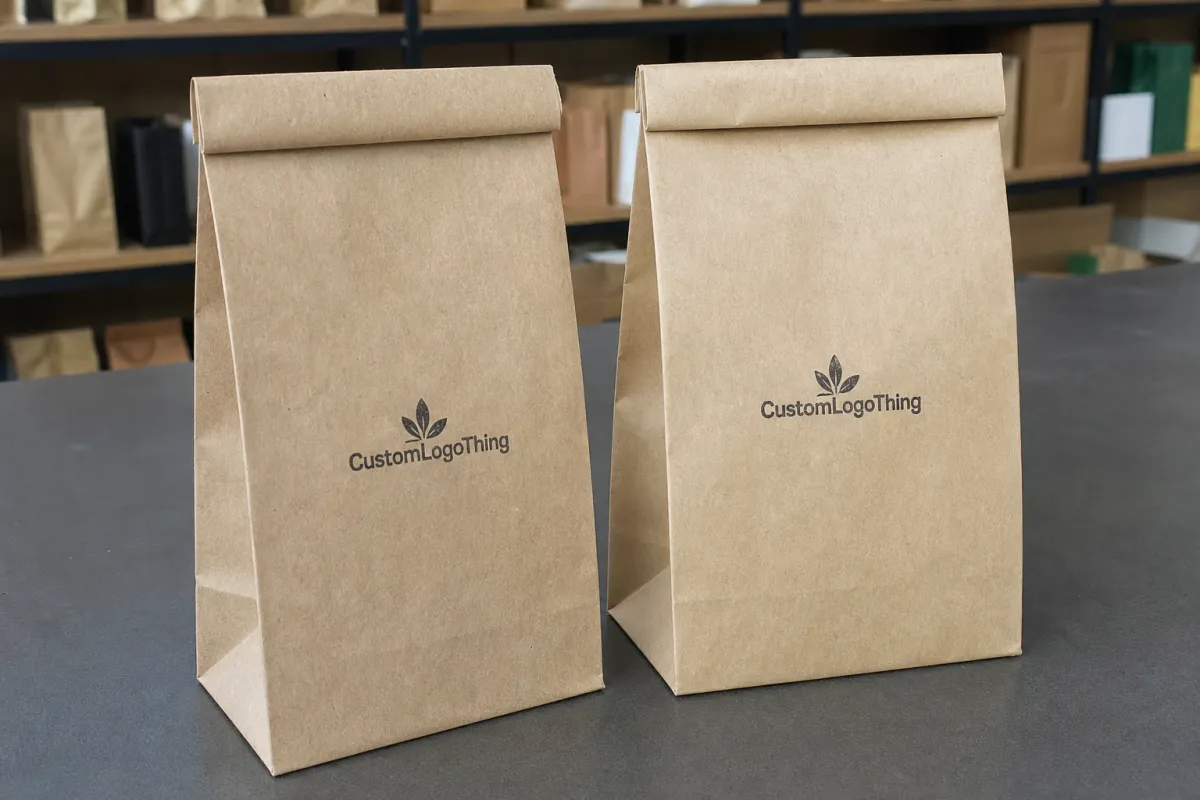
Buyer Fit Snapshot
| Best fit | Printed Paper Pouches for Snacks projects where brand print, material claims, artwork control, MOQ, and repeat-order consistency need to be specified before quoting. |
|---|---|
| Quote inputs | Share finished size, material target, print colors, finish, packing count, annual reorder estimate, ship-to region, and any compliance wording. |
| Proofing check | Approve dieline scale, logo placement, barcode or warning zones, color tolerance, closure strength, and carton packing before bulk production. |
| Main risk | Vague material claims, crowded artwork, missing packing details, or unclear freight terms can make a low unit price expensive after revisions. |
Fast answer: Printed Paper Pouches for Snacks: Film, Print, MOQ, and Carton Packing should be specified like a repeatable production item. The safest quote records material, print method, finish, artwork proof, packing count, and reorder notes in one written spec.
Production checks before approval
Compare the actual filled-product size with the drawing, then confirm tolerance on folds, seals, hang holes, label areas, and retail display edges. Reserve space for logos, QR codes, warning copy, and material claims before decorative graphics fill the panel.
Quote comparison points
Review material grade, print process, finish, sampling route, tooling charges, carton quantity, and freight assumptions side by side. A quote is only useful when the supplier can repeat the same color, closure quality, and packing count on the next order.
Printed paper pouches for snacks can look simple from a distance, then become surprisingly technical once you start comparing materials, seals, and shelf-life targets. The outer face may be paper, but the package usually functions as a layered system designed to preserve flavor, resist moisture, and survive a distribution chain that is far less gentle than most marketing mockups suggest. For a brand team working with a custom packaging supplier, that structure has to do three jobs at once: protect freshness, carry a clear message on shelf, and run cleanly on a filling line without creating scrap, slowdowns, or unnecessary rework.
That combination explains why the format keeps attracting snack producers. A pouch can feel more natural than a fully plastic flexible pack, still deliver meaningful barrier performance, and give designers a broad, print-friendly front panel. The tradeoff is that every layer matters. A pouch with attractive graphics but weak oxygen control can become a liability quickly, and a package that looks artisanal but fails after two weeks has missed the point.
A snack pouch only earns its place if the structure matches the product, not just the mood board.
What follows is the practical version of the decision process: what these pouches actually are, how they behave on production lines, where the cost comes from, and which details deserve a close look before an order is placed.
What Printed Paper Pouches for Snacks Actually Are
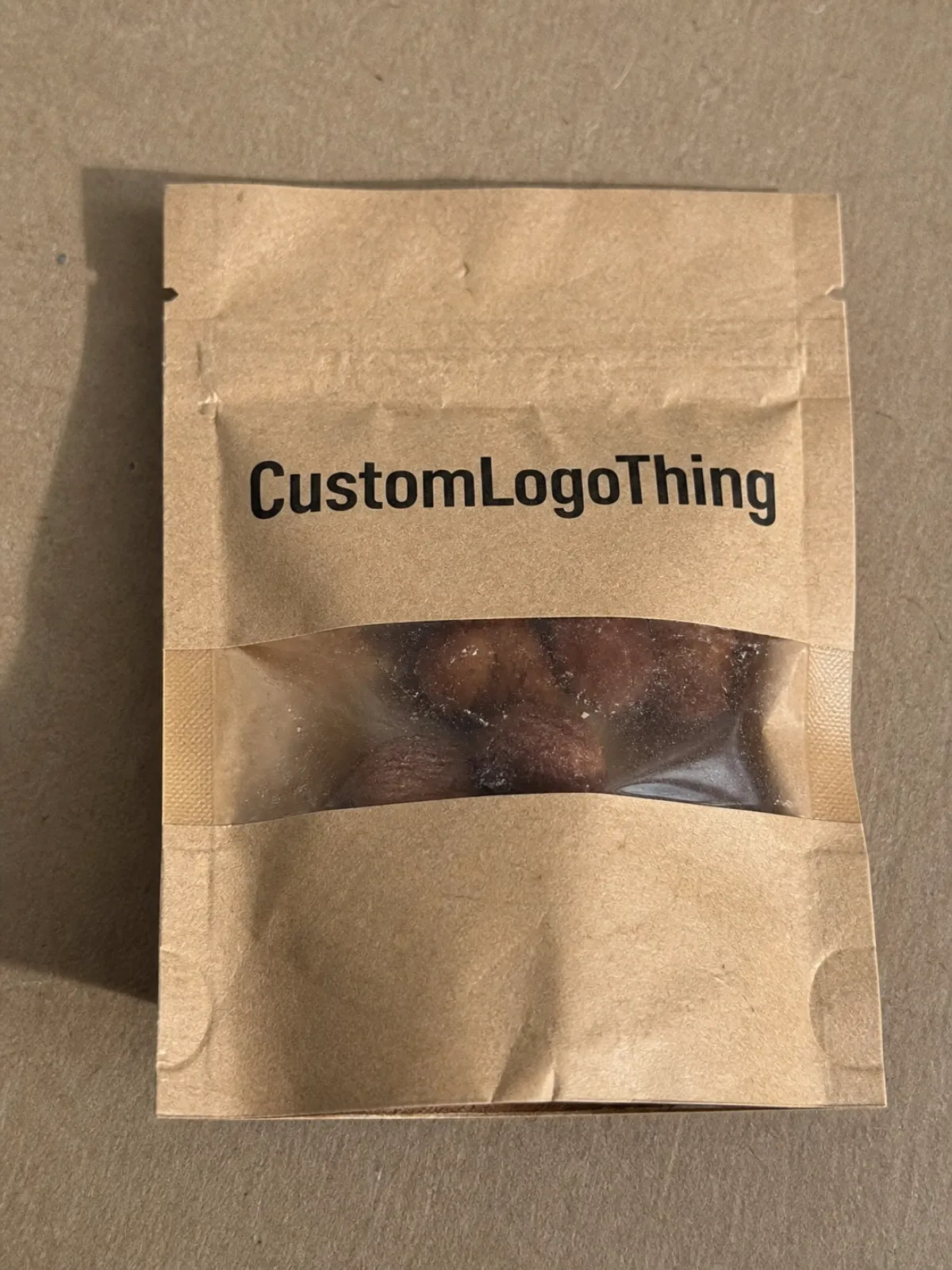
Most printed paper pouches for snacks are not paper in the pure, literal sense. They are multi-layer flexible packages with a paper-facing exterior and one or more functional layers doing the real work inside. Paper gives the pouch its visual character, tactile feel, and print surface. The inner layers handle oxygen control, moisture resistance, grease resistance, light protection, and seal performance. That distinction matters because buyers sometimes ask for a "paper pouch" and picture folded paper stock, which is not enough for most snack applications.
The gap between appearance and function shows up quickly once product is involved. A cracker can absorb humidity and lose crunch. A nut mix can oxidize or release aroma if the barrier is weak. A coated confectionery item may need better puncture resistance and cleaner shelf presentation. Printed paper pouches for snacks can support each of those requirements, but only when the build is matched to the specific food and the route it will travel through storage, freight, and retail display.
From a packaging buyer's point of view, printed paper pouches for snacks sit between a few familiar formats:
- Paper bags, which usually feel simpler and breathe more easily, but often offer less barrier protection.
- Cartons, which provide rigid presentation and stack neatly, while using more board and more transit cube.
- Fully plastic flexible packaging, which can deliver stronger barrier performance and lower weight, though it may not fit a paper-forward brand story.
The best match is usually dry or semi-dry snacks, especially products that benefit from a neat retail pouch and a wide front panel. Granola, trail mix, pretzels, baked chips, cookies, crackers, nuts, snack clusters, confectionery, and single-serve portions all fit that profile reasonably well. Very oily, very wet, or highly fragile snacks can still use the format, but they tend to demand more testing, more structure, and more attention to the seal window before a final sign-off.
Sustainability is where many conversations get blurry. A fiber-rich exterior does not automatically make the package recyclable. A pouch can include a barrier coating or film and still feel paper-forward in the hand. Consumers may see a natural-looking pouch and assume the environmental story is simple. The reality is less tidy. Printed paper pouches for snacks can support lower-plastic goals, recycled-fiber content, or improved brand perception, but the exact structure has to be honest about the tradeoffs. Claims should match the material build and the recovery system that actually exists in the market where the pouch will be sold.
How Printed Paper Pouches for Snacks Work in Real Snack Production
To understand how printed paper pouches for snacks function in practice, it helps to picture the package from the outside in. The outer face is usually a printable paper stock chosen for texture and visual tone. Under that sits a barrier layer that slows the movement of oxygen and moisture. Inside, a sealant layer allows the pouch to close under heat, pressure, or both. Depending on the product and market, the pouch may also include a zipper, tear notch, hang hole, or window.
Production usually follows one of three paths. One is vertical form-fill-seal, where pouch material is formed, filled, and sealed on the line. Another is pre-made pouch filling, which uses finished pouches that are opened, filled, and sealed on a separate machine. A third is manual packing, which still has a place for smaller launches, seasonal products, or early pilot runs where flexibility matters more than throughput.
What the print has to respect
Artwork is not decoration in this setting; it is part of the production design. It must avoid seams, stay clear of seal areas, respect registration marks, and leave any critical panel readable after the pouch is filled. Nutrition panels, ingredient statements, barcodes, and lot codes need predictable placement because the package may curve or shift slightly once product is inside. Copy that sits too close to a trim line can become unreadable or disappear into a fold once the pouch is finished.
That is why prepress review carries real weight. A strong pouch layout keeps the primary message on the widest face, leaves adequate margins around heat-seal zones, and anticipates how the package will appear standing upright on shelf. The finished pouch still needs to scan, seal, and stay legible after vibration in transit and compression on a pallet. A mockup that looks beautiful in a PDF can still fail badly if those practical details were ignored.
How the structure protects the snack
The pouch has one job that matters more than all others: keep the snack in the condition the buyer expects when the seal is broken. For snacks, that usually means controlling oxygen exposure, moisture gain or loss, grease migration, flavor loss, and physical damage. A crisp baked snack that absorbs humidity loses texture. A roasted nut mix exposed to oxygen can turn rancid earlier than planned. A fragile item can crumble if the pouch has weak puncture resistance or inconsistent seals.
In real production, the package has to match the product, not just wrap around it. That is why a supplier will usually ask about fill weight, product shape, whether the snack is sharp or abrasive, and whether it contains oil, salt, sugar, or delicate inclusions. Those details influence barrier choice, seal window, and shelf-life expectations. Even a difference of a few millimeters in product shape can alter how pressure builds inside the pouch during shipping and display.
If you want a technical reference point for handling and distribution, ISTA test procedures are widely used in package validation. They do not replace product-specific testing, but they offer a practical way to judge whether a pouch can survive shipping, display, and retail handling without split seals or damage.
Key Factors That Shape Performance and Shelf Life
The main purpose of a snack pouch is preservation, and that is where barrier performance stops being a vague marketing phrase and starts becoming a measurable issue. Moisture vapor transmission rate, oxygen exposure, grease resistance, puncture resistance, and light control all shape how a snack behaves over time. Two pouches can look nearly identical on a sample board and still perform very differently in storage because their internal structures are doing different work.
Moisture control is usually the first concern for crackers, baked snacks, granola, and wafers. If too much humidity gets in, texture softens and the product starts reading as stale long before the best-by date. Oxygen barrier matters more for nuts, seeds, cereal clusters, and products with natural oils. Grease resistance becomes critical for coated snacks, seasoned chips, and any item where oil can migrate and stain the print. Fragile or irregular products need puncture resistance because a weak structure can fail under pressure even if the graphics still look perfect.
Product shape is a bigger variable than most teams expect. Sharp corners, brittle inclusions, jagged cereal pieces, or hard candy edges create pressure points inside the pouch. Those pressure points can damage the seal or create pinholes, especially if the case pack is tight and the shipping route is rough. A pouch that looks perfect in a studio photo may still fail after vibration, compression, or a simple drop test.
Finish choices influence performance too, sometimes in ways that are easy to miss during design approval. Matte finishes usually feel softer and more natural, though they can scuff more visibly if the package is handled often. Gloss finishes tend to make color pop and can sharpen shelf presence, while soft-touch coatings create a more premium tactile effect and usually add cost. Uncoated paper can look honest and artisanal, but its print durability and scuff resistance may be limited once the package enters a busy retail chain.
Sustainability claims deserve precision. "Paper-forward" is not the same as recyclable. "Compostable" is not the same as accepted in local composting systems. "Repulpable" only matters if the full structure breaks down in the intended recovery stream. If those claims are part of the pitch, ask for the full material specification and compare it against the recovery pathway you plan to communicate. For fiber sourcing, the FSC system often enters the discussion when a brand wants documentation for the paper side of the chain of custody.
Food-contact compliance sits underneath all of it. Snacks are intimate products from a packaging standpoint; the package stays in contact with the food for weeks or months. Inks, coatings, adhesives, sealants, and barrier layers all need to be assessed for food-contact requirements and any retailer- or market-specific limits. Allergen labeling matters too. Printed paper pouches for snacks need enough real estate for compliant copy, and that copy has to stay readable after the pouch is filled and sealed.
| Structure Option | Best For | Typical Unit Price at 5,000 Pieces | Key Tradeoff |
|---|---|---|---|
| Paper-facing pouch with basic barrier | Dry snacks, short-to-mid shelf life, clean retail presentation | $0.18-$0.32 | Lower protection than higher-barrier builds |
| Paper pouch with enhanced oxygen and moisture barrier | Nuts, granola, seasoned snacks, products needing longer freshness | $0.26-$0.48 | Higher material cost and more complex structure |
| Paper pouch with zipper, window, or premium finish | Retail snacks that need reseal value or stronger shelf impact | $0.32-$0.62 | More components, more setup, and often a higher MOQ |
Those ranges are intentionally broad. Exact pricing shifts with size, print coverage, material availability, finish, and whether the pouch includes a special closure or window. Even so, the table gives a realistic sense of where cost pressure usually appears first.
One more detail deserves emphasis: shelf life is not just a material question, it is a system question. A better barrier will not fully compensate for a poor seal, inconsistent fill weight, or an already stale ingredient. The strongest printed paper pouches for snacks are matched to the product, the machine, the freight profile, and the shelf-life target together.
Cost, Pricing, and MOQ Basics for Custom Runs
Custom runs are priced through a mix of material, labor, setup, and risk. For printed paper pouches for snacks, the main drivers are usually pouch size, barrier level, print complexity, finish, and any added feature such as a zipper, tear notch, euro hole, or clear window. A larger pouch uses more material. A high-barrier build adds cost. More colors or more intricate artwork can increase prepress work and production complexity. A special component almost always raises the quote.
Minimum order quantity, or MOQ, changes the math quickly. A 3,000-piece order often carries a much higher unit cost than a 20,000-piece order because setup, waste, proofing, and changeover time are spread across fewer units. That is why smaller brands often feel sticker shock on a first custom run. The supplier is not always making more margin on the same pouch; fixed costs simply have less room to spread out.
Setup costs may include artwork preparation, proofing, plates or cylinders, line testing, and color calibration. On a simple digital or short-run job, the upfront cost can stay in the low hundreds. A more involved flexographic or gravure project with multiple colors and specialty finishes can push the upfront spend into the low thousands. That difference is normal, and it explains why first orders often look very different from reorders.
Use a practical checklist when comparing quotes:
- Material spec - Ask for the exact paper stock, barrier layer, and sealant.
- Print method - Digital, flexo, and gravure do not price the same way.
- Finish - Matte, gloss, soft-touch, varnish, and lamination all carry different costs.
- Closure - Zipper, tear notch, and window options change both function and pricing.
- Freight assumption - Confirm whether shipping is included or quoted separately.
- Overages - Check whether spares or make-ready waste are included in the price.
That list matters because two quotes can look close on paper and still differ sharply in real value. A slightly cheaper pouch with weak seals or a thin barrier may cost more later if it shortens shelf life, creates complaints, or slows the packaging line. The lowest bid is rarely the safest choice when the snack is sensitive.
For startups, the smarter budget move is often to simplify the structure before simplifying the brand. Protect the snack first. After that, decide where the visual premium actually earns its keep. A clean one- or two-color design on a well-built pouch can outperform an overworked design on an underbuilt structure. Established brands may choose the opposite and spend more on print quality because shelf presence is part of the sale, but even then the structure still has to justify the label.
There is also a hidden cost many first-time buyers miss: package failures after launch. A pouch that is too weak, too hard to seal, or too sensitive to product shape can create returns, repacking, and customer complaints. Those downstream losses are rarely captured in the quote comparison, yet they are often more expensive than a better specification chosen early.
Production Steps, Timeline, and Lead Time Expectations
A well-run pouch project follows a predictable sequence. It starts with a brief or spec sheet, moves into material selection and artwork review, then passes through proof approval, manufacturing, packing, and shipment. The steps sound simple, but each one can stall the schedule if details are unclear. A careful workflow usually saves more time than rushing the quote stage and cleaning up later.
The biggest delays usually come from artwork revisions, missing barcodes, low-resolution files, color matching, or late changes to pouch dimensions. If the brand still needs to confirm net weight, ingredient copy, or regulatory wording, the project can slow down fast. Custom material sourcing can add time too, especially if the structure uses a specific paper stock, barrier film, or closure component that is not already in inventory.
For a standard custom order, a realistic timeline often looks like this: a few business days for quoting and clarification, several days for artwork adjustments and proofing, one to three weeks for production depending on complexity, then transit time based on the shipping method. Simpler repeat orders can move faster. More custom builds can take longer. A pouch that needs a special insert, custom zipper, or additional compliance review should be budgeted with extra time rather than optimistic guesses.
A clean prepress process should include:
- Confirmed pouch dimensions and dieline.
- Bleed and safe-area checks.
- Barcode verification and placement review.
- Pantone targets or other color references.
- Nutrition and ingredient copy approval.
- Compliance review for any market-specific label claims.
That sequence looks ordinary, yet it prevents expensive failures. A pouch that looks right in a PDF but trims critical copy in production is not a design problem alone; it is a manufacturing problem. The same applies to a pouch that prints beautifully but compromises the seal zone or shifts color enough to weaken brand recognition across a product line.
Planning backward from the launch date is the safest habit. Leave room for revisions, physical samples, shipping, and at least one internal review once the finished pouch arrives. If the package is tied to a new snack launch, add time for a small fill test and shelf check before a full retail rollout. That cushion usually costs far less than a launch delay.
If the schedule is tight, the most reliable way to protect it is to freeze the core spec early. A changing pouch size, a late sustainability claim, or a last-minute zipper request can ripple through tooling, proofing, and production in ways that are easy to underestimate. Tight timelines are manageable; changing requirements are what usually break them.
Common Mistakes to Avoid Before You Order
The biggest mistake is choosing a paper-first look without matching the barrier to the snack. A natural exterior cannot save a package that lets in too much moisture or oxygen. If the product is supposed to stay crisp, aromatic, or shelf-stable for a set period, the barrier must support that target. Otherwise the snack may taste fine on day one and deteriorate well before the customer opens it.
Artwork mistakes cause a different kind of damage. Key copy often gets placed too close to a seam or trim line because the designer is thinking in a flat rectangle instead of a finished pouch. Small type, low contrast, and crowded panels become more difficult once the pouch is filled and the surface curves. A barcode printed too close to a fold may scan unreliably. Nutrition copy that looks acceptable on-screen can become too small in the real package. Those errors are preventable, but only if the dieline is treated like a production tool rather than a decorative file.
Operational mistakes are just as common. Some teams underestimate fill weight, which changes the panel shape and can stress seals. Others ignore sealing temperature windows and then wonder why the pouch burns, wrinkles, or fails to close consistently. A pouch style that looks attractive in a render may run poorly on the intended machine, causing line slowdowns, extra scrap, or uneven seals. The package has to work with the equipment, not fight it.
Sustainability language can also create trouble. A claim that sounds responsible in a pitch deck may not survive scrutiny from retailers or consumers if the package is not actually recyclable, compostable, or compatible with a real recovery stream. If a brand wants to make a claim, the structure, the region, and the recovery pathway all need to align. Anything less creates confusion, and confusion is expensive.
Physical samples and pilot runs should not be skipped for a new snack. Texture, powder, crumbs, oils, and fragility all change how the pouch behaves. A sample that looks perfect with dummy fill may perform differently with the real product. Even a small pilot can reveal whether the seal survives compression, whether the pouch stands properly, and whether the shelf appearance matches the brand's intention.
Quick warning signs to watch for:
- Barrier specs are vague or missing entirely.
- Artwork has no safe area around seals and trims.
- The supplier cannot explain how the pouch will be filled.
- Recyclability or compostability claims are unsupported.
- No sample or pilot run is planned before launch.
There is one more warning sign worth adding: a quote that sounds unusually cheap without any material detail. If the answer to every technical question is vague, the savings may be coming from a thinner structure, a less suitable sealant, or a stripped-down print process. That can be fine for a short-life, low-risk product, but it should never be assumed.
Actionable Next Steps for Your Snack Pouch Project
If you are planning custom packaging, the quickest route to a useful quote is to define the snack before the art. That order feels backward to many teams, yet it is the right sequence. The product determines the barrier. The barrier influences the structure. The structure affects the print and finish. Once those pieces are settled, the graphics can do their job without fighting the package.
Here is a practical sequence that works well for most snack projects:
- Define the snack - Note whether it is dry, oily, fragile, aromatic, coated, or highly seasonal.
- Set the shelf-life goal - Be clear about the freshness window the pouch must support.
- Choose the pouch style - Stand-up, flat, gusseted, resealable, windowed, or minimal.
- Confirm the sustainability claim - Paper-forward, recyclable, compostable, or simply lower-plastic.
- Gather the quote inputs - Size, fill weight, artwork status, closure preference, and launch date.
- Request samples - Compare feel, stiffness, seal strength, and shelf presentation.
- Map backward from launch - Leave time for proofs, approvals, production, shipping, and final testing.
If you want a quote that is actually useful, send the basics up front. A supplier can move faster when pouch dimensions, fill weight, print quantity, artwork files, closure preference, and target launch date are already clear. That also helps the estimate reflect reality instead of guesswork. If multiple SKUs are involved, say that early; if a sample run is needed before the main order, say that too.
It also helps to request a side-by-side material comparison rather than a single option. A good comparison should show structure, barrier level, finish, likely shelf-life impact, and any recyclability notes tied to the actual material build. Teams evaluating printed paper pouches for snacks for the first time often avoid a second round of confusion when the comparison is concrete instead of vague.
A final practical point: trust your hands as well as your eyes. A pouch that photographs well may still feel too soft, too slippery, or too fragile for a serious retail launch. Sample packs reveal stiffness, seal quality, zipper feel, and how the package sits on shelf. That tactile check is one of the easiest ways to avoid expensive surprises.
For a brand like Custom Logo Things, the strongest result usually comes from aligning product needs, shelf impact, and real production constraints from the start. That is the difference between packaging that looks polished in a rendering and packaging that actually supports the snack through the supply chain. Keep those three priorities aligned and printed paper pouches for snacks stop being a trend line item and become a practical format with a job to do.
The clearest takeaway is simple: start with the snack, not the artwork. If you know the product behavior, the shelf-life target, the line setup, and the claim you want to make, a supplier can recommend printed paper pouches for snacks that protect the food, fit the machine, and present well in retail. If those inputs are still fuzzy, delay the final spec and test a sample structure first. That small pause usually prevents the expensive kind of surprise later.
Are printed paper pouches for snacks recyclable?
That depends on the exact construction. Some paper-forward pouches use barrier layers, sealants, adhesives, or coatings that do not fit every curbside recycling system. Before making a recyclability claim on-pack, ask for the full material specification and confirm how the structure fits the recovery stream in your market. If recyclability matters, compare the pouch build against the snack protection needs rather than judging by appearance alone.
What snacks work best in printed paper pouches for snacks?
Dry and lower-oil products usually fit best, including crackers, granola, pretzels, cookies, trail mix, and confectionery. Snacks with sharp edges, strong aromas, or higher oil content may still work, though they often need stronger barrier performance and more testing. The more sensitive the product is to moisture, oxygen, or puncture, the more carefully the pouch structure should be chosen.
How do I know what barrier level I need?
Start with the failure mode you are trying to prevent. If the product goes stale, focus on moisture control and oxygen exposure. If oils can migrate, check grease resistance. If light affects color or flavor, look at opacity and light barrier. The right spec depends on the snack ingredients, the shelf-life target, and the shipping environment. If you are unsure, request sample structures and test them with the real product rather than guessing from a mockup.
Why do printed paper pouches for snacks cost more at lower quantities?
Short runs spread setup, proofing, and changeover costs across fewer units, so the unit price rises. Custom print work, material sourcing, and special finishing also add cost at smaller volumes. Once the order size increases, those fixed costs are distributed more efficiently, which usually improves the per-pouch price. That is why first orders often look expensive and reorders usually become easier to budget.
What should I prepare before asking for a quote?
Have the pouch size, fill weight, snack type, quantity, artwork status, and any closure or barrier requirements ready. Include your launch date, whether samples are needed, and whether the packaging will be used for one SKU or several. The clearer the brief, the more accurate the quote and the timeline will be. If you want the most practical outcome, build the project around the snack first and the printed paper pouches for snacks will usually fall into place much more cleanly.
Related packaging resources
Use these related guides to compare specs, costs, quality checks, and buyer decisions before making the final call.