If you’re requesting a Printed Poly Mailer Bags Quote for coffee, you already know plain shipping bags are only doing half the job. They can protect a parcel, but they do little for brand recognition, and they rarely feel intentional once they leave the packing table. A printed mailer changes that by combining outer shipping protection with a clean, branded presentation that works for coffee subscriptions, direct-to-consumer orders, and lightweight merchandise.
The useful part is not the print alone. Coffee shipments need packaging that holds up under sortation, resists moisture, closes reliably, and fits the product without wasting material. If the bag is too light, it tears. If it is too large, you pay for excess film and extra freight. Good packaging sits in the middle, where performance and cost make sense together.
That balance is why many coffee sellers move to Printed Poly Mailers for roasted beans, sampler packs, single-serve products, apparel, and accessory bundles. The format is simple, but the details matter: film thickness, seal strength, print method, and the dimensions of the finished coffee bag all affect whether the final order looks professional or just technically shipped.
Why coffee brands are switching to printed poly mailers
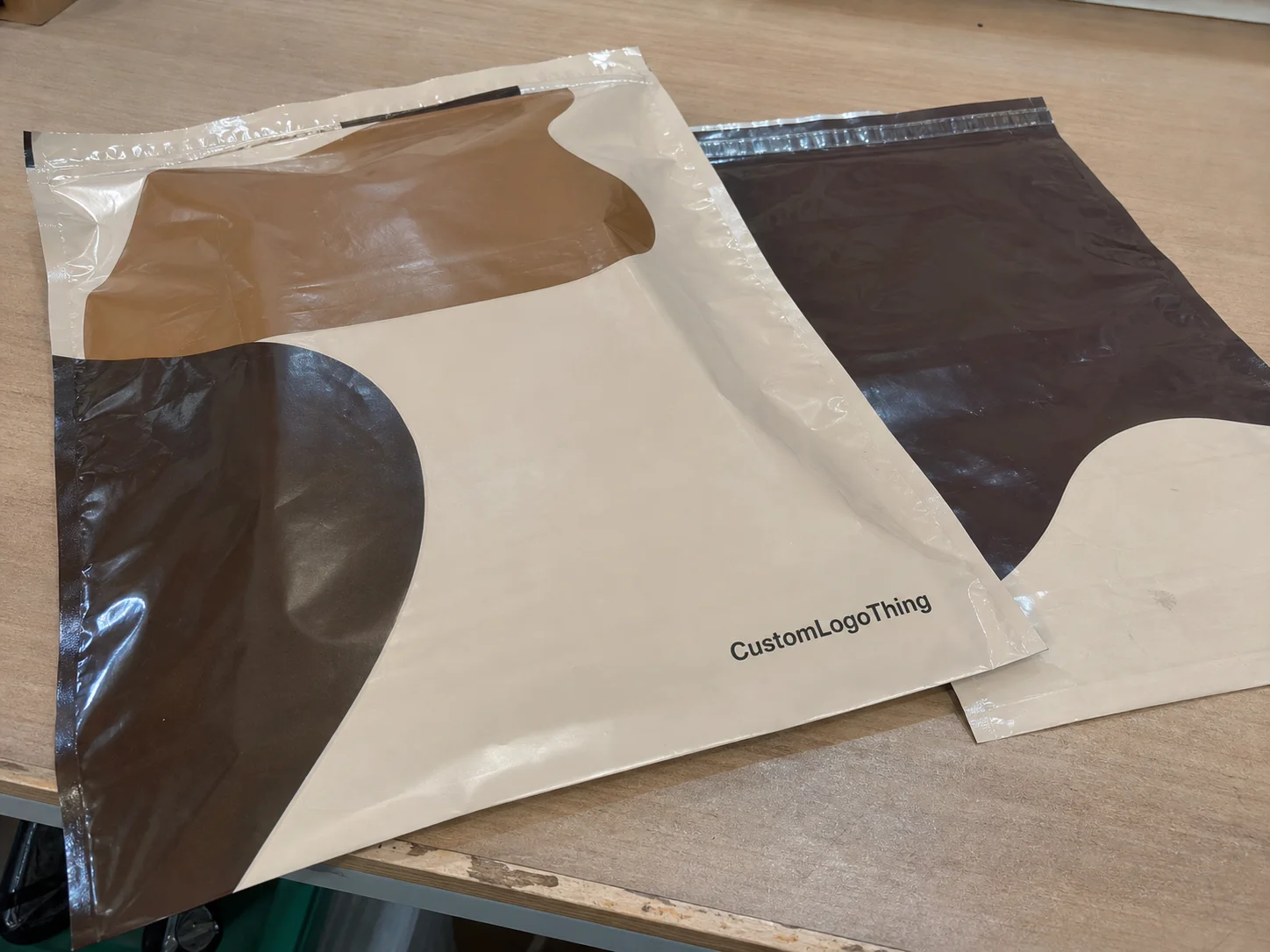
Coffee is light compared with glass jars or fragile food service packaging, yet it still has to survive conveyor belts, truck transfers, stacked cartons, and the occasional rough corner during delivery. Poly mailers are a practical fit for that kind of journey because they protect against everyday shipping wear without the cost and bulk of a rigid carton. For many non-fragile coffee orders, that is exactly the right tradeoff.
Brands also like the presentation side of the equation. A printed mailer puts the logo, color system, or pattern directly on the parcel, so every shipment becomes a branded touchpoint. That matters for subscription refills, launch samples, and repeat DTC orders, where the package often arrives before the customer even sees the product inside. The bag is doing part of the marketing work before unboxing begins.
There is also a warehouse advantage that gets overlooked. Flat poly mailers take up far less space than assembled boxes, inserts, and filler materials. In a small packing area, that can make the difference between an organized bench and a cluttered one. Fewer components also mean fewer packing steps, and fewer packing steps usually mean less labor at scale.
Not every coffee order belongs in a mailer, of course. Heavy gift sets, fragile ceramics, and premium bundles with breakable add-ons still need a carton or a reinforced shipper. But for bags of beans, merch, and non-fragile inserts, a printed poly mailer is often the cleaner and more economical choice.
Common coffee mailer uses include:
- 250g, 500g, and 1kg roasted coffee packs
- Single-serve sachets and sample sets
- Branded apparel, mugs, stickers, and accessories
- Subscription inserts and direct-to-consumer refill shipments
- Wholesale reorders that need outer shipping protection only
Product specs that matter for coffee shipments
If you want a quote that reflects the real job, start with the product details. A vague request usually produces a vague price, and then everyone spends time correcting avoidable assumptions. The size of the filled coffee pouch, the film type, the seal closure, and the print coverage all influence the final number.
Material choice is the first decision. Standard polyethylene film is usually the lowest-cost option and works well for many normal shipping situations. Co-extruded film adds layers for better puncture resistance and can improve consistency in printing and handling. Recycled-content options are also available from many suppliers, but they should be judged on their actual shipping performance, not just the sustainability label.
For coffee, moisture resistance is more than a marketing phrase. Roasted beans and related products often move through humid warehouses, warm delivery trucks, and mixed freight routes where weaker bags show problems quickly. A mailer should resist abrasion, keep its seal intact, and stay closed even when the parcel is stacked or compressed with other shipments.
The most useful specifications to confirm before quoting are these:
- Thickness: usually measured in microns or mils; thicker film generally improves tear resistance but raises cost
- Size range: should fit the filled coffee bag plus inserts without overstretching the seal area
- Adhesive strip strength: important for secure closure in humid or high-handling conditions
- Opacity: helpful if the contents should not show through the outer bag
- Tear resistance: critical for courier handling and warehouse movement
- Print coverage: logo-only, repeated pattern, or full-coverage branding
Size is where many buyers get tripped up. A 250g coffee pack might fit comfortably in a slim mailer, while a 1kg pouch with a valve and zipper can need more width and more height than expected. If you add a thank-you card, promo insert, or sample packet, the fit changes again. A good spec sheet should account for the product in its finished form, not just the label dimensions on paper.
Print method matters as well. One-color or two-color artwork is usually the simplest route and often the most cost-effective. Full-coverage printing can look strong when the layout is clean, but it requires better file preparation and more careful color control. White ink on darker films can improve contrast, though it adds setup complexity and usually increases cost. Tiny text, thin lines, and delicate logos should be checked on the dieline before approval, because flexible film does not always hold fine detail the way a flat PDF does.
For buyers who want to verify transit expectations or sustainability claims, general references from the International Safe Transit Association and material guidance from the U.S. Environmental Protection Agency can help frame testing and claim review. They are not coffee-specific rules, but they are useful when comparing packaging durability and environmental statements.
| Option | Typical use | Strength | Print look | Relative cost |
|---|---|---|---|---|
| Standard PE mailer | Light coffee shipments, inserts, merch | Good for normal handling | Clean, basic, flexible | Lowest |
| Co-extruded film mailer | Busier routes, better puncture resistance | Better tear performance | Sharper print consistency | Mid |
| Recycled-content mailer | Eco-positioned coffee brands | Depends on blend and gauge | Usually solid, but test first | Mid to higher |
| Heavy-gauge custom mailer | Rough handling, heavier inserts | Strongest option here | Very good with proper setup | Highest |
Cost, pricing, MOQ, and what changes your quote
Price is shaped by a handful of variables, and most of them are predictable: bag size, film thickness, number of print colors, quantity, and whether the material is standard, co-extruded, or recycled-content. Freight and setup sit on top of that base number. There is no hidden formula; the quote just becomes more accurate when the supplier has better information.
For custom printed coffee mailers, minimum order quantity commonly starts around 1,000 to 3,000 pieces. Some suppliers will quote lower, but the unit price usually climbs quickly when the run is too small. Better pricing often appears around 5,000 pieces and improves again at 10,000 or more, especially if the size is standard and the artwork is simple.
Here is a realistic pricing range many buyers see for custom runs:
| Order volume | Basic 1-color mailer | 2-color mailer | Full-coverage custom print |
|---|---|---|---|
| 1,000-3,000 pcs | $0.18-$0.35/unit | $0.22-$0.42/unit | $0.30-$0.60/unit |
| 5,000 pcs | $0.10-$0.22/unit | $0.13-$0.26/unit | $0.18-$0.40/unit |
| 10,000+ pcs | $0.08-$0.18/unit | $0.11-$0.22/unit | $0.15-$0.33/unit |
Those numbers are directional, not fixed. A custom dimension, heavier gauge, special adhesive, or close color matching can push the price upward. On the other hand, a standard bag size, one-sided print, and straightforward artwork usually keep costs lower. When comparing suppliers, separate the unit price from setup, proofing, and freight so you can see the true landed cost.
Watch for charges that are easy to miss in a quick email thread. Plate costs, cylinder costs, revised proofs, special finishing, and shipping can all move the final number. A detailed quote should list these items clearly instead of burying them in a footnote. If the pricing feels unusually clean, something may be missing.
A practical way to compare options is to ask for three price tiers: starter volume, mid-volume, and bulk. That shows the effect of scale and helps you decide whether it makes sense to buy more inventory now or keep cash available for roasting, shipping, or marketing spend. Packaging is one cost in the larger operation, not the whole budget.
“The cheapest unit price is not always the cheapest order. Packaging that tears once is more expensive than packaging that costs two cents more and actually survives the route.”
How the quote process works and what files you need
A useful printed Poly Mailer Bags quote for coffee starts with a clear brief. Short requests can work if the supplier already knows your dimensions, but a message that only says “need coffee mailers” usually creates extra back-and-forth. The more specific the initial information, the faster the estimate becomes useful.
Send these details first:
- Bag size or coffee pack dimensions
- Material preference
- Number of print colors
- Quantity
- Shipping destination or port
- Use case: retail, subscription, or wholesale
Artwork files matter too. A clean vector logo speeds up proofing, and Pantone references help when color accuracy is a priority. If the layout needs a barcode, warning text, return address block, or compliance statement, those items should be included in the first file set. Reworking them after proofing slows the order and often adds cost.
Ask for a dieline or template before finalizing the design. A mailer is not a rigid box, and artwork that looks centered in a mockup can shift when the film is folded, sealed, or filled. Flexible packaging behaves differently from flat print. Designing against the actual layout is the only reliable way to avoid surprises.
If you already know shipping weight and insert count, include them. That helps confirm whether the mailer will close correctly and whether the filled parcel is likely to stay within the expected handling range. A bag that looks perfect empty can become awkward once the contents are inside, especially if the zipper height, coffee pouch profile, or insert stack was not considered during quoting.
For sustainability or material review, resources from packaging industry associations and certification groups such as FSC can help buyers check the language around recycled content or responsible sourcing. If a brand plans to mention those claims on pack or in marketing, the support behind the claim should be clear before the order is approved.
Production steps, lead time, and delivery planning
The production sequence is usually straightforward: inquiry, spec confirmation, digital proof, approval, production, quality check, and freight booking. The process itself is not complicated. The delays usually come from missing measurements, late artwork revisions, or proof approval that sits in someone’s inbox while launch timing keeps moving.
Custom mailers generally take longer than stock inventory bags because the print setup has to be prepared correctly. For many orders, production lead time is often 12 to 20 business days after proof approval, depending on quantity, artwork complexity, and material availability. Shipping time is separate from production time. If the goods are moving internationally, transit and customs can add more calendar days than the factory schedule does.
Buyers usually lose time in the proofing stage, not on the press. A file can be technically ready and still sit untouched for days while internal teams debate logo placement or copy changes. That week is not free. If a product launch or subscription drop depends on the bags arriving on time, build review time into the schedule before the quote is even approved.
Plan extra days for:
- Revisions to artwork or dielines
- Peak-season freight congestion
- Customs clearance if importing
- Buffer stock for recurring subscription shipments
If coffee drops repeat on a schedule, ask about reorder workflows or approved-spec storage. Repeat production is usually faster when the dimensions are already locked, the artwork is on file, and the material has been tested once. That kind of consistency saves time and reduces the risk of small spec changes slipping into later runs.
Why our coffee mailers are a practical fit
At Custom Logo Things, the priority is packaging that ships well, prints cleanly, and stays practical for the actual order volume. Coffee brands need usable specs, not a polished pitch with no numbers behind it. The real value is in the details that affect purchasing decisions: realistic minimums, clear artwork requirements, size guidance based on product dimensions, and quote breakdowns that separate product cost from freight and setup.
That kind of clarity matters because packaging purchases are often judged on more than appearance. If a mailer tears, closes badly, or arrives in a size that wastes material, the damage shows up quickly in returns, replacements, or slower packing. A good quote should help you avoid those problems before the order is placed.
If you are comparing Custom Poly Mailers with boxes or other outer packaging, the most useful comparison is landed cost plus handling time. A well-printed mailer can carry your logo across subscriptions, direct orders, and samples without adding carton volume or extra packing steps. For many coffee sellers, that is the cleaner match.
We also help buyers compare material choices against specific priorities. Standard PE is often the lowest-cost starting point. Co-extruded film is worth considering if puncture resistance or a more finished feel matters more. Recycled-content mailers can work well, but they should still be measured on print quality, delivered cost, and transit performance rather than on the label alone.
For brands managing more than one packaging component, it can help to review Custom Packaging Products as a coordinated set instead of treating each item as a separate purchase. Coffee, merch, samples, and retail inserts often look more consistent when the packaging system is planned together. That does not just improve appearance; it also makes ordering and reordering more predictable.
The most dependable mailer orders usually come from buyers who know their filled dimensions, understand their shipping environment, and can describe the brand effect they want without overcomplicating the spec. That is where a quote becomes truly useful.
Next steps to request an accurate quote
Send the bag size, quantity, artwork files, and shipping ZIP or port so the estimate reflects real landed cost. If you are unsure about size, provide the finished dimensions of the coffee bag and any inserts. That gives the supplier enough information to recommend a fit before quoting, which is much better than approving a mailer that has to be corrected later.
Ask for at least two material options and two quantity breaks. That gives you a better comparison of cost, durability, and presentation. One option may look cheaper on paper but create handling issues. Another may cost a little more and reduce the chance of damage or replacement shipments. The full picture matters more than the first number in the spreadsheet.
Before paying a deposit, confirm these points:
- Proof format and revision limits
- Production timing after proof approval
- Freight method and estimated transit time
- Whether setup, plates, or cylinders are separate charges
- Whether the quote includes door-to-door delivery or only ex-factory pricing
If you want the fastest response, ask for a Printed Poly Mailer Bags Quote for coffee with exact specs rather than a broad estimate. Then Contact Us with your dimensions, artwork, and quantity so the request can be priced against the real order instead of a placeholder.
What size printed poly mailer bags quote for coffee should I request?
Match the mailer to the filled coffee package plus any inserts, then leave enough room for the adhesive strip to close properly. Many buyers request separate sizes for 250g, 500g, and 1kg packs instead of trying to force one bag to handle every format.
What affects the price of custom printed coffee mailers most?
Size, thickness, print colors, quantity, and special film choices have the biggest impact on unit cost. Shipping, setup fees, and custom dimensions can also affect the final landed price, so ask for a full breakdown before comparing quotes.
What is a normal MOQ for printed coffee poly mailers?
Many custom runs start around 1,000 to 3,000 pieces, depending on the supplier and print complexity. Higher quantities usually lower the unit price, so it helps to compare multiple order tiers before making a decision.
How long does production usually take after I approve the proof?
Production time varies by order size and print setup, but custom runs typically take longer than stock inventory bags. Add freight time on top of production, especially if you are shipping internationally or launching on a fixed date.
Can I use recycled or eco-friendly materials for coffee mailers?
Yes, many suppliers offer recycled-content or lower-impact film options, but you should compare strength, print quality, and cost. Ask whether the material still performs well in humid shipping conditions, because coffee packaging should not fail just to sound greener.


