If you need a Printed Poly Mailer Bags Quote for tea, begin with the product, the shipment, and the actual cost of moving it through fulfillment. Tea is light, but it still needs moisture resistance, enough puncture protection for transit, and a printed surface that does not make the brand feel like an afterthought.
That is why many tea brands move to printed mailers sooner than they expected. The right mailer can cut packing steps, reduce the need for an outer carton on standard orders, and give customers a branded first impression before the tea is even opened. For direct-to-consumer tea sellers, that first impression carries real weight.
There is also a simple operational reason. A well-specified mailer speeds up fulfillment because it is one outer package, one sealing step, and one outbound scan. For loose-leaf tea pouches, sample packs, and subscription bundles, that efficiency can matter as much as the artwork itself.
Why tea brands switch to printed mailers fast
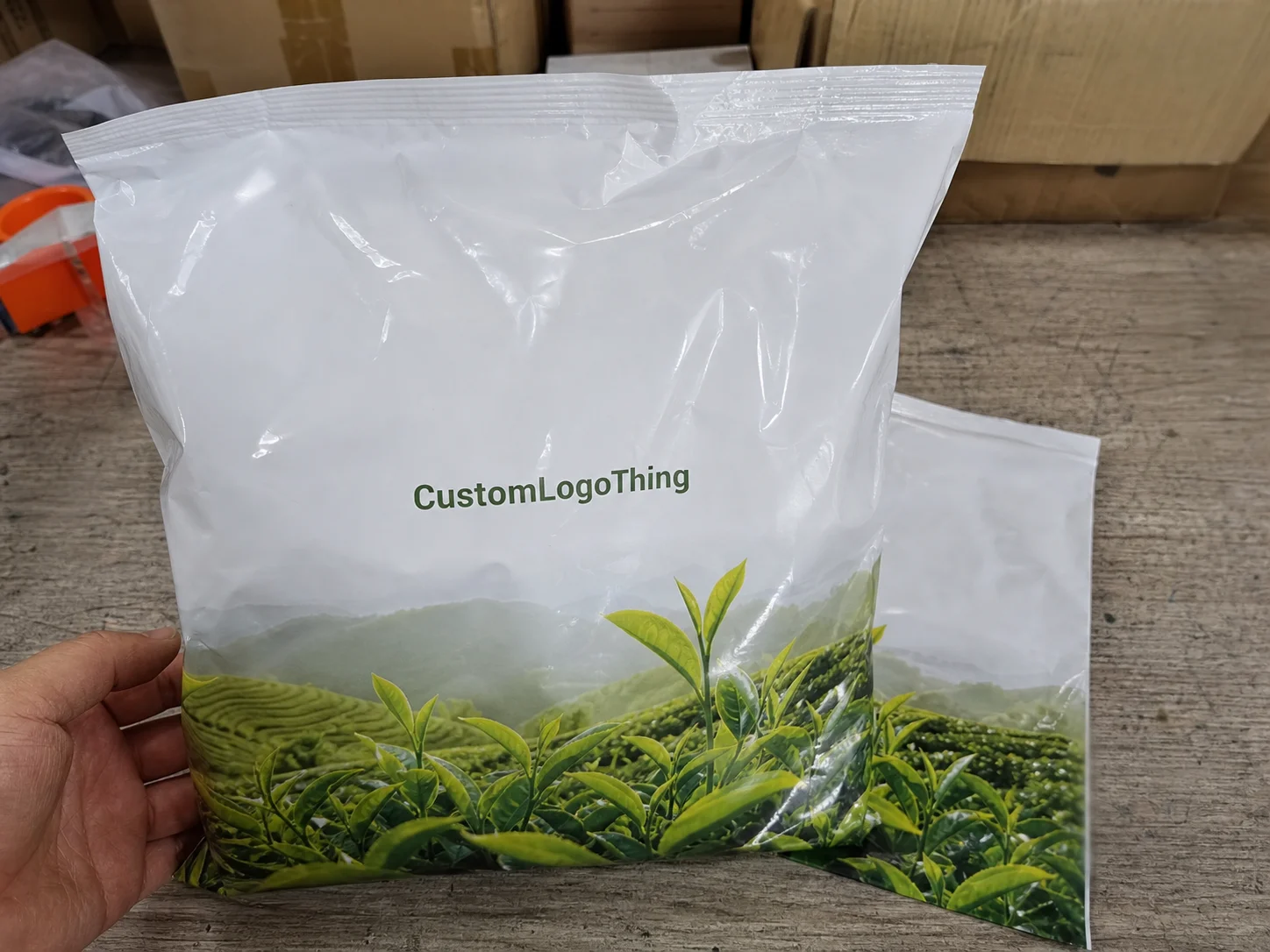
Tea sits in a tricky category. The product is usually small and lightweight, often sealed in flexible inner pouches, but the customer still expects the parcel to arrive looking thoughtful and intact. A plain shipping bag can work. A generic carton can work too. Neither does much for brand recall, and both can add unnecessary labor if the order does not need rigid protection.
Printed Poly Mailers solve part of that problem by putting branding on the outer layer while keeping the package light. For repeat tea orders, seasonal bundles, and starter kits, that can be a practical middle ground. Brands still need to decide whether the mailer replaces a carton or simply sits outside a more protective inner pack. That depends on how fragile the product is, how premium the presentation needs to feel, and how rough the shipping lane is.
From a buying perspective, the goal is straightforward: lower the cost of ship-ready presentation without making the package look cheap. A mailer with decent film strength, clean registration, and the right finish usually does that job. A thin, noisy, poorly printed bag tends to advertise budget pressure before the customer ever opens the order.
“Customers may not comment on the mailer, but they absolutely notice when it feels flimsy or looks off-brand.”
Tea brands also like printed mailers because they simplify inventory. One outer bag can cover several SKUs if the size range is planned carefully. That matters when a business is juggling loose-leaf tins, pouch refills, gift sets, and subscription shipments at the same time. A standardized mailer reduces decision-making at the packing bench, which is exactly where hidden cost tends to appear.
Poly mailer options that work for tea packaging
Not every poly mailer behaves the same way. Some are built for low cost first. Others are tuned for print quality or shipping strength. For tea, the differences show up quickly in the hand feel, the seal, and the clarity of the artwork.
Standard polyethylene mailers are the most common starting point. They are light, moisture resistant, and inexpensive enough to keep unit economics under control. For most tea pouch shipments, they do the job. Co-ex mailers use a layered construction that usually gives better strength and a cleaner print surface, which helps when the branding includes small type or full-color graphics. Recycled-content mailers can fit brands with a sustainability message, but the material source and performance need to be checked carefully. Recycled content is not automatically weaker, yet quality can vary from run to run depending on the resin blend and supplier controls.
Print style changes the impression as much as the substrate. A single-color logo on a solid base film is the low-risk choice and often the fastest route to a stable quote. Full-color exterior print gives more shelf appeal in transit, especially if the bag is visible during unboxing or at a pickup point. Matte finish usually feels more premium and photographs better. Gloss can look brighter and may cost a little less. White film gives the cleanest canvas, while black or kraft-look films can hide contents better and feel more secure.
Closure choice matters more than many buyers expect. Most tea brands use a permanent self-seal because it is fast and easy to train into a packing line. A tamper-evident adhesive strip is useful if you want an obvious opening signal. Re-seal features sound attractive for subscription use, but they are only worth paying for if the customer is likely to reuse the mailer.
For tea in particular, the outer mailer should support the inner pack rather than replace basic product protection. Loose-leaf blends, aromatic teas, and fragile tins often ship better with an inner barrier pouch, a rigid insert, or both. The mailer then does the branding and shipping work while the inner layer protects the tea itself.
For buyers checking material claims, packaging associations and environmental agencies are better references than marketing language. Guidance from groups such as the Flexible Packaging Association and the EPA can help verify recycled-content language, end-of-life assumptions, and general material categories.
| Option | Best for | Typical upside | Tradeoff |
|---|---|---|---|
| Standard PE mailer | Core tea pouch shipments | Lowest cost, light weight | Less premium feel |
| Co-ex mailer | Printed branding and repeat DTC orders | Better strength and print clarity | Slightly higher unit price |
| Recycled-content mailer | Eco-positioned tea brands | Better sustainability messaging | Performance consistency can vary |
| Mailers plus inner barrier pouch | Premium loose-leaf or aroma-sensitive tea | Extra product protection | More packing steps and cost |
One blunt point is worth keeping in mind: a mailer alone is not always enough. If the tea ships in a fragile tin, a soft pouch with a poor seal, or a bundle that can shift inside the bag, the outer mailer will not fix the weakness. The better move is to protect the product first and let the mailer handle branding and moisture protection.
Specifications to confirm before you request a quote
If you want a clean quote, give the supplier real specifications. Guessing creates delays, and it often produces a number that is only useful once everyone discovers the bag size was never properly defined.
Start with the basics: flat size, any gusset depth, film thickness, print coverage, and bag color. For tea, common sizes often fall around 6" x 9", 8" x 10", and 10" x 13", depending on whether the order is for a single pouch, a bundle, or a subscription kit. Smaller tea pouches may fit a compact mailer, but once the order includes multiple items or a rigid insert, the bag needs extra width and sometimes extra depth.
A practical fit test helps more than guesswork. If the product slides around too much, the outer mailer may wrinkle badly, seal inconsistently, or make the package feel oversized. If the fit is too tight, the seal area can be stressed and the contents may press against the seams. Good suppliers should suggest a size based on your product dimensions instead of defaulting to a standard bag that happens to be in stock.
Artwork setup matters just as much. Send vector files when possible. Confirm spot colors if brand matching matters. Allow for bleed. Keep text away from the seal area and edges. If the adhesive strip sits near the top flap, the design should not fight that space. This sounds obvious, but it is one of the most common reasons a proof gets revised.
Ask about performance, too. Specifically: tear resistance, seal strength, and whether the film uses virgin or recycled content. If your brand makes environmental claims, the supplier should be able to support them with source information rather than broad language. For orders that are especially sensitive or include fragile components, some buyers also refer to ISTA testing guidance so the mailer choice reflects real transit conditions instead of a best guess.
For an RFQ, the most useful information usually fits in a short list:
- Exact product dimensions or photos with measurements
- Bag size and gusset requirement
- Film thickness target, usually in microns or mils
- Print colors, coverage, and whether one or both sides are printed
- Finish preference: matte or gloss
- Closure type: standard self-seal or tamper-evident
- Quantity breakpoints for comparison
- Shipping destination and required delivery window
Printed poly mailer bags quote for tea: cost, MOQ, and unit cost
Now to the number everyone is trying to reach. A Printed Poly Mailer Bags Quote for tea usually shifts based on four variables: size, film thickness, print complexity, and quantity. That is the honest formula. Not glamorous, but dependable.
Smaller runs cost more per unit. Larger runs pull the unit cost down, often sharply. If you are ordering 1,000 pieces, the price per bag will usually be much higher than at 5,000 or 10,000 pieces, even when the artwork is identical. Setup cost has to go somewhere, and on short runs it goes straight into the unit price.
Typical buying logic looks like this:
- Short-run or launch orders: digital print, lower MOQ, higher unit cost
- Mid-volume orders: flexo is often more efficient if the artwork is stable
- High-volume orders: gravure or optimized flexo can bring unit pricing down further
For a practical budget range, a simple printed poly mailer for tea can often land around $0.12 to $0.28 per unit in moderate quantities, depending on size and print coverage. Larger sizes, specialty finishes, heavier film, or more color coverage can push it above that. Very small runs can cost more, sometimes noticeably more. That does not usually mean the supplier is overcharging; it usually means the setup cost is being spread across fewer units.
Hidden costs deserve a separate look. Plates, setup, proof charges, outer freight, and carton charges can change the real landed cost in a way the initial quote does not show. That is why it helps to ask for a landed unit cost whenever possible. Landed unit cost is simply the bag price plus setup and delivery, divided by usable quantity. It is not a fancy metric, but it keeps side-by-side comparisons honest.
There is also a production method difference worth understanding. Digital short runs are useful for launches and seasonal tests because they need less setup, though the unit cost is higher. Flexographic printing tends to fit repeat tea SKUs better once the artwork is stable. Gravure can be economical at scale, but it makes the most sense only when the order volume is high enough to justify the cylinder cost.
| Quote type | MOQ tendency | Unit cost tendency | Best use |
|---|---|---|---|
| Digital short run | Lower | Higher | Launches, seasonal trials, test campaigns |
| Flexo print run | Medium | Moderate | Stable tea SKUs, repeat replenishment |
| Gravure production run | Higher | Lower at scale | Long-run programs and standard branded mailers |
One useful comparison tactic is to request two versions of the quote: a budget spec and an upgrade spec. Keep the size the same, then change the material or finish. That gives you a clear sense of what the added cost buys, instead of a vague “best price” with no context.
Process and turnaround: from artwork to delivery
The order flow should be boring. Spec confirmation, artwork review, digital proof, sample approval if needed, production, inspection, then shipping. If a supplier skips several of those steps, expect surprises later.
Turnaround depends on print method, stock availability, artwork complexity, and freight choice. A straightforward order can often move in 12–15 business days after proof approval if the material is available and the print setup is simple. More complex artwork, special films, or peak-season freight can extend that timeline. Rush work usually costs more, and it is easiest when the mailer size and film already exist in stock.
If color or logo placement matters, approve a mockup or sample before mass production. Tea branding often uses restrained layouts: one logo, one product line, one clean color block. That is attractive, but it also means small shifts are easy to see. Misalignment, shade drift, or a weak seal stands out quickly because there is little visual noise to hide it.
It helps to prepare documents before requesting the quote:
- Final artwork files in vector or high-resolution format
- Product dimensions and target bag size
- Quantity and reorder expectation
- Shipping address and preferred delivery method
- Any labeling or compliance instructions
Those details are simple, yet they change how accurate the quote will be. They also determine whether the first proof is usable or whether the order stalls in revision.
How we keep tea mailer orders consistent and on-brand
Consistency is the whole game on repeat packaging orders. If the mailer looks different every time, the brand starts to feel uneven even when the tea quality is excellent. Most buyers want the same result on reorder: same shade, same print placement, same seal performance, same count in the box.
Quality control should cover print registration, color consistency, seal integrity, and count accuracy. That sounds basic because it is basic, yet many packaging issues trace back to one skipped check. If the logo sits close to the edge, a slight shift can make the bag feel off-center. If the seal adhesive is inconsistent, fulfillment slows down. If the count is wrong, operations has to stop and sort out a problem that should never have left production.
Repeat orders stay stable when the artwork, substrate, and production method are locked early. In practice, that means resisting the urge to change the bag size, film, and ink method every time a reorder comes around. Once those variables start moving, the quote becomes harder to compare and the bag stops matching the original standard. A better approach is to standardize the core mailer for everyday tea SKUs and reserve seasonal variants for promotions or holiday runs.
Sampling is worth the time. A pre-production sample can catch sizing mistakes, design crowding, or closure issues before the full run begins. For tea brands shipping both retail pouches and subscription kits, the awkward SKU should be tested first. The simple one often works. The awkward one is where the real problem hides.
Repeatability also depends on the supplier keeping records clean. The finished spec should include size, film structure, print method, finish, seal type, and the approved artwork version. If that information is not locked, reorder pricing and reorder quality both become harder to control. That is one of the most common reasons a second order does not quite match the first.
If direct production support is available, use it early rather than after the artwork is already complete. Fewer assumptions usually means fewer revisions, and fewer revisions usually means a better match between quote and final package. If you need to compare the mailer against other packaging formats, browse Custom Poly Mailers and Custom Packaging Products to see which structure fits the tea line best.
Next steps to secure the right mailer quote
If you are ready for a useful quote, avoid the vague “need price” message and send the actual specifications. Dimensions, quantity, artwork file, material preference, and shipping destination are enough to get the conversation moving. If the tea pouch is unusual, include photos with measurements. If the pack has a zipper, gusset, rigid insert, or fragile closure, say that clearly.
Ask for two options. One should be the lowest-cost spec that still fits the product correctly. The other should be an upgraded version with a better finish, heavier film, or stronger branding effect. That comparison is usually more useful than asking for the cheapest possible quote, because the cheapest option often leaves out the details that determine real performance.
Before approval, check these points:
- Unit cost at your real quantity
- Lead time after proof approval
- Appearance of the printed finish and logo placement
- MOQ fit for launch or replenishment planning
- Landing cost including freight and setup
If the order is for a tea line that will reorder regularly, it helps to lock the format early and keep the spec stable. A cheaper bag is not always the lower-cost choice once labor, damage risk, and packaging consistency are included. That is usually the difference between a printed mailer that supports the business and one that becomes a constant source of rework.
For brands comparing several packaging styles, the best decision usually comes from one print method, one size, and one landed cost. That keeps the printed Poly Mailer Bags quote for tea grounded in production reality rather than a low number that cannot hold up in fulfillment.
FAQs
What details do I need for a printed poly mailer bags quote for tea?
Provide bag size, quantity, print colors, material preference, and shipping destination. Add the tea pack dimensions so the supplier can recommend the right fit instead of guessing.
What MOQ should I expect for tea poly mailers?
MOQ depends on print method and material. Short-run digital options can be lower, while custom mass-production runs usually need higher quantities for better pricing.
Are printed poly mailers enough for loose-leaf tea shipments?
For many retail and subscription shipments, yes, if the inner tea pack is already sealed. For premium or fragile formats, pair the mailer with an inner barrier pouch or rigid insert.
How long does production usually take after artwork approval?
Timeline depends on print method, order size, and whether materials are in stock. Most delays come from artwork corrections or waiting on proof approval, not the actual print run.
Can I get a lower unit cost on printed mailers without lowering quality?
Yes. Larger quantities, simpler print coverage, and standard sizes usually reduce cost. Ask for two versions of the quote so you can compare a budget spec against a more premium spec.


