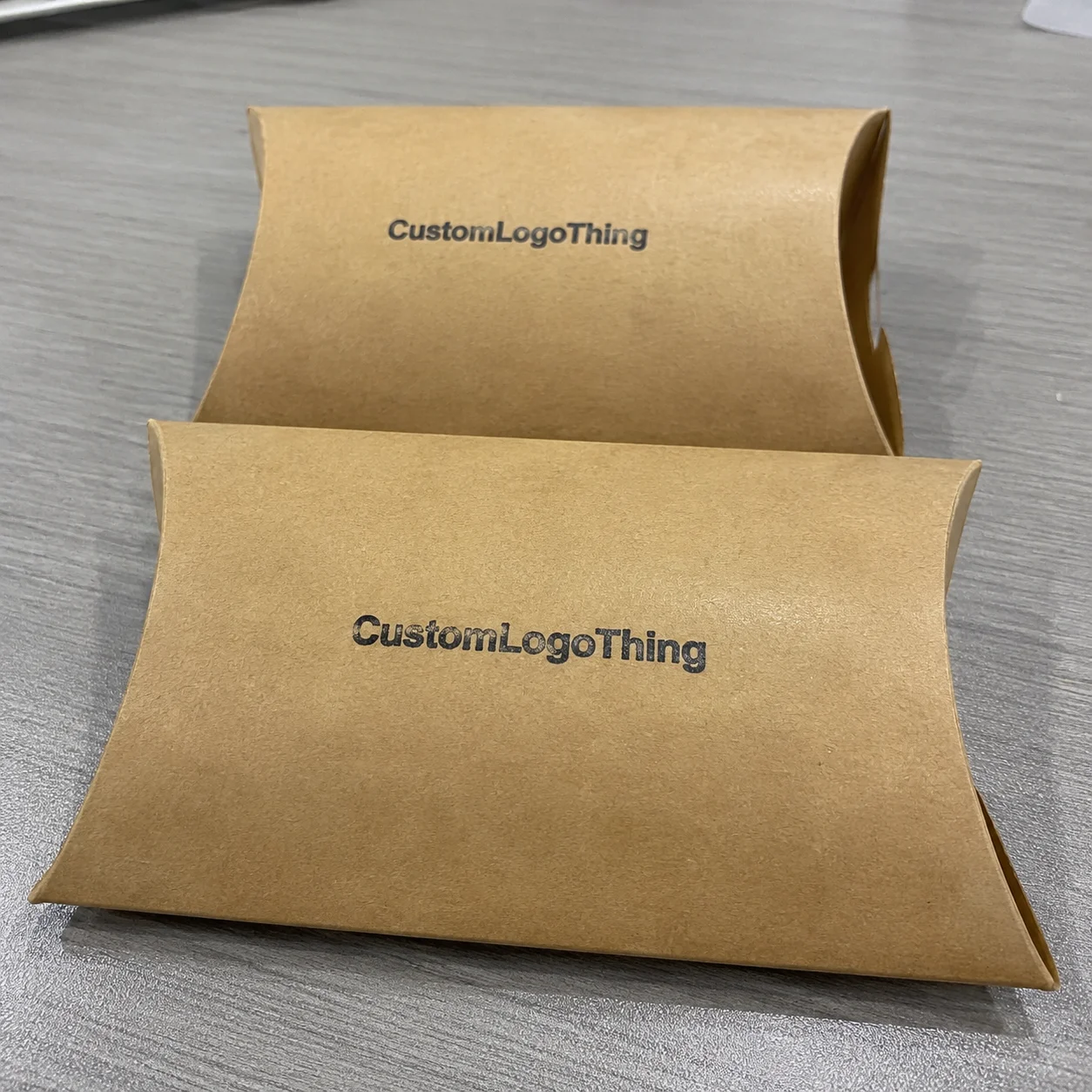
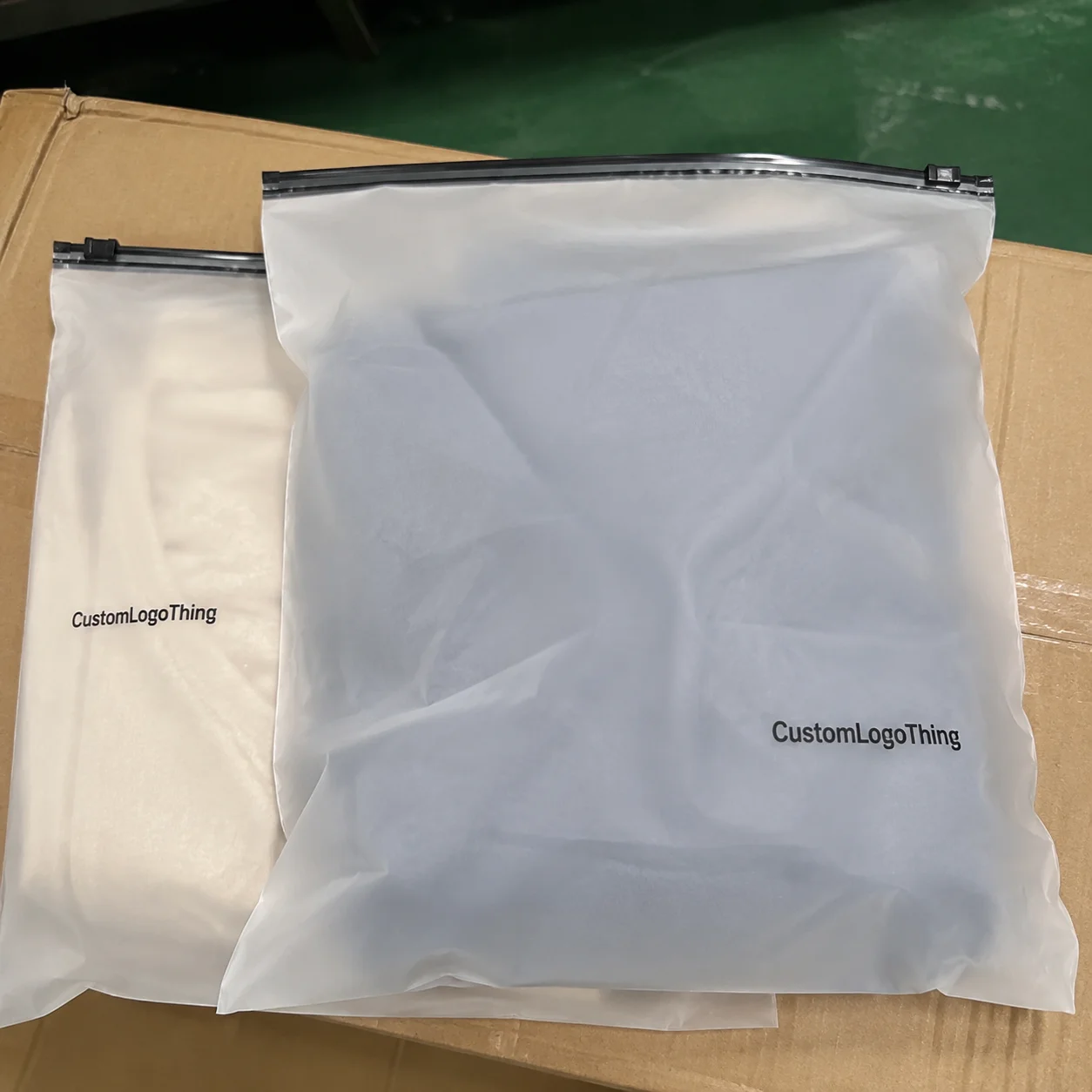
Buyer Fit Snapshot
| Best fit | Order Custom Printed Mailers No Minimum projects where brand print, material claims, artwork control, MOQ, and repeat-order consistency need to be specified before quoting. |
|---|---|
| Quote inputs | Share finished size, material target, print colors, finish, packing count, annual reorder estimate, ship-to region, and any compliance wording. |
| Proofing check | Approve dieline scale, logo placement, barcode or warning zones, color tolerance, closure strength, and carton packing before bulk production. |
| Main risk | Vague material claims, crowded artwork, missing packing details, or unclear freight terms can make a low unit price expensive after revisions. |
Fast answer: Order Custom Printed Mailers No Minimum: Film, Print, MOQ, and Carton Packing should be specified like a repeatable production item. The safest quote records material, print method, finish, artwork proof, packing count, and reorder notes in one written spec.
Production checks before approval
Compare the actual filled-product size with the drawing, then confirm tolerance on folds, seals, hang holes, label areas, and retail display edges. Reserve space for logos, QR codes, warning copy, and material claims before decorative graphics fill the panel.
Quote comparison points
Review material grade, print process, finish, sampling route, tooling charges, carton quantity, and freight assumptions side by side. A quote is only useful when the supplier can repeat the same color, closure quality, and packing count on the next order.
I’ve sat across from founders who were convinced custom packaging meant 10,000 units, a warehouse corner full of dead inventory, and a painful bill before the first order even shipped. I remember one founder, in particular, staring at a stack of plain mailers like they had personally offended her. That assumption costs brands money. If you want to order Custom Printed Mailers no minimum, you can protect cash, test a design faster, and still look polished from day one. In many cases, a first run of 250 to 500 units is enough to validate a design without tying up thousands of dollars in inventory.
That format is getting attention for a reason. A small apparel label can order 500 branded mailers for a launch instead of committing to tens of thousands, and that difference changes the math immediately. You are not just buying a shipping bag. You are buying flexibility, control, and a cleaner path into branded packaging without betting the entire quarter on one artwork file. Honestly, I think that matters more than people admit. Packaging has a way of looking “minor” right up until it becomes the first thing a customer touches. A mailer with a crisp 1-color logo, matte finish, and 0.125" bleed can influence perception before the product is even unwrapped.
In my experience, the brands that win early are the ones that treat order Custom Printed Mailers no minimum as a testing tool, not a compromise. I once worked with a direct-to-consumer activewear startup that used 750 custom mailers for a capsule drop. They ran two graphics, tracked social shares, and then reordered the better performer at a higher volume. That is smart packaging design, not guesswork. And, yes, it spared them from the classic tragedy of being stuck with 8,000 bags that no one liked (which, frankly, is the packaging equivalent of buying a sweater in a color you already hate). Their final reprint used a 350gsm C1S artboard hang tag inside the bag and a recycled-content poly exterior from a supplier in Dongguan, Guangdong, which kept the full presentation consistent.
Why Order Custom Printed Mailers No Minimum Makes Sense
Most people think custom packaging begins with scale. It often does not. When you order Custom Printed Mailers no minimum, you remove the biggest barrier for small brands: upfront inventory risk. Cash stays in the business instead of sitting on a pallet of bags that may or may not match next month’s campaign. I’ve seen brands tie up working capital in packaging so aggressively that they had less room for ads, inventory, or even a decent photo shoot. That is a bad trade, no matter how pretty the mailers are. A 250-unit test in Chicago or Austin can tell you more than a six-figure packaging projection ever will.
I’ve seen this play out in factory visits and client meetings alike. A beauty brand once came to us with a seasonal promo and a very limited budget: 300 units, not 30,000. They needed packaging that looked intentional, not temporary. We walked them through a no-minimum mailer spec with 4-color print and a matte finish, and the result looked as if they had been shipping that way for years. That matters because customer perception starts before the product is even opened. If the outside feels random, the inside has to work twice as hard. Their final run shipped from a production line in Ho Chi Minh City, with proof approval to dispatch completed in 13 business days.
The business case is straightforward. Small-batch mailers help you test color palettes, campaign slogans, and logo placement with real orders instead of conference-room opinions. They also support seasonal campaigns, influencer drops, and region-specific promotions. If demand changes, your packaging changes with it. That is a real advantage over locked-in stock. Honestly, I think this is one of those rare cases where “small” can actually be smarter than “large.” A brand in London can run a 200-piece seasonal campaign for UK customers, while a separate 500-piece batch handles a Los Angeles pop-up without forcing one design to serve every market.
Order Custom Printed Mailers no minimum also helps new brands look established. A plain poly bag says “we shipped it.” A printed one says “we built this intentionally.” There is a difference, and buyers notice it. I’ve watched customers post unboxing photos of a simple one-color mailer because the branding felt cohesive with the product packaging and the order insert inside. Sometimes that one little visual cue does more brand work than a $50,000 campaign ever could. A 1-color logo on a white 60-micron mailer can look sharper than a busy, oversized design on a thicker bag if the proportions are right.
Here’s the practical comparison I use with clients:
- 500 branded mailers for a launch: lower risk, faster learning, easier design changes.
- 10,000+ mailers before proof of demand: lower unit cost, but higher storage and obsolescence risk.
That’s why order Custom Printed Mailers no minimum is not just for tiny sellers. It works for established brands too, especially if they are running a limited edition, testing a new sub-brand, or refreshing package branding without touching the whole fulfillment system. I’ve seen national teams use this approach because, surprise, big companies also hate wasting money on packaging that was approved by committee and then quietly ignored by customers. A regional rollout in Toronto or Manchester can be the cleanest way to test a new creative direction before shipping 20,000 units across North America.
“We used a no-minimum mailer run for a trial drop, and it told us more about customer response than our ad dashboard did.”
That quote came from a client who had already spent thousands on paid media. Packaging gave them a stronger signal than the marketing spreadsheet. That is not hype. That is what happens when packaging design meets actual buying behavior. Their test run cost less than one high-performing ad set, and the brand learned which palette increased repeat orders by 11% over a six-week period.
Product Details: What Custom Printed Poly Mailers Actually Include
Poly mailers are lightweight, water-resistant shipping bags used for apparel, accessories, soft goods, printed collateral, and other non-fragile items. If you order Custom Printed Mailers no minimum, you are usually buying a flexible mailer made from polyethylene film with a pressure-sensitive adhesive strip. They weigh very little, store flat, and reduce postage compared with boxes in many shipping lanes. That last part matters more than it sounds like it should; postage adds up with the speed of a headache. A 10" x 13" mailer can be the sweet spot for folded tees, while a 12" x 16" format often works better for hoodies or multi-item orders.
The customization options are more useful than most first-time buyers expect. You can place a logo on the front, print brand messaging on the back, choose a gloss or matte exterior, and select opacity levels that protect privacy. Some brands print on one side only. Others use both sides for a full package branding effect that mirrors their retail packaging on shelf. I’ve had clients realize, halfway through proofing, that the back panel was just sitting there doing nothing. That’s a missed opportunity in a very expensive outfit. A two-panel layout with one PMS color and one reverse print can be enough to make a 500-piece campaign feel deliberate.
I’ve stood at packing tables where the difference between plain stock and printed mailers was obvious within minutes. The plain bags got the job done. The printed bags changed the room. Staff packed more carefully, photos looked cleaner, and the brand felt more consistent from checkout page to doorstep. That is the hidden value of order Custom Printed Mailers no minimum: the packaging works harder than the bag itself. It also tends to make everyone a little prouder of the shipment, which is not exactly a line item, but it absolutely shows up in the work. In one Atlanta fulfillment center, a 1,000-piece branded run cut “which order is this?” questions by nearly a third during peak week.
Use cases vary, but the logic stays the same:
- Fashion and apparel: T-shirts, leggings, knitwear, scarves, swimwear.
- Subscription kits: Small recurring shipments where consistency matters.
- Promotional kits: PR mailers, influencer packages, launch samples.
- Direct-to-consumer shipping: Soft goods that do not need rigid protection.
Compared with custom printed boxes, poly mailers usually cost less per shipment and take up less storage room. They also speed up packing because there is no folding carton to assemble. For brands shipping 100 to 1,000 soft items per month, that can be a meaningful operational gain. If you are balancing product packaging and fulfillment speed, this is one of the cleanest options available. I’d argue it’s also one of the least fussy options, which is its own kind of luxury. A 0.06 mm film with a strong seal can often outperform a heavier-looking option if the adhesive and seams are right.
And yes, a good mailer can still feel premium. Print clarity, finish, and closure quality matter. I’ve seen brands spend money on an elaborate insert and then ruin the impression with a weak, cloudy bag. The outer layer is the first touchpoint. Treat it like one. Otherwise, all that effort is doing the equivalent of wearing a tuxedo with mud on the shoes. A crisp digital print at 600 dpi on a white or frosted poly substrate can turn a practical shipping bag into part of the brand story.
Specifications for Order Custom Printed Mailers No Minimum
If you want to order Custom Printed Mailers no minimum, the specification sheet matters more than the marketing copy. Buyers should start with size, material thickness, and print coverage. A mailer that is too small causes returns and overstuffing. One that is too large wastes postage and looks careless. I’ve seen both mistakes cost brands real money in freight and customer complaints. One client once insisted a bag was “close enough,” which is a phrase I’ve learned to distrust in packaging. Close enough is how you end up with a wrinkled, overfilled pouch and an angry fulfillment team. A 9" x 12" bag that is 1.5 inches short in usable gusset space can throw off an entire apparel line.
Common sizes usually cover a range like 6" x 9" for slim accessories up to 12" x 16" or larger for folded apparel. Some suppliers also offer custom dimensions. That can help if your product falls between standard sizes, but it may add tooling or setup complexity. If you order custom printed mailers no minimum, ask whether the supplier has existing size formats that can be adapted without extra charges. Existing formats are often the sane choice. New dimensions sound exciting until someone has to explain why the unit cost jumped. A supplier in Shenzhen may have 8 standard film widths ready to go; a custom width can add several days and increase the minimum material waste per run.
Material thickness is often expressed in microns, mils, or gauge depending on the supplier. For general apparel shipping, many brands look at a mid-range film thickness that balances tear resistance and cost. Heavier items, sharper edges, or longer transit lanes can justify thicker construction. Don’t assume all mailers are equal. Two bags can look similar on a screen and perform very differently in a warehouse. I’ve seen that lesson the hard way, and so have plenty of people with torn packages on their desks. A 50-micron bag may be fine for a tee shipped from Dallas to Denver; a 70-micron bag is a better call for multi-item orders moving through humid routes like Miami to Houston.
Standard vs premium construction
Standard construction usually means a basic co-extruded poly film, a single adhesive strip, and a simple print layout. Premium construction may include stronger seams, higher opacity, better puncture resistance, upgraded adhesive, recycled content, or a matte laminate feel. If you want to order custom printed mailers no minimum for a premium apparel line, those details matter because they affect both appearance and failure rate. Honestly, the difference between “fine” and “premium” is often not dramatic on paper, but it absolutely shows up when the box cutter hits the bag. A premium spec might use a 3-layer co-extrusion and 80% opacity for a more polished first impression.
| Feature | Standard Mailer | Premium Mailer |
|---|---|---|
| Film thickness | Mid-range, suitable for light apparel | Thicker gauge for heavier or sharper items |
| 1-color or simple 2-color graphics | Full-color artwork or larger coverage area | |
| Closure | Standard pressure-sensitive adhesive | Stronger adhesive with better seal retention |
| Opacity | Basic privacy protection | Higher opacity for better concealment |
| Use case | Everyday ecommerce shipping | Brand-led launches and higher perceived value |
File prep matters too. Most printers prefer vector artwork in AI, EPS, or press-ready PDF format. Bleed requirements are usually part of the spec, and that can be 0.125" or more depending on the print setup. If you send a low-resolution JPEG, expect problems. The print might look acceptable on a phone. It will not always hold up under production scrutiny. I say that with love, but also with the tiny bit of pain that comes from having seen blurry logos arrive on perfectly good packaging. A 300 dpi file is the minimum many teams will accept, and a spot-color logo usually prints cleaner than an overly busy gradient on film.
Functional details deserve attention: seams, opacity, puncture resistance, recycled-content options, and adhesive quality. Buyers who want to order custom printed mailers no minimum should ask whether the adhesive stays secure across a temperature range and whether the seams are reinforced. I’ve had clients in the Midwest and the Gulf Coast see different performance from the same bag because climate affected seal behavior and storage conditions. Packaging lives in the real world, not the mockup file. A bag stored at 85°F in Houston and one stored at 55°F in Minneapolis can behave differently during packing, especially if the adhesive strip is exposed to humidity before sealing.
For shipping standards, brands often reference testing frameworks such as ISTA for transit simulation or EPA resources for recyclable material and waste reduction context. Not every packaging project needs formal lab testing, but the standards are useful when the mailer becomes part of a larger shipping claim or sustainability conversation. A simple ISTA 3A-style drop and vibration review can be enough to catch puncture or seal weaknesses before a 2,000-unit launch.
Some customers also ask about recycled-content films or FSC-related collateral inside the bag. FSC is more relevant to paper-based elements than to the poly film itself, but it matters if your branded insert, thank-you card, or label backing is paper-based. Packaging is rarely one material. It is a system. And systems, annoyingly, tend to fail at the weakest link, not the prettiest one. A recycled paper insert paired with a 60% recycled poly mailer can still create a more credible sustainability story than a plain bag with vague claims.
Pricing and MOQ: What Affects the Cost
The biggest misconception I hear is that if you order custom printed mailers no minimum, the unit price should somehow match a high-volume bulk run. It won’t. Small orders usually cost more per unit because setup costs, plate charges, color calibration, and proofing are spread across fewer bags. That is normal, and it is not a penalty. It is how print economics work. If print pricing were magic, every supplier would have retired by Tuesday. A 250-piece run in Los Angeles will almost always carry more overhead than a 5,000-piece run shipped out of Ningbo or Ahmedabad.
Let me give you the practical version. Suppose a standard stock mailer costs less than a branded one, but you add labels, labor, and the risk of misapplied graphics. Then compare that with a no-minimum custom run. Even if the printed bag costs more per unit, the total system cost can be competitive once you account for time, labor, and packaging consistency. I’ve watched operations managers change their minds after seeing the full worksheet, not just the unit line. That moment usually arrives right around the point where everyone realizes labels are not “free” because someone has to peel, place, and hope. In a warehouse paying $18 to $24 per labor hour, that time adds up quickly.
The main pricing drivers are easy to identify once you know what to ask:
- Size: Larger mailers use more film and more ink coverage.
- Material thickness: Thicker film usually costs more.
- Print coverage: Full bleed designs can raise cost.
- Number of colors: More colors generally mean higher setup complexity.
- Finish: Matte, gloss, or specialty surfaces can change pricing.
- Quantity: Pricing usually improves as volume rises.
For buyers trying to order custom printed mailers no minimum, there is one simple tactic I recommend every time: request quotes at three quantities. Ask for 250, 1,000, and 5,000 units. That shows where the pricing breakpoints are. A quote at only one quantity hides the real economics. I know it sounds boring, but boring is often where the money hides. One supplier may quote $0.42 per unit at 250 pieces, $0.24 at 1,000, and $0.15 per unit for 5,000 pieces; that spread tells you exactly where production efficiency starts to kick in.
| Quantity | Typical Price Behavior | Best For |
|---|---|---|
| 250 units | Higher per-unit cost, low commitment | Samples, test drops, local launches |
| 1,000 units | Better spread of setup costs | Growing ecommerce brands |
| 5,000 units | Noticeably lower unit cost in many cases | Established programs with proven demand |
Let’s talk actual numbers in a realistic way. A simple no-minimum print run might land in the range of $0.18 to $0.55 per unit depending on size, print coverage, and material. More complex, premium constructions can go higher. Shipping is separate. Proofing may be included or charged as a small setup fee, and that varies by supplier. If someone quotes a suspiciously low number without specifying film thickness or print method, ask for the spec sheet before you commit. Cheap quotes are sometimes just excellent hiding places for bad surprises. A factory in Guangzhou may quote a lower per-unit print price, while a supplier in Portland may include faster domestic freight; the final landed cost matters more than the headline number.
That said, no-minimum does not automatically mean expensive. It means flexible. I’ve negotiated with suppliers who could keep first-run pricing controlled by using existing film structures, limited color palettes, and standard sizes. You can still order custom printed mailers no minimum without draining margin, especially if the design is clean and the order is focused. A 2-color design on a standard 10" x 13" format often lands more efficiently than a full-coverage print on a custom-cut shape.
One more point: compare printed mailers against plain mailers plus labels, not just against unbranded stock bags. The real decision is often between labor-heavy customization and print-ready packaging that arrives finished. That is where many brands find the hidden savings. I’ve seen finance teams change their minds once the labor column appears, which, to be fair, is the sort of dramatic plot twist spreadsheets occasionally provide. If the label application process adds 20 seconds per unit, a 2,000-order month quietly becomes 11 extra labor hours.
Process and Timeline: From Artwork to Delivery
If you want to order custom printed mailers no minimum, the process should feel structured, not mysterious. I like a straightforward workflow because it cuts delays and prevents expensive mistakes. In my experience, the cleanest projects move through five steps: request quote, submit artwork, approve proof, run production, and ship after quality check. That’s the unglamorous version, but unglamorous is what gets your packaging out the door on time. For a straightforward 1-color job with standard sizing, the full cycle often lands around 12 to 15 business days from proof approval to dispatch.
Timeline depends on order complexity, proof speed, and shipping destination. A simple one-color layout usually moves faster than a full-coverage, multi-color design with custom dimensions. If the supplier is waiting on a logo redraw or a missing bleed line, the schedule slips. That’s the truth. Most delays are avoidable, and they usually begin before production even starts. I’ve had more timeline headaches from “we’ll send the final file later” than from actual machine issues. A brand shipping to Dallas, Frankfurt, or Sydney should also build in transit time, which can add 3 to 7 business days depending on the carrier and lane.
When I visited a supplier floor in Shenzhen, one production manager showed me how a single unresolved artwork revision could stall a batch for days. The machines were ready. The film was ready. The file was not. That is why fast proof approval matters more than many first-time buyers realize. If you want to order custom printed mailers no minimum and stay on schedule, get your artwork cleaned up early. Nobody wants a launch delayed because someone couldn’t find the right logo version in a folder named “final_final2.” A clear file naming system can save a two-day delay before the first press sheet even runs.
- Request the quote with size, quantity range, and shipping ZIP code.
- Submit artwork in vector format whenever possible.
- Review the digital proof for color, placement, and bleed.
- Approve production only after confirming dimensions and copy.
- Receive and inspect the shipment against the approved spec.
Here’s what helps avoid delays: provide vector artwork, confirm the mailer size, specify whether you need one-sided or two-sided print, and identify any special requirements like opaque film or recycled content. If you are unsure on size, ask for two recommendations. I’ve found that brands who spend 10 minutes clarifying the spec save days later. Ten minutes now can spare you three emails, a reproof, and one increasingly sarcastic Slack thread. A good supplier should also tell you whether the final proof will be output in CMYK or spot colors so you can avoid last-minute color drift.
Revisions are normal. A good supplier will flag type size that is too small, logo placement that risks cutting into a seam, or color combinations that may not reproduce cleanly on film. That feedback is valuable. It protects your packaging design and reduces costly reprints. If you are trying to order custom printed mailers no minimum for a launch, the proof stage is not paperwork. It is risk control. And, occasionally, it is the only thing standing between you and a very awkward unboxing video. One proof revision can prevent 1,000 bags from arriving with a logo shifted 12 millimeters to the left.
For realistic planning, many orders fall into a production window of roughly 12 to 20 business days from final proof approval, then shipping time is added based on destination. Some orders move faster, some slower. A larger run or more complex print can extend that range. I never promise a fixed number without seeing the exact spec, and neither should any supplier who values trust. If a project needs rush handling, ask whether the plant can prioritize a 250- or 500-piece batch, because smaller runs sometimes move faster through a facility in Shenzhen, Saigon, or Mexico City.
Also, don’t underestimate receiving inspection. Count the bags, check the seams, test the adhesive on a few units, and compare print clarity against the proof. A problem found on day one is manageable. A problem found after 3,000 orders have shipped is not. I have seen the difference between “quick fix” and “full-on logistical panic,” and I strongly prefer the first one. A 15-minute intake check can catch crushed corners, weak seal strips, or ink rub before the boxes reach the packing table.
Why Choose Us for Custom Printed Mailers
Brands choose us because we focus on practical results, not inflated promises. If you want to order custom printed mailers no minimum, you need a partner who can explain specs clearly, quote honestly, and keep the process moving without drama. That matters for both new startups and established teams that need dependable output. In my view, clear communication is not a bonus feature. It is the product. A supplier in Ningbo or Dongguan that answers questions about film thickness, print method, and turnaround in one email is worth far more than a glossy website with vague claims.
We work with flexible quantities, clear artwork review, and production standards that are built for repeatability. That means fewer surprises on color, seam quality, and adhesive performance. In packaging, consistency is everything. A mailer that looks great on one batch and drifts on the next batch damages confidence. Buyers notice. Fulfillment teams notice first. And fulfillment teams, bless them, notice everything. A 1,000-unit reorder should match the first run closely enough that no one has to sort through bags by shade under warehouse lights.
One thing many people get wrong is assuming a reseller and a manufacturer are interchangeable. They are not. A manufacturer usually has better control over substrate selection, print setup, and quality checkpoints. A reseller may offer convenience, but the chain is longer and the spec control is often weaker. If you are trying to build serious package branding, direct production support is usually the better route. That difference becomes obvious when you need a fast revision, a specific 60-micron film, or a custom adhesive strip for colder shipping lanes.
We also provide consultative support on sizing, artwork placement, and material choice. That sounds simple. It is not. A logo that looks elegant on a screen can disappear on a glossy mailer, or a design that works on custom printed boxes may need simplification when moved to film. We help brands adapt the design rather than forcing the same artwork into every format. Honestly, I love that part of the job. It is a little like translating between two people who are technically speaking the same language but absolutely not hearing each other. A 24-point logo might be fine on a carton, but it can crowd a mailer seam if the layout is not recalibrated.
Quality control checkpoints are another reason clients stay with us. We check dimensional accuracy, print alignment, seal performance, and visual consistency before shipment. That catches problems before they become returns or reorders. If you want to order custom printed mailers no minimum and then scale later, you need a process that won’t collapse when volume rises. A plant that can hold tolerances within 2 to 3 millimeters and verify seal strength on sampled units gives you far more room to grow.
For more packaging categories, our Custom Packaging Products page shows related formats, and our Custom Poly Mailers listing gives a focused look at the mailer family. If you are still comparing options, our FAQ page answers common practical questions without the fluff. If you are sourcing across multiple regions, we can also help compare domestic production in Los Angeles or Dallas with overseas runs from Shenzhen or Ho Chi Minh City.
Buyers get better results when they ask for clarity instead of chasing the lowest line item. A cheap mailer that fails in transit costs more than a properly specified one. That is true whether you ship 200 orders or 20,000. I’ve seen the “cheap” option turn expensive so many times that I now treat bargain pricing like a suspiciously quiet warehouse floor. If a quote is 30% lower than the rest, there is usually a reason, and it is rarely a flattering one.
Order Custom Printed Mailers No Minimum: Next Steps
If you are ready to order custom printed mailers no minimum, prepare five things before requesting a quote: the target size, expected quantity range, artwork files, shipping ZIP code, and your desired timeline. That single step can shorten the quoting cycle and reduce back-and-forth. I’ve seen quotes stall for days because a brand knew the logo but not the bag size. That is not a scandal, but it does make everyone slower than they need to be. A clear brief for a 500-piece test run can often return pricing in 24 to 48 hours.
If you are unsure about sizing, pick two backup options. For example, one compact size for slim apparel and one larger size for bulkier soft goods. Then ask for spec recommendations. That is much better than guessing and ending up with packaging that looks loose or overstuffed. The right fit improves presentation and often reduces dimensional shipping waste. Plus, it saves you from hearing the phrase “it looked bigger in the mockup,” which is somehow both funny and deeply annoying. A 9" x 12" and 10" x 13" comparison can be enough to settle most apparel questions quickly.
Here is the decision path I recommend:
- Step 1: Request quotes at 250, 1,000, and 5,000 units.
- Step 2: Review proof details, not just the mockup image.
- Step 3: Compare unit cost, shipping, and setup fees together.
- Step 4: Confirm film thickness, adhesive, and opacity.
- Step 5: Approve production only when the spec matches your shipping needs.
That sequence sounds basic because it is. The complication usually comes from skipping one of those steps. For transactional packaging buys, discipline saves money. It also keeps your brand look clean across every shipment. Whether you are launching a new line, refreshing product packaging, or testing a market, the no-minimum route gives you room to learn without overcommitting. A 300-piece launch in Seattle or a 1,000-piece roll-out in Nashville can expose design flaws before they become expensive habits.
If you want responsive support, solid print quality, and a cleaner entry into branded packaging, the path is straightforward. Gather your artwork, choose your quantity band, and ask for a precise quote. Then compare it against your current shipping method. Most brands find the value quickly once they see the full picture. When you order custom printed mailers no minimum, you are not just buying bags; you are buying flexibility, consistency, and a smarter way to build a brand around real demand. And, frankly, it’s nice to ship something that looks like you meant it. A finished mailer from a reliable plant in Guangdong or northern Mexico can make even a modest launch feel fully formed.
FAQs
Can I order custom printed mailers no minimum for a small launch?
Yes. No-minimum ordering is designed for small launches, test drops, and limited campaigns. It lets you brand packaging without locking cash into large inventory. The tradeoff is usually a higher unit price than bulk orders, but the lower commitment often makes that worthwhile. A 250- or 500-unit batch is a common starting point for new product drops in cities like Austin, Brooklyn, or Toronto.
What artwork do I need to order custom printed mailers no minimum?
Vector artwork is preferred because it keeps logos and text sharp at production size. A logo, brand colors, and clear layout direction will speed up proofing. If you only have a raster file, ask whether it can be converted before production starts. Most suppliers will want AI, EPS, or press-ready PDF files with at least 0.125" bleed and clear Pantone or CMYK references.
How long does production usually take for no-minimum mailers?
Timeline depends on proof approval, print complexity, order quantity, and shipping destination. Simple designs usually move faster than full-coverage artwork. Fast proof approval is one of the biggest factors in staying on schedule, especially if you are trying to meet a launch date. Many straightforward orders are completed in about 12 to 15 business days from proof approval, while more complex jobs can stretch to 20 business days or more.
Are custom printed poly mailers strong enough for shipping apparel?
Yes, they are commonly used for apparel and other soft goods. Look for the right gauge, strong seams, and a secure adhesive closure. For heavier or sharp-edged items, confirm puncture resistance before ordering so the mailer matches the product. A 60- to 70-micron film is often a practical starting point for folded garments and multi-item shipments.
How can I compare pricing when I order custom printed mailers no minimum?
Compare unit price, shipping cost, setup or proof fees, and material specs together. Request quotes at a few quantity levels to see where costs drop. You should also compare printed mailers against plain mailers plus labels so you evaluate the full packaging cost, not just the sticker price. For example, a quote of $0.42 per unit at 250 pieces, $0.24 at 1,000 pieces, and $0.15 per unit for 5,000 pieces can reveal a lot about where your break-even point sits.