Buyer Fit Snapshot
| Best fit | Printed Subscription Boxes with Logo for Sustainable Brands projects where brand print, material claims, artwork control, MOQ, and repeat-order consistency need to be specified before quoting. |
|---|---|
| Quote inputs | Share finished size, material target, print colors, finish, packing count, annual reorder estimate, ship-to region, and any compliance wording. |
| Proofing check | Approve dieline scale, logo placement, barcode or warning zones, color tolerance, closure strength, and carton packing before bulk production. |
| Main risk | Vague material claims, crowded artwork, missing packing details, or unclear freight terms can make a low unit price expensive after revisions. |
Fast answer: Printed Subscription Boxes with Logo for Sustainable Brands should be specified like a repeatable production item. The safest quote records material, print method, finish, artwork proof, packing count, and reorder notes in one written spec.
Production checks before approval
Compare the actual filled-product size with the drawing, then confirm tolerance on folds, seals, hang holes, label areas, and retail display edges. Reserve space for logos, QR codes, warning copy, and material claims before decorative graphics fill the panel.
Quote comparison points
Review material grade, print process, finish, sampling route, tooling charges, carton quantity, and freight assumptions side by side. A quote is only useful when the supplier can repeat the same color, closure quality, and packing count on the next order.
Printed Subscription Boxes with logo do more than carry a product from warehouse to doorstep. They become the first shelf, the outer wrap, and often the only physical brand touchpoint a customer handles at home. That sounds simple until the box has to survive courier handling, keep the contents from shifting, and still signal care in the few seconds before the lid opens.
That pressure can actually help sustainable brands make better decisions. A well-built subscription shipper can reduce void fill, right-size the parcel, and support fiber-based packaging systems without looking plain or generic. In practice, printed subscription Boxes With Logo sit right at the junction of brand design, logistics, and material choice, and they answer the same blunt question every time: does this box earn its place in the supply chain?
I have reviewed enough packaging samples to know that the prettiest mockup is rarely the strongest carton. The reverse is true too. A box that looks ordinary on screen can feel surprisingly confident in hand if the board, closure, and print treatment are chosen with care.
The goal here is not just to make Printed Subscription Boxes with logo look attractive. It is to balance print, structure, Cost, Lead Time, and recyclability so the packaging performs in the truck, in the warehouse, and on the kitchen counter.
“A subscription box should work twice: once in transit, and once in the unboxing moment.”
Printed subscription boxes with logo: the first touchpoint customers remember
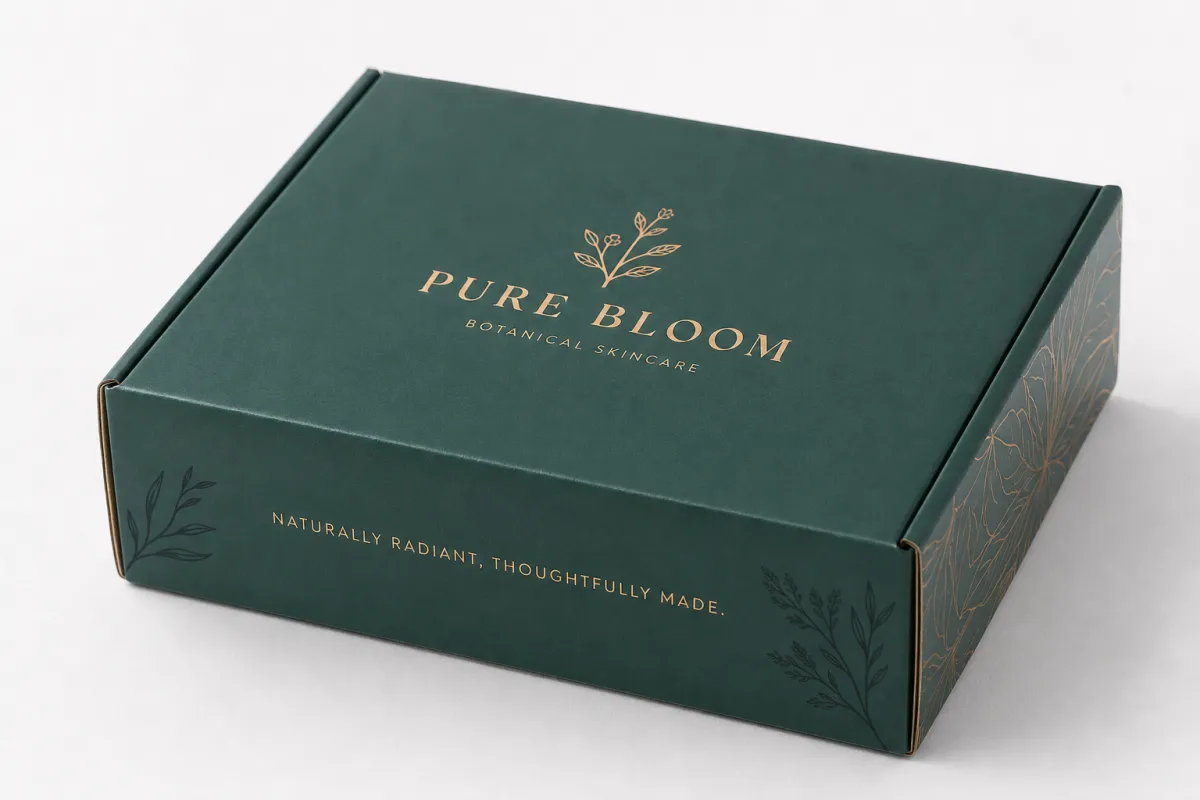
Printed subscription boxes with logo are usually mailer-style cartons, product-fit cartons, or outer subscription shippers that carry branding through print, structure, and finish rather than through stickers or labels. That distinction matters. A label identifies a package, but a printed carton can shape perception before the box is even opened.
From a packaging buyer’s point of view, the box is never only one thing. It is a shipping container, a presentation surface, and a cost line. In some programs it becomes the one branded item the customer keeps after everything else is recycled or tossed. That is one reason printed subscription boxes with logo can have such a strong effect on retention and word-of-mouth. A clean, well-fitted carton signals control. A flimsy, oversized one suggests waste, even when the product inside is excellent.
The sustainability angle is not decoration. It is the practical reason many brands move away from excess dunnage, mixed-material wraps, and oversized secondary packaging. A carton that is 10% too large may not sound disastrous, yet over 10,000 shipments it turns into more corrugate, more void fill, more freight volume, and more customer frustration. If a box can cut 15 grams of filler per shipment, that is 150 kilograms of material removed over a 10,000-unit run. That shows up in purchasing, storage, and waste handling.
Printed subscription boxes with logo also carry a subtle trust signal. Customers rarely say, “I noticed the caliper of the board.” They do notice whether the closure holds, whether the print looks deliberate, and whether the experience feels premium without wasting material. That is the balancing act many brands miss: the box cannot look like an apology for being recyclable, and it should not pretend sustainability means heavier board and more decoration.
Used well, printed subscription boxes with logo make the unboxing feel considered instead of pieced together. The logo placement, the opening flap, the inside message, and the way the product nests all tell the same story. If they clash, customers feel it immediately. If they align, the packaging fades into the background just enough to let the product and brand take the lead.
For brands building out a wider packaging system, it helps to compare box styles alongside other formats in Custom Packaging Products so the subscription shipper matches the rest of the line instead of fighting it.
How printed subscription boxes with logo are made
The production chain for printed subscription boxes with logo starts long before ink touches board. It begins with a dieline, which is the structural map that shows folds, panels, closures, glue areas, and safe print zones. From there, artwork gets checked against the dieline, proofs are reviewed, material is selected, and the box moves into die-cutting, folding, gluing, and pack-out testing. If one of those stages is rushed, the final carton usually pays for it.
Print method changes the feel and economics of the box. Digital print is flexible and useful for lower quantities or variable artwork. Flexographic print usually suits repeat runs where speed and cost matter more than ultra-fine detail. Lithographic printing, or offset-based wrap solutions, can deliver sharper color, smoother solids, and richer finishing, though they generally fit higher volumes and longer planning windows. Printed subscription boxes with logo do not all need the same print method; a smart buyer matches the process to the run size and the brand promise.
| Print method | Typical use | Planning quantity | Broad unit cost range | What it does well |
|---|---|---|---|---|
| Digital | Launches, short runs, seasonal tests | 100 to 2,000 units | $0.85 to $2.25 per box | Fast setup, versioning, lower upfront tooling |
| Flexographic | Recurring subscription cycles | 3,000 to 20,000 units | $0.25 to $0.70 per box | Economical repetition, efficient for simpler graphics |
| Lithographic / offset wrap | Premium presentation and sharper color | 5,000+ units | $0.70 to $1.80 per box | Rich color, crisp logos, strong shelf-style presentation |
The structure matters as much as the print. A box that looks elegant in mockup can still fail in transit if the walls are too thin, the closure is weak, or the product shifts. A simpler build can outperform a fancy one if the dimensions are tight and the board spec is correct. For many printed subscription boxes with logo, the best design is not the most ornate. It is the one that balances crush resistance, opening behavior, and production efficiency.
Material choices should support recovery, not muddy it. Recycled paperboard, responsibly sourced fiber, water-based inks, and aqueous coatings are often the easiest route for printed subscription boxes with logo that need both print quality and recyclability. Decorative layers can still be used, but they should be justified. A full film laminate may improve scuff resistance, yet it can complicate recycling in some local systems. That tradeoff should be made consciously, not by habit.
For testing and performance references, many teams look at ISTA methods and standards such as ISTA 3A or ASTM D4169. The point is not to turn every subscription carton into a lab project. It is to avoid pretending a pretty prototype has already proven itself in transit.
One practical rule: if the printed subscription boxes with logo will be packed at speed, the structure should be easy to open, square itself naturally, and close without fighting the operator. A design that takes 12 seconds longer to assemble can erode savings quickly when multiplied across thousands of units. That kind of friction is easy to miss in a sample room and very obvious on a live packing line.
Printed subscription boxes with logo cost, pricing, and MOQ
Price for printed subscription boxes with logo is shaped first by size. Larger cartons need more board and more freight space, which means the unit number rises before print is even added. After size, the main drivers are board grade, print coverage, number of colors, finishing, inserts, and any custom engineering. A box with a one-color logo and a simple tuck closure is a very different purchasing decision from a fully printed shipper with a custom insert and soft-touch finish.
MOQ, or minimum order quantity, matters because setup costs have to be spread over the run. Die-making, plate creation, press setup, and sampling all cost something whether you buy 500 units or 15,000. Smaller runs usually carry a higher unit cost because those fixed expenses are divided across fewer boxes. Larger runs flatten the price curve, but they also increase inventory risk if your subscription model changes or your artwork gets refreshed mid-cycle.
Here is the practical mistake many teams make: they compare quotes only on unit price. That is too narrow. Printed subscription boxes with logo should be judged on landed cost, which includes freight, storage, damage rates, reorder timing, and the labor needed to pack them efficiently. A carton that saves six cents per unit but adds extra cubic volume can quietly cost more in shipping. The total picture matters more than the sticker price.
| Buying option | Good fit for | Setup burden | Typical strengths | Common tradeoff |
|---|---|---|---|---|
| Short-run digital | New launches, test markets, seasonal kits | Low | Fast changes, lower tool investment | Higher per-box cost |
| Mid-volume flexo | Recurring monthly programs | Moderate | Strong economics at scale | Less flexibility for frequent artwork changes |
| High-end litho wrap | Premium branding with consistent volumes | Higher | Sharp graphics and better visual depth | Longer lead time and more inventory planning |
In broad planning terms, a simple branded mailer might sit around $0.25 to $0.70 at volume, while a premium printed subscription box with logo can land much higher depending on board, ink coverage, and finish. Small runs often live in the $0.85 to $2.25 range because tooling is spread thin. Those numbers are directional, not a promise. Still, they are useful because they show how quickly finish and structure can push a project out of “nice idea” territory and into serious procurement territory.
Ask suppliers for tiered pricing at several quantities, not just one quote. A 1,000-unit price, a 5,000-unit price, and a 10,000-unit price tell you far more than a single number ever will. Then compare those prices against actual durability and fulfillment speed. Printed subscription boxes with logo that break in transit are never cheap. They are just deferred cost.
For brands sourcing packaging beyond the box itself, it is often smart to compare box specs with other structures on Custom Packaging Products so inserts, shippers, and mailers can be planned together instead of piecemeal.
Process and timeline: printed subscription boxes with logo from proof to delivery
The cleanest way to think about lead time is as a chain of small approvals. First comes the brief. Then the dieline review. Then artwork setup, proofing, sampling, production, quality checks, packing, and transit. Each stage can add a day or two, and a few days here and there become a full missed cycle if you are not tracking backward from the actual ship date.
For printed subscription boxes with logo, the biggest timing risk is usually not the press run. It is late change control. Artwork revisions after proofing, missing dimensions, color corrections, and last-minute finish swaps can push a schedule off track faster than a machine issue. A buyer who sends incomplete specs often creates the delay that later gets described as supplier lead time, which is unfair to everyone involved.
A realistic planning window for a straightforward run is often 12 to 15 business days after proof approval, plus freight. More complex finishes, custom inserts, or higher-volume litho work can push that farther out. If a brand ships monthly, the box order should be planned backward from the fulfillment date, not from the order date. That sounds like a small shift in mindset. It is not. It changes how much buffer the warehouse actually has.
Here is a workable sequence:
- Confirm exact product dimensions, weight, and pack-out orientation.
- Approve the dieline and structure before discussing visual polish.
- Check color targets, logo placement, and any legal copy against the flat artwork.
- Request a physical sample or pilot run for fit and assembly review.
- Lock the spec sheet, then freeze artwork unless the change is critical.
Pre-production samples are not a luxury. They are a low-cost insurance policy. A small pilot can reveal whether the closure is too stiff, whether the board crushes at the corners, whether the ink rubs on the inside flap, or whether the pack-out takes too long on the line. If printed subscription boxes with logo need to hit a recurring ship date, those problems are far cheaper to catch in a pilot than in a full production run.
Transit should also be tested honestly. A box that survives a careful hand carry may still fail in courier handling. That is why many teams map their packaging against a practical test lane, using reference methods from ISTA or similar protocols. It is not about overengineering a subscription box. It is about making sure the packaging can survive the same rough treatment the customer’s parcel will actually face.
Choosing printed subscription boxes with logo: the step-by-step method
The easiest mistake is to start with the artwork. The better path is to start with the product and the shipping lane. Measure the contents, note the weight, check how fragile the items are, and decide whether the carton must survive retail display, ecommerce shipping, or both. Printed subscription boxes with logo should be selected from the product outward, not from a mood board inward.
Here is a practical framework that keeps teams grounded:
- Measure the product package, not just the product. A bottle, pouch, and jar can need different clearances even at the same weight.
- Choose the box style after the logistics are known. Mailer, tuck-end, sleeve, or rigid presentation box each behaves differently in transit and in the hand.
- Decide where the customer actually looks. Put design effort on the lid, the first flap, or the opening sequence instead of printing hidden panels no one sees.
- Keep inserts purposeful. If the insert only adds decoration, it probably adds waste too.
- Match the finish to the brand and the recovery system. Water-based coatings and restrained print coverage often go farther than heavy embellishment.
Printed subscription boxes with logo often look best when the design is disciplined. A strong logo, one clear color system, and a single tactile detail can feel more premium than a busy full-coverage print. That is not minimalism for its own sake. It is clarity. Customers can usually tell the difference between a package that was designed and one that was merely decorated.
It also helps to think about the unboxing sequence as a route. What is visible first? What appears after the flap opens? Where does the product sit relative to the logo? If the opening moment is awkward, customers will remember that before they remember the messaging. Good printed subscription boxes with logo guide the eye without making the user work for the reveal.
At this stage, a supplier-ready brief should include exact dimensions, quantity ranges, print colors, finish preferences, recycled-content targets, and the date cartons need to land on site. If a supplier has to guess, the quote is less reliable and the lead time is more fragile. Printed subscription boxes with logo become much easier to buy when the brief is specific enough to remove assumptions.
Common mistakes with printed subscription boxes with logo
The most common error is oversizing. Extra empty space increases material use, shipping cost, and the chance that products shift during transit. It also weakens the sustainability message. If a brand says it cares about waste, then sends a box that rattles because it is too large, the customer notices the contradiction immediately.
Another trap is trusting renderings more than structure. Glossy mockups can make printed subscription boxes with logo look premium even when the board is too light or the closure geometry is sloppy. A carton that photographs well in a PDF but opens poorly in real life is not a finished product. It is a design intention that still needs engineering.
Recyclability claims deserve care. A carton may be technically recyclable while still performing poorly in local recovery systems if it includes the wrong coating, lamination, or mixed-material element. The EPA’s recycling guidance is a useful reminder that local rules vary widely, and brands should not assume a generic claim will hold everywhere. If a supplier says the box is recyclable, ask what part of the market that claim is meant for and what the finish does to recovery. For fiber sourcing, FSC certification remains a useful signal, but it is still only one piece of the picture. EPA recycling basics are worth checking before a sustainability claim lands on pack.
Planning mistakes are just as damaging as material mistakes. No time for proofs, no contingency for reorders, and no agreed spec sheet can turn a simple carton into a recurring bottleneck. Printed subscription boxes with logo work best when the buying team treats them like a repeatable operational component rather than a one-off creative project.
There is also a quiet cash leak that often goes unnoticed: inconsistent specs across suppliers. If one vendor quotes a 16-pt board and another quotes an 18-pt board without calling it out, the numbers are not comparable. Likewise, if one supplier prices freight to dock and another prices delivered, the quote comparison is fiction. That is how teams end up making decisions on the wrong variables.
Expert tips for printed subscription boxes with logo that feel premium
Restraint is often the premium move. A well-placed logo, a limited color palette, and one deliberate tactile feature can feel more elevated than an all-over print. This is especially true for sustainable brands, because customers increasingly connect visual restraint with material discipline. Printed subscription boxes with logo should suggest intention, not excess.
Think about the unboxing sequence as value creation, not just decoration. The first view can carry the strongest brand mark. The second reveal can carry a concise message. The final nest can protect the product without turning into a wasteful stage set. A box that uses structure to tell the story usually needs fewer add-ons to feel complete.
One practical upgrade is to let the box geometry do some of the work that inserts often do poorly. Right-sized inserts, paperboard tabs, and simple crush zones can stabilize product without jumping to plastic trays or heavy filler. For lighter loads, paper-based supports are often enough. That approach can improve both the user experience and the environmental profile of printed subscription boxes with logo.
Another tip: measure feedback instead of guessing. Damage rate, pack-out time, customer comments, and reorder frequency tell you far more than taste alone. If the box looks lovely but increases labor by 20 seconds per pack, the hidden cost may outweigh the aesthetic gain. If a softer board lowers freight damage by even a small margin, that can be more valuable than a shinier finish.
Premium does not have to mean heavier. In packaging, it often means tighter, cleaner, and more intentional.
Printed subscription boxes with logo also benefit from a design review that includes operations, not just brand. A fulfillment lead can tell you whether the carton is easy to fold under pressure. A quality manager can spot print placement problems that a designer might overlook. This is where packaging decisions get sharper: the best outcomes usually come from someone asking, “How will this behave ten thousand times?”
For a lot of teams, the box gets approved in a design meeting and only gets truly judged at the packing bench. That is usually too late. I have seen small tweaks, like shifting a logo 6 millimeters or changing a flap score, make the difference between a carton that feels crisp and one that feels fussy. Tiny changes matter more than people expect, kinda annoyingly so.
If you are comparing options across a wider packaging system, keep a one-line standard for the project: the box should ship well, photograph well, and pack quickly. That standard sounds simple, but it filters out a lot of unnecessary detail.
Next steps for printed subscription boxes with logo
The best next step is not to place an order. It is to audit the current setup with a measuring tape and a warehouse lens. Capture product dimensions, ship weight, fill materials, and the moments where customers actually notice the packaging. That gives you a baseline. Without a baseline, printed subscription boxes with logo become a branding exercise instead of an operational decision.
Then build a supplier brief that leaves less room for guesswork. Include quantity ranges, print requirements, recycled-content targets, acceptable coatings, and the delivery location. Add the date you truly need cartons on site, not the date you would prefer them to arrive in a perfect world. Suppliers can price pressure. They cannot price uncertainty very well.
Request comparable quotes from each vendor. Same dieline. Same board. Same print method. Same freight assumptions. If one quote includes a different closure or finish, the comparison is already skewed. Printed subscription boxes with logo are easiest to buy when every supplier is quoting the same object, not three slightly different versions of it.
After that, run one controlled pilot. Order a small batch, test assembly speed, inspect transit damage, and gather customer feedback. Then revise the spec before committing to a larger run. That sequence may feel slower, but it usually saves time later because the full production order starts from a proven design rather than an optimistic guess.
For brands that want to compare structures before briefing suppliers, Custom Packaging Products is a practical place to line up box styles, inserts, and related formats in one pass. That makes it easier to decide whether a mailer, a tuck-end carton, or a presentation-style shipper is the right home for the product.
The real takeaway is straightforward: printed subscription boxes with logo work best when the box is treated as part of the product system, not as decoration added after the fact. If dimensions are tight, materials are chosen honestly, and the pack-out is tested in real conditions, the package will do its job without wasting board, time, or budget.
Printed subscription boxes with logo are one of those packaging decisions that looks simple until you account for printing, shipping, assembly, and recycling all at once. Get those variables aligned, and the box stops being overhead. It becomes part of the brand experience, part of the logistics plan, and part of the sustainability story. That is the standard worth aiming for with printed subscription boxes with logo.
Frequently Asked Questions
How much do printed subscription boxes with logo usually cost per box?
Price depends most on size, board grade, print method, and quantity, so two printed subscription boxes with logo that look similar can still land at very different unit costs. Small runs often carry more setup burden, which pushes the per-box price higher, while larger runs reduce the number but increase inventory exposure. A good supplier should give you tiered quotes at several volumes so you can see where the price curve actually bends.
What is the best material for printed subscription boxes with logo in sustainable packaging?
Recycled paperboard is often the most practical choice because it balances print quality, strength, and broad recyclability. Look for responsibly sourced fiber claims that are documented rather than just printed on a spec sheet, and check whether coatings or laminations affect local recovery. The lightest board that still protects the product is usually the smartest option, because excess material raises shipping emissions and total cost.
How long is the lead time for printed subscription boxes with logo?
Lead time usually includes proofing, sampling, production, finishing, and freight, so the calendar stretches well beyond the press run itself. Artwork revisions are the most common reason schedules slip, especially when dielines, color values, or copy approvals arrive late. For recurring programs, build buffer time before the next subscription ship date so cartons arrive before fulfillment starts.
Do printed subscription boxes with logo need inserts or extra padding?
Only add inserts if the product needs stabilization, separation, or presentation support; extra material that does nothing should be avoided. Test the box with real transit handling before defaulting to bubble wrap or oversized void fill, because many products survive with smarter sizing alone. Paper-based inserts can often replace plastic supports when the load is light and the fit is accurate.
What should I include in a quote request for printed subscription boxes with logo?
Include exact dimensions, quantity ranges, product weight, print colors, finish preferences, and any recycled-content or recyclability targets. State your target delivery date and ship-to location so the supplier can price freight and timing realistically. Attach the dieline or ask for one, because a vague brief can hide design changes that affect both cost and turnaround.


