Buyer Fit Snapshot
| Best fit | Printed Recycled Shopping Bags Supplier for Brands projects where brand print, material claims, artwork control, MOQ, and repeat-order consistency need to be specified before quoting. |
|---|---|
| Quote inputs | Share finished size, material target, print colors, finish, packing count, annual reorder estimate, ship-to region, and any compliance wording. |
| Proofing check | Approve dieline scale, logo placement, barcode or warning zones, color tolerance, closure strength, and carton packing before bulk production. |
| Main risk | Vague material claims, crowded artwork, missing packing details, or unclear freight terms can make a low unit price expensive after revisions. |
Fast answer: Printed Recycled Shopping Bags Supplier for Brands: Film, Print, MOQ, and Carton Packing should be specified like a repeatable production item. The safest quote records material, print method, finish, artwork proof, packing count, and reorder notes in one written spec.
Production checks before approval
Compare the actual filled-product size with the drawing, then confirm tolerance on folds, seals, hang holes, label areas, and retail display edges. Reserve space for logos, QR codes, warning copy, and material claims before decorative graphics fill the panel.
Quote comparison points
Review material grade, print process, finish, sampling route, tooling charges, carton quantity, and freight assumptions side by side. A quote is only useful when the supplier can repeat the same color, closure quality, and packing count on the next order.
Choosing a printed recycled shopping bags supplier can feel simple right up until the bags are in hand, loaded with product, and being carried across a sales floor where every little weakness shows up fast. A bag may look polished in a proof, then sag, scuff, or split once real weight goes in if the recycled fiber blend is too soft, the ink coverage is too heavy, or the handle reinforcement was not matched to the load. That is why a strong printed recycled shopping bags supplier is doing more than selling paper bags; they are balancing substrate, print method, structure, and finish so the bag supports the brand instead of getting in the way.
For boutiques, trade shows, gift retailers, and eco-minded e-commerce programs, the bag is part of the customer experience, not just packaging. A careful printed recycled shopping bags supplier understands that the customer is carrying not only a purchase, but also your logo, your color palette, and a visible signal about how seriously your brand handles packaging. With the right recycled stock, the bag can feel substantial, look refined, and stay true to sustainability goals without drifting into a flimsy or cheap presentation.
The best results usually come from treating the bag as both a packaging tool and a branding surface. That means asking direct questions early: How much weight does the bag need to hold? How much of the surface will be printed? Will the handles be paper twist, rope, or die-cut? A thoughtful printed recycled shopping bags supplier helps answer those questions before production starts, which saves time, money, and a lot of avoidable back-and-forth later. And yes, it can be a little tedious up front, but that is usually the cheaper path.
Printed Recycled Shopping Bags Supplier: Why It Matters
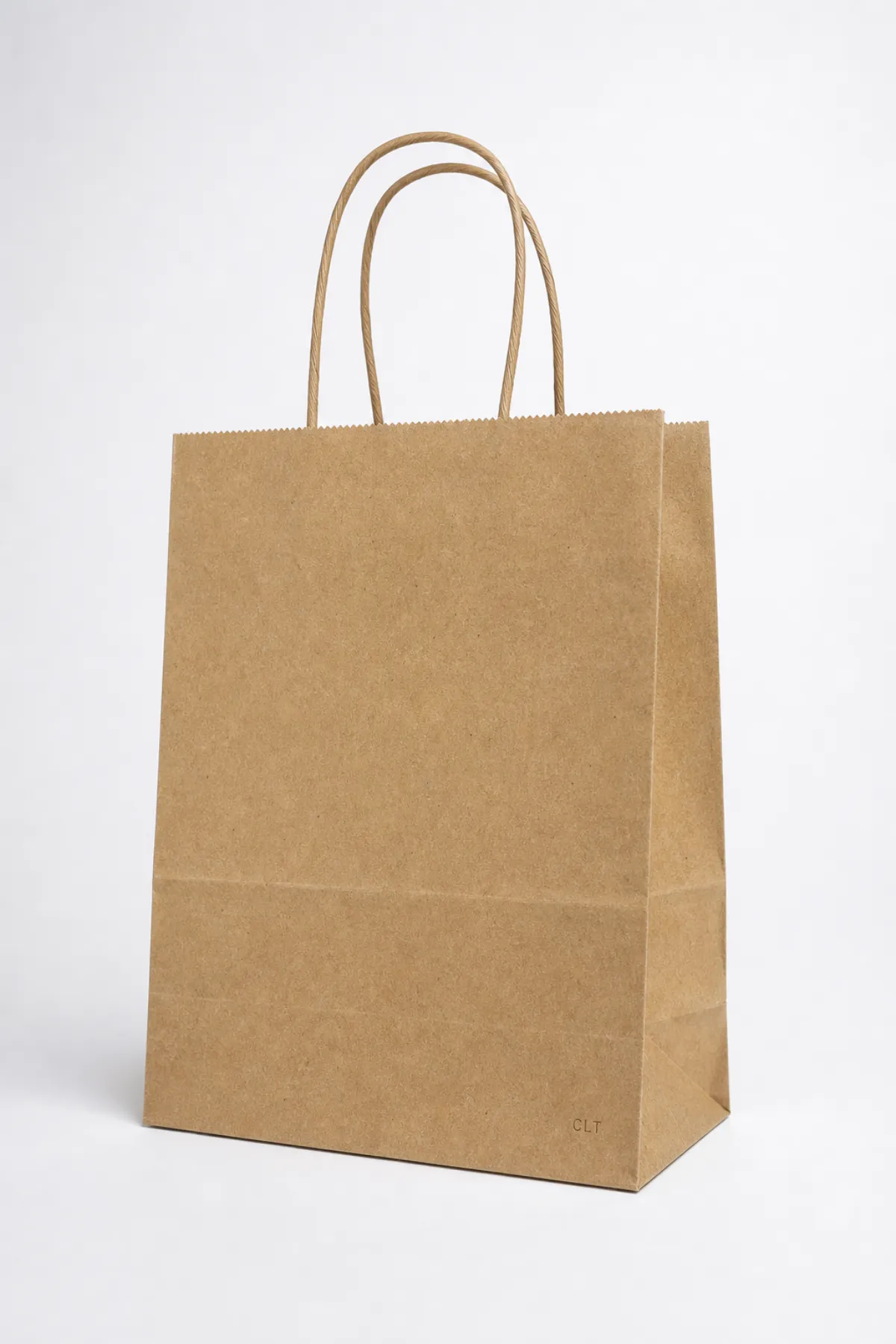
A recycled paper bag performs well only when the fibers, print, and finishing work together. A beautiful logo and clean layout can still fall flat if the paper absorbs too much ink or if the structure cannot hold shape under load. A reliable printed recycled shopping bags supplier knows the difference between a bag that photographs well and one That Actually Works on the retail floor.
The most common recycled paper options are easier to compare than many buyers expect. Recycled kraft usually has a natural brown tone, a textured surface, and an honest look that fits organic retail, hospitality, and earthy branding. Recycled white board tends to be brighter, which helps logos read sharply and colors feel more precise. Mixed-fiber paper stocks sit between those two ends, often giving buyers a useful balance of cost, appearance, and strength. A seasoned printed recycled shopping bags supplier will explain how each option changes print sharpness, stiffness, and the feel in the hand.
Recycled content does not automatically mean lower visual quality. Many brands choose recycled bags because they want a quieter and more considered look than a glossy coated bag can provide. The trick is to choose a stock that works with the artwork instead of fighting it. A strong printed recycled shopping bags supplier will often recommend simpler graphics, controlled ink coverage, and finishes that respect the paper's character instead of trying to hide it.
Sustainability claims deserve careful handling. Buyers often talk about recycled packaging in broad terms, yet the real environmental value depends on the fiber source, the recoverability of the paper, and what happens after use. For a neutral reference point, the FSC system at fsc.org is worth reviewing, and the EPA's recycling guidance at epa.gov/recycle gives useful context on material recovery. A responsible printed recycled shopping bags supplier should be able to speak clearly about recycled content claims instead of hiding behind green language and hoping nobody asks follow-up questions.
A recycled shopping bag has to do two jobs well: carry product safely and present the brand cleanly. If either one slips, the whole package feels unfinished.
That is why the supplier is not a side detail. The printed recycled shopping bags supplier influences the final result through paper sourcing, converting, printing, gluing, inspection, and packaging. When those steps are managed well, the bag feels considered from the first touch. When they are rushed, even a simple design can feel off.
How Printed Recycled Shopping Bags Are Made
Production starts with recycled fiber selection, and that choice shapes a lot of the bag's performance before printing even begins. Fibers are pulped, cleaned, and formed into sheets, then pressed and dried to the target basis weight. A stronger sheet with decent fiber length usually resists tearing better and gives the printer a more stable surface, while a softer or shorter-fiber sheet may feel less rigid and absorb ink differently. A capable printed recycled shopping bags supplier should be able to explain paper gsm, recycled content targets, and how those choices affect print clarity.
Once the paper is made, it moves into converting. That means cutting the sheets to size, printing the artwork, folding the panels, gluing the seams, and adding reinforcement where needed. Bottom inserts, top roll folds, and handle patches can make a large difference in how the bag behaves under load. On a good bag, these details disappear into the structure. On a weak bag, they become the reason a seam opens or a handle pulls free. A practical printed recycled shopping bags supplier will treat those elements as part of the engineering, not as decorative extras.
Print method matters more than many buyers expect. Flexographic printing is often efficient for larger runs and simpler artwork, especially where solid shapes and repeating logos are involved. Offset printing can deliver sharper detail and more controlled color on suitable stocks, which makes it attractive for brands that care deeply about image quality and precise typography. Digital printing can work well for shorter runs or variable designs, though it depends on the supplier's equipment and the paper finish. A good printed recycled shopping bags supplier should recommend the method based on the job, not just the machine sitting idle that day.
Artwork setup changes with recycled paper, and the differences show up quickly. Heavy solids can look slightly muted, tiny type can soften, and fine reverse-out details can disappear if the paper is too porous or the ink spread is too high. That does not mean the design must become plain. It means the artwork should be built with the substrate in mind. A knowledgeable printed recycled shopping bags supplier may suggest thicker line weights, simpler typefaces, and a little more breathing room around the logo so the print reads clearly from a few feet away.
Handle style also changes the experience. Rope handles usually read as more upscale and can carry weight nicely when reinforced properly. Paper twist handles are common, cost-effective, and fit many retail and gift applications. Die-cut handles create a cleaner silhouette and suit lighter items, though they are not always the best match for heavier loads. The right printed recycled shopping bags supplier will tie handle choice to both product weight and brand tone.
My practical rule for buyers is simple: never approve a bag from artwork alone. Ask how the paper, print method, handle, and reinforcement all work together. A printed recycled shopping bags supplier with real production experience will talk about that full stack, because each layer affects the next one.
Printed Recycled Shopping Bags Supplier Pricing, MOQ, and Quote Factors
Pricing for a recycled shopping bag depends on more variables than most first-time buyers expect. The main drivers are paper grade, bag size, print colors, handle style, finishing, and volume. A small bag with one-color printing and paper twist handles may cost far less than a larger boutique bag with full-bleed artwork, rope handles, and reinforced top folds. A fair quote from a printed recycled shopping bags supplier starts with complete specifications.
Minimum order quantity, or MOQ, has a major effect on unit price. Small runs usually cost more per bag because setup costs are spread across fewer pieces. Plates, cutting tools, proofing, and machine changeovers do not disappear just because the run is short. If you need 2,000 bags, the price structure will often look very different from 20,000 bags. A good printed recycled shopping bags supplier will say that plainly instead of hiding setup charges inside a vague quote and hoping the buyer does not compare line by line.
For a clearer picture, it helps to see how common choices affect cost. The figures below are directional, not fixed, because paper markets, freight, and finishing requirements move around. Even so, they show the kind of tradeoffs buyers should expect from a printed recycled shopping bags supplier.
| Bag Spec | Typical Cost Impact | Best Use Case | Notes |
|---|---|---|---|
| Small recycled kraft bag, 1-color print, paper twist handle | Lower to moderate | Gift shops, events, lightweight retail | Good value if branding is simple and load is light |
| Mid-size recycled white board bag, 2-3 color print, rope handle | Moderate | Boutiques, apparel, premium retail | Often a strong balance of appearance and strength |
| Larger custom recycled bag, full-coverage print, reinforced top and bottom | Higher | Launches, campaigns, heavier merchandise | More print and finishing steps raise setup and unit cost |
| Short-run digital recycled bag, custom artwork, mixed finish options | Moderate to higher per unit | Seasonal test runs, limited editions | Useful for flexibility, but not always the cheapest at scale |
Recycled paper itself can move in cost depending on whether the supplier is using post-consumer or post-industrial content, how stable the fiber supply is, and what basis weight is available. Heavier gsm often improves feel and durability, but it also increases raw material usage. A detail-oriented printed recycled shopping bags supplier should be able to explain whether the paper is being sourced for cost control, for appearance, or for a specific performance target.
Quote comparisons only become useful when you know exactly what is included. One supplier might list the bag price but exclude freight, sample charges, tooling, or packaging. Another might include delivery to a warehouse but use lighter paper or a simpler handle. That is why apples-to-apples comparison matters so much. A serious printed recycled shopping bags supplier should provide a clear written spec sheet showing size, gsm, print colors, handle type, reinforcement, and shipping terms.
Budget and appearance stay in balance when the customer's perception is part of the decision. If the bag will be handed to retail shoppers who notice detail, stripping out reinforcement to save a few cents can create a worse outcome than spending a little more on a better build. In many cases, a modest upgrade in spec gives the brand more value than a cheaper bag that feels thin. The smartest printed recycled shopping bags supplier will help you spend where the customer will actually notice it.
Process and Timeline for Custom Recycled Bag Orders
The order sequence usually follows a familiar path: specification review, artwork preparation, proof approval, sample sign-off if needed, production, packing, and shipment. The pace changes depending on how organized the buyer is and how much customization the job needs. A dependable printed recycled shopping bags supplier should lay out this timeline at the quote stage, not after the order is already moving.
Delays tend to show up in the same places again and again. Missing dimensions, unclear handle placement, late color changes, and artwork files that are not built to the correct bleed or safe area can all stall a job. If a logo must move after proofing, the change can trigger another proof cycle. Once the printed recycled shopping bags supplier is waiting on approvals, the whole schedule stretches, and the impact can be large if your retail launch is fixed.
Lead time also depends on order size and complexity. A simple stocked size with basic print may move faster than a custom dimension with heavy ink coverage, reinforced seams, and special handles. Seasonal demand matters too. Once holiday packaging orders start stacking up, even a well-run plant can get crowded. A practical printed recycled shopping bags supplier will warn you early if your ship date is tight, rather than promising impossible speed and hoping production somehow clears itself.
Buyers should ask a few direct questions before placing any order:
- How long does proof turnaround usually take?
- Can I review a physical sample or pre-production sample before the full run?
- What is the typical production window after approval?
- Is final inspection included before packing?
- How are cartons labeled and shipped for receiving?
Those answers tell you more than a polished sales pitch. A careful printed recycled shopping bags supplier should describe each step in plain language and give realistic timing, even if the timeline is not the shortest one you hoped for. In packaging, an honest extra week is usually better than a rushed promise that slips at the very end.
For retail launches, trade shows, and holiday programs, build in buffer time. If the bags must arrive on a fixed date, start earlier than you think you need to. That extra space gives room for artwork corrections, sample review, and freight delays. A seasoned printed recycled shopping bags supplier will appreciate the buffer because it gives everyone room to do the job properly.
From a planning standpoint, I like to think in three blocks: proofing, production, and transit. When those blocks are defined clearly, the order is easier to manage and easier to explain internally. The best printed recycled shopping bags supplier will help you map those blocks instead of burying them inside a vague "lead time" number.
How to Compare a Printed Recycled Shopping Bags Supplier
Comparing suppliers well starts with a simple rule: compare the same bag, not two different interpretations of the same idea. That means checking recycled content claims, print consistency, strength, color accuracy, and finishing quality using the same dimensions and the same specifications. A trustworthy printed recycled shopping bags supplier will be willing to quote from a detailed brief so the comparison stays fair.
Technical knowledge matters a great deal. If a supplier can talk about paper gsm, handle reinforcement, ink compatibility, load expectations, and how the bag holds up under folding and filling, that is a good sign. If the conversation stays at price and "it will be fine," I would slow down. A strong printed recycled shopping bags supplier should act more like a packaging partner than a quote machine.
Samples are worth much more than a polished PDF. Ask for a sample that matches the exact material and construction you want, not just a generic bag from another project. Recycled paper often behaves differently from one stock to the next, and print coverage can shift the final look in ways that are hard to judge on screen. A good printed recycled shopping bags supplier should not hesitate to send a realistic sample for review.
Communication is another real differentiator. If the supplier responds slowly, glosses over questions, or gives vague answers about timing, that often becomes a production problem later. Better suppliers tend to be direct about limitations, honest about lead times, and careful with artwork feedback. A responsive printed recycled shopping bags supplier may not always be the cheapest quote, but they can save money by preventing avoidable mistakes.
Use this comparison checklist:
- Ask for a written spec sheet with exact bag dimensions and paper gsm.
- Confirm recycled content claims and what type of recycled fiber is being used.
- Request a sample on the same substrate and with similar print coverage.
- Check whether freight, tooling, proofs, and packaging are included.
- Review communication speed and clarity before placing the order.
The best printed recycled shopping bags supplier should also help translate your branding goal into a production-ready structure. Maybe your brand wants a matte, understated look with a natural fiber feel. Maybe you need a brighter retail presence with clean logo edges and stronger color contrast. Either way, the supplier should help you build the spec around the outcome, not just around the machine setting.
Common Mistakes When Ordering Recycled Printed Bags
One common mistake is selecting recycled paper without checking whether it can handle the intended load. A light paper with weak handles may be fine for accessories or gifts, but it can fail quickly if the bag will carry bottles, boxed goods, or heavier apparel. A practical printed recycled shopping bags supplier should ask about weight and use case before recommending a stock.
Another mistake is assuming that dense artwork will print the same way on every recycled substrate. Large dark solids, delicate reverse type, and tiny registration details can look uneven if the paper is too absorbent or the press setup is not tuned properly. That does not mean the design is wrong; it means the design may need to be adjusted for the material. A skilled printed recycled shopping bags supplier will flag that early rather than letting the job move forward with hidden risk.
Dimensions and artwork setup also trip people up. If the bleed is wrong, if the safe area is too tight, or if handle placement overlaps the logo, the result can look crowded or even become unreadable. I have seen brands approve attractive artwork and then discover that handle holes or fold lines disrupt the layout. A competent printed recycled shopping bags supplier will insist on confirming those details before final approval.
Price-only comparison causes plenty of headaches too. One quote may look cheaper until you see that it excludes freight, proofing, or finishing that is essential for the brand presentation. Another quote may include all those items and use a stronger bag build. When buyers focus only on unit price, they often miss the real total landed cost. The better approach is to compare each printed recycled shopping bags supplier on the same basis, with all hidden variables exposed.
Skipping a sample creates another avoidable problem. Recycled paper can vary in tone, texture, and stiffness, and those differences matter in hand. A sample lets you judge whether the bag feels aligned with your brand. It also gives you a chance to see the print under real light, not just on a monitor. A careful printed recycled shopping bags supplier will encourage that review because it reduces surprises later.
These are the mistakes I would rank highest:
- Choosing a paper grade without checking load requirements.
- Approving artwork before confirming dimensions and handle placement.
- Comparing quotes without checking what is included.
- Ignoring print limits on recycled stock.
- Skipping a sample or proof.
A strong printed recycled shopping bags supplier helps you avoid all five. That is a major part of the value, and it is worth more than shaving a small amount off the quote.
Expert Tips and Next Steps for Better Orders
If you want smoother orders, start with a clean specification. Confirm bag dimensions, recycled content target, print colors, handle type, expected load, and finish level before asking for quotes. That one step alone makes the buying process far easier because each printed recycled shopping bags supplier can respond to the same brief.
Next, ask for a sample and a written spec sheet. A sample lets you see the paper and construction in your own hands, while the spec sheet keeps everyone aligned if anything needs to be checked later. If there is a production proof available, review it carefully for logo placement, color density, and layout accuracy. A thoughtful printed recycled shopping bags supplier will welcome that process because it lowers the chance of rework.
Compare at least two quotes side by side, but do it on identical terms. Same size, same gsm, same print colors, same handles, same reinforcement, same shipping destination. Without that consistency, the low number can be misleading. A useful comparison of two printed recycled shopping bags supplier quotes should show you which partner is offering the best value, not just the lowest first number.
Planning early matters even more for launches, seasonal campaigns, and trade shows. Those orders often get compressed because marketing, operations, and procurement all need the bag at the same time. If the bags arrive late, the whole presentation feels rushed. The smartest move is to engage the printed recycled shopping bags supplier early enough for proofing, sample review, and production without pressure.
If I had to reduce the process to one sentence, it would be this: good bags come from good specifications. Clear artwork, realistic timing, and a well-matched printed recycled shopping bags supplier usually produce better results than trying to fix problems after production has started. That is true whether you are ordering 2,000 bags for a boutique launch or a much larger run for an established retail program.
For brands planning a custom retail run, the practical next step is to lock the spec sheet before the quote round starts. Once the size, paper, handle, print, and load target are fixed, the right printed recycled shopping bags supplier can give you a quote that is actually comparable, a proof that means something, and a bag that feels right in the customer's hand.
FAQ
What should I send a printed recycled shopping bags supplier for an accurate quote?
Send bag dimensions, quantity, recycled content preference, handle style, print colors, and whether you need a matte, gloss, or uncoated finish. Include your artwork file, target delivery date, and shipping location so the supplier can price production and freight more accurately. If you have a budget target, share it up front so the printed recycled shopping bags supplier can suggest realistic material and print combinations.
How do I know if recycled shopping bags will still feel sturdy?
Check paper gsm, handle reinforcement, bottom board strength, and whether the bag is meant for lightweight retail items or heavier merchandise. Ask the supplier about load expectations and request a sample that matches your actual bag size and construction. A recycled bag can still feel premium and strong when the paper grade and finishing are chosen correctly, and a good printed recycled shopping bags supplier will guide those choices.
Which print method works best for printed recycled shopping bags?
Flexographic printing is often efficient for larger runs and simpler artwork. Offset printing can deliver sharper detail and more polished color when the paper stock supports it. Digital printing may suit shorter runs or variable designs, depending on the supplier's equipment and finishing setup. The right method depends on the artwork, the paper, and the scale of the order, so a capable printed recycled shopping bags supplier should explain the tradeoffs clearly.
What affects the lead time for a printed recycled shopping bags order?
Artwork approval, sample approval, print complexity, order quantity, and seasonal production demand all affect timing. Special handle styles, extra finishing, or custom sizes can add time before production begins. Ask for a clear timeline that separates proofing, production, and shipping so you can plan inventory correctly. A dependable printed recycled shopping bags supplier will give you that timeline in writing.
How do I compare two printed recycled shopping bags suppliers fairly?
Compare the same specifications on both quotes, including size, paper grade, print colors, handles, and finishing. Check whether setup charges, proofs, freight, and packaging are included or listed separately. Request samples and ask about communication, quality control, and lead times, not just the lowest unit price. The better printed recycled shopping bags supplier is usually the one that gives you the clearest total picture, not only the lowest first number.
Related packaging resources
Use these related guides to compare specs, costs, quality checks, and buyer decisions before making the final call.

