Buyer Fit Snapshot
| Best fit | Printed Retail Bags Wholesale projects where brand print, material claims, artwork control, MOQ, and repeat-order consistency need to be specified before quoting. |
|---|---|
| Quote inputs | Share finished size, material target, print colors, finish, packing count, annual reorder estimate, ship-to region, and any compliance wording. |
| Proofing check | Approve dieline scale, logo placement, barcode or warning zones, color tolerance, closure strength, and carton packing before bulk production. |
| Main risk | Vague material claims, crowded artwork, missing packing details, or unclear freight terms can make a low unit price expensive after revisions. |
Fast answer: Printed Retail Bags Wholesale: Specs, Pricing, Process should be specified like a repeatable production item. The safest quote records material, print method, finish, artwork proof, packing count, and reorder notes in one written spec.
Production checks before approval
Compare the actual filled-product size with the drawing, then confirm tolerance on folds, seals, hang holes, label areas, and retail display edges. Reserve space for logos, QR codes, warning copy, and material claims before decorative graphics fill the panel.
Quote comparison points
Review material grade, print process, finish, sampling route, tooling charges, carton quantity, and freight assumptions side by side. A quote is only useful when the supplier can repeat the same color, closure quality, and packing count on the next order.
A store can lose more margin on bag buying than on a discount promotion, and printed retail bags wholesale is often where that leak starts. A retailer that buys bags month by month usually sees a unit price that feels manageable until rush freight, artwork fixes, and mismatched inventory turn a small supply line into a steady expense.
From a packaging buyer's point of view, the bag is not a throwaway accessory. It carries the receipt, the product, the logo, and the memory of the sale. In printed retail bags wholesale, that means the decision affects cost, customer experience, and whether the bag gets reused on the next trip through the store or tossed before the customer reaches the car.
The clearest buyers usually frame the purchase around three things: lower unit cost, dependable stock, and a package that supports the brand at checkout. That is the real business case for printed retail bags wholesale, especially when order volume is high enough that small spec mistakes become expensive fast.
Printed Retail Bags Wholesale: Why Volume Changes the Math
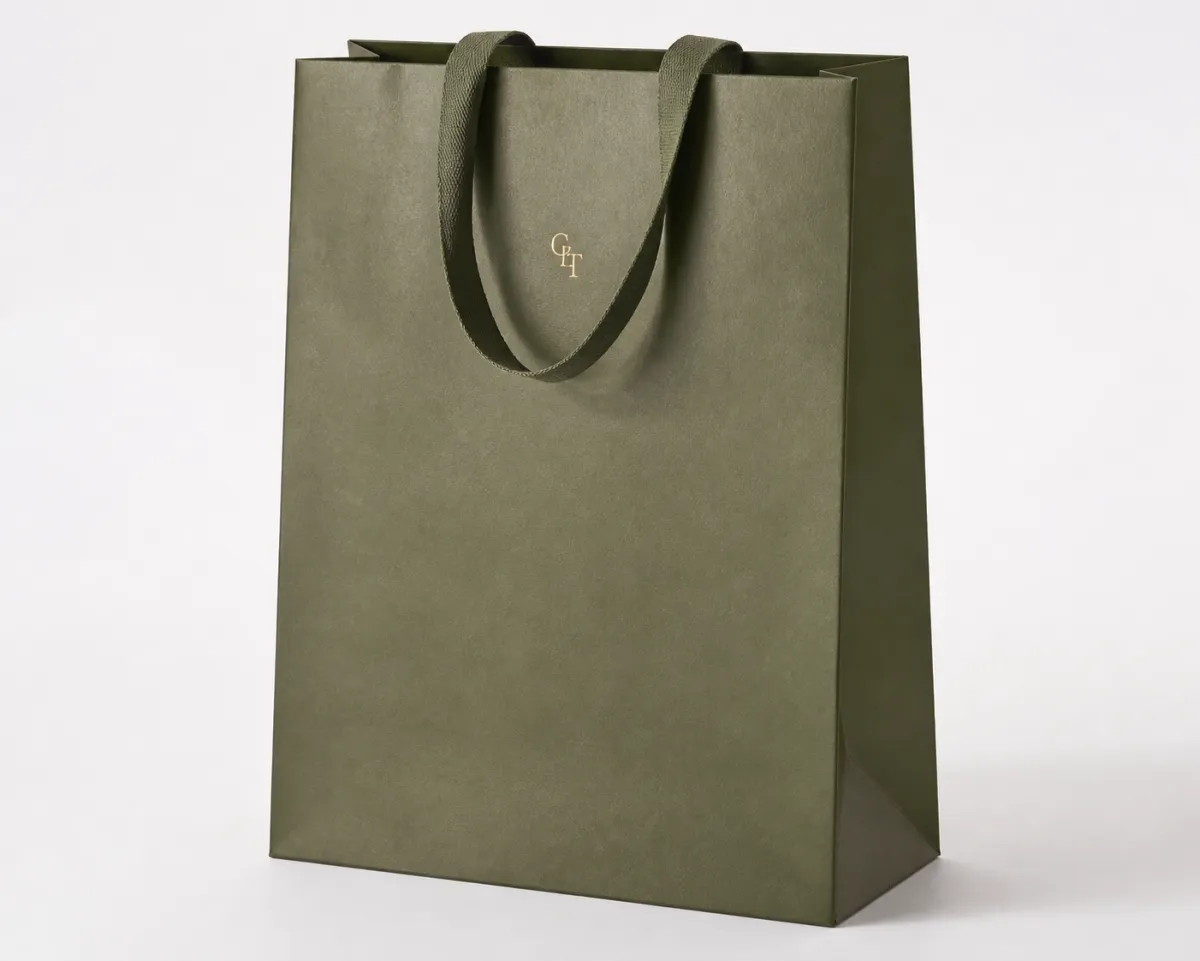
A retailer buying 500 bags every few weeks pays for more than product. There is repeated quoting, stop-and-start freight, last-minute substitutions, and the risk that one order arrives slightly different from the next. With printed retail bags wholesale, the math changes because fixed costs are spread over thousands of units instead of a few hundred. That matters. A setup fee of $80 or $120 is minor when it sits on 10,000 bags, but it can distort a small repeat order if the specs are not locked.
In practice, printed retail bags wholesale is not only about spending less per unit. It is about controlling variability. A bag that arrives late before a store event forces rushed freight or a substitute SKU. A bag that is too small looks cheap and makes the purchase feel cramped. A bag that is too large wastes material and inflates shipping weight. Volume buying gives the buyer one thing ad hoc purchasing rarely does: predictable output.
That predictability shows up at the register. The checkout bag is one of the few pieces of packaging customers handle directly, and it quietly shapes brand perception. A rigid handle, a crisp print, and a clean fold can make a $40 item feel more considered. A flimsy bag tells a different story. For retailers selling apparel, gifts, accessories, books, or beauty products, printed retail bags wholesale can support repeat visits because the bag itself becomes a moving advertisement.
There is also the reuse factor. Customers are more likely to keep a sturdy bag if it feels useful after the sale. That is where printed retail bags wholesale connects to value beyond the initial order. A better bag is not free, but it can extend the life of the brand impression. Many buyers underprice that effect because they compare purchase price only, not how often the customer carries the bag afterward.
I've seen buyers get trapped by a quote that looked sharp on paper but fell apart once the real use case showed up. If the bag has to hold boxed candles, folded sweaters, or a stack of hardcovers, the order is not really about paper weight alone; it is about how the whole package behaves in the hand. That is the part that usually gets missed when teams move too fast.
"The cheapest bag is not the least expensive order if it arrives late, tears at checkout, or fails to match the brand."
From a planning angle, the best printed retail bags wholesale program does three jobs at once: it lowers unit cost, it stabilizes inventory, and it reinforces the store identity with every handoff. If one of those three is missing, the program is incomplete.
Printed Retail Bags Wholesale Product Options That Fit Retail Use
The first question is not artwork. It is format. In printed retail bags wholesale, the main options usually fall into three buckets: Paper Shopping Bags, polypropylene or plastic carry bags, and reusable tote-style bags. Each one solves a different retail problem. Paper bags fit boutiques, gift shops, bookstores, and apparel stores because they feel cleaner and more premium at checkout. Poly carry bags work better for lightweight items, seasonal promotions, and stores that need a lower-cost pack-out. Tote-style bags cost more upfront, but they are often reused many times, which increases brand exposure.
Paper bags are the most common choice for printed retail bags wholesale when presentation matters. They can be built in kraft, white kraft, or coated stock, with twisted paper handles, flat handles, or rope handles depending on the look and load requirement. Heavier paper stock, often in the 120 gsm to 250 gsm range for premium retail use, improves stiffness and reduces the sag that makes a bag feel cheap. Bottom reinforcements matter too. If the store regularly sells boxed items, candles, framed products, or multiple garments in one order, a reinforced base is worth the added cost.
Poly and plastic carry bags are still relevant in printed retail bags wholesale, especially for convenience, moisture resistance, and cost control. They are useful for pharmacies, convenience retail, cosmetics, quick-turn pop-ups, and some apparel stores that need a lightweight back-up option. They are less about luxury and more about function. The right choice depends on local regulations, product weight, and the image the store wants to project. A modern beauty retailer may avoid plastic for brand reasons, while a value-focused retailer may prefer it because it performs consistently and ships efficiently.
Reusable Tote Bags occupy a different lane. In printed retail bags wholesale, they are often chosen by bookstores, museums, premium boutiques, grocery-adjacent concepts, and gift retailers that want the bag to become part of the purchase. They cost more, but the economics can still work if the bag is sold, bundled, or treated as a branded accessory. If the retailer wants longer life, the fabric weight, stitching, seam reinforcement, and handle length become more important than a simple print price.
| Bag Type | Typical Wholesale Use | Strengths | Watchouts |
|---|---|---|---|
| Paper shopping bag | Boutiques, apparel, gifts, bookstores | Premium feel, easy branding, recyclable options | Needs correct paper weight and base reinforcement |
| Poly carry bag | Convenience, beauty, value retail | Low unit cost, lightweight, moisture resistance | Brand perception may be less premium |
| Reusable tote | Premium retail, events, gift bundles | High reuse, strong brand visibility, durable construction | Higher upfront cost and larger freight footprint |
Handle style changes the customer experience more than many buyers expect. Twisted paper handles are economical and sturdy enough for light to medium loads. Rope handles signal a more premium product and are common in higher-end printed retail bags wholesale programs. Flat handles are practical and low cost. If the store has heavier items or frequent two-item purchases, a reinforced handle attachment can prevent tearing and reduce the embarrassment of a bag failure at the door.
The right format should match the store model, not the buyer's personal taste. A cosmetics shop may want a small, glossy paper bag with refined print coverage. A bookstore may want a taller kraft bag that fits hardcovers without bending the spine. A boutique may need a medium-size bag with a 4 to 6 inch gusset to handle folded apparel and tissue. In printed retail bags wholesale, the best bag is the one that suits the actual basket mix, not the one that looks best on a sample table. That part sounds obvious, but it gets missed more often than you'd think.
Size, Material, and Print Specifications to Lock Before Ordering
Size errors are expensive because they look small on paper and large in production. Before any printed retail bags wholesale order moves forward, the buyer should confirm width, gusset, height, handle drop, and the real product footprint with inserts or tissue included. A bag that measures 10 x 8 x 4 inches on paper may behave differently once a rigid box or a folded garment is inside. The safest method is to map the largest typical purchase and then add room for easy loading.
Material specification matters just as much. In printed retail bags wholesale, paper weight, coating, and board stiffness affect both cost and performance. A 150 gsm paper bag might be fine for a light accessory order, but a heavier retail assortment may need more rigid stock. If the bag is used to carry multiple items, the buyer should ask about burst strength, seam construction, and base support. For reusable bags, fabric weight and stitch density deserve the same attention. The point is not to overbuild every bag. It is to match the construction to the actual load.
Print setup is another place where small details create big differences. In printed retail bags wholesale, buyers should confirm whether the artwork is one-color, two-color, or full-color, and whether the design is on one side or both. Ink coverage affects price. A large flood print on dark stock costs more than a small logo mark on kraft paper. Bleed area, safe area, and logo clear space should be defined before proofing so the artwork does not get compressed or clipped during production.
Good artwork preparation shortens lead time. Send vector files, usually AI, EPS, or PDF format, and include Pantone references if color accuracy matters. If the brand uses a specific red, navy, or metallic tone, say so upfront. That is especially important in printed retail bags wholesale, because the reorder needs to match the first run closely. If the bag is part of a store chain or multi-location rollout, a standardized spec sheet saves arguments later. One location should not be guessing the bag size while another is ordering the same style under a different name.
These are the specifications buyers should lock before requesting production:
- Width, gusset, and height with the product inside, not just the empty bag size.
- Handle drop so customers can carry the bag comfortably by hand or over the wrist.
- Paper or fabric weight to match the expected load and feel.
- Print colors and placement, including whether the back panel needs branding.
- Finish such as matte, gloss, soft-touch, or uncoated.
- Artwork format with vector files and color references ready for proofing.
For buyers who care about sustainability claims, do not overstate them. Ask whether the paper comes from FSC-certified sources, and check whether the supplier can support chain-of-custody documentation. The FSC standards are useful when you need a credible paper sourcing story. If the bags need transport testing, especially for e-commerce or heavier mixed loads, the ISTA testing framework helps define performance expectations instead of relying on guesswork. That kind of evidence matters in printed retail bags wholesale because a packaging claim should survive scrutiny.
One practical habit makes a big difference here: keep a single master spec sheet on file and use it for every reorder. It cuts down on the tiny drift that creeps in when different team members send different dimensions or artwork versions. I have seen that kind of drift turn a clean buying program into a mess, and it is almost always avoidable.
Printed Retail Bags Wholesale Cost, Pricing, MOQ, and Quote Factors
Price is where many buyers compare the wrong numbers. A low unit price can still be a poor deal if freight, setup charges, or a high minimum order create hidden cost. In printed retail bags wholesale, the main price drivers are bag size, material, print colors, order quantity, finishing, and any custom handle or lamination upgrades. Bigger bags use more raw material. More print colors require more setup. Premium finishes add labor. The quote has to be read as a package, not as a single line item.
MOQ changes the economics quickly. A supplier may offer 1,000 units with a higher unit price, or 5,000 units with a lower price break, and both can be correct depending on the store's sales volume. For a seasonal launch or a new concept, a lower MOQ can make sense because the buyer is testing demand. For a mature retail operation, printed retail bags wholesale usually becomes much more efficient once the run size is large enough to absorb setup costs. There is no magic threshold, but many buyers see better pricing at 3,000, 5,000, or 10,000 units depending on structure and print complexity.
Here is a practical way to compare offers:
| Quote Factor | What It Changes | Buyer Takeaway |
|---|---|---|
| Order quantity | Lower or higher unit price based on scale | Larger runs usually reduce the per-bag cost |
| Print coverage | Ink usage, setup time, and proofing complexity | Simple logo marks are cheaper than full coverage artwork |
| Material choice | Raw stock cost and bag durability | Heavier stock often costs more but reduces damage risk |
| Finishing | Lamination, embossing, foil, or premium handles | Finish upgrades should be tied to brand value, not habit |
| Freight and packing | Total landed cost, not just unit price | Shipping can erase a savings claim if it is not included |
For reference, a simple paper retail bag program can land in a very different cost band than a laminated rope-handle bag. In broad terms, buyers might see something like $0.18 to $0.28 per unit for a large, straightforward run of basic paper bags, while a premium custom build with heavy stock, specialty handles, and more print coverage can climb well above that. A tote-style program can move higher still. Those ranges are not promises. They depend on country of origin, specs, freight, and whether the order includes setup, plates, or custom finishing. In printed retail bags wholesale, asking for a quote without the full spec sheet is like asking for a rent estimate without the square footage.
The most useful quote request includes the following details:
- Exact dimensions and the intended product load.
- Material type and weight, including finish.
- Print colors, one-side or two-side artwork, and Pantone targets.
- Quantity target, plus any future reorder expectations.
- Delivery window and shipping destination.
- Proofing expectations, including sample or digital proof.
One more point that often gets ignored: total landed cost is the real cost. In printed retail bags wholesale, freight, duties if applicable, and rush surcharges can matter as much as the bag itself. If a supplier quotes a great unit price but charges a premium for expedited transit, the comparison is incomplete. Ask for the full landed picture before deciding.
Printed Retail Bags Wholesale Process, Timeline, and Lead Time
The order process should feel structured, not mysterious. A clean printed retail bags wholesale workflow usually runs from quote to artwork submission, then digital proof, approval, production, packing, and delivery. Each step can be short or long depending on how ready the buyer is. The fastest orders are the ones where the dimensions are locked, the logo files are clean, and the purchaser knows exactly how the bags will be used.
Typical lead time depends on the print method, bag complexity, and order size. A simple run may move in roughly 12 to 15 business days from proof approval, but that is not universal. More complex paper bags, specialty handles, custom finishes, or large quantities can extend that timeline. Printed retail bags wholesale also slows down when demand spikes around holiday periods or when multiple stores place repeat orders at the same time. The calendar matters as much as the spec sheet.
The place where delays most often happen is proofing. A buyer sends a logo that is too low-resolution, requests a last-minute size change, or decides to shift from one-color print to full-color after the proof is already in motion. In printed retail bags wholesale, those revisions are expensive because they force the supplier to rework plates, adjust print files, or re-sequence production. If there is a launch date, the bag spec needs to be treated like a locked part of the rollout plan.
Here is a practical timeline mindset that works well:
- Promotions and events: order at least 3 to 4 weeks ahead if the bag needs custom print.
- Grand openings: finalize artwork before opening week planning starts.
- Holiday peaks: move 1 to 2 months early if the bag must ship with seasonal inventory.
- Reorders: trigger the next run when usage reaches a set threshold, not when the last carton is opened.
That last point is worth emphasizing. A store that waits until stock is nearly gone invites rush freight and compromise. A steady reorder pattern keeps printed retail bags wholesale predictable and protects the margin that was supposed to come from bulk purchasing in the first place. Planning beats improvisation here.
For buyers who want a more disciplined process, the best move is to create a spec sheet that includes artwork, dimensions, material, print count, pack count, and delivery target. Then keep it on file for the next reorder. It sounds basic, but the time saved on the second order is often where printed retail bags wholesale delivers the biggest operational gain.
If your team prefers a single purchasing lane instead of juggling one-off orders, our Wholesale Programs page is the right place to start the conversation with current volume needs and reorder expectations.
Why Choose Us for Printed Retail Bags Wholesale
What separates a useful supplier from a merely cheap one is consistency. In printed retail bags wholesale, consistency means the next reorder matches the first run in size, color, handle strength, and pack count. If a bag is 2 millimeters off in width, that may not sound like much, but in production it can affect fill, stack, freight efficiency, and customer perception. Stable output matters more than flashy promises.
Quality control should cover the details that customers actually feel. That includes print alignment, seam strength, handle attachment, base support, and carton packing accuracy. A bag that arrives with off-center art or a weak bottom fails twice: once on the visual side and again at checkout. In printed retail bags wholesale, the supplier should check for those errors before the bags ship, not after the customer complains.
Support matters too. A retailer may need a quick reprint, a size change, or a staggered delivery plan across multiple locations. Strong account support can reduce the cost of those changes because the supplier already knows the approved artwork and standard dimensions. That is one reason buyers stay with a proven source rather than chasing the lowest quote every cycle. Over time, printed retail bags wholesale becomes easier when the supplier remembers the spec and can keep the output aligned with the brand.
I've watched more than one bag program slip because the buyer treated handle style as an afterthought. A small decision like that can change how the whole order feels in the hand. If the bag is going to carry a hardback book, a candle, and a set of boxed skincare items, the construction has to support the load without making the checkout team nervous.
Here is the business outcome that matters: fewer stockouts, fewer damaged bags at checkout, and a cleaner brand presentation across stores. Those results are measurable. They show up in lower emergency freight, fewer rejected cartons, and less time spent fixing packaging mistakes. In a margin-sensitive retail operation, that is not a minor benefit. It is real operational value.
We also try to keep the buying experience simple. Clear specs, straightforward proofing, and realistic timelines save everyone time. Buyers do not need a packaging lecture; they need a dependable result. That is the practical value of printed retail bags wholesale when it is handled well.
For teams that want to align packaging procurement with broader sourcing standards, the same discipline used in other wholesale categories applies here too. Keep files organized, compare landed cost, and avoid changing specs mid-run. It is a simple process, but not always an easy one. Printed retail bags wholesale works best when the buyer treats it like an operational system, not a one-off purchase.
If you are mapping multiple packaging categories at once, the broader Wholesale Programs page can help you coordinate bag buying with other recurring supply needs.
Next Steps to Order Printed Retail Bags Wholesale With Confidence
The fastest path to a clean order is to prepare a short buying checklist before asking for pricing. In printed retail bags wholesale, that checklist should cover bag dimensions, material, print colors, handle type, quantity target, and delivery window. If the team can answer those six items without debate, the quote stage gets much easier and the risk of revision drops.
It also helps to request at least two comparable quotes. Not three dozen. Two good ones. The point is to compare like for like: same size, same stock, same print count, same handle style, same freight assumption. In printed retail bags wholesale, quotes often look different because the suppliers made different assumptions. If one includes setup and the other does not, the comparison is useless until the assumptions are aligned.
Ask for a proof or sample before you commit to full production, especially if the bags support a launch, event, or seasonal campaign. A digital proof is valuable, but a physical sample reveals a lot more about stiffness, handle feel, and print visibility. In printed retail bags wholesale, the sample stage is where many silent problems appear early enough to fix them cheaply.
Then set a reorder trigger. That can be based on weekly bag usage, carton count, or projected sales. The trigger is the point where the buyer knows the next order must start, even if stock is not yet empty. This is how stores avoid panic ordering. It is also how printed retail bags wholesale protects margin instead of eating it.
Here is a simple action plan:
- Confirm dimensions and product load.
- Gather logo files and brand colors.
- Choose paper, poly, or reusable construction.
- Set the order quantity and target delivery date.
- Compare at least two complete quotes.
- Approve the proof only after the details match the spec sheet.
Once those steps are complete, the order becomes much easier to manage. More important, the packaging stops being a recurring nuisance and starts acting like a controlled part of the retail experience. That is the right outcome for printed retail bags wholesale: lower waste, steadier supply, and a bag that does its job every time it leaves the counter.
What is the typical MOQ for printed retail bags wholesale?
MOQ varies by material and print complexity, but simple stock-style bags usually start lower than fully custom premium bags. Ask whether the quote includes setup costs, because a higher MOQ can sometimes produce a better unit cost than a small test order. In printed retail bags wholesale, the cheapest quote is not always the best fit for a first run.
Which material is best for printed retail bags wholesale orders?
Paper works well for boutiques, gift shops, and apparel when presentation matters and the bag will likely be reused. Poly or reusable tote options make more sense for heavier products, wet items, or stores that want longer customer use. The right choice in printed retail bags wholesale depends on load, brand image, and local regulations.
How long does production usually take for printed retail bags wholesale?
Timeline depends on order size, print method, and proof approval, but the fastest path is ready artwork and locked specs. Build in extra time for seasonal demand, shipping, and any revisions after the first proof. For printed retail bags wholesale, a clean approval process usually saves more time than any rush fee can recover.
Can I order different sizes in one printed retail bags wholesale program?
Yes, but each size usually behaves like a separate SKU with its own setup, price break, and MOQ. If multiple sizes are needed, plan them together so artwork stays consistent and reorder decisions stay simple. That structure makes printed retail bags wholesale easier to manage across stores or departments.
What artwork should I prepare before requesting a quote?
Send vector logo files, brand colors, size dimensions, and a clear note on whether the print should be one-sided or two-sided. Include any text disclaimers or retail information early, because artwork changes after proofing can extend lead time. Good preparation keeps printed retail bags wholesale moving and reduces avoidable revisions.
The cleanest next move is to lock one spec sheet, one proof target, and one reorder trigger before you ask for pricing. That keeps printed retail bags wholesale from turning into a moving target and gives the buyer a real basis for comparing Cost, Lead Time, and quality without guessing.


