Buyer Fit Snapshot
| Best fit | Printed Stickers for Packaging Order projects where brand print, material claims, artwork control, MOQ, and repeat-order consistency need to be specified before quoting. |
|---|---|
| Quote inputs | Share finished size, material target, print colors, finish, packing count, annual reorder estimate, ship-to region, and any compliance wording. |
| Proofing check | Approve dieline scale, logo placement, barcode or warning zones, color tolerance, closure strength, and carton packing before bulk production. |
| Main risk | Vague material claims, crowded artwork, missing packing details, or unclear freight terms can make a low unit price expensive after revisions. |
Fast answer: Printed Stickers for Packaging Order: Specs & Pricing should be specified like a repeatable production item. The safest quote records material, print method, finish, artwork proof, packing count, and reorder notes in one written spec.
Production checks before approval
Compare the actual filled-product size with the drawing, then confirm tolerance on folds, seals, hang holes, label areas, and retail display edges. Reserve space for logos, QR codes, warning copy, and material claims before decorative graphics fill the panel.
Quote comparison points
Review material grade, print process, finish, sampling route, tooling charges, carton quantity, and freight assumptions side by side. A quote is only useful when the supplier can repeat the same color, closure quality, and packing count on the next order.
Printed Stickers for Packaging Order: Specs & Pricing
Need a fast way to make plain packaging feel finished, branded, and ready for the shelf? A carefully planned printed Stickers for Packaging order can do that without replacing your cartons, mailers, or pouches, and it can do it quickly enough for launches, seasonal runs, and smaller production batches. For a lot of brands, the right sticker is the difference between packaging that feels generic and packaging that looks intentionally built around the product.
That is why buyers keep asking for printed stickers for packaging order instead of jumping straight into Custom Printed Boxes. Stickers solve practical problems first. They seal tissue, close cartons, identify flavors or variants, and carry promo copy or compliance notes. They also give a brand more breathing room while the packaging design is still being refined, which matters when you are testing the product, checking shelf fit, or deciding whether a larger print run makes sense later on.
From a packaging buyer’s point of view, the real value is not novelty. It is consistency. The adhesive has to behave. The color has to stay true. The finish has to suit the product. The label has to apply cleanly across the full run. A dependable printed Stickers for Packaging order gives you that control without forcing a large commitment before the specs are proven. And honestly, that matters a lot more than fancy claims.
Why printed stickers for packaging order can lift shelf impact fast
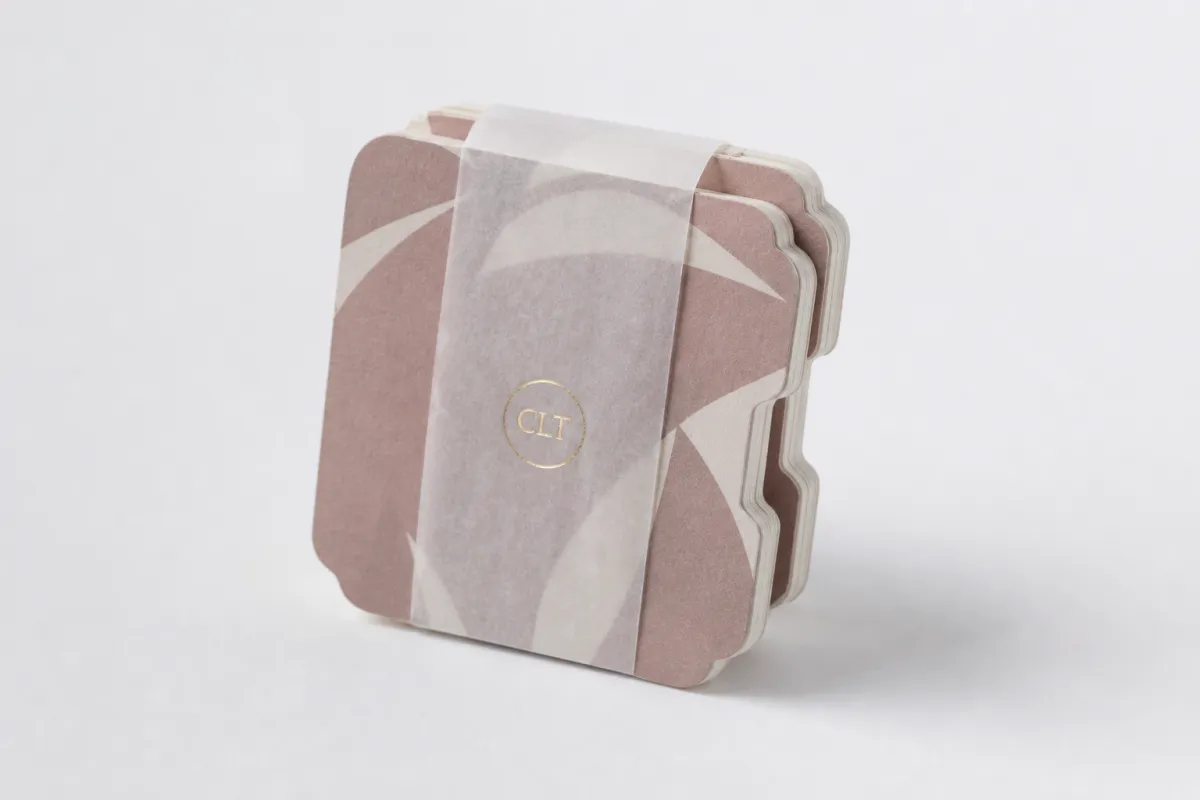
One of the most practical uses for a printed stickers for packaging order is visual correction. If the base packaging is plain kraft, white board, or a stock pouch, the sticker becomes the branded face the customer notices first. That might be a front label, a tamper seal, a top-panel badge, or a small accent that makes the whole pack feel deliberate. In retail packaging, those details matter because shoppers often judge finish quality before they read the copy.
Stickers earn their place because they stay flexible. A brand can use one design for regular stock, then shift to a seasonal version, a limited run, or a flavor badge without changing the full packaging structure. That is especially useful for startups, subscription boxes, and brands that are still learning how much volume each SKU will actually move. A printed stickers for packaging order lets you keep the base packaging stable while changing the graphic layer as needed.
There are also practical jobs beyond decoration. A sticker can seal tissue on a gift box, close a mailer sleeve, group a bundle of smaller products, or mark a box for size, scent, batch, or promotion. For food and beverage packaging, a printed stickers for packaging order may also carry a lot code, ingredient callout, or handling note. For cosmetics or personal care, it may identify shade, fragrance, or usage instructions. The job is often functional first and visual second, which is kinda the point when the packaging has to work in real life.
That is where buying intent becomes clear. Most customers do not need grand claims. They need a sticker that aligns with the package, applies neatly, and holds up during shipping and shelf handling. A good printed stickers for packaging order should support package branding, not fight it.
Packaging truth: if a sticker lifts at the corner, smears under handling, or clashes with the board stock, the product feels cheaper than it is. That is why spec checks matter before print.
If you are building a wider packaging system, stickers also sit neatly beside other custom packaging products. They pair well with a carton that is still stock, with Custom Packaging Products for future expansion, or with Custom Labels & Tags for a more label-heavy format later. In practice, many brands start with a printed stickers for packaging order, then move into fuller packaging design once volumes justify it.
For launches with uncertain demand, stickers make sense because the risk stays lower. You can order a meaningful quantity without locking yourself into full-color custom printed boxes, oversized minimums, or long setup costs. That is why a printed stickers for packaging order often becomes the first custom print item in a brand’s retail packaging stack.
Printed stickers for packaging order: materials, adhesives, and finishes
The material behind a printed stickers for packaging order affects more than appearance. It changes moisture resistance, tear strength, print clarity, and how the label behaves on different surfaces. Paper sticker stock gives a softer, more natural feel, which suits dry cartons, craft brands, and packaging that wants an earthy look. Coated paper sharpens print detail and holds color well, but it is not the best choice if the sticker will face condensation, oils, or rough handling.
Film-based stocks, especially BOPP, are often a stronger fit when durability matters. BOPP handles abrasion better, resists water more effectively, and usually stays flatter on curved or flexible surfaces. Vinyl can also be used for tougher wear, though it is not always necessary for standard product packaging. A well-chosen printed stickers for packaging order should match the environment, not just the budget.
Adhesive choice matters just as much. Permanent adhesive is common for cartons, bottles, and retail packaging where the sticker is meant to stay in place. Removable adhesive helps with temporary promotions, display packaging, and some short-term bundles. Freezer-safe adhesives live in a different category entirely and should be specified only when cold-chain storage or chilled distribution is part of the plan. If the package surface is kraft, glossy plastic, textured paper, or glass, the adhesive can behave very differently, so the substrate matters.
Finish changes both the look and the readability. Matte finishes reduce glare and often feel more premium on minimal packaging design. Gloss can make color pop harder and works well for brighter graphics. Soft-touch gives a muted, velvety feel that can lift a high-end product packaging presentation, but it usually comes at a higher cost. Clear labels are useful when the package itself should stay visible. Metallic accents can add emphasis, though too much shine can overpower the brand story.
- Paper: best for dry use, kraft board, and natural-looking branding.
- BOPP: strong option for moisture, abrasion, and general shipping durability.
- Vinyl: useful for tougher handling or specialty applications, though not always required.
- Matte finish: low glare, clean type, and a more understated retail look.
- Gloss finish: stronger color pop and a brighter shelf presence.
- Clear or metallic accents: useful for selective design effects and transparent surfaces.
Shape and format also affect the buying decision. A printed stickers for packaging order may be supplied as individual die-cuts, sheets for hand application, or rolls for faster dispensing. Sheets work well for small-batch fulfillment and assembly tables. Rolls are better for higher quantities and machine application. Standard circles and squares are efficient, but custom die-cuts can create a stronger brand silhouette if the logo or icon deserves its own outline.
There is no single best option, only the right match for the use case. A small cosmetics brand sealing tissue on carton tops has different needs than a beverage company shipping chilled product through regional distribution. That is why a good printed stickers for packaging order starts with surface, storage, and application method before anyone talks about artwork polish.
| Material | Best For | Typical Strength | Approx. Unit Price at 5,000 pcs | Notes |
|---|---|---|---|---|
| Coated paper | Dry cartons, mailers, tissue seals | Good print clarity, lower moisture resistance | $0.03-$0.08 | Great for natural-looking branded packaging |
| BOPP | Bottles, pouches, handled parcels | Strong moisture and abrasion resistance | $0.05-$0.12 | Often the safest all-around choice |
| Clear BOPP | Transparent or minimalist packaging | Durable with a clean “no-label” look | $0.06-$0.14 | Best when the package itself should show through |
| Vinyl | Tough handling, specialty retail packaging | High durability, flexible application | $0.08-$0.18 | Use only when the application truly needs it |
For buyers who care about sustainability claims, paper sourcing and recyclability questions usually come up early. That conversation should stay honest and specific. Some paper constructions may support FSC-backed sourcing, and some package systems are easier to recycle than others depending on inks, liners, and coatings. If sustainability is a priority, it is worth checking details against recognized references such as FSC and broader packaging guidance from industry organizations. The right printed stickers for packaging order should fit the product and the brand promise without making environmental claims that the construction cannot support.
If your packaging must survive temperature swings or shipping stress, testing matters too. For chilled shipments, condensation resistance can be decisive. For e-commerce cartons, abrasion and carton crush are the usual risks. Standards from groups such as ISTA help frame those transit concerns, even if the final product spec is simpler than a formal lab program. A practical printed stickers for packaging order reflects how the package actually travels, not how it looks on a desk.
Specifications to confirm before you place the order
Before you approve a printed stickers for packaging order, confirm the core specs in writing. Finished size comes first because it drives artwork layout, cut shape, and how much of the package the sticker will cover. Bleed matters next, especially if the design runs right to the edge. Safe area matters too, because text placed too close to the trim can look cramped or get clipped once the sticker is die-cut.
Corner style is another small detail that affects application. Sharp corners can lift sooner on handled packaging, while rounded corners usually behave better in use. If the job is on rolls, roll direction and core size matter for machine compatibility. If the job is hand-applied, sheet layout may be simpler and cheaper. A professional printed stickers for packaging order should specify the application method so the format fits the line instead of creating work on the floor.
Artwork quality is where many jobs slow down. Vector logos are preferred because they scale cleanly. CMYK or spot color setup should be clear before proofing. If brand colors are critical, ask for a proof rather than assuming the file will print exactly as it appears on screen. Screens vary, inks vary, and substrate absorbency varies. A paper sticker and a clear film sticker can make the same artwork look very different.
Packaging-specific checks deserve special attention. If the label will go on a curved bottle, a flexible film stock may be better than paper. If the sticker needs to seal a carton flap, the adhesive has to hold the flap under handling, not just look good in mockup. If the product is refrigerated or shipped in humid conditions, condensation resistance matters. If the sticker is doing tamper-evident work, the adhesive and die-cut need to support that purpose without failure. That is why a printed stickers for packaging order is never just a design purchase; it is a functional packaging decision.
- Confirm size: finished dimensions, bleed, and safe area.
- Confirm format: sheets, rolls, or individual die-cuts.
- Confirm adhesive: permanent, removable, or freezer-safe.
- Confirm surface: kraft, coated board, glass, plastic, or film pouch.
- Confirm conditions: room temp, refrigeration, transit abrasion, or moisture exposure.
- Confirm proofing: request approval before production begins.
One mistake I see often is a buyer sending artwork without the real package dimensions. A label that looks fine on a screen may wrap awkwardly around a bottle, overhang a flap seam, or sit too close to a scored edge on a box. Another common delay is not defining what “good adhesion” means. For one brand, that means the sticker stays on for six months in storage. For another, it means the customer can remove it cleanly later. Those are very different requirements, and a printed stickers for packaging order should reflect that difference from the start.
It also helps to send a sample photo of the package if the shape is unusual. That simple step can prevent trim issues, awkward placement, and expensive revisions. For custom printed boxes and other branded packaging, dimensions are easy to infer from a dieline. For sticker work on pouches, tins, jars, and irregular cartons, a photo often tells the story better than a paragraph of notes. A complete printed stickers for packaging order usually moves faster because the production team has the right context up front.
Pricing, MOQ, and quote details for printed stickers
Price on a printed stickers for packaging order depends on several moving parts, and most of them are practical rather than mysterious. Material type, size, shape complexity, finish, and quantity all affect the cost. So do any special requirements such as variable data, tamper-evident construction, or protective coating. A simple round sticker in paper stock will usually price very differently from a custom die-cut BOPP label with gloss lamination and a specialty adhesive.
MOQ changes with the production method and format. Standard shapes on common materials usually support lower quantities, while custom shapes or specialty finishes often push minimums higher. That is not a sales trick; it is a real setup issue. The press setup, die-cut tooling, and finishing steps all have to be paid for somehow. The upside is that larger quantities usually reduce the per-piece cost enough to offset the higher upfront spend. A printed stickers for packaging order becomes more economical as the run size grows, especially when the same artwork is reused across a season or an entire product line.
Buyers should also separate quote price from landed cost. A sticker quote may cover the label production itself, but shipping, proofing, setup, and rush charges can change the final number. If you are comparing suppliers, make sure the numbers are built the same way. Otherwise, one quote may look cheaper until you add cartons, freight, or artwork correction fees. A clean printed stickers for packaging order should be quoted in a way that makes the total spend easy to understand.
To get an accurate quote quickly, send the following in one message:
- Finished size and shape
- Quantity needed now and for likely reorders
- Material preference if you already have one
- Finish preference such as matte, gloss, or clear
- Application surface like kraft board, coated carton, glass, or plastic
- Use condition such as dry storage, refrigeration, or shipping abrasion
- Artwork file or a logo plus reference image
For most buyers, the real budget question is not “What is the cheapest sticker?” It is “What sticker will perform without creating waste, rework, or complaints?” That is a more useful way to buy a printed stickers for packaging order. A low sticker cost can become expensive if the labels curl, misapply, or force rework on the packing line.
As a rough planning guide, simple paper labels in moderate quantities may sit on the lower end of the pricing scale, while clear film, strong adhesives, or intricate die-cuts move the number upward. A small order of 1,000 pieces often carries a noticeably higher per-unit cost than a 5,000-piece run because setup is spread over fewer labels. If you are managing printed stickers for packaging order budgets across multiple SKUs, it can make sense to combine similar versions into one production cycle.
That same logic applies to freight. Packing a sticker run efficiently matters, especially if the order is moving into wholesale programs or fulfillment centers. Flat-sheet cartons, roll packing, core choices, and outer box protection can all influence shipping cost and damage risk. A well-quoted printed stickers for packaging order should make those details visible before you approve production, not after the shipment lands.
Process and timeline for printed stickers for packaging order
The ordering flow for a printed stickers for packaging order is straightforward when the information is complete. It usually starts with an inquiry, then moves into spec confirmation, artwork review, proof approval, production, finishing, packing, and shipment. Each step has a purpose. The inquiry establishes size, quantity, and use case. Spec confirmation locks down the material and adhesive. Artwork review catches technical issues before they become waste.
Proof approval is the checkpoint that matters most. Once the proof is approved, the job can move through production with far less friction. If the proof still has unclear text, wrong bleed, or a color issue, the order stops there. That is not a delay caused by the factory; it is the system protecting your brand. A careful printed stickers for packaging order is usually faster in the end because it avoids reprints and corrections.
Timeline depends on complexity. Simple repeat orders can move faster because the artwork is already approved and the format is known. Custom shapes, specialty finishes, and packaging that needs file fixes take longer. Rush jobs may be possible, but they are easier to quote once everything is final. If a customer changes quantity after proof approval, or changes the packaging surface after the sticker is already specified, the timeline usually stretches. A printed stickers for packaging order only moves quickly if the decisions stay steady.
Here is a practical view of timing:
- Simple repeat order: often the fastest path because files and specs already exist.
- New standard label: usually needs proofing and setup, so expect a longer cycle.
- Custom die-cut or special finish: can take more time because tooling and finishing are involved.
- Corrected artwork: adds time if dimensions, color, or copy need adjustment.
- Rush request: possible in some cases, but only after the specs are final.
For inventory planning, the safest habit is to reorder before the last carton is gone. That sounds obvious, yet it is where many brands get caught. A seasonal product, a fast-moving bundle, or a subscription item can burn through sticker stock quickly. If you know the next production run is coming, place the printed stickers for packaging order early enough to absorb proofing and transit time. That way your packaging line is not waiting on a roll of labels.
Brands with multiple SKUs should also think ahead about artwork versioning. One clean master system for sizes, flavors, or variants saves time every quarter. It also helps with retail packaging consistency. If one line uses one color language and another line uses a different one, the set may feel disconnected. A thoughtful printed stickers for packaging order supports the whole package family instead of just one isolated item.
Why choose us for printed stickers for packaging order
What buyers usually want most is not a flashy promise. They want straight answers. For a printed stickers for packaging order, that means clear guidance on material choice, honest feedback on adhesive performance, and a proofing process that actually protects the final result. If a design will be hard to apply by hand, that should be said early. If a paper label is likely to struggle on a chilled pouch, that should be said plainly too.
That kind of support matters because packaging is not abstract. The sticker has to work on the actual container, in the actual warehouse, in the actual customer journey. A brand may love the mockup, but the real test is whether the label stays put, prints cleanly, and keeps the pack looking professional after handling. A dependable printed stickers for packaging order is built around those realities.
Consistency is another reason buyers come back. Once the color, finish, and adhesion are approved, repeat orders should look the same. That matters for brands managing multiple production runs, seasonal packaging design changes, or product packaging updates across a broader line. A mismatch between runs can undermine package branding even when the logo is technically correct. The best printed stickers for packaging order is one you can repeat without surprises.
We also know many buyers need flexibility. A startup may need a low MOQ to test demand. A growing brand may need multiple sizes for different containers. A wholesale program may need one sticker format for cartons and another for retail-facing packs. A strong printed stickers for packaging order process should support all of that without turning the quote into a puzzle.
Here is what a practical buying experience should feel like:
- Fast spec checks so you know whether the format fits your package.
- Direct proofing so artwork issues are caught before print.
- Material guidance that matches real use conditions.
- Repeatable quality so reorders stay consistent.
- Clear communication so the quote and production path are easy to follow.
If you are comparing routes, it can help to review the broader product mix too. Some brands discover that labels are the right answer for one SKU, while a more complete packaging bundle is better for another. In those cases, a printed stickers for packaging order can sit beside Wholesale Programs for larger-volume buying or alongside a custom label line when the brand is ready to broaden the system. The point is not to oversell stickers; the point is to place them where they solve the most problems with the least friction.
Honestly, the strongest sticker programs are the ones that do a few things very well. They fit the package. They hold up in use. They make the product look complete. That is enough. A printed stickers for packaging order does not need hype; it needs correct specs, consistent production, and a finish that suits the brand.
Next steps for your printed stickers for packaging order
If you are ready to move, start with a simple checklist. Gather the finished size, quantity, material preference, finish preference, and the surface the sticker will touch. Add the package photo if the container is unusual. Add artwork files if you already have them. Those five pieces of information usually turn a vague request into a usable printed stickers for packaging order quote.
Next, decide what the sticker must do. Is it sealing tissue, identifying flavor, supporting seasonal branding, or replacing a printed carton panel? The use case shapes the construction. A kraft mailer with a seal sticker needs a different spec than a beverage bottle label or a pouch badge. Once the application is clear, the rest of the printed stickers for packaging order becomes much easier to define.
Then ask for a proof and review it against the actual package dimensions. Do not approve based on memory alone. Lay the proof next to the carton, bottle, or pouch if you can. Check the trim, the readable text, the color balance, and the placement. This small step prevents a lot of expensive surprises. A careful printed stickers for packaging order is usually the one that passes a real-world check before anyone prints the full run.
A good process is simple:
- Send dimensions, quantity, and surface details.
- Share artwork or a logo with reference photos.
- Confirm material, adhesive, and finish.
- Review the proof carefully.
- Approve production only after every detail is confirmed.
If you need help matching the sticker to the package, use the product page tools, review the common questions in our FAQ, and ask for the format that fits your application best. A complete printed stickers for packaging order is faster to quote, easier to produce, and less likely to need changes later. That matters whether you are buying for a single launch or planning steady packaging replenishment across the year.
Send everything together in one message, and the quote process stays clean. A finished size without quantity slows the pricing. Quantity without the surface slows the material choice. A logo without package dimensions slows the proof. A complete printed stickers for packaging order gives the production team the information they need to move quickly and accurately, which is exactly what a packaging buyer wants.
For brands building out a fuller range of packaging design, this is also a good moment to map where stickers fit beside boxes, inserts, and labels. They can bridge the gap between stock packaging and fully custom printed boxes, and they can keep the customer experience consistent while the brand grows. If you are ready to specify your printed stickers for packaging order, start with the checklist above and send the details in one clean note.
What is the minimum quantity for a printed stickers for packaging order?
Minimums depend on material, size, and whether the stickers are made in sheets or rolls. Simple standard shapes often support lower quantities, while custom die-cuts and specialty finishes usually need higher minimums. The fastest way to confirm MOQ is to share the size, finish, and intended packaging surface with the supplier for a specific printed stickers for packaging order.
How long does a printed stickers for packaging order usually take?
Lead time depends on proof approval, artwork readiness, production method, and shipping distance. Straightforward repeat orders typically move faster than new custom jobs that need file corrections or sample approval. Rush timelines may be possible, but they are easier to quote once the artwork and quantity are final for the printed stickers for packaging order.
Which material works best for printed stickers for packaging order?
Paper is often a good fit for dry cartons, mailers, and short-run packaging where a natural look matters. BOPP or vinyl is better when the sticker may face moisture, abrasion, or frequent handling. The best choice depends on the package surface, storage conditions, and the look the brand wants to present in the printed stickers for packaging order.
Can I get a proof before a printed stickers for packaging order goes to press?
Yes, a proof is strongly recommended whenever color accuracy, die-cut shape, or placement matters. A proof helps confirm size, bleed, wording, and finish before production starts. Approve the proof only after checking the sticker against the actual packaging dimensions so the printed stickers for packaging order matches the real pack.
What do you need to quote a printed stickers for packaging order accurately?
Provide the finished size, quantity, material preference, finish, and whether the order will be applied by hand or machine. Include artwork files if available, or a logo and reference photo if the design is still being developed. If the sticker must perform under special conditions, mention moisture, freezer storage, curved surfaces, or tamper-evident use so the printed stickers for packaging order can be quoted correctly.

