Printed zip lock Bags Production Timeline questions usually start in a familiar way: the quote comes back quickly, and the buyer assumes the bags are close behind. That assumption causes a lot of schedule trouble. A supplier can price a job from a basic size, material, print count, and quantity in a few hours, but the factory still has to convert that brief into film, tooling, press setup, sealing, inspection, packing, and freight coordination. Those are different jobs, and they do not move at the same speed.
For packaging buyers, the real pressure is rarely the press run itself. It is the chain of approvals before production and the handoff after it. If artwork is not final, if the zipper style is still under discussion, or if the deposit and shipping details are unsettled, the schedule has not really started. The best-managed orders are usually the ones where the spec is boring in the right way: clear, complete, and unchanged after quote acceptance.
The fastest path is not always the cheapest, and the cheapest path is not always the fastest. Printed zip lock bags sit in that awkward middle ground where a small structural change can ripple through the whole calendar. A color adjustment can trigger another proof. A closure change can require sourcing a different component. A shift from gloss to matte film can change drying behavior and inspection timing. None of those issues is dramatic alone, but together they can add days that were not in the original plan.
Why a Quote Can Move Faster Than the Bags Themselves
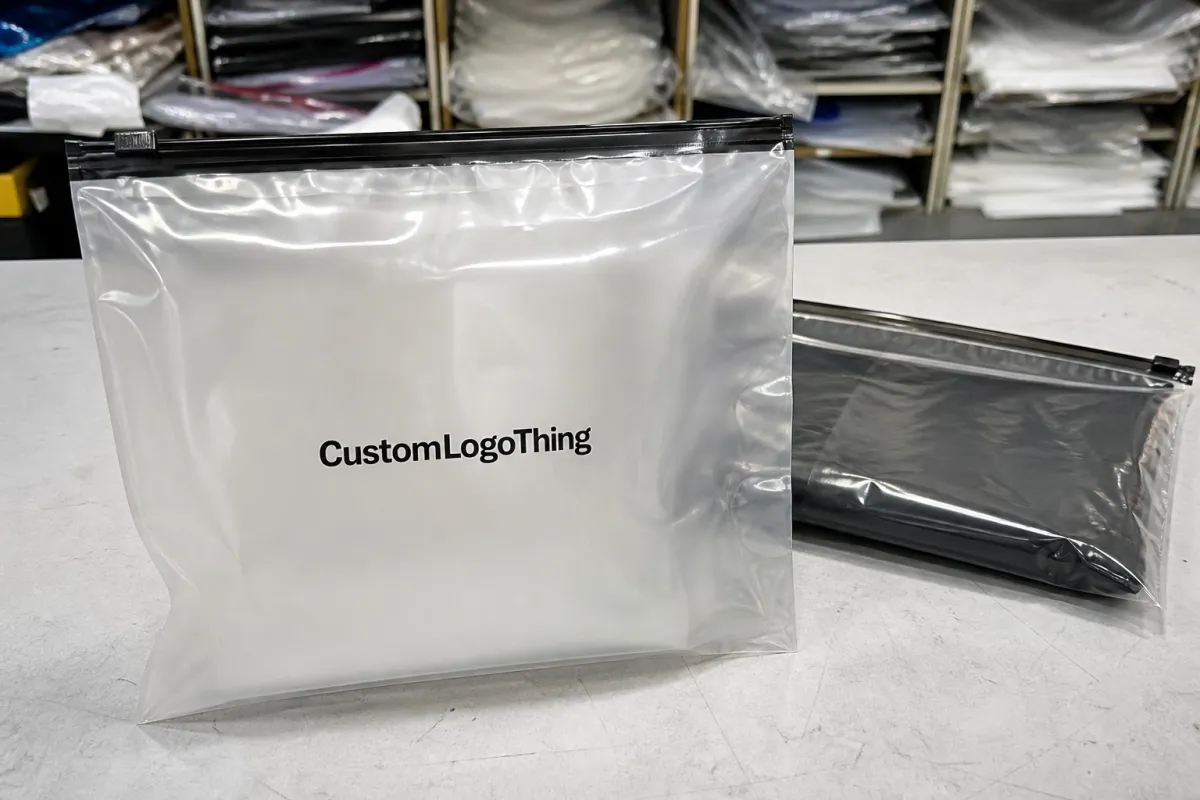
A quote is a calculation. Production is physical work. That gap explains most of the frustration around the Printed Zip Lock Bags Production timeline. Sales teams can respond quickly because they are pricing information. The factory still has to turn that information into a workable run, and that means material availability, print method, plate or cylinder prep, machine setup, curing or drying time, converting, and final quality checks.
Many buyers lose a week or more before they notice the difference between “we received your quote request” and “the order is ready for production.” If the artwork still needs corrections, if the bag dimensions do not match the dieline, or if the approval chain has several decision-makers in different departments, the calendar slips before anyone touches the line. The quote may have been fast and accurate, but the order was not ready to move.
Small specification changes can slow things down more than people expect. Switching from a standard press-to-close zipper to a slider adds component sourcing and compatibility checks. Changing from a one-color logo to reverse print or a second color may require a new proof and a careful color match. Even a material shift from clear PE to a multilayer barrier structure can change the production route. These are normal variations, not problems by themselves, but each one has a cost in time.
Practical rule: the timeline starts when the supplier has final artwork, final bag specifications, and a clear approval path, not when the first price arrives.
It helps to separate three milestones:
- Estimate: preliminary pricing based on rough dimensions, material, print count, and quantity.
- Proof approval: sign-off on the layout, copy, colors, dieline fit, and barcode or legal text if needed.
- Production start: material is committed, tooling is released, and the order enters the queue.
When those stages are treated as the same thing, lead times get distorted. When they are treated separately, the printed zip lock Bags Production Timeline becomes easier to manage and easier to explain to everyone waiting on the order.
Printed Zip Lock Bags Production Timeline: From File to Freight
The most reliable way to understand a printed zip lock bags production timeline is to break it into handoffs. The press run matters, but most delays happen before printing starts or after the finished bags leave the line. Each step has its own failure points, and a clean order simply avoids them.
- Artwork review: The supplier checks file format, image resolution, fonts, bleed, and overall fit. Clean files may move through this stage in 1-2 business days.
- Dieline check: The layout is matched against the bag dimensions, zipper location, gusset depth, and seal margin. Old templates or unverified measurements often slow this step.
- Proofing: Digital proofs or mockups are reviewed for spelling, placement, barcode legibility, and color intent. Expect 1-3 business days, longer if multiple teams need approval.
- Tooling or plate prep: Flexographic or gravure work may need plates or cylinders, and custom artwork often requires a setup window before the run can begin.
- Printing: The film is printed and then dried or cured. The actual machine time is often shorter than the waiting time around it.
- Converting and sealing: Printed film is cut, folded, gusseted if needed, and sealed into finished zip lock bags.
- Inspection and packing: Quantity, seal strength, zipper engagement, print registration, and carton count are checked before palletizing.
- Freight booking: Finished goods still need transport, paperwork, and sometimes customs handling before they reach the buyer.
The non-machine time is where many schedules expand. A press may run efficiently, but material staging, approval cycles, and shipping bookings can hold up the order long after printing is done. That is why a supplier can truthfully say the bags are in process while the buyer still sees a long calendar on their side.
For a standard custom order, a useful planning range is often around 12-20 business days from final proof approval to shipment, assuming the specification is straightforward and the factory is not overloaded. Custom materials, busy seasons, and export paperwork can push that longer. If the shipment moves by ocean freight, final delivery may take several more weeks even after the bags leave the plant.
Quality control also shapes the timeline. A careful plant checks seal integrity, zipper alignment, print clarity, registration, and count accuracy before release. For food contact or product-contact packaging, buyers may also ask for declarations, migration data, or compliance documents. Those requests add time, but they usually save time later by preventing rejected shipments or last-minute rework.
Distribution testing and material documentation matter more often than buyers expect. Packaging test methods used in transit validation, along with material sourcing records for paper inserts or cartons when those are involved, can influence the paperwork trail and the inspection standard. Those details do not slow every order, but they do belong in the schedule if the packaging has to clear a tighter compliance review.
Material, Print, and Closure Choices That Shape Lead Time
If a job runs longer than expected, the material spec is often the reason. Standard polyethylene bags with a basic zipper are usually faster to source and easier to run than bags built from custom multilayer structures. A clear PE bag with one- or two-color printing is a simpler production path than a pouch with PET/PE, EVOH, or a specialty surface treatment.
Thickness matters too. Common structures for lighter retail or promotional use often fall around 2.5 mil to 4 mil, while heavier contents may need 4 mil to 6 mil or more. Thicker film can change seal behavior and machine settings, especially when the bag includes a gusset or a reinforced base. Thicker is not automatically better; it only works if the line is set up for it and the end use actually needs it.
Print complexity has a direct effect on timing. One-color logos usually move quickly. Full-coverage art, tight Pantone matching, metallic effects, or matte-soft-touch finishes often need extra proofing and sometimes sample prints before full production. If the brand team expects a very specific color tone, the factory may need a test run or an approved strike-off before releasing the order. That is a normal part of controlled printing, not an exception.
Closure choice adds another layer of schedule pressure. Press-to-close zippers are common and generally straightforward. Slider zippers, child-resistant closures, hang holes, tear notches, and tamper-evident features all require extra compatibility checks. They may look like small add-ons on a drawing, but they are separate design decisions in the plant.
Food-safe or product-contact requirements can slow the process as well. Some orders need migration testing, some need material declarations, and others need regulatory review before approval. That is usually manageable, but it widens the timeline because the supplier has to document more before production starts.
Here is a simple comparison of how those choices usually affect lead time and budget.
| Option | Typical MOQ | Indicative Unit Price | Lead Time Pressure | Best Fit |
|---|---|---|---|---|
| Standard clear PE, 1-color print, press-to-close zipper | 5,000-10,000 units | $0.08-$0.16 | Lowest | Simple retail, promotions, routine replenishment |
| Custom size PE or PET/PE, 2-4 colors, standard zipper | 5,000 units and up | $0.14-$0.28 | Moderate | Branded packaging with tighter visual requirements |
| Barrier film, special finish, custom closure, compliance review | 10,000 units and up | $0.22-$0.45 | Highest | Food, premium retail, or sensitive product storage |
Packaging reality: the more standard the components, the faster the order usually moves. Highly customized bags can look simple on paper, but they often require more approval steps before the line can even begin.
Cost, MOQ, and Pricing Drivers Buyers Should Watch
Printed packaging pricing becomes easier to read once fixed costs and variable costs are separated. Plates, cylinder prep, proofing, and machine changeover live on the fixed-cost side. Film, ink, labor, cartons, and some packing work scale more directly with quantity. That is why small orders can feel disproportionately expensive per unit.
A 5,000-piece order often costs more per bag than a 20,000-piece order, even if the design is almost identical. The factory is not automatically charging more because the order is small. The startup work is simply spread across fewer pieces. That matters for budget planning because the smallest run is rarely the most efficient run.
MOQ shapes that equation quickly. Once the buyer crosses a threshold, the unit price usually drops more sharply because the setup burden is spread over more bags. If demand is stable and storage is available, a slightly larger order can be a cleaner financial decision than chasing the lowest quote for a tiny run. The catch is inventory risk. More units help only if the product will actually move.
Freight and landed cost often complicate the first quote comparison. Duties, brokerage, inland transport, and repacking can change the final number more than a small price difference on the bags themselves. Rush fees may appear if the job is moved ahead in the queue. Export cartons, inner packs, and pallet requirements can also affect cost. A quote without those details is only part of the picture.
That is why apples-to-apples comparison matters. Two quotes are not comparable if one includes export cartons, one excludes freight, and one assumes a different delivery window. Buyers get better results when every supplier prices the same spec, the same quantity, the same packaging format, and the same receiving terms. Clarity often saves more money than bargaining over a vague number.
A Step-by-Step Ordering Workflow That Avoids Rework
Orders tend to run smoothly when the buyer gives the supplier a complete brief before quoting starts. That sounds obvious, but it is still the best way to keep the printed zip lock bags production timeline under control. The sequence matters because each missing detail creates a chance for a correction later.
- Prepare a spec sheet. Include dimensions, material structure, thickness, zipper type, print colors, quantity, ship-to address, and the needed delivery date.
- Send artwork early. Even a rough mockup helps the supplier spot layout issues before the quote turns into a proof correction cycle.
- Ask for a calendar. A useful schedule should show proof timing, material sourcing, production, inspection, and shipment rather than a loose promise.
- Review the proof carefully. Check spelling, logo placement, barcode readability, zipper position, seal area, and any legal text.
- Approve samples or pre-production mockups. New designs and launch-critical orders benefit from a physical check before the full run.
- Track milestones. Confirm when tooling is released, when materials arrive, and when the job moves into printing and converting.
- Plan receiving space. Finished cartons need a place to land, especially if the order arrives before the next inventory cycle starts.
That workflow is not elaborate, and that is the point. Most delays come from weak handoffs, not from the factory line itself. The buyers who keep a schedule tight are usually the ones who answer proof questions fast, keep the brief clean, and avoid drifting into late-stage changes.
Reorder planning deserves the same discipline. Once a design is approved, keep the spec file, artwork, and supplier notes organized so the next run does not require rediscovery. Repeat orders are usually faster than first orders because the setup is already understood. If the buyer waits until inventory is nearly gone, even a simple repeat can turn into a rush job.
Warehouse timing matters more than many teams expect. A bag order can ship on time and still create a problem if the receiving dock is full, the inbound booking slips, or the goods arrive before the storage area is ready. Production timing is only one part of the full supply chain, and it should be planned that way.
Common Mistakes That Add Days or Dollars
The same errors keep showing up. Missing bleed is one of the most common. If the artwork is not built correctly, the supplier has to send the proof back for correction. Incorrect dielines are another frequent problem, especially when a design was built for a different zipper height or gusset depth. Vague zipper selection causes trouble too, because “standard zipper” can mean different things to different factories.
Late-stage revisions are especially expensive. A buyer approves a proof, then decides the logo should be larger, the copy should move, or the brand color should be adjusted. Even a small change can trigger another proof cycle or fresh setup work. That kind of revision is one of the easiest ways to stretch the printed zip lock bags production timeline by several days.
Comparison shopping can also mislead. A low quote may exclude freight, export cartons, testing, or compliance documents that another supplier included. On paper, the cheaper quote looks better. In practice, the landed cost can be higher, and the delivery date can slip because the missing pieces had to be added later. The only fair comparison is one built from the same spec and the same terms.
Rush orders are the final trap. Emergency production can work, but it raises cost and leaves less room for inspection. That means the buyer pays more and carries more risk. If the launch date is fixed, simplifying the spec is usually smarter than compressing every step and hoping the line can absorb it.
There is a practical reason buyers rely on documented methods for packaging validation. Testing standards, transit checks, and material declarations are not paperwork for their own sake. They reduce guesswork. The less guesswork in the system, the less likely a shipment is to come back for correction.
Closing Thoughts for Cleaner Bag Planning
The most predictable printed zip lock bags production timeline starts with a complete brief. Exact dimensions, material structure, zipper style, print colors, quantity, delivery target, and artwork all need to be in place before the order moves from pricing into proofing. Once those details are stable, the factory can schedule the job with fewer interruptions and the buyer can judge the schedule with much more confidence.
A realistic timeline, a clear spec sheet, and a supplier who can explain each step usually matter more than a low quote that hides the true schedule. The best ordering process is often the least dramatic one. There are no surprises in the proof, no major revisions after approval, and no late scramble to explain what the bag was supposed to be.
That is especially true for custom printed packaging, where small decisions have outsized effects. A different zipper, a different film, or a different artwork layout can all shift the calendar. Buyers who respect those constraints tend to get cleaner results, fewer reprints, and better control over landed cost.
How long does a printed zip lock bags production timeline usually take?
Most custom orders need time for proof approval, setup, production, inspection, and freight, so the full calendar is usually longer than the machine run itself. Standard materials and simple artwork often move faster than multi-color designs, specialty films, or jobs that need extra compliance review. The quickest orders are the ones where final artwork, exact specs, and the approval path are ready before quoting starts.
What usually slows down printed zip lock bag lead time the most?
The most common delays are approval-related: missing artwork details, late proof changes, and unclear bag specs. Custom materials, special finishes, and factory congestion can add more time, especially when the run needs extra setup or testing. Freight booking and customs can also extend final delivery after production is complete.
How does MOQ affect printed zip lock bags pricing?
MOQ spreads setup and plate costs across more units, which usually lowers the unit price as quantity rises. Small orders can look expensive because the fixed costs do not change much, even if the bag is simple. A higher MOQ can improve pricing, but only if the buyer can store and use the inventory without creating waste.
What should I send to get an accurate quote on printed zip lock bags?
Send exact dimensions, material, zipper type, print colors, quantity, target delivery date, and ship-to location. Include artwork files or a rough mockup so the supplier can spot setup issues before pricing the job. Add any compliance needs, packaging preferences, or special finishing requests to avoid quote changes later.
Can I speed up the timeline without hurting print quality?
Yes. The best gains come from finalizing artwork early, using standard materials, and approving proofs promptly. Avoid mid-process changes and keep the spec simple if the launch date matters more than unusual customization. A supplier can usually move faster when the buyer gives one clear decision path instead of several rounds of revisions.

