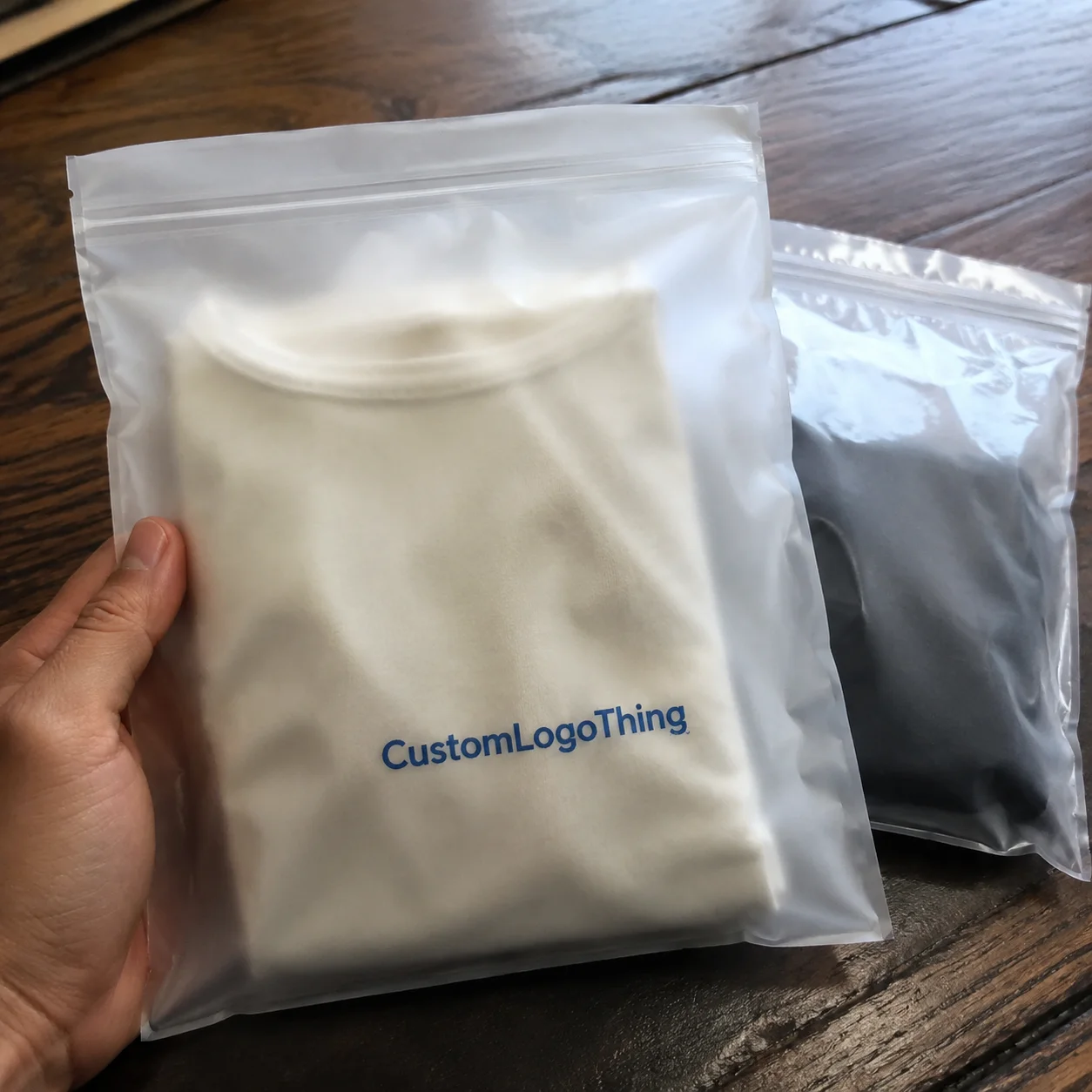
Printed Zip Lock Pouches look straightforward on a shelf, but the zipper is only one part of the equation. In practice, print coverage, barrier performance, seal integrity, and fill behavior decide whether a pouch feels premium, protects the product, and survives handling from the filling line to the consumer's kitchen drawer.
Buyers who compare only the closure usually miss the real risk. A pouch can have a decent zipper and still fail if the film is too thin, the seal area is contaminated, or the artwork makes critical text hard to read once the pack is standing under store lighting. The visible part of the package is not always the part that carries the most engineering weight.
Printed Zip Lock Pouches: What They Are and When They Matter
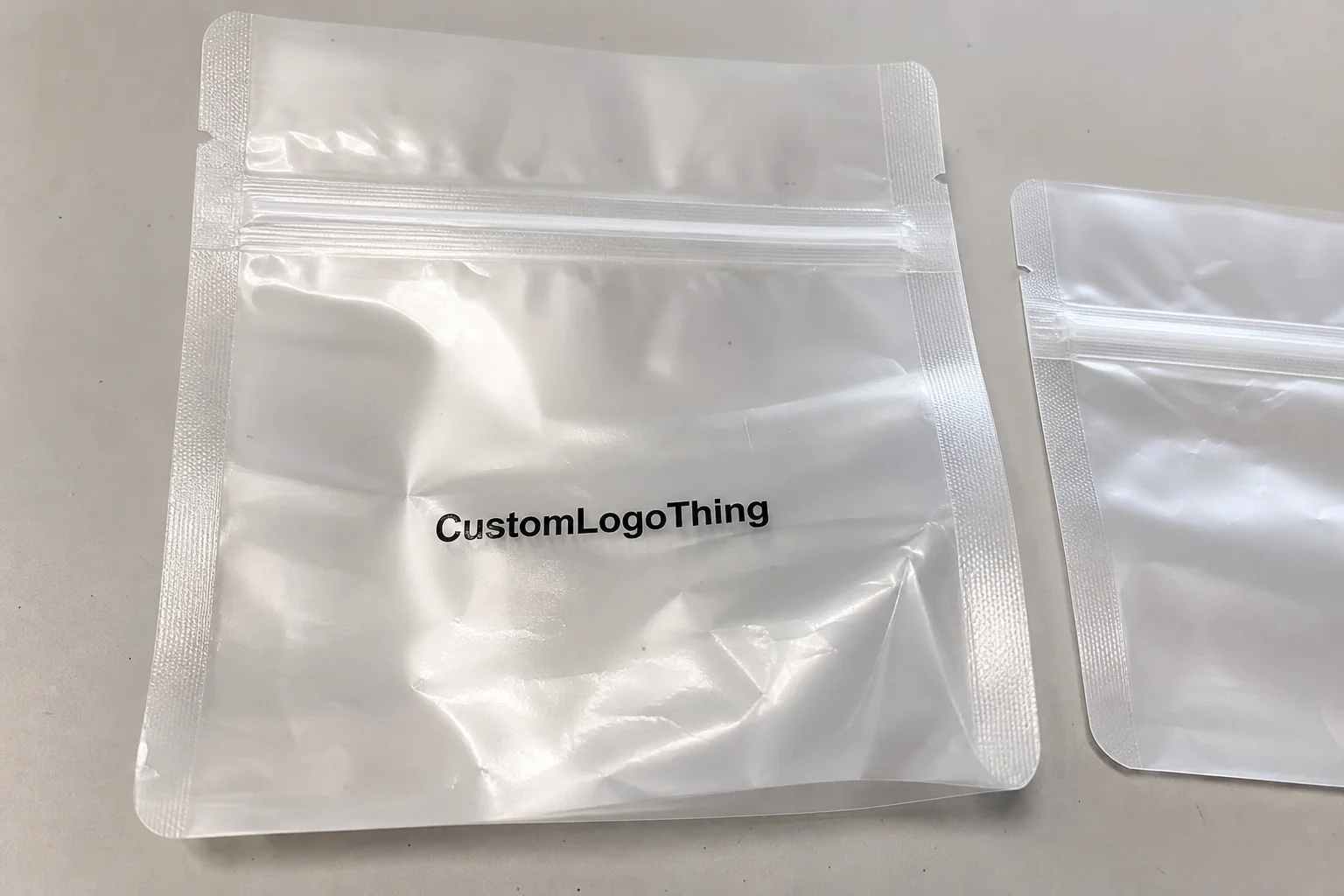
A Printed Zip Lock pouch is a flexible package with a reclosable zipper, usually heat-sealed after filling. The purpose is simple: give the consumer a way to open and close the package repeatedly while keeping the product protected and the branding visible. That combination is why the format shows up across snacks, supplements, pet treats, bath salts, coffee accessories, hardware kits, and small personal care items.
What makes the format commercially useful is the balance it has to strike. The pack has to look good on day one, but it also has to stay functional after the first opening. A cookie pouch may need strong print contrast and decent moisture resistance. A supplement pouch may need odor control and clear dosage messaging. A pet treat pouch may need puncture resistance because the contents can be sharp, greasy, or irregular.
From a buyer's point of view, Printed Zip Lock pouches tend to matter most when three things happen at once:
- The product is opened more than once.
- The consumer handles the pack directly.
- Shelf impact matters as much as containment.
That mix is why this format has become a default choice for many mid-volume branded goods. It gives brands a larger printable surface than a tube or jar label, and it usually ships more efficiently than rigid containers. It also leaves the buyer with more room to tune the spec, which is useful and dangerous in equal measure. Small changes in structure can alter cost, sealing behavior, and the consumer's experience in ways that are easy to miss on a quote sheet.
A zipper is a feature. It is not the spec. The spec is the full structure, the fill method, and the shelf-life requirement.
For terminology and structure basics, resources from packaging.org are useful. For distribution testing, ISTA protocols are a better reference point because they focus on what actually happens in transit, not just what the pack looks like in a photo.
How the Closure, Liner, and Print Layers Work
Most printed zip lock pouches are built in layers. Outside to inside, you are usually looking at a print film, a laminate or barrier layer, and a sealant layer. Each one has a specific job. The print film carries the graphics. The barrier layer controls what gets in or out. The sealant layer is what allows the pouch to be heat-closed during conversion and again at the filling stage, depending on the format.
The zipper itself is usually a separate functional feature integrated near the top. Interlocking tracks close with pressure and reopen with a pull. Some pouches use a standard press-to-close profile. Others use child-resistant or tamper-evident structures, though those are more specialized and can add cost and production complexity. A pouch can still be tamper-evident because the top seal sits above the zipper, so the first opening breaks a seal even though the zipper remains reusable afterward.
The distinction buyers often miss is this: resealability is not barrier protection. A good zipper helps a consumer keep the product closed after opening. It does not automatically deliver oxygen, moisture, or odor control. If the fill is sensitive, the laminate has to do the real work. That is why you will see different film structures for dry snacks, coffee, protein powders, scented bath products, and oily pet treats.
Print layers matter too. Ink density, varnish choice, and finish all affect appearance and durability. A matte finish can look restrained and premium, but it often shows scuffing differently than gloss. Gloss tends to give stronger color pop, especially on crowded shelves, though it can also highlight fingerprints and minor handling marks. Spot varnish or soft-touch lamination can improve perceived value, but each finish changes friction, readability, and sometimes converting behavior.
There is also a practical production constraint that gets overlooked: some finishes are less forgiving during sealing and carton packing. Soft-touch surfaces can scuff more easily. High-gloss films can show scratches faster in transit. Neither is automatically wrong. The real question is whether the finish fits the route the pouch will take after it leaves the press.
Material, Barrier, and Finish Choices That Change Performance
Material choice is where a lot of the real decision-making happens. A buyer may ask for printed zip lock pouches, but the useful question is usually which film structure is appropriate for the product. A clear polyethylene pouch may work for some dry goods where visibility matters and protection needs are modest. A metallized or foil laminate may be more appropriate for oxygen-sensitive or odor-sensitive fills. A thicker structure may be worth paying for if the product has sharp edges or the pouch needs to stand upright with a more substantial feel.
Barrier selection should follow the product, not the marketing mood board. Dry goods such as granola or trail mix often need basic moisture control. Oils, spices, and odor-heavy products can need a stronger barrier. Supplements and specialty foods sometimes need a higher oxygen barrier to protect flavor and potency. If the product is sensitive to light, an opaque or metallized layer may matter more than a flashy print effect.
Thickness also changes the user experience. A 2.0 mil film and a 4.0 mil structure do not feel the same in hand, even if the artwork is identical. Thicker material can improve puncture resistance and improve the perception of quality, but it usually adds cost and can affect seal settings. If the pouch is too heavy for the fill, the zipper and top seal can also feel awkward in use. Buyers often notice that only after the first sample arrives.
Finish decisions are not cosmetic afterthoughts. Matte finishes generally signal a more subdued, natural, or upscale look. Gloss usually makes color fields and contrast pop harder. Soft-touch lamination can feel expensive, but it is not always the right choice for products that will be handled repeatedly in damp environments or shipped in rough cartons. The better finish depends on shelf environment, consumer handling, and the number of units that must survive distribution without visible scuffing.
Here is a practical comparison buyers can use when scoping printed zip lock pouches:
| Option | Typical Use | Strength | Tradeoff | Indicative Unit Cost |
|---|---|---|---|---|
| Clear PE pouch with press-to-close zipper | Dry goods, simple retail packs | Low-cost, visible product | Limited barrier, lower premium feel | $0.18-$0.30 at 5,000 units |
| Printed laminate pouch with gloss finish | Snacks, supplements, general retail | Strong graphics, better protection | Higher setup and conversion cost | $0.28-$0.48 at 5,000 units |
| Metallized barrier pouch with zipper | Odor-sensitive or oxygen-sensitive products | Higher barrier, strong shelf presence | Less product visibility, higher cost | $0.35-$0.65 at 5,000 units |
| Soft-touch matte pouch with premium print | Premium retail, giftable goods | High tactile value, strong branding | Scuff visibility and cost premium | $0.40-$0.75 at 5,000 units |
These numbers are directional, not universal. Volume, print coverage, zipper style, pouch size, and freight can move them a lot. Still, the table gives buyers a useful frame for comparing quotes instead of chasing the lowest headline number.
One more material issue deserves attention: compatibility with the fill. Greasy products can weaken certain seals. Powders can cling to the seal area and reduce closure integrity. Sharp or irregular contents can puncture a film that looks perfectly adequate on paper. The pouch is only half of the system; the product inside often determines whether the spec holds up.
Cost, MOQ, and Quote Drivers Buyers Should Compare
Pricing for printed zip lock pouches usually comes down to a handful of levers. Material grade is the first one. Print method is the second. After that, the number of colors, pouch dimensions, zipper type, barrier requirement, and order quantity start to matter quickly. If a supplier is quoting a low price, it is often because one of those elements is simplified.
MOQ logic is easy to underestimate. A low-volume custom run can carry a much higher unit cost because the supplier still has to prepare artwork, plates or cylinders if the process requires them, set up the press, run calibration, and convert the film into pouches. At 1,000 pieces, those fixed costs get spread over fewer units. At 10,000 or 25,000 pieces, the economics usually improve.
For many buyers, the surprise costs are not in the printed unit price itself. They are in the extras:
- Tooling or plate charges
- Artwork revisions
- Sampling and courier fees
- Freight, duties, and brokerage
- Rush production premiums
The right way to compare quotes is to ask for a landed unit cost. That means the pouch price plus freight, duties, and any setup or pre-production charges that are unavoidable. A supplier quoting $0.24 per pouch is not necessarily cheaper than one quoting $0.31 if the first quote hides a large tooling fee and expensive shipping.
Buyers should also verify that they are comparing the same structure. A 200 x 300 mm pouch with a 3.5 mil laminate and a standard zipper is not the same product as a 180 x 250 mm pouch with a 2.5 mil film and a lighter closure. The quotes may look similar at first glance, but they are not comparable. Small shifts in gauge, zipper profile, or barrier film can have a visible effect on performance and a very real effect on price.
From a planning standpoint, many custom printed zip lock pouch jobs land in the 12 to 20 business day window after proof approval, with a longer stretch if the structure is complex or the supplier is managing overseas shipping. That range can move if you are waiting on plates, special barrier films, or a revised dieline. If someone promises a very short lead time, ask what gets compressed and what testing gets skipped.
There is a pattern worth watching here: the cheapest quote often buys less certainty. It may still be the right choice for a low-risk product, but once shelf life, regulatory text, or retail presentation matter, a slightly higher price can be the cheaper decision in the long run.
Production Steps and Timeline From Artwork to Delivery
The production path is more linear than many buyers expect, but it has enough handoffs to create delays if the brief is incomplete. A clean job usually starts with a product brief, then moves into dieline setup, artwork prep, proofing, prepress approval, print setup, lamination, curing, slitting, pouch converting, and final inspection. If the pouch is being filled elsewhere, shipping and carton spec come after that.
The most common delay point is artwork. Missing dieline dimensions, low-resolution images, unoutlined fonts, or a label block that is too close to the seal area can stop the job before it reaches press. Color expectation is another common problem. A buyer may approve a screen mockup and expect the printed pouch to match it exactly, but screen brightness, ink behavior, and substrate differences make that a bad assumption.
Sampling is the part that usually pays for itself. A digital proof is useful for layout and text, but it will not tell you how the zipper feels or whether the material has the right stiffness. A physical sample or press proof is better when the product is sensitive, the artwork carries compliance text, or the brand is being launched into retail channels where shelf appearance matters.
Rushed schedules compress the review window, and that increases error risk. If the production timeline is tight, the buyer needs to be decisive. Changes to pouch size, zipper style, or print coverage after proof approval often mean rework. In practice, one extra day spent on approval can prevent a week of waste later.
For companies that ship through distribution centers, packaging validation is worth the effort. You do not need a lab for every job, but if the pouch is traveling long distances or is likely to be tossed into mixed cartons, testing against a realistic route profile is a smart move. That is where ISTA-style thinking is useful again: simulate the damage before it happens in the market.
Lead time also depends on how well the spec is frozen before production starts. A clean brief, one approved revision cycle, and a stable bill of materials can cut days out of the job. Unclear artwork or late structural changes do the opposite, and they usually do it without warning.
Quality Checks That Catch Bad Runs Early
Quality control for printed zip lock pouches should not rely on visual inspection alone. A pack can look right and still fail in use. The useful checks are simple, but they need to be done on the actual structure the buyer plans to run.
Start with zipper engagement. The closure should open and close with consistent pressure across the full width of the pouch. A zipper that works near the edges but misaligns in the middle is a sign of poor conversion control. Then check top and side seal strength. If the seal is too weak, the pouch leaks or splits. If it is too strong in the wrong place, the opening experience suffers and the consumer may tear the pack irregularly.
Next, test the printed surface. Ink rub, scuff resistance, and color shift matter more than many teams expect. A matte film with heavy black coverage can show wear faster than a buyer expects. Gloss can hide some handling marks, but it can also expose scratches under bright lighting. Neither finish is universally better. The point is to see how the surface behaves after abrasion, not just how it looks on day one.
Fill testing matters as well. Test the pouch with the actual product, not a placeholder. Powders, oils, sharp inclusions, and fragrance-heavy fills all behave differently. A pouch that seals cleanly with air may fail with product residue present. That is especially true for dusty goods, where contamination near the seal line can create a false pass if the sample is handled too carefully.
If the pouch is meant for retail, check standing performance, panel flatness, and barcode readability. If it is meant for e-commerce or club-store handling, check carton compression and drop resilience. One or two quick tests done on the finished package often reveal flaws that no proof can show.
Common Ordering Mistakes That Create Waste
The most expensive mistake is choosing a pouch because it looks right on a render and only later discovering that the seal, barrier, or fill method is wrong for the product. A beautiful pouch that leaks aroma, tears at the side seal, or collapses on shelf is not a premium package. It is a reprint.
Artwork problems are another predictable source of waste. Buyers sometimes under-specify the file package, which leads to soft logos, missing bleed, or compliance copy that is too small to read. If there is ingredient text, legal copy, batch coding space, or barcodes, those elements need to be accounted for in the dieline before the first proof is approved. Otherwise, the layout becomes crowded and the final pack looks cramped.
Line conditions matter too. Powdery products can contaminate seal areas. Oily fills can reduce seal reliability if the inside of the pouch is not designed for that product type. Sharp granules can puncture thinner films. These are not rare edge cases. They are common production realities that packaging buyers hear about only after the pilot run fails.
Another mistake is overbuying the wrong spec. A buyer sometimes assumes more units solve the problem. They do not. Ten thousand of the wrong pouch is a more expensive problem than a smaller run of the right pouch. If the design is still being tested, the better move is usually a pilot order, a product fit check, and a short validation period before scaling up.
One more trap: confusing consumer convenience with product performance. A zipper that opens easily can be a liability if the package is meant for a sticky, dusty, or greasy product and the track gums up after first use. A tighter closure may be slightly less convenient, but if it protects freshness and the product is meant for repeat use, that tradeoff is usually justified.
There is also a specification mistake that shows up often in buyer requests: asking for a premium look without defining the environmental load the pouch will face. A boutique finish might be fine in a dry showroom. It can look tired after a few weeks in a humid warehouse or a rough shipping lane. The environment should be part of the brief, not an afterthought.
Expert Selection Tips and Next Steps
The cleanest way to source printed zip lock pouches is to build a one-page spec sheet before requesting quotes. Include the product type, fill weight, dimensions, barrier needs, zipper style, artwork count, estimated annual volume, and target quantity for the first order. That one page saves a lot of back-and-forth and usually gets a more accurate price faster.
Ask for side-by-side samples if you can. Even when the size is similar, the hand feel, zipper engagement, and print sharpness can differ a lot between suppliers. A photo proof can help with layout, but it will not show how the pouch behaves once filled. If the pouch is for a product with odor control needs, test it with the actual fill, not with air or a neutral substitute.
Match the pack to the real operating environment. Will it sit in a warm warehouse? Will it travel through multiple handling points? Will consumers open it once a week or several times a day? Those questions affect seal design, film thickness, and finish selection more than most brand teams expect. Buyers who answer them early usually avoid costly spec changes later.
If you are selecting a supplier, ask for three things: landed unit cost, confirmed lead time, and a sample that matches the quoted structure. If the numbers move after that, you are looking at a different spec, not the same pouch at a better price. That distinction matters.
For many brands, the smartest next step is a pilot run of printed zip lock pouches in the exact structure you intend to scale. It is a controlled way to verify shelf appearance, seal reliability, and consumer handling before committing to a larger purchase order. A small validation run often exposes the weak points that a rendering or a price quote cannot show.
The best printed zip lock pouches are not the cheapest or the flashiest. They are the ones that match the product, the filling line, and the route to market with enough precision that nobody has to guess after production starts.
FAQs
What products work best in printed zip lock pouches?
Snacks, supplements, pet treats, bath salts, small hardware items, coffee accessories, and similar products tend to fit the format well. The strongest use case is anything that gets opened repeatedly and still needs decent freshness retention or brand presence.
How do I estimate the cost of custom printed zip lock pouches?
Start with pouch size, material grade, print coverage, zipper type, barrier need, and order volume. Then add freight, duties, and setup charges so you are comparing landed unit cost instead of a quote that hides the expensive parts.
What artwork files do printers usually want for printed zip lock pouches?
Vector logos and text are preferred, with linked images at print resolution and all fonts outlined or packaged. A correct dieline, bleed, and safe area matter because pouch converting creates physical limits that flat artwork files do not show.
How long does production usually take?
After proof approval, many jobs take roughly 12 to 20 business days, though the exact window depends on print method, structure, and order size. Delays usually come from artwork changes, spec changes, or late approvals rather than the press itself.
What should I check before approving a sample pouch?
Check zipper function, seal quality, print clarity, copy readability, and whether the pouch stands or hangs the way you need it to. Test it with the actual product because fill behavior, oils, powders, and sharp edges can change performance.
Are matte or gloss finishes better for retail packs?
Neither is universally better. Matte usually reads as quieter and more premium, while gloss pushes contrast and color harder. The right choice depends on handling conditions, shelf lighting, and how much scuffing you can tolerate before the pack looks tired.
If you are comparing suppliers now, the main question is not whether they can make printed zip lock pouches. It is whether they can make the right structure, at the right landed cost, with enough consistency that the pack works in the market, not just in the mockup.