For subscription brands, packaging has to do more than close around a product. It has to protect the contents through repeated shipments, keep the presentation consistent from the first box to the hundredth, and do both without slowing the packing line. That is why many buyers start comparing printed Zip Lock Bags moq for subscription brands earlier than expected, because MOQ, print method, and bag structure quickly shape budget, lead time, and launch timing.
Plain bags can get the job done, but they usually leave value on the table. A Printed Zip Lock bag can reduce label clutter, create a cleaner presentation, and help recurring orders feel more deliberate, especially when the customer opens the same format month after month. The real decision is rarely only about artwork. It is about fit, cost per piece, setup charges, and whether the packaging still makes sense if the brand rotates flavors, scents, or bundle contents later.
Why subscription brands switch to printed zip lock bags early
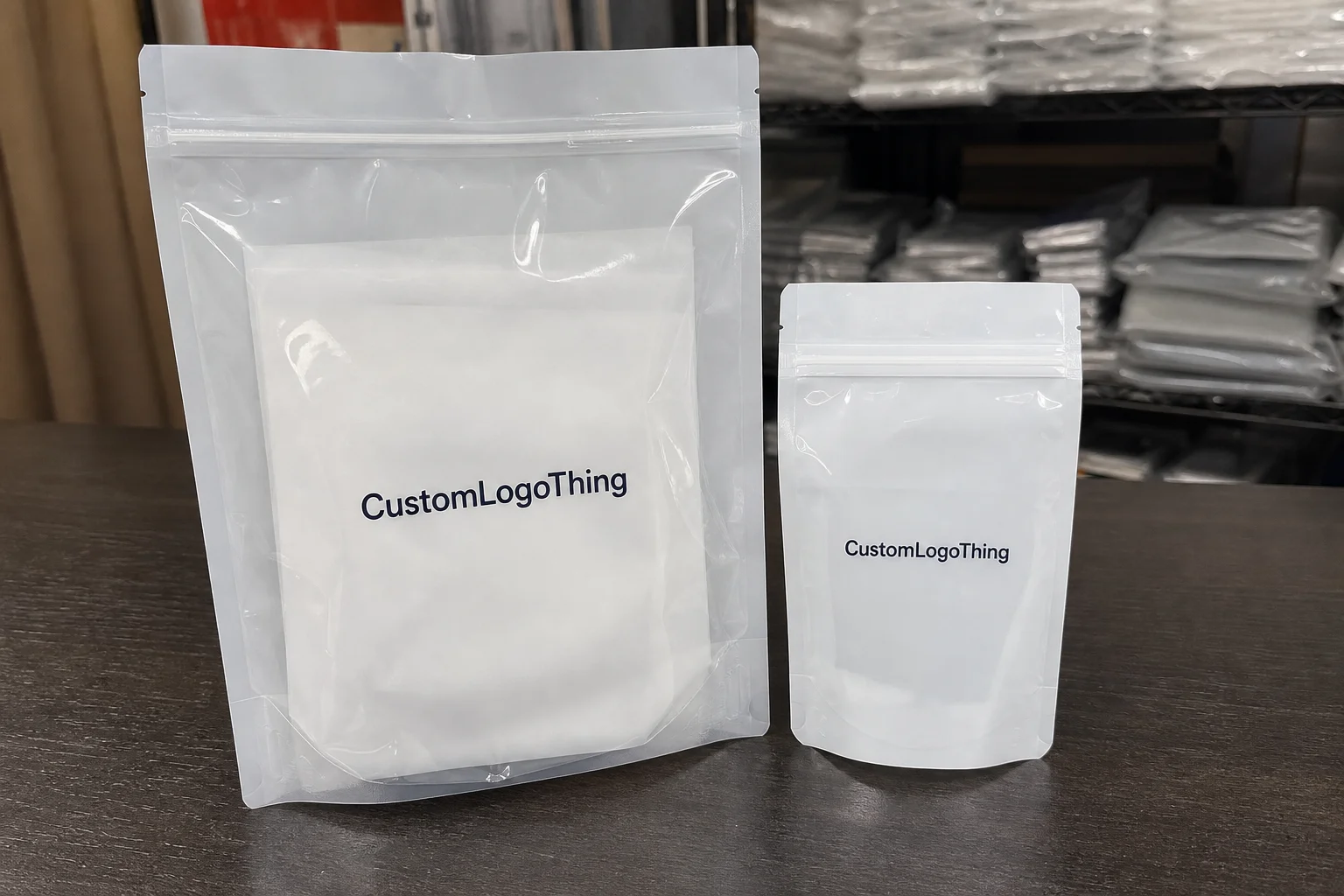
Subscription models put packaging under a different kind of pressure than one-off retail orders. The same package may ship every month, the product may change in small ways, and the customer sees the bag repeatedly, so the packaging needs to stay consistent and presentable without forcing a full rework every time the assortment changes. In practice, that is where printed bags begin to make more sense than labels on stock pouches.
Plain zip bags protect the product, but they do not carry the brand the way printed packaging does. A branded pouch or bag becomes part of the unboxing experience, which matters for retention and for add-on products that sit in a subscription box alongside other items. For food, pet, wellness, and personal care kits, a clean printed bag can also simplify pack-out because staff are not applying labels or trying to keep label placement consistent across shifts.
There is also a practical inventory benefit. When the outside of the bag already carries the main brand information, the risk of mismatched label stock, crooked application, or extra handling drops. For recurring shipments, those small savings can matter more than buyers first expect. This is where the conversation around printed Zip Lock Bags moq for subscription brands becomes a planning issue, not just a sourcing issue.
“The best subscription packaging usually does three things at once: protects the product, speeds up fulfillment, and gives the customer a package that feels intentional rather than temporary.”
Another point gets missed often: printed packaging can support shelf appeal if the brand also sells refills, add-ons, or retail packs. The same artwork system may not work forever, but a well-planned pouch or bag structure can usually handle seasonal rotation with fewer changes than a label-based approach.
Printed bag formats, closures, and material choices that affect fit
Not every printed zip lock bag serves the same job. A flat zip bag works well for thinner products or smaller refills, while a stand-up pouch with zipper is better when display presence matters or the product needs more internal volume. Gusseted pouches give extra room without a dramatic increase in footprint, and pillow-style bags can make sense when the product is light and fill volume is tightly controlled.
The closure matters just as much as the format. Standard press-to-close zippers are common because they are familiar to customers and reliable on the line. Double-track zippers can improve the reclose feel on some products, while tear notches help the end user open the bag cleanly before first use. If the product requires it, child-resistant features can be built into the design, though that usually changes the MOQ and the spec review process.
Material choice is where packaging performance really separates. Polyethylene-based films are often used when flexibility and cost control matter. Laminated structures are common when the product needs better barrier protection against moisture, oxygen, aroma, or light. A matte finish gives a softer, more restrained look, while gloss tends to read brighter and more retail-forward. Clear windows can be useful when the contents themselves help sell the product, but they should be planned carefully so the print still carries the brand clearly.
Fit is not just a size on a drawing. It depends on product density, fill volume, headspace, and whether the subscription ships one SKU or a rotating mix of products. A lightweight dry good may need a very different pouch than a dense powder or a bulky snack cluster. A buyer who standardizes too early can end up with bags that look oversized in one month and too tight in the next.
- Flat zip bags work well for lower-profile fills and mailer-friendly packs.
- Stand-up pouches help with shelf presence and premium positioning.
- Gusseted pouches add volume without a dramatic footprint increase.
- Press-to-close zippers are the most common reclose option for recurring use.
For buyers comparing formats, it helps to think about product behavior first, then presentation. A bag that looks elegant but pinches the fill or leaves too much empty space will usually disappoint on the packing floor.
Print specs that control brand quality and usability
Print method has a direct effect on both appearance and economics. Flexographic printing is usually the better fit for larger runs because the setup work is spread over more units, which lowers the unit cost. Digital printing can make sense for lower quantities, new product tests, or brands with frequent artwork changes because it avoids some of the plate-related work, but the per-piece cost is often higher once volumes climb.
Color control matters more than many first-time buyers expect. If the brand has an established palette, the production team needs to know whether those colors are being run as spot colors or built through CMYK process printing. Spot colors help when a logo color must stay consistent across orders. Process printing can handle artwork with gradients and photographic elements, but it can also shift more from one substrate or press condition to another. A proper proof is what prevents a brand from discovering the mismatch after thousands of bags are already running.
Finish details also shape the final perception. Matte can feel quieter and more modern, gloss tends to make artwork pop, and some laminations create a soft-touch-like feel even if the structure is not exactly the same as a luxury carton. Clear windows are useful for product visibility, but they need to be positioned so they do not interfere with required text, barcodes, or ingredient panels. In smaller bag sizes, a crowded design becomes hard to read quickly, which is a real problem when the pack-out team needs to verify SKU and regulatory copy at speed.
Artwork readiness is another place where delays start. A proper dieline, a defined safe area, and a clean barcode placement plan will save time later. If the bag must carry ingredient statements, usage directions, or warnings, those elements need to be set early so the print area is sized correctly. For food-contact applications, recyclable claims, or packaging that needs a specific compliance posture, the material spec should be reviewed before the artwork is finalized. Standards and test methods from sources such as ISTA and material guidance from the EPA can help brands keep the conversation grounded in real performance rather than marketing language.
| Print option | Best use | Typical cost behavior | Flexibility |
|---|---|---|---|
| Digital printing | Lower-volume launches, test SKUs, frequent artwork changes | Higher cost per piece at scale, lower upfront setup | High |
| Flexographic printing | Larger recurring subscription programs | Lower unit cost at volume, more setup charges up front | Moderate |
| Simple one-color print | Clean branding and basic identification | Often lower tooling fees and simpler proofs | Moderate |
| Full-coverage multi-color print | Premium positioning and strong retail presence | Higher material and press cost, stronger visual impact | Lower |
The honest answer is that the right print spec depends on how the bag will be used, not just how the mockup looks. A subscription brand shipping 2,000 units a month has different economics than one shipping 25,000, and the right choice may change as the program grows.
Printed zip lock bags MOQ for subscription brands: cost and order thresholds
The phrase printed zip lock bags moq for subscription brands sounds simple, but the threshold behind it is built from several pieces: bag size, print method, number of colors, film structure, zipper style, and any special finish or add-on. MOQ is not pulled from thin air. It reflects how much setup is required before production can run efficiently.
Lower quantities usually cost more per bag because the same prep work has to be absorbed across fewer units. If a project needs plates, die work, or press setup, those costs do not disappear just because the order is small. That is why buyers comparing quotes should always look at both the MOQ and the unit cost. Sometimes a slightly larger order lowers the cost per piece enough to improve the total budget without creating unnecessary inventory pressure.
For subscription brands, the real challenge is balance. Order too little, and the packaging cost per unit climbs, freight may be less efficient, and the team risks running out before the next cycle. Order too much, and the brand could be stuck with bags if flavors, scents, bundle sizes, or legal text change. A practical planning approach is to map monthly demand, add a cushion for spoilage, sample pulls, and one operational hiccup, then compare that against the pricing steps offered by the supplier.
Here are the main quote drivers buyers should expect to see:
- Dimensions and fill capacity
- Film thickness and barrier requirements
- Zipper style and tear features
- Print coverage and number of colors
- Finish such as matte or gloss
- Tooling fees and setup charges
- Freight, sampling, and packing requirements
Bulk pricing usually improves at higher quantities, but not always in a straight line. A jump from 5,000 to 10,000 units may produce meaningful savings, while moving from 10,000 to 12,000 might barely change the rate. The only reliable way to see it is to ask for tiered pricing. That gives the buyer room to compare MOQ options against real budget impact instead of guessing.
From a purchasing point of view, the best quote is the one that shows the whole picture. A low print price can be misleading if it hides extra setup charges, sample charges, or freight that erases the savings. Clear quoting matters just as much as the artwork.
Production steps, proofing, and turnaround expectations
A clean production process usually starts with an inquiry, then a specification review, artwork prep, proof approval, production, inspection, and shipment. That sounds ordinary, but most delays happen when one of those steps is rushed or incomplete. If the size changes after proofing, the artwork may need to move. If the zipper style changes, the fill behavior may change too. If the compliance text is not final, the proof can become a moving target.
Timeline depends on what is already ready. A project with final artwork, confirmed dimensions, and a clear material spec can move much faster than one that still needs design revisions or sampling. A digital proof may be enough for a simple project, but a physical sample is often worth the extra time if the bag has a tight fill requirement, a premium finish, or a critical closure feel. For brands shipping on a fixed subscription cycle, freight planning should start before production ends so the bags do not arrive after the next pack-out window has already closed.
In practice, the most dependable approvals include these items:
- Final bag dimensions and fill target
- Print location and color confirmation
- Zipper style and opening features
- Finish, window, or special coating details
- Carton pack-out and shipping preference
- Required copy, barcode, or regulatory text
If the project needs testing or transit validation, standards from groups such as FSC for responsible sourcing and ISTA methods for shipment integrity can help structure the discussion. That does not mean every pouch needs formal lab testing, but it does mean the buyer should know what level of validation is appropriate before launch.
Lead time is one of those areas where honest expectation-setting matters. A vendor that gives a very short estimate without seeing artwork or specs is not helping the buyer. A solid estimate usually references proof approval, print method, and freight timing, not just press time.
Why Custom Logo Things is a practical fit for recurring brands
Custom Logo Things is a practical fit for subscription brands that want packaging guidance grounded in real production realities. That means talking through dimensions, barrier needs, zipper behavior, and print method before quoting the project, so the final bag fits the product and the operation instead of simply looking good in a mockup. For recurring programs, that kind of practical support saves time later.
Buyers also benefit from clear communication around MOQ, bulk pricing, and unit cost. A supplier that explains where the pricing jumps happen can help a brand Choose the Right order size instead of guessing. That matters when you are balancing recurring demand with changing SKUs, seasonal versions, or different pack counts across subscription tiers.
The other advantage is focus. Not every project needs the most premium structure on paper. Sometimes the right answer is a clean printed bag with a reliable zipper, a sensible film structure, and artwork that reproduces well without driving the quote into an uncomfortable range. Good packaging is the one that performs consistently and fits the budget, not the one with the most features.
Many programs go off track because they over-specify the bag before they understand the real usage. A packaging partner should help keep the project aligned with the product, quantity, and launch schedule, not push upgrades that do not improve the customer experience.
Next steps to request a quote and lock specs
If you are preparing a quote request for printed bags, gather the basics first. The cleaner the input, the faster the response, and the more accurate the pricing. A good spec sheet should include bag dimensions, product weight or fill volume, artwork files, target quantity, finish preference, zipper style, and any barrier or compliance needs. If the bag must accommodate a barcode, ingredient text, or instructions, include that early so the layout is priced correctly.
It also helps to decide whether the bag will serve one SKU or several subscription variants. A single standardized bag can make operations easier, but only if the fill sizes and product shapes are close enough to work comfortably. If not, the savings from standardization can disappear into packing problems. For that reason, a sample or proof is smart whenever the brand is premium-positioned or the fit is tight.
Ask for a quote that shows the real tradeoffs: MOQ, lead time, unit cost, print method, and any setup charges. Compare those figures against your expected monthly usage, then decide whether the order size protects your margin without tying up too much inventory. For printed zip lock bags moq for subscription brands, the fastest path is usually a clear spec sheet and an approval-ready file, followed by a straightforward review of print method, material structure, and production schedule.
For brands that want packaging to support both recurring shipments and consistent presentation, that is a practical starting point. You do not need the most complicated structure to get a professional result. You need the right one.
What is the typical MOQ for printed zip lock bags for subscription brands?
MOQ usually depends on print method, bag size, and number of colors, so the threshold can vary by project. Digital printing often supports lower quantities, while flexographic printing is usually more cost-effective at higher volumes. The most accurate way to estimate MOQ is to share your dimensions, artwork, and target monthly demand.
How do I lower the unit cost on printed zip lock bags MOQ orders?
Simplify the print layout, reduce special finishes, and keep the bag structure consistent across SKUs. Ordering a larger quantity at once usually lowers the per-bag cost because setup is spread over more units. Using one standardized size for multiple subscription variants can also improve pricing efficiency.
Can subscription brands use one printed zip lock bag for multiple products?
Yes, if the products have similar fill volumes and packaging requirements. A single bag size can work well for rotating flavors, scents, or bundle components if the internal pack-out is consistent. Check fit, headspace, and barrier needs before standardizing the format.
How long does production usually take after artwork approval?
Turnaround depends on the print method, order quantity, and whether sampling is required. A clean, approved file and final specs usually move the project faster than a design that still needs revisions. Freight time should be planned separately so the bags arrive before the next subscription cycle.
What files do I need to get an accurate quote for printed zip lock bags?
Provide bag dimensions, product weight or fill volume, artwork files, expected order quantity, and any required finishes or barrier needs. If you need regulatory text, barcode space, or ingredient copy, include that early so the quote reflects the actual print area. A dieline or packaging sample helps confirm fit and speeds up quoting.


