Private Label Buyer Opp Header Bags Unit Cost Breakdown
Why Header Bags Can Outperform a More Expensive Retail Pack
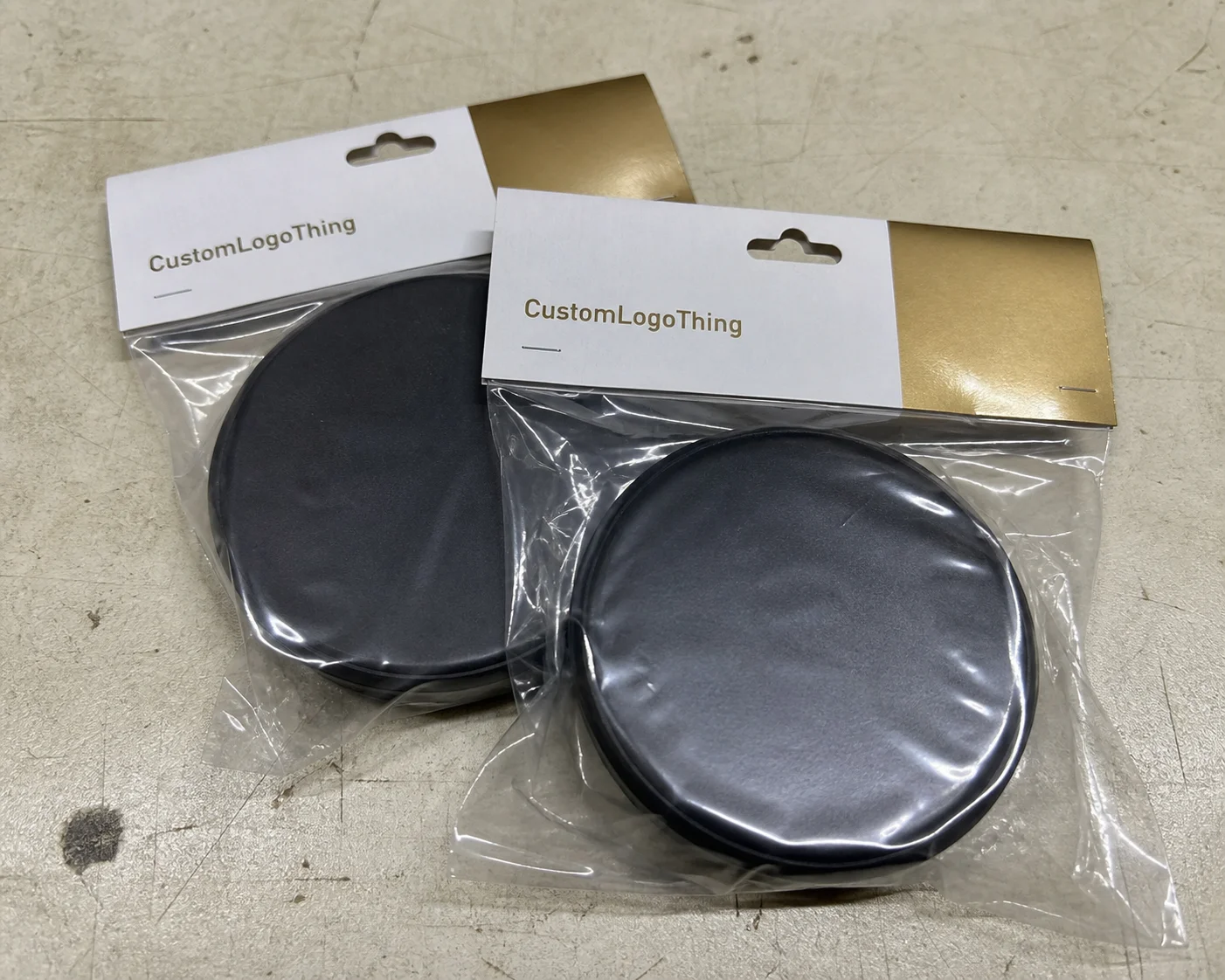
The first mistake many buyers make is treating packaging as a material-only decision. It is not. A well-specified header bag can protect the product, present it cleanly on a peg, and eliminate the need for a carton, insert card, or more rigid display format. That matters because the lowest resin quote is rarely the lowest finished cost once print, handling, and packing efficiency are included.
The better comparison is total landed cost against retail function. A header bag often wins for accessories, small hardware, apparel add-ons, replacement parts, and promotional kits because it combines display and containment in one structure. Less material is part of the story. Fewer manufacturing steps is usually the bigger one.
That is also why a private label buyer OPP Header Bags unit cost breakdown needs to start with use case, not price sheet. If the pack only needs to hang neatly and keep the product visible, a simple structure may be enough. If it has to survive distribution abuse, look premium under store lighting, and carry a lot of brand information, the quote has to reflect those demands upfront.
Buyers often fixate on film price and miss the cost drivers that show up later: header reinforcement, hole punching, print registration, rework, and slower packing. One cent saved on material can disappear fast if the line runs slower or the reject rate creeps up.
A clean retail pack is not the same as an expensive retail pack. In many programs, the real savings come from simplifying structure before chasing a lower film quote.
There is another practical advantage. Header bags tend to move through approval and production with fewer moving parts than more rigid retail packs. Fewer components usually means fewer chances for delay. For private label launches, that can be the difference between arriving on time and missing the sell window by a week.
Header Bag Format and Retail-Ready Product Details
A header bag is a flexible package with a reinforced upper section, typically including a hang hole or slot so it can display on hooks, clips, or pegboards. The lower body holds the product; the header carries the brand and retail function. That split is useful for private label work because it keeps the display surface separate from the product cavity.
The format looks simple, but each component affects price and performance. Buyers usually need to lock five basics before quoting: the bag body, the header panel, the seal area, the hang-hole style, and the print surface. Changing any one of those details can alter film usage, converting speed, or retail behavior.
- Bag body: Size, clarity, and stiffness affect how the product shows through the pack and how it behaves on the line.
- Header panel: Adds branding space and structural support, but it also adds material and finishing time.
- Seal area: Heat-seal quality affects product protection, shelf confidence, and returns risk.
- Hole style: Round hole, euro slot, or delta slot has to match the retail fixture.
- Print surface: Front-only, back-only, or double-sided print changes cost and presentation.
Dimensions matter more than many buyers expect. A bag that is too long wastes film and can allow the product to shift. A bag that is too tight slows packing and may compromise seal quality. Gussets can improve fit for thicker items, but they add converting complexity. That is why a reliable spec sheet is a cost document as much as a design document.
Material choice deserves equal attention. OPP is common because it offers good clarity and stiffness, which helps product visibility. CPP is sometimes used where seal behavior or puncture resistance needs improvement. For sharp-edged items or higher abuse risk, a heavier gauge or a different film blend may lower total cost by reducing damage and rejection, even if the raw material number is higher.
For programs that use a matching label or insert, a coordinated system with Custom Labels & Tags can keep the shelf presentation consistent without forcing the header bag to carry every branding detail on its own.
Specs That Move Cost, Performance, and Shelf Appeal
Most of the price movement in header bags comes from a small set of variables. Film gauge, dimensions, header reinforcement, print coverage, and hole configuration do the heavy lifting. A 2 mil OPP bag and a 3 mil reinforced build may look similar in a sample photo, but they do not behave the same in production or on shelf.
Film choice drives both appearance and durability. Clear OPP gives strong visibility and a crisp look, which is useful when the product itself sells the pack. If the product is fragile, irregular, or sharp-edged, extra thickness can help with puncture resistance and reduce transit damage. The buyer is not paying for thickness alone. They are paying for fewer failures.
Print is another quiet cost driver. A one-color logo often runs far cheaper than a multi-color, full-bleed design. The difference is not just ink. Setup time, proofing, press speed, and waste allowance all shift when the artwork becomes more demanding. A more visible pack can justify that spend, but the decision should be deliberate, not accidental.
A practical way to think about optional features is whether they solve a real distribution or retail problem:
- Anti-static treatment: Useful for electronics or dust-sensitive goods.
- Reseal feature: Helpful for repack or multi-use retail packs, less useful for single-use items.
- Tamper evidence: Adds consumer confidence where product integrity matters.
- Higher-clarity print: Supports premium branding, but can raise unit cost.
Compliance and testing should be planned early, not after artwork approval. If the pack needs shipping validation, transit checks, or stacking verification, many buyers use ISTA test protocols as a reference point before signing off volume. Broader packaging guidance is also available through packaging.org. Standards do not make a bag cheaper, but they keep expensive surprises out of the last mile.
Oversizing is one of the easiest ways to leak margin. Too much empty space increases film use and can create a sloppy presentation. Too little space makes packing harder and can damage the product or the seal. In most programs, the most efficient spec is the one that fits the product with just enough tolerance for packing and shipping.
Private Label Buyer Opp Header Bags Unit Cost Breakdown: What Buyers Should Compare
A useful private label buyer OPP Header Bags unit cost breakdown separates the quote into pieces the buyer can verify: material, printing, labor, setup, finishing, inspection, freight, and any compliance work. If the quote arrives as a single number with no detail, the buyer cannot tell whether the price is competitive or simply incomplete.
The same bag can price very differently across suppliers because one quote includes tighter tolerances, stronger reinforcement, or more complete inspection. Another may leave out tooling, proofing, export packaging, or rework allowance. That is why comparison only works when the scope is identical.
Here is the cost logic buyers should use before comparing bids:
- Material: Film type, gauge, and width determine the base cost.
- Print: Number of colors, coverage area, and registration difficulty affect setup and waste.
- Finishing: Header reinforcement, punch style, and seal configuration affect converting time.
- Quality control: Inspection level, dimensional tolerance, and seal testing add cost but protect consistency.
- Freight: Destination, mode, carton count, and packaging density can move the landed number sharply.
| Build Option | Typical MOQ | Indicative Cost per Piece | What Drives the Price |
|---|---|---|---|
| Standard clear OPP header bag, no print | 5,000-10,000 | $0.06-$0.10 | Simple converting, standard hole, low setup charges |
| Printed OPP header bag, 1-2 colors | 10,000-20,000 | $0.10-$0.16 | Artwork setup, print registration, moderate waste allowance |
| Reinforced header, higher gauge film, full branding | 20,000+ | $0.18-$0.30 | More material, more finishing steps, better shelf presentation |
| Custom build with special hole format or added features | Varies | $0.22-$0.40+ | Tooling fees, special finishing, extra QC, lower line speed |
Those numbers are directional. They move with quantity, bag width, film width, and how demanding the artwork is. A low MOQ may look attractive at first, then become expensive once setup costs are spread across too few units. That is how a quote with a good headline number can still miss the budget.
Hidden cost traps are usually ordinary, not exotic. Too many SKUs. Too many colors. A thickness that exceeds what the product needs. Short runs repeated every few weeks instead of one larger forecast. Any of those choices can raise unit cost without improving shelf performance.
Compare quotes only after the supplier confirms the same size, same film, same print coverage, and same service scope. Otherwise, the numbers are not comparable.
If a price looks unusually low, ask what is excluded. Freight? Inspection? Proofs? Sample rolls? Rework allowance? Packaging for export? In a real sourcing review, those omissions can matter more than a few cents of material variance.
Process, Timeline, and Lead Time From Spec to Ship
The best costing work falls apart if the timeline is loose. A typical production flow runs through intake, spec confirmation, artwork setup, proof approval, sampling if needed, production, inspection, packing, and shipment. That may sound routine, but it is where margin is protected or lost.
Most delays come from avoidable gaps. Artwork arrives incomplete. Dimensions are described loosely. The hole style changes after proofing. A logo that looked fine on screen fails in print. Each issue adds time, and time adds cost once the production slot slips.
Buyers can keep lead time under control with a few discipline points. Standard sizes move faster than fully custom dimensions. Fewer print colors shorten setup. Finalized dielines reduce revision cycles. Fast proof approval matters because production windows are often narrow, especially when multiple orders are queued.
For planning purposes, a straightforward run can often move from proof approval to shipment in about 12-15 business days. More complex work, higher print coverage, or special inspection requirements can push that longer. Seasonal programs need extra buffer. Promotional packs are rarely late because the material was expensive; they are late because the approval process drifted.
Timeline belongs in the cost discussion because rush fees, reprints, and rescheduled freight can erase the savings from a cheaper unit price. A careful Private Label Buyer opp header bags unit cost breakdown should include production timing, not just manufacturing inputs.
Supplier Standards That Protect Margin and Consistency
A supplier should document the job, not just quote it. At minimum, expect a spec sheet, dieline or layout, proof approval, lot traceability, and clear inspection criteria. Without those items, repeat orders become guesswork. That is a problem for any private label program that depends on consistency across multiple replenishment cycles.
Quality control should cover print alignment, seal strength, hole placement, and dimensional tolerance. Those are not cosmetic details. A hole that is off by a few millimeters can make the pack hang crooked or fail on a fixture. A weak seal can turn a low-cost bag into a return.
Buyers should also ask what happens when a run fails. Is there a reprint policy? Who pays for replacement? How is corrective action documented? How quickly does the supplier escalate issues? The answers usually reveal whether the vendor is built for repeat production or only for winning the initial quote.
Low-price vendors often look strong at first because they reply fast and quote aggressively. Better production partners usually win over time because they document more carefully, respond clearly when something changes, and keep repeat orders stable. That shows up later in fewer chargebacks, fewer rejected cartons, and fewer schedule surprises.
If your program includes a branded insert or a coordinating identifier, tie it back to Custom Labels & Tags so the package system stays consistent across the shelf set. Coordination is a margin issue as much as a design issue.
Next Steps to Request an Accurate Quote and Order Plan
To get a reliable quote, send a complete brief. Start with target dimensions, pack count, film type, thickness, closure style, hang-hole format, print colors, annual volume, destination, and deadline. Missing fields lead to assumptions, and assumptions are where budget drift starts.
Reference images help. So do competitor samples, rough sketches, or a photographed existing pack. If the product needs a premium shelf look, say so. If the priority is the lowest landed unit cost, say that plainly as well. The supplier can only optimize for one goal at a time if the goal is clear.
A practical order plan usually comes down to three questions:
- Does the pack need to win on shelf?
- Does it need extra protection in transit?
- Is the lowest landed cost the primary target?
The best answer is not always the cheapest one. A buyer may accept a slightly higher unit cost if the bag reduces damage, speeds packing, or removes a separate component. That trade is often smarter than shaving a fraction off the film and losing control of the presentation.
Before approving production, confirm that every bid reflects the same dimensions, material, print coverage, hole style, and service scope. Then request the supplier’s private label buyer opp header bags unit cost breakdown in writing so the quote reflects actual production conditions instead of guesswork.
FAQ
What affects private label header bag unit cost the most?
Film gauge, print coverage, and header reinforcement usually have the biggest effect on price. MOQ, freight, and the number of setup steps can also move the landed cost more than buyers expect. The fastest savings usually come from standardizing size and removing unnecessary specification changes.
What MOQ should I expect for custom header bags?
MOQ depends on print method, bag size, material width, and whether custom tooling is required. Smaller, highly customized runs usually cost more per unit because setup is spread across fewer bags. Ask for tiered pricing so you can compare test-run economics with production volume.
How does header size change pricing and shelf performance?
A larger header uses more material and can add finishing cost, but it also creates more branding space. The header must match the peg or display hardware, or the package will not hang correctly at retail. Oversizing adds cost without improving function, so the dimension should be practical rather than decorative.
Can I get printed header bags without a long lead time?
Yes, if artwork, dimensions, and materials are finalized before proofing starts. Standard sizes and fewer print colors usually move faster than fully custom builds. Sampling, revisions, and late spec changes are the main reasons lead time expands.
What should I send for an accurate quote?
Send dimensions, film type, thickness, closure style, hang-hole format, print colors, quantity, and ship-to location. Add reference images or a sample bag if you want the quote to match an existing retail presentation. If the deadline matters, state it upfront so the supplier can confirm whether the schedule is realistic.
For buyers comparing formats, the strongest approach is the same every time: lock the spec, compare like for like, and ask suppliers to explain the assumptions behind the price. That is how a private label buyer opp header bags unit cost breakdown becomes a usable sourcing decision instead of a spreadsheet exercise.


