Private Label Custom Event Hats Supplier for Bulk Orders
If you are buying event hats in volume, the supplier is not just printing a logo and moving on. A Private Label Custom event hats supplier is managing the base hat, the decoration method, the labels, the packaging, and the ship date so the order lands ready to use. That sounds straightforward until a proof comes back with the logo too small, the crown too tall, or the brim shape that looked fine on screen and awkward on a real head.
That gap between a tidy mockup and a wearable product is where a lot of orders lose money. Event hats get worn hard, packed badly, and judged quickly. They are seen from a distance, handled in bulk, and remembered for one thing: whether they look like something people actually want to wear. The best sourcing decisions focus on fit, structure, decoration, and repeatability, not just the artwork file.
A sample that looks decent is useful. A sample that can be repeated at scale, with the same fit and finish, is what protects the order.
Why event hats go sideways before the logo is printed
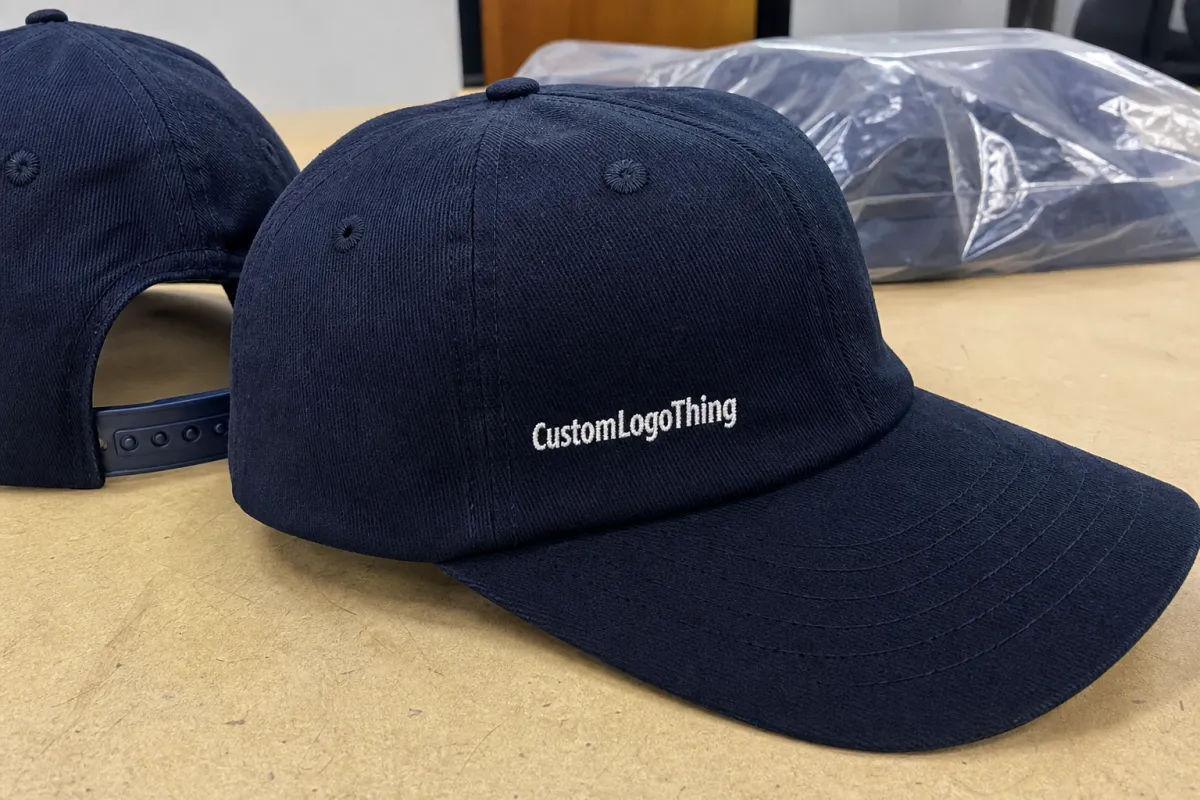
Private label means the product is built to your spec under your brand, even if the starting point is a standard blank. That can include custom decoration, labels, trim details, swing tags, carton marks, and retail-style packaging. It is a coordination job as much as a manufacturing job. A supplier who only talks about printing a logo is missing half the picture.
The first failure point is usually the brief. A stadium crowd, a golf outing, a product launch, and a charity run do not need the same hat. A low-profile dad hat sits differently than a structured snapback. A trucker cap breathes better, but it also reads more casual. If the logo has tiny letters, embroidery may blur them. If the mark is bold and simple, a patch can make it look sharper and more expensive. The right answer depends on use case, not habit.
Packaging is part of that decision too. Hats headed to retail shelves, VIP kits, or sponsor mailers need a presentation plan before production starts. Swing tags, inserts, tissue, polybags, and sewn-in labels all change how the item lands in hand. If the branding needs to stay consistent from hat to package, it is easier to lock in the details early rather than patch them together after approval. For that part of the job, Custom Labels & Tags can keep the branding consistent from hat to carton.
- Private label means your spec, not a generic stock item with a logo added late.
- Event hats have to wear well, photograph well, and survive transit.
- Packaging can change perceived value faster than most buyers expect.
How private label hat sourcing works from brief to bulk
The easiest orders are the ones with a useful brief. That means style, quantity, decoration method, budget range, deadline, and packaging needs. Leave out two or three of those pieces and the quote starts drifting. A strong supplier should be able to recommend blank bodies, explain decoration options, and return a proof that shows placement, color, and scale in a way a production team can actually use.
The sample stage is not decorative. It is the point where structure, color, logo size, and hand feel get locked in. If the brim is too stiff, the crown stands too high, or the embroidery is too dense, that is the time to fix it. Once bulk production starts, changes are slow and expensive. Buyers sometimes treat the sample like a formality and then wonder why the bulk run feels different. The sample exists to catch that exact problem.
- Brief: share style, quantity, decoration, deadline, and packaging needs.
- Recommendation: the supplier suggests stock bodies, a custom build, or both.
- Proof: review logo placement, thread colors, patch size, and packout details.
- Sample: approve the real structure before bulk production starts.
- Bulk production: decoration, quality control, packing, and shipping.
That sequence is simple on paper and still the place where orders fail. The less guesswork there is in the first round of communication, the fewer surprises show up later. If the hats are part of a larger merch bundle, it helps to line them up with Custom Packaging Products so the full kit feels intentional instead of assembled from unrelated pieces.
Private Label Custom Event Hats Supplier Pricing, MOQ, and Unit Cost
Pricing is where vague quotes do the most damage. Two suppliers can both say “$5 per hat,” and one may mean the hat only, while the other includes patching, polybagging, carton packing, and part of the freight. Those are not close numbers. One is a budget line; the other is a landed-cost surprise waiting to happen.
For bulk event hats, the main price drivers are hat body, decoration method, number of colors, setup fees, packaging, and freight. A simple stock cap with flat embroidery at 500 pieces often lands around $4.20-$7.50 per unit before shipping. A structured snapback with a woven patch commonly runs $5.25-$9.00 per unit. More custom builds, or anything with specialty trim and branded packaging, can reach $7.50-$14.00 per unit depending on quantity and finish.
MOQ moves with complexity. Stock-style caps usually keep the minimum lower. Specialty fabric, uncommon colors, custom panels, and sewn labels tend to push it upward. That is not a supplier being difficult; it is production reality. Someone has to pay for the setup, and that cost gets spread across the run.
| Hat style | Typical use | MOQ range | Typical unit cost | Notes |
|---|---|---|---|---|
| Stock dad hat, embroidery | Promos, casual event giveaways | 100-300 | $4.20-$7.50 | Works well for simpler logos and faster approvals |
| Structured snapback, patch | Brand launches, sponsor merch | 300-500 | $5.25-$9.00 | Reads more premium with a clean patch shape |
| Trucker cap, woven patch | Outdoor events, large crowds | 500-1000 | $3.60-$6.80 | Breathable, though foam quality and fit can vary |
| Fully custom build | Premium merch, retail packaging | 1000+ | $7.50-$14.00 | Higher setup cost, more control over details |
Compare all-in landed cost, not just the quoted unit price. That means product cost, setup, sampling, packaging, freight, duties, and any repacking or kitting work. A low unit price with expensive freight and poor QC is not a bargain. It just waits longer to disappoint you.
There is also a budget pattern worth watching: the decoration method can move the price more than the hat body. A clean woven patch may add more setup than direct embroidery, but it can also protect a detailed logo better and reduce visual loss at small sizes. For some brands, that trade is worth it. For others, it is extra cost with no visible gain. A good supplier should be able to explain that difference without hiding behind adjectives.
Production steps and lead time checkpoints
Lead time is where event buyers get optimistic in a way that causes trouble. A realistic timeline includes proofing, sample approval, material confirmation, decoration, inspection, packing, and transit. On a straightforward run, bulk production often takes 12-20 business days after approval. Add another 3-12 business days for transit, depending on lane and service level. If the order is more complex, or it lands during peak season, the schedule needs buffer. Always.
The supplier should name milestone dates in writing. Not “soon.” Not “in production.” Actual checkpoints: proof approved, sample signed off, materials confirmed, bulk started, QC passed, and ship date booked. Once those points are visible, the order becomes easier to manage and much harder to quietly drift. That matters for launches, sponsor deadlines, and retail resets where missing the ship date is worse than paying a little more.
Special decoration and custom packaging can stretch the clock. A woven patch often adds less risk than a full custom panel build, but both still need coordination. If the order includes insert cards, sleeves, or branded cartons, ask whether those pieces are ready before packing begins. A finished hat sitting in the wrong box is not progress. It is delay with extra handling.
If the supplier cannot name the handoff points, the schedule is not a schedule. It is a guess.
For transit durability, think like a packaging team. Cartons should be sized so brims do not bend and crowns do not crush. If the shipment is traveling a long distance, it helps to ask whether the pack method has been tested against basic transit abuse standards such as those used by ISTA. If the order includes inserts or mailer cards, FSC-certified stock keeps the paper story cleaner without adding much complexity.
Step-by-step supplier vetting checklist
Supplier vetting should be dull. That is a good sign. You want repeatable answers, not dramatic promises. Start with real photos of completed hats, not polished renders. Renders hide stitching issues, patch edges, and crown shape. Photos show whether the cap actually holds its structure the way the proof claims.
Then ask how the supplier handles reorder consistency. Can they repeat the same body, the same thread colors, the same patch size, and the same packout six months later? If the answer is fuzzy, expect drift. Private label only works if the second run looks like the first.
- Ask for a written spec sheet before deposit.
- Request real production photos from similar jobs.
- Check proof accuracy for logo scale, color, and placement.
- Confirm packout details for polybags, inserts, and carton labels.
- Test response speed on technical questions, not just sales questions.
Response speed matters because slow communication often becomes slow production. Clear answers about stitch count, patch construction, thread matching, and carton quantity are a good sign. Vague answers usually mean the guesswork gets pushed downstream. By the time that happens, the buyer is the one cleaning it up.
One more practical check: ask whether the supplier can handle Custom Labels & Tags with the hats, especially if sewn-in branding or swing tags are part of the plan. That detail is small on the spec sheet and expensive to fix late.
Common mistakes that wreck margins and event launches
The classic mistake is buying the wrong style for the audience. A trucker cap, a dad hat, and a structured snapback are not interchangeable. They sit differently, feel differently, and sell differently. If the crowd is outdoors for hours, breathability matters. If the event is brand-forward or retail-facing, structure and finish usually matter more.
Another easy way to lose money is ordering to the exact headcount. That feels efficient until a box is damaged, a VIP gets added, or a last-minute replacement is needed. A better plan includes overage, usually 3-5% for lean runs and more if the event is high stakes. Cheap insurance is still insurance.
Packaging costs also get ignored until the invoice lands. Polybags, inserts, cartons, kitting labor, and freight can turn a low unit price into a high landed cost. The problem grows when hats are bundled with other merch or shipped inside custom printed boxes. Product packaging is part of the experience, not an extra layer pasted on after the fact.
The final mistake is approving a sample without testing the real-life look. Put it on a head. Check the logo at three feet, not just on a screen. Look at color contrast under normal light. If the embroidery disappears or the patch feels too small, fix it before the bulk run starts. Photos can flatter. Heads do not.
Expert specs that make event hats look premium
Premium does not always mean expensive. It usually means controlled. Clean crown shape. Tight stitch registration. Good contrast. A deliberate logo size. Those details make a hat feel worth keeping instead of something to hand to the nearest person on the way out.
Texture helps. Woven patches, 3D embroidery, contrast underbrims, and structured fronts usually read more premium than flat decoration alone. If the logo is detailed, a woven patch often preserves edges better than direct stitching. If the artwork is bold and simple, embroidery can look stronger and feel more tactile. The process should match the art, not force the art into the cheapest available method.
Material choice matters as well. A giveaway hat for a sports crowd needs different wear resistance than a launch-piece that will mostly be photographed. That is where packaging and product decisions overlap. A hat that is built well but shipped badly still arrives looking tired. A hat with attractive package branding but weak materials feels thin after the first wear.
If repeat orders matter, lock the details now. Record thread colors, Pantone targets, patch dimensions, seam notes, label placement, and pack format. That is the boring part that keeps reorders from becoming archaeology. If the hats sit inside a broader branded merchandise program, keep those specs aligned with branded packaging and any custom printed boxes used for launches, mailers, or retail sets.
For buyers who want a cleaner sustainability signal, a few choices make a real difference: FSC paper inserts, minimal plastic, and cartons sized to reduce wasted void fill. That is not a moral badge. It is cleaner packaging, less waste, and fewer complaints from receiving teams who have to open the thing.
Small spec decisions also affect how the hat photographs. A deep crown can look good on a product page and awkward in a group photo. A flatter front panel can help a logo read from a distance, but it can also make the cap feel stiffer. Those tradeoffs are normal. The mistake is assuming one “best” design exists for every event.
Your next-order plan for a clean first run
Send the same brief to two or three suppliers and compare quote, MOQ, decoration method, and lead time on one line. That keeps the comparison honest. Ask for the unit price, but also ask what is included and what is extra. Then request a sample or photo proof before paying for full production, and approve only after the hat matches the actual use case rather than the mockup alone.
Confirm the final ship date, carton count, and packout details before deposit. If the order needs labels, inserts, or bundled merchandise, decide that early so the hats do not become the item everyone else is waiting on. The best orders are boring in the right way. The logo is right, the fit is right, the cartons are right, and nobody needs to send eleven follow-up emails.
That is the real value of a private label Custom Event Hats supplier: not just making hats, but making the process repeatable. When the first run is clean, the reorder gets easier, the brand looks sharper, and the event launch stops feeling like a test of everyone’s patience.
What does a private label custom event hats supplier actually handle?
They source the blank hat or base style, manage decoration, and package the finished product under your brand spec. A stronger supplier also helps with artwork setup, proofing, carton labeling, and shipping coordination.
What MOQ should I expect for custom event hats?
Simple stock-style caps often start at lower quantities, while fully customized builds usually require a higher minimum. The more special the fabric, patch, or structure, the more likely the MOQ will climb.
How long does private label hat production usually take?
Lead time depends on sample approval speed, decoration method, and season, but the timeline usually has several handoff points. Add buffer for artwork revisions, QC, and transit if the hats must arrive by a firm event date.
Which decoration method is best for event hats?
Embroidery and woven patches usually feel more premium, while prints can work for simpler designs or tighter budgets. The best method depends on logo detail, budget, desired look, and how durable the hat needs to be.
How do I compare quotes from private label custom event hats suppliers?
Compare all-in landed cost, not just unit price, because setup, packaging, and freight can change the real number fast. Also compare MOQ, proof quality, lead time, and whether the supplier can repeat the same spec on reorders.

