Buyer Fit Snapshot
| Best fit | product packaging choose the fit for packaging buyers comparing material specs, print proof, MOQ, unit cost, freight, and repeat-order risk where brand print, material, artwork control, and repeat-order consistency matter. |
|---|---|
| Quote inputs | Share finished size, material target, print colors, finish, packing count, annual reorder estimate, and delivery region. |
| Proofing check | Approve dieline scale, logo placement, barcode or warning zones, color tolerance, and any recyclable or compostable wording before bulk production. |
| Main risk | Vague material claims, crowded artwork, or missing packing details can create delays even when the unit price looks attractive. |
Fast answer: Product Packaging Choose The Fit: Dieline, Finish, Proof, and Buyer Review should be specified like a repeatable production item. The safest quote includes material, print method, finish, artwork proof, carton packing, and reorder notes in one written spec.
What to confirm before approving the packaging proof
Check the product dimensions against the actual filled item, not only the sales mockup. Ask for tolerance on folds, seals, hang holes, label areas, and retail display edges. If the package carries a logo, QR code, warning copy, or legal claim, reserve that space before decorative graphics fill the panel.
How to compare quotes without losing quality
Compare board or film grade, print process, finish, sampling route, tooling charges, carton quantity, and freight assumptions side by side. A lower quote is only useful if the supplier can repeat the same color, closure quality, and packing count on the next order.
Product Packaging How to Choose is not a design puzzle first. It is a product problem first. If the item slides around in transit, caves under stack pressure, leaks at the seal, or takes a ridiculous amount of effort to open, the nicest box in the room still fails. Brands love learning that lesson the expensive way. So yes, packaging has to look good. But it has to work before it gets to be pretty. Product packaging how to choose starts with what the product needs, then moves to branding, then cost. Not the other way around.
From a packaging buyer's point of view, the best answer is rarely perfect. It is usually the least painful tradeoff that protects the product, fits the budget, and arrives on time. Product Packaging How to Choose gets easier once you stop asking, "What looks premium?" and start asking, "What actually works for this item, this order volume, and this channel?" That question saves more money than any glossy finish ever will.
Pretty packaging that arrives damaged is not premium. It is a refund with better typography.
That is why Custom Logo Things focuses on helping brands match structure, print method, and fulfillment reality. Product packaging how to choose gets much clearer when the decision is grounded in dimensions, shipping method, and the customer experience instead of wishful thinking and mood board optimism.
Start With the Product, Not the Box
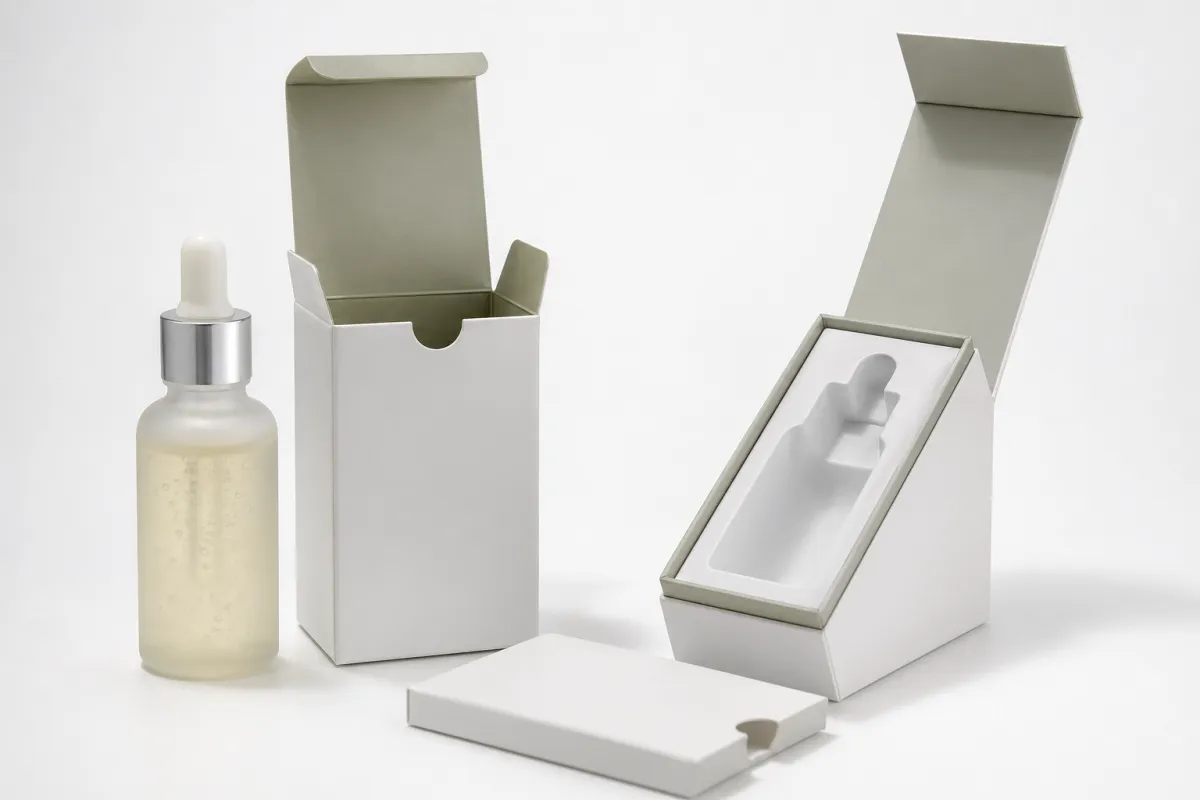
Product packaging how to choose begins with the item itself. Measure the length, width, height, and weight, then add the details that actually matter: fragility, temperature sensitivity, closure style, and whether the customer will carry it, store it, or open it repeatedly. A 4 oz serum behaves differently from a 4 oz candle. So does a folded garment versus a glass accessory. If the product has room to move inside the package, it will. Gravity is very committed to the job.
The first question is protection. The second is handling. The third is perception. Product packaging how to choose works best when the package is sized to the real object, not the marketing mockup. Oversized packaging creates wasted space, higher shipping cost, and a sloppy feel. Too-tight packaging can scuff product surfaces, compress inserts, or make assembly miserable. Either mistake turns into rework fast.
Then comes the brand layer. Branded packaging, package branding, and packaging design should support the product rather than smother it. A luxury item might need a rigid setup with a paper-wrapped insert and a soft-touch outer wrap. A DTC apparel brand may be better served by Custom Printed Boxes or mailers that keep costs in check while still looking deliberate. Product packaging how to choose is really about deciding which layer deserves the most emphasis: protection, shelf impact, or unboxing.
In practice, the smartest buyers sort the requirements into three buckets:
- Must-have: prevents damage, supports shipping, meets any regulatory or retail requirement.
- Should-have: improves presentation, speeds packing, lowers return risk, or strengthens brand identity.
- Nice-to-have: premium finishes, specialty inks, windows, foil, embossing, and other extras that can wait if budget is tight.
Product packaging how to choose gets less foggy once those buckets are clear. If a feature does not protect the product or support the sale, it needs a real justification. Otherwise it is decoration. Decoration can be fine. It just should not pretend to be strategy.
How Production Decisions Actually Flow
Product packaging how to choose is a chain of decisions, not a single pick from a catalog. In real production, the process usually moves through product protection, format selection, structural design, print method, finishing, and fulfillment fit. Each step changes the next one. Choose a rigid box and you change the cost profile, storage footprint, and perceived value. Choose a corrugated mailer and you may simplify shipping, but you also change the unboxing experience. Choose labels instead of full custom printed boxes and you cut upfront cost, yet you may lose some brand impact.
The cleanest way to think about it is this: structure affects protection, print affects branding, and finishing affects cost. Product packaging how to choose gets messy when those three are treated like separate jobs. They are not. A glossy finish can add punch, but it can also raise unit cost and stretch lead time. Inserts can solve movement issues, but inserts add assembly steps. Even something as simple as a tuck flap versus a magnetic closure changes the feel, the price, and the order minimum.
Many teams trip up here: they approve artwork before the structure is locked. Then the dieline changes, the copy shifts, barcodes no longer fit, or a logo lands too close to a fold. Product packaging how to choose should include three checkpoints:
- Sample approval: a physical or digital sample to confirm size, look, and basic fit.
- Dieline review: the structural template that shows fold lines, bleed, and print-safe zones.
- Production sign-off: final approval on artwork, materials, quantity, and finishing before the run starts.
That sequence sounds obvious until the schedule gets tight. Then everyone starts skipping steps and hoping the package will just behave. It will not. Packaging design respects the order of operations or it punishes the calendar. I have watched a carton go from "approved" to "why is this impossible?" because the final bottle was 2 mm taller than the prototype. Two millimeters. Tiny on paper. Painful in production.
For brands comparing Custom Packaging Products, it helps to map the packaging format against the channel. Retail packaging needs shelf appeal and barcode placement. E-commerce packaging needs shipping resilience and fast fulfillment. Subscription packaging needs repeatable pack-out and a controlled unboxing. Product packaging how to choose gets a lot easier once the channel is part of the brief.
For shipment testing, the packaging industry has long relied on standards and protocols from groups like ISTA. Their testing framework is a useful reference for drop, vibration, and distribution stress. See ISTA for the general approach. For brands trying to reduce material waste, the EPA also has useful guidance on source reduction and recycling programs at EPA.
The Factors That Matter Most
Product packaging how to choose depends on a handful of practical factors, and most of them are not glamorous. Protection comes first, but not by itself. A package can be strong and still be a bad fit if it is too bulky, too expensive, or too annoying to assemble. Brands need to balance protection, branding goals, shipping method, shelf presence, sustainability targets, and customer experience. That is the actual checklist.
Product category changes everything. Cosmetics often need tight fit, controlled presentation, and resistance to leakage or breakage. Food packaging may need tamper evidence, clear labeling, and materials that meet food contact expectations. Apparel can usually tolerate lighter structures, so the focus shifts to brand feel and efficient fulfillment. Electronics need strong cushioning and often anti-static considerations. Subscription items need packaging that is easy to repeat at scale, because no one wants a beautiful box that slows the pick-and-pack line to a crawl. Product packaging how to choose is different for each category because the risk profile is different.
Fit matters more than many buyers expect. Too much empty space increases the chance of product movement and can bump shipping charges into a higher tier. Too little room can crush corners, dent closures, or make the product hard to remove. The right fit is usually the smallest safe fit that allows production tolerances and normal customer handling. That sounds simple, but it is one of the most expensive details in packaging if you miss it.
Compliance also matters. Retail packaging may need barcodes, ingredient or material statements, warning copy, or country-of-origin information. Food and beverage products can involve stricter labeling and contact requirements. Some e-commerce products benefit from tamper-evident features or seals. If the package needs to survive a formal distribution test, reference frameworks like ASTM or ISTA instead of guessing. Product packaging how to choose should not be based on whatever the printer says looks nice.
Sustainability is part of the decision too, but it has to be specific. FSC-certified paperboard, recycled corrugate, and right-sized packaging are useful goals. Still, a sustainability claim only matters if it matches the actual material and supply chain. Brands can look at the FSC system at fsc.org when they need a credible certification reference. Product packaging how to choose should balance a lower material footprint with the real requirement to protect the item.
Here are the main factors most teams should compare side by side:
- Product protection: impact resistance, moisture resistance, compression strength, and movement control.
- Brand presentation: print quality, structure, color consistency, and finish.
- Shipping method: parcel, freight, retail distribution, or direct-to-consumer fulfillment.
- Operational fit: assembly time, storage footprint, and pack-out speed.
- Compliance: labeling, tamper evidence, food contact, or retail barcode placement.
- Sustainability: recycled content, recyclability, FSC sourcing, and material efficiency.
Product packaging how to choose gets sharper when you compare those factors honestly. If a premium finish does not move the product, improve the sale, or reduce complaints, it is just a pretty expense.
Cost, MOQ, and Timeline
Product packaging how to choose gets real the minute the quote arrives. Price is not just price. It is a mix of material thickness, print coverage, finishing, tooling, and order size. A simple folding carton can be inexpensive at volume, while a rigid box with custom inserts can climb quickly once you add specialty wrap, foil, or magnet closures. The cheapest-looking package on a sample table is not always the cheapest package in production.
MOQ changes the math. Lower minimum order quantities usually carry a higher unit cost because setup work gets spread over fewer pieces. That is normal. A smaller brand testing a product might pay more per unit to reduce risk and avoid sitting on dead inventory. A larger launch can often get a better unit cost if the design stays stable long enough to justify the run. Product packaging how to choose should treat MOQ as a cash-flow and inventory decision, not only a per-unit comparison.
Here is a practical comparison of common packaging formats. The numbers are directional ranges, because the exact quote will depend on dimensions, print coverage, materials, and finishing.
| Packaging format | Typical use | Approx. unit cost at moderate volume | MOQ tendency | Lead time tendency |
|---|---|---|---|---|
| Folding carton | Cosmetics, small retail items, inserts, secondary packaging | $0.18-$0.55 | Lower to moderate | Often 10-18 business days after approval |
| Corrugated mailer | DTC shipping, subscription boxes, lightweight protection | $0.60-$1.80 | Moderate | Often 12-20 business days after approval |
| Rigid box | Luxury goods, gifts, premium unboxing | $1.40-$4.50+ | Moderate to higher | Often 15-25 business days after approval |
| Label-based packaging | Bottles, jars, pouches, simple SKU rollouts | $0.05-$0.25 | Low | Often fastest, depending on artwork and stock |
Those ranges are not fantasy. They are the kind of brackets buyers use to plan without pretending every packaging quote will land the same way. Product packaging how to choose should compare total landed cost, not just print cost. Freight, warehousing, and labor matter. A slightly more expensive box that stacks better can save money elsewhere. A heavier structure can raise shipping cost. A complex insert can slow assembly by 10 to 20 seconds per unit, which becomes very real when you pack thousands of orders.
Timeline is the other trap. A packaging project is not just "production time." It includes quoting, sampling, revisions, approval, printing, finishing, packing, and freight. If the vendor is overseas, add customs and transit risk. If the artwork is still moving, add rework risk. Product packaging how to choose should assume some cushion in the schedule, because packaging always takes longer than the first optimistic calendar says it will. I have yet to see a launch timeline that got shorter after the first quote. Not once.
A realistic launch plan often looks like this:
- Quote stage: 1-3 business days if the specs are clear.
- Sampling stage: 3-10 business days for simple formats, longer for complex structures.
- Revision and sign-off: 2-5 business days if the team is responsive.
- Production: often 8-20 business days depending on format and finish.
- Freight: can add a few days to several weeks, depending on route and mode.
That is why product packaging how to choose should always compare budget against sales impact. A box that helps reduce damage, improves conversion, or makes the product look more expensive may justify a higher unit price. The trick is to know which benefit you are buying.
A Simple Way to Narrow Options
Product packaging how to choose becomes manageable once the decision is broken into steps. Start with the product audit. Measure the item, confirm fragility, note any closures, and identify the must-have requirements. If there is a bottle, check cap height. If there is a jar, check shoulder width. If there is apparel, check fold dimensions and whether tissue or hang tags matter. The goal is not to be theoretical. The goal is to know what must fit, what must be protected, and what can flex.
- Audit the product. Lock dimensions, weight, and handling risks before looking at packaging styles.
- Shortlist 2-4 formats. Match the product to practical options such as mailer, folding carton, rigid box, pouch, or label-based packaging.
- Request dielines and samples. Compare exact specs, not broad assumptions.
- Review pack-out time. Test how long it takes to assemble, insert, close, and ship each format.
- Stress test the winner. Drop it, shake it, stack it, and move it through a real packing bench if possible.
Product packaging how to choose also improves when more than one department reviews the sample. Design sees the brand story. Operations sees the pain points. Procurement sees the cost. Customer service sees the complaints that could happen later. Those perspectives are all useful, and they usually disagree in small but important ways. That is not a problem. That is the process.
One practical trick: ask for a comparison sheet with the same criteria across all options. If one option is quoted with foil, another without, and a third with a different stock thickness, the comparison is junk. Good packaging design decisions need a common frame. Otherwise the cheapest quote may simply be the least complete quote.
Custom packaging products are easier to evaluate when you test them in the environment they will actually live in. If the product ships by parcel, use parcel testing. If it sits on shelf, check shelf presence and front-panel readability. If it ships in a subscription cycle, test repeat assembly and storage footprint. Product packaging how to choose is less about guessing the best answer and more about removing bad options until the best one is obvious.
Use the sample to answer four simple questions:
- Does the product stay still?
- Does the package survive handling and shipping?
- Does the brand feel right in the hand?
- Can the team pack it at a sane speed?
If one of those answers is no, the packaging needs revision. It is not complicated. It is just easy to ignore when everyone is staring at launch day.
Mistakes That Waste Money
Product packaging how to choose gets more expensive when teams make avoidable mistakes. The most common one is choosing packaging before the final product dimensions are confirmed. This sounds basic because it is basic. Yet it happens constantly. Someone approves a carton based on a prototype, then the finished item is slightly taller, wider, or heavier, and the package no longer fits cleanly. Then the artwork shifts, the insert changes, and the schedule slips. That is how a small oversight turns into a production headache.
Another common problem is approving artwork before the structure is final. Packaging design and structural design need each other. A beautiful layout can fail if the barcode lands on a fold, the legal text is hidden, or the hero image gets cut off by a panel change. Product packaging how to choose should always protect the structure first. The art can be adjusted. A bad dieline is harder to rescue.
Overspecifying is another budget killer. Too many finishes, too many insert parts, too much blank space, too much everything. It sounds premium in a meeting and looks expensive in production because it is expensive. A soft-touch wrap, foil stamp, and emboss all at once may be justifiable for a hero SKU, but most brands do not need that stack. One strong detail usually beats three average ones. Product packaging how to choose should be disciplined, not decorative for the sake of it.
Lead times also get ignored, which is wild because they are usually the reason projects fail. Packaging often depends on multiple vendors, and one delayed approval can push the whole chain. If the launch has a seasonal deadline, the packaging schedule needs to move first. Product packaging how to choose is not separate from launch planning. It is part of launch planning.
There is also the communication problem. Design, procurement, and operations often use different language for the same issue. Design says "make it premium." Procurement says "keep it cheap." Operations says "make it pack faster." Product packaging how to choose works better when those goals are translated into specs: stock weight, print method, finish type, insertion method, pack time, and shipping cost. Specifications solve arguments better than adjectives do.
Finally, brands underestimate the cost of rework. A box that requires hand corrections, extra tape, or constant quality checks drains labor. A package that damages the product increases returns. A bad fit wastes storage and freight. Packaging mistakes are rarely just printing mistakes. They ripple through the whole operation.
If you want a simple rule, use this: never buy packaging that cannot survive your real process. Not your ideal process. Your real one.
Practical Tips That Improve Results
Product packaging how to choose gets easier if you design for the full journey. That means warehouse, transit, delivery, shelf, and first use. Not just the product photo. A package that looks great in a render and falls apart in a parcel test is not a win. I would rather see a slightly simpler package that ships cleanly than a fancy one that creates damage claims. That sounds kinda boring. It also saves money.
One of the smartest moves is to choose one standout detail instead of stacking every premium feature you can think of. Maybe the structure is strong and elegant, so the print can stay simple. Maybe the print is rich and bold, so the box structure can be clean. Maybe the unboxing moment comes from a well-fitted insert rather than foil and embossing. Product packaging how to choose should focus on one clear point of difference, not five competing ones.
Spend more on structure when the product is fragile, heavy, liquid, or sensitive to movement. Spend more on print and finishing when the product is stable and the sale depends on presentation. That is the tradeoff most teams miss. A strong structure can often do more for customer satisfaction than another decorative finish. Product packaging how to choose should put money where the risk lives.
Testing matters more than people admit. If the package ships by parcel, test it in parcel conditions. If the item is handled by retail staff, test pack-out speed and shelf behavior. If the customer is likely to keep the box, test whether it opens cleanly and closes neatly. Product packaging how to choose is not complete until the sample survives real use, not just approval on a desk.
Here are a few practical checks that improve results fast:
- Use the smallest safe fit. Less dead air usually means less waste and better presentation.
- Protect high-risk surfaces. Gloss, glass, and coatings can scuff easily.
- Keep assembly simple. A great package that slows packing loses money fast.
- Match the material to the channel. Retail packaging and e-commerce packaging do not have the same job.
- Ask for a shipping test. A basic drop and vibration test can reveal problems before scale-up.
Brands that want premium results without overspending usually win by being disciplined. Clean copy. Good proportions. Proper fit. One premium detail. That formula beats random upgrades every time. If you need more structure options, the custom packaging products catalog is a sensible place to compare formats before locking the spec.
Product packaging how to choose is not about making the package shout. It is about making the package feel like the product was handled by people who care about details. That feeling is what customers remember.
Final Checks Before You Order
Product packaging how to choose ends with paperwork, not vibes. Lock the dimensions. Confirm the material. Approve the artwork. Request quotes on the same spec sheet. Then review a sample before production starts. That is the unglamorous sequence that prevents expensive mistakes. If you skip it, you are basically asking the printer to guess on your behalf.
Compare at least two packaging options against the same criteria. Use protection, cost, MOQ, lead time, assembly speed, and brand feel as the baseline. Product packaging how to choose becomes obvious when the options are scored against the same rules. The weakest format usually reveals itself quickly once the numbers are visible.
Before placing the order, confirm three things: the timeline still works, the minimum quantity fits your cash flow, and the shipping cost has been included in the plan. That last one gets ignored all the time, and then everyone acts surprised that the "cheap" package was not actually cheap. Product packaging how to choose should include landed cost, not just unit price.
If the product is fragile, high-value, or going into a retail setting, test the sample the way customers or distributors will handle it. Drop it. Stack it. Open it. Reclose it. Pack it at speed. There is no substitute for that part. Product packaging how to choose is strongest when the final decision is based on a real sample that survived a real process.
So keep the rule simple: pick the format that protects the product, fits the budget, and can actually ship on time. That is product packaging how to choose in one sentence. Everything else is decoration, paperwork, or regret. And if you need the shortest possible version of the process, here it is: measure the product, choose the smallest safe structure, quote the same spec across vendors, then test the sample before you order the full run.
How do I choose product packaging for a fragile item?
Start with protection first: use inserts, cushioning, or a rigid structure if the item can shift or break in transit. Test the package with real handling, not just a pretty mockup. Choose the smallest safe fit so you reduce movement and avoid paying for dead air. Product packaging how to choose for fragile goods is mostly about controlling motion and impact.
What should I compare when choosing packaging materials?
Compare strength, print quality, finish options, sustainability claims, and how the material behaves in shipping. Check whether the material matches your product category and brand positioning. Ask for samples because paperboard, corrugate, and rigid stock all feel very different in the hand. Product packaging how to choose gets clearer when you compare material performance, not just how the sheet looks online.
How does MOQ affect product packaging decisions?
Lower MOQ options usually cost more per unit, but they reduce risk if you are testing a new product. Higher MOQ can lower unit cost, but only if you are confident the design will not change soon. Use MOQ as a cash-flow decision, not just a price comparison. Product packaging how to choose should protect your inventory position as much as your margin.
How long does product packaging take to produce?
Simple stock-based packaging can move fast, while custom printed or structured packaging needs more time for sampling and production. Build in time for revisions, approvals, and freight because the calendar always gets messy when people ignore it. For launch planning, assume the packaging schedule affects the product launch date, not the other way around. Product packaging how to choose should always be planned with the timeline in view.
How do I choose packaging that looks premium without overspending?
Spend on one or two strong signals of quality, like structure, print clarity, or a single finish, instead of trying to do everything. Keep the design clean and use fit, proportion, and material quality to do most of the work. Avoid overbuilding the box when a smarter structure and better graphics will deliver the same result. Product packaging how to choose on a budget is mostly about discipline, not stripping value out of the package.


