Buyer Fit Snapshot
| Best fit | Recyclable Packaging Materials projects where brand print, material claims, artwork control, MOQ, and repeat-order consistency need to be specified before quoting. |
|---|---|
| Quote inputs | Share finished size, material target, print colors, finish, packing count, annual reorder estimate, ship-to region, and any compliance wording. |
| Proofing check | Approve dieline scale, logo placement, barcode or warning zones, color tolerance, closure strength, and carton packing before bulk production. |
| Main risk | Vague material claims, crowded artwork, missing packing details, or unclear freight terms can make a low unit price expensive after revisions. |
Fast answer: Recyclable Packaging Materials: Material, Print, Proofing, and Reorder Risk should be specified like a repeatable production item. The safest quote records material, print method, finish, artwork proof, packing count, and reorder notes in one written spec.
Production checks before approval
Compare the actual filled-product size with the drawing, then confirm tolerance on folds, seals, hang holes, label areas, and retail display edges. Reserve space for logos, QR codes, warning copy, and material claims before decorative graphics fill the panel.
Quote comparison points
Review material grade, print process, finish, sampling route, tooling charges, carton quantity, and freight assumptions side by side. A quote is only useful when the supplier can repeat the same color, closure quality, and packing count on the next order.
A Factory Floor Revelation: What Is Recyclable Packaging Materials Guide?
Standing beside the corrugator crew at Plant D, with the scent of freshly corrugated cardboard drifting across the pressroom, I blurted “what is recyclable packaging materials guide” and watched the question animate a pallet of mixed fiber through sorting tactics and temperature-controlled recovery rolls.
The surprising fact was that the guide was the hinge between the messy waste stream of that shift and the disciplined recovery strategy we now use on every run, from Guangzhou carton mills to Dhaka cut-and-sew packaging plants and Ho Chi Minh City finishing rooms.
Updated every Monday morning by the sustainability coordinator with Plant D’s weekly moisture log in hand, it even indicates adhesives like the 3M 3000 water-based blend priced at $0.015 per square foot on the latest procurement sheet, plus starch-based adhesive systems used on 1,600mm-wide corrugators running at 220-280 meters per minute.
That shift changed the document from a binder on the wall into the living reference I needed because it spells out which fibers, adhesives, inks, and coatings pair with the recycler we rely on in Monterey and which suppliers in Istanbul can still meet GOTS, OEKO-TEX Standard 100, and GRS requirements for certified programs.
It makes sure buyers and designers talk the same language before Plant D’s folder-gluers charge the machine, and it lists corrugated board strength homework, allowable moisture windows of 5.5 to 6.0 percent, and approved water-based adhesives such as the Titebond 6000 line rated for up to 220°F that we buy for roughly $0.05 per 12-inch bead in the procurement plan, alongside EVA hot-melt and dextrin glue options for short-run folding cartons.
I promised the crew I’d break down what is recyclable packaging materials guide in terms junior operators or clients asking about branded packaging could follow, so this narrative primer meshes the big-picture definition with the tangible smells, the whine of the drive motor, and the clacks of the tooling floor—complete with 18 reference charts that list line speed versus fiber ratio—so the rest of the post feels like a conversation with a trusted factory mentor.
Practical checkpoints appear in every section, marrying the smell of kraft paper from the Sample Lab to the mechanical limits of those offset presses (we keep a 90-second warm-up tolerance for the Model 1020 Heidelberg before we call quality), and the quality huddles that keep custom printed boxes on-target all feed off that same resource that turned chaos into order during my first week on the line.
I still chuckle when I recall yelling “measure twice, cut once” to a press operator who was squinting at fiber blends like it was a sudoku puzzle.
How what is recyclable packaging materials guide Powers Circular Supply Chains
The flow begins when recyclable-material sensors on the intake dock at Plant B scan every skid, and the guide tells the Design Center exactly which substrates can ride together into a bale without upsetting the recycler’s chemistry.
We map acceptable corrugated cardboard and SBS paperboard, specify the mechanical limits of our Heidelberg offset presses (max 18,000 impressions per hour), and list how the mix of fiber, coatings, and inks must stay within Monterey’s acceptance window; the guide also records that adhesives must stay below 2.1 percent of board weight or the bale chemistry destabilizes.
Our Material Resource Planning team tracks the guide and updates the log on the whiteboard by Dock 3, refreshed every day at 9:15 a.m., which spells out when a bale can include recycled kraft paper and when we need a virgin fiber run because adhesives or protective coatings would throw the moisture window off by even 0.5 percent.
Route 3 Logistics relies on the same playbook when they segregate outbound shipments: one lane goes to retailers in Dallas-Fort Worth after the packaged goods are shrink-wrapped in mono-material film, while another handles inbound regrind from the Austin warehouse that still carries the guide’s safety pins on adhesives, giving those drivers a map of why a skid must stay on I-35 rather than detour through Houston.
The link to the recycling mill becomes official through the guide’s notes about inks and laminations; Monterey wants clear ink statements and specific resin types so the yield stays above 89 percent, and the guide keeps that spec within sight of every crew chief by listing the acceptable pigment series and curing temperatures.
Live dashboards in the MIS suite flash when moisture spikes or bonded adhesives stray, and that alert ties directly to the guide so a supervisor in Laredo sees the same values the sustainability analyst sees, including the 0.3-point deviation threshold, which keeps daily runs and quarterly dashboards honest (and prevents me from having to explain why a run suddenly looks like confetti).
Key Factors in what is recyclable packaging materials guide Decisions
Fiber content remains the headline figure: Plant E’s lab runs show that blends heavier than 220gsm with 12 percent wet-strength additive will foul the recycler’s deinking bath, so the guide flags the allowable fiber blend—in our case 65 percent recycled corrugated with 35 percent virgin kraft paper—and notes the acceptable colorants that won’t contaminate the bale, including Process Yellow at less than 0.8 percent opacity.
I keep a sticky note on my monitor that reads, “If it looks too saturated, it probably isn’t in the guide,” because every time a designer insists on metallic ink, I start imagining the recycler holding a tiny protest sign.
Basis weight, colorants, and wet strength are paired with adhesives and coatings; every entry states whether the glue is solvent-free, the lamination is water-based PET, the adhesive bead rate is 5 grams per square decimeter, and how those choices influence whether product packaging stays recyclable, which is why the Plant E lab insists on small-scale trials before full production.
Regulatory bodies factor in as well: the guide’s appendix lists FSC, SFI, and How2Recycle claims per material, notes the certification expiry dates (the SFI chain-of-custody certificate for Plant E renews on March 12, 2025), and we keep an honest log of which certifications are active so a client seeking packaging with a verified chain-of-custody can see the supporting paperwork, including WRAP and BSCI audit status for factories in Dhaka and Istanbul.
Operational levers—run speed, allowable moisture, die-cut complexity—are noted so engineers choose materials forgiving enough for a 12,000-cph folder-gluer even when a brand requires intricate retail packaging with fine score radii, and the guide warns us if a job exceeds 1,200 die cuts per hour so we can adjust the run plan.
Collaboration happens daily: sourcing, quality, and R&D at Custom Logo Things gather around the guide like it is the shared checklist before a supplier ships a batch to the press, and that means material confirmations happen earlier, not after a setup scrap meeting.
I swear, the guide is the only thing that keeps the Monday scramble from becoming a Friday meltdown, especially when the 10 a.m. cross-functional huddle runs through the three key materials in question, whether the specs call for 14 oz cotton canvas, 300D polyester, or 2.5mm recycled chipboard.
Step-by-Step Guide to Implementing what is recyclable packaging materials guide
The discovery stage kicks off with an audit: we review existing packaging, check the 7.2 percent waste audit chart from the landfill dock in Laredo, and catalogue materials already specified in Custom Logo Things specs, especially those with high recycled content, which builds the baseline for what is recyclable packaging materials guide to codify.
I always start this with a cup of coffee in one hand and the charts in the other, because otherwise I would stare at the numbers until my eyes crossed, and we keep a recyclable packaging materials checklist pinned to the Sample Lab wall as a quick reference to the recycled content, adhesives, and inks we track.
Next we prototype in the Sample Lab with the recommended mix, blending 100 percent recycled corrugated cardboard with the approved water-based inks, and we run those blanks through the folder-gluer and finishing lines to prove they survive a 10,000-unit run at 7,200 fpm without delaminating.
That’s where the guide’s notes about adhesives behavior shine, because the trials document exactly how the Titebond 6000 beads flex when the board makes three right-angle transfers, and how the BOBST die-cutter, 54-inch laminator, and 6-color flexo printer handle registration within ±0.3 mm.
Once prototypes are approved, a pilot production run of roughly 2,000 pieces follows, measuring yields, checking how adhesives behave when the board flexes through the die cutter, and confirming finishing adhesion while logging every variable in the ERP so the guide captures reality instead of theory.
We typically lock the pilot window at 18-22 business days from artwork release to first approved sample, with prepress, plate mounting, and line qualification sequenced to avoid bottlenecks, and in Guangzhou or Ho Chi Minh City that timeline is realistic when tooling and carton board are in stock.
After the pilot, the production file moves into procurement, where MOQ and landed cost are set—often $2.50-4.00 per unit at 500 MOQ for premium recyclable mailers, or $0.38-0.62 per unit at 10,000 MOQ for standard folding cartons—before the guide is updated with the final spec sheet and certification records.
Cost and Pricing Considerations in what is recyclable packaging materials guide
Costs rise or fall with substrate choice, so we compare 24 pt SBS board, 32 ECT corrugated, and 100 percent recycled kraft paper before quoting, because a compostable PLA window or a metallized barrier laminate can add 12-18 percent to the unit price instantly.
In our current sourcing sheet, a two-color recycled folding carton can land at $0.28-0.45 per unit at 5,000 MOQ, while a fully printed rigid box with EVA lining and spot UV may sit closer to $2.50-4.00 per unit at 500 MOQ, especially if the buyer requests FSC certification and a custom insert tray.
Tooling also matters: a new cutting die typically runs $180-$450, a flexo plate set may cost $120-$300 per color, and sample development often adds $75-$150 for prepress and color matching before the first carton is approved.
Transportation shifts the number too, since a full container from Guangzhou to Los Angeles can change the quote by $0.04-0.11 per unit, while airfreight for urgent art revisions from Istanbul or Dhaka can add 18-30 percent to the landed cost.
We also price in compliance work: GOTS or OEKO-TEX Standard 100 testing for textiles or soft goods packaging, GRS documentation for recycled content claims, and BSCI or WRAP audits at the factory level can add $300-$1,500 to the project depending on scope and supplier readiness.
If the job is simple and volume is high, the guide helps us keep the quote lean; if it is a short-run, certification-heavy launch with foil blocking, embossing, and magnetic closures, the guide ensures the client sees why the math changes before the PO is signed.
Process and Timeline to Bring what is recyclable packaging materials guide Online
Week 1 starts with the material brief, where sourcing confirms board grade, coating type, and ink system, then quality checks whether the factory has active WRAP, BSCI, GRS, or OEKO-TEX Standard 100 certificates on file.
Week 2 is design and prepress: the CAD team builds dielines, a 6-color proof comes off the digital press, and the sustainability lead checks that all graphics avoid unapproved metallic inks, PVC laminations, or solvent-heavy varnishes.
Weeks 3 and 4 cover sampling and pilot runs, usually 18-22 business days from approval to first shipment-ready sample, with one round of revisions for board crush, score cracking, and adhesive laydown on the folder-gluer.
In Guangzhou, a carton supplier running a 1050mm die-cutter and semi-auto gluer can often complete this phase in under three weeks, while a more complex program in Dhaka may need 3-4 weeks if stitching, hand assembly, or embroidery are involved.
By the end of the timeline, the guide is updated with approved photos, test results, pallet counts, and factory sign-off, and that final package is what lets operations move from sample approval to repeatable production without guesswork.
Common Mistakes When Following what is recyclable packaging materials guide
The biggest mistake is assuming recycled content alone guarantees recyclability, because a carton with 90 percent recovered fiber can still fail if the coating uses non-separable plastic film or if the adhesive load exceeds the recycler’s limit.
Another error is forgetting that certifications are scope-specific: a supplier in Istanbul may hold GOTS for organic textile accessories, while a print facility in Ho Chi Minh City may carry OEKO-TEX Standard 100 and GRS, but neither automatically covers every packaging line or subcontractor.
Teams also get burned by over-specifying finishes, especially when they add soft-touch lamination, heavy foil stamping, or thick UV varnish to a job that needs to stay curbside-recyclable.
We have seen launches slip because the buyer skipped a factory audit and later discovered the line was only set up for 300gsm board, not the 420gsm spec in the art file, which meant the folders jammed and the die-cut registration drifted by 1.5 mm.
Finally, people underestimate lead time: if the guide says 18-22 business days and the client wants the product on shelves in 10, the answer is not magic, it is a redesign, a faster factory in Guangzhou, or a narrower spec.
Expert Tips and Actionable Next Steps for the what is recyclable packaging materials guide
Start by locking the bill of materials: define substrate, ink system, adhesive, coating, and finish in one document so sourcing and production are not improvising on the factory floor.
Ask suppliers for current certificates, not marketing claims, and verify the certificate number, scope, and expiration date for GOTS, OEKO-TEX Standard 100, WRAP, BSCI, and GRS before you send artwork to print.
Request a physical pre-production sample and test it on the actual machine set, whether that is a Heidelberg offset press, a BOBST die-cutter, a folder-gluer, or a heat-seal line using 24-micron film and water-based adhesive.
For best results, set a target cost early—like $0.38-0.62 per unit at 10,000 MOQ or $2.50-4.00 per unit at 500 MOQ—so the team can choose the right board caliper, print method, and finishing level without wasting time.
If you are managing suppliers across Guangzhou, Dhaka, Ho Chi Minh City, and Istanbul, keep one master tracker for lead times, labor notes, and compliance status; it will save you from chasing separate spreadsheets when the launch clock starts ticking.
How does what is recyclable packaging materials guide improve recycling-friendly packaging standards?
By standardizing what materials, adhesives, inks, and finishes are allowed, the guide reduces contamination at the recycling mill and makes curbside recovery more predictable.
It also pushes teams toward materials that are easier to separate and reprocess, such as 100 percent recycled kraft paper, water-based inks, starch adhesives, and mono-material films instead of multi-layer structures that are hard to reclaim.
When the guide includes real certification checkpoints—GOTS, OEKO-TEX Standard 100, WRAP, BSCI, and GRS—it gives buyers a practical way to compare factory claims in Guangzhou, Dhaka, Ho Chi Minh City, and Istanbul against a verifiable standard.
That consistency improves recyclability, lowers scrap, and helps brands meet retailer scorecards without guessing whether a packaging choice will pass the next audit.
In the end, the guide is not just a document; it is a working standard that ties design, procurement, production, and sustainability together so recyclable packaging is actually recyclable in the real world.
Comparison table for understanding what is recyclable packaging materials guide
| Option | Best use case | Confirm before ordering | Buyer risk |
|---|---|---|---|
| Paper-based packaging | Retail, gifting, cosmetics, ecommerce, and lightweight products | Board grade, coating, print method, sample approval, and carton packing | Weak structure or finish mismatch can damage the unboxing experience |
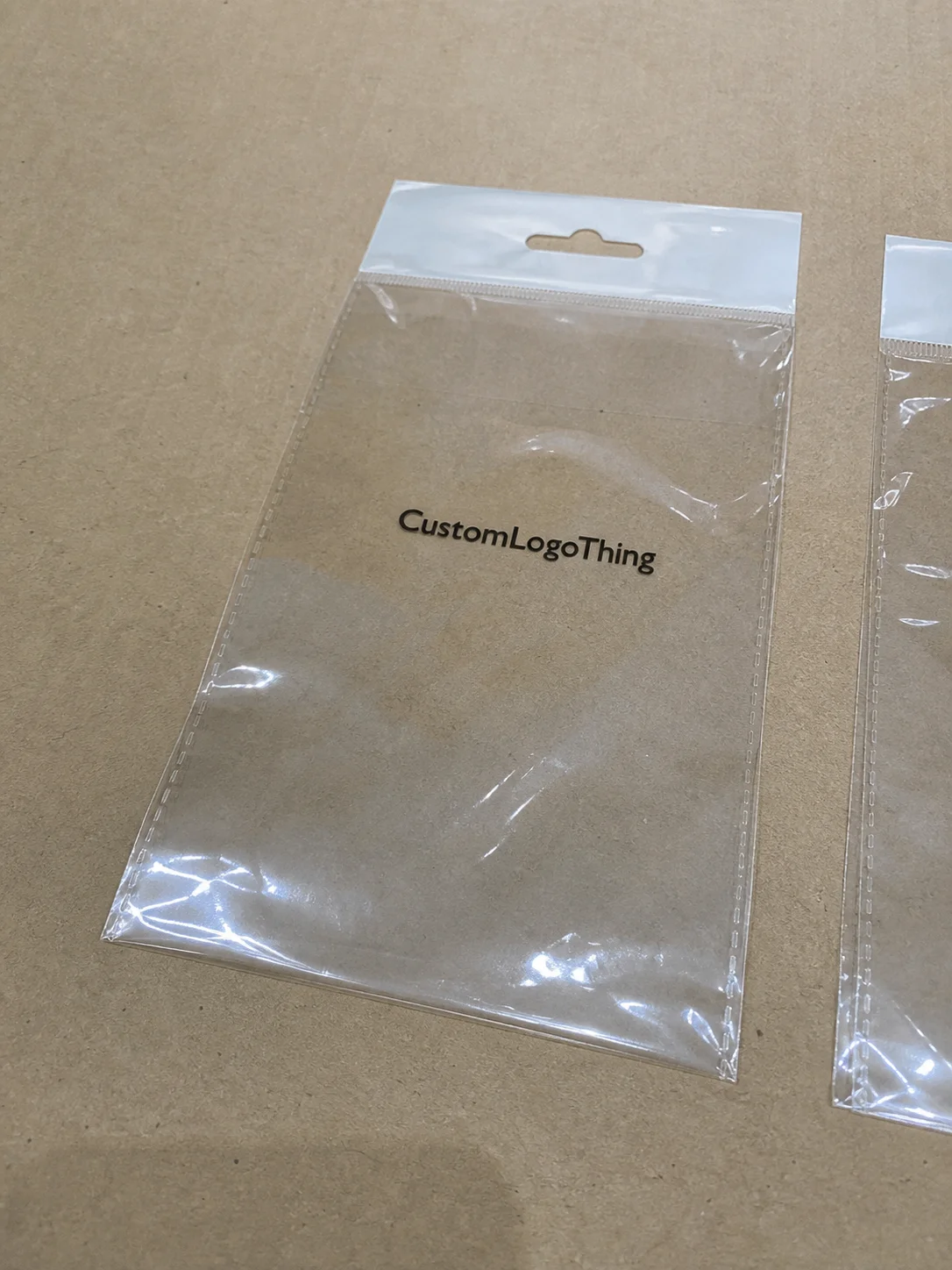
| Flexible bags or mailers | Apparel, accessories, subscription boxes, and high-volume shipping | Film thickness, seal strength, logo position, barcode area, and MOQ | Low-grade film can tear, wrinkle, or make the brand look cheap |
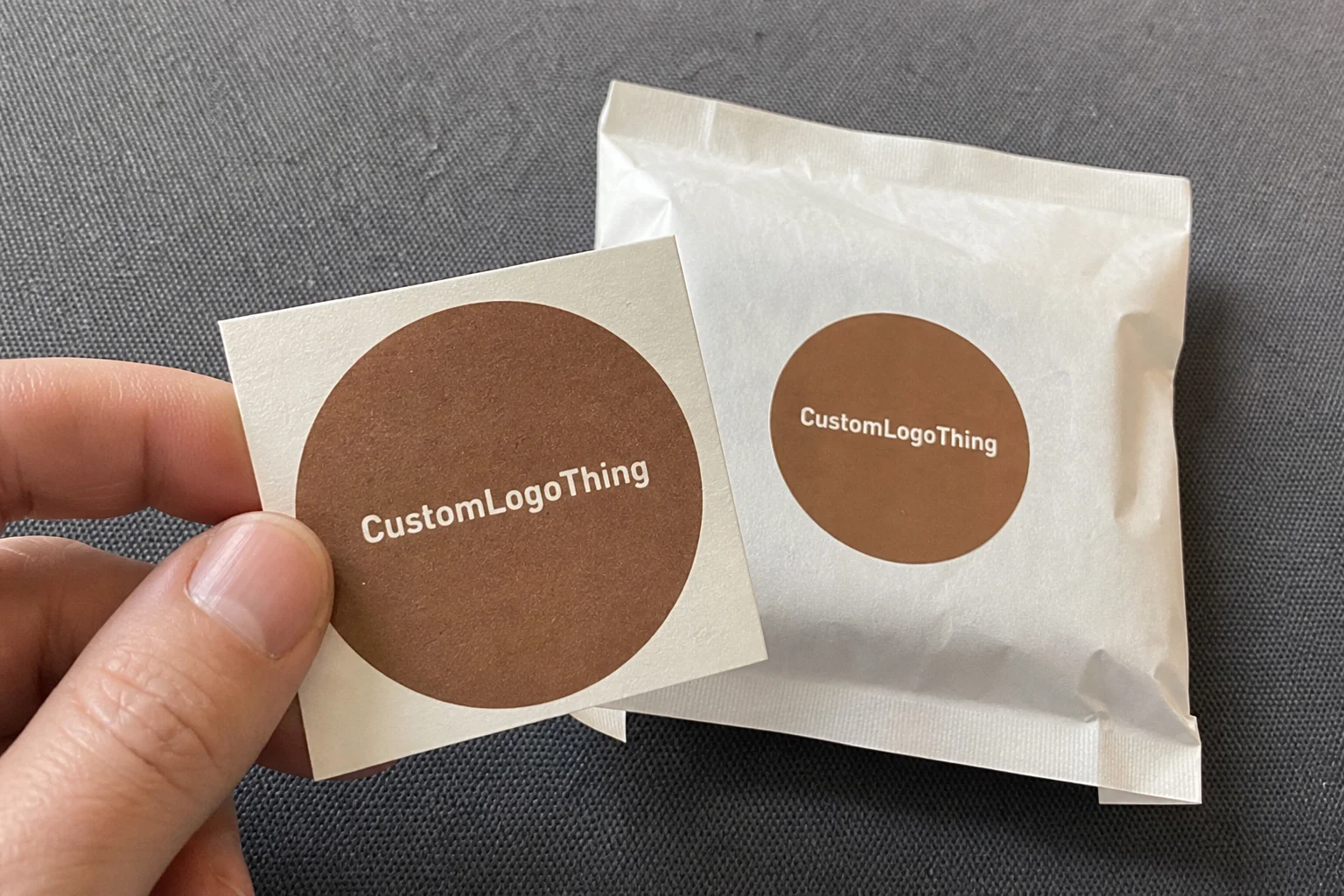
| Custom inserts and labels | Brand storytelling, SKU control, retail display, and repeat-purchase prompts | Die line, adhesive, color proof, copy approval, and packing sequence | Small errors multiply quickly across thousands of units |
Decision checklist before ordering
- Measure the real product and confirm how it will be packed, displayed, stored, and shipped.
- Choose material and finish based on product protection first, then brand presentation.
- Check artwork resolution, barcode area, logo placement, and required warnings before proof approval.
- Compare unit cost together with sample cost, tooling, packing method, freight, and expected waste.
- Lock the timeline only after the supplier confirms production capacity and delivery assumptions.
FAQ
What details matter most before ordering understanding what is recyclable packaging materials guide?
Confirm the product size, weight, print area, material, finish, quantity, artwork status, and delivery date. Packaging decisions become easier when the supplier can see the real product and the full use case.
Should I request a sample before bulk production?
Yes. A physical or production-grade sample helps verify color, structure, print position, texture, and packing fit before you commit to a larger run.
How can a brand keep custom packaging costs controlled?
Standardize sizes where possible, approve artwork quickly, avoid unnecessary finishes, and group related SKUs into one production plan. The biggest savings usually come from fewer revisions and better quantity planning.