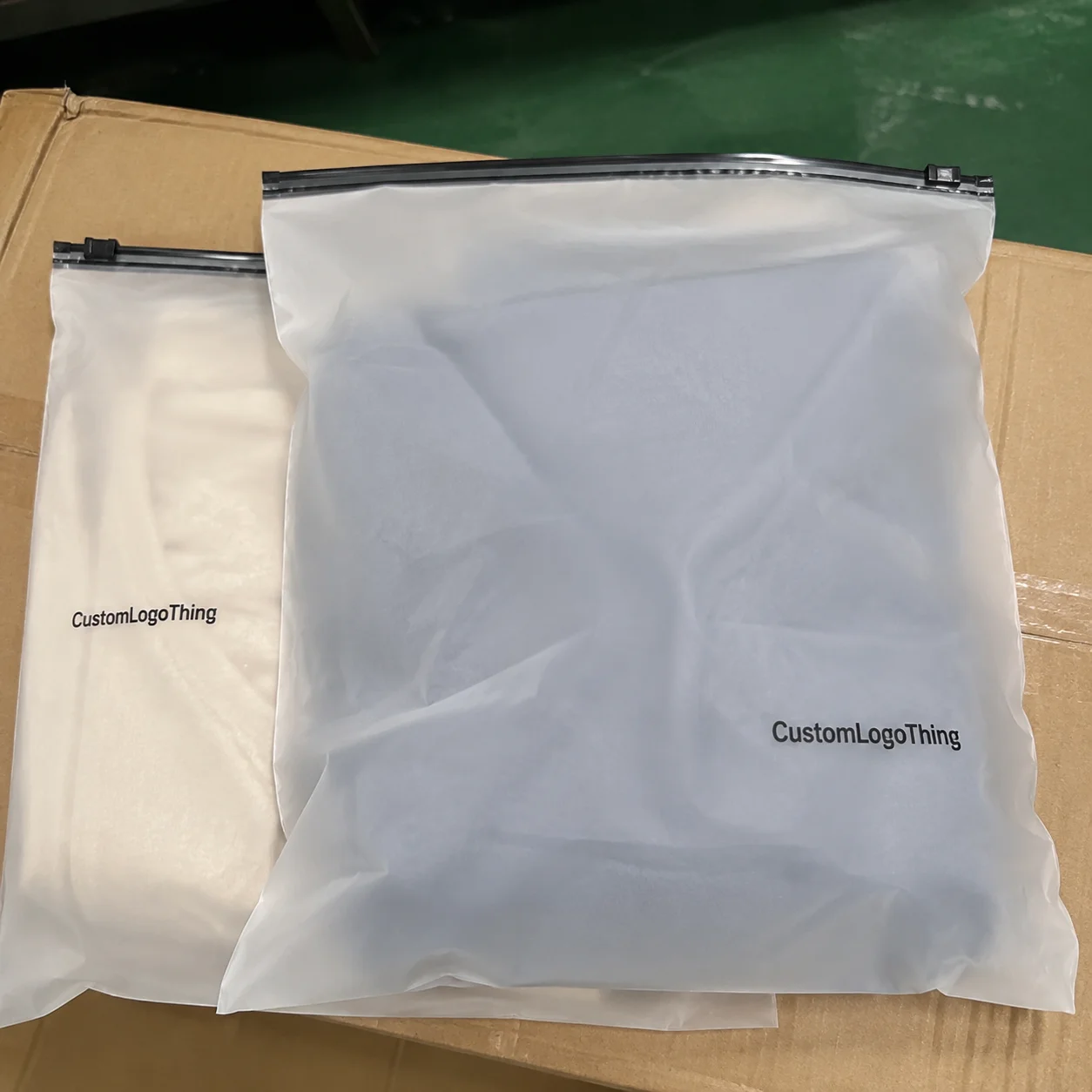
For brands shipping soft goods, Recyclable Poly Bags Wholesale custom logo programs solve a very practical problem: keep freight light, keep presentation sharp, and avoid paying for packaging that adds more weight than protection. A poly mailer weighs far less than a carton, stores flat, and still gives you room for brand graphics that travel from the packing bench to the customer’s doorstep.
That matters because packaging is not just a container. It affects fulfillment speed, shipping cost, and how the brand looks the moment the parcel arrives. A recyclable poly bag can handle all three jobs without forcing a buyer into bulky retail packaging or expensive custom boxes for every order.
There is a reason this format keeps showing up in apparel, accessories, and subscription shipments. It is efficient. It is easy to store. And if the spec is right, it does not feel cheap. That last part matters more than brands admit.
Why recyclable poly bags make sense for everyday shipping
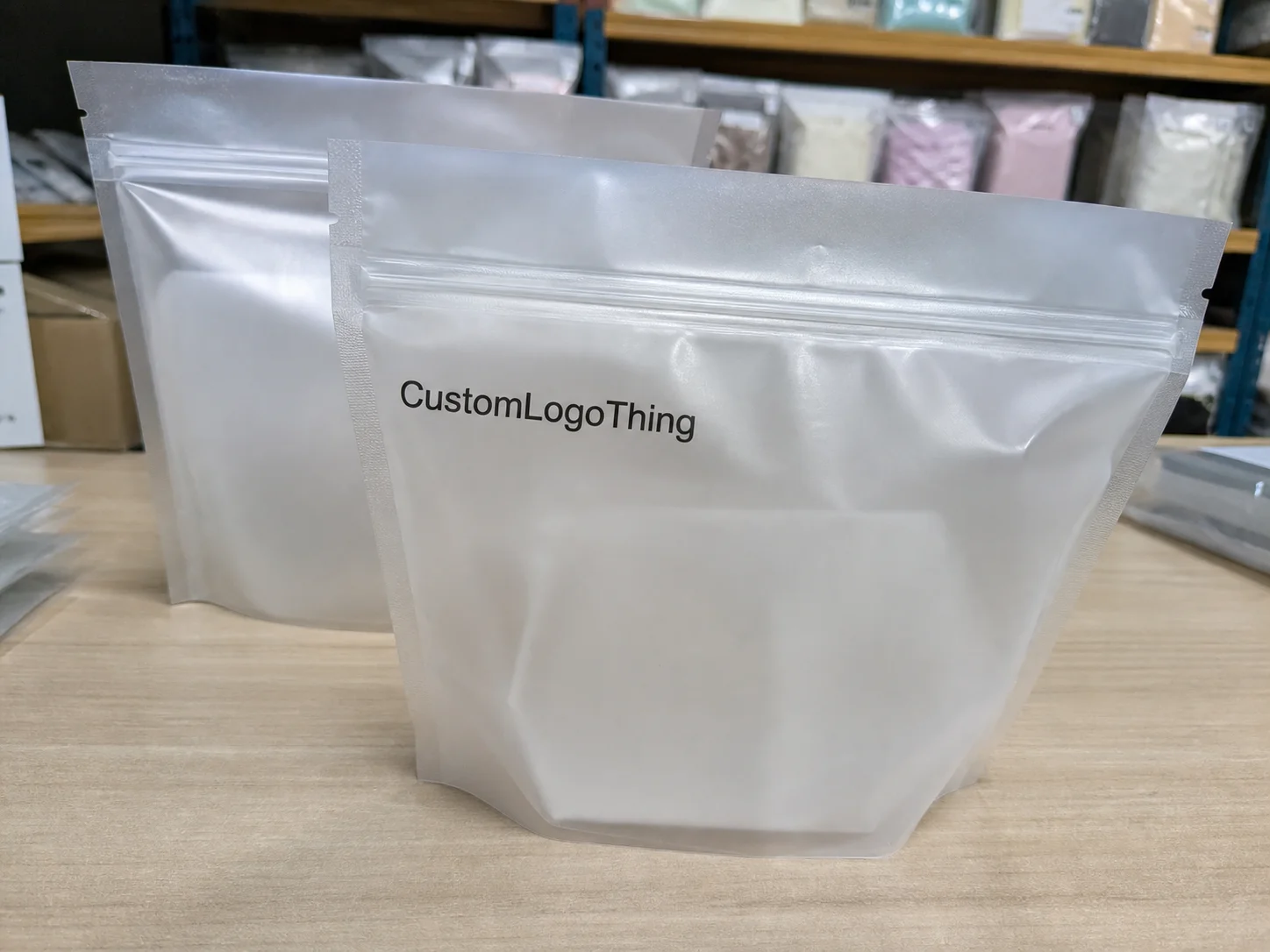
Poly mailers are built for speed. They load quickly, take up very little warehouse space, and reduce dead weight in transit. For ecommerce teams shipping socks, shirts, swimwear, or other soft goods, that efficiency is hard to beat. Lower package weight can help keep postage down, and flat storage keeps the packing area from turning into a cardboard graveyard.
Recyclable film adds another layer of value, but only if the claim is accurate. Buyers often assume “recyclable” means universally accepted. It does not. The bag may be recyclable by material stream, but local collection rules still decide whether it actually gets recovered. Packaging buyers should treat recyclability as a material property, not a marketing slogan.
Used correctly, the format fits a few common shipping scenarios:
- Ecommerce fulfillment for apparel, socks, swimwear, and other soft goods
- Subscription shipments when the contents are light and non-fragile
- Promotional kits that need branded outer packaging without a rigid carton
- Direct-to-consumer orders where storage efficiency and quick packing matter
The branding upside is straightforward. A printed logo turns a basic shipper into a visible brand touchpoint. It shows up in delivery photos, porch drops, packing videos, and the customer’s first glance at the parcel. That is not fluff. It is a repeat impression.
There is also an operational benefit people feel immediately. Poly mailers arrive compact, stack neatly, and do not hog shelf space. For teams managing frequent reorders, that alone can justify the switch from bulkier packaging formats.
“The best shipping format is the one that protects the product, fits the operation, and does not inflate freight costs. Pretty matters, but performance pays the bills.”
They are not the right answer for every SKU. Fragile products, sharp-edged items, and anything needing crush protection belong in a different structure. But for a long list of common soft goods, recyclable poly bags are a practical middle ground.
Product details buyers should check before ordering
Recyclable Poly Bags Wholesale custom logo orders should start with the structure, not the artwork. Material spec determines whether the bag holds up. The logo just makes it recognizable. If the film is wrong, the print cannot rescue it.
Buyers should ask for the exact film type, usually recyclable polyethylene, plus the thickness or gauge. Seal strength matters because weak seals create damage claims. Tear resistance matters because mailers are handled by people, conveyors, sortation equipment, and parcel abrasion. Print compatibility matters because some films hold ink cleaner than others.
Closure types and where they fit
Closure choice changes how the packing line behaves. An adhesive strip is common for fast fulfillment. A self-seal closure works well for high-volume operations. Tamper-evident options make sense when product security or return control matters. The best choice depends on order flow, labor speed, and whether the bag needs to be reused by the customer.
Use case fit matters just as much. These bags are ideal for lightweight, non-fragile goods. They are not a substitute for rigid packaging when products need crush protection or structured support. A ceramic item belongs in a different format. So do products with sharp corners or heavy inner packaging.
Branding methods and print placement
One-color logo prints are usually the cleanest and most economical route. The goal is often simple identification, not a full visual campaign on the bag itself. Multi-color layouts can work, but they increase setup complexity and raise the chance of registration issues if the artwork is not prepared well.
Logo placement should respect the way the bag moves through production and shipping. Keep artwork away from seals, fold lines, and edge zones that stretch during filling. A bold front-panel mark is usually enough. If the mailer appears in photos or unboxing content, the logo needs to stay readable at a glance.
Artwork should be supplied as vector files whenever possible. That keeps edges crisp and helps the printer maintain line quality at production scale. If color matching matters, provide Pantone references or a clear color standard. Flexible film does not forgive crowded layouts, tiny text, or overcomplicated graphics. Simple often prints better. Annoying, yes. True, also yes.
Sustainability claims should be specific. Ask whether the bag is accepted in store-drop-off film recycling or other local recovery streams, and confirm whether the material specification matches those requirements. A bag can be recyclable in one market and not collected in another. That difference matters. For a broader reference on packaging recovery, the EPA’s packaging and recycling guidance is useful.
For brands that want packaging to feel consistent across the line, it helps to compare mailers with the rest of the system. Labels, inserts, and outer packaging should all look related. If you need a broader view, review Custom Packaging Products alongside bag options so the shipping format fits the rest of the brand system.
Specifications that affect performance and print quality
Specification sheets are where many orders go right or wrong. Buyers can talk about sustainability all day, but the bag still has to survive transit. The main variables are film thickness, dimensions, gusset style, seal integrity, opacity, and puncture resistance. Ignore one of them and you usually find out the expensive way.
Thickness affects durability, feel, cost, and sometimes recycling behavior. Thicker film generally improves tear resistance and lowers puncture risk, but it also increases material cost and can change how the bag folds at packing. For lightweight apparel, a moderate gauge often performs well. For rougher shipping routes or heavier contents, a thicker film can be worth the extra spend.
What to check in the material spec
Buyers should ask whether the bag is mono-material polyethylene, whether recycled content is part of the construction, and whether the bag uses a film blend that complicates recycling acceptance. Not every “eco” claim is equally useful. Some blends print beautifully and recover poorly. Others are the opposite. Packaging spec is full of tradeoffs, and pretending otherwise only creates trouble later.
Opacity is another detail people overlook. A more opaque bag improves privacy and presentation, especially for apparel. Clear film can work for some programs, but it exposes the contents and makes the package look less finished. If the mailer is meant to stand in for a branded outer layer, privacy usually helps.
Seal performance should be tested under actual packing conditions. A seal that looks fine on paper can fail once the bag is loaded, compressed, or flexed. Pull strength, side seals, and closure adhesion all deserve attention. This is especially true on high-volume orders where a tiny defect rate becomes a real cost.
Artwork setup that avoids print problems
Flexible surfaces move. They stretch under pressure and shift during handling. That means design rules need more margin than they would on paperboard. Keep critical elements away from the cut edge, seal zone, and any area that will wrinkle under load. Tiny text and dense graphics tend to suffer first.
Simple branding often prints cleaner than a design trying to do too much. One strong logo and a clear brand color can be enough. Buyers chasing visual complexity on flexible film usually end up paying more for worse consistency. That is not a subtle lesson. It shows up in the proof.
If your order will be judged against shipping standards, ask whether the bag has been tested using transport-relevant methods such as ASTM or ISTA protocols. Not every order needs formal testing, but the reference is useful when product damage becomes part of the conversation. For testing context, ISTA is a reliable source.
| Specification | Why it matters | Typical buyer impact |
|---|---|---|
| Film gauge | Affects strength, feel, and puncture resistance | Higher gauge usually improves durability but can raise cost |
| Seal type | Controls closure security and packing speed | Tamper-evident or adhesive seals support faster fulfillment |
| Print color count | Influences setup and registration complexity | One-color prints are usually more economical and more consistent |
| Bag dimensions | Determines fit and shipping efficiency | Wrong sizing increases waste, returns, and packing time |
| Opacity | Impacts privacy and presentation | More opacity can help with branded presentation and concealment |
Pricing and MOQ for custom logo wholesale orders
Pricing is driven by a few predictable variables: bag size, film gauge, print color count, quantity ordered, and any special finishing detail. Larger bags use more material. More colors require more setup. Smaller orders spread fixed costs across fewer units. That is the entire game, minus the sales brochure gloss.
Smaller runs are useful for testing, but larger quantities usually improve unit cost. If you are rolling out a new product line or a seasonal collection, a lower MOQ can protect cash flow. If the design is stable and reorders are likely, volume usually wins.
Typical cost ranges buyers can expect
For a standard run, pricing may land around $0.18-$0.28 per unit for 5,000 pieces, depending on film gauge, print coverage, and closure style. Larger orders can improve the price. More complex artwork, tighter tolerances, or special material requirements can push it higher. That range is directional, not universal. Resin pricing, freight conditions, and order timing all move the number around.
Tiered pricing is the clearest way to compare options. Ask for 1,000, 5,000, and 10,000-unit pricing so the breakpoints are visible. Sometimes a small jump in volume lowers the unit cost enough to justify a larger buy. Sometimes it does not. Either way, the tiers tell you more than one flat quote ever will.
When requesting a quote for recyclable poly Bags Wholesale Custom Logo packaging, make sure the estimate includes the full cost picture:
- Bag dimensions and film gauge
- Print setup or plate fees, if applicable
- Artwork revisions and proof charges, if any
- Freight or delivery cost
- Sample or pre-production proof charges
That last point matters. A quote that looks low can become expensive once freight, setup, and samples are added. Buyers should evaluate total landed cost, not just the headline unit price. A slightly higher unit cost may still be the better deal if it buys stronger seals, cleaner print, and fewer production headaches.
If your procurement process covers multiple packaging categories, compare this line item with your other wholesale packaging purchases. That helps keep reorder planning stable and makes budget planning less chaotic. Which, frankly, is the kind of boring efficiency that saves a lot of trouble later.
Production steps, proofing, and lead time expectations
Strong production runs usually follow the same sequence: inquiry, artwork submission, spec confirmation, digital proof, approval, production, quality check, and shipment. The process is simple. The discipline around each step is what keeps the order on schedule.
Proof approval is the main checkpoint. Once the proof is approved, changes can add both time and cost. That is not a penalty. It is how production works. Converters and printers need fixed specifications before they run the line, and late changes create waste or rework.
Lead time depends on order volume, print complexity, raw material availability, and shipping destination. A straightforward reorder will usually move faster than a first-time custom run. A single-color logo typically turns around faster than a multi-color layout. International freight adds another layer of timing, because containers and customs do not care about your launch date.
In practice, buyers often see 12-15 business days from proof approval for a standard custom run, though that can stretch if the order is large or the artwork needs revisions. Rush production may be possible. Reorders with locked specs are easier to schedule than first-time custom jobs because the file, color expectations, and dimensions are already established.
To avoid delays, send final artwork early and confirm dimensions before production begins. Do not rely on “standard” sizing without checking the actual packed item. The bag needs to fit the product plus any folds, inserts, or closure overlap. A near-fit that slows packing is not a good fit.
Quality control should include seal performance, print alignment, and material consistency before shipment. Those checks sound routine because they are. Routine is good. Routine means fewer surprises in the warehouse and fewer excuses later.
Repeat orders and what wholesale buyers really need
Repeat orders live or die on consistency. If the color shifts, the size drifts, or the seal changes from run to run, the packaging becomes a problem instead of an asset. That is why a wholesale packaging program has to be built around repeatability, not just a one-time purchase.
Buyers usually care about three things after the first order: can the bag be reordered without drama, will the next run match the last one, and can the warehouse keep moving without sorting through packaging surprises. That sounds basic. It is. Basic is good.
Repeatability depends on clear documentation. Keep final artwork, approved dimensions, film spec, seal type, and print settings on file. If those details are vague, the next order becomes detective work. Nobody needs that.
Case packing and palletization matter too. Wholesale buyers should ask how the bags are packed, how many units sit in a case, and whether the cartons are easy to store and pull from inventory. Warehouse-friendly packaging saves more time than most teams expect. A neat case count sounds boring until someone has to receive 20 pallets before noon.
Quality control is not glamorous, but it protects the brand. Before shipment, the finished run should be checked for seal strength, print alignment, color consistency, and film defects. A small issue on the press sheet can become a much larger issue after thousands of units move through fulfillment.
If you are still comparing formats, review how these mailers fit within Custom Poly Mailers as a broader product family. Some brands use them as the main outbound shipper. Others use them for apparel or promotional kits while cartons handle fragile SKUs.
For sustainability-minded brands, fiber-based components can still matter elsewhere in the packaging system. Inserts, labels, and shipper boxes may all use paperboard, and that is where FSC certification becomes relevant. The FSC site is a useful reference when the packaging mix includes fiber-based materials.
Next steps for ordering recyclable custom-printed poly bags
If you are ready to source recyclable poly bags wholesale custom logo packaging, gather three things before requesting a quote: bag size, estimated quantity, and logo artwork. Those three inputs will get you better pricing guidance than a vague request for “something eco-friendly.” Vague requests tend to produce vague quotes. Shocking, I know.
Then compare at least two or three spec options. A small change in film thickness or print coverage can move both cost and performance. That comparison is where real buying happens. Not in the slogan. In the tradeoffs.
Ask for a sample or proof before committing to the full run. Confirm fit, seal, and brand presentation. If the bag wrinkles badly around the logo or closes awkwardly on the packing line, you want to know that before production, not after the shipment lands.
Internally, verify your recycling messaging so it matches customer-facing guidance and local collection reality. A claim that sounds impressive but cannot be supported is a liability. Keep it accurate. Keep it simple. Buyers trust plain language more than inflated sustainability language.
From there, the process is straightforward: submit specs, review proof, approve production, and keep the reorder file clean for the next run. That is how a packaging program becomes dependable instead of improvised. For brands that need a practical branded shipper, recyclable poly bags remain one of the more efficient options available.
Frequently asked questions
Are recyclable poly bags wholesale custom logo orders suitable for apparel shipments?
Yes. They are commonly used for apparel, accessories, and lightweight textiles. They work best when the item does not need rigid crush protection, and a strong seal plus correct sizing helps reduce returns and packing waste.
What minimum order quantity should I expect for custom recyclable poly bags?
MOQ depends on bag size, print complexity, and production method. Smaller test orders may be possible, but larger volumes usually reduce unit cost. Ask for tiered pricing so you can compare low, mid, and high-volume options.
What artwork do I need for a custom logo print on recyclable poly bags?
Provide a vector logo file whenever possible for cleaner print output. Include brand colors as Pantone or exact references if matching matters, and confirm print area, placement, and safe margins before approving the proof.
How long does production usually take for wholesale custom poly bags?
Lead time varies by quantity, print setup, and current production schedule. Proof approval is often the biggest factor in keeping the order on schedule. Rush options may exist, but standard orders are easier to plan and repeat.
How can I verify that the bags are actually recyclable?
Check the film material specification and ask where it is accepted for recycling. Confirm whether your region or customer base has access to film recycling streams, and keep recycling claims accurate and defensible.