Buyers often assume recycled content is the main driver of price, but Recycled Paper Bags unit cost is usually shaped more by construction than by fiber claim. Bag size, paper weight, handle style, print coverage, and carton format tend to move the number first. A clean spec can trim waste and remove unnecessary features without weakening the bag.
The real question is not whether recycled paper is “cheap.” It is whether the bag does the job at the lowest sensible landed cost. A retail bag carrying folded apparel asks for different things than a grocery bag, a takeaway bag, or a giveaway tote that only needs to survive a short walk and still look presentable. Match the build to the use case and the price usually settles into place more honestly.
Catalog prices can be misleading because they rarely show freight, carton counts, palletization, or the small artwork changes that add labor. A quote can look attractive until the bags are boxed, shipped, and checked against the receiving dock. That is where the total spend either holds up or slips.
The most useful buyer stance is practical, not romantic. Know the load, the print requirement, the delivery window, and the exact place the bags will be used. That is usually enough to keep the order from drifting into expensive over-specification.
Why recycled paper bags can be a smarter buy than they look
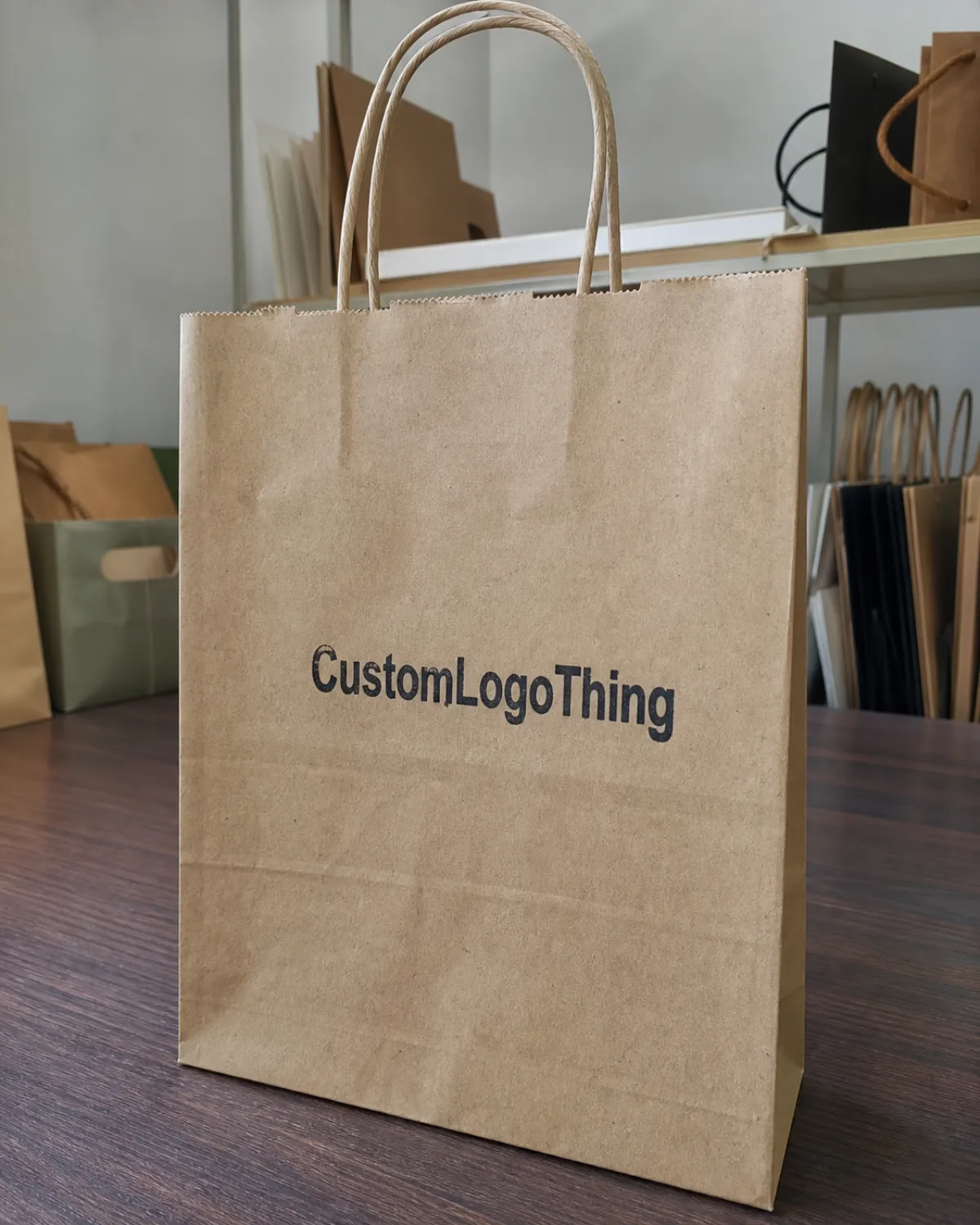
Recycled paper bags are often treated as commodity items, yet they behave differently once weight, handling, and branding are factored in. A 120gsm recycled kraft bag with a flat handle may be entirely adequate for light retail use. A 150gsm bag with a reinforced mouth and twisted paper handles may cost more, but it can be the better value if the bag needs to carry heavier items or endure a longer walk to the car.
That difference matters. A lower-priced bag that tears, buckles, or looks tired on the sales floor creates a hidden cost that shows up later as complaints, replacements, or extra overage. In packaging, the cheapest quote is not always the cheapest outcome.
“Spec for the hardest job first. If the bag survives the heaviest realistic use, the easier cases usually take care of themselves.”
There is also an operational side that gets missed in pure price comparisons. Bags that crush in transit, arrive in awkward carton counts, or require extra labor to stage can be expensive even if the unit rate looks low. Retail teams and food-service buyers usually notice this first because they see the bags under real conditions, not just in a sample photo.
- Retail: prioritize handle comfort, mouth stiffness, and print clarity.
- Takeaway: focus on fill weight, grease resistance, and handling after packing.
- Grocery: specify a stronger bottom, enough gusset depth, and stable carry performance.
- Events: balance presentation and cost per piece so the bag supports the brand without adding unnecessary features.
For buyers who want a general industry reference on materials and packaging terminology, packaging.org is a useful starting point. For sourcing claims and certification basics, fsc.org explains the structure of recycled and chain-of-custody documentation clearly enough to keep a purchase order honest.
Paper grades, handles, and finishes that change performance
Most recycled paper bags begin with one of three common material families: recycled kraft, white kraft, or a blended grade that mixes recycled fiber with fresher pulp for better surface feel and printability. Recycled kraft is usually the most natural-looking option and often the best value for everyday use. White kraft improves logo contrast and shelf appeal, although the extra processing can add cost.
Handle choice changes both presentation and unit pricing. Twisted paper handles tend to hit the best balance between strength, comfort, and cost. Flat handles can be economical on high-volume runs. Rope handles usually look more premium, but they also push the bag into a higher cost tier because of the additional material and attachment steps. Die-cut handles can work well for light items, but only when the bag is not expected to carry much weight over a long distance.
Construction details matter more than many briefs suggest. Reinforced bottoms, pasted patches, and wider gussets raise the bag’s ability to carry weight and keep its shape. Those upgrades are worth paying for if the product is dense, boxed, or likely to move around in transit. If the bag only carries a brochure pack or a light garment, the extra material may not earn its keep.
| Option | Best use | Typical cost effect | Buyer note |
|---|---|---|---|
| Recycled kraft, twisted handles | Retail, apparel, general promotions | Usually the most balanced option | Strong default choice for mid-volume orders |
| White kraft, printed both sides | Brand-forward retail and gifting | Higher due to surface prep and ink coverage | Better for detailed graphics and dark artwork |
| Blended grade with rope handle | Higher-end presentation | Often adds setup charges and higher unit cost | Use only if appearance justifies the premium |
| Die-cut with reinforced patch | Events and lighter retail items | Lower handle cost, but patching adds labor | Comfort depends on fill weight and carry distance |
Surface finish also changes print behavior. A smoother sheet gives cleaner edges and more predictable color. A rougher recycled surface may look more natural, but it can soften fine type and make small details less crisp. If a coating is required for moisture resistance or a more polished surface, ask how that affects recyclability, stiffness, and the final quote. The finish may help the bag perform, but it rarely comes free.
Spec details to lock before you request pricing
Pricing stays vague if the brief stays vague. Start with the finished dimensions: width, gusset, and height. Then state the expected fill weight and the type of product the bag will carry. A 6 lb apparel load and a 12 lb grocery load demand very different structures.
Paper gsm, or basis weight, should be fixed before any quote comparison begins. Buyers sometimes ask for “recycled paper” without naming the sheet weight, and that is where pricing becomes misleading. Without the gsm, a supplier can only guess at stiffness, carry strength, and material usage.
Print detail also moves cost faster than many teams expect. One-color front print is straightforward. Two-sided print, multiple ink colors, full-bleed coverage, or white ink on a darker recycled surface add setup work and may change tooling fees or other setup charges. If the logo only needs to read from one side, there is no reason to pay for both panels.
Practical buyers usually lock these items before asking for numbers:
- Finished dimensions and gusset depth.
- Paper gsm or basis weight.
- Handle style and reinforcement.
- Print colors, panel placement, and coverage area.
- Quantity by SKU and the exact ship-to location.
That last line looks administrative, but it changes the quote more than many teams expect. A shipment to a warehouse in one region is not priced the same as a shipment to a retail distribution center in another. Carton pack count, pallet pattern, and delivery zone affect freight and warehouse handling. The paper bag itself may be identical; the landed cost will not be.
How recycled paper bags unit cost is calculated
The formula behind recycled Paper Bags Unit cost is usually a mix of material, conversion, printing, finishing, packing, and freight. Material cost is only one piece. Labor and setup can be just as influential, especially on smaller runs. A modest change in paper weight or handle style can alter the full quote because each stage carries its own overhead.
MOQ has a direct effect. Smaller orders absorb more setup cost per bag, so the unit price rises. As the order grows, fixed charges spread across more pieces and the cost per unit drops. That is why bulk pricing can look very different from a short-run quote even when the bag spec barely changes.
Printing setup is another place where costs become visible. Plate charges, die-cut tools, handle punch tooling, and proofing all show up in some form. Some suppliers roll those into the bag price. Others separate them. Buyers should ask what is included, because two quotes can look similar until the hidden line items appear.
| Order tier | Typical spec | Indicative unit cost | What changes the number most |
|---|---|---|---|
| 3,000 units | Single-color print, standard recycled kraft, twisted handles | $0.28-$0.52 | Setup charges and freight weigh heavily here |
| 10,000 units | Same bag, modest artwork, standard cartons | $0.17-$0.31 | Material and print setup begin to spread out |
| 25,000 units | Higher-volume production, consistent specs, pallet shipping | $0.11-$0.24 | Paper weight, print coverage, and freight lane matter most |
Those ranges are deliberately broad. A simpler bag can land below them, while a premium version with heavy ink coverage, rope handles, or special finishing can sit above them. The useful comparison is not the number alone; it is whether the same spec, the same ship-to point, and the same packing format were used across every quote.
Another cost variable is waste allowance. A supplier may need extra material for startup waste, trimming, or print registration adjustments. That does not mean the quote is inflated; it means the production process has real limits. Asking how waste is handled often reveals whether the vendor understands custom paper conversion or is just pushing a generic price.
Production steps and lead time from approval to shipment
Most orders follow the same sequence: artwork proof, dieline check, approval, material sourcing, printing, cutting, gluing, handle insertion, inspection, and packing. The proof stage deserves more attention than it usually gets. A small change in type placement or bleed can force a new plate file or a revised cutting layout, which affects both timing and cost.
If the spec is final, the artwork is clean, and the paper is already available, first orders often move in about 12-15 business days after approval. Larger runs can take longer, and repeat orders are usually faster because the structure has already been approved. That said, speed depends on the plant schedule, not just the order form.
Seasonal demand changes everything. Retail gift seasons, food-service peaks, and event calendars can crowd production slots, especially for orders that depend on full-lane runs or special print sequencing. Freight method matters too. Air can rescue a deadline, but it changes the landed cost fast enough that it should be treated as an exception.
Transit protection matters even for paper bags. They are not fragile in the same way glass is fragile, but they can still be crushed, scuffed, or warped by poor packing. Guidance from ISTA is useful here because stack pressure and handling damage can ruin an otherwise good run. A bag that looks perfect in pre-production can arrive with flat handles, bent mouths, or damaged corners if the cartons are poorly packed.
Documentation is part of lead time too. If recycled content, FSC status, or chain-of-custody proof is required, those claims are much easier to verify before production starts than after the goods are on a truck. The paper may be correct, but if the paperwork is missing, the order can stall at receiving.
What to compare before choosing a recycled bag supplier
A low quote only matters if the supplier can actually deliver what was promised. The first question is simple: do they print and convert in-house, or are they reselling someone else’s bags? In-house control usually means better consistency, faster proofing, and fewer handoffs. That matters when the same bag has to repeat cleanly on the next run.
Measure discipline is another useful test. Finished dimensions should be quoted the same way every time, and the tolerance window should be clear. If a supplier cannot explain how they measure width, gusset, and height, that is a concern. Reorder consistency matters just as much as first-article approval because buyers are often judged on whether the second run matches the first.
Sample support reveals a lot. Good suppliers are usually able to send sample packs, recycled-content documentation, and a plain explanation of what changes when a material or finish changes. If they can quote several spec options without turning the process into a week of back-and-forth, they probably understand the buyer side of the table.
- Proofing: check whether dielines and artwork placement are marked clearly.
- Documentation: ask for recycled content claims, FSC status, and finish details in writing.
- Consistency: confirm repeat-order tolerances and carton pack counts.
- Responsiveness: compare how quickly revised pricing and spec answers come back.
A supplier that only offers one build can hide the real savings path. A stronger partner can quote a lighter paper option, a standard handle, and a premium version side by side. That makes the trade-off visible. You can see whether the extra money buys better strength, cleaner print, or simply a more expensive finish.
Buying mistakes that raise cost or slow delivery
Undersizing the bag is the first common mistake. It might fit once, but a tight load stresses the gussets and handles, and the bag will feel flimsy even if the paper weight is technically acceptable. That is one of the quickest ways to pay twice: first for the wrong bag, then for the replacement order.
Over-specifying the print is another problem. Full-coverage decoration, extra ink colors, specialty coatings, and premium handles all have valid uses. They are not free. If the bag sits under a product or is used for short-duration takeaway service, simpler branding often preserves margin without hurting the customer experience.
Freight assumptions cause avoidable surprises. Carton counts, pallet patterns, and the delivery zone should be agreed before production begins. A shipment can become more expensive simply because the buyer expected one pack format and the supplier used another. The paper bag did not change; the handling cost did.
Artwork timing can delay an order too. Approving a design before the exact structure is confirmed often leads to late revisions. The logo may need to move, the bleed may need adjustment, or the handle position may need to shift so it does not interfere with the print area. Those changes are normal, but they consume time if they happen after the production slot has already been booked.
The last mistake is narrowing the decision to recycled content alone. Recycled fiber matters, but it is only one part of the purchase. The better bag is the one that performs well, supports the brand, and fits the budget after freight and packing are included. That is a more useful procurement standard than chasing the highest recycled percentage at any cost.
What to send for a fast, accurate quote
Useful pricing starts with a complete brief. The cleaner the request, the fewer assumptions the supplier has to make, and the more reliable the Recycled Paper Bags Unit Cost result will be. A complete spec also makes it easier to compare quotes without spending half a day asking for clarifications.
- Bag dimensions, gusset depth, and target fill weight.
- Quantity, broken out by SKU if more than one size is needed.
- Handle style, paper preference, and recycled-content expectation.
- Print colors, logo placement, and whether one or both sides need artwork.
- Artwork files, a reference sample, or a photo of the current bag.
- Ship-to location, delivery target, and preferred cartons or pallet format.
If an existing bag is already in use, send a photo with measurements and a note on what needs to change. That usually saves a round of guesswork. If the team is still deciding between two structures, ask for two or three pricing tiers so the MOQ breakpoints are visible and the cost per piece can be compared properly.
For budget-sensitive programs, it helps to request a standard option and a better option in the same reply. That makes the trade-off obvious. One version may buy stronger handles, another may improve print clarity, and a third may only add a fancier finish. Seeing those differences side by side is better than guessing.
Clear input saves time, but it also protects margin. A precise brief helps a supplier quote true bulk pricing instead of padding the number for missing information. When the details are complete, the quote is easier to trust, easier to compare, and faster to approve.
What drives recycled paper bag unit price the most?
Bag size, paper weight, and handle style usually move the price more than the recycled-content claim itself. Print coverage and finishing choices can add meaningful cost, especially on smaller order quantities, and freight, cartons, and packaging format should always be included when comparing quotes.
How does MOQ affect recycled paper bags pricing?
Lower quantities carry more setup cost per bag, so the unit price is usually higher on small runs. As the order volume increases, print and conversion setup is spread across more pieces, lowering the per-unit cost. A supplier should show pricing at several tiers so buyers can see where the breakpoints are.
Which paper weight is best for custom recycled bags?
Lighter paper can work for apparel, promo items, or other low-load uses where stiffness is less critical. Heavier paper is better for groceries, takeaway, or retail packs with sharper edges or higher fill weight. The right choice depends on the product, not just on wanting the thickest sheet available.
How long does a recycled paper bag order usually take?
Lead time depends on proof approval, material availability, quantity, and whether the bags need custom printing. First orders usually take longer than repeats because artwork and construction have to be confirmed first. Rush timing is possible in some cases, but freight method and seasonal demand can still affect delivery.
What should I send for an accurate recycled paper bag quote?
Send dimensions, quantity, handle type, paper preference, and print details in one complete request. Include artwork files or a sample photo so the supplier can match the look and avoid guesswork. Share the ship-to location and target date so freight and production timing are priced correctly.

