Recycled Poly Mailer Carton Packing Specs for Cosmetics Brands
What a Recycled Poly Mailer Carton Packing Spec Really Means
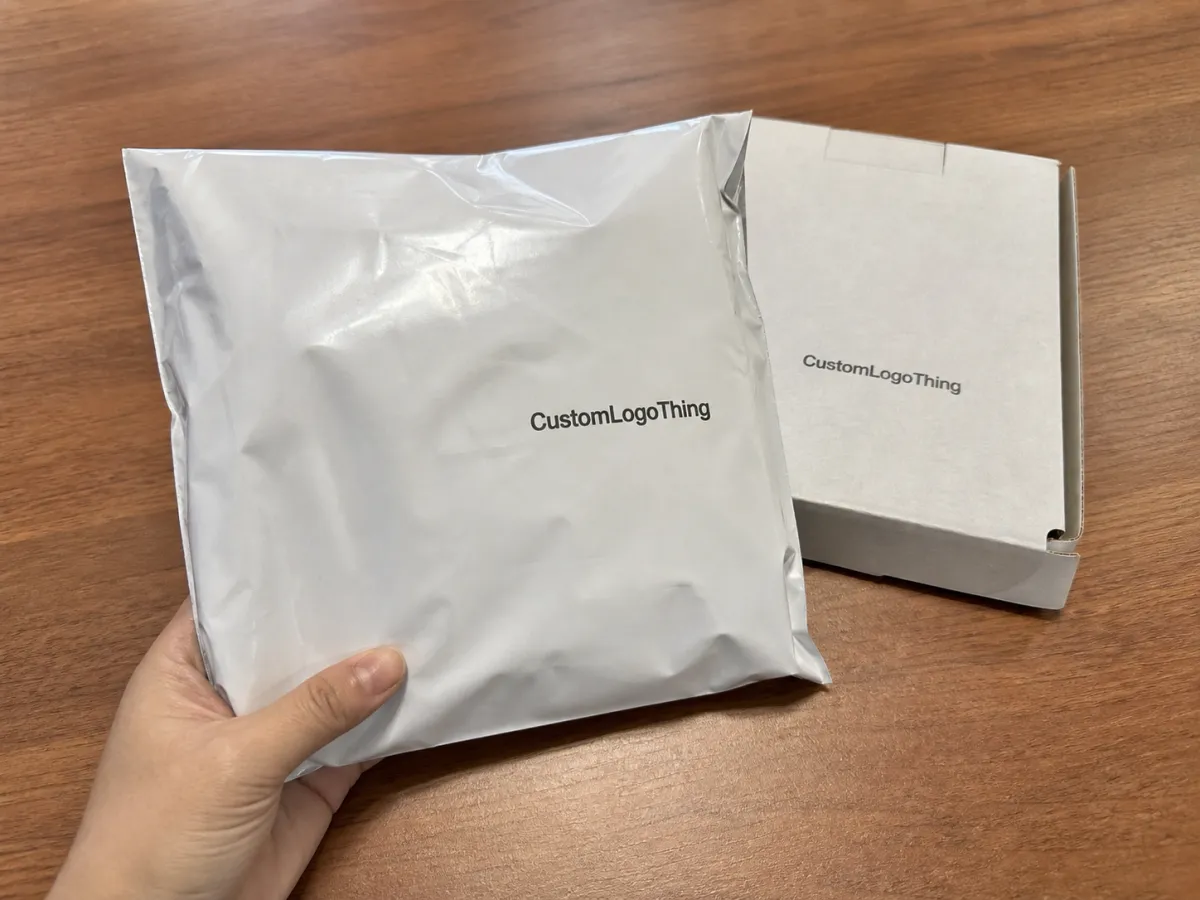
A skincare brand can ship a rigid serum carton in a recycled poly mailer that is technically big enough and still get a bad result. The branding looks polished at the packing bench, then the carton corners start pressing into the film during transit. By the time the order reaches the customer, the mailer may be wrinkled, stressed at the seams, or punctured near a sharp carton edge. Not exactly the premium moment anyone had in mind.
The phrase cosmetics brands Recycled Poly Mailers carton packing spec sounds like one neat line item, but it is really a stack of practical decisions: bag size, usable internal space, film thickness, recycled content, closure style, print coverage, seam construction, carton fit, shipping method, and fulfillment speed.
Cosmetics cartons are usually light, but many are stiff. That is the awkward part. Apparel bends inside a mailer. A paper insert bends. A 1.5-inch-deep moisturizer carton with square shoulders does not. It pushes against the side seals, bottom fold, and adhesive flap in a very different way.
Recycled Poly Mailers are popular for beauty shipments because they are light, moisture-resistant, fast to pack, and cheaper to store than corrugated shippers. A stack of 5,000 mailers takes up far less warehouse space than 5,000 small boxes. Fulfillment teams also move faster with peel-and-seal bags than with cartons, tape, and void fill, especially during a launch or subscription drop where hundreds of similar orders need to leave the building in a narrow window.
Still, recycled poly is not magic sustainability dust. Buyers need to understand PCR percentage, polyethylene type, recyclability claims, ink coverage, adhesive strips, suffocation warnings, and regional recycling rules. A 50% post-consumer recycled LDPE mailer with heavy full-bleed print and mixed-material labels raises different claim and disposal questions than a plain natural-gray mailer with a small one-color logo.
Practical rule: do not ask a supplier for an “eco mailer for a beauty box.” Send dimensions, weight, recycled content target, print needs, closure style, and shipping method. The quote will be cleaner, and the sample will be closer to what you actually need.
A usable spec gives a supplier enough detail to quote accurately, sample correctly, and avoid guessing. Guessing is fine for birthday presents. It is less charming on a 25,000-unit packaging run.
How Recycled Poly Mailers Protect Cosmetics Cartons
Most recycled poly mailers are made from LDPE or co-extruded polyethylene film with post-consumer recycled resin, post-industrial recycled resin, or both blended into the structure. The blend matters. PCR content usually supports stronger sustainability messaging, while PIR material can be more consistent in color and processing because it comes from cleaner manufacturing scrap.
The mailer protects the carton from moisture, dust, light scuffing, and minor abrasion. It also keeps the shipment lightweight. For a single cosmetics carton under 8 ounces, a poly mailer may add only a few grams of packaging weight, while a small corrugated shipper can add several times more. That difference may affect postage tiers, dimensional weight, warehouse storage, and pack station speed.
Corrugated shippers provide better crush protection. No argument there. If the order includes glass jars, fragile palettes, pumps that can activate under pressure, or retail cartons that must arrive pristine for resale, corrugated may be the safer route. Paper mailers can look premium and feel less “plastic,” but they may fail faster around sharp carton corners or damp delivery conditions. Paper also tends to be less forgiving when the carton is deep and boxy.
The key carton issue is tension. A cosmetics carton with square edges needs enough bag slack and film strength so the mailer does not become a tight plastic drum around the box. Tight mailers tear. Loose mailers look sloppy, slide around the carton, and can snag in carrier handling. The target is enough clearance for fast insertion and corner movement without turning the shipment into a floppy windsock.
Many beauty carton mailers land around 2.0 to 3.0 mil. A 2.0 mil recycled poly mailer can work for light, flat cartons shipped short distances. A 2.5 mil film is a safer everyday starting point for many skincare, fragrance sample, and cosmetics carton shipments. Move toward 3.0 mil, reinforced seams, or a different package format for heavier kits, sharper boxes, subscription bundles, or routes where packages get handled roughly.
Closure choices are not glamorous, but they matter. Standard self-seal strips work for most one-way orders. Dual peel-and-seal strips help if returns are part of the customer promise. Tamper-evident closures make sense for higher-value kits or products where customers expect extra security. For beauty shipments, the closure should land cleanly without forcing the packer to fold a carton edge into the adhesive zone.
Printing on recycled film can look excellent, but test it before falling in love with a perfect screen mockup. PCR resin may carry a slight gray or warm tint, and color variation can happen from batch to batch. Pale colors, fine gradients, and heavy ink coverage need special attention. A white ink underbase can improve brightness, but it adds cost and another variable to control.
Key Spec Factors: Size, Mil, PCR Content, Seams, and Print
A tight cosmetics Brands Recycled Poly Mailers carton packing spec starts with measurements, not vibes. Send the final packed carton length, width, depth, and weight. Include insert thickness, product movement inside the carton, and raised features such as hang tabs, sleeves, foil labels, tamper seals, or outer barcode stickers.
Do not size the mailer exactly to the carton. That is one of the easiest ways to create seam stress. The usable internal size of a mailer is not always the same as the advertised flat size, especially after side seals, bottom folds, gussets, and adhesive flap geometry are considered.
For a single cosmetics carton, buyers often need 0.5 to 1.5 inches of extra usable space, depending on carton depth and film stiffness. A thin flat lip balm carton might need only half an inch of working room. A 1.75-inch-deep skincare box may need closer to 1 inch or more so packers can insert it quickly and seal the mailer without stretching the film.
| Spec Factor | Typical Range or Choice | Buyer Tradeoff |
|---|---|---|
| Film gauge | 2.0 to 3.0 mil | Thinner saves cost; thicker improves puncture resistance and seam confidence. |
| Clearance | 0.5 to 1.5 inches usable space | Too tight tears; too loose looks cheap and can snag. |
| PCR content | 30% to 100%, supplier dependent | Higher PCR may support claims but can affect color, feel, and lead time. |
| 1-color logo to full coverage | Simple logos cost less; heavy ink raises cost and rub risk. | |
| Closure | Single seal, dual seal, tamper-evident | Return-friendly closures cost more but reduce repacking friction. |
Gauge selection should follow the carton, not the cheapest line on the quote. A 2.0 mil film can work for light flat cartons. A 2.5 mil recycled mailer is often the reasonable starting spec for DTC cosmetics. A 3.0 mil option or stronger construction may be needed for heavier kits, multi-item bundles, cartons with aggressive square corners, or orders that include several small boxes inside one mailer.
PCR content comes with tradeoffs. Higher recycled content may improve sustainability positioning, but it can affect color consistency, film feel, print brightness, minimum order quantity, and sometimes lead time. If your brand wants documentation, say so early. Ask for the material type, PCR percentage, and any available certification or supplier declaration. For claim guidance, review the U.S. Federal Trade Commission Green Guides and EPA recycling resources; the EPA recycling information is a useful starting point for buyers who want fewer marketing headaches.
Seams deserve more respect than they get. Side seams take corner pressure. Bottom-fold construction can reduce one failure point depending on the mailer format. Ask about seal strength, gauge tolerance, and whether the supplier has tested similar rigid cartons. If shipments run through parcel networks, ISTA procedures can help frame transit testing; ISTA is the packaging testing reference many serious brands use.
Print specs should include number of colors, Pantone references, ink coverage percentage, white ink underbase, logo placement, barcode or QR needs, and finish expectations. Matte, glossy, and soft-touch effects each change cost and feel. Sustainability claims should be specific: “50% PCR LDPE mailer” beats “earth-friendly” every time. Unless legal wants a long afternoon, skip vague claims.
Pricing and MOQ: What Changes the Unit Cost
Pricing for recycled poly mailers depends on resin market, PCR percentage, film gauge, bag size, print colors, order quantity, closure type, tooling, and freight. Anyone promising one fixed price without specs is either guessing or selling the most basic option available.
Small custom runs are expensive per piece because setup, waste, artwork prep, and press time get spread across fewer bags. Custom printed recycled poly mailers often start in the low thousands, while better unit pricing usually appears at 10,000, 25,000, or 50,000 pieces. For a simple one-color custom printed recycled mailer, a buyer might see rough pricing around $0.16 to $0.38 per unit at 10,000 pieces, depending on size and gauge. Smaller runs can land above that. Larger runs may fall meaningfully lower.
Those numbers are planning ranges, not quotes. A 10 x 13 inch, 2.5 mil, 50% PCR mailer with one-color print behaves very differently from a 14.5 x 19 inch, 3.0 mil, dual-seal mailer with heavy black coverage and tight registration. Freight can also ruin a neat spreadsheet. Bulk mailers are lighter than boxes, but master cartons still take space on trucks, pallets, and warehouse racks.
Setup costs can appear as plates, cylinders, color matching, sampling, and art prep. Some suppliers list them separately. Others blend them into unit cost. Ask which method they use. A cheap unit price with hidden tooling is not cheap. It is just wearing a fake mustache.
Size creep is a quiet budget killer. Adding an inch in both directions may look harmless during a design call. Across 50,000 pieces, that extra film becomes real money. It also changes master carton counts, pallet quantities, and warehouse handling. Keep the mailer big enough to work, not big enough to hide a sandwich.
Higher PCR content can cost more or require different sourcing, especially if the brand wants documentation. One-color logo print is usually the cheapest custom route. Full-coverage artwork, multiple spot colors, metallic effects, dense ink, and tight registration raise cost and defect risk. If you are quoting Custom Poly Mailers, send the artwork early so the supplier can flag print problems before pricing gets locked.
A clean quote request should ask for unit price by quantity tier, tooling, sample cost, lead time, over/under allowance, pieces per master carton, master carton size and weight, freight estimate, and payment terms. Include the exact carton packing spec so every supplier prices the same target instead of three different imaginary packages.
Process and Timeline from Sample to Production Run
The normal process is simple on paper: spec review, artwork check, quote, digital proof, physical sample or pre-production sample, approval, production, QC, packing, and shipping. The messy part is usually human behavior. Slow artwork edits and committee feedback can add more delay than the factory floor.
Simple stock-size custom print can move faster. Custom dimensions, high PCR content, special closures, unusual colors, dual adhesive strips, or heavy coverage print can add days or weeks. A reasonable planning window for custom printed mailers is often 2 to 5 weeks after proof approval, depending on complexity, order size, and shipping method. Sampling adds time, but skipping it can cost more.
Sampling matters for cosmetics cartons because a physical carton test catches fit, corner stress, seal placement, odor, and print appearance before the brand owns a mountain of bags. Test with the actual final carton, not an early white sample box with different board thickness. If the carton will ship with a paper invoice, product insert, return card, or promotional sample, test that too.
Send suppliers the carton dieline or exact outer dimensions, packed weight, shipment method, desired recycled content, artwork files, estimated annual volume, launch date, and delivery location. If the package will be used for influencer kits, retailer shipments, subscription bundles, or replacement parts, say so. Different channels create different risk.
Vector artwork is preferred. Pantone references help. Confirm whether the print is surface printed or reverse printed. Surface print is common and cost-effective, but it can show rub marks depending on ink coverage and handling. Reverse print can protect graphics in certain film structures, though it may not be available or sensible for every recycled poly mailer format.
Production should not start until the brand approves sample size, color, closure, print position, packing method, and carton fit. Fast approvals save time. Wandering feedback from seven people who discovered packaging yesterday does not.
QC should check dimensions, gauge tolerance, seal strength, adhesive performance, print registration, color, odor, count accuracy, and packed carton fit. For beauty, odor is not a small detail. A mailer that smells strongly of ink or resin can make a skincare product feel suspect before the customer even opens the carton.
Plan earlier for product launches, holiday inventory, influencer drops, and retailer-bound shipments where missed dates create real business pain. If purchase orders, content shoots, or fulfillment appointments depend on packaging arrival, pad the schedule. Packaging delays do not care about your launch calendar.
Common Spec Mistakes Cosmetics Brands Make
The first mistake is ordering by flat bag size only without testing the actual carton. A 7 x 9 inch mailer does not behave the same around a flat sample card and a 1.5-inch-deep skincare box. Depth eats usable space fast.
The second mistake is choosing thin film to save fractions of a cent. Then cartons arrive scuffed or exposed, customer service tickets pile up, and the “savings” vanish into replacements and refunds. Cheap packaging becomes very expensive when it fails in public.
The third mistake is making recycled claims without knowing the PCR percentage, material type, or what the local recycling stream can accept. A clear claim like “made with 50% post-consumer recycled LDPE” is stronger than a leafy icon and a vague promise. Your marketing team may love the leafy icon. Regulators tend to prefer facts.
The fourth mistake is ignoring adhesive placement. If the closure lands too close to the carton edge, packers fight the bag and the seal may wrinkle, lift, or close unevenly. That slows fulfillment and increases failure risk.
The fifth mistake is overprinting the entire mailer in dark ink, then being surprised by higher cost, longer lead time, and visible rub marks. Dark, full-coverage mailers can look sharp, but they are less forgiving. Test abrasion, especially if mailers will slide against each other in bins, carrier sacks, or parcel sorting equipment.
The sixth mistake is skipping master carton specs. Mailers still need to arrive at the fulfillment center flat, clean, counted, labeled, and easy to stage. Ask for pieces per master carton, carton weight, carton dimensions, pallet count, and labeling format. Fulfillment teams appreciate this. They also remember brands that ignore it.
The seventh mistake is forgetting returns. If cosmetics are returnable, a dual adhesive strip or tear strip may be worth the extra cost. Not every brand needs it, especially for final-sale items or products that cannot be resold after opening, but return friction creates customer frustration fast.
The eighth mistake is treating sustainability as a single material choice. A lighter mailer may reduce shipping weight, but poor fit that causes replacements is not exactly a moral victory. Sustainability includes right-sizing, damage reduction, clear claims, recycled content documentation, and realistic end-of-life instructions.
If you are comparing mailers against boxes, padded paper, or custom retail cartons, review the broader Custom Packaging Products options before locking the spec. The right answer is not always poly. Annoying, but true.
Build a Spec Sheet Suppliers Can Actually Quote
A supplier can quote faster when the request is complete. Purchasing can compare better. Design gets fewer ugly surprises. Fulfillment gets packaging that actually works. Everybody wins, which is rare enough to enjoy.
- Measure the final packed cosmetics carton. Record length, width, depth, weight, and any sharp or raised features. Use the final production carton if possible, not an early prototype.
- Choose a starting mailer size with working clearance. Ask for the internal usable size, not only the advertised flat size. Start with 0.5 to 1.5 inches of clearance based on carton depth.
- Select a film gauge range. Many cosmetics cartons should start around 2.5 mil, then test up or down. Move thinner only after fit and transit testing support it.
- Define recycled content clearly. Specify PCR percentage target, documentation needs, color expectations, and whether a natural gray tint is acceptable.
- Prepare print requirements. Include logo files, Pantone colors, print area, ink coverage, barcode needs, recycling marks, and suffocation warnings if required.
- Ask for quote tiers. Request MOQ, 10k, 25k, and 50k pricing if relevant. Include tooling, sampling, freight, over/under allowance, and lead time.
- Test samples with the actual workflow. Have packers insert, seal, label, stage, and ship test cartons. A desk test is not enough.
For brands building a new DTC program, it can also help to review similar packaging decisions in Case Studies. Not because another brand’s spec should be copied blindly, but because real packaging tradeoffs tend to repeat: cost, fit, speed, damage rate, claim language, and brand presentation.
A solid cosmetics brands recycled poly mailers carton packing spec gives suppliers enough detail to price accurately, sample correctly, and manufacture packaging that survives the trip. That is the job. Not just looking nice in a mockup. Not just checking the “recycled” box. The package has to fit the carton, protect the order, support the claim, and make sense at volume.
FAQ
What should a cosmetics recycled poly mailer carton packing spec include?
Include final carton dimensions, packed weight, desired mailer size, film gauge, PCR percentage, closure type, print requirements, quantity tiers, master carton packing, delivery address, and target launch date. Add real-use details such as sharp corners, sleeves, foil labels, fragile inserts, barcode labels, or a return requirement.
What mil thickness works best for cosmetics brands using recycled poly mailers?
Many cosmetics cartons work in the 2.0 to 3.0 mil range, with 2.5 mil often used as a practical starting point. Use thicker film for heavier kits, sharp-edged cartons, long shipping routes, or premium orders where damage complaints are expensive.
Are recycled poly mailers good for premium cosmetics packaging?
Yes, if the spec is handled carefully. Premium results depend on film feel, print quality, fit, seal strength, and how cleanly the mailer presents the carton on arrival. For high-end cosmetics, test samples for scuffing, color consistency, odor, closure feel, and unboxing appearance before committing to volume.
How much do custom recycled poly mailers for cosmetics cartons cost?
Cost depends on size, gauge, recycled content, print colors, ink coverage, MOQ, closure type, tooling, and freight. As a rough planning range, a simple one-color recycled mailer may land around $0.16 to $0.38 per unit at 10,000 pieces, but actual quotes vary by spec and market conditions.
How long is the lead time for recycled poly mailer production?
Lead time varies by customization level, PCR resin availability, artwork approval speed, sampling needs, and shipping method. Simple custom print on a common size is usually faster than custom dimensions, special closures, high recycled content, or full-coverage artwork. A 2 to 5 week production window after proof approval is a reasonable planning assumption for many custom runs.