Buyer Fit Snapshot
| Best fit | Retail Cartons with Logo projects where brand print, material claims, artwork control, MOQ, and repeat-order consistency need to be specified before quoting. |
|---|---|
| Quote inputs | Share finished size, material target, print colors, finish, packing count, annual reorder estimate, ship-to region, and any compliance wording. |
| Proofing check | Approve dieline scale, logo placement, barcode or warning zones, color tolerance, closure strength, and carton packing before bulk production. |
| Main risk | Vague material claims, crowded artwork, missing packing details, or unclear freight terms can make a low unit price expensive after revisions. |
Fast answer: Retail Cartons with Logo: Board, Finish, Dieline, and Unit Cost should be specified like a repeatable production item. The safest quote records material, print method, finish, artwork proof, packing count, and reorder notes in one written spec.
Production checks before approval
Compare the actual filled-product size with the drawing, then confirm tolerance on folds, seals, hang holes, label areas, and retail display edges. Reserve space for logos, QR codes, warning copy, and material claims before decorative graphics fill the panel.
Quote comparison points
Review material grade, print process, finish, sampling route, tooling charges, carton quantity, and freight assumptions side by side. A quote is only useful when the supplier can repeat the same color, closure quality, and packing count on the next order.
Retail Cartons with Logo: Practical Guide for Brands
Two similar products can sit side by side for weeks, and the one in retail cartons with logo usually gets the first reach from the shopper. That is not magic. It is recognition, hierarchy, and clarity doing quiet work in a very short window. Research on shelf behavior regularly shows that shoppers form first impressions in just a few seconds, and sometimes less than that in a fast aisle. The carton has to earn attention before anyone lifts it, turns it, or compares it against the next SKU.
That is why structure, print contrast, and the feel of the board matter as much as the logo itself. A carton that looks intentional tends to signal a product line with discipline behind it. A carton that looks improvised does the opposite. Packaging buyers are not purchasing decoration; they are buying a sales surface, a protection system, and a logistical tool wrapped into one object.
Retail cartons with logo are usually Printed Folding Cartons, sleeves, or rigid-style cartons carrying the brand mark, product claims, barcodes, and compliance copy in a retail-ready format. They are not shipping boxes. Shipping cartons are designed for transit abuse, stacking, and pallet efficiency. Shelf cartons have a different job, and it is harder than it looks: face well, survive handling, and keep the print intact while the product moves through stores, warehouses, and consumer hands.
The useful questions are practical ones. How does the carton behave on the packaging line? What drives the unit cost? Where do brands tend to make avoidable errors before artwork is approved? Those answers matter because the carton should function as a retail asset, not just a printed shell with a logo on top.
Why Retail Cartons with Logo Matter on the Shelf
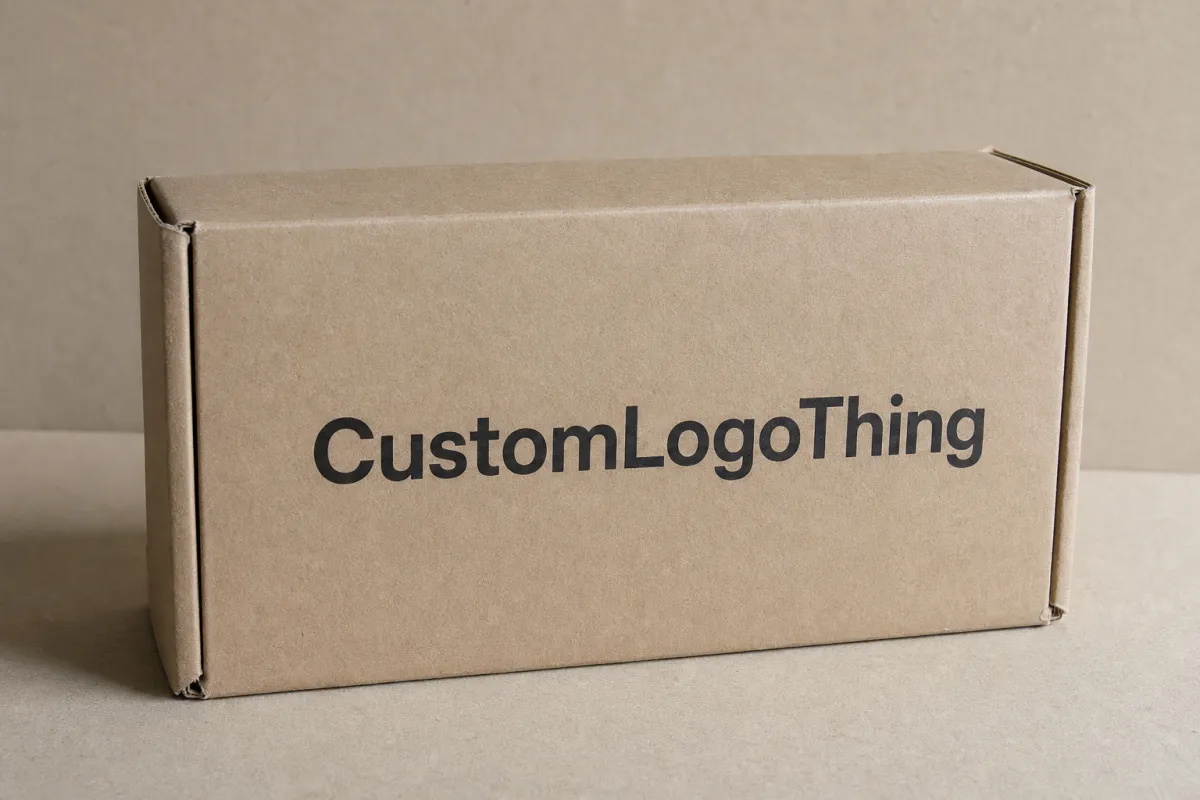
Retail shelves are crowded, and shoppers scan rather than study. They register color, shape, brand placement, and whether the message is legible in motion. A carton with a clear logo reduces friction in that moment. It gives the eye a place to land first. That matters because a shopper who has to work too hard will often move on to the next option.
Packaging also changes perceived value. A 16pt to 18pt SBS folding carton with accurate registration and a controlled matte finish usually signals care and consistency. Put the same product in a muddy design with poor spacing and weak contrast, and the shelf presence drops immediately. The product has not changed, but the package has changed what the buyer expects from it.
There is a practical side too. Clear placement of the brand name, product variant, and barcode makes replenishment easier and helps warehouse teams identify the right item without hesitation. A carton that faces quickly and reads cleanly can save time in stores and distribution centers. That may sound small. Across thousands of units, it is not.
The first physical handshake between brand and buyer happens at the carton. Trust starts there. It can weaken there, too, if the packaging feels generic, crowded, or thin in the hand.
Practical rule: if the logo cannot be read from a few feet away, the package is asking too much of the shopper.
That is why shelf packaging should never be treated as decoration alone. The box has to protect, present, and guide. When those jobs line up, retail cartons with logo become part of the selling system instead of a container with printing on it.
How Retail Cartons with Logo Work in the Packaging Line
The process starts with the product brief, not the artwork. A brand gives the carton supplier the finished dimensions, unit weight, retail channel, fill method, closure needs, and the visual direction for the line. From there, a structural packaging specialist builds the dieline, the flat template that defines folds, glue flaps, tuck points, windows, and cutouts. That template is not a formality. If the panel sizes are off by even a little, the logo can land too close to a fold or a barcode can end up in a dead zone.
Once the structure is settled, the logo is placed to establish hierarchy. The brand name usually needs to be the first read. Product type comes next. Variant, flavor, size, or claim should follow after that. Strong cartons keep the front panel disciplined. They guide the eye with spacing, type scale, and contrast rather than trying to squeeze every message onto the visible face.
After artwork approval, the printer prepares the file for press, and the board is printed, coated, die-cut, and converted. The production flow typically looks like this:
- Artwork review and prepress corrections
- Color proofing and structure confirmation
- Printing on the selected board stock
- Applying coating, varnish, foil, embossing, or spot UV if specified
- Die-cutting and stripping the flat sheets
- Folding, gluing, and carton erection as needed
- Packing for shipment and inventory staging
Special features can be added when the product needs them. Window patches help shoppers see the product. Tear strips improve tamper awareness. Inserts keep fragile items centered. Locking closures, auto-bottoms, and crash-lock styles support line speed or heavier fills. None of those features is free. Each one changes board choice, glue behavior, and conversion complexity. The extra spend can be justified for glass, cosmetics, electronics, supplements, or any item that benefits from a cleaner open-and-close experience.
Proofing is where careful teams save money. A color proof shows whether the logo prints with the expected density and contrast. A structural sample shows whether the carton fits the product and closes correctly. A mockup exposes real-world problems like a barcode crossing a fold or copy that becomes crowded once the box is folded. Fixing those issues before plates, tooling, or press time are committed is much cheaper than correcting them after production has started.
For carton programs that also have to survive harsher distribution, many teams confirm performance with industry test methods such as those published by ISTA. Not every shelf carton needs transit torture testing, but the packaging team should know whether the carton is only for retail presentation or also part of a more demanding shipping lane.
Key Design Factors That Shape Performance
Board selection usually comes first, and it shapes almost everything else. A light cosmetic carton or small accessory box may work with 14pt or 16pt SBS, while a heavier item, a premium product, or something handled repeatedly may need 18pt stock or a stronger alternative. CCNB can fit some applications where print surface and cost control matter. Kraft board often supports a natural or earthy brand position. The right answer depends on product weight, fragility, shelf life, and handling frequency.
Print contrast matters just as much. A logo that looks excellent on a calibrated monitor can fade into the background under fluorescent retail lighting if the background is busy or the color pairing is too close. Strong logo treatment survives glare from refrigerated cases, shelf clutter, and a row of competing SKUs. Finish choice carries the same weight. Soft-touch coating can create a premium feel, but it changes how color and sheen behave. High-gloss finish can make color pop, though it may introduce glare and show fingerprints more readily.
Retail compliance deserves space early in the layout. Barcode placement needs a clean quiet zone. Ingredients, directions, warnings, country-of-origin statements, and other required copy need enough room to remain legible after folding and glue overlap. If the carton includes legal copy or regulatory marks, those elements should be placed early, not squeezed in after the design is already crowded. A good dieline makes the compliance zones visible before the art team gets too far down the road.
Shelf fit gets overlooked more often than it should. A carton can look elegant in isolation and still fail in a planogram because it is too tall, too deep, or too wide for the display tray. If the package will be stacked, corner strength and tuck integrity matter. If it will sit in a counter unit, the front panel has to carry the key message quickly. If it will travel through master cases, dimension control affects freight efficiency and warehouse handling. Packaging that ignores the shelf is only half-designed.
Sustainability belongs in this stage, not in a final cleanup pass. Many brands now ask for recycled board content, FSC-certified sourcing, soy- or water-based inks, and coatings that protect the carton without creating recycling headaches. The Forest Stewardship Council offers useful guidance on responsible sourcing and certification pathways at fsc.org. The greener option still needs to work mechanically; a carton that crushes, scuffs, or prints poorly is not a good decision, no matter how tidy the spec sheet looks.
| Carton Option | Best For | Typical Look and Feel | Main Tradeoff | Relative Cost |
|---|---|---|---|---|
| Standard folding carton | Mass retail, supplements, cosmetics, small consumer goods | Clean, efficient, highly printable | Less tactile presence than rigid packaging | Lowest to moderate |
| Sleeve with inner tray or carton | Products that need visual branding plus partial product exposure | Modern, flexible, presentation-focused | More assembly steps and fit sensitivity | Moderate |
| Rigid-style retail carton | Premium goods, gift sets, electronics, specialty launches | Heavy, substantial, elevated shelf presence | Higher material and labor cost | Highest |
The main lesson is straightforward. Good design is not only about making the carton attractive. It is about making sure the carton can be printed, folded, stocked, sold, and opened without friction. Brand and manufacturing stop being separate conversations at that point.
Production Process and Lead Time for Retail Cartons with Logo
Lead time depends on how much the project asks the factory to do. A standard carton with supplied artwork and a known dieline moves faster than a custom structure with insert requirements, metallic effects, and multiple proof rounds. Most delays are not mysterious. They come from late changes, missing content, or an approval chain that was never aligned before production started.
A disciplined carton program follows a clear sequence. The product brief comes first. That brief should include exact dimensions, unit weight, fill method, retail channel, target carton finish, and any special handling issues such as fragrance migration, light sensitivity, or tamper awareness. The dieline comes next. If the structure is not settled early, every later step gets harder because artwork, proofing, and print-ready files all depend on that shape.
After the dieline, most teams expect at least one proofing stage. Four checkpoints usually matter: an artwork proof, a color proof, a structural sample, and final signoff. Foil stamping or embossing can add tooling time. Special coatings or spot treatment can change the press schedule. Late copy edits tend to do the most damage because they arrive after the printer is already prepared and the calendar is already tight.
Quantity changes the timeline too. A small run may look simple, but setup time is spread across fewer cartons, so the unit economics and scheduling can become less forgiving. Larger runs often lower the unit price, though they can take longer to produce and need more warehouse space. Freight timing matters as well. A carton finished on schedule is not actually in hand until it is packed and moved through the logistics chain.
For many retail buyers, a realistic program timeline includes:
- 2 to 5 business days for quoting and brief review, assuming the specifications are complete
- 3 to 10 business days for artwork and structural proofing, depending on revision count
- 10 to 20 business days for production on standard folding cartons
- Extra time for foil, embossing, specialty coatings, or custom inserts
- Freight time that varies by destination and shipping mode
That frame is a planning tool, not a promise. A carton with simple print coverage and an approved dieline may move quickly. A carton with multiple SKUs, tight compliance copy, or premium finishing can take longer than expected. The best schedule control comes from locking content early and avoiding structural surprises after proofing begins.
Buyer caution: every late change to panel size, barcode placement, or closure style can ripple through the entire job, from prepress to tooling to fulfillment.
Cost, Pricing, and MOQ Factors for Retail Cartons with Logo
Pricing for retail cartons usually comes down to a familiar set of variables: size, substrate, print coverage, finishing complexity, order quantity, and the amount of custom work involved. A small cosmetic carton with one-color print on a standard board can be very different from a premium sleeve with foil, embossing, soft-touch coating, and an internal insert. Each extra step adds labor, material, and setup cost.
MOQ matters because print and conversion equipment have fixed setup requirements. The press needs make-ready time. The die-cutting line needs tooling. The gluer needs adjustment. When the run is small, those setup costs are spread across fewer units, which pushes the per-unit price up. That is why a low-quantity carton can look expensive even if the material itself is ordinary.
Buyers should compare quotes carefully. The cheapest quote is not always the cheapest project. Some suppliers quote only the printed carton body, while others include proofing, die charges, plates, freight, and secondary packing. If those items are hidden or excluded, the landed cost can rise well above the first number on the page. Comparing totals tells the truth better than comparing only the base unit rate.
There is a simple way to think about it. A carton that costs a few cents less per unit can still become the expensive option if it crushes in transit, scuffs on shelf, or requires hand assembly that slows the line. Packaging buyers pay for performance, not paper and ink alone.
| Cost Factor | How It Affects Price | What to Ask Before Approving |
|---|---|---|
| Carton size | Larger blanks use more board and may waste more press sheet area | Can the footprint be reduced without hurting shelf impact? |
| Board grade | Heavier or specialty boards typically cost more | Does the product actually need the stronger substrate? |
| Print colors | More colors often mean more press setup and higher ink use | Can the design be simplified without weakening the brand? |
| Finishes | Foil, embossing, spot UV, and soft-touch add labor and tooling | Which finish supports the product story best? |
| Quantity | Higher volume usually lowers the unit cost by spreading setup across more cartons | Is there a demand forecast that justifies a larger run? |
| Tooling and proofing | Custom dies, plates, and samples can add fixed charges | Are these charges one-time or recurring? |
For planning purposes, many retail carton programs land in a broad range that can look something like this: simple printed cartons may fall into the low cents per unit at larger quantities, while premium cartons with specialty finishes can move into the higher cents or even dollar range depending on structure and volume. That range is wide because the variables are wide. A better quote breaks down unit price, setup, tooling, freight, and any rework risk.
Cost control does not require weakening shelf presence. Standardizing carton sizes across variants can reduce tooling complexity. Simplifying the finish stack, such as choosing a strong aqueous coating instead of layering multiple premium effects, can preserve print quality while reducing cost. Planning runs around realistic demand helps avoid expensive short-run repeats. In some cases, choosing a well-built folding carton instead of a rigid presentation box gives the brand most of the visual benefit at a much better cost point.
Common Mistakes to Avoid Before You Approve Artwork
Logo sizing is one of the easiest places to go wrong. A logo can be well drawn and still fail if it is too small, too pale, or too close to competing graphic elements. Shelf viewing happens at speed. The brand mark needs space. It needs contrast. It needs a clear relationship with the product name. If it is fighting four other visual ideas, the package is already losing.
Missing technical space around the artwork causes a different kind of pain. Bleed, safe area, and barcode quiet zones are not housekeeping details. They are the difference between a clean run and a job that stalls in prepress because the barcode sits too close to a fold or the background runs into a critical edge. Those mistakes are easy to miss on a screen and expensive to ignore on press.
Finish choice can create trouble too. A glossy coating can make a carton look lively, yet the wrong shelf angle can turn text hard to read. Heavy coating may hide scuffs, but some surfaces show fingerprints or abrasion faster than expected. If the carton will be handled in a warehouse, distribution center, or self-service aisle, the finish needs to be chosen with that abuse in mind.
Fit mistakes cost real money. If the board is too light, corners collapse. If the carton is too loose, the product shifts and rattles. If the board is too thick for the closure style, the tuck will not hold properly. A beautiful carton that cannot hold its shape is not finished packaging; it is a production problem with good graphics.
Color approval deserves special care. A screen is not a press sheet. Ink on coated board behaves differently from ink on uncoated board. Warm whites, cooler whites, recycled fibers, and different coating systems all shift the final appearance. Proofs and samples exist for a reason. Signing off from an uncalibrated monitor alone is a bet against the brand image.
These mistakes tend to cause the most pain:
- Placing the logo too low or too small for shelf visibility
- Forgetting barcode quiet zones or safe margins near folds
- Choosing a finish that creates glare or hides fine text
- Approving a carton before testing the actual product fit
- Assuming screen color will match printed board without proofing
Most of them are preventable. A careful prepress review catches them early, when the fix is still cheap.
Expert Tips and Next Steps for a Smooth Launch
Sample kits are the fastest way to get honest feedback. A small set of board stocks and finishes will tell the team more than a dozen emails ever can. One sample may feel too soft. Another may feel right but print the logo less clearly. That tactile comparison matters because retail packaging lives in the hand as much as it does in the camera or on the shelf.
Structural prototypes deserve the same attention whenever the product is new, the closure is unusual, or the display requirement is specific. A digital mockup can catch panel order and copy placement. A physical sample shows whether the carton opens correctly, whether the product moves inside the pack, and whether the front panel truly carries the branding the way the team intended. Fragile or oddly shaped products usually justify the prototype cost quickly.
Internal coordination changes the outcome more than many teams expect. Marketing wants the package to sell. Operations wants it to run cleanly. Purchasing wants a controlled price. Those goals can coexist, but only if the team agrees on the non-negotiables early. The launch checklist should cover packaging copy, barcode testing, regulatory review, final artwork approval, and how cartons will be packed into master cases or shipped to the line.
A simple launch sequence often works best:
- Gather exact product specs and retail requirements
- Request a carton quote with full cost breakdown
- Review the dieline and confirm closure and fit
- Approve the proof only after comparing print, structure, and copy
- Lock the release date only after production and freight timing are realistic
That process sounds orderly because it is. The strongest retail cartons with logo are rarely accidental. They come from careful choices about material, print, structure, and timing.
Brands that want the carton to support a more responsible materials story should confirm recycled content, FSC sourcing, and coating compatibility at this stage. The cleaner the brief, the easier it is to match performance with the desired environmental position. The best carton is not only attractive; it is practical to produce, practical to stock, and practical to explain to the buyer.
One more point that experienced packaging teams learn the hard way: the last 10 percent of the job often decides whether the first 90 percent matters. If a carton looks strong in concept but the barcode scans poorly, the closure pops open in transit, or the logo disappears under store lighting, the design has missed its real test. The takeaway is simple and useful. Before you approve retail cartons with logo, confirm three things on a physical sample: the brand mark reads quickly at shelf distance, the carton fits the product without stress, and the print survives handling in the channel that will actually sell it.
What are retail cartons with logo used for?
They present the product clearly at retail while protecting it from handling, scuffing, and minor compression. They also organize brand identity, product details, and required regulatory information in one package, which helps shoppers understand the offer faster. For many categories, they make the item feel more premium and easier to trust before the carton is even opened.
How do I choose the right board for retail cartons with logo?
Match the board thickness and stiffness to the product weight, fragility, shelf life, and handling conditions. A lighter product may work well in a thinner stock, while heavier or more delicate items usually need stronger board and tighter structural support. Always test the selected board with the actual product before approving full production, because fit and closure behavior matter just as much as print quality.
What affects the cost of retail cartons with logo?
The biggest drivers are carton size, board grade, number of print colors, and any special finishes such as foil, embossing, or spot coating. Quantity matters as well, because setup costs get spread across more units in larger runs. Shipping, proofing, tooling, and custom structural work can also change the final price, so the smartest comparison is a full landed-cost quote, not just a base unit price.
How long does it take to produce retail cartons with logo?
Timing depends on how complete the artwork is, whether the structure is standard or custom, and how many approval rounds are needed. Simple jobs move faster. Cartons with Inserts, special finishes, or heavy compliance content usually need more lead time. A clear proofing and approval process is the best way to keep the schedule stable and avoid delays late in the run.
Can retail cartons with logo be made with recycled materials?
Yes, many cartons can use recycled board and printing systems that support more responsible packaging choices. Water-based inks, lower-impact coatings, and FSC-certified sourcing can all help, but the material still needs to protect the product and print cleanly. The final choice should balance appearance, structure, and shelf performance, because retail cartons with logo have to work in the real world, not just in a spec sheet.


