Retail Merch Beanies Sample Order Checklist for Buyers
A Retail Merch Beanies sample order checklist is what keeps a simple-looking knit cap from turning into a bad bulk order. Beanies conceal problems well in mockups and line art; the first physical sample is where fit, cuff depth, embroidery placement, and color drift finally show themselves. If you skip that step, you are not saving time. You are moving the problem to a more expensive stage.
For buyers, the sample has one job: prove that the product you think you are buying is the product that can actually be produced at scale. That means checking it on real heads, under real light, with the same hang tag, fold, sticker, or polybag you plan to ship. A beanie that looks fine flat on a table can still fail the moment someone wears it.
“A beanie sample is not a formality. It is the cheapest rejection you will ever get.”
Why a sample order saves you from dead-on-arrival beanies
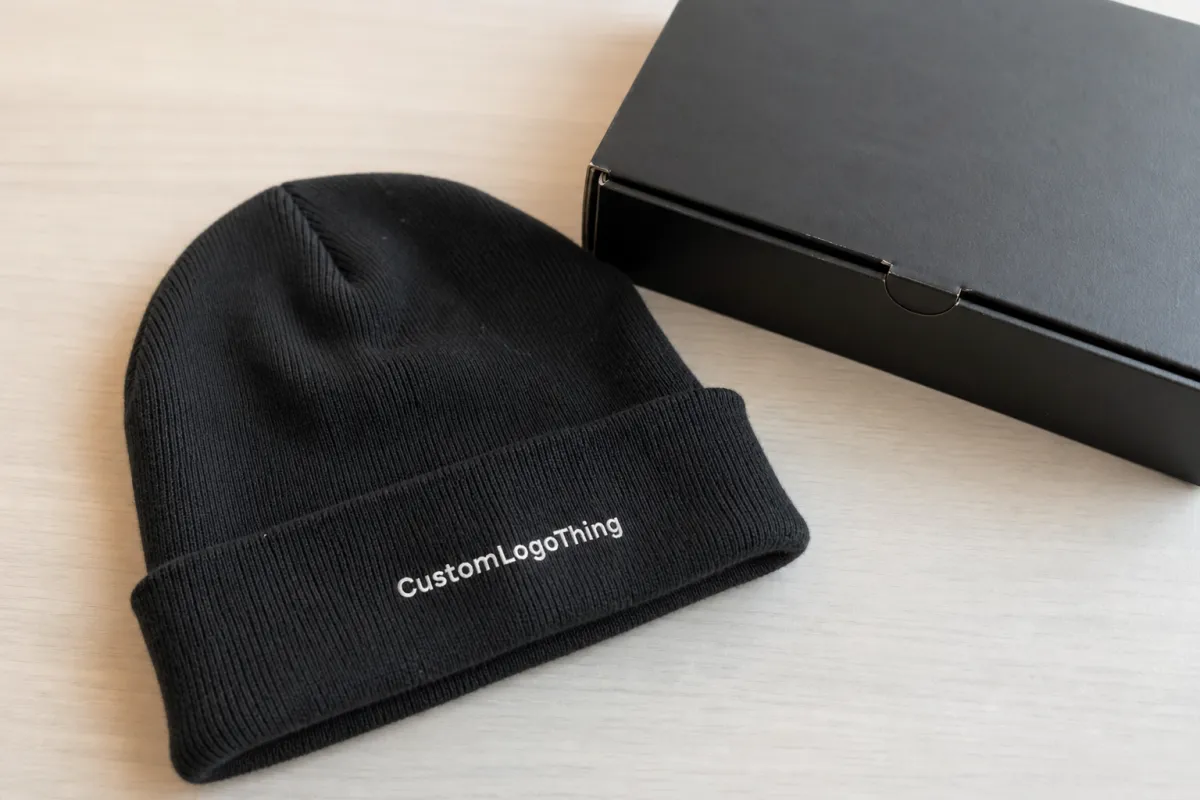
Start the Retail Merch Beanies sample order checklist before you place a bulk order, because a sample exposes mistakes that artwork proofs never show. A 5 mm shift in cuff height can push embroidery too low, hide the logo under the fold, or make the beanie feel off-balance the second someone tries it on. That is not a tiny defect. In retail, it becomes a shelf problem and sometimes a return problem.
Beanies are deceptively simple. They look like one-size-fits-all items, but the knit structure, yarn weight, crown shaping, and cuff depth all affect how they sit on the head. A sample lets you check stretch recovery after the first fit, whether the fabric springs back or stays baggy, and whether the yarn feels scratchy enough to trigger complaints after a few minutes of wear. If the handfeel is wrong, your buyers will notice faster than the factory will admit it.
I also like to treat the sample like a store-ready unit, not a prototype. Put it under bright retail lighting. Attach the hang tag. Fold it the way it will ship. If the product is meant for a gift shop display, test it in that setup. If it is for team merch, try it on a few different head sizes. A sample that looks acceptable in isolation can still fail once it meets a person, a display hook, and a camera phone.
- Fit: check depth, crown height, and cuff coverage on at least three head sizes.
- Logo visibility: confirm the mark stays readable when the cuff is folded and worn.
- Fabric behavior: look for twisting, sagging, pilling, or weak stretch recovery.
- Color accuracy: compare under daylight and indoor retail lighting.
- Packaging: verify the sample still looks retail-clean in the final packout.
That last point gets overlooked constantly. A beanie that looks sharp in a loose polybag may look tired once it is folded into a shelf-ready presentation. Packaging is not decoration after the fact; it is part of the product experience and, in many programs, part of the approval standard.
Retail merch beanies sample order checklist: specs to approve
The retail merch beanies Sample Order Checklist should lock the specs that matter before anyone starts knitting. First: fiber blend. Acrylic, polyester, wool, and blended yarns behave differently, and the price shifts with each one. A basic acrylic cuff beanie may be the right fit for a promotional program. A wool blend usually makes more sense for a premium retail drop. Do not let a supplier swap in a “similar” yarn without written approval. Similar is how buyers end up with a product that misses the brief by just enough to be a headache.
Second: confirm knit gauge, cuff style, crown shape, and minimum stretch. Those details determine whether the beanie feels snug, slouchy, tall, or shallow. The logo method matters just as much. Embroidery gives structure and depth. A woven patch handles finer detail. Jacquard works well for all-over branding, but it changes the knit construction and usually the MOQ. A woven label can look refined, but it will not rescue weak body fabric.
Third: approve placement in millimeters, not in vague language. “Centered” is not enough. “1.5 cm above cuff seam, 2 cm from left edge on the front panel” is the level of precision that keeps everyone honest. Knit products stretch differently on every head, so the logo has to survive movement, not just a flat photo. For color, use Pantone references where possible, plus a physical fabric swatch and a tolerance note. Production rooms love improvisation when the buyer is not specific.
| Decoration method | Typical use | Pros | Tradeoffs |
|---|---|---|---|
| Embroidery | Retail merch, team gear, premium promo | Strong brand feel, good depth, familiar retail look | Less detail on tiny logos, can pucker on thin knit |
| Woven patch | Streetwear, campus shops, gift retail | Sharp detail, clean edge, easy to read | Adds a visible applied piece, slight lead-time bump |
| Jacquard knit | Fully custom retail programs | Integrated branding, no applied patch | Higher MOQ, less flexible on quick changes |
| Woven label | Low-key branding, private-label runs | Low cost, subtle presentation | Not ideal for logos that need strong shelf presence |
Use the sample to test the branding method you can actually support in bulk. A fine-line logo that looks crisp in a mockup may disappear once it is stitched into a ribbed knit. A heavy patch may solve the visibility problem but create a new one if the beanie is supposed to feel soft and lightweight. The sample tells you which compromise is acceptable.
Keep the file clean, too. Save the final artwork, the color callout, the approved placement notes, and the packaging spec in one place. You do not want a “same as sample” conversation six weeks later. That phrase sounds efficient until nobody can remember which version was approved.
Cost, pricing, MOQ, and quote factors that move unit cost
A retail merch beanies sample order checklist also keeps pricing honest. Sample pricing is almost always higher per unit than bulk. You are paying for setup, small-batch handling, and the fact that somebody has to make one correct piece instead of a run of identical pieces. That is normal. What is not normal is a vague quote with no line items.
Ask for separate pricing on the sample, decoration setup, packaging, and freight. Otherwise you are comparing apples to oranges and pretending it is a budget. I prefer quotes that show the factory price, the sample charge, and the landed estimate side by side. If a supplier refuses to break those out, that is a clue.
| Sample type | Typical sample price | MOQ signal | Notes |
|---|---|---|---|
| Blank knit sample | $12-$20 | Lowest | Useful for fit and yarn quality only |
| Embroidered sample | $25-$45 | Moderate | Most common for retail merch approval |
| Patch or label sample | $28-$55 | Moderate to higher | Good for sharper branding and small logos |
| Fully packaged retail sample | $35-$70 | Higher | Best if the final unit ships folded, tagged, and bagged |
MOQ changes with the knit method and decoration method. A plain cuffed beanie may start lower than a fully custom jacquard build or a private-label packout. That is where buyers get tripped up. They ask for a retail finish on a low-volume order and then act surprised when the factory minimum jumps. The quote is not being difficult. The process is.
Use the quote to compare real landed cost, not just unit price. Shipping, duty, relabeling, and inner-pack changes can make the “cheap” option more expensive by the time it reaches your shelf. For packaging-heavy programs, ask whether the sample includes the same carton count, polybag spec, or hang tag stock you expect in bulk. The difference between a simple bag and a retail-ready presentation can be several cents per piece, which adds up fast on 5,000 units.
For buyers who want a rough planning range, a basic sample might land in the low twenties with shipping, while a more finished retail sample can climb into the $40-$80 zone depending on decoration and packout. That is not cheap, but a failed bulk run is pricier. Simple math, no drama.
One practical caveat: the lowest sample price is not always the best path to approval. If the sample is built from a different yarn lot, omits the final label, or skips the retail fold, you may save a few dollars and learn very little. Cheap samples that do not match the final build can create a false sense of confidence.
Process and lead time from approval to bulk production
Your retail merch beanies sample order checklist should include the approval path, because a sample that is “basically approved” is not approved. I like the process to move in a clean order: reference sample or tech pack, price confirmation, sample build, revision round if needed, final sign-off, then bulk booking. Skip the chaos and the production team has less room to guess.
Ask for a realistic lead time range, not a hopeful promise. A simple beanie sample can sometimes move in a few days, but a decorated sample often needs 7-14 business days before shipping, and longer if the yarn must be dyed or the patch needs a separate build. If the season is busy, add buffer. Peak production queues do not care about your launch date.
Get one named approval step and one final sign-off file. That can be a signed PDF, a marked-up photo, or a clear email reply, but it needs to be unambiguous. When a factory sends three slightly different versions and nobody can remember which one was approved, the order slows down and everybody starts pointing at the other side. Avoid that. Confirm the version number, the color code, the placement note, and the packaging spec in one place.
For transit and carton handling, think a step ahead of bulk. If the beanie is going into retail boxes or mailer packs, the outer shipper should survive normal distribution abuse. Packaging teams obsess over this for a reason: boxes get dropped, crushed, and stacked badly. If you want a reference point, the testing framework at ISTA is a sensible place to start, and yes, the carton has a job too.
If your launch date is fixed, back-plan from the ship date and include correction time. A second sample round, color adjustment, or packaging rework can easily add another week or two. That is not the end of the world. It is just the part buyers forget to budget for.
There is also a timing trap around sample seasonality. Knit factories often run hotter in fall and winter, which is exactly when many merch programs launch. A process that takes ten days in a quieter month can slide when the queue is full. Build that reality into your schedule instead of assuming your order gets special treatment because the calendar is tight.
What makes a beanie sample actually retail-ready
Not every good-looking sample is retail-ready. That is the annoying truth. A retail-ready beanie has to survive close inspection, not just a quick thumbs-up from someone standing across a conference table. The seam finish should be clean. The label should sit straight. The embroidery should not pull the knit body. And the handfeel should survive a buyer picking it up, stretching it, and folding it twice.
Check construction quality line by line. Look for loose threads inside the cuff. Feel the crown seam. Make sure the logo area sits flat instead of rippling. If the beanie is meant to feel premium, the yarn choice matters as much as the decoration. A soft acrylic can work for many retail programs, but if the fabric pills after a single rub test, that style is not premium no matter what the mockup said.
Packaging matters early, not at the end. If the beanies will hang, fold, or ship in polybags, the sample should show that final presentation. A retail beanie that arrives with the logo hidden by a fold, or a tag that lands in the wrong place, will hurt conversion. Buyers do not pay extra for a clean photo and a messy opening experience.
Before you approve bulk, run a wash and stretch test on the sample. One wash cycle can expose shrinkage, twist, and color bleed. For certain programs, I also like to compare the sample against paper or carton components that carry the branding, especially if you are using FSC-certified paper stocks for tags or inserts. If that matters to your buyer, the FSC standards are worth checking before the print run starts. A beautiful beanie attached to weak packaging still feels unfinished.
Here is the fast retail-readiness check I use:
- Fit: comfortable on a range of heads, not just one.
- Logo placement: aligned, visible, and consistent with the approved measurement.
- Seams and stitches: tidy inside and out.
- Color: acceptable against swatch under daylight and indoor light.
- Packaging: the final folded state looks intentional, not improvised.
For custom merchandise, that is the line between “sample approved” and “we should probably fix that.” The second phrase costs less. It is also the one you want to hear before the order gets locked.
One more practical check: photograph the sample the way your buyers will see it. A product that reads well in hand may not read well in a thumbnail if the cuff, logo, and fold do not work together. That matters more than most teams admit, especially for online assortment pages and wholesale line sheets.
Next steps to place a clean sample order
If you want the order to move quickly, send one decision-ready message with the retail merch beanies sample order checklist attached. Include reference photos, logo files, target price, size or color choices, and the packaging path you want. Do not make the supplier hunt for basics. The more they have to chase, the more time you lose.
Then ask for sample timing, revision limits, and bulk MOQ in the same reply. That gives you a real feasibility check before you spend money. If the answer says the sample takes 10 days, the revision takes another 7, and the MOQ is higher than your budget, that is useful information. It is much cheaper to hear it now than after three rounds of back-and-forth.
Use this order of operations:
- Confirm the exact beanie style and decoration method.
- Approve measurements, yarn blend, and color references.
- Request a sample quote with setup, shipping, and packaging broken out.
- Review the physical sample under real use conditions.
- Sign off in writing only after fit, logo, and finish all pass.
If anything fails the checklist, fix it before bulk. That is the whole point. The sample is the last cheap chance to catch errors, and the cheapest time to correct a cuff issue is before 500 units are sitting in a warehouse looking innocent.
For buyers moving into volume after approval, the next stage is usually a disciplined production handoff: the same artwork file, the same measurement notes, the same packaging spec, and the same color reference. The fewer moving parts, the fewer ways the order can drift.
FAQ
What should be on a retail merch beanies sample order checklist?
Fiber blend, knit style, cuff shape, logo method, and exact placement measurements. Add color reference, packaging choice, target price, and the final approval file format so the factory is not guessing.
How much should a beanie sample cost?
Sample pricing is usually higher than bulk because setup and small-batch labor are built in. Ask whether the quote includes decoration, packaging, and shipping, or those costs will show up later and distort the budget.
What MOQ should I expect for custom retail merch beanies?
MOQ depends on knit construction, decoration method, and packaging requirements. Simple cuffed styles usually start lower than fully custom knit or private-label builds, especially when the order needs a retail finish.
How long does retail merch beanies sample production take?
Simple samples can move in a few days to about two weeks, depending on workload and method. Add time for revisions, color matching, and shipping if the launch date is fixed.
What should I approve before bulk beanie production starts?
Approve fit, logo placement, color, seam quality, and packaging, not just the mockup photo. Use the actual sample as the standard, then sign off in writing before the bulk order releases.

