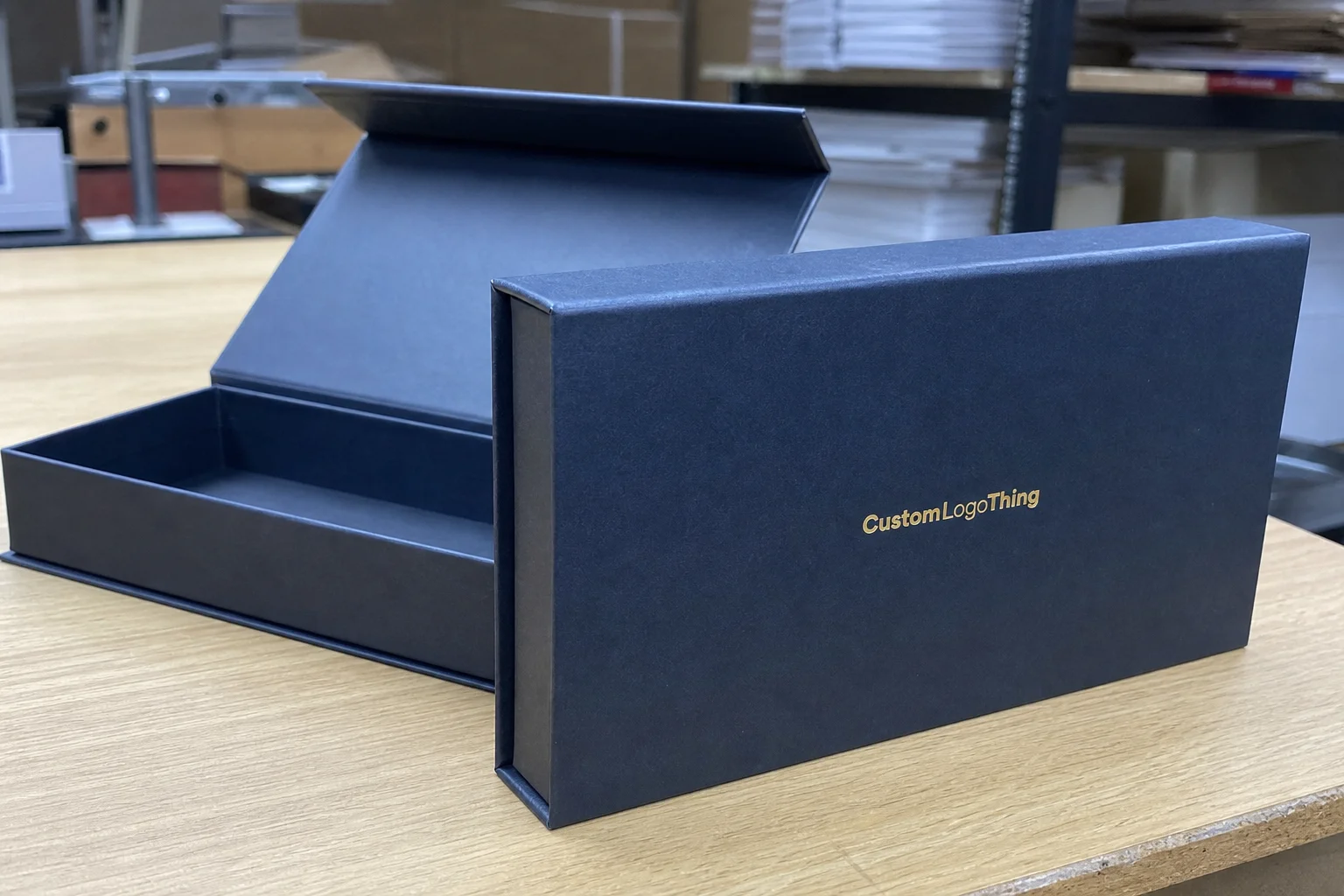
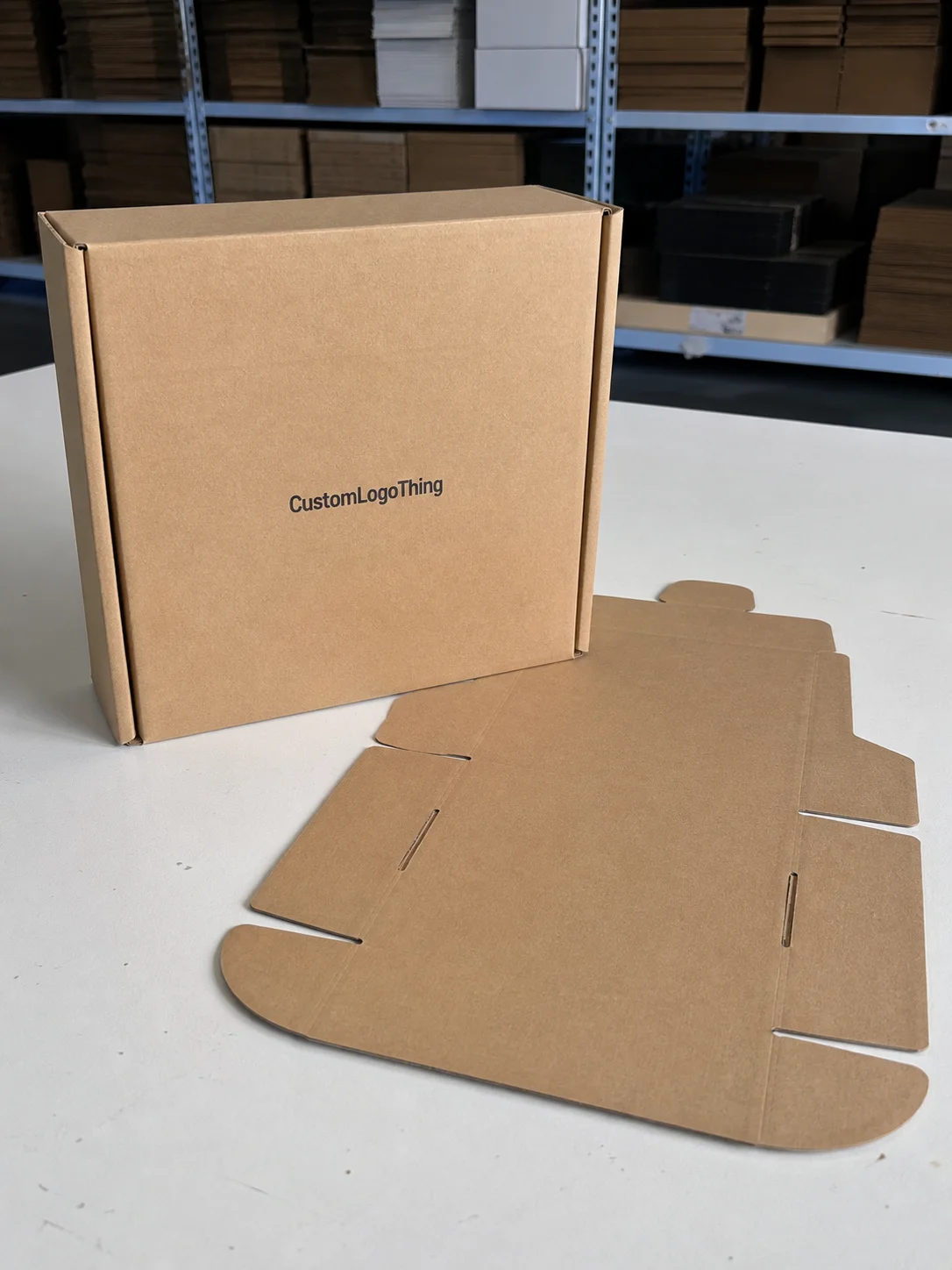
Buyer Fit Snapshot
| Best fit | Shipping Boxes Manufacturer Insights You Need projects where brand print, material claims, artwork control, MOQ, and repeat-order consistency need to be specified before quoting. |
|---|---|
| Quote inputs | Share finished size, material target, print colors, finish, packing count, annual reorder estimate, ship-to region, and any compliance wording. |
| Proofing check | Approve dieline scale, logo placement, barcode or warning zones, color tolerance, closure strength, and carton packing before bulk production. |
| Main risk | Vague material claims, crowded artwork, missing packing details, or unclear freight terms can make a low unit price expensive after revisions. |
Fast answer: Shipping Boxes Manufacturer Insights You Need should be specified like a repeatable production item. The safest quote records material, print method, finish, artwork proof, packing count, and reorder notes in one written spec.
Production checks before approval
Compare the actual filled-product size with the drawing, then confirm tolerance on folds, seals, hang holes, label areas, and retail display edges. Reserve space for logos, QR codes, warning copy, and material claims before decorative graphics fill the panel.
Quote comparison points
Review material grade, print process, finish, sampling route, tooling charges, carton quantity, and freight assumptions side by side. A quote is only useful when the supplier can repeat the same color, closure quality, and packing count on the next order.
I’ve seen co-packers scramble because the wrong shipper arrived on a Monday with a 25-foot container, so hiring a dedicated shipping boxes manufacturer isn’t just another vendor decision—it becomes the difference between a launch that hits retail dates and pallets that turn into liability fees. In Shenzhen, that same client needed a run of 10,000 B-flute boxes for electronics, yet we had to rebuild protective inserts overnight because the factory defaulted to cheap E-flute and the insertion aligner jammed; the rush added $0.22 per insert and dragged 48 extra hours before the 3:00 a.m. courier could lift the freight. That pressure is real when ecommerce shipping calendars, order fulfillment expectations, and retailers demanding perfect cartons stack on your desk every quarter, and you learn quickly the right corrugator partner either keeps your lanes clear or throws paddles in every wheel. Every time that happens you end up wondering if the supplier sees you as a strategic partner or just another PO number.
This layout spells out the 12-week playbook with 14 business days allocated to dieline approval, 10 days to cut tooling, sample approvals locked in week three, and final pallet loading by week six so your ops team, design partner, and freight forwarder all share the same goals and no one misreads the expectations. Pair those deadlines with a Friday afternoon quality call and you can hold the shipping boxes manufacturer accountable to the detailed routing schedule that keeps every pallet shipment predictable from Guangzhou to Los Angeles. We all know what happens when that call slips—suddenly the supplier is racing to make a correction while the freight forwarder rings you at midnight. When the routing stays transparent, every stakeholder sees the same milestone list and the push for ASN data becomes an agreed outcome, not a surprise.
I remember when I was the one on a 6 a.m. call with a shipping boxes manufacturer in Shenzhen, trying to convince them that the board they pulled was C-flute, not EB, and the only reason I didn't sound like a broken record was because I pictured the factory as a calm documentary set (which is a lie; they were anything but calm). The 42-minute conversation included reading off a 2.5 mm caliper tolerance, re-capping the 0.08-millimeter registration chart, and noting the press had already run 16 hours, so the only thing cooler than the line was my laptop battery—it was business cardio, and yes, I now carry at least three chargers because those calls drain batteries faster than I thought. Those calls remind you not to treat a shipping boxes manufacturer like a checkbox; if you want reliability you have to bring data, dignity, and a backup source of power to the table.
Why a Shipping Boxes Manufacturer Matters
My first visit to a Guangdong plant still feels like punishment therapy for any optimist who thinks corrugated is “just cardboard.” I watched a shipping boxes manufacturer toss three pallets of perfectly cut stock because the printer’s color registration did not sync with the die-cutter, leaving the pallets shredded while the line manager insisted the run “was ready to ship.” Each discarded pallet represented 1,560 units, $780 in substrate, plus the 90 minutes lost while the die was cleaned.
The incident proved something crucial: a shipping boxes manufacturer is not the same as a generic corrugator. Corrugated mills churn out cases, but a dedicated box maker threads CAD proofs, specialized tools, and precision finishing together so every fold, every window, and every glue flap aligns with your logistics plan. That Dongguan plant supplied Amazon’s regional vendors with 52,000 units a month, but only after tooling tolerances tightened to ±0.5 millimeters and pallet stacking heights locked at 48 inches to avoid forklift damage and waste in shipping materials; they kept a 0.3% defect rate because they documented 12 checkpoints across the run.
What matters most? Consistency, packed pallets, and predictable shipping lanes. Once you lock an order with a serious facility, they wrap cartons in stretch film, label each pallet with ASN information, and stage loads for a 7-day rail window that leads directly into the Longhua consolidation yard. Predictability reduces surprises, smooths fulfillment with specific Saturday cutoffs, and gives you realistic timelines for retailers that demand both cartons and ASN data by Friday noon.
Shipping Boxes Manufacturer Process & Timeline
The workflow looks simple on paper and brutal in execution: design brief, dieline proofing, custom tooling, pre-production sample, full run, quality checks, staging. The average shipping boxes manufacturer I work with requires around four weeks for a custom corrugated run, from artwork approval to loaded pallets. That window includes seven days to proof dielines in a 350gsm C1S artboard, ten days to cut tooling (60–70 kilograms of steel), five days for a soft-touch laminated sample, and two weeks for the actual run with quality checks logged at each shift change in the Dongguan facility’s SAP Business One dashboard. I write all of this into the master spreadsheet so nobody forgets the seven-day gap between the die-maker and the gluer.
Stock or pre-existing boxes ship faster—expect two days to pull and release from inventory. Those timelines make aligning launch windows non-negotiable because retailers don’t accept excuses about late tooling. During a cosmetics launch for a Vancouver retailer, the manufacturer insisted on a three-week buffer even with expedited pre-production samples, and we still needed to keep defect rates below 0.4% to protect our dock schedule and avoid Amazon’s 2% penalty for late totes; that sequence included daily photo checks with at least 30 images per build. Those photos become the only evidence you have if the warehouse claims a carton warped in transit.
Buffer weeks absorb supplier delays, which are inevitable when tooling hits a 12-hour halt for maintenance or raw board shortages from the Kaohsiung mill. Those buffer weeks give you slack without disrupting fulfillment rhythm, and they are kinda the difference between a manageable hiccup and a crisis. We keep progress visible with project management tools such as Monday.com or AirTable, logging milestones for tooling readouts, color approvals, photo checks, and pallet staging—each milestone tagged with a date, owner, and the shipment’s U.S. port of entry. That transparency keeps everyone aligned even when the factory works a different shift or continent.
Honestly, I think those buffer weeks save more relationships than any ops manual; the moment the shipping boxes manufacturer hits a 12-hour stop for maintenance at Dongguan’s third shift, the whole schedule wants to go on strike, and suddenly you’re picking up the phone like a detective solving a missing-pallet mystery (yes, even when I would rather be asleep). Adding a 72-hour buffer for tooling polish lets the factory resolve that stop without pinging the freight forwarder or triggering detention fees at the Port of Los Angeles. It also gives you breathing room to share updated timelines with procurement and the retail compliance team.
How Can a Shipping Boxes Manufacturer Keep Launches on Schedule?
Keeping a launch on schedule requires the shipping boxes manufacturer to be part of the gating call, not a downstream checkbox. When our operations teams map each milestone—dieline sign-off, sample run, QC call—they treat the supplier like the orchestrator of inbound and outbound windows, so even a mid-run humidity spike is flagged before the 72-hour buffer becomes a kiln. That same meeting includes the freight forwarder, so the ASN, dock appointment, and pallet staging share one choreography instead of three separate dramas.
Treat custom corrugated boxes like new SKUs; when the shipping boxes manufacturer sees the mock-up, they know whether the matte varnish, adhesives, and ink coverage will comply with your stack test, and they can adjust humidity or fan speeds during the run before any pallets ship. When proofs show the wrong grain direction, you can catch it before the trucker hits the highway, and the sample’s delta E becomes a conversation instead of a crisis. Pulling that supplier network into the data room early keeps everyone honest about which run is next and which slots are already booked.
Pull the corrugated supplier network into that data room so you know if the steel tools are shared across runs, which keeps tooling swaps from sneaking into your planned inspections. The shipping boxes manufacturer that updates you on which supplier is shipping extra liners or reinforcing tapes lets you plan contingency freight and keeps that 0.3% defect target intact. We also pin a backup timeline to the door so the moment humidity spikes or ink dries slower than expected, everyone sees the alternative plan.
Shipping Boxes Manufacturer Pricing Playbook
Cost drivers include board grade, print complexity, run length, finishing, and freight to your warehouse. A run of 5,000 kraft B-flute containers printed with single-color flexography averages $0.32 per unit ex-works. Add UV coating on both sides plus gradients and the price jumps to $0.58. Digital presses shake up short runs, but once you cross 3,000 units the per-piece cost spikes unless the artwork stays consistent across SKUs, so we usually lock color separations in the first proof to avoid a $0.03 reprint penalty.
Negotiations turn tactical quickly. I pushed Linyi Packaging from $0.42 to $0.37 per box by pooling prints for two SKUs and insisting on a shared tooling run. The supplier, who typically charges $1,150 for tooling on each die, agreed to amortize a single $1,800 die across both jobs and promised to hold it for three months without extra fees—something they only offer when the customer commits to a minimum of 12,000 units over two runs. These moves work only if you understand both the supplier’s fixed costs and your own volume requirements.
Calculator spreadsheets or supplier portals help compare price tiers. Input board grade (B versus C flute), print colors, run length, finishing, and freight costs to spot where savings dent quality. Downgrading from water-based inks to cheaper solvent-based ones lowers costs by $0.04 per unit but raises VOCs and weakens partnerships with sustainability-aware brands like those shipping from Seattle to San Diego. Always ask for itemized quotes that include GST where relevant, and cross-check freight terms—FOB, EXW, DDP—to dodge surprise trucking fees and to know whether the supplier is covering the Huangpu port drayage or leaving it to you.
Here’s a quick comparison table of three common runs I vet with clients frequently:
| Option | Unit Price (EXW) | Board & Print | MOQ | Lead Time |
|---|---|---|---|---|
| Eco-friendly single-color | $0.30 | C-flute, soy-based ink, matte varnish | 6,000 | 4 weeks |
| High-detail full-color | $0.58 | B-flute, CMYK + PMS, aqueous coating | 5,000 | 5 weeks |
| Digital short run | $0.75 | EB flute, direct UV print | 1,000 | 10 days |
There’s also that moment when the shipping boxes manufacturer quotes a price and I want to reply with, “Are you including dragon boat racing fees?”—but I keep it professional, jot down the numbers, and ask for a breakdown anyway, because I know that same quote could wiggle ten cents per unit if the ink change takes five minutes longer than their estimate or if their supplier in Huizhou short-ships pigment. Items like the 12-point board test or the automatic glue cursor contribute to that variance.
Understanding lower quality’s sting and price fairness’s reward keeps your budget honest. If freight is quoted EXW, add trucking and customs brokerage. For example, I set aside $0.06 extra per box for trucking a cosmetic run from Huangpu to Longhua plus $420 for documentation, and I log every invoice in a shared Google Sheet so finance can reconcile those numbers with the final landed cost.
Step-by-Step Guide to Partnering with a Shipping Boxes Manufacturer
Begin with a vetting checklist: certifications, lead time, tooling fees, sustainability claims, and reference accounts. Request proof of ISTA 6-Amazon certification or ASTM D4169 if you are shipping fragile skincare, and when a supplier claims FSC-certified board, demand the license number or a photo of the certificate pinned at their quality desk in Foshan; I log these details in a shared CRM for procurement. No fabrications, no “paper-only” claims.
Evaluate samples with a suspicious auditor’s eye. Digital proofs help, yet nothing beats a 1:1 sample with the actual board, ink, and adhesive. I’ve observed alignment shift by 1.5 millimeters after the corrugator warms up, so always ask for a second sample after the press has run for a full hour—marking the second sample “post-stabilization” on the sign-off sheet so both QA and your fulfillment partner know what to expect.
Confirm your fallback design before issuing a PO. If color tolerances exceed ΔE 2.0, the supplier should offer alternate substrates or an approved reprint plan. During my latest negotiation, I secured rush options in writing—one week for a rerun, two days for urgent QC after damage, and 12 hours for emergency shipping lanes—and we documented those clauses in a three-page addendum so the partner could not skip the promise just because their freight forwarder was delayed.
Communication cadence makes or breaks the relationship. Kickoff calls set expectations, yet weekly updates sustain momentum. Request photo checks before shipping, insist on staging photos with pallet counts and ASNs, and confirm warehouse receipt within 24 hours of delivery. Whether the manufacturer uses SAP Business One or relies on WhatsApp at odd hours, ensure contact windows are clear, such as “Monday through Friday, 8:00–17:30 Guangdong time,” and that someone in your team has the same timezone listed in their calendar.
Common Mistakes Brands Make with Shipping Boxes Manufacturers
Skipping mock-ups and assuming digital proofs are enough is a frequent trap. I once paid for 30,000 cartons before spotting a 90-degree rotation in the digital dieline, so every tuck flap missed the glue; the correction cost us $2,100 in retooling and an extra five days on the dock. Testing a mock-up first, ideally with your fulfillment partner handling it, catches alignment problems before they become inventory losses.
Vague specs invite guesswork. Without board strength, gloss level, or inner cushioning spelled out, you could receive 350gsm C1S instead of the required 450gsm B-flute that handles stacking loads for light fixtures shipped from Shanghai to Melbourne. Spell out package protection requirements, dimensional weight constraints, and whether inner partitions or void fill are necessary. If your corrugated supplier can’t cite the caliper test or ASTM certificate, that’s the moment you stop the line and get the right board, because clarity prevents “close enough” excuses and keeps ERPs in sync with quality inspectors.
Ignoring freight consolidation leads to surprise trucking fees and missed retail windows. Ships, rails, and trucks surge rates during peak seasons. I watched a manufacturer stage 200 pallets with no outbound broker, forcing a $1,200 rush truck; consolidating with logistics partners usually costs $780 and keeps delivery windows tight—decision makers at the Seattle fulfillment hub still remind me of that $420 difference every quarter.
I was so frustrated once that I nearly used the pallet stack as a makeshift soapbox, yelling across the warehouse that flexibility is fine but “close enough” is how tens of thousands of boxes start a life of flop-happy chaos. The floor manager in Dongguan laughed, then did the right thing, but not before I learned to breathe through the stress exercises every coach says you can skip in a crisis and documented those breathing reminders in the ops manual.
Hard-Won Expert Tips from the Floor of a Shipping Boxes Manufacturer
Negotiations taught me to bring pallet requirements, full pallet height, warp tolerance, and MOQ expectations. When I met the quality manager at Guangzhou’s Sihang Plant, they wanted my pallet height (45 inches max) and automatic warpage limit (0.5 inches at 48-hour humidity). That info let them program the folder gluer correctly and avoid 150 damaged boxes in one shift.
Factory tours revealed the best moment to lock tooling—during the afternoon shift when the press runs quiet and operators stay unchanged for four hours. Second shifts tend to be distracted, and tooling calibrations get bumped. At Dongguan, the tooling engineer explained that costs rise by $120 if the tool idles overnight, so timing spared money and schedule; we now book Monday afternoons for die changes and keep Tuesday as inspection day.
Use a dedicated logistics partner so the shipping boxes manufacturer stays focused on craft instead of exports. Manufacturers typically don’t handle customs or warehousing; they excel at corrugation and adhesives. Bring your customs broker to the PO so the manufacturer concentrates on board quality while the logistics partner coordinates pickups, sealing mats, and trucks with air-ride suspension for fragile items, especially when you ship to high-value clients in Toronto or Chicago.
Actionable Next Steps with Your Shipping Boxes Manufacturer
Here’s the to-do list: gather dielines at 300 dpi, confirm board specs such as 350gsm C1S or 440gsm B-flute for the custom corrugated boxes, request a sample run with the exact finish, check certifications, and schedule the first quality call two weeks before the launch. Verify whether you need FSC-certified fiber or recycled content, alert the supplier to package protection requirements for returns, and make sure everyone knows which inks satisfy your sustainability reporting and the shipping lane weight restrictions.
Map a launch calendar with buffer weeks for corrections, approvals, and final inspection. I build a Gantt chart for every launch, tracking deadlines for dieline approval, board-grade confirmation, tool-making, sample sign-off, and inspection. That visibility shows how a seven-day tooling delay ripples into the inbound freight window in week four, particularly if the dock appointment is locked for Friday morning with the Los Angeles consolidation hub.
Lock in logistics and confirm delivery windows so the shipping boxes manufacturer understands exactly when their rack must ship. Provide dock appointment windows like “Inbound Dock F, 8:00–12:00 Monday” and insist on proof of shipment with tracking numbers. Missed appointments or unexpected detention fees derail plans faster than any other hiccup—detention can add $65 per hour after the first free two hours at the LA terminal.
Don’t wait until the pallet is on a truck to remind your shipping boxes manufacturer about the dock window—tell them up front, share the confirmation email, and (if you’re like me) tape a sticky note to your planner that blinks “dock time” every Thursday night so the reminder travels with you through the weekend.
Following these steps and communicating clearly with your team and manufacturer moves you from reactive to strategic, treating your shipping boxes manufacturer as a true launch partner instead of the final checkbox on your procurement list, particularly when new SKUs hit the two biggest seasonal launches in November and June.
FAQs (Schema-friendly answers below)
How do I vet a reliable shipping boxes manufacturer?
Request certifications, visit the plant if you can, or ask for detailed photos and videos of the press floor. Push for at least one ISTA-6-Amazon or ASTM D4169 report, plus proof of the corrugator and folder gluer stations. Checking references for similar orders, confirming tooling ownership, and reviewing quality control steps—especially defect rates over the last three months—makes your decision data-driven.
What should I expect to pay a shipping boxes manufacturer for custom corrugated?
Prices vary by board grade, print colors, and quantity; expect anywhere from $0.30 to $0.75 per box for runs between 5,000 and 20,000. Factor in tooling fees (usually $1,000–$1,500 per die), dieline setup, and freight. Many suppliers quote EXW, so add trucking to your warehouse or fulfillment center.
How long does a shipping boxes manufacturer take from design to delivery?
A standard custom run takes four to six weeks, with extra days for samples or approvals. Rush projects can squeeze into two to three weeks if you lock tooling, artwork, and payment up front. Always allow a buffer week so you aren’t chasing new dates every time the plant has maintenance shutdowns.
What materials should I specify with a shipping boxes manufacturer?
Match board grade to product weight and stacking demands—EB flute for light items, B-flute for protection, and C-flute for structural shelving. Ask about coatings (matte, high-gloss) and eco-friendly fibers if sustainability matters. Mention package protection needs, such as two inches of buffer foam or polyethylene liners.
Can a shipping boxes manufacturer handle small batch custom orders?
Some can, especially when they offer die-less finishing or digital print; expect slightly higher per-unit costs. Negotiate shared setups or combo runs with other SKUs to reduce the impact of smaller quantities. If you plan a larger run later, ask if they will hold the die for a discounted fee of $120–$150 per month.
Remember that a disciplined shipping boxes manufacturer keeps pallets aligned, timelines solid, and fulfillment partners ready; if you lose that rhythm, those dock appointments become your worst enemy. Keep the conversation structured, track the data, and you will no longer chase a container stuck on the wrong dock in Busan because you missed the planned 08:00 gate slot.
For reference, the Custom Packaging Products page documents runs of 1,000 to 50,000 units, the About Custom Logo Things section explains the principles we defend, and the Custom Shipping Boxes plus Custom Poly Mailers pages show how lead times align when you plan combined freight. Reference the Institute of Packaging Professionals for standards and ISTA for shock and vibration testing details you should require from your supplier so everyone speaks the same language on quality.
I’m Sarah Chen, and these are the hard-earned notes from factory floors in Shenzhen and Dongguan, heated negotiations in Guangzhou, and shipping lanes that demand respect.
Actionable takeaway: I’m gonna share the dock appointment, QC checklist, and ASN window with every shipping boxes manufacturer by the first Friday after tooling approval so the team can stage pallets without chasing detention fees, and you should lock that communication in your own calendar before the next launch arrives.
Related packaging resources
Use these related guides to compare specs, costs, quality checks, and buyer decisions before making the final call.