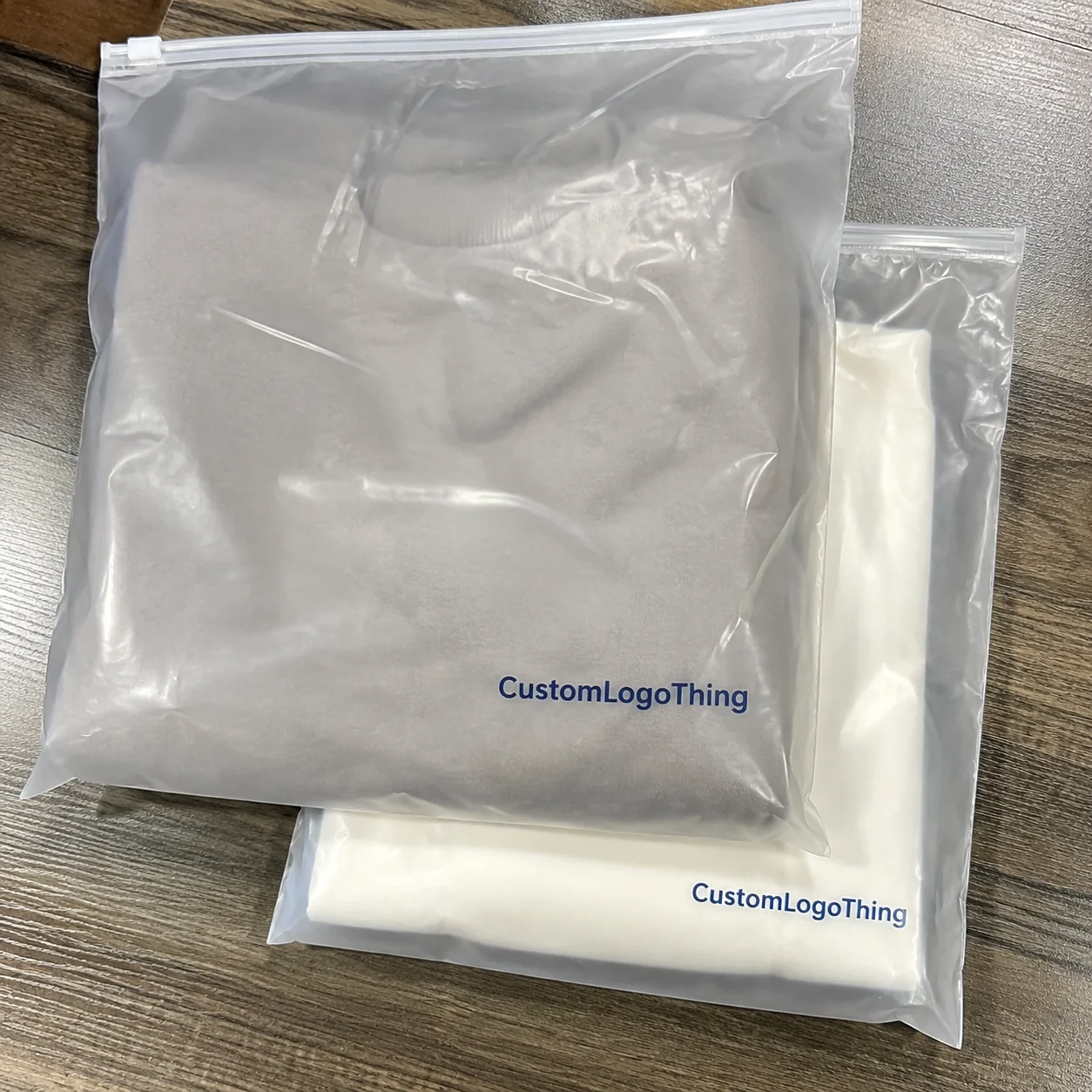
Skincare Heavy Duty Garment Bags Factory Quote
What looks like a simple packaging request usually hides a long list of decisions. A skincare heavy duty garment Bags Factory Quote is not just a price for plastic with a zipper or flap; it is a summary of resin choice, film gauge, closure strength, print method, carton packing, and the kind of abuse the bag is expected to survive before it reaches the customer.
That distinction matters more in skincare than many buyers expect. Premium kits, spa uniforms, robe sets, retail gifts, and influencer mailers all depend on presentation. If the bag splits, clouds up, scuffs badly, or arrives warped, the rest of the package has to work harder to recover the brand impression. One weak component can make the whole set feel cheaper.
Buyers often start with the unit price and only later discover the real cost sits in the handling. A bag that saves two cents can become expensive if it slows kitting, increases repacks, or forces a line to stop and sort damaged pieces. The best quote is the one that makes those trade-offs visible before production starts.
Why skincare buyers stop pricing these like ordinary poly bags
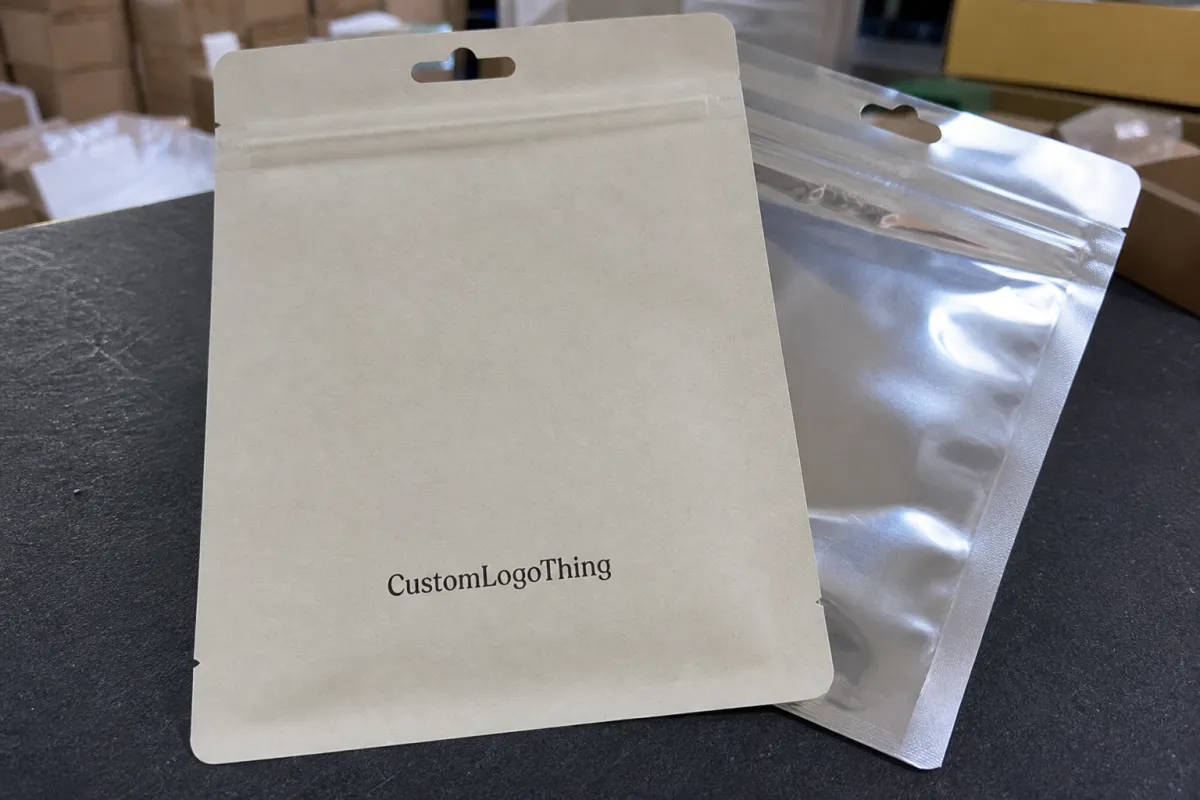
The first mistake is assuming all heavy-duty bags are interchangeable. They are not. A bag used for storage in a back room can tolerate a different structure from one that moves through warehouse handling, retail packing, and customer unboxing. Once a bag has to protect folded textiles, insert cards, and branded presentation, the spec becomes part of the product.
Small changes in film thickness or seal quality can have outsized effects. A 0.02 mm difference may sound trivial, yet it can change puncture resistance, stiffness, and the way the bag folds in a carton. That matters when workers are packing hundreds or thousands of units and need each one to behave the same way.
The arithmetic is unforgiving. If a project runs 10,000 pieces and a lower-priced option saves $0.03 per bag, the apparent saving is $300. That same run can lose more than that if even a small percentage of bags split, wrinkle, or need to be repacked by hand. Packaging buyers learn quickly that labor, rework, and returns erase savings faster than material buyers expect.
The cheapest quote usually wins only the first spreadsheet. The better one wins the receiving dock, the pack line, and the returns report.
That is why a skincare heavy duty garment Bags Factory Quote should be read as a production plan, not a line item. If the factory understands how the bag will be used, the numbers become useful. If it does not, the quote can hide problems behind a low unit price.
There is also a handling issue that does not show up in a spec sheet. A bag that is too slick can slide around during packing. A bag that is too stiff can resist folding and add seconds to every pack. A bag that is too thin can create visible stress marks or edge curling. None of those problems are dramatic in isolation. Together, they can turn a tidy packaging program into a messy one.
Skincare heavy duty garment bags factory quote: what a factory should define
A serious quote starts with material structure. LDPE gives a softer hand feel, better flexibility, and a slightly more premium look when clarity matters. HDPE is crisper, often lighter, and can reduce cost, though it may feel less luxurious. Mixed-film structures sit between those two and are often chosen when a buyer wants toughness without a heavy or overly rigid bag.
The factory should state more than just the resin name. Ask for the grade, whether the film is virgin, recycled-content, or blended, and what the target gauge is. If the program uses recycled content, ask how much haze or color shift is expected. That is not a defect by itself, but it should be disclosed because it affects shelf appearance and print sharpness.
Heavy-duty is not a marketing label. In many garment and kit applications, the useful range sits around 80-120 microns, though lighter or heavier builds may be appropriate depending on use. A 50-micron bag can work for a light inner sleeve. A 100-micron bag is better when the pack will be reopened, handled repeatedly, or stored for a longer period before use.
Closure choice changes the quote just as much as film choice. A zipper adds convenience and repeat access, but it also adds cost, assembly time, and another point that must be tested. A resealable flap is simpler and often more economical. A hang hole helps with retail presentation or storage. Gussets increase capacity and keep folded robes or layered kits from crushing the seams. Reinforced seals are worth asking for when the contents are bulky or irregular.
Visual finish matters in skincare packaging because the bag sits close to premium branding. Clear bags make inspection easy and show the product inside, which helps line-side checks. Frosted bags hide fingerprints, scuffs, and mixed textures better. Printed bags can hide minor film variation and make the pack feel more deliberate. The wrong finish can make a good product look accidental.
Dimensions, film thickness, print, and finish to lock down
Start with the packed product, not the empty bag. Width, height, and gusset depth should be based on the folded item, plus room for zipper tracks, hanger clearance, insert cards, or any tissue wrap that sits inside. A robe that folds neatly on a table may still stress the seams once the real insert stack is inside. The safest approval comes from a sample packed with the actual contents.
Ask for exact dimensions in millimeters or inches and insist on tolerance. A vague instruction such as “make it large enough” does not help anyone. A bag that is 5 mm short can look fine on paper and fail on the line. A bag that is too generous can shift in the carton, wrinkle, and look underfinished once it reaches the customer.
Thickness should be listed with a preferred unit and a tolerance band. Microns or mils are fine as long as the numbers are consistent. One factory may quote 90 microns and another 100 microns, yet the feel difference can be significant. Thicker film generally improves puncture resistance and stiffness, but it can also make folding slower and can increase the risk of bulky corners if the product is packed by hand.
Print and finish belong in the same discussion. One-color logo print is usually the cleanest way to keep costs under control while still giving the bag identity. Full-panel branding looks stronger but increases setup, spoilage, and proofing effort. Matte finishes hide glare and fingerprints. Gloss finishes can make color pop, but they also show handling marks more easily. If branding must stay crisp after shipping, request a physical proof on the actual film rather than relying on a PDF.
Do not leave out the small details that create big production changes. Seal type, tear notch, zipper style, venting, carton count, and outer carton strength all affect the final result. The same is true for whether the bag must look retail-ready or only needs to protect a shipment in transit. Those choices determine whether the quote can be compared fairly across suppliers.
One practical rule helps here: if a feature changes labor on the line, it should change the quote. A bag with a top zipper, a printed panel, and a gusset cannot be priced as if it were a plain sleeve. The factory should show those adjustments openly, not bury them inside a generalized “custom bag” description.
Pricing, MOQ, and quote inputs
Price usually follows five variables: resin grade, size, film thickness, print coverage, and closure type. Buyers often expect volume to solve everything, and volume does help, but only after the setup and yield issues are understood. A plain clear bag may be cheap at modest volume. A frosted, printed, zipped bag can cost far more even at higher volume because each step adds handling.
The quote should separate unit price from setup charges. Plate fees, screen charges, sample fees, carton charges, and freight assumptions belong on their own lines. If those items are bundled into one number, comparing quotes becomes guesswork. Two offers can look close and still differ sharply once hidden costs are restored.
MOQ follows the same logic. Standard sizes, common film types, and simple closures usually support lower minimums. Custom colors, frosted film, thicker gauges, and specialty zippers often raise MOQ because the factory has to dedicate material and machine time. For a new skincare program, it helps to ask for two figures: one for a standard commercial run and one for a pilot run. The second number is often the more realistic one during testing.
| Option | Typical use | Indicative unit price | Typical MOQ | Notes |
|---|---|---|---|---|
| Clear heavy-duty bag, no print | Transit sleeves, inner protection | $0.14-$0.24 | 3,000-5,000 | Best for simple specs and faster approval |
| Frosted bag with one-color logo | Premium kits, spa sets, retail-facing packouts | $0.22-$0.38 | 5,000-8,000 | Balances appearance with manageable setup cost |
| Custom color, multi-color print, reinforced closure | Higher-end presentation and repeat-use programs | $0.35-$0.62 | 8,000-10,000+ | Useful for controlled branding, but compare setup fees carefully |
Those numbers are directional, not universal. Resin markets move, labor costs vary, and packaging format can change the math quickly. A bag with a custom zipper, a thick matte film, and a full print panel will not price the same way as a plain clear sleeve no matter how similar the photos look.
If a quote comes back unusually low, ask what was removed to get there. Sometimes it is thickness. Sometimes it is print coverage. Sometimes it is the outer carton spec, which matters more than buyers think when the goods are moving long distances. That is where a skincare Heavy Duty Garment Bags factory quote becomes genuinely useful: it exposes what each supplier is actually offering.
Never compare a printed bag quote against a plain bag quote and call it a fair test. Normalize the print, thickness, closure, and pack count first.
One more caution: freight can distort the entire comparison if the pack size is large or oddly shaped. A slightly thicker bag may cost more to make but less to ship if it packs more efficiently. That trade-off is easy to miss when buyers focus only on factory price and ignore carton density.
Production steps, lead time, and shipment milestones from sample to freight
Good runs usually follow the same sequence: brief review, material confirmation, artwork check, sample approval, mass production, inspection, packing, and shipment booking. That sounds ordinary, but most delays come from the first two steps. A missing dimension, a sketch with no tolerance, or an artwork file that does not match the panel size can waste days before the machine even starts.
For standard material and uncomplicated print, mass production often lands around 12-15 business days after proof approval. Add custom resin, specialty zipper hardware, or multi-pass printing, and the window stretches. If the factory is also sourcing a color-matched film or a special texture, expect the timeline to move again. The schedule is usually more sensitive to proofing than to the act of making the bag.
Air freight speeds things up, but it should be treated as a tool for urgent replenishment or lower-volume orders. Ocean freight is slower, yet it can make more sense for larger runs where unit economics matter. The best quote should tell you what freight assumption is included and what changes if the shipment mode changes. Otherwise, the numbers are not really comparable.
Ask for milestone checks rather than broad promises. A pre-production sample confirms dimensions, seal behavior, and closure alignment. QC photos can confirm print placement, carton labeling, and pack counts before dispatch. Final measurements catch problems such as a bag that is short by a few millimeters or a gusset that folds poorly under load. Those defects are small on paper and annoying in receiving.
For production control, it helps to receive one finished sample packed with real contents. Dummy fill can hide issues that show up later: zipper drag, corner stress, or a seal that opens too easily after the bag is stuffed with textile or paper inserts. A real packed sample is more revealing than a clean empty one.
- Approve the sample before production release.
- Confirm carton count and net weight before dispatch.
- Check ship marks, outer carton strength, and pallet logic if needed.
- Keep one approved sample against the production run for reference.
Inspection does not have to be complicated to be useful. A basic check of film gauge, seal integrity, print alignment, closure function, and carton count catches more problems than a glossy sales presentation ever will. In many packaging programs, that simple discipline protects more value than negotiating a slightly lower bag price.
For shipment testing and packout stress checks, the Packaging Institute at packaging.org and the ISTA test methods are useful reference points. They will not replace a spec sheet, but they do provide a clearer way to judge whether a program is fit for distribution.
What a reliable factory partner should prove before you buy
Evidence matters more than claims. A reliable supplier should be able to show material traceability, documented QC checks, and consistent samples across repeat runs. If the factory cannot explain how it checks thickness, seal quality, and print alignment, the risk is not hidden — it is sitting in plain view.
In-house extrusion, printing, converting, and packing usually help because fewer handoffs mean fewer opportunities for drift. Every additional transfer creates a chance for the size to wander, for a seam to soften, or for the print to shift slightly. A 2 mm change can be enough to create cartonization issues or visible inconsistency across batches.
Response quality is another useful signal. Clear spec sheets, fast revisions, and precise answers suggest a team that manages details instead of improvising them. The supplier that says yes to everything is not always the safest choice. The better partner is often the one that asks a few hard questions back, especially about use case, contents, and expected handling.
Factories should also be able to explain the limit of the product, not just the best-case version. If the film is recycled-content, ask about haze. If the print is large, ask about ink coverage and dry time. If the bag uses a lighter gauge, ask about puncture resistance and whether the design is intended for one-time or repeated use. Honest caveats make a quote more trustworthy, not less.
A final point: consistency beats novelty. For skincare packaging, the same bag spec repeated accurately across batches is usually more valuable than a highly customized option that drifts every time it is reordered. A quote that reads like a controlled production plan is more useful than one that sounds polished but vague.
FAQ
What details are needed for a skincare garment bag factory quote?
Provide exact size, film thickness, material type, closure style, print coverage, and carton pack quantity. Add the intended use, because a transit sleeve, retail bag, and storage bag may need different structures. Ask the factory to separate unit price, setup cost, sample cost, and freight so the quotes can be compared on the same basis.
What MOQ is typical for heavy-duty garment bags?
MOQ depends on whether the bag is stock-sized or fully custom, and whether printing is included. Simple clear bags usually support lower minimums than custom colors, special closures, or multi-color branding. If the program is still being tested, ask for a pilot-run MOQ as well as a commercial-run MOQ.
Which thickness works best for a heavy-duty garment bag?
The right thickness depends on product weight, handling frequency, and whether the bag is reused. Heavier film improves stiffness and puncture resistance, but it can also raise cost and make folding slower. Request samples at two thickness levels if the product mix is changing or if the final presentation needs a more premium feel.
How long is the usual lead time for a custom order?
Lead time is driven by artwork approval, sample confirmation, material availability, and the factory queue. Standard runs can often be produced in about 12-15 business days after proof approval, while special materials or closures take longer. Ask for a milestone schedule so sample, production, inspection, and shipment are tracked separately.
Can the bag be printed with branding or product information?
Yes, most factories can add logos, product names, handling notes, or retail-style branding. Confirm the print method, color count, and whether the artwork needs a bleed or a safe area. A physical proof is the best way to verify placement and readability before mass production starts.
The strongest quote is the one that exposes the real variables early. If the size is fixed, the material is clear, the closure is named, and the shipment assumption is visible, the decision gets easier. If any of those pieces are vague, the price is only a guess with a logo attached.