A small shipping fault can become an expensive habit for a cosmetics brand. A lotion cap loosens in transit, a carton softens after a wet handoff, or a courier bag seam opens during a rough route. A cosmetics waterproof courier Bags Factory Quote should account for those failures, not just the bag size. The real price of a mailer sits in the film structure, seal strength, print method, and closure style that keep the parcel intact from packing bench to doorstep.
Beauty buyers usually want the same three outcomes: fewer claims, less repacking, and a cleaner unboxing experience. That sounds simple until a shipment includes glass droppers, rigid cartons, foil pouches, or a mix of light and heavy items. The quote process should compare protection levels as much as unit price. For ecommerce dispatch, wholesale supply, or subscription programs, the useful question is not “How cheap can the bag be?” It is “Which spec protects the order without adding waste?”
There is also a presentation side that gets overlooked too often. A courier bag is not the hero of the brand, but it is the first surface many customers touch. If the bag arrives wrinkled, weakly sealed, or marked by moisture, the brand looks less controlled than it really is. That matters in skincare, fragrance accessories, and premium beauty kits, where packaging is part of perceived product value.
Why waterproof courier bags prevent avoidable claims in cosmetics shipping
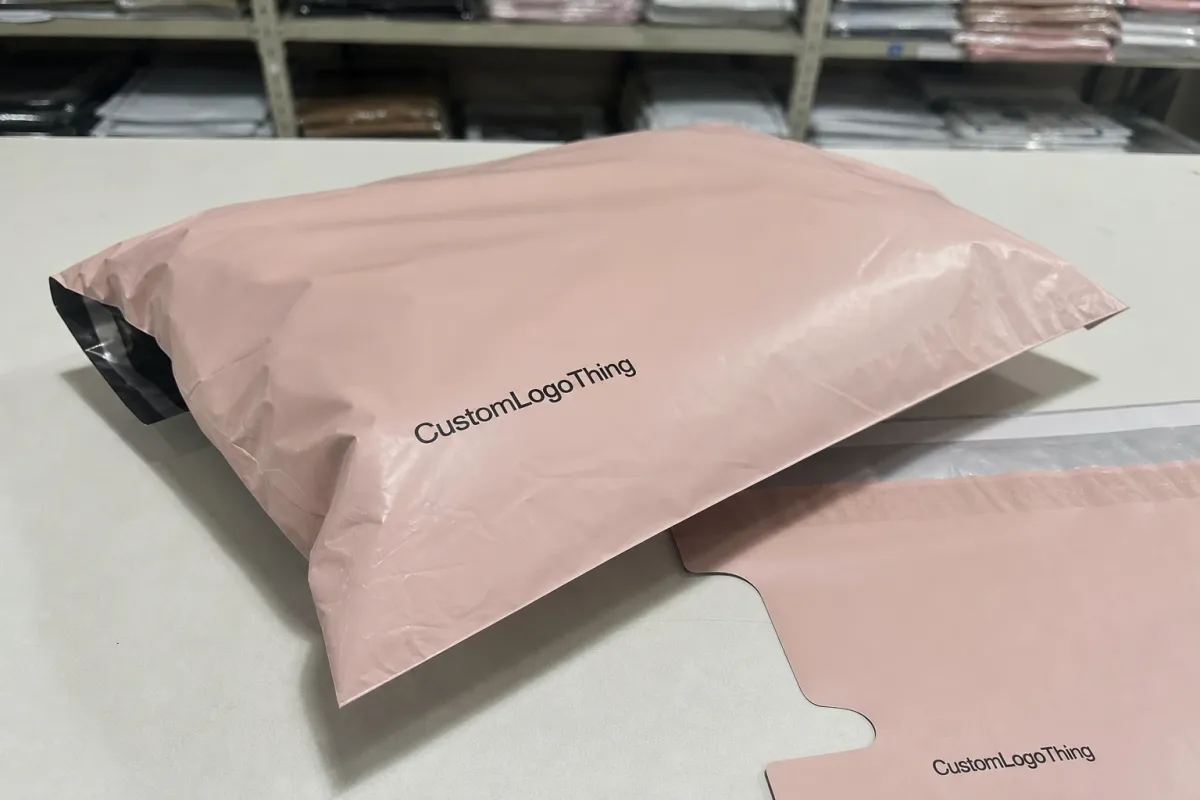
Most shipping problems start small. A damp carton corner, a weak adhesive strip, a seam under tension, a box that rubbed against wet warehouse flooring. In cosmetics, small failures are not small at all, because the product itself often carries presentation value as well as commodity value. A waterproof courier bag protects the outer layer, which in turn protects the impression that the order was handled carefully.
That is especially relevant for creams, serums, masks, and sample sets. These products often move through multiple packaging layers, and each layer has a job. The primary container must stay sealed, the secondary carton should remain presentable, and the outer mailer needs to resist moisture during transit. If one layer fails, the customer often sees the failure before they see the product.
From an operations angle, Waterproof Courier Bags reduce avoidable friction. Fewer damaged parcels means fewer refunds, fewer replacement shipments, and less time spent reworking outbound orders. It also reduces the chance that a retailer rejects a wholesale delivery because the outer packaging looks compromised. A buyer reviewing a cosmetics waterproof courier Bags Factory Quote should therefore read the price through the lens of total landed performance, not just the printed unit cost.
For direct-to-consumer brands, the bag also carries brand tone. Clean print, a reliable peel-and-seal strip, and a consistent surface finish help the shipment feel deliberate. By contrast, a mailer that sags, tears, or looks patchy under moisture can make a strong formula feel like an afterthought. That mismatch is surprisingly costly because it undermines trust before the customer has even opened the box.
The brief should define the job in plain language. Does the bag need splash resistance only? Will it face wet loading docks, delivery rain, or chilled storage areas? Is tamper evidence important for retail returns or regulated distribution? Those answers shape the bag more than the logo does. Once the use case is clear, the factory can quote the right structure instead of guessing.
For packaging and transport testing references, buyers often compare notes with organizations such as ISTA and EPA, especially if they need proof around shipment handling or recyclability claims.
Inner structure, film choices, and closure styles for cosmetic couriers
Film choice shapes most of the bag's behavior: puncture resistance, opacity, hand feel, sealing performance, and cost. The naming is familiar, but the tradeoffs are easy to flatten into buzzwords. PE mailers are common because they are economical and easy to process. LDPE tends to feel softer and more flexible, while HDPE usually gives a crisper, thinner hand with good stiffness. Co-extruded films combine layers so a bag can balance toughness and appearance without relying on a single material property.
Some brands move to laminated structures when the outer look matters as much as the protection. Lamination can improve opacity, print presentation, and surface consistency. The tradeoff is cost and, in some cases, a tighter production window. A cosmetics bag is not the place to chase the cheapest film if the contents include glass bottles, pump dispensers, or boxed sets with sharp corners. A slightly stronger film often costs less than one damaged shipment.
Closure style matters just as much. Permanent adhesive strips suit one-way outbound shipping. Reusable self-seal strips fit returns, subscription programs, or customer service exchanges where the mailer may be reopened. Tamper-evident closures make sense for brands that want visible opening evidence. The right choice depends on whether the bag is meant for dispatch, reverse logistics, or both.
Structure details change the result too. Side gussets and bottom gussets improve usable volume for boxed serums or bundled skincare kits. Reinforced seams help when the bag must carry more weight without splitting at the edge. Tear notches can make opening cleaner, which matters when customers complain that the pack is awkward to open. For sample packs, a simpler structure may be fine; for heavier multi-item kits, the bag should behave more like a transit package than a plain mailer.
Finish influences the first impression. Matte surfaces tend to look quieter and more premium, while gloss reads brighter under retail lighting. Opaque films hide contents better, useful when the shipment contains higher-value cosmetics or mixed SKUs. Semi-transparent bags can work for internal fulfillment, but they often reveal too much for premium or giftable packs. Print area matters as well: a bold logo can sit well on light film, yet lose clarity on darker or highly opaque material.
Practical fit: the right bag for a lip gloss set is often not the right bag for a boxed serum order or a mixed skincare bundle. The contents should drive the spec, not the other way around.
Specification details buyers should lock before approval
The best quotes come from clear specifications. Start with finished size and usable internal space, then define film thickness in microns or mils, closure type, seal style, and whether the bag needs gussets. Once those basics are fixed, the factory can calculate material usage and machine efficiency with much more confidence. If the inquiry only says “waterproof mailer for cosmetics,” too much is left to assumption.
Water resistance needs precision. A bag may handle splash exposure but fail if cartons sit against wet surfaces for hours. Another bag may resist moisture yet split at the seam when packed tightly. The brief should state the expected exposure level: splash protection, rain protection, or higher waterproof performance. That one detail changes film choice, sealing design, and sometimes the closure itself.
Print specs need the same discipline. One-color artwork is usually simpler and cheaper. Multi-color graphics, PMS matching, and large coverage areas add cost and usually lengthen proofing. If the logo must stay readable on dark or opaque film, the supplier may need a different base material or a different ink laydown. Barcode placement should also be confirmed early if the bags will pass through warehouse scanning.
Quality-control criteria belong in the brief before approval. Ask about seal straightness, adhesive alignment, puncture resistance, odor level, and how the bag behaves when packed with rigid cartons or bottle-shaped items. A sample that looks good flat on a table may behave differently once filled. That is why useful buyers test actual contents, not paper mockups.
If the line is premium or retail-sensitive, ask for physical samples and production references. That does not mean every small order needs a full audit. It does mean the supplier should be able to show repeatable quality and explain how the same result will be maintained on the next run. For larger programs, documentation can include material specifications, packing counts, and test data. Buyers who send a clear brief up front usually save time later, because the factory can price the real job instead of revising a vague one.
Cosmetics waterproof courier bags factory quote: pricing, MOQ, and unit cost
When a buyer requests a cosmetics waterproof courier Bags Factory Quote, the final number usually comes down to four drivers: material grade, bag size, print complexity, and order quantity. Film thickness and closure style can move the price as well, especially if the bag needs stronger adhesive, extra sealing, or a multilayer structure. Two bags that look similar on a product page can land very differently once the spec is real.
MOQ needs to be clear early. Smaller runs often cost more per unit because setup, proofing, plate work, and packing labor are spread across fewer pieces. A factory may accept a low quantity, but the unit price usually reflects the extra handling. For buyers comparing a launch order against a replenishment plan, tiered pricing is more useful than a single number. It shows where volume starts to create meaningful savings.
Typical pricing for custom courier bags is broad because the resin market, labor, and print coverage all move the number. Still, a rough working range helps procurement frame the discussion:
| Option | Typical Use | Indicative Unit Cost | What Drives the Price |
|---|---|---|---|
| Standard unprinted PE mailer | Basic cosmetic dispatch, low presentation demand | $0.08-$0.14 | Size, thickness, seal type |
| Printed LDPE courier bag | Brand-forward ecommerce shipping | $0.12-$0.24 | Print colors, coverage, film grade |
| Co-extruded waterproof bag with strong adhesive | Higher-value skincare and bundled kits | $0.18-$0.35 | Layer structure, closure reliability, MOQ |
| Custom printed premium mailer | Retail-ready cosmetics programs | $0.24-$0.45 | Artwork complexity, finish, packing spec |
Those figures are directional, not universal. They move with resin pricing, labor rates, print coverage, and order volume. Even so, they show how quickly a quote changes as performance requirements rise. In a real sourcing conversation, the phrase cosmetics waterproof courier bags factory quote should trigger a review of the spec, not a search for the lowest line item.
Ask the factory to separate visible unit price from hidden extras. Common add-ons include plate charges, color matching fees, sample charges, custom tooling, and special carton packing. Freight matters too. A low ex-factory price can disappear once palletization, local trucking, duties, and inland delivery are added. Landed cost is the number that matters in procurement, because that is what hits the budget.
For teams that need a number they can defend internally, tiered pricing helps. Request 5,000 units, 10,000 units, and 20,000 units with the same spec. That shows how much savings comes from volume and whether it is worth moving from a pilot run to full replenishment. It also reveals whether the supplier can improve yield by simplifying print or adjusting bag dimensions.
“The cheapest courier bag is rarely the best buy if it creates claims later. In cosmetics, cost control comes from fewer failures, not only a lower purchase price.”
Production process and timeline from artwork to shipment
A disciplined factory should be able to explain the process without jargon. The usual sequence is inquiry, spec review, quotation, artwork confirmation, sample production, approval, mass production, inspection, and shipment booking. If any step is vague, delays become more likely. Buyers often lose time not because the plant is slow, but because the brief changed after the quote or artwork was still being debated internally.
Timeline depends heavily on structure and print complexity. A plain unprinted bag can move faster than a custom printed waterproof courier bag with multiple colors and tight color matching. Simple jobs may reach sampling quickly. Complex jobs need more proofing and signoff. If a closure style or film thickness changes late in the process, the schedule often resets because material allocation and machine setup are no longer the same.
The most common causes of delay are predictable: artwork arrives late, dimensions are unclear, sample revisions are requested after approval, or the buyer changes the closure after the quote has been issued. None of those issues are unusual. They are simply expensive when several teams are waiting on the same parcel program. A factory that manages approvals well will ask for written specs, confirmed proofs, sample signoff, and production checks before the run starts.
Buyers should ask for two lead times, not one: sample lead time and bulk production lead time. Then add freight booking and customs clearance if the order crosses borders. In many cosmetic programs, the gap between sample approval and dispatch matters more than the factory’s quoted production days. A quote can look strong and still fail the calendar if there is no buffer.
What matters in a factory partner for repeat cosmetic orders
For repeat cosmetic orders, consistency matters more than a flashy first sample. Stable film sourcing, repeatable sealing quality, and tight color control are what keep the next shipment looking like the last one. If the bag changes from lot to lot, warehouse staff notice first, and customers notice soon after. A strong partner should be able to repeat the same result month after month without making the buyer re-explain the basics.
Reprint orders and SKU changes should also be easy to manage. Cosmetic lines shift often: a serum size changes, a sampler becomes a kit, or the brand refreshes its logo. A capable supplier does not treat those updates as a crisis. They keep the spec sheet clear, update artwork carefully, and confirm any material substitution before production begins. That kind of communication saves time and reduces surprise costs.
Quality systems matter even if the buyer never sees them. Incoming material checks help catch film issues early. In-process inspection helps catch seal drift or print problems before the run is finished. Final carton verification matters because a good bag packed badly can still arrive damaged. For larger brands, export paperwork and product documentation can also make approval easier inside procurement or compliance teams.
Buyer trust grows when the factory speaks in measurable terms. That means clear tolerances, sample photos, written packing counts, and direct confirmation when something changes. If a supplier only says “no problem” without explaining the details, that is not enough for a program that will repeat every month. A reliable partner is calm, specific, and consistent.
For brands comparing suppliers, think beyond the first order. The real test is whether the factory can support the next two or three replenishment cycles without quality drift. That is where a cosmetics waterproof courier bags factory quote becomes useful beyond price: it shows whether the production system can keep pace with the brand's schedule and packaging standards.
What to send for the fastest accurate quote and next-order check
If fast pricing matters, send a clean brief with finished size, thickness, bag style, closure type, print artwork, quantity, delivery destination, and any special packing or compliance needs. The more complete the brief, the less back-and-forth is needed before the supplier can price the job properly. A vague inquiry usually creates a vague number.
Ask for at least two quote scenarios. A standard version shows baseline cost, while a higher-performance version shows what it costs to improve protection or presentation. That comparison helps shift the discussion from “What is the price?” to “What price buys the level of protection the product actually needs?” For many teams, that reframes the decision in a useful way.
Sampling is usually the smartest next step before bulk production. A physical sample confirms fit, sealing behavior, print appearance, and handling. It also exposes practical issues that never show up in a PDF, such as whether the adhesive releases cleanly, whether the bag feels too stiff in hand, or whether the print disappears on a dark surface. Good buyers treat the sample as a test tool, not a formality.
Confirm the production calendar, packing method, and shipment plan in writing so the quote becomes a workable schedule instead of a loose estimate. That includes carton counts, palletization if needed, and whether the shipment will move by sea, air, or domestic freight. Once those details are fixed, the factory quote is much more reliable and procurement can approve with less risk.
A final practical check helps avoid mistakes: compare the quoted bag against the actual product weight, carton size, and route conditions. A light serum sample pack does not need the same structure as a multi-item skincare gift set. Matching the mailer to the contents is usually the difference between an acceptable price and a smart one.
What do I need to prepare for a cosmetics waterproof courier bags factory quote?
Provide finished size, bag thickness, closure type, print artwork, and the exact quantity you want compared. Include the shipment destination and whether you need samples, because both production and freight assumptions affect the quote. It also helps to tell the supplier what cosmetics will go inside, since bottle shape, carton weight, and leakage risk influence the recommended film structure.
Are cosmetics waterproof courier bags fully waterproof or just water resistant?
That depends on the film structure, seam quality, and closure style, so the buying brief should state the exposure level you expect. Many courier bags are designed for splash and rain protection rather than submersion, which is usually enough for shipping cosmetics. Ask the factory to describe the performance claim in plain language so there is no confusion during purchasing.
What MOQ is typical for printed cosmetics waterproof courier bags?
MOQ varies by size, print colors, and whether the bag is standard or custom-made, so there is no single universal number. Smaller orders usually carry a higher unit cost because setup and proofing are spread across fewer bags. If volume is uncertain, ask for tiered pricing so you can compare a test order against a full production run.
How long does sampling and mass production usually take?
Sampling is often faster than bulk production, but both depend on artwork readiness, film selection, and whether the structure is custom. Simple bags move more quickly than multi-color printed bags or special closures that need extra approval steps. Ask for separate sample and production lead times, plus shipping time, before you approve the quote.
Can I change size or print colors after I get the quote?
Yes, but even a small change can affect material yield, plate setup, and unit cost, so the quote will likely need revision. Changing size may also affect packing count, carton configuration, and freight charges. The safest approach is to finalize the specification first, then request the quote so the factory can price the real order accurately.


