What This Skincare Ribbed Winter Beanies Material Sample Guide Covers
A beanie can look refined on a worktable and still feel irritating after twenty minutes outside. That gap between presentation and wear is the reason a sample stage matters so much. A skincare Ribbed Winter Beanies Material Sample guide is not about choosing a pretty knit swatch; it is about checking whether the item can actually live in a skincare bundle, a retail program, or a premium seasonal gift set without creating avoidable complaints.
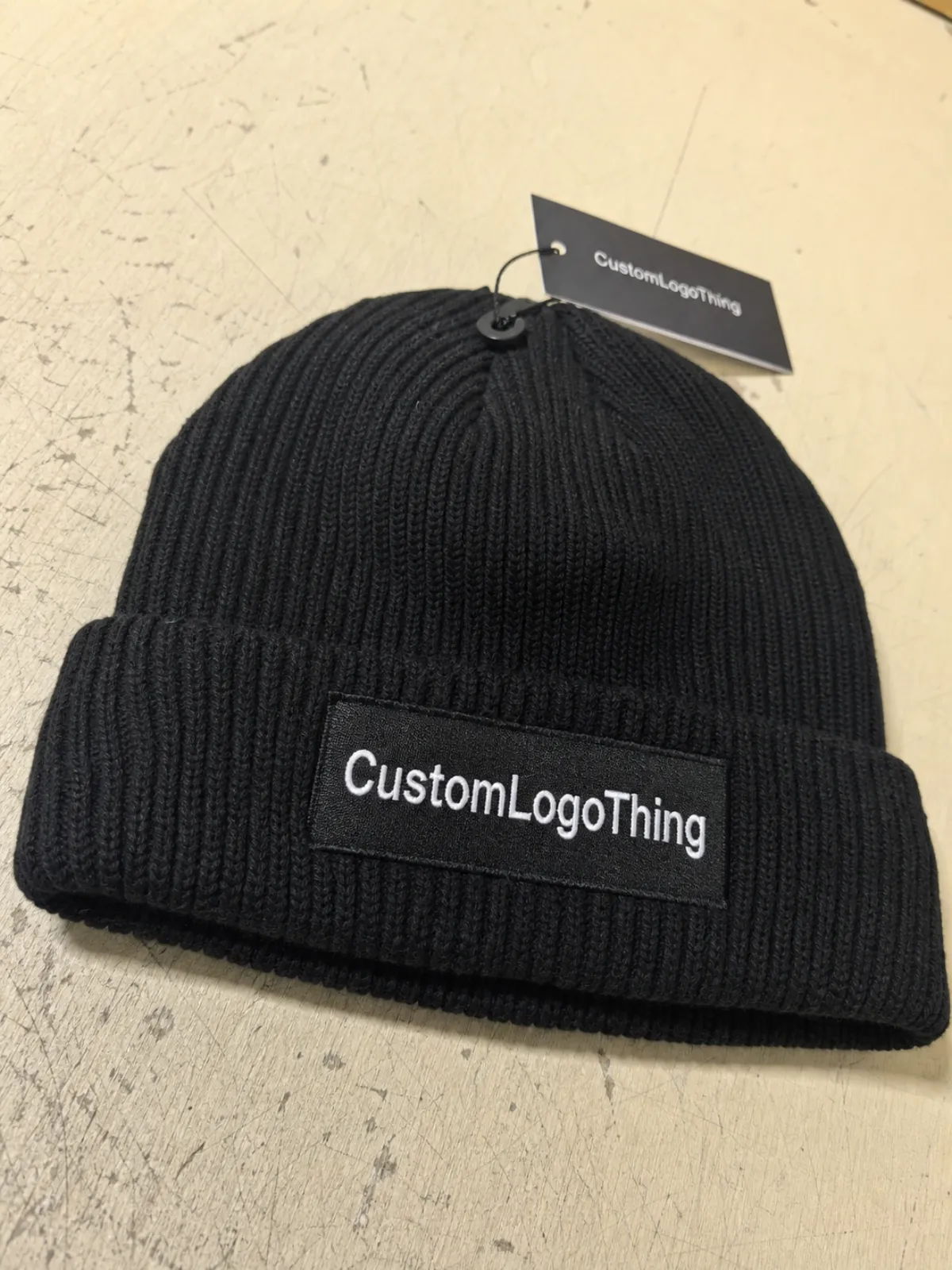
For Ribbed Winter Beanies, “sample” can mean several things. A yarn swatch shows color and basic fiber behavior. A knit panel shows rib structure and density. A full prototype, which is the version serious buyers usually need, brings together the cuff, seam, label, decoration, and lining so comfort can be judged as a complete product rather than a fragment. If the beanie will carry embroidery, woven labels, or heat transfers, those should be sampled too. Decoration changes the handfeel more than many first-time buyers expect.
Skincare brands tend to judge beanies differently from apparel teams. Skin contact matters more. So do itch potential, static, odor retention, and how the fabric behaves after repeated wear. A beautiful color cannot rescue a knit that scratches at the temples or traps heat around the forehead. From a packaging buyer’s perspective, the sample stage is where the product starts to reveal its true risk profile, before budget is locked and bulk inventory is on the line.
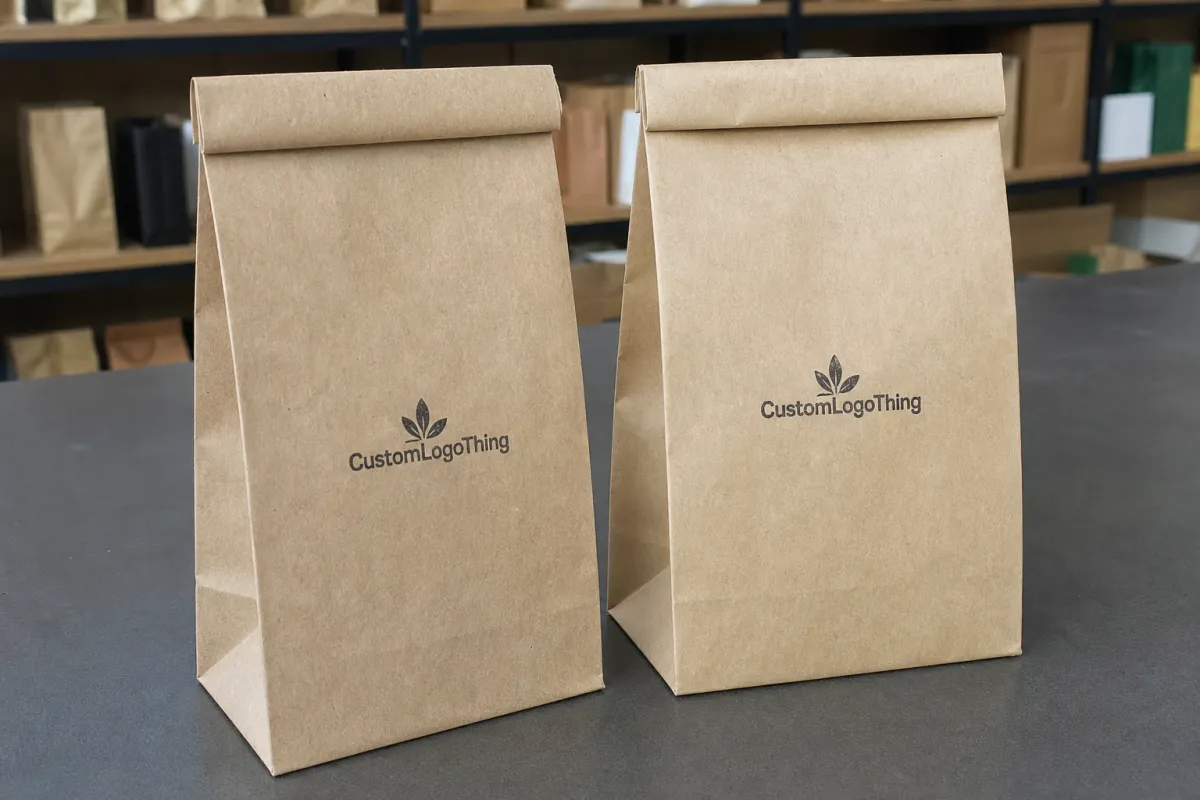
The packaging side is not separate. If the beanie is part of a gift bundle, the box, insert, and inner wrap affect perceived quality just as much as the knit. FSC-certified corrugated cardboard, kraft paper, and recycled inserts can protect shape and signal care, but only if they are used with the right folds and fill levels. A soft knit packed too tightly can arrive flattened. A structured beanie packed too loosely can shift and crease. Sample testing should account for both product and pack-out.
That is the practical value of this guide. It helps buyers separate surface appeal from repeatable quality, then connect the beanie, the packaging, and the production plan before the order gets expensive.
How Samples Reveal Fit, Feel, and Everyday Wear
Rib construction changes how a beanie wears, not just how it looks. A 1x1 rib usually feels tighter and more elastic. A 2x2 rib often reads bolder and may relax differently after use. In real wear, that affects whether the hat stays put, stretches comfortably over a hairstyle, or pinches at the band after a few hours. The sample is where those differences become obvious.
Handfeel can be deceptive on paper. Two beanies with the same fiber content can feel completely different if yarn twist, finishing, or knit density changes. A soft-touch acrylic may feel pleasant in a showroom but turn clammy during a long walk. A wool blend can hold warmth well and still trigger feedback about itch, especially if the inside surface is not finished cleanly. That is why real touch-and-wear testing matters more than a spec sheet alone.
Wear tests expose failures a flat sample never will. Look for pilling where the fabric rubs against coats or bags. Check for cuff curl. Check seam bulk at the back of the head. Check whether the knit bites at the forehead after a half-hour, not just in the first minute. A sample that looks polished in a photo can still twist on the commute, lose shape in a warm office, then fail the next cold walk outside. That kind of behavior is exactly what a buyer needs to catch early.
“A sample that photographs well can still fail the commute test.”
For skincare bundles, the feel of the beanie affects the whole gift experience. If the knit feels plush, the set reads as considered. If it feels coarse or stiff, the rest of the bundle has to work harder to justify price. The same logic applies to spa kits and wellness promos: the wearer experiences the beanie at skin level, not as a line item.
Packaging context changes expectations too. A beanie for a retail shelf can tolerate slightly more structure. A beanie meant for a facial-care gift set should usually feel lighter, softer, and less fussy. The sample should tell you whether the item belongs in a polished bundle or needs a different construction before launch.
Fiber, Rib Gauge, and Lining Choices That Matter Most
Material decisions usually start with fiber. Acrylic remains common because it is cost-controlled, widely available, and easier to keep consistent across color runs. Wool feels warmer and more premium, but it is not automatically comfortable for direct skin contact. Cotton blends breathe better and can feel friendlier in mild climates, though they may insulate less effectively in harsh cold. Recycled yarns are increasingly common for brands that want a lower-impact story, but the handfeel depends heavily on the recycled feedstock and spinning process.
Rib gauge deserves more attention than it usually gets. Tighter ribs hold shape better and create a denser surface, which can improve warmth and visual sharpness. Looser ribs stretch more easily and often feel softer on first touch, but they may relax faster and lose crispness in retail display. A 7- to 9-gauge rib tends to read chunkier and warmer; a finer 12-gauge knit can feel cleaner and less bulky. The right choice depends on whether the brand wants structure, softness, or a balance between the two.
Lining can change the product more than the outer knit does. Fleece adds warmth and helps reduce itch, but it also adds bulk and can make a beanie feel less flexible. Jersey lining usually feels smoother and lighter, which helps when the wearer moves between cold outdoor air and heated indoor spaces. No lining keeps the item simpler and usually cheaper, but that is not the best route for every audience. A beanie intended for sensitive skin or long commutes often needs more than an unlined shell.
There is always a tradeoff between structure and comfort. Thicker construction can signal quality because it feels substantial in the hand. It can also trap heat or create pressure at the ears. That is why the sample should be stretched, worn, folded, and then worn again after a short rest. Buyers often discover that the difference between “premium” and “bulky” is only a few millimeters of knit density and seam finish.
Small trim choices matter too. A folded cuff improves logo placement and usually gives the beanie a more finished look, but it changes the fit profile. Embroidery backing can make the inside less comfortable if it is too stiff or badly trimmed. Woven labels can scratch if they sit in the wrong spot. Even the way the top seam closes can decide whether the product feels intentional or rushed.
For brands that care about packaging claims, the same discipline applies there as well. A kraft-paper sleeve does not mean the entire pack is recyclable, and an FSC-certified outer box does not guarantee the insert is properly specified. If the goal is a lower-waste bundle, the beanie, wrap, and box should be checked together. Separating them leads to false confidence.
Cost, Pricing, MOQ, and Quote Drivers
Price is rarely driven by one variable. Fiber content matters, but so do knit complexity, dyeing, lining, labels, and whether the product ships with custom packaging. A plain acrylic rib beanie is easier to quote than a wool blend with fleece lining, woven label, and branded hangtag. Buyers sometimes compare those two items as if they were the same thing, then wonder why the quotes are so far apart.
MOQ changes the math quickly. A low first run almost always carries a higher per-piece price because setup work is spread over fewer units. That does not make the order a bad idea. If the style is going into multiple skincare kits or seasonal promos, the launch cost can still make sense. The real question is whether the design has enough staying power to justify the sampling and setup effort.
Sample charges come from actual work. Prototype knitting, yarn sourcing, lab dips, strike-offs, revision labor, and freight all add cost. A simple swatch might be inexpensive. A full prototype with custom label placement and multiple revisions costs more. Many suppliers quote a basic sample set in the $35-$120 range before shipping, while more complex development can land higher once color matching or packaging mockups are included. Those numbers are directional, not universal.
Here is a practical way to compare common options:
| Beanie Option | Typical Feel | Sample Focus | Approx. Bulk Price Range |
|---|---|---|---|
| Basic acrylic rib | Soft, light, budget-friendly | Stretch recovery, pilling, seam finish | $2.10-$3.80 per unit at 3,000 pcs |
| Acrylic-wool blend | Warmer, more premium handfeel | Itch risk, warmth, color stability | $3.20-$5.50 per unit at 2,000 pcs |
| Cotton blend with jersey lining | Breathable, skin-friendly | Comfort, drape, lining bulk | $3.50-$6.20 per unit at 2,000 pcs |
| Recycled yarn rib | Varies by source, often structured | Consistency, shade variation, certifications | $3.00-$5.90 per unit at 3,000 pcs |
Those ranges are useful for planning, not for locking a budget. A tighter MOQ, a denser rib, a more detailed logo treatment, or an upgraded lining can move the number fast. The best quote breakdown separates garment construction, decoration, sample development, and freight. A single blended price hides too much. A detailed one tells the buyer where the cost is really coming from.
Packaging should be priced with the same level of detail. Folding, tissue, inserts, and box assembly can add more than buyers expect, especially on small runs. A simple retail pack may rely on corrugated cardboard and kraft paper efficiently. A premium kit can need extra structure to keep the beanie from shifting in transit. If the supplier can show which parts of the quote belong to product and which belong to pack-out, decision-making gets much clearer.
Production Steps and Lead Time for Sample Approval
Sample approval usually follows a predictable sequence, even if every factory describes it a little differently. The buyer sends a brief or tech pack. Yarn is selected. A prototype is knitted. Then most programs need one or more revisions before color approval and pre-production sign-off. Any change to the rib pattern, lining, cuff shape, or finish can add time. That is normal, but it needs to be planned for.
Lead time often expands because of outside constraints. Factory capacity matters. Dye-house scheduling matters. Holiday shutdowns matter. If the style needs custom yarn, that can become the slowest step of all. A first prototype might take 7-15 business days. Revisions can take another 5-10 business days. Pre-production approval may add one more week or two if the buyer requests corrections. The calendar usually stretches more than the original estimate.
Fast approvals usually come from better feedback, not pressure. Clear measurements help. Ranked priorities help even more. If the real issue is forehead comfort, say that before discussing logo placement. If the concern is seam bulk, say that before asking for shade tweaks. Comments such as “reduce seam thickness by 10-15%” or “move the label 1 cm toward the back seam” are useful because they describe the problem in production terms. “Make it nicer” does not.
The timeline matters because these items are often seasonal. A beanie tied to a holiday launch, spa opening, or winter promotion has a narrow window to work. If approval drifts too long, the product can miss the selling season and become storage cost instead of revenue. Experienced buyers keep one eye on the sample and one on the ship date.
Packaging and transit deserve the same attention. A beanie should be checked for rebound after folding, boxing, and reopening. If it looks good in hand but collapses in the package, it may be a poor fit for e-commerce or gift sets. For transport reference, ISTA provides commonly used testing guidance, and packaging.org is useful for broader packaging education. Those sources do not replace supplier testing, but they give buyers a better way to talk about transit risk.
Common Sample Approval Mistakes Buyers Make
The biggest mistake is approving on color alone. Color matters, but it is rarely the reason a program fails. More often, complaints come from itchiness, poor stretch recovery, weak seam construction, or a lining that holds too much heat. A buyer can fall for a shade and still end up with a beanie nobody wants to wear for more than a few minutes.
Skipping wash, pill, and snag tests is another common miss. A clean-looking sample can become a disappointing bulk order if the knit pills after light wear or catches on jewelry and coat zippers. This matters especially for skincare gifting, where the whole set is supposed to feel calm, polished, and easy to use. One rough edge can disrupt that impression.
Packaging often gets treated as an afterthought, and that is a mistake. Tags, hang cards, wrap choices, and inserts all change the perceived level of care. A beanie that feels ordinary in a plastic sleeve can feel much more giftable in kraft paper with a neat insert and a recycled box. The product has not changed, but the buyer’s perception has.
Batch variation also creates hidden problems. One sample may feel perfect because it came from a denser knit lot. Another lot may relax differently, even if the recipe looks identical on paper. Buyers should ask what tolerances are acceptable for knit density, color shift, logo placement, and label position. If the sample is the reference, the factory needs to know how much movement is still acceptable.
Vague feedback is expensive. “Make it softer” is not a useful instruction by itself. Softer through a different fiber blend? A looser rib? A brushed finish? A jersey lining? Good sample notes identify the cause, not just the sensation. That saves revision rounds and keeps the process from drifting.
Expert Tips for Turning Samples Into a Better Order Plan
A simple scorecard makes comparison easier. Rate softness, stretch, warmth, breathability, seam comfort, and visual finish using the same scale for each sample. A 1-to-5 system works well, though some teams prefer 1-to-10 because it forces sharper distinctions. The key is consistency. Everyone should judge under the same conditions, or the scoring becomes noise.
Test samples in the environments the product will actually face. If the beanie will sit in cold outdoor air, heated offices, and bundled gift sets, do not judge it only under showroom lighting. Wear it for at least an hour. Fold it into the intended packaging. Reopen it. Check the shape again. That routine catches more problems than a quick tabletop inspection ever will.
Request at least two material directions if the program allows it. One should reflect the premium comfort target. The other should reflect the more economical production path. That comparison makes the tradeoffs visible. Sometimes the lower-cost option is good enough. Sometimes the better handfeel earns its place because it lifts the entire skincare bundle.
Before bulk ordering, document tolerances for knit density, color variation, and logo placement. If the sample cuff measures 22 cm but 21.5-22.5 cm is acceptable, write it down. If a slight shade shift is allowed because the yarn contains recycled or post-consumer content, say that clearly. Ambiguity tends to get expensive after production begins. A few precise rules now prevent long argument later.
Packaging decisions deserve the same discipline. A set using FSC-certified corrugated cardboard, kraft paper, and biodegradable packaging elements should be approved as one system, not as disconnected parts. That is especially true for skincare bundles, where the outer box, inner wrap, and product all contribute to the finished impression.
The most reliable final choice is usually not the flashiest sample. It is the one that performs the same way in the hand, in the package, and on the wearer. A strong program uses the sample as a standard, not as a disposable checkpoint, and that is the real purpose of a skincare Ribbed Winter Beanies Material Sample guide: it turns a vague buying decision into a repeatable production plan.
What should I ask for in a skincare ribbed winter beanies material sample?
Ask for fiber content, rib gauge, lining option, trim details, and a full-size wear sample rather than a swatch alone. Request notes on wash behavior, stretch recovery, and pilling so you can compare comfort and durability before bulk ordering.
Which fabric types are best for skin contact in ribbed winter beanies?
Acrylic blends usually feel softer and more budget-friendly, while wool offers warmth but may feel scratchy to some wearers. Cotton blends and brushed or jersey linings can improve comfort when the beanie will sit directly against sensitive skin.
How do sample costs affect the final unit price?
Sample fees reflect prototyping, yarn sourcing, and revision work, and they may or may not be credited back on bulk orders. The final unit price depends more on MOQ, decoration, lining, and freight than on the sample itself.
How long does the sample-to-production process usually take?
Simple swatches move faster, but full prototypes, revisions, and color approvals usually take longer than buyers expect. Lead time stretches when the factory is busy, custom yarns are needed, or the buyer changes specifications after the first round.
What is the fairest way to compare multiple beanie samples?
Use the same lighting, wear duration, scoring sheet, and test conditions for every sample. Compare comfort after real wear, not just on first touch, because softness and stretch can change after use and washing.
For a skincare brand, the best result is not the loudest sample or the lowest quote. It is the one that behaves consistently across touch, packaging, and wear. That is where the right material sample earns its keep.