electronics pvc garment Bags Bulk Order Planning is usually less about choosing a product and more about removing avoidable friction. Buyers are often packing accessory kits, refurbished units, cable bundles, or shelf-ready retail sets that need visibility, basic protection, and fast handling without the cost or weight of a full carton system.
Clear PVC-style garment bags win for a simple reason: people can see what is inside. That reduces mis-picks, speeds receiving, and helps retail or warehouse teams move faster without opening every package. The packaging is not trying to impress anyone. It is trying to get the job done with fewer mistakes.
The best sourcing process treats the order as a specification exercise first and a quote request second. Size, thickness, closure, print requirements, and handling conditions matter more than a generic price sheet. If you already know the use case, you can move quickly through Wholesale Programs or check the FAQ page for the common sourcing questions that usually slow a first order.
Electronics PVC Garment Bags Bulk Order Planning: Why It Works
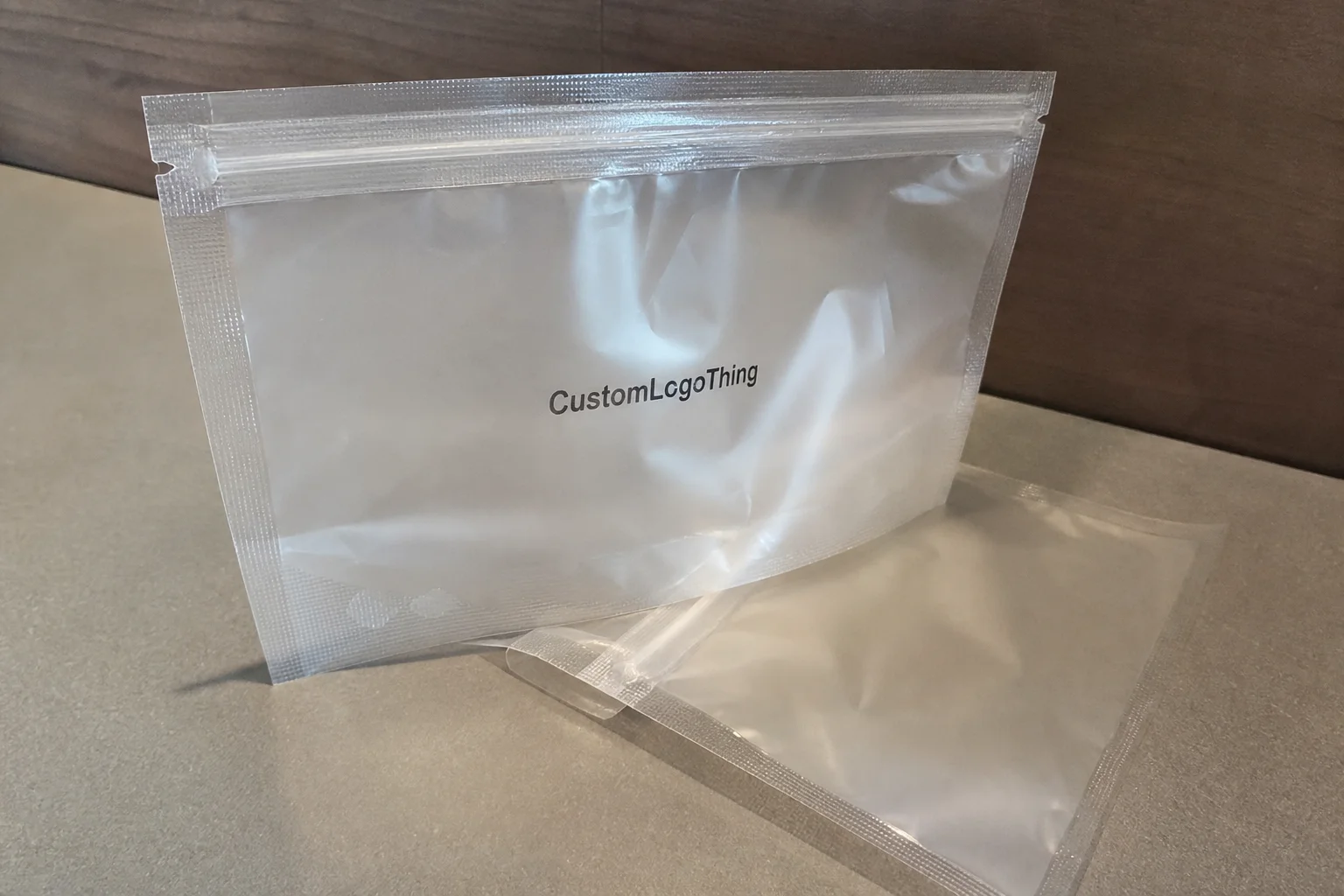
Clear PVC packaging solves two practical problems at once: visibility and handling speed. A receiving team can identify contents at a glance. A retail team can stage product without tearing into cartons just to confirm the SKU. For electronics, that matters more than it first appears, because many packs contain chargers, headphones, adapters, cables, and other small parts that are easy to misplace in opaque packaging.
Teams also switch to clear bags because the workflow gets simpler. A flat poly mailer or sewn pouch may protect the item, but it does not always help the person processing it. A clear bag with the right closure makes content checks faster, cuts down on rework, and makes returns processing less chaotic. The benefit is practical, not glamorous, and that is usually a sign the packaging is doing real work.
There is a limit to what a garment bag should handle. If the item needs rigid edge protection, crush resistance, or heavy pallet stacking, a carton or a reinforced insert may be the better answer. If the product is light, dust-sensitive, and mostly handled on hangers or shelving, a clear bag is often the smarter fit. For repeated use in storage or display, ask for stronger seams and a closure that can survive multiple open-close cycles.
That is why electronics PVC Garment Bags bulk order planning should start with workflow, not the lowest unit price. If the bag is for merchandising, clarity and presentation matter most. If it is for fulfillment, the goal is pack-out speed. If it holds accessories, the layout has to keep the contents organized so the bag does not become a loose bundle of cables and parts.
One caution is worth stating plainly: a sample can look acceptable and still fail in real use. Material that looks clean under office lighting may scratch, stretch, or split once product weight and repeated handling are introduced. The fix is straightforward. Define the handling environment before you approve the build.
Product Details Buyers Should Confirm Before Sampling
Start with the bag style. Zipper, snap, button flap, hanger hole, gusseted side, or flat pouch: each one changes the workflow and the price. If the item hangs in a store or on a warehouse rack, the hanger-hole position and reinforcement matter. If the product is boxed inside the bag, the closure can be simpler. If the product is a loose bundle, the internal space has to allow easy insertion without stressing the seam.
Then define the product being protected. Electronics usually need scratch resistance, dust control, visibility, and easy scanning. That is not the same as apparel packaging. Cloth can tolerate a softer fit. A cable bundle or accessory kit has edges, connectors, and hard parts that can rub against the film. In practice, the internal layout matters as much as the outer size.
Branding should be decided early. Some buyers want plain clear bags for neutral retail use. Others need a printed warning, a SKU strip, a label window, or a branded insert card. Each choice affects tooling, packing labor, and unit cost. If the bag is going into multiple SKUs, ask whether the bag can stay the same while the insert card changes. That usually saves money and keeps the structure stable.
For reusable formats, ask about seam strength and hardware that can survive repeated opening. A low-cost transit bag may work once and fail as a storage or display solution. If the bag will be opened and closed often, say so in the request. The factory should quote for real use, not for a stripped-down version that only looks good on a sample sheet.
Two questions help narrow the spec quickly:
- Will the bag be used once, or will it be handled multiple times?
- Does the product need to be visible for receiving, merchandising, or both?
If the answer to both is yes, the bag spec usually needs more care than a first pass suggests.
There is another detail buyers often miss: how the item enters the bag. A wide opening can reduce labor on the line, while a narrow opening may slow pack-out or damage the product edges during insertion. That is easy to overlook if the sample is judged only by appearance.
Specs to Lock Down: Size, Thickness, Finish, and Tolerance
Size sounds obvious until the wrong measurement gets quoted. Give the supplier usable interior dimensions, not just the overall shape. Include foldover, closure allowance, and gusset allowance if the product needs them. Electronics buyers get burned when they quote the carton size rather than the packed product size. That mistake can turn a workable design into a bag that jams at the opening or hangs awkwardly after filling.
Thickness needs to be discussed at the same time as clarity. A bag can look fine in a sample and still feel too soft for the load once the product is inside. A thicker film usually resists tearing better, but it adds cost and can make the bag stiffer. For light accessory kits, a mid-weight film may be enough. For heavier bundles or repeated warehouse use, the extra gauge is usually worth it.
Finish is another decision that gets underestimated. Crystal-clear is the default, but frosted, textured, anti-static, or soft-touch surfaces may fit the use case better. For electronics, static behavior matters more than many teams expect, especially if the contents include small components or parts that will be handled in volume. If the product is sensitive, ask whether anti-static packaging is available and whether the supplier can document the claim clearly.
Tolerance should be written down before production begins. Flexible packaging usually allows some variance, but the buyer has to define what is acceptable. If the bag can vary by a few millimeters and still work, state that. If the fit is tight, say that the supplier needs a tighter process. That avoids the familiar argument over whether a nearly-correct bag is good enough.
For teams that want proof before release, ask for sample testing that matches the intended handling method. If the shipment will be stacked, dropped, or moved through parcel channels, reference standard transport tests such as ISTA methods from the ISTA library. If the pack includes paper inserts or cartons, verify sourcing options such as FSC for documented paper-based components. The bag is only one part of the pack. The system has to work as a whole.
Most quality problems start with vague specs. The bag is too thin, the opening is too tight, or the closure is not suitable for the number of cycles required. Those issues are preventable if they are written into the request before sampling begins.
Cost, Pricing, MOQ, and Quote Structure
Price only makes sense when the quote shows the real cost drivers. Material grade, bag size, thickness, print coverage, zipper or closure hardware, and packing format all move the number. Buyers who compare only unit price are often comparing the wrong thing. A bag that looks cheaper can become expensive once printing, special closures, higher scrap, or extra cartons are added.
MOQ works the same way. Smaller runs cost more per unit because setup, cutting, and QC are spread across fewer bags. Larger runs improve unit pricing, but only if storage and demand justify the inventory. For plain clear bags, a supplier may accept smaller quantities. For custom print, unusual sizes, or special closures, the MOQ often rises because setup cost has to be recovered over more units.
Here is a practical way to think about pricing for common bulk orders:
| Bag Type | Typical Use | Approx. Price at 5,000 pcs | Main Tradeoff |
|---|---|---|---|
| Plain clear PVC-style bag | Visibility, dust protection, simple retail or warehouse use | $0.22-$0.45 each | Lowest complexity, but limited branding |
| Gusseted bag with closure | Bulk accessory kits, thicker bundles, hanging storage | $0.30-$0.58 each | Better capacity, more material and labor |
| Printed bag with warning or logo | Retail presentation, SKU identification, compliance messaging | $0.35-$0.70 each | More setup cost, slower approvals |
| Anti-static or specialty finish | Sensitive electronics or repeated handling | $0.42-$0.85 each | Higher spec, narrower supplier pool |
The table is directional, not a promise. Actual pricing shifts with thickness, cut size, hardware, print coverage, and freight method. A complete quote should separate sample fee, tooling, carton spec, and whether shipping is quoted ex-factory or landed. If those items are bundled into one number, the quote is incomplete.
A low unit price is not a bargain if the seams fail, the closure breaks, or the bags arrive with enough variation to slow packing. Cheap packaging becomes expensive the moment it creates rework.
For larger buyers, ask for tiered pricing at the quantities you actually plan to buy: 1,000, 3,000, 5,000, and 10,000 pieces are common reference points. That shows the real break between low-volume and bulk pricing. It also helps determine whether to hold inventory or place smaller reorders more often. Those two decisions affect cash flow as much as unit cost.
One more caution: if the price seems far below the rest of the market, check the details before celebrating. In flexible packaging, a low quote often means one of three things: thinner material, weaker hardware, or a quote that excludes the costly parts of the job. None of those are mysteries once the line items are separated.
Process and Timeline: From Sample Approval to Shipment
A clean production flow should look like this: inquiry, spec confirmation, sample or prototype, artwork approval if needed, pre-production check, mass production, QC, packing, and shipping. If any of those steps are skipped, the chance of a bad fit rises. Electronics packaging is not the place for casual approvals and vague email notes.
Lead time depends on complexity. Simple clear bags usually move faster than custom formats with printing, special finishes, or unusual dimensions. There is no mystery in that. Setup takes time, and the line has to be scheduled. A standard run can often ship 12-18 business days after sample approval, while a more customized order may need 18-25 business days or more, depending on the factory and the load on the line.
Most delays come from avoidable issues: missing dimensions, late artwork, unclear closure instructions, or sample feedback that arrives after production has already been queued. Buyers lose time when they treat approvals like a formality. They are not a formality. They are the gate between a workable order and a problematic one.
Build in margin for shipping and one revision round. If the order is tight on launch timing, make sure artwork, spec sign-off, and carton instructions are ready before the quote is finalized. That is especially true for electronics PVC Garment Bags bulk order planning, because the small details are often the ones that slow the order.
If the packaging will be reordered across multiple SKUs, keep a master spec file. One clean reference sheet can save a second or third sourcing cycle later. Suppliers can only repeat what they can see in writing, and memory is a bad production system.
Quality control should not stop at appearance. Check seam integrity, closure smoothness, opening width, print registration if applicable, and the actual fit with the intended product. A bag that looks acceptable in a carton is not automatically ready for line use.
What Makes a Packaging Manufacturer Easier to Work With
Consistency matters more than sales language. A good manufacturer controls material sourcing, thickness consistency, seal quality, and carton packing better than a middleman who only forwards messages. If a supplier cannot explain how they hold specs across repeats, that is a warning sign. Bulk packaging is a repeat business, so repeatability matters.
Direct communication saves time. The fastest orders usually happen when the buyer can speak with the team handling production, not a chain of people translating the same question several times. You want clear answers on material grade, closure options, print method, and tolerance. If the answers stay vague after the second request, expect trouble later.
Documentation matters too. Electronics packaging often needs cleaner spec records, reorder continuity, and traceable approvals because the same bag may be used across multiple product lines. A supplier should be able to quote from a written spec, not from memory. That is basic discipline. It is also one of the easiest ways to separate an organized factory from a risky one.
There is also the risk side. The better supplier catches issues before production, confirms critical dimensions in writing, and keeps reorders aligned so the buyer does not have to start from zero every time. If the supplier can also support related packaging needs such as custom logo bags, hang tags, or protective inserts, procurement gets simpler across the full pack structure.
From a buyer's point of view, the easier partner is the one who tells you what will not work, not just what sounds appealing. A clear answer about a tight tolerance or an under-specced closure is more useful than a polite yes. The first answer may slow the order by a day. The second answer can slow it by a month.
Material traceability and packing discipline also matter during reorders. A manufacturer that can identify previous specs, maintain consistent film rolls, and preserve approved artwork reduces the chance of drift between production runs. That is where experienced buyers usually save time.
Next Steps: Send the Right Details for a Fast Quote
If you want a fast quote, send five things in one message: product dimensions, target quantity, closure type, thickness preference, and whether printing is needed. That is enough to stop the back-and-forth that usually slows sourcing. If you can also include product weight and whether the bag will be hung, stacked, or handled repeatedly, even better.
Add photos of the packed product and the current packaging if you are replacing an existing format. Photos remove guesswork. They also help the supplier spot obvious issues, like a closure that will rub against a hard edge or a bag opening that is too narrow for efficient pack-out. A photo set is often worth more than a long email thread.
Ask for tiered pricing at the quantities you actually plan to buy. That gives you the real break between low-volume and bulk-order pricing. It also makes it easier to decide whether to run one larger batch or split the order across multiple replenishment cycles. For buyers managing inventory, that decision affects cash flow as much as unit cost.
If you need an internal review, keep the spec sheet short and readable. One page is enough if it includes the use case, measurements, material, closure, finish, print details, tolerance, and target quantity. More pages are not automatically better. Clear pages are better.
For buyers comparing electronics PVC Garment Bags bulk order planning across suppliers, the cleanest path is straightforward: approve the spec sheet, sample only if needed, and lock the production slot before the calendar fills up. That sequence keeps the order controlled instead of reactive.
There is no need to overcomplicate the request. The supplier does not need a story. It needs a clear spec, a realistic quantity, and enough context to quote the right construction the first time.
How do I choose the right MOQ for electronics PVC garment bags in bulk?
Start with the quantity you can store and realistically use within the reorder window, not the lowest number the factory will accept. Ask for tiered pricing at your target volumes so you can see the actual break before you commit. If the bag has custom printing, special thickness, or a nonstandard size, expect the MOQ to rise because setup costs have to be spread out.
What thickness works best for electronics PVC garment bags?
Use a heavier gauge when the bag will hold sharper accessory edges, heavier bundles, or repeated handling during fulfillment. Choose a lighter thickness only when the bag is mainly for dust protection or visual merchandising and the contents are low-risk. Ask for a sample at the quoted thickness before approval. The numbers on paper are not the whole story.
How long does a custom electronics PVC garment bag order usually take?
Simple clear bags with no print usually move faster than custom formats with printing, special closures, or unusual dimensions. The schedule depends on sample approval speed, artwork readiness, and whether the factory has to source a specific film or hardware. Build in time for shipping and one revision round. Fast planning is usually the difference between on-time and late.
What should I send to get a fast quote for PVC garment bags?
Send product dimensions, target quantity, thickness preference, closure style, and whether the bag needs printing or labeling. Add photos of the item that will go inside the bag, especially if it is a kit, accessory bundle, or replacement packaging. If you already have a rough target price, include it. That helps the supplier recommend the most realistic build.
Can one bulk order include multiple sizes of electronics PVC garment bags?
Yes, but mixed sizes usually affect pricing because the factory has to split setup and packing across more than one specification. If the sizes are closely related, ask whether they can be grouped into one production run with separate cartons or labels. For the cleanest pricing, Request a Quote that shows each size line by line instead of bundling everything into one average cost.


