If you sell food at a market table, slider lock bags unit cost for Farmers Market Sellers is not a side question. It hits margin every weekend. Buyers stand close, touch the pack, check the closure, and decide in seconds whether the product feels worth the asking price. Packaging earns or loses trust faster than most sellers realize.
The cheapest bag on paper is often not the cheapest bag in practice. A slightly higher unit cost can still lower your real cost if it reduces spoilage, cuts repacking time, and supports a better retail price. Packaging people like to talk about aesthetics as if they exist in a vacuum. They do not. They sit next to waste, labor, and repeat purchase behavior.
For small and mid-size vendors, the math can be surprisingly visible. If you move 500 bags a month and save just $0.04 on each unit, that is $20 back in your pocket. If a better closure reduces throwaways by even a small percentage, the savings can easily beat the difference between two quotes that looked close on the screen.
Practical rule: judge the pack by total value, not just the first unit price you see.
Why slider lock bags can protect margin at the farmers market
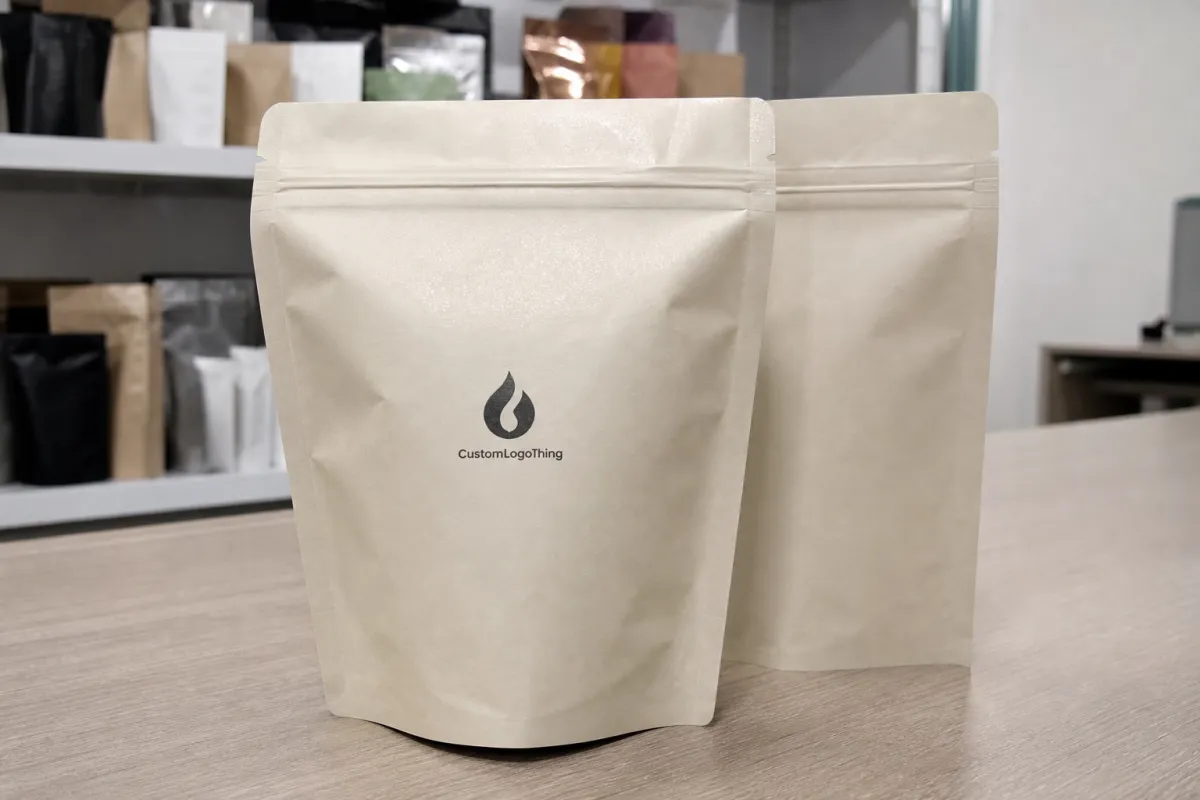
Farmers market buyers are not shopping like warehouse customers. They are close enough to inspect seams, feel the film, and notice whether a bag opens easily. A slider closure signals resealability, freshness, and a little more care than a plain pouch with a weak seal. That matters for dried fruit, granola, trail mix, baked snacks, herbs, jerky, and small produce packs.
The closure also changes the customer experience. A slider is easier to open than many tight zipper-style locks, especially when someone is holding cash, a tote, or a phone at the same time. It is a small detail, but in direct sales, small details often decide whether a shopper buys once or comes back next Saturday.
There is also a resale logic to it. Products that stay crisp, smell fresh, and close cleanly are easier to price at the top end of a category. If your pack looks premium and performs well, the unit cost can be higher without hurting margin. If the bag feels flimsy or the closure fails, even a low-cost pack becomes expensive because it creates complaints and waste.
That is why slider lock bags Unit Cost for Farmers Market sellers should be measured against labor, freshness, and perceived value together. A bag that supports a $1 higher selling price can pay for a lot of packaging.
Material, seal, and sizing options that affect performance
Material choice changes nearly everything about performance and cost. Clear PET/PE structures are common because they show product well and give decent stiffness. OPP/CPP combinations tend to be lighter and visually clean, though they are not always the strongest choice for puncture resistance. For higher durability or stronger moisture control, laminated films with a better barrier layer can improve shape retention on a display table.
The slider closure itself matters more than people expect. Compared with basic reseal features, a slider usually feels easier and more intuitive to customers. It also tends to project a more polished finish, which can lift the perceived quality of the product inside. That does not mean every SKU needs it. It means the closure is worth the extra cost when the product is sold as fresh, snackable, or meant to be opened and closed repeatedly.
Size selection is where many sellers lose money quietly. Smaller pouches work for 2–4 oz portions of nuts or dried fruit. Mid-size bags are common for 8–16 oz granola, cookies, or snack blends. Wider formats work better for herbs, jerky, and mixed items that need more headspace.
If the bag is too tight, filling slows down and the product looks compressed. If it is too large, the contents slide around and the pack looks underfilled. Both outcomes hurt shelf appeal. In a market stall, a pack that looks half-empty often sells like it is half-worth the price.
Thickness also affects the result. A typical range might sit around 2.5–5 mil, depending on product weight, sharp edges, and puncture risk. Thicker film usually improves durability and gives the bag more structure, but it raises cost and can make folding or packing slower. Thin film lowers unit cost, yet it may feel flimsy in the customer’s hand, which is rarely a good trade for food packaging.
Common features that can help, depending on the product:
- Clear window for product visibility.
- Matte finish for a softer premium look.
- Gloss finish for brighter shelf impact.
- Hang hole for peg display or rack use.
- Custom printing for logo, product name, and compliance details.
Each add-on changes the economics. Some features sell the product better. Others just make the quote bigger.
Slider lock bags unit cost and MOQ: what changes the price
For most sellers, the price moves on five main variables: size, film thickness, print complexity, order quantity, and whether the bag is stock or fully custom. The bag itself is only part of the total. Freight, packaging, setup charges, and sometimes tooling fees can shift the landed cost enough to erase a discount that looked meaningful at first glance.
Lower MOQ almost always means higher unit cost. That is not unusual. A supplier producing a small test run has less efficiency and more handling per bag. Larger orders spread setup over more pieces, so the unit price usually improves. The tradeoff is cash flow: a bigger order can reduce cost per piece, but it also locks money into inventory.
For small sellers, a realistic custom range for simple printed slider bags often falls around $0.18–$0.40 per bag at moderate volumes, depending on size, film structure, and finish. Smaller runs usually sit higher. Larger volumes can come down, but only if the spec is straightforward and freight does not swallow the savings. If the bag includes special varnish, premium lamination, a window panel, or heavy-duty film, the price climbs quickly.
| Order type | Typical MOQ | Estimated unit cost | Best for |
|---|---|---|---|
| Stock bag with label | Low | $0.12–$0.25 | Testing products, fast restocks |
| Lightly branded custom bag | 1,000–3,000 pcs | $0.18–$0.40 | Regular market sellers, small seasonal runs |
| Fully custom printed bag | 5,000+ pcs | $0.14–$0.32 | Established SKUs, higher volume |
That table is a starting point, not a quote. A matte finish may add a small premium. A heavier film may add more. A special closure or extra print coverage can shift the price again. And freight can turn a good factory price into an average landed cost if the shipment is bulky or split into multiple cartons.
When comparing offers, ask for the full cost stack:
- Base film cost
- Slider closure cost
- Printing setup charges
- Any tooling fees
- Freight to your location
- Packaging or carton charges
If one quote is 12 cents lower on paper but freight is 8 cents higher and the setup fee is hidden, the savings are thinner than they look. That is the part sellers miss when they compare only the unit price line.
One more cost issue gets overlooked: approved artwork changes. If the supplier has to rework the plate or reset the print file because dimensions changed late, the project can pick up extra charges. The bag price may stay the same while the actual spend goes up.
How the production process and lead time usually work
The workflow is straightforward, but delays usually come from unclear specs. First is the quote. Then artwork review. Then sample approval. Then production. Then inspection and shipping. If the seller cannot confirm dimensions, product weight, or print placement early, the schedule starts slipping before production even begins.
For stock bags with labels, lead time may be only a few business days plus shipping. For custom printed slider bags, a more realistic range is often 12–20 business days after proof approval, depending on complexity and order size. Reorders usually move faster because the setup already exists. That matters for seasonal products, where missing a two-week window can mean missing the whole best-selling stretch.
The slowdowns are predictable. Blurry artwork files. Missing dielines. Last-minute dimension changes. A logo that gets “a little bigger” after the proof is approved. Each of those choices adds time, and time is what drives rush fees.
Seasonal planning matters more than many sellers admit. Holiday snack packs, summer produce kits, and gift bundles should be ordered earlier than feels necessary. Sellers who wait too long often end up paying for rush production or settling for a less ideal spec. That is one of the easiest ways Slider Lock Bags unit cost for farmers market sellers gets pushed upward without any change in the actual bag.
Good suppliers should be able to provide a proof so you can check size, zipper feel, print placement, and closure alignment before full production. A screen rendering is useful, but a physical sample tells you much more about fill fit and how the bag behaves in the hand. That matters if the pack is part of your sales pitch.
Packaging specs farmers market sellers should check before ordering
Before placing an order, start with the specs that affect performance, not the ones that sound impressive in a brochure. Internal dimensions matter more than outer dimensions because outer size tells you almost nothing about usable capacity. Then check fill volume, film thickness, closure strength, and whether the material is food-contact suitable for the product you are packing.
Product weight matters, but texture matters just as much. A 12 oz bag of airy granola is not the same as a 12 oz bag of dense nuts. Sharp edges, sticky coatings, and oily ingredients all increase stress on the film and the closure. If a bag seems fine on paper but splits during transport or at the market table, the spec is wrong for the job.
Display conditions also matter. Market tables are warm, crowded, and rarely perfectly flat. Bags need to stand upright, stack neatly, and keep their shape through humid mornings or hot afternoons. A pack that looks great in a mockup but buckles outdoors is not helping the stand.
Print durability is another issue that gets noticed quickly. If the ink scratches off in transit or rubs away during handling, the brand loses credibility. Ask what print method is used, how the finish resists scuffing, and whether the exterior can tolerate normal market handling. If customers pick up the bag, set it down, and pick it up again, the surface has to survive that cycle.
For standards-focused buyers, ask whether the supplier can support food-contact compliance and provide testing references if needed. If your route to market requires transit testing, check whether the supplier’s methods align with common industry practices such as ISTA protocols. If any paper or fiber components are involved, look for FSC guidelines where applicable. A packaging spec should be more than a nice finish and a logo placement.
Request physical samples or a detailed spec sheet before approving a repeat order. That one step avoids expensive surprises. It also shows whether the closure feels smooth or overly stiff, which is a small detail that can affect customer satisfaction more than a seller expects.
How to compare suppliers without getting distracted by glossy promises
A useful supplier quote should be readable without detective work. You want transparent pricing, a clear MOQ, sample support, and prompt communication. If the supplier cannot explain the difference between unit price and landed cost, the quote is not ready for a serious decision.
Factory-direct pricing can work very well for larger orders and custom packaging because it cuts out some middle layers. Resellers can be better for smaller runs, mixed SKUs, or faster sourcing. One model is not universally better. The right choice depends on whether your priority is flexibility, speed, or lower unit cost.
Quality control matters more than the sales deck. Ask how the supplier checks seal consistency, print registration, and final dimensions. Ask whether they inspect closure alignment and whether sample photos are available. If the answers stay vague, that is a warning sign.
Freight and duty can change the real math faster than many sellers expect. A low factory quote means little if shipping is expensive or the cartons are packed inefficiently. For imported custom bags, compare:
- Ex-works price
- Freight estimate
- Duty or customs costs
- Carton packing method
- Sample charges
Ask for a side-by-side quote with the same size, same film, same print coverage, and same volume. Otherwise, you are comparing two different products and pretending the math is equal. That is how sellers end up buying the cheaper quote and paying more later.
A good quote does not just show a number. It tells the truth clearly enough that you can compare options without guessing.
Next steps to order the right pack for your market stand
Before asking for pricing, gather three details: product weight, target bag size, and expected monthly volume. Those are the basics that allow a supplier to quote something real. If you skip them, the response will be broad, and broad quotes are not useful for margin planning.
Then decide what matters most. Lowest unit cost? Faster turnaround? Better branding? Better shelf presence? You usually cannot maximize all of them at once. If you want stronger visual appeal and a more premium customer experience, Slider Lock Bags unit cost for farmers market sellers will usually sit a little higher. That is normal, provided the added cost is doing real work.
Request samples in the exact size and closure style before approving production. Check fill fit, closure feel, seal reliability, and how the bag looks on the table. Not in a mockup. In your hand. If the pack feels awkward to open, tips over when filled, or looks thin under daylight, fix it before ordering a full run.
Reorder planning matters too. Best-selling SKUs should not disappear midseason because the next order was delayed. Keep your artwork organized, your specs saved, and your preferred structure repeatable. The easiest cost increase is a rushed replacement order.
In practice, the best buying decision is the one that balances price, function, and presentation without guesswork. That is how farmers market sellers keep packaging from becoming an invisible drain on margin.
What affects slider lock bags unit cost for farmers market sellers the most?
Size, film thickness, print coverage, and order quantity are usually the biggest cost drivers. Special features such as matte finish, window panels, or premium closures can increase the unit price.
What MOQ should a farmers market seller expect for custom slider lock bags?
MOQ varies by supplier and customization level. Smaller test runs are possible, but they usually carry a higher unit cost because setup is spread across fewer bags.
Are slider lock bags worth the extra cost for direct-to-customer sales?
Often yes. Customers respond well to resealability, freshness, and a cleaner presentation. The better closure can also reduce waste and support a higher shelf price.
How long does production usually take after approving artwork?
Lead time depends on whether the bags are stock or custom, plus the complexity of the print and structure. Reorders are usually faster than the first run because the setup already exists.
What should I ask for in a quote before I buy slider lock bags?
Ask for unit price, MOQ, size specs, material thickness, freight estimate, and sample options. Make sure the quote shows the full landed cost, not just the bag price.


